

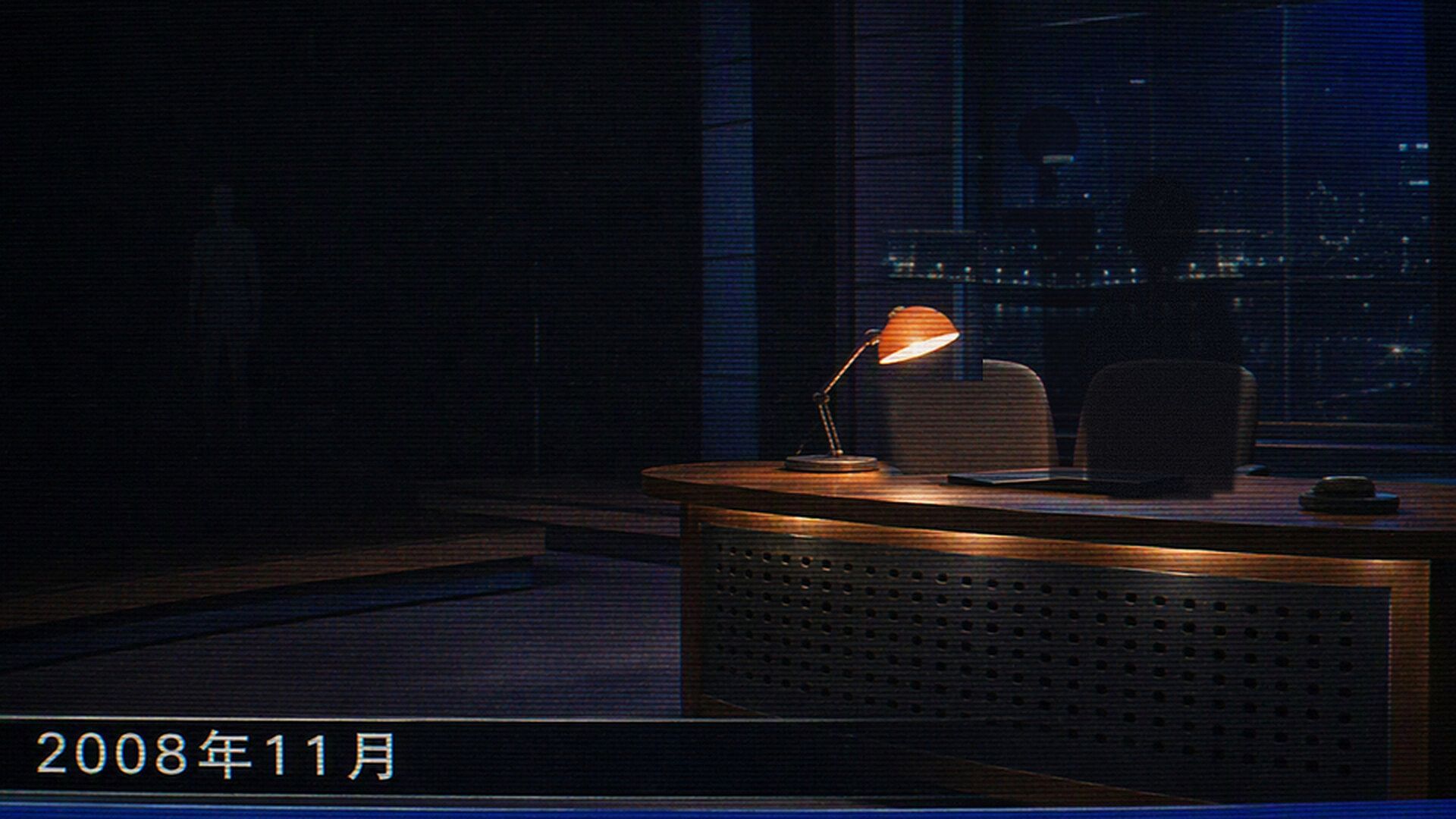
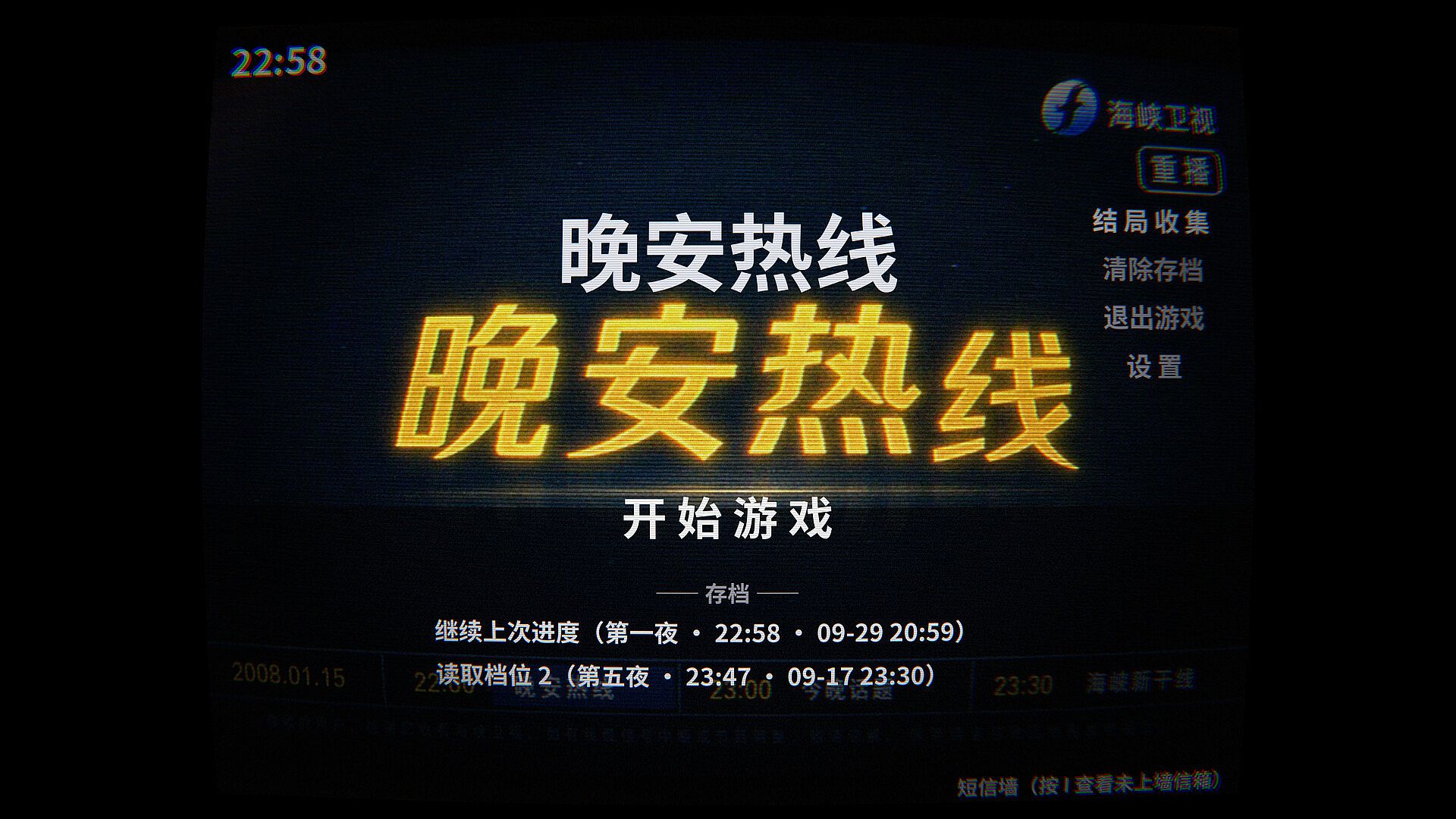
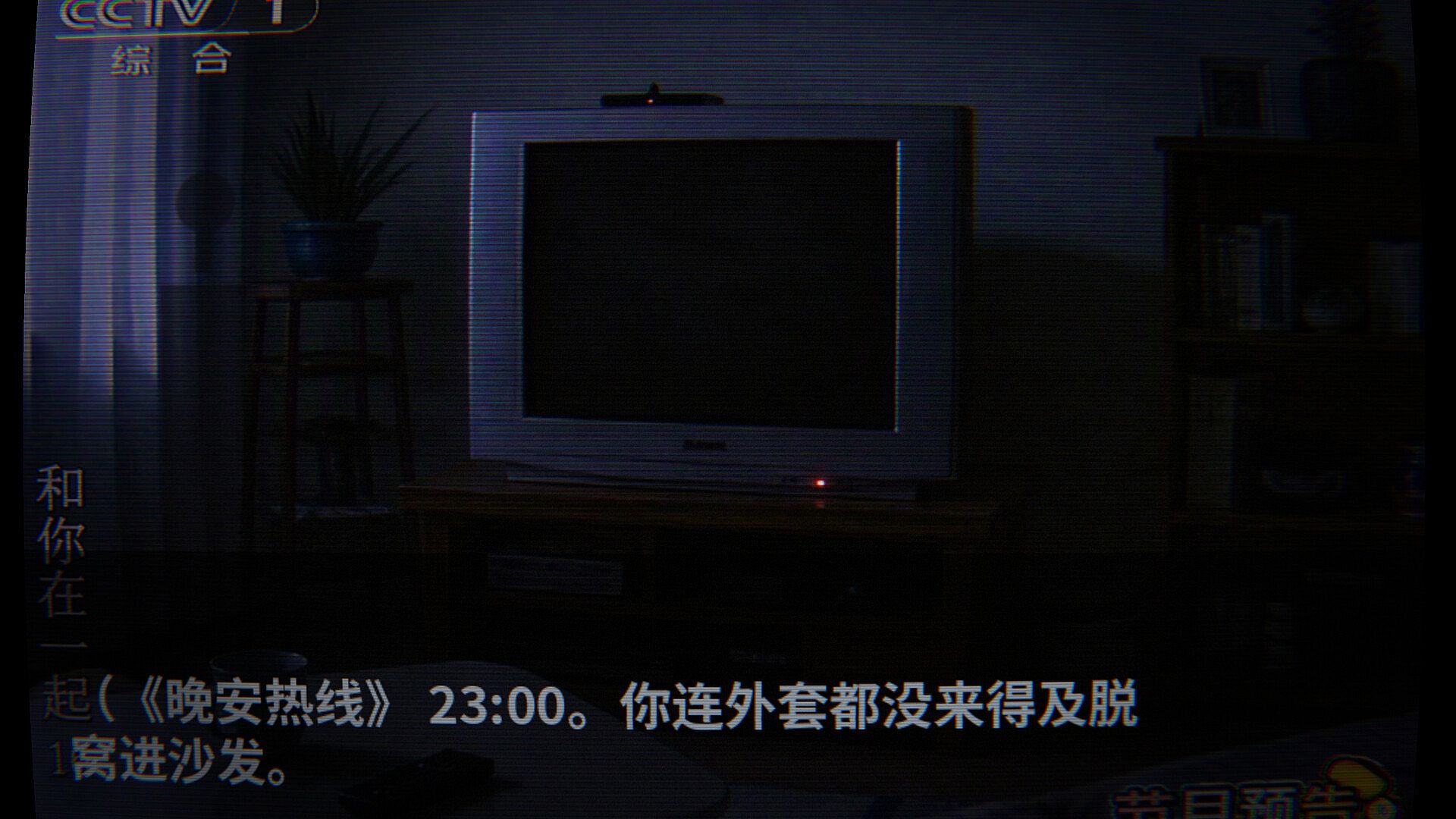
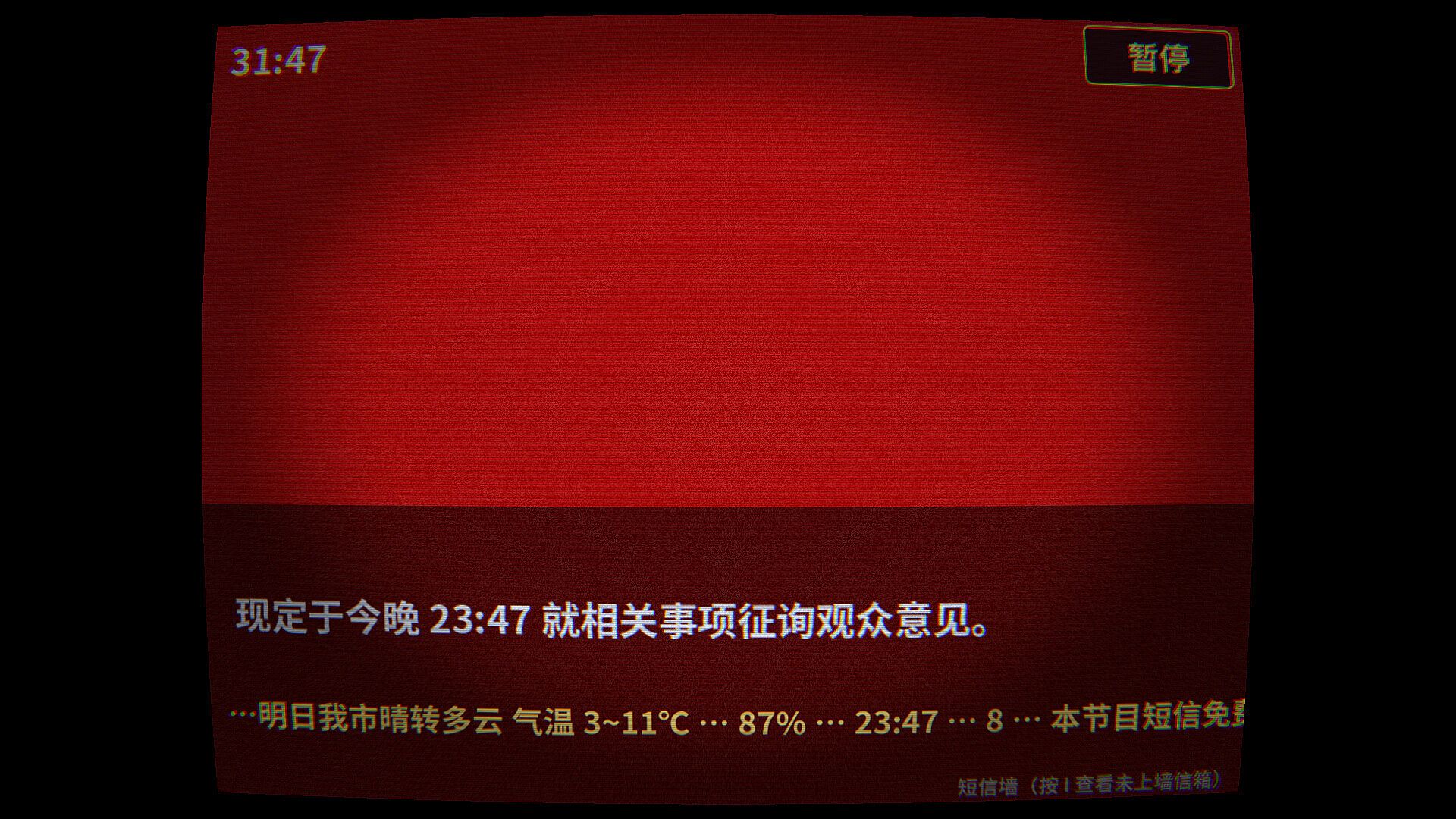
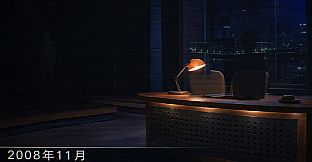

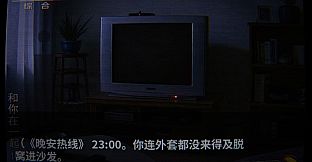

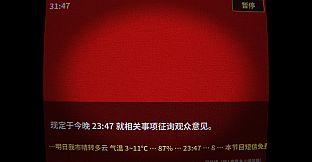
Goodnight Hotline is an indie adventure visual novel that places players in the role of a late-night television viewer in November 2008. The experience unfolds through a CRT-styled analog horror presentation centered on the fictional Haoyi TV broadcast of the show Goodnight Hotline. Each evening at 23:00 the host fields calls from listeners while an SMS wall displays messages from across the region. Players participate by sending texts and making choices that influence the unfolding narrative across five nights and lead to one of six distinct endings.
Gameplay
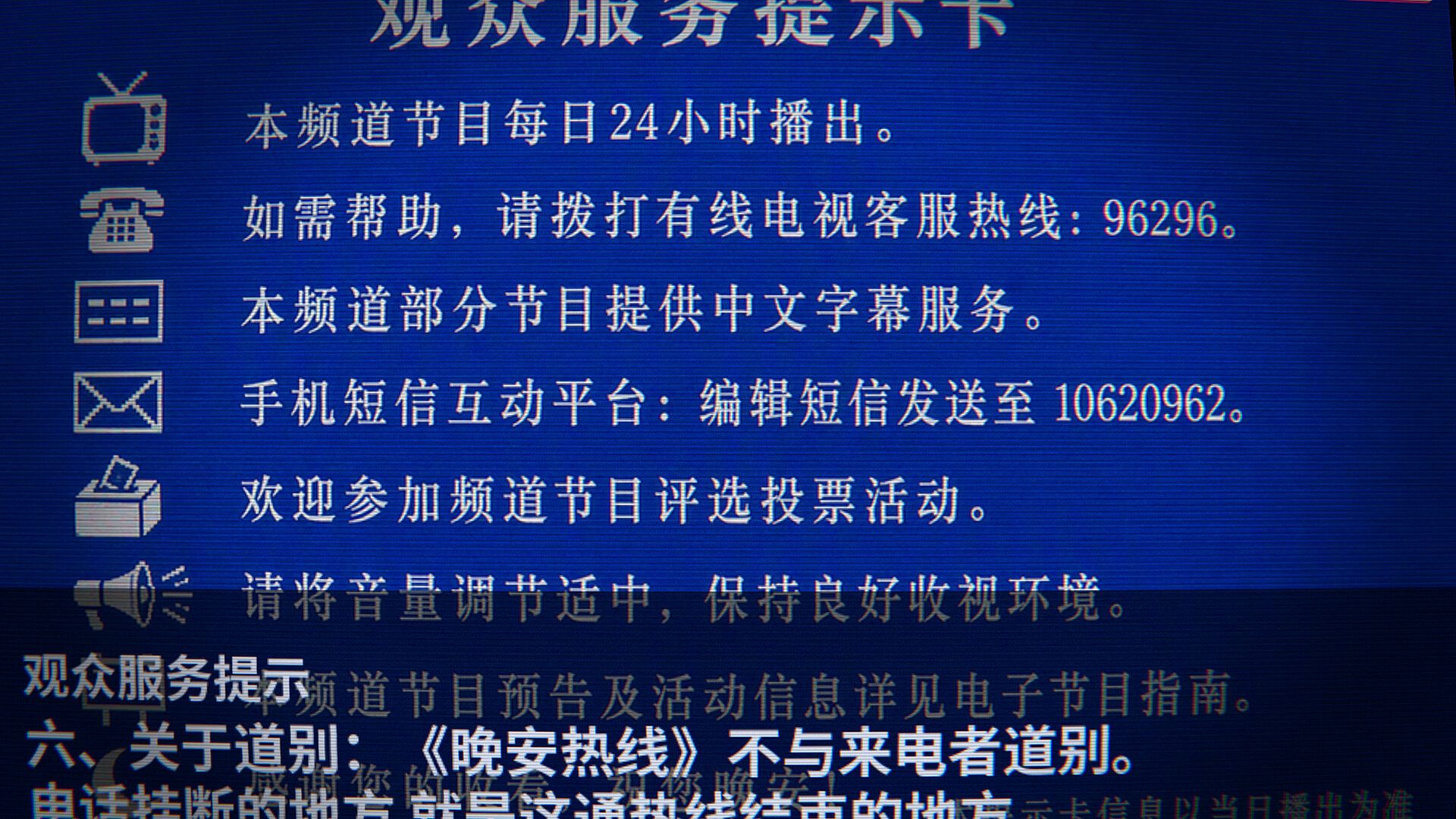
The core loop revolves around watching the simulated late-night program from the perspective of a viewer seated in a darkened room. The television screen features authentic retro elements including scanlines, static interference, and channel bugs that evoke the feel of 2008 broadcast television. Players interact by composing and sending SMS messages in response to the host and callers. These inputs, combined with dialogue choices, determine how events progress and which of the six endings the story reaches. The entire narrative can be completed in a single evening, though exploring every branch requires additional play sessions over a weekend. Voice acting covers all characters in Chinese, while the interface and subtitles support both English and Simplified Chinese.
Atmosphere builds gradually as the show deviates from its normal format. Callers reveal increasingly unsettling details, the host offers cryptic implications, and the scrolling SMS wall displays messages that hint at broader events. Each night introduces new layers of strangeness, encouraging players to consider the consequences of every text sent and every option selected. The design emphasizes careful attention to the presented information rather than complex mechanical systems.
Game Modes
Goodnight Hotline operates as a singleplayer narrative experience with no separate multiplayer or competitive components. The primary structure consists of five sequential nights of story content delivered through the visual novel format. Branching occurs based on player decisions during calls and SMS interactions, resulting in six possible conclusions. There are no additional modes, randomized elements, or post-game activities beyond replaying to reach the remaining endings. The content focuses entirely on the linear yet choice-driven progression of the broadcast over those five nights.
Story and Presentation
The setting captures the isolation of late-night viewing in a pre-smartphone era, where the television serves as the sole source of light and connection to the outside world. The host maintains a professional demeanor even as the calls grow more disturbing, while the SMS wall provides a constant stream of viewer reactions that often mirror or contradict the on-air discussion. Visual and audio design prioritizes the analog horror aesthetic, with static, flickering, and low-fidelity effects reinforcing the 2008 television atmosphere throughout every scene.
Full voice performances in Chinese bring the host and callers to life, adding emotional weight to the increasingly tense exchanges. Subtitles allow accessibility for non-Chinese speakers, though the spoken dialogue remains in the original language. The narrative explores themes of connection and disconnection through the lens of anonymous calls and text messages, building dread through implication rather than overt action.
Content Considerations
The game includes depictions of online harassment along with brief references to suicidal thoughts framed within an anti-bullying narrative. Horror elements permeate the atmosphere from the outset and intensify over the five nights. Player discretion is advised due to these sensitive topics and the overall unsettling tone.
Is It Worth Playing?
Goodnight Hotline suits players who enjoy short, focused visual novels with strong atmospheric presentation and meaningful choice consequences. Its compact structure allows completion of a single ending in one sitting, while the six endings provide replay incentive for those interested in exploring every branch. The retro CRT aesthetic and fully voiced Chinese performances deliver a distinctive sensory experience that stands apart from typical modern visual novels. Those drawn to analog horror and stories built around media and communication will find the five-night format engaging, particularly if they appreciate deliberate pacing and attention to textual and auditory detail. The anti-bullying framing offers a thematic anchor amid the horror, though the content warnings should be reviewed beforehand. Overall, the game delivers a self-contained narrative experience best suited to fans of the genre seeking a concise yet impactful title.