


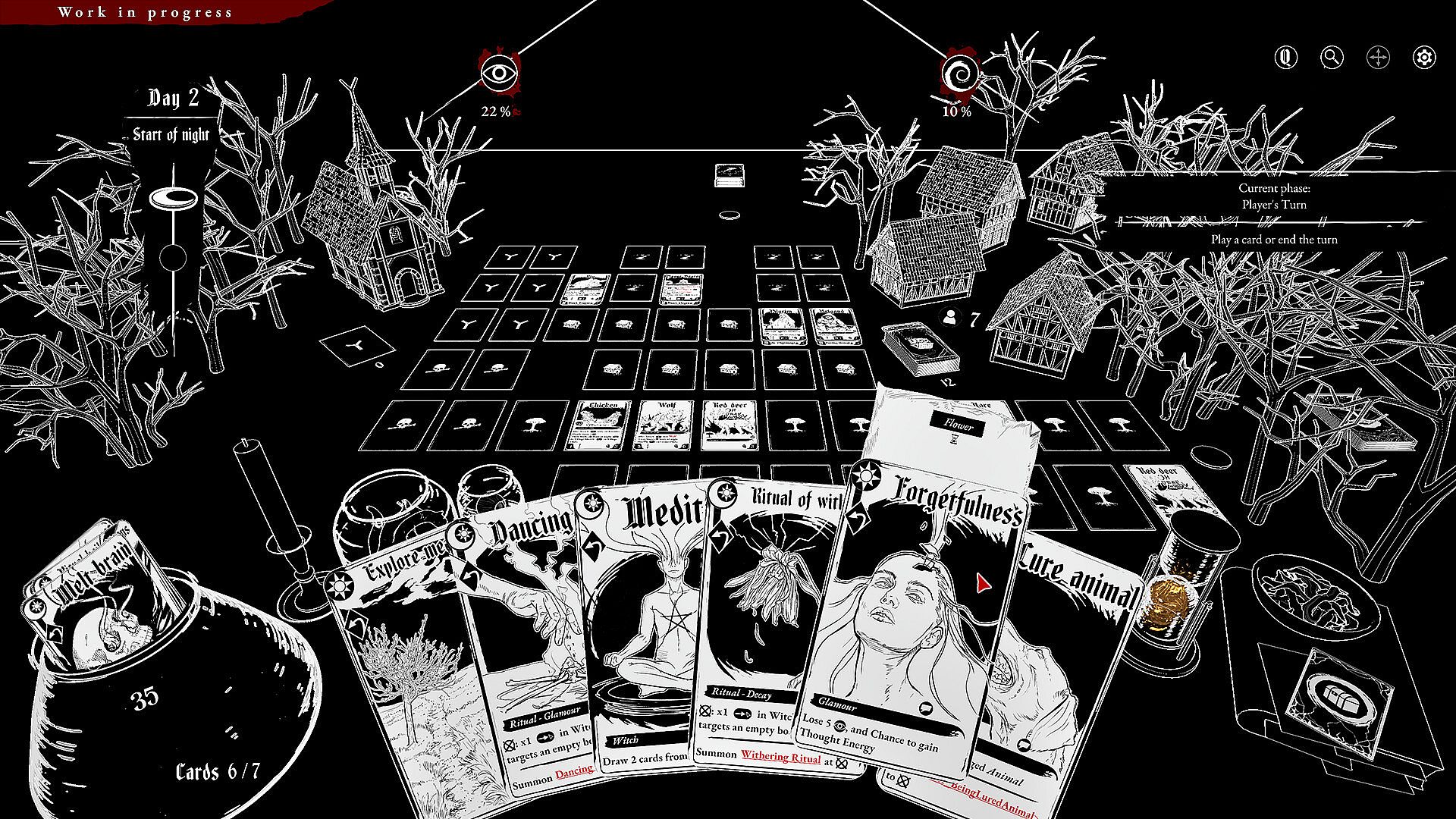
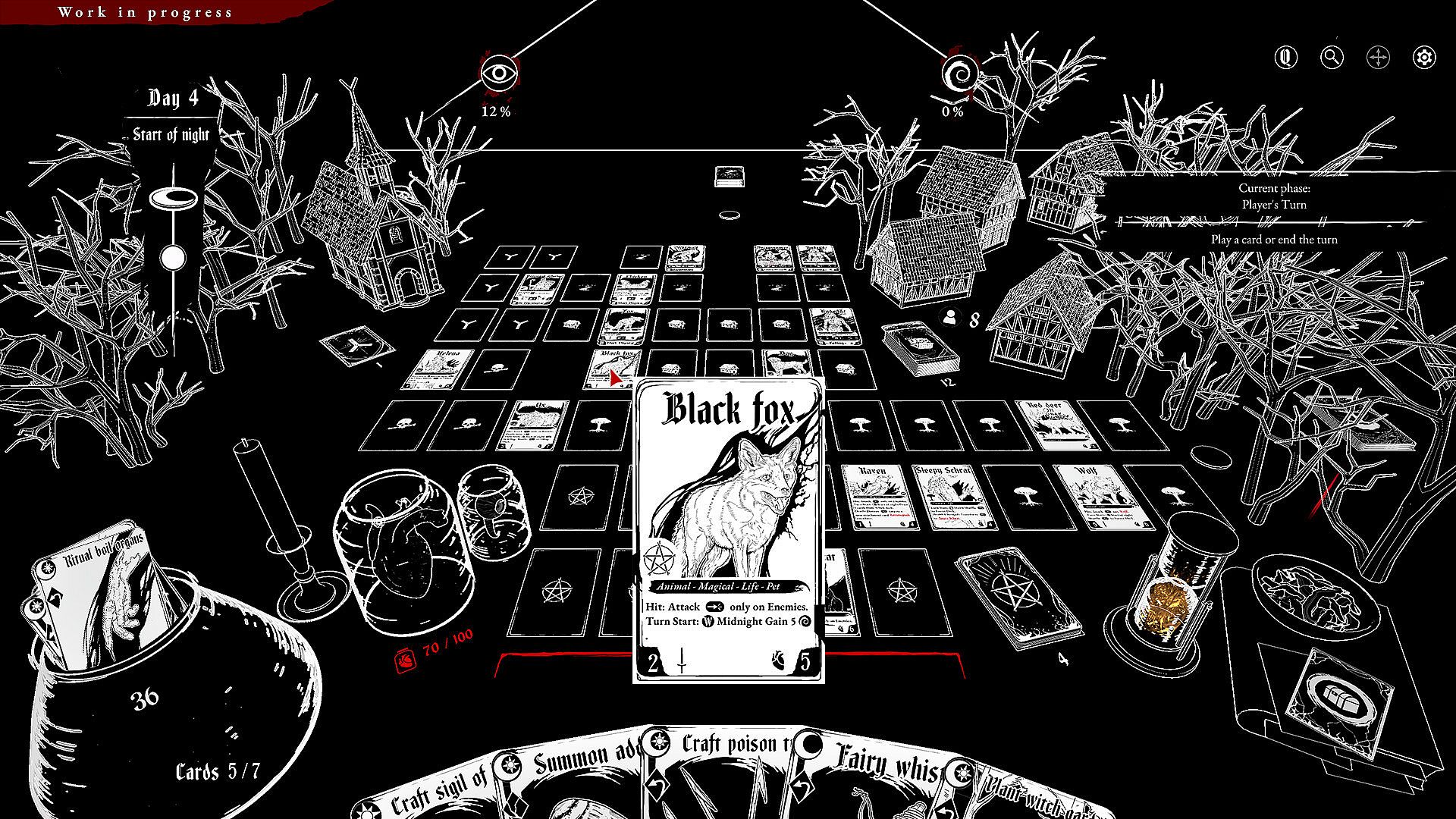
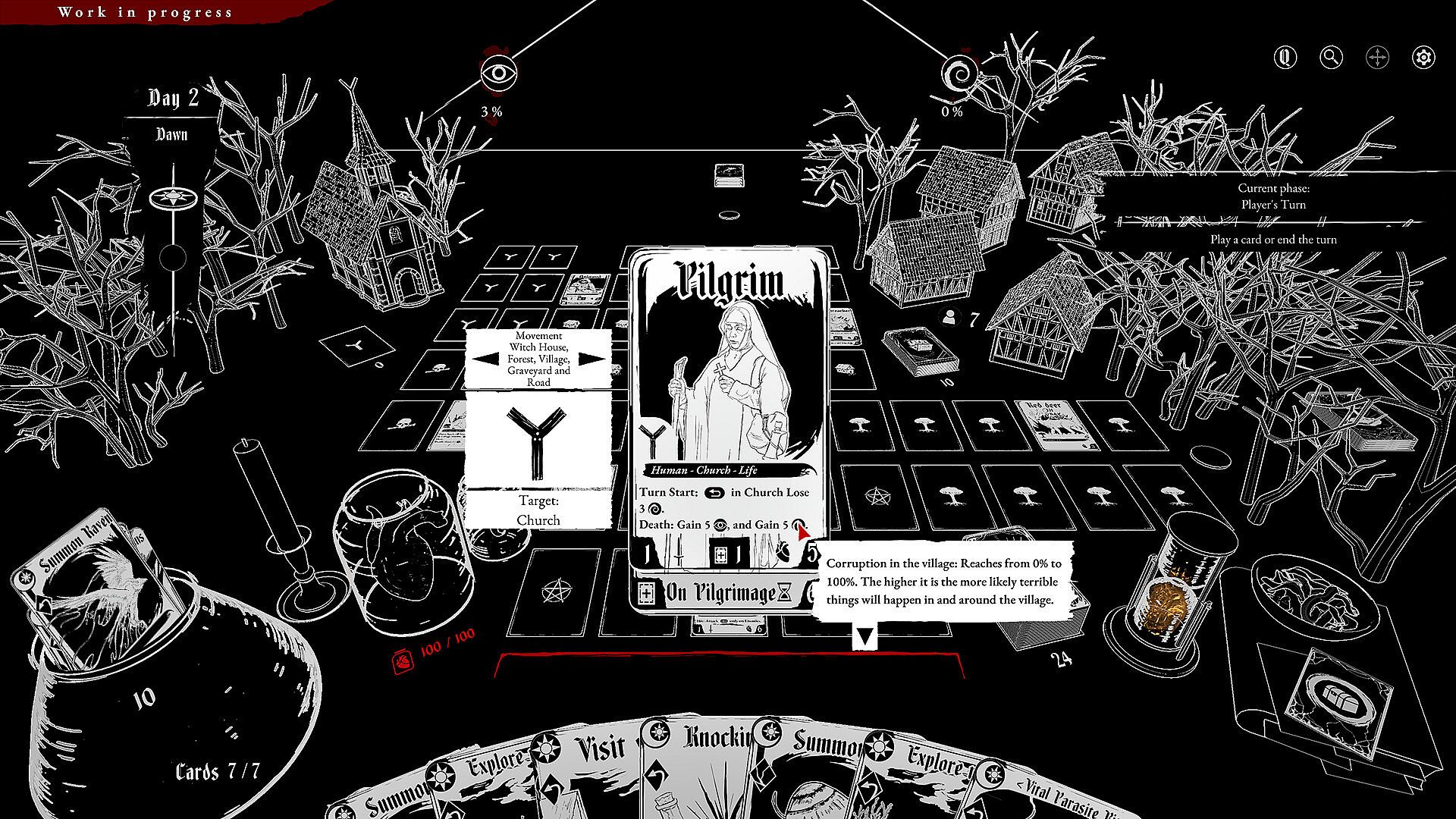
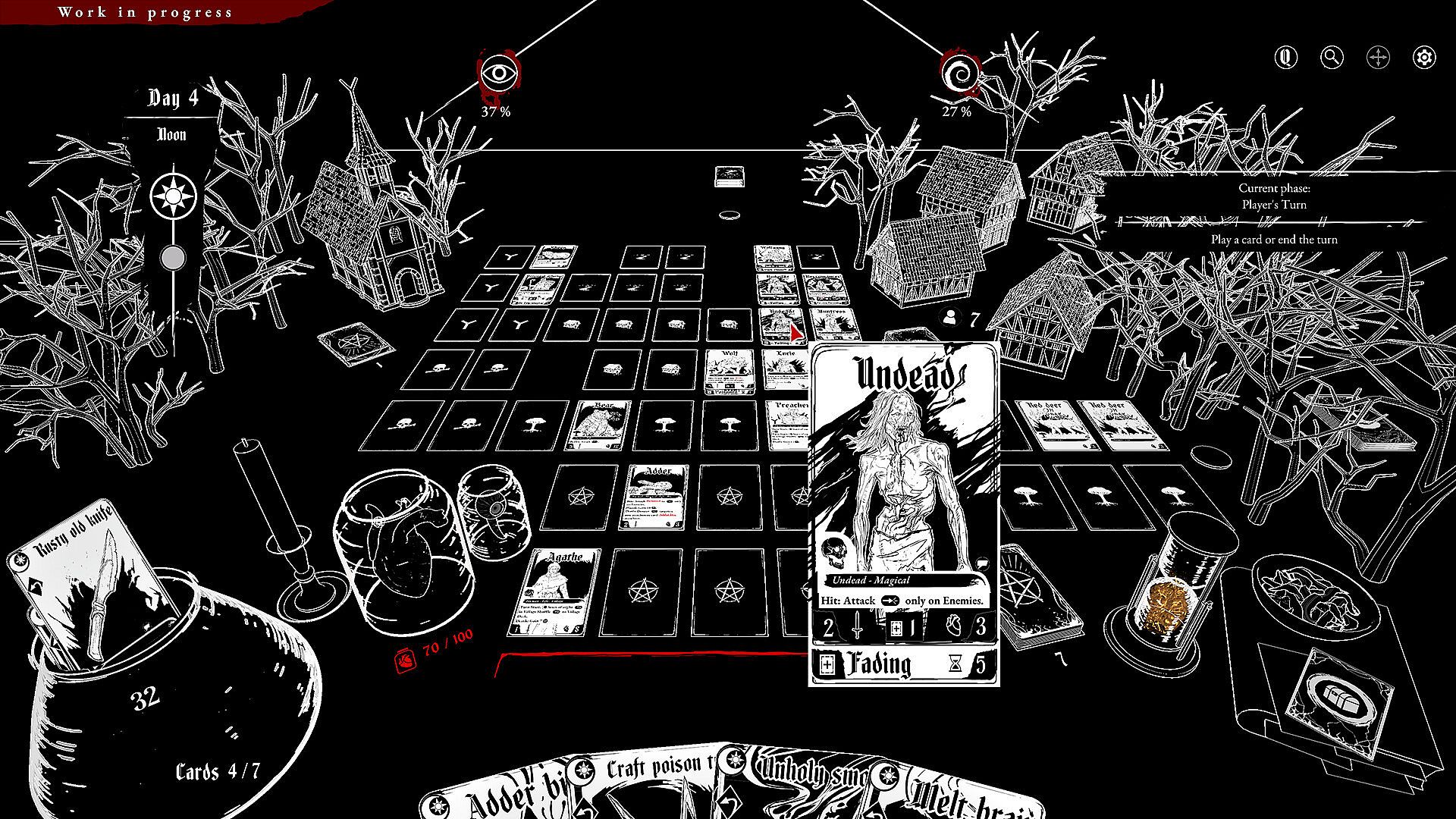
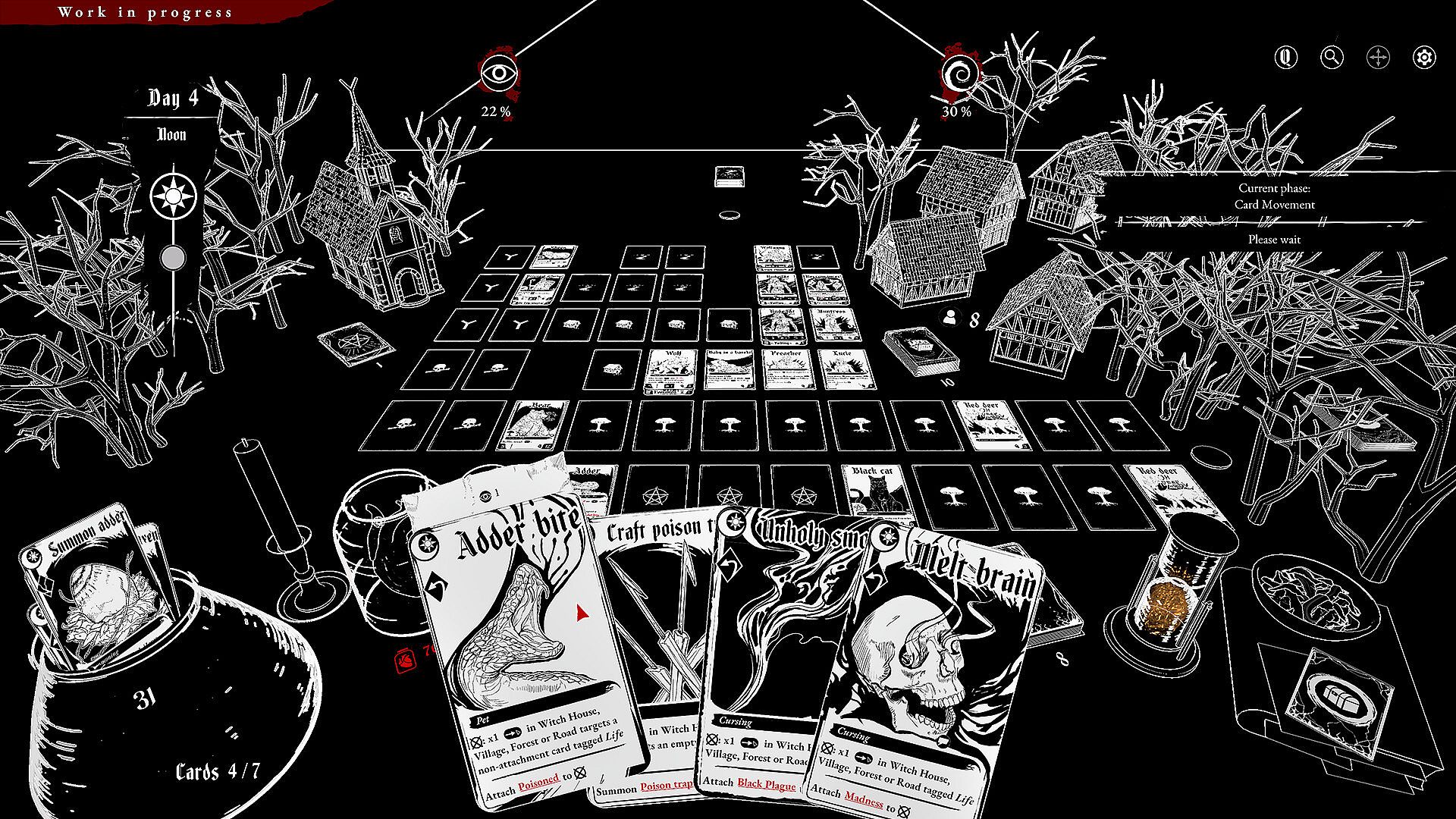
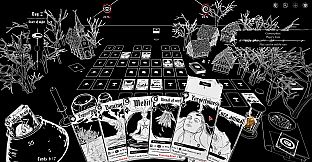
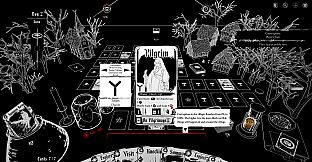
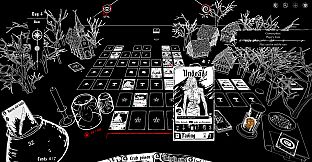
Walpurgis is a single-player card-based adventure game set in a world drawn from Central European folklore. Players take on the role of a spell-weaving witch or witcher living on the outskirts of a village threatened by mysterious corruption. Strangers arrive daily while creatures emerge from the forest at night, creating constant tension between protection and personal power.
Gameplay
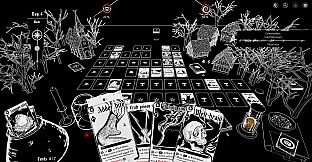
The core loop revolves around tactical round-based card play and careful resource management. Two key trackers, suspicion and corruption, rise and fall based on card choices. High suspicion draws confrontations from villagers or clergy, while high corruption summons dangerous creatures and misfortune. Balancing these forces shapes every session.
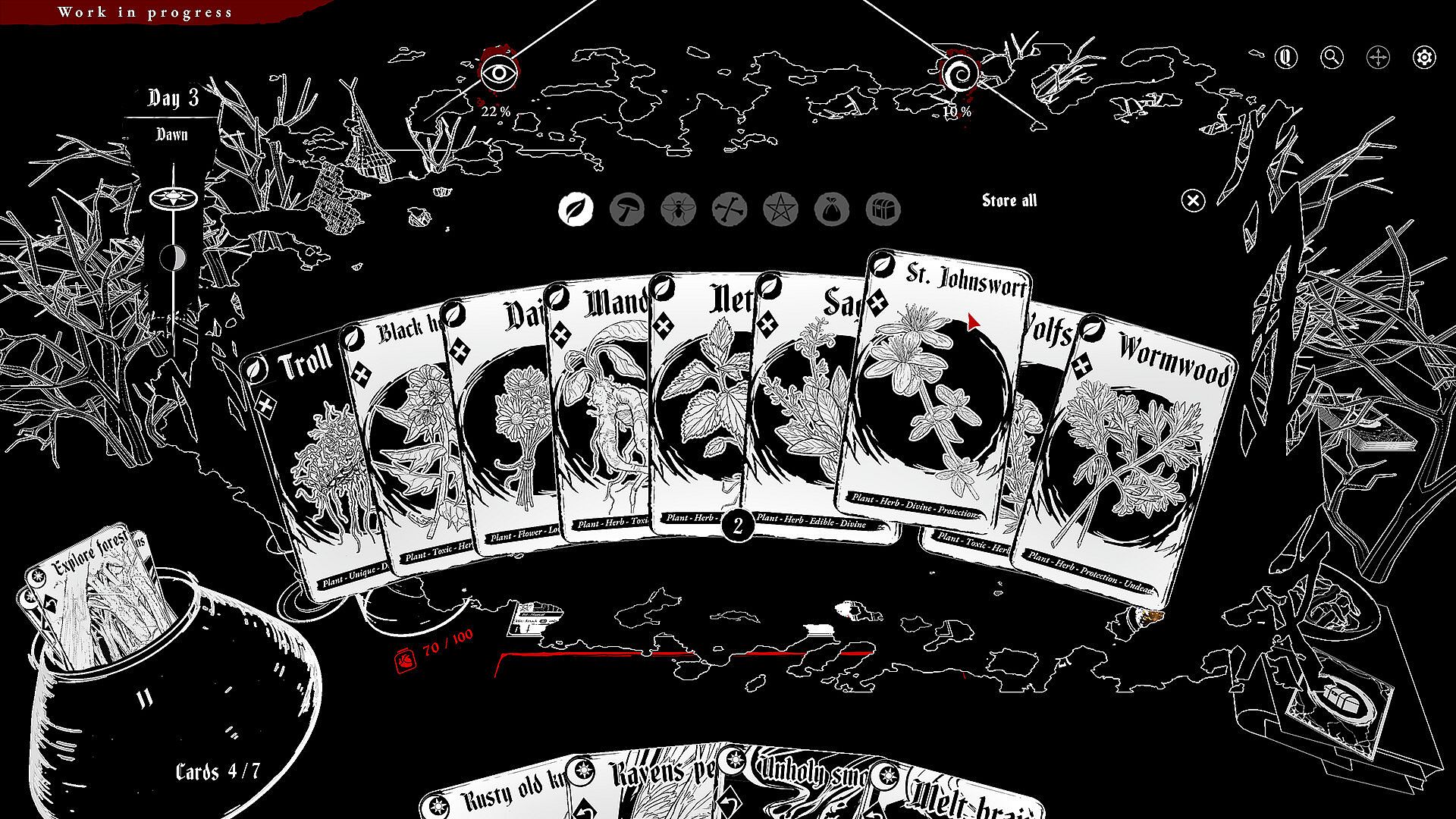
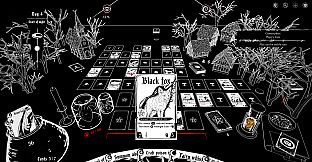
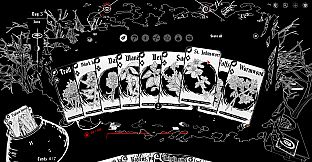
Over 600 hand-illustrated cards allow spells, minion summons, rituals, crafting, and exploration. Materials such as plants, mushrooms, insects, remains, and arcane energy fuel witchcraft, with some unique items offering significant advantages. Deck growth occurs through discovery and acquisition during play.
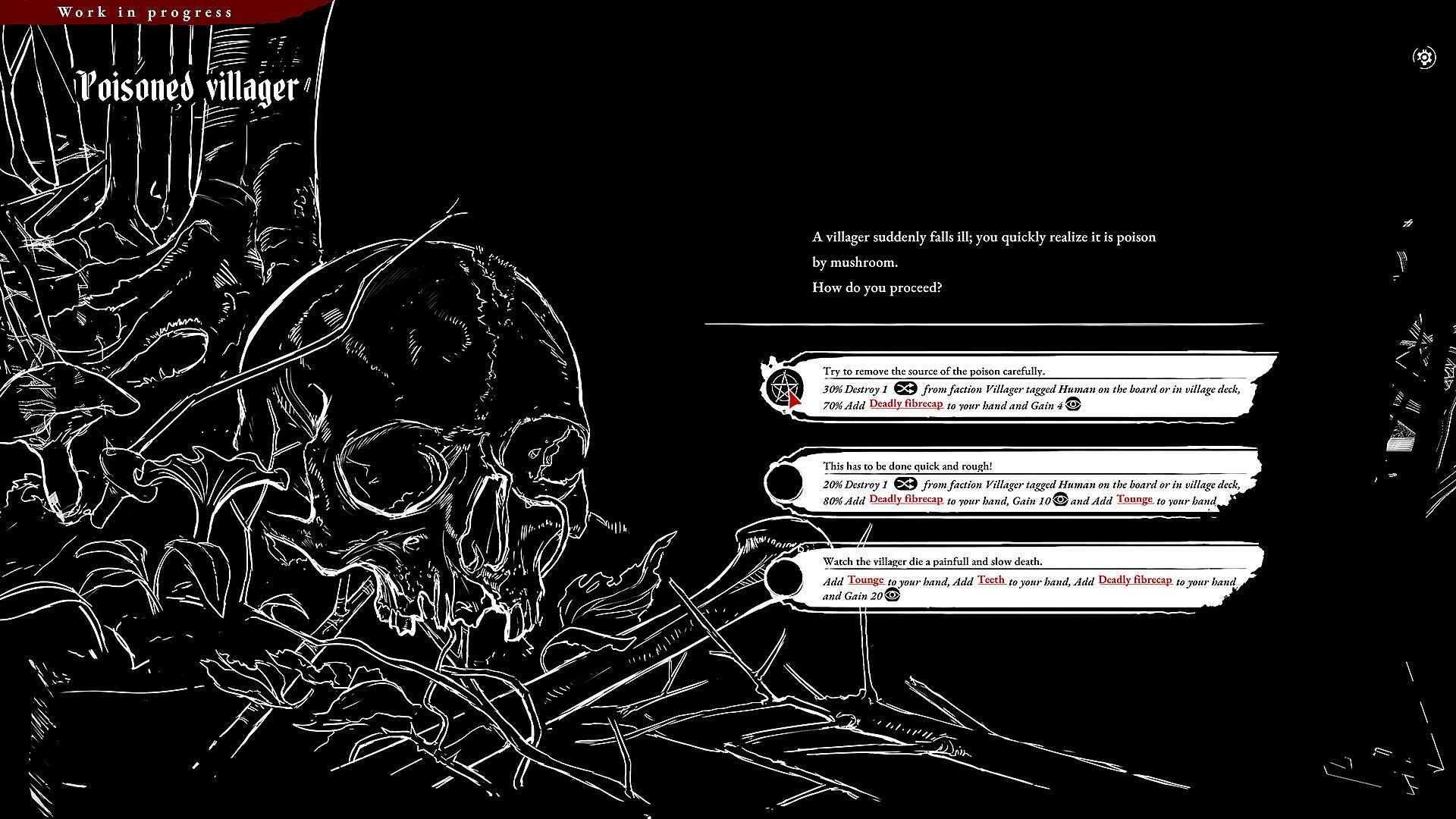
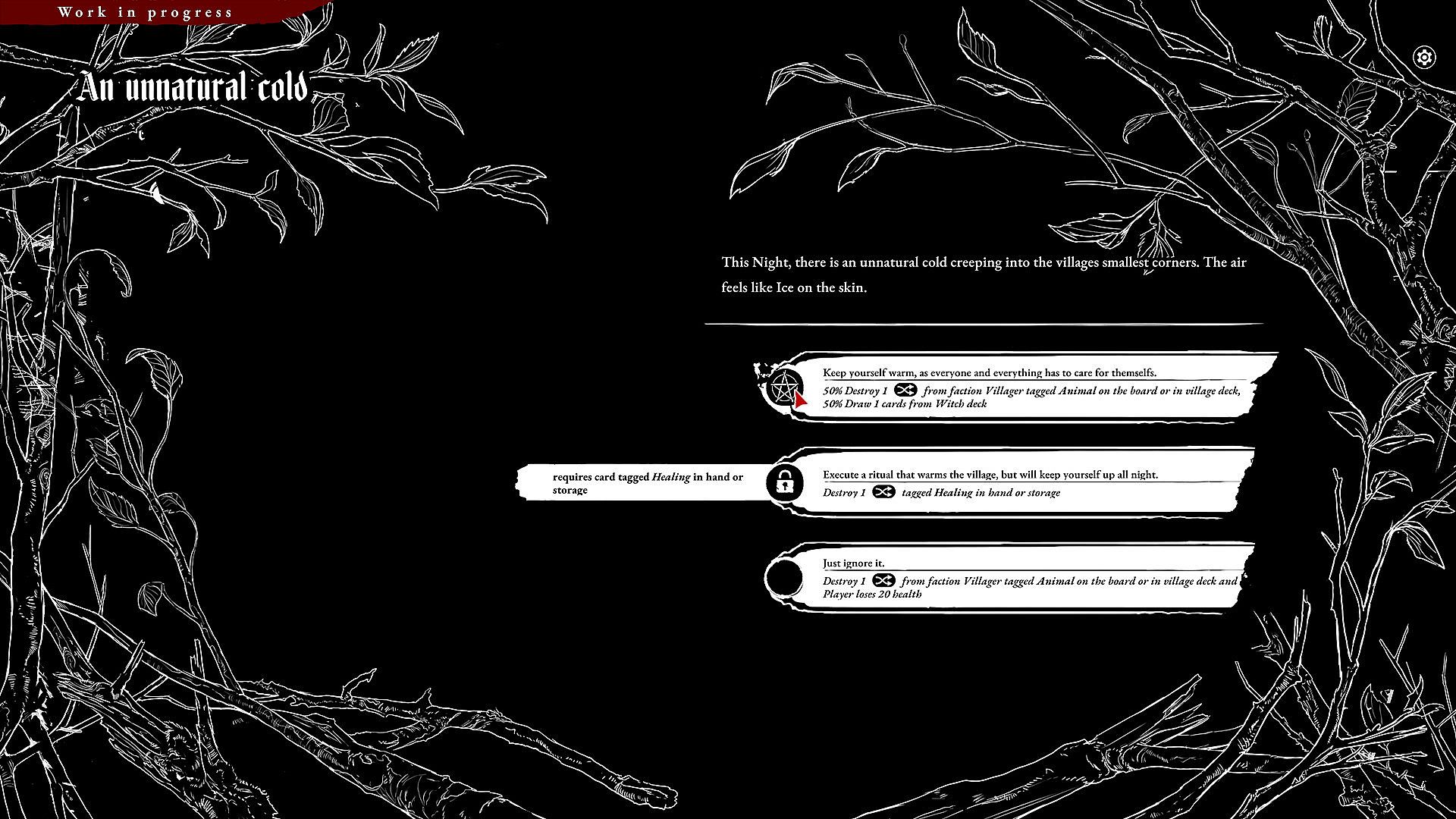
A living board features interacting factions including villagers, clergy, visiting strangers, and forest entities. Moral decisions in dynamic events carry lasting consequences that alter the world state and lead toward one of five possible endings tied to the main story of a missing mentor. Flavor text on cards expands the lore and occasionally reveals hidden details.
Game Modes
Walpurgis offers a single-player experience focused on narrative progression and strategic card play. There are no separate multiplayer or competitive modes. The game centers on one continuous campaign where choices accumulate across sessions, with the living board responding to player actions in real time.
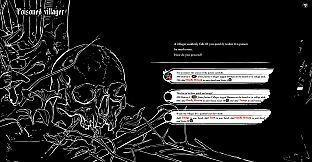
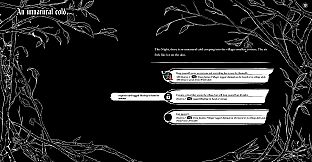
Dynamic events interrupt the main storyline and require decisions that affect suspicion, corruption, and faction relations. These events integrate directly into the card-based system rather than functioning as isolated side activities.
Story and World
The narrative follows the search for a missing mentor while the village faces corruption from the forest. Players interact with townsfolk who may offer aid or turn hostile, strangers whose intentions remain unclear until tested, and nocturnal creatures ranging from harmless animals to supernatural threats. The clergy adds another layer of risk through their presence near the church.
Central European fauna, flora, and folklore inform the setting, with cards and events reflecting regional traditions. Exploration yields resources that expand options for spells and rituals, while manipulation or protection of villagers and animals influences the balance of power.
Is It Worth Playing?
Walpurgis targets players who enjoy narrative-driven card games with meaningful choices and branching outcomes. The combination of deck building, resource balancing, and moral consequences creates a focused single-player experience centered on folklore themes and strategic depth.
Because the game remains unreleased with a planned launch date still to be announced, current interest rests on its described systems and the promise of over 600 unique cards. Those drawn to indie adventure titles that emphasize tactical play over action will find the mechanics align closely with the core pitch of managing suspicion and corruption while uncovering secrets.