

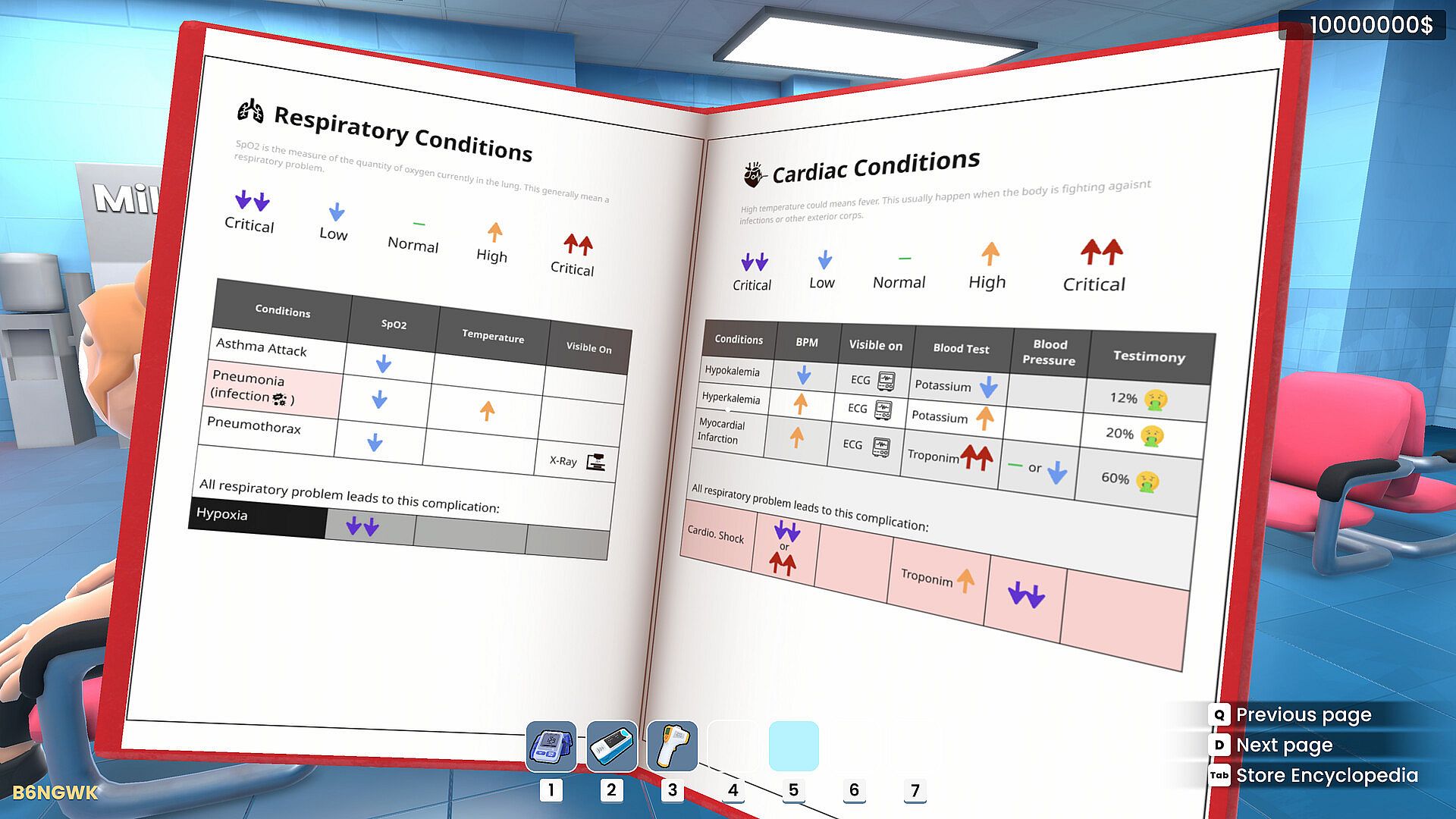
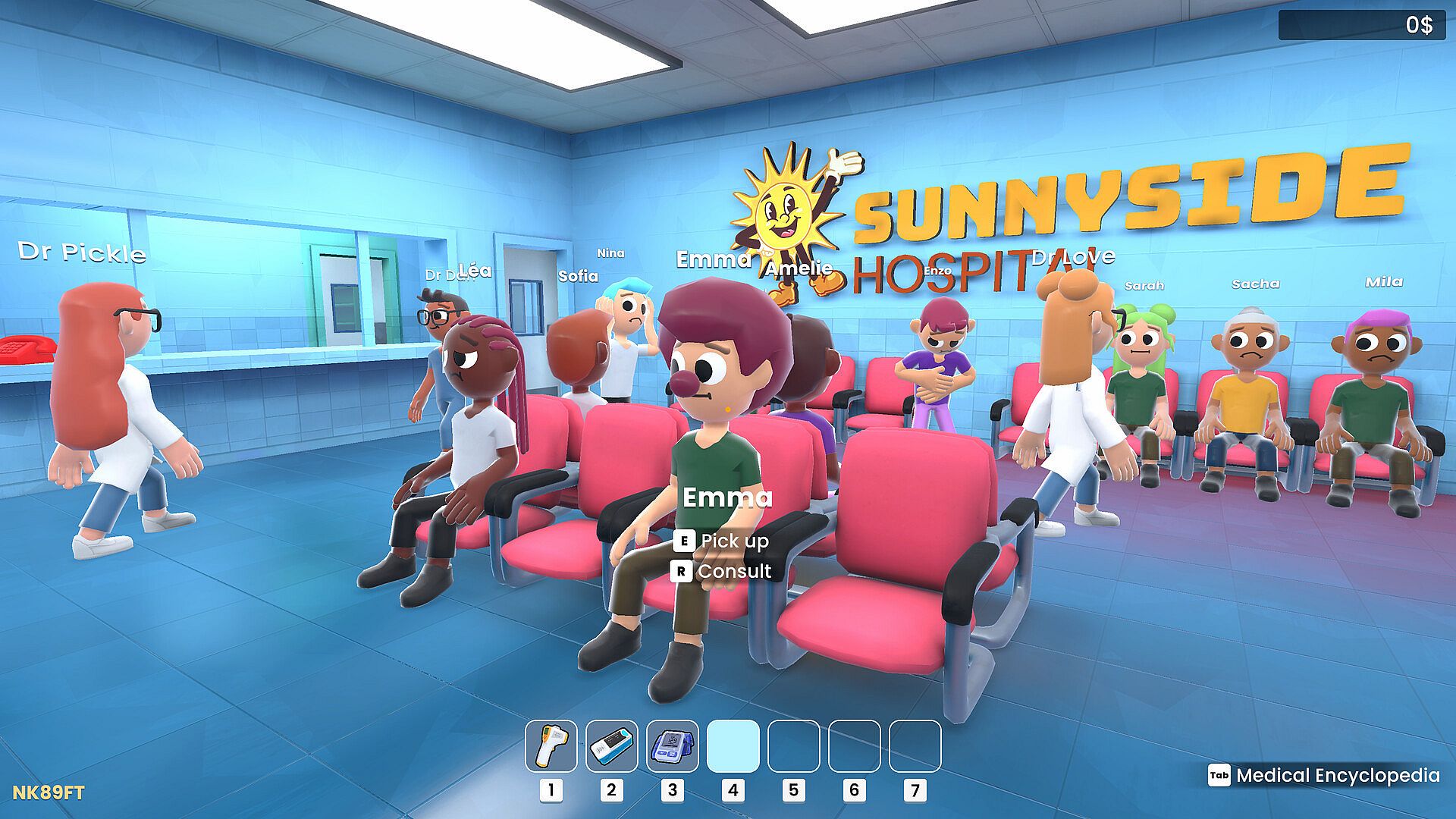
Vital Decisions é um jogo indie de simulação que coloca o jogador no comando de um pronto-socorro movimentado. Os participantes examinam pacientes, verificam sinais vitais, consultam um manual médico e escolhem os tratamentos adequados para estabilizar cada caso antes que o quadro piore. A experiência combina ritmo descontraído com profundidade de simulação, permitindo tanto sessões solo quanto cooperativas online para até oito jogadores no PC.
Gameplay
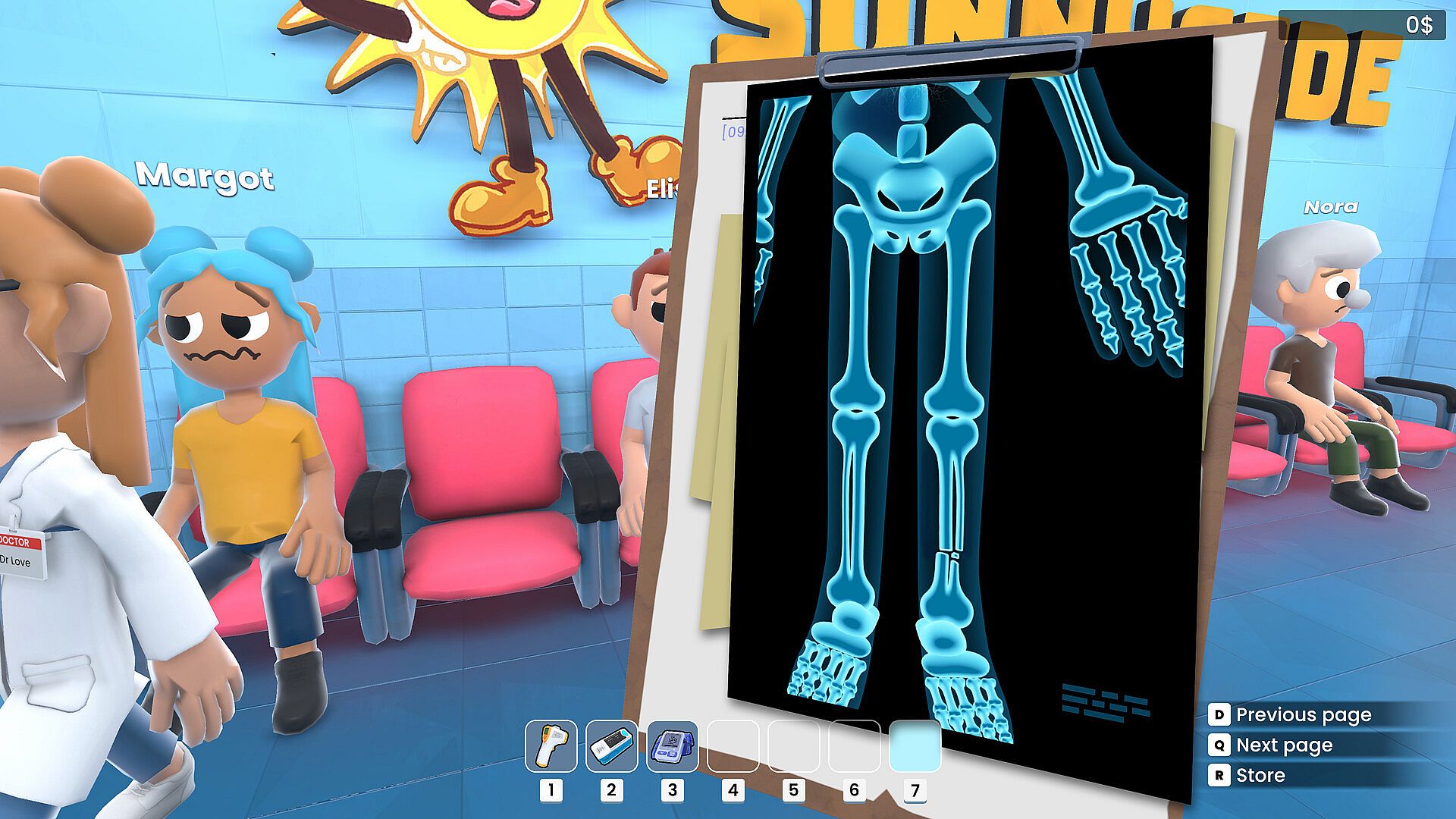
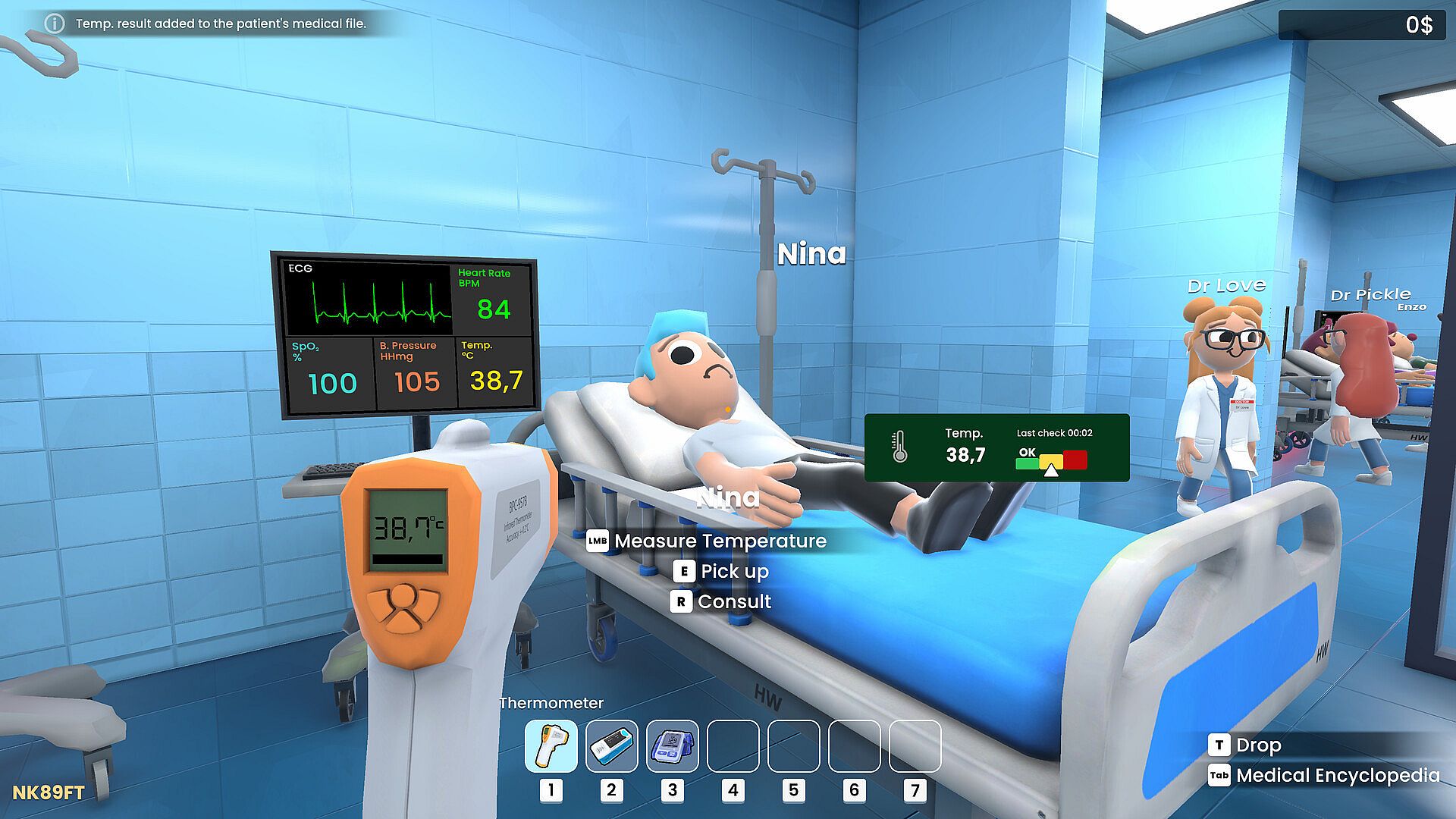
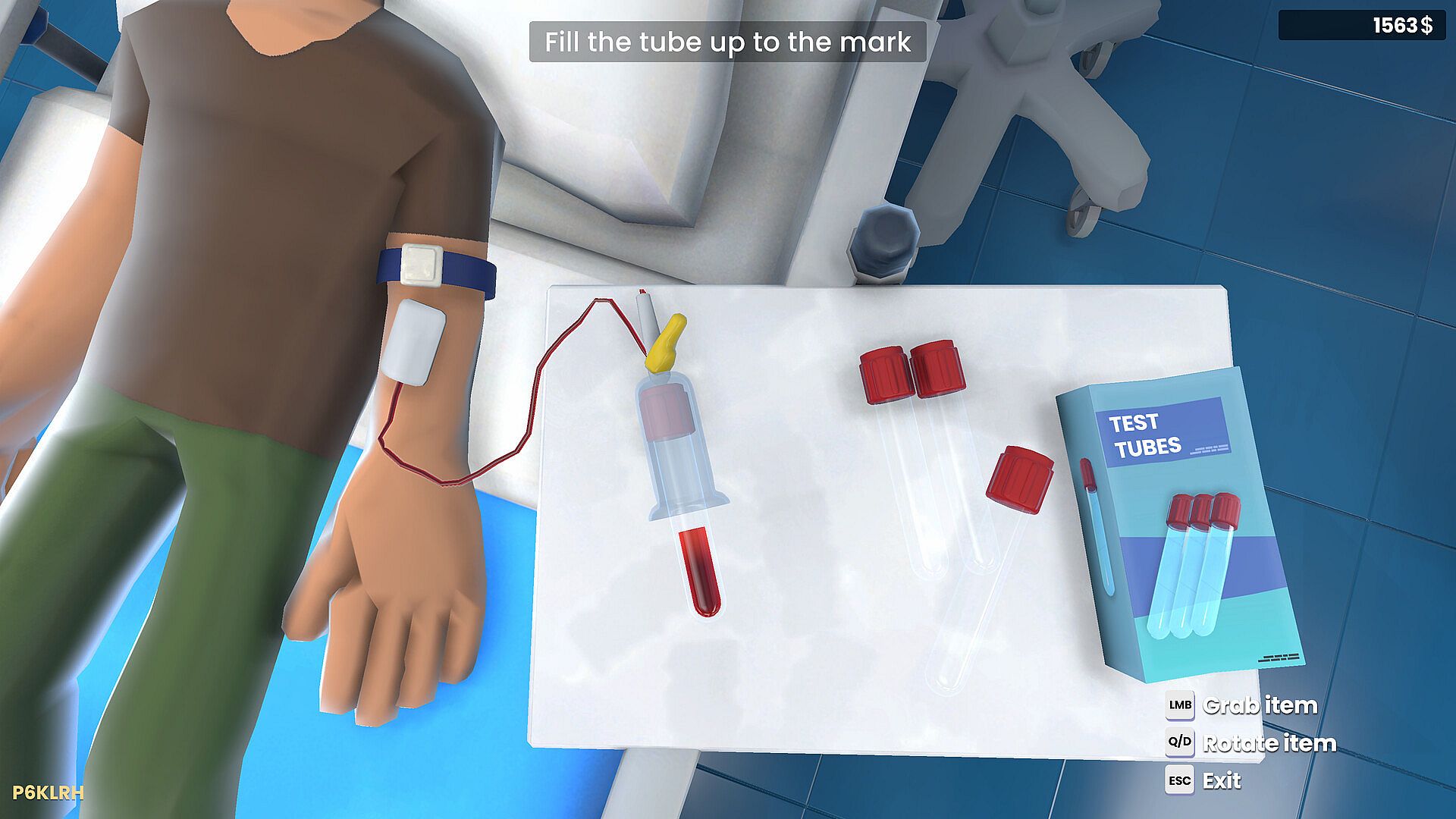
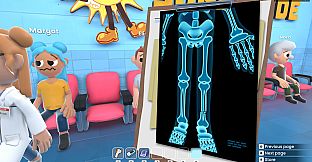
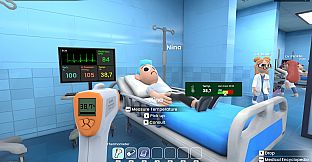
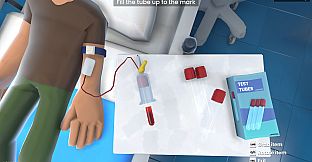
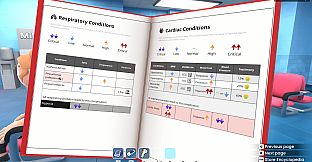
O ciclo principal gira em torno da recepção e do gerenciamento dos pacientes. Os jogadores medem sinais vitais, analisam sintomas e realizam exames como hemograma, ECG, raio-X ou tomografia para chegar a um diagnóstico. Depois de identificado, o tratamento pode incluir prescrição de medicamentos, instalação de soro, administração de oxigênio ou inaladores, colocação de talas, controle de hemorragias e procedimentos especializados. As condições evoluem em tempo real, então cada intervenção pode estabilizar o paciente, revelar complicações ou apontar um diagnóstico anterior que precisa ser corrigido.
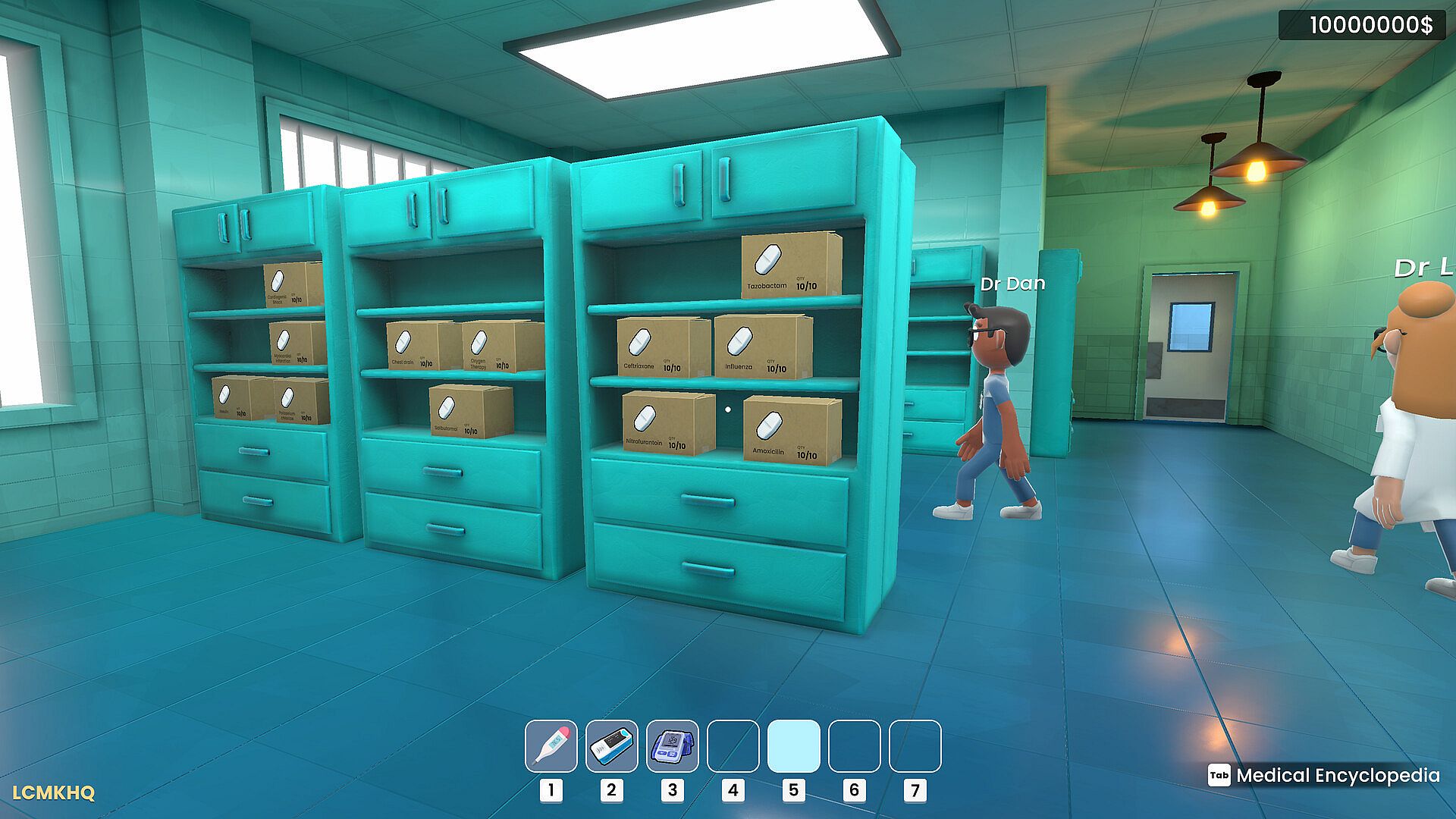
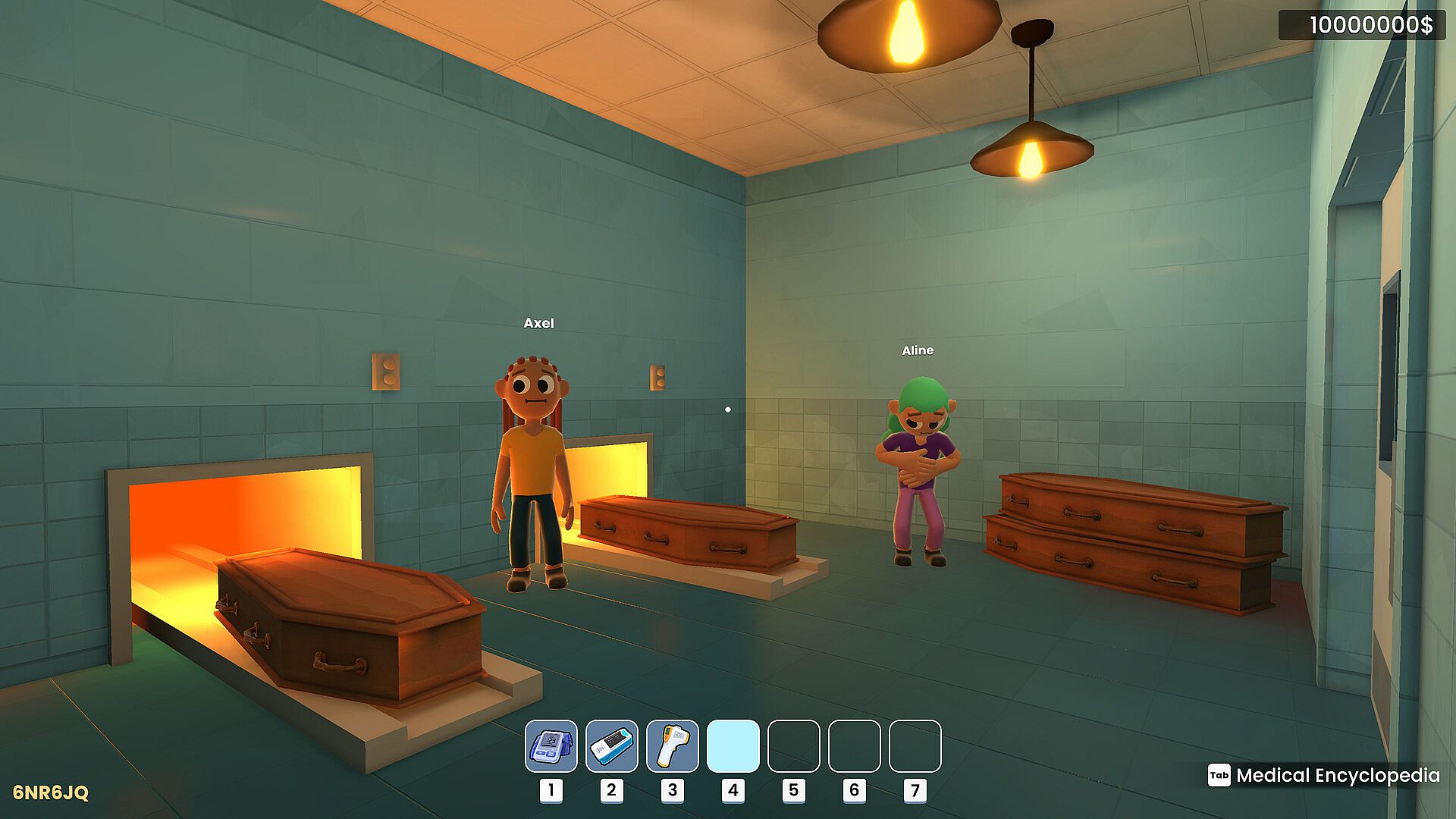
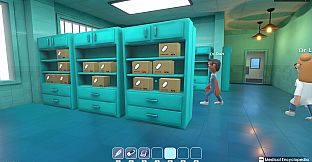
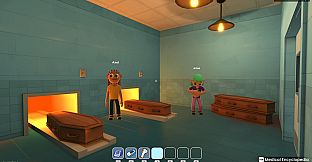
O gerenciamento de recursos adiciona outra camada de estratégia. A equipe transporta pacientes entre leitos e áreas de tratamento, controla o estoque de medicamentos, prepara os postos de trabalho e libera os indivíduos após a recuperação ou quando não há mais possibilidade de atendimento. As melhorias liberam novos cômodos, equipamentos de diagnóstico, medicamentos, opções de soro, procedimentos e reformas no hospital, permitindo lidar com casos mais complexos ao longo do tempo. O sistema recompensa quem sabe priorizar quando vários pacientes disputam atenção e espaço limitado.
Modos de Jogo
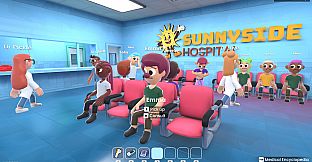
O jogo pode ser jogado em modo single-player ou em cooperativo online com até oito participantes. Nas sessões em grupo, os jogadores dividem tarefas como monitorar diferentes pacientes, operar equipamentos ou gerenciar suprimentos, comunicando-se para manter a ordem. No single-player, os mesmos sistemas são gerenciados sem ajuda, destacando a tomada de decisão individual sob pressão. Não há modos competitivos ou versus; o foco permanece no gerenciamento colaborativo ou solitário de emergências.
Progressão e Gerenciamento do Hospital
À medida que os turnos avançam, novos casos trazem maior complexidade e testam os equipamentos e conhecimentos atuais. O desbloqueio de melhorias amplia a capacidade e as opções, incentivando novas partidas para experimentar layouts e combinações de tratamento. O controle do estoque de medicamentos e a alocação de leitos tornam-se decisivos quando o volume de pacientes aumenta, exigindo escolhas entre atendimento imediato e preparo a longo prazo. A progressão é constante, sem sobrecarregar, e atende tanto sessões casuais quanto quem busca otimização.
Vale a pena jogar?
Vital Decisions é indicado para quem gosta de simulações focadas em alocação de recursos, raciocínio rápido e resolução de problemas com temática médica. Seu tom acessível e mecânicas claras facilitam a entrada de novatos, enquanto o modo cooperativo aumenta a rejogabilidade para grupos que preferem dividir responsabilidades em um espaço compartilhado. As partidas solo oferecem prática concentrada nos mesmos sistemas. Quem busca ação intensa ou experiências narrativas pode achar o escopo mais limitado, mas fãs de simulações de gerenciamento vão valorizar a relação direta entre precisão do diagnóstico, tempo de tratamento e sucesso do turno. O jogo está disponível no PC com suporte contínuo aos recursos principais.