


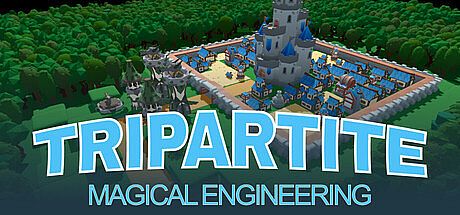


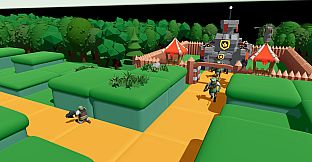
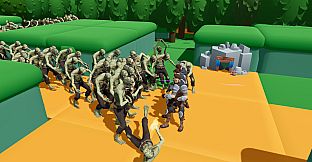
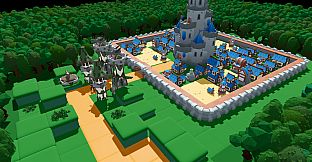
Tripartite: Magical Engineering is a strategy indie game for PC that blends tower defense with offensive siege mechanics and deep magic combination systems. Players reclaim a kingdom by constructing roads and towers while experimenting with magical infusions to create powerful synergies on the battlefield.
Gameplay
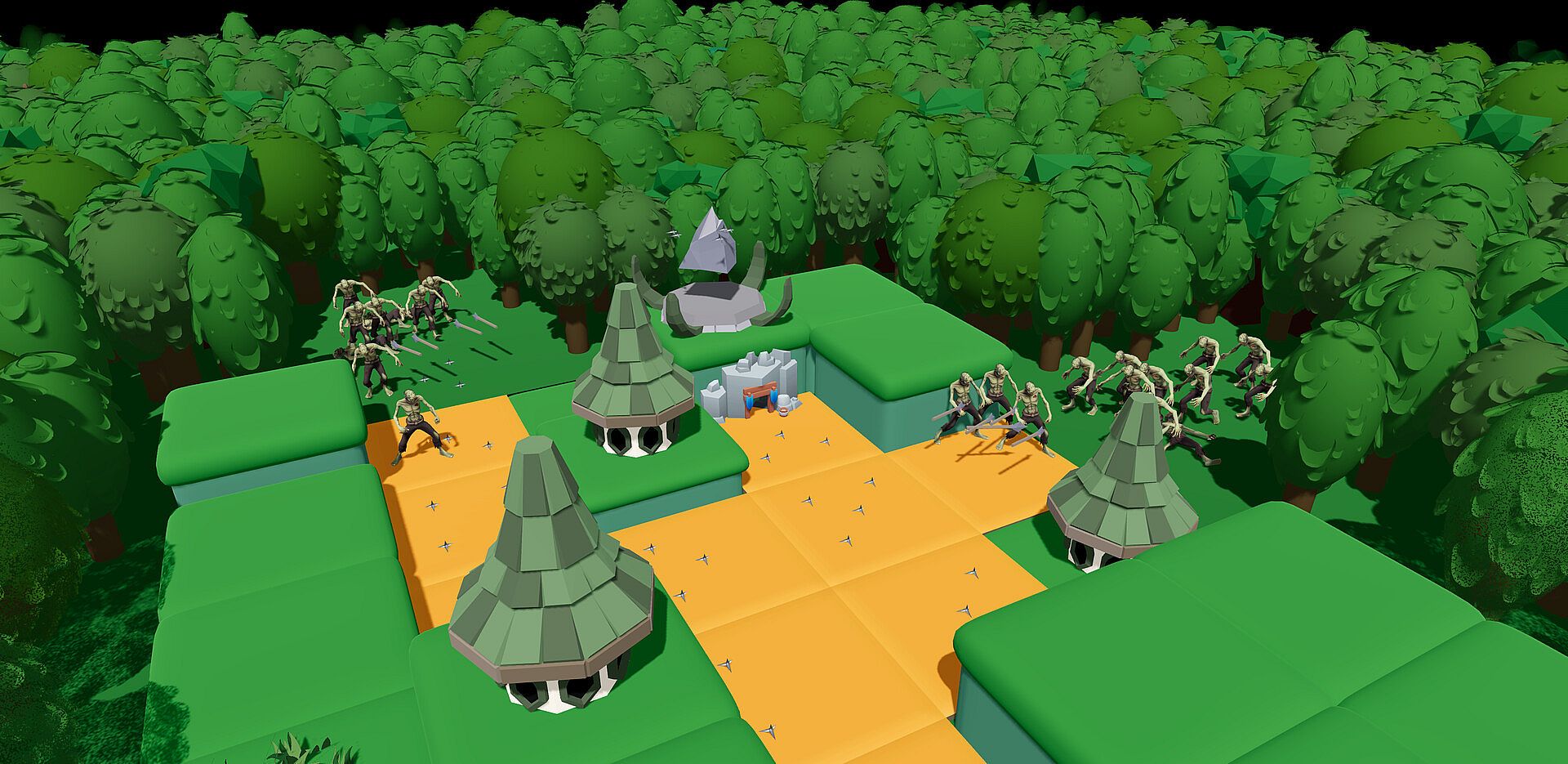
The core loop centers on discovering and testing magical combinations across 25 distinct magic types. Basic elements like Earth, Water, Wind, and Fire serve as starting points, while more advanced options such as Conjuration, Dream, and Necromancy unlock through research and orb collection during runs. Every tower features discrete abilities, allowing players to infuse structures like watch towers with storm magic or experiment with pairings such as healing magic in cannons or necromancy in swords.
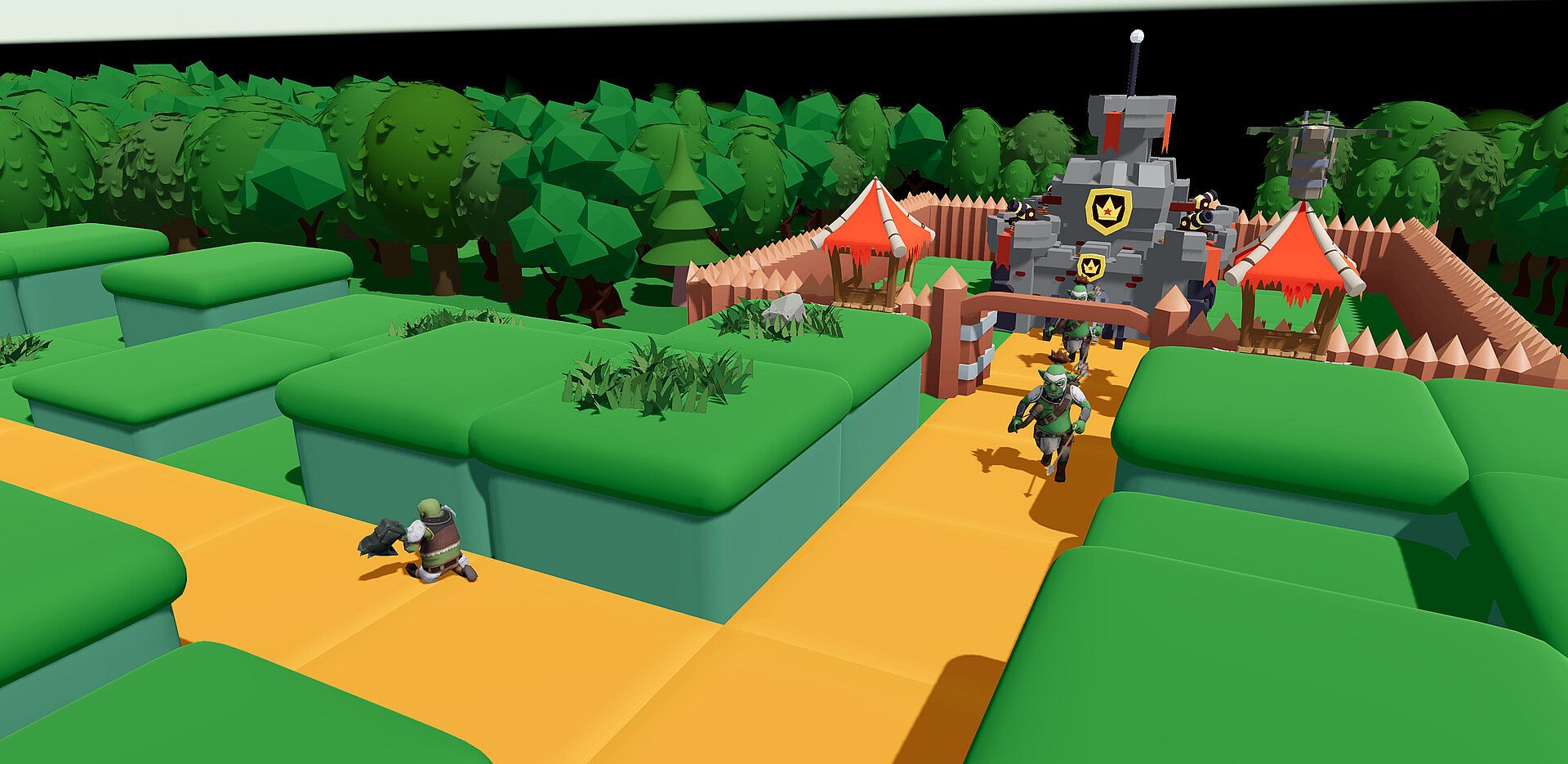
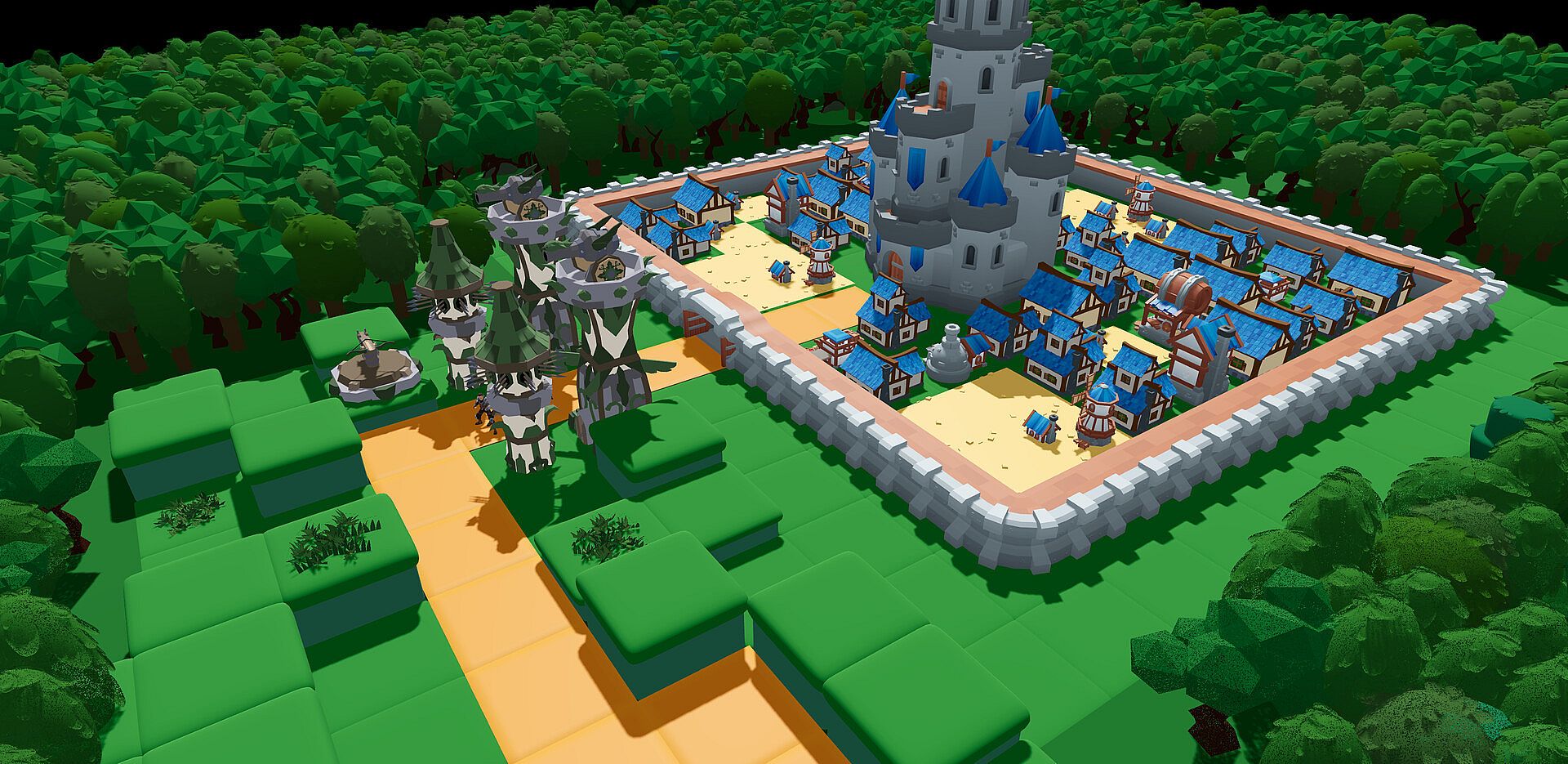
Road building adds a layer of strategic placement. Players choose paths to connect territories, secure checkpoints at hostile fortresses, and expand across the map while anticipating enemy movements. This system encourages careful positioning to maximize defensive coverage and offensive reach.
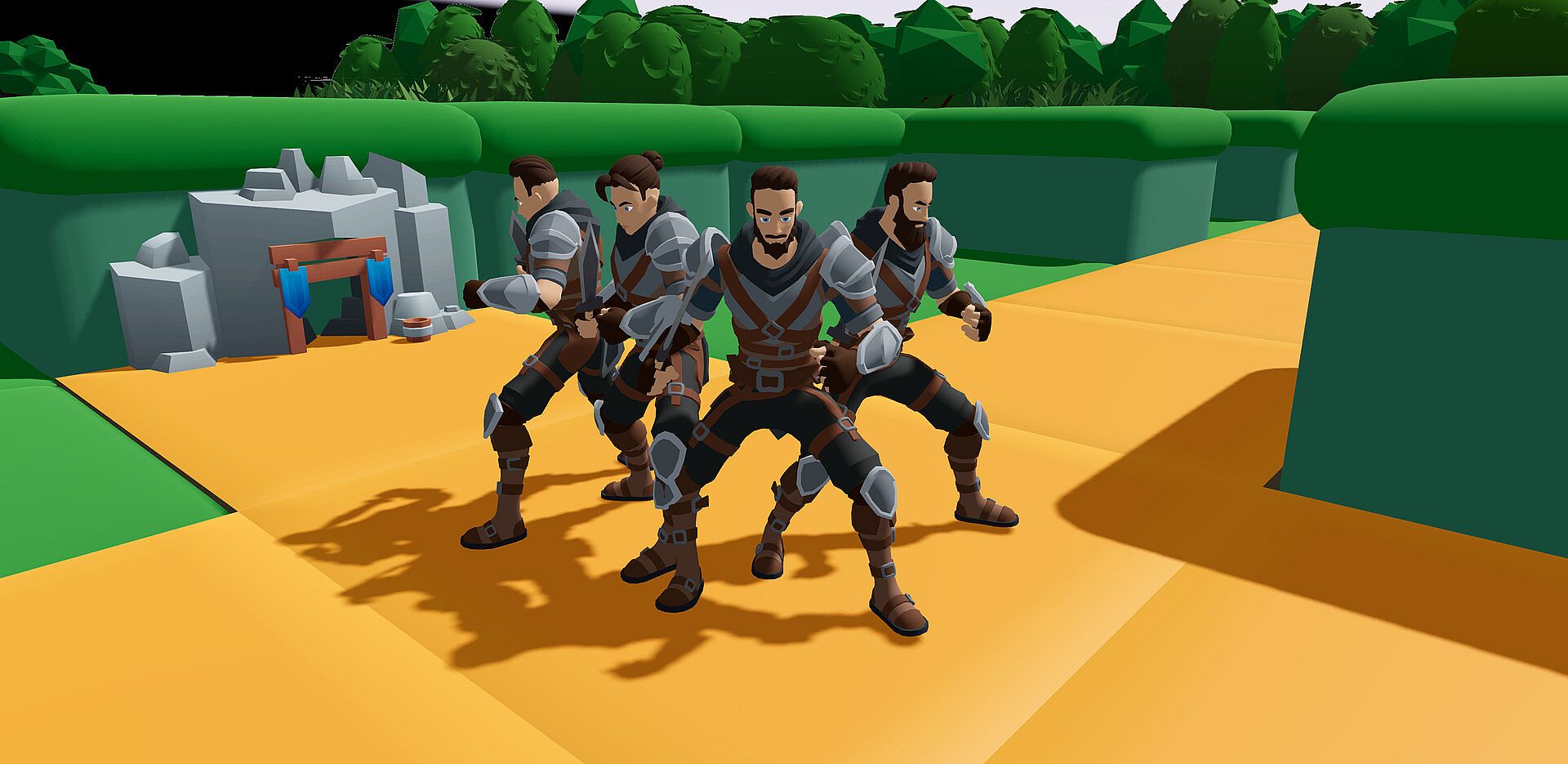
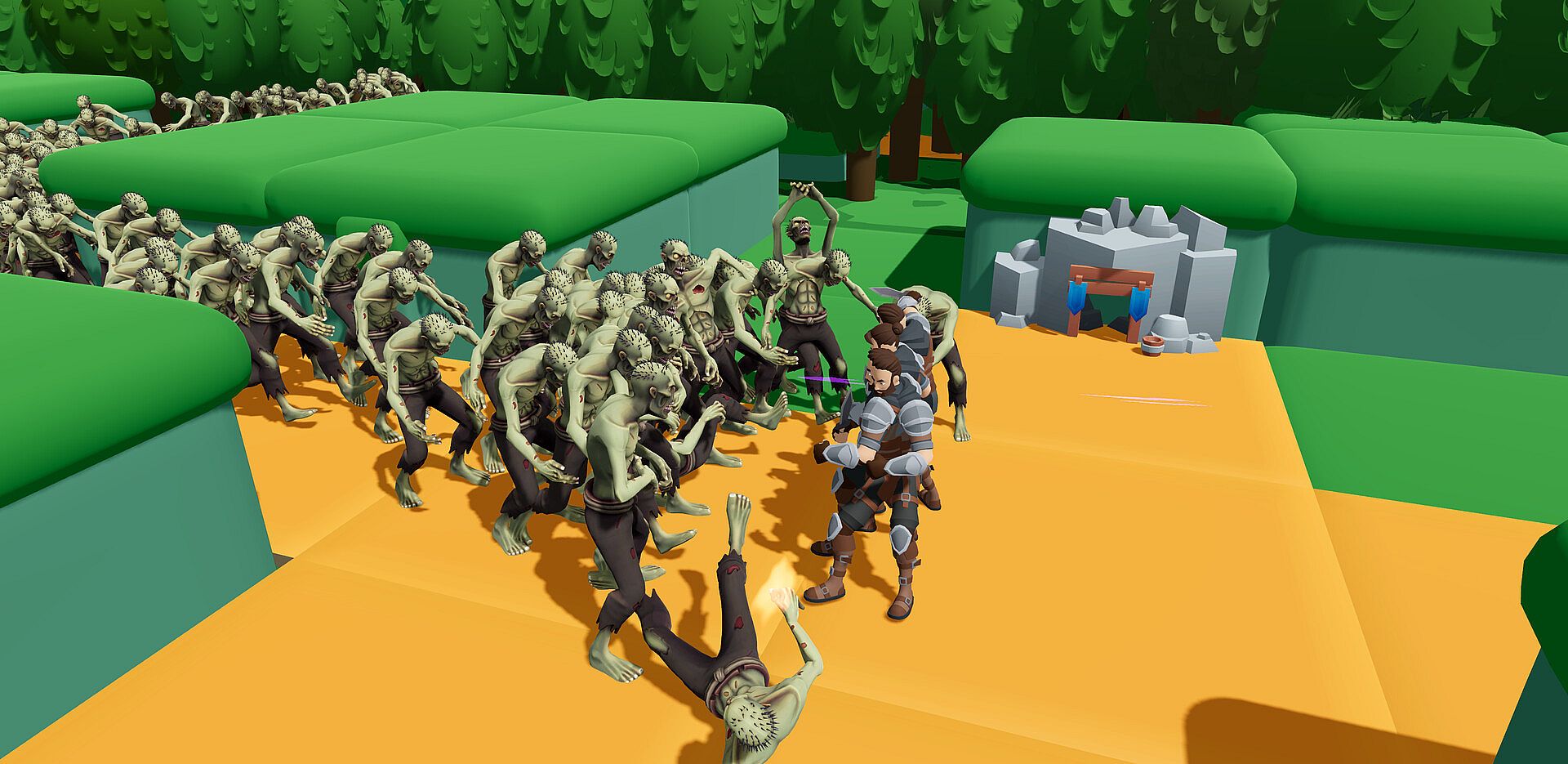
Combat emphasizes both protection and aggression. Towers defend key positions, but players also craft infantry and siege weapons infused with chosen magics. Gravity mortars, fire-infused barricades, and similar experiments reveal emergent interactions that can turn the tide in sieges against enemy castles.
Game Modes
Tripartite: Magical Engineering operates through run-based sessions where players collect orbs of magic to mix and match combinations. Each attempt tests new synergies on the battlefield, with progress tied to capturing enemy strongholds and uniting roads into a cohesive network.
The emphasis on innovation means no two runs play identically. Players adapt strategies based on discovered magics, enemy layouts, and the outcomes of specific infusions, fostering repeated experimentation within the same core structure of defense and assault.
Strategic Depth and Magic Systems
With discrete abilities attached to every tower, weapon, and siege unit, the game rewards thorough testing of interactions. Placing fire magic in wooden structures or storm magic in observation posts creates variable results that players must evaluate in real time. This approach shifts focus from static builds to dynamic adaptation across multiple attempts.
Enemy fortresses function as both obstacles and progression markers. Securing them provides safe points to consolidate roads before advancing, while failure to locate or neutralize threats allows opponents to mirror player expansion tactics.
Is It Worth Playing?
Tripartite: Magical Engineering targets players who enjoy creative strategy games with strong emphasis on experimentation and emergent systems. The combination of road construction, magic infusion, and dual-phase combat offers a fresh take on tower defense for those seeking depth beyond traditional setups.
As an upcoming title scheduled for early 2027, its appeal will depend on how well the verified mechanics deliver consistent variety across runs. Fans of indie strategy titles that reward trial and error with powerful, unexpected outcomes stand to gain the most from its systems.












