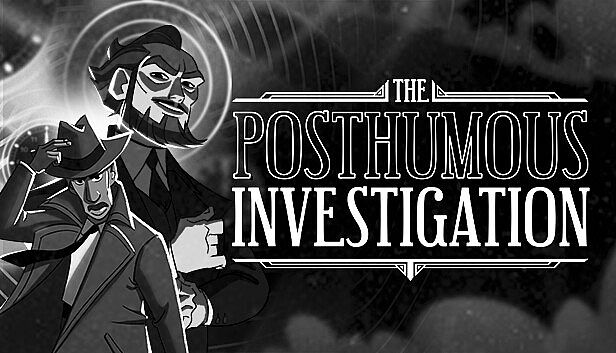








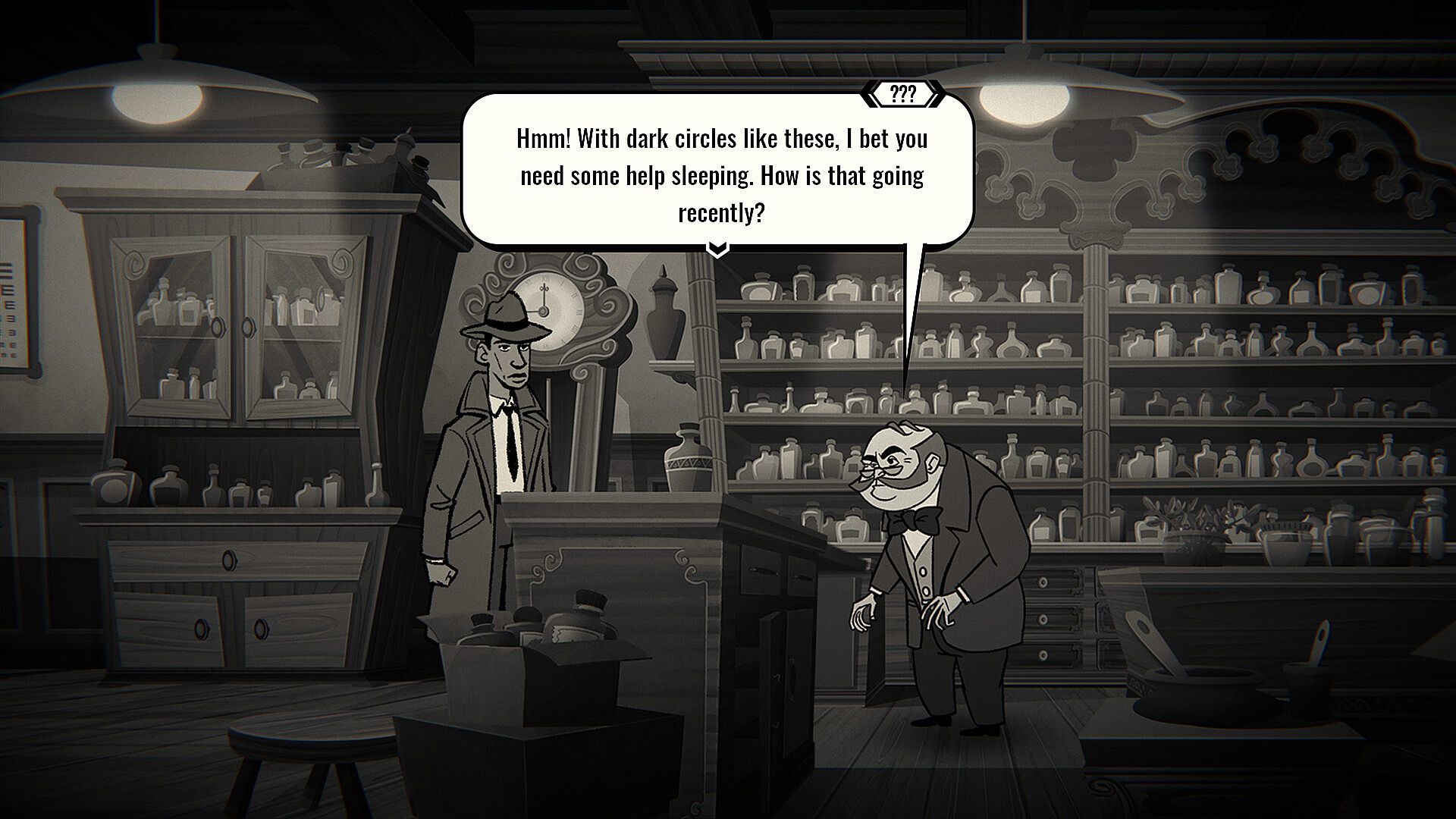
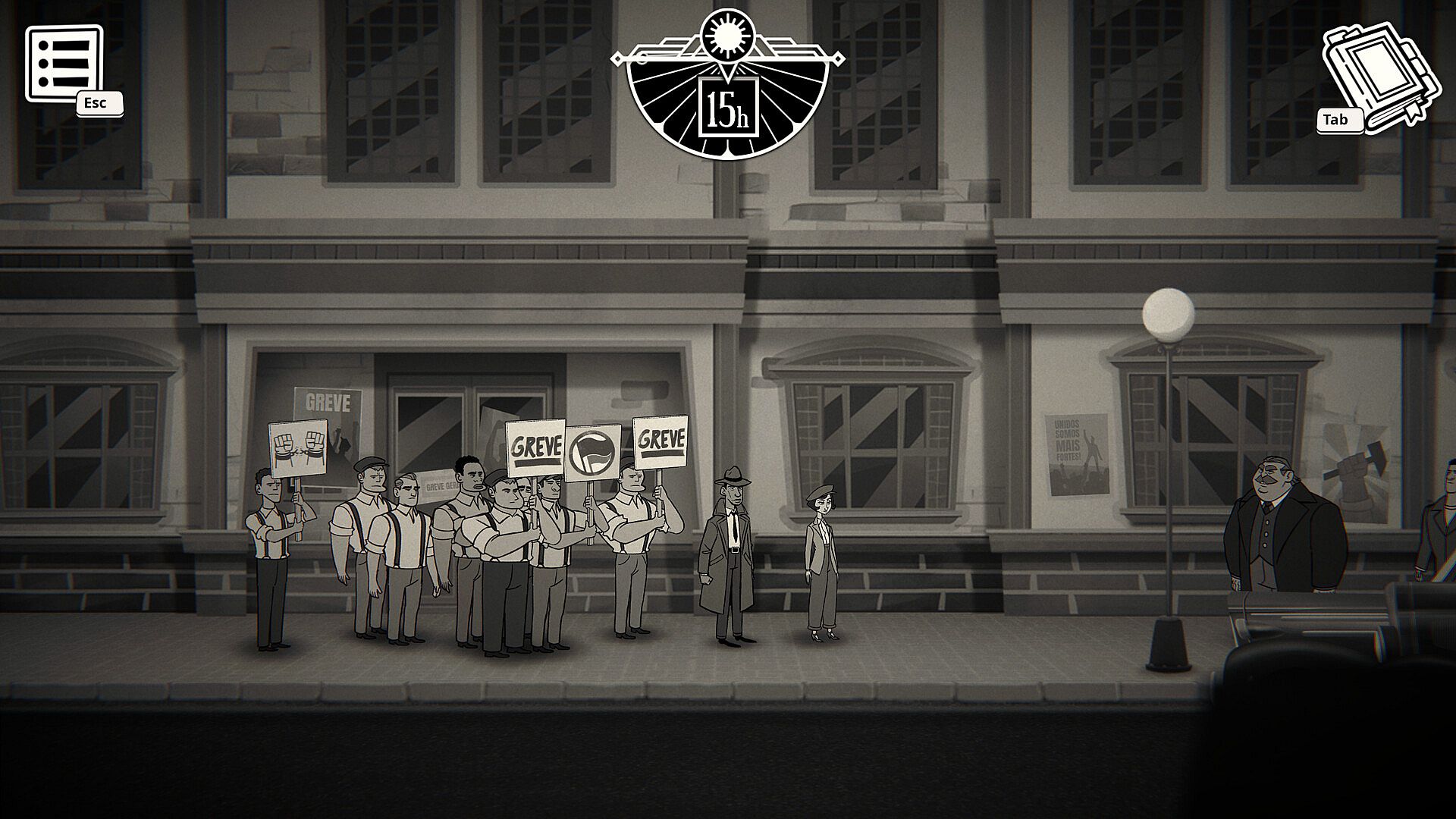
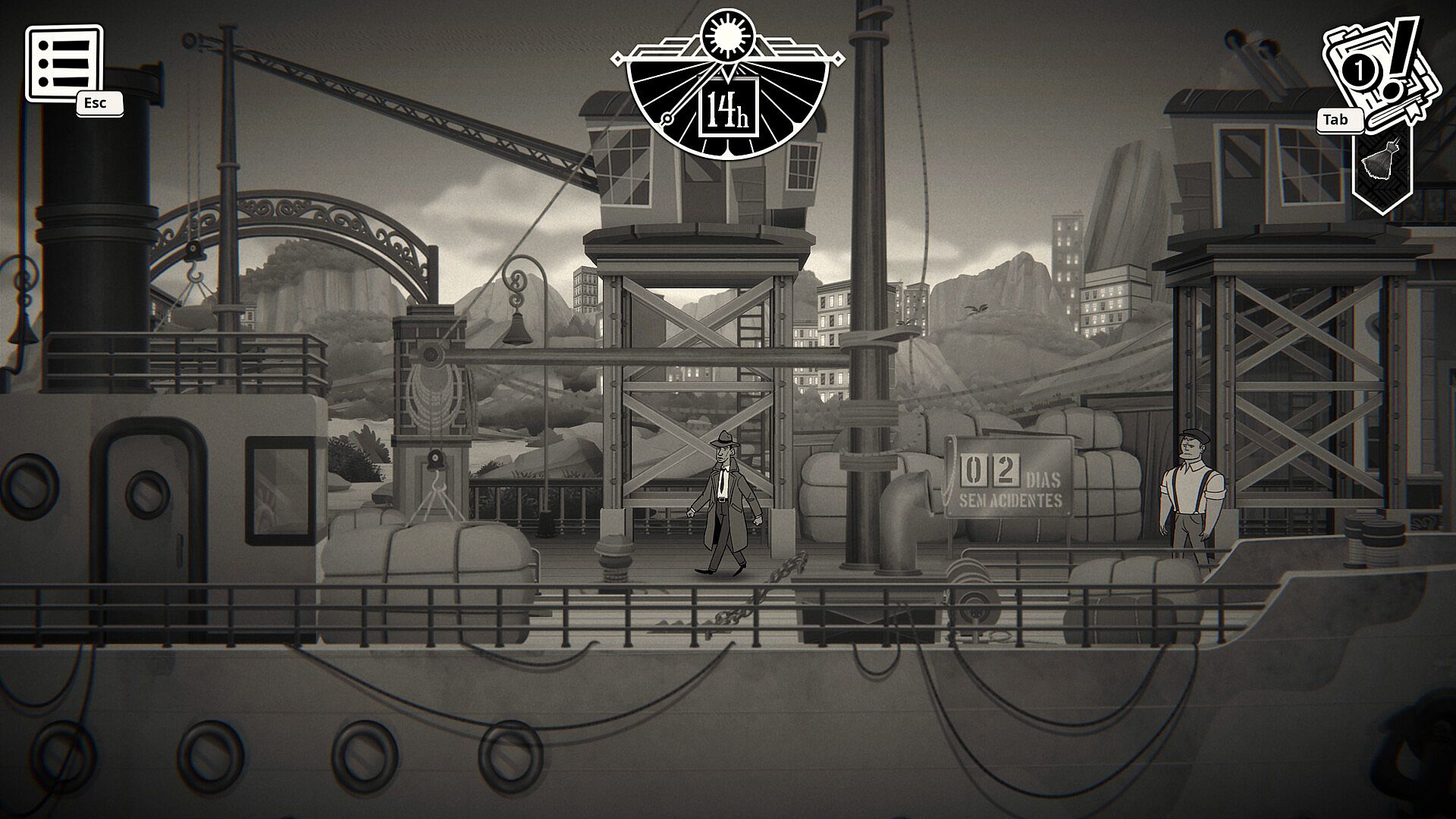
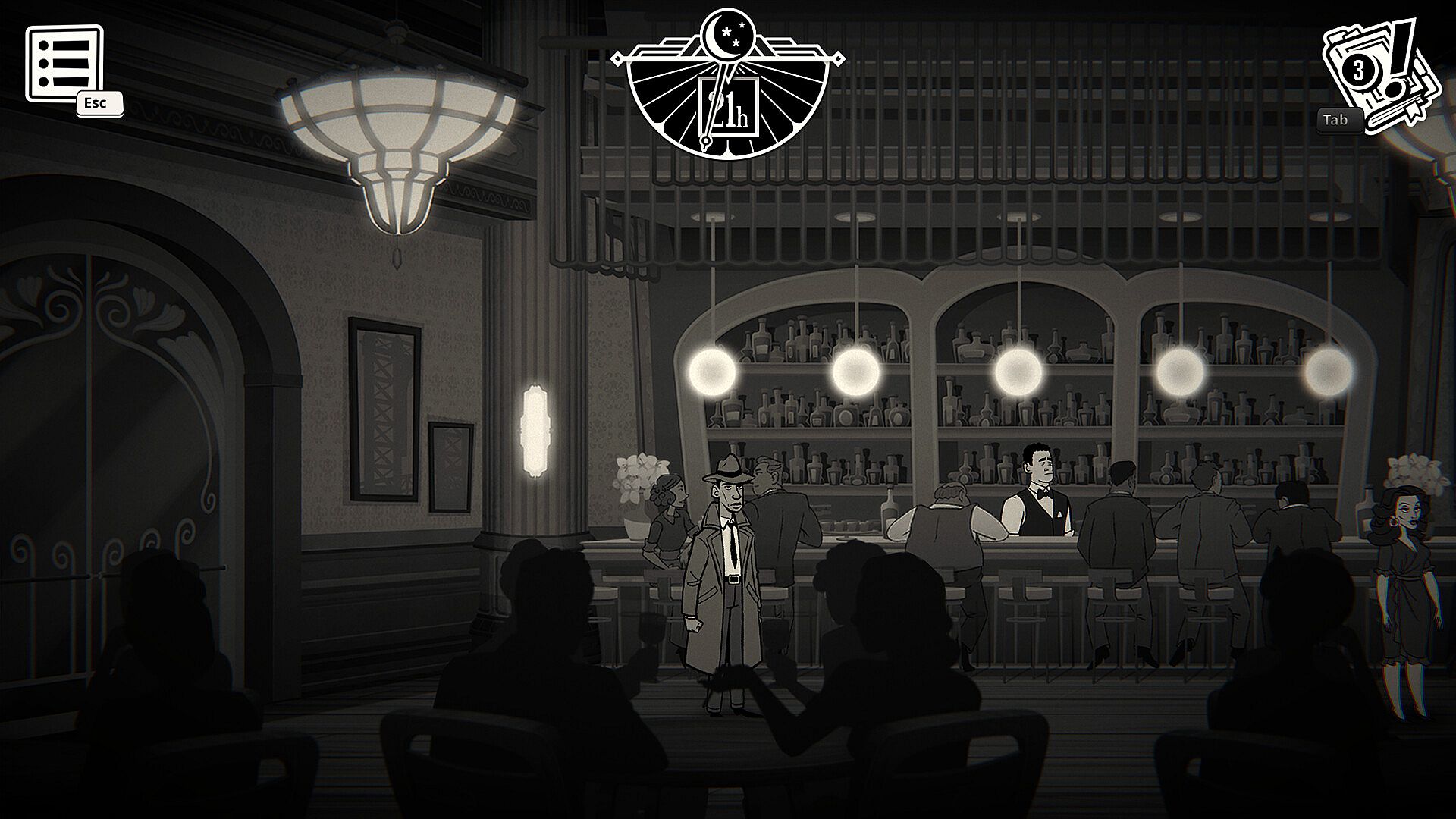
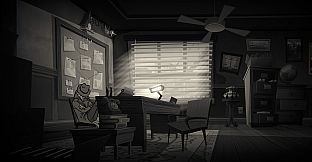
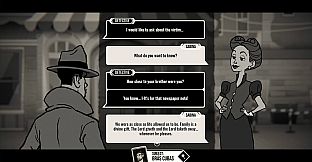
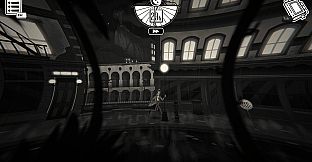
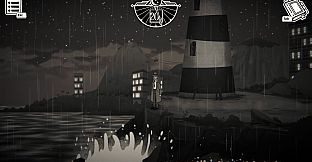

A Investigação Póstuma é um jogo indie de aventura narrativa que combina simulação e mecânicas de point-and-click em um mistério de assassinato preso em um laço temporal. Ambientado em uma versão desenhada à mão do Rio de Janeiro de 1937, o jogador assume o papel de um detetive contratado por Brás Cubas para resolver sua própria morte - mesmo depois de já estar no túmulo. A experiência gira em torno de observação, dedução e repetição dentro de um único dia, acompanhando a rotina de catorze personagens distintos.
Gameplay
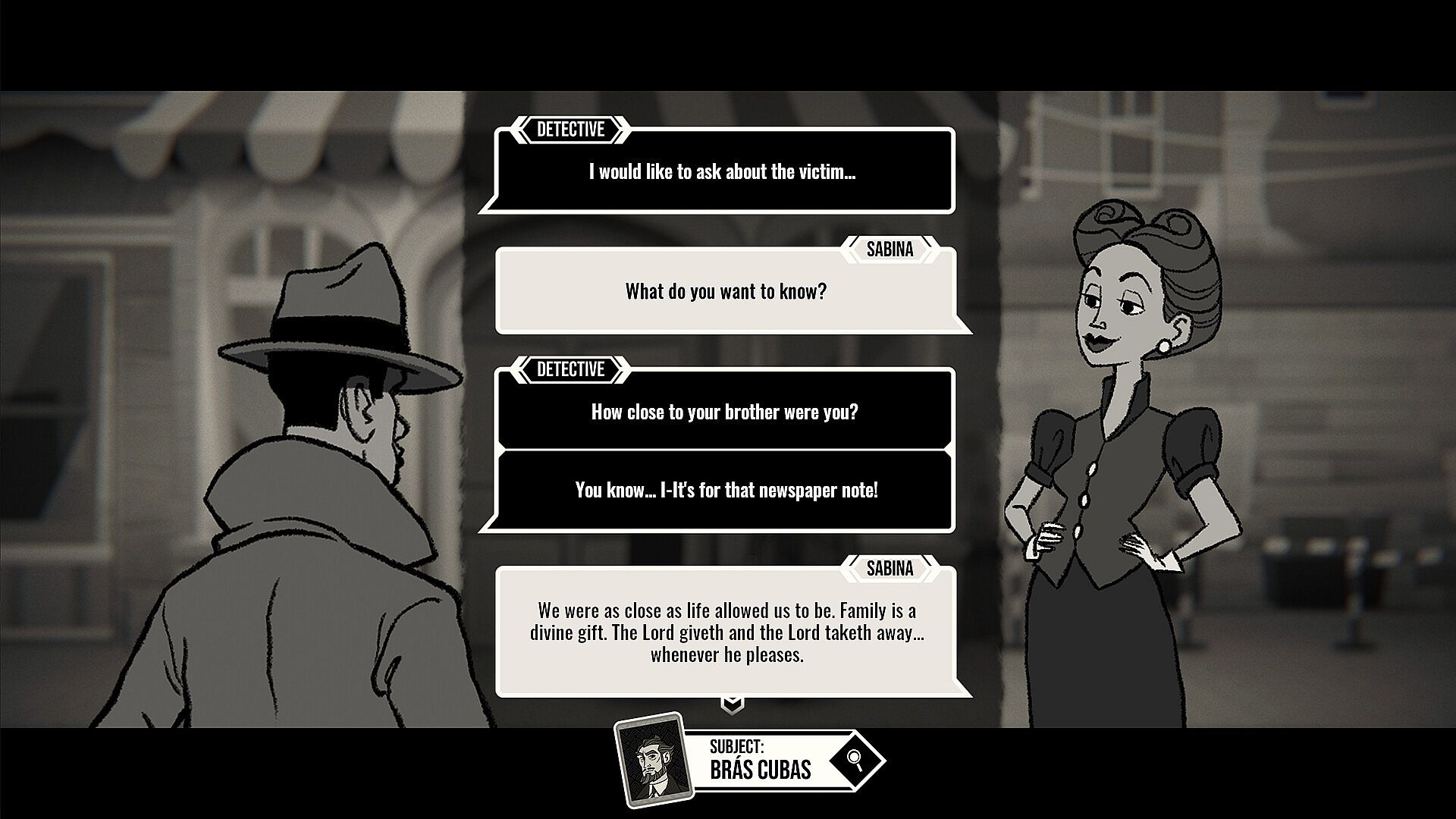
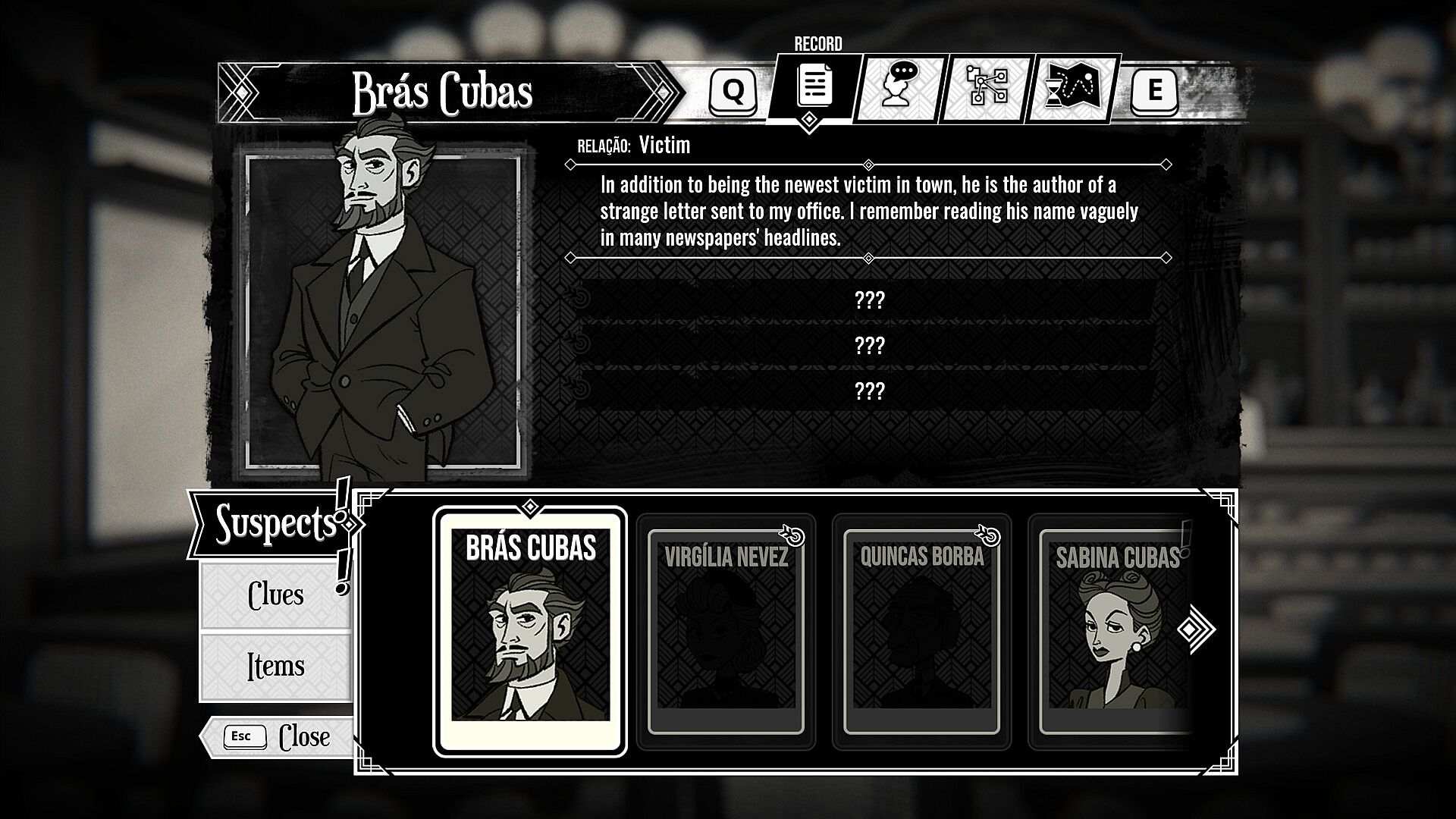
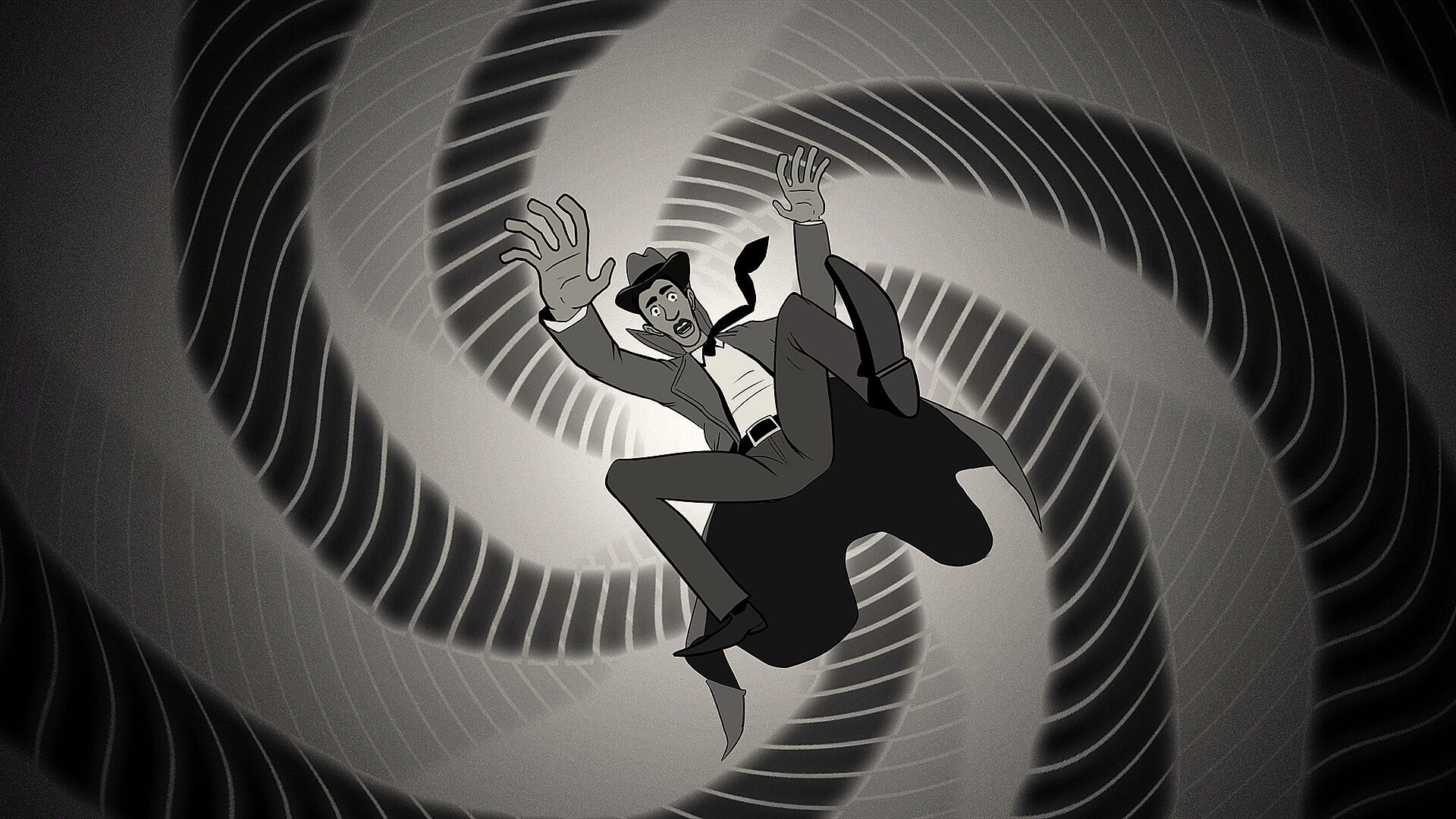
O núcleo do jogo está na exploração de um laço temporal persistente. Cada ciclo dura um dia, durante o qual o jogador acompanha os movimentos e interações de catorze suspeitos. Os horários são descobertos por observação direta, e contradições entre falas e ações tornam-se pistas essenciais. O conhecimento acumulado entre as reinicializações permite ao jogador obter vantagens progressivas contra o assassino.
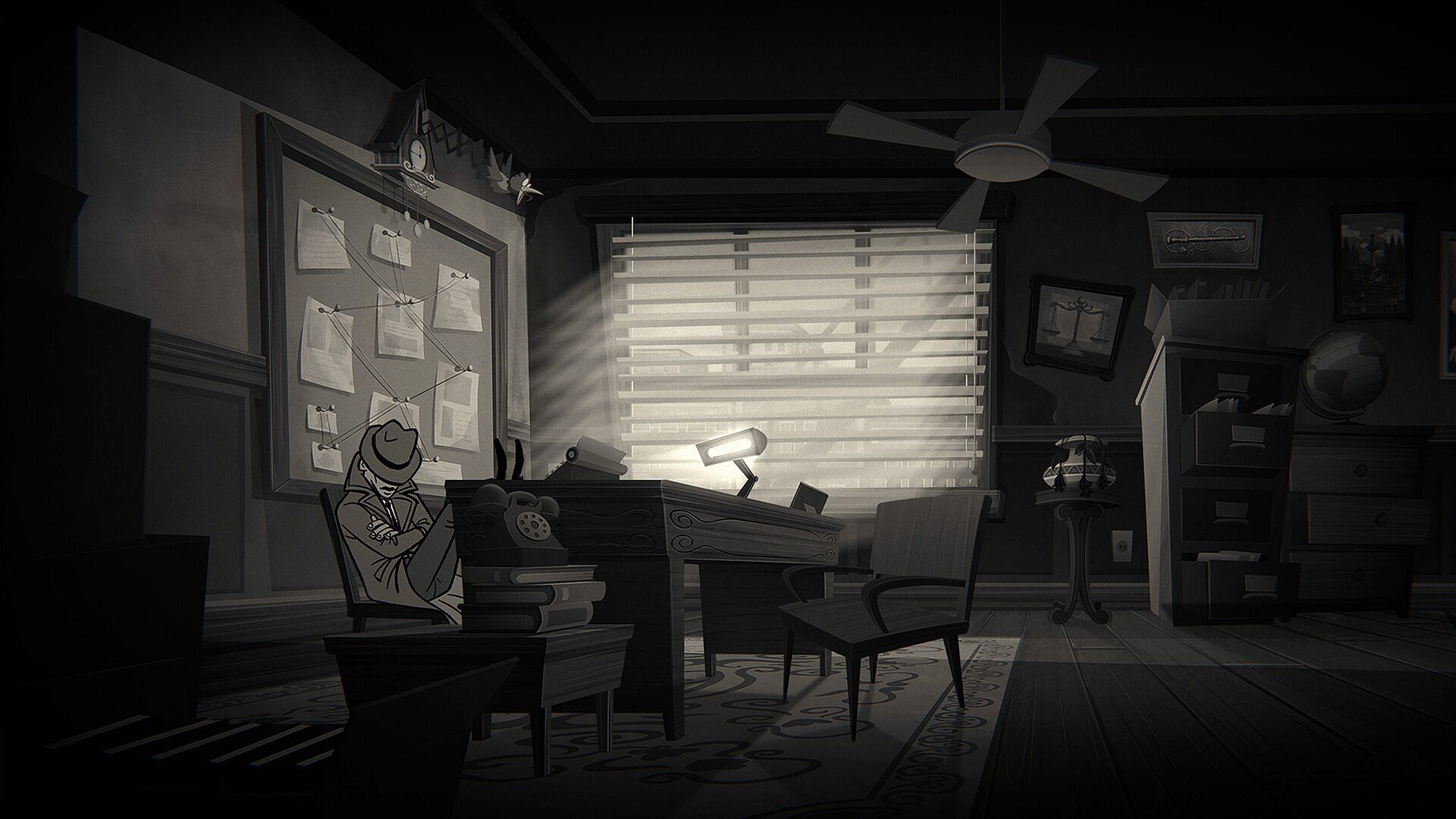
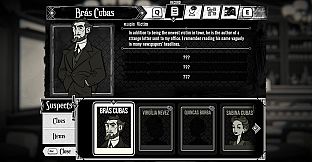
O Quadro de Raciocínio funciona como a principal ferramenta de organização. Nele, o jogador conecta evidências, reconstrói linhas do tempo e testa acusações sem qualquer orientação externa. O progresso depende exclusivamente de conexões lógicas, sem dicas ou tutoriais. Alterar a rotina de um personagem pode revelar novas informações ou impedir o avanço de outros em ciclos seguintes.
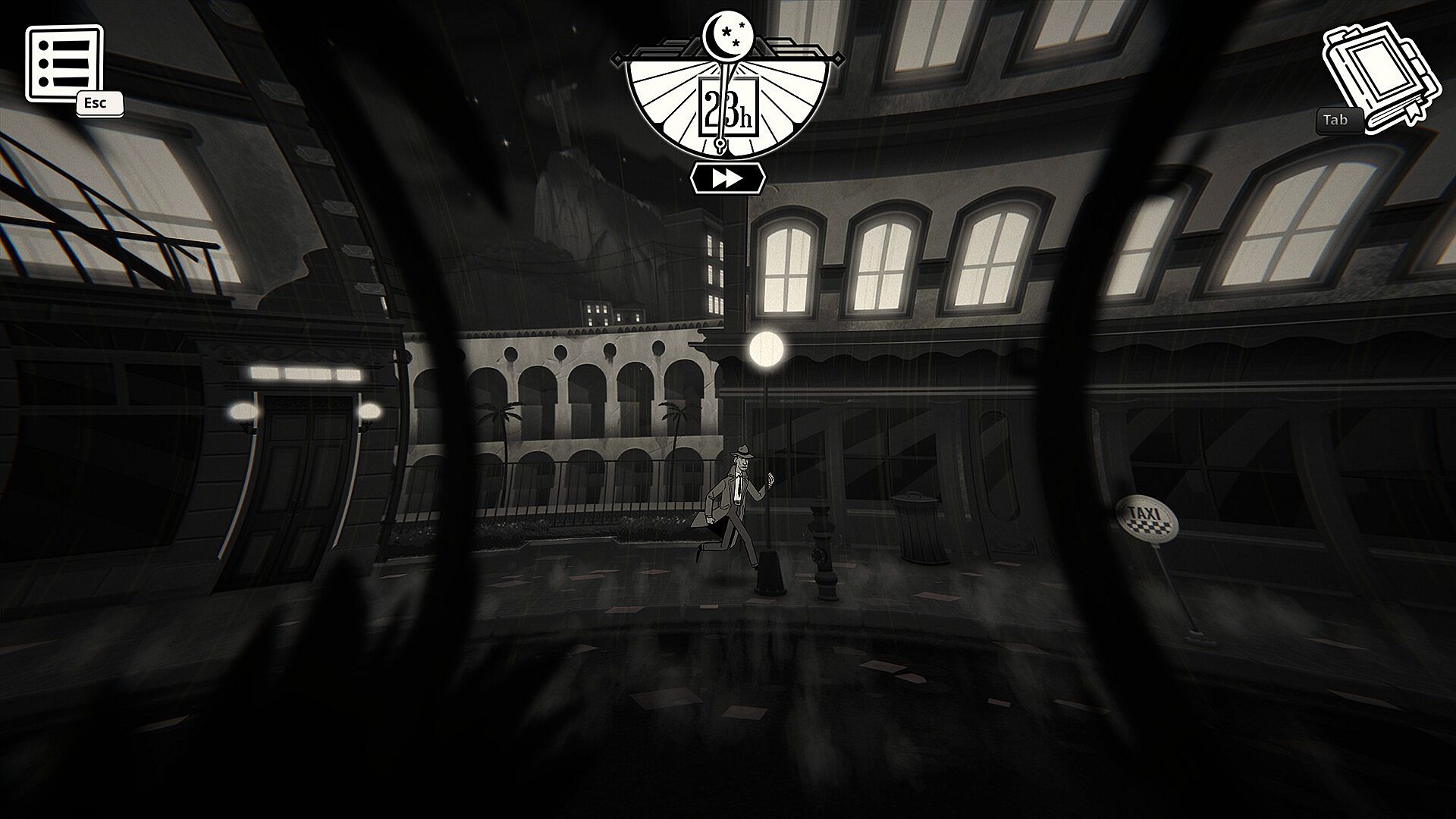
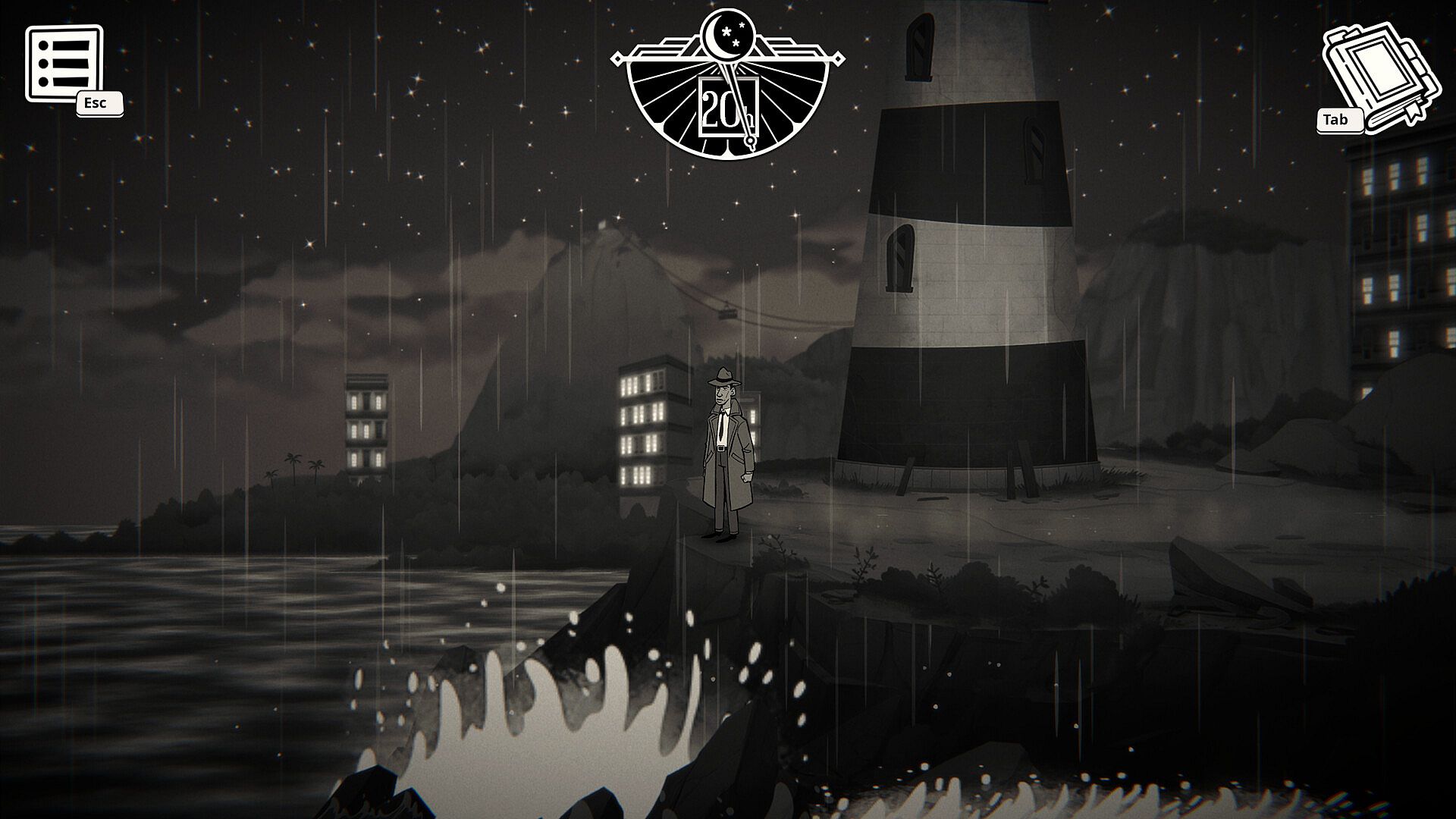
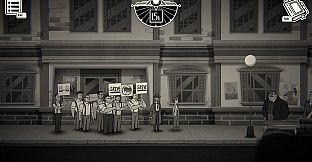
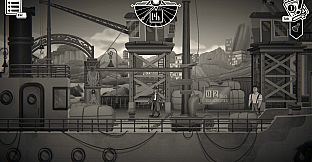
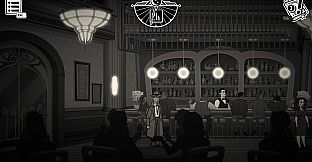
A exploração se dá em um cenário estilizado e desenhado à mão, que recria a atmosfera da época. Diálogos e eventos seguem um tom satírico inspirado na literatura, incentivando a atenção e o registro de detalhes ao longo de várias tentativas.
Modos de Jogo
O jogo é uma experiência investigativa single-player construída em torno da estrutura de laço temporal. Não há modos competitivos ou cooperativos. O próprio ciclo central oferece a estrutura de repetição, com cada tentativa voltada para coletar mais informações e refinar as acusações.
A progressão permanece estável entre as partidas, mas os resultados variam conforme as evidências reunidas e a acusação final escolhida. A ausência de ramificações fora do laço mantém o foco na dedução, em vez de múltiplas tramas paralelas.
Cenário e Atmosfera
O mundo é uma adaptação sombria e irônica da literatura brasileira clássica, apresentando o Rio de Janeiro de 1937 como cenário vivo, marcado por sarcasmo e crítica social. Os visuais desenhados à mão priorizam estilo e clima em vez de realismo, enquanto as animações dos personagens transmitem personalidade por meio de gestos e expressões sutis.
A atmosfera se constrói pela repetição de locais e conversas, revelando camadas adicionais apenas após vários ciclos. Temas como morte, doença e tratamentos falhos aparecem nos diálogos sem representações gráficas, mantendo um tom maduro, porém não explícito, adequado a quem busca profundidade narrativa.
Vale a pena jogar?
Jogadores que apreciam aventuras baseadas em dedução e mecânicas de laço temporal encontrarão aqui uma experiência focada. O jogo recompensa paciência e raciocínio lógico, com uma estrutura que elimina tutoriais em favor de uma investigação autônoma. Uma partida completa costuma durar entre dez e doze horas, embora ciclos adicionais prolonguem o engajamento para quem busca total clareza.
A recepção tem sido positiva entre quem valoriza suas raízes literárias e a consistência mecânica. No Steam, o jogo mantém avaliações muito positivas, com aprovação acima de noventa por cento entre centenas de análises. O título agrada fãs de mistérios narrativos que preferem lógica pura em vez de ação ou gerenciamento de recursos.
Como é um lançamento recente, mantém visibilidade no cenário indie, e o formato single-player garante uma história completa sem dependências externas. Quem se interessa por cenários atmosféricos e quebra-cabeças centrados em personagens tende a apreciar o ritmo deliberado e as conclusões em aberto.