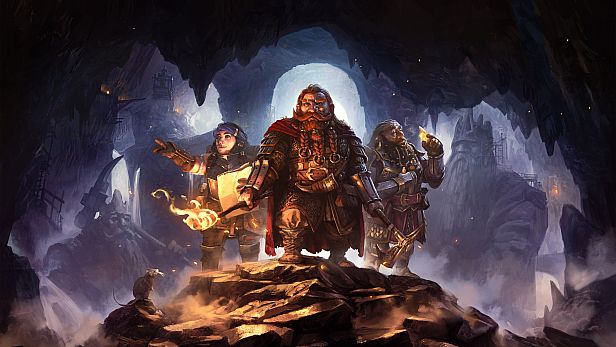


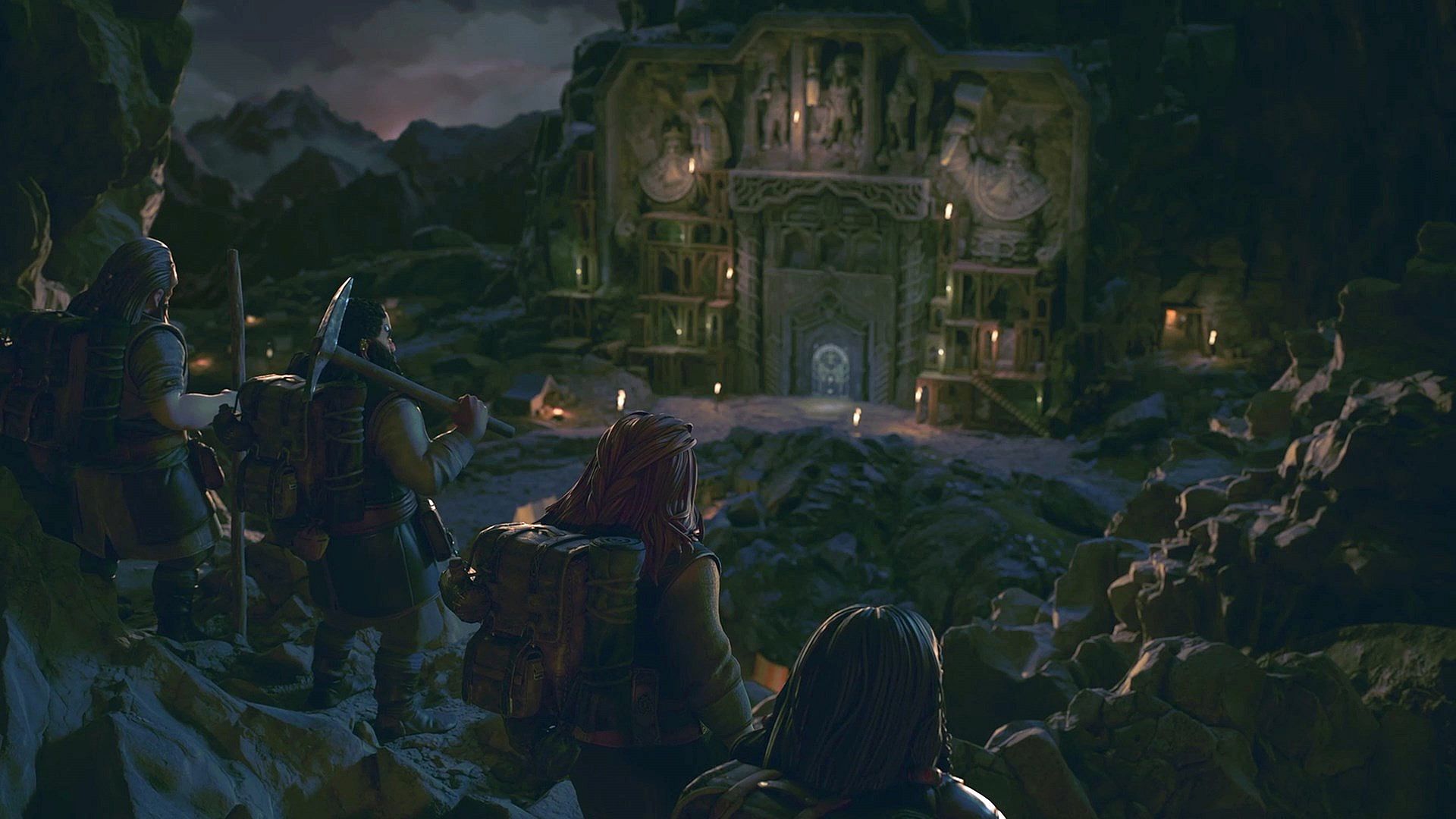
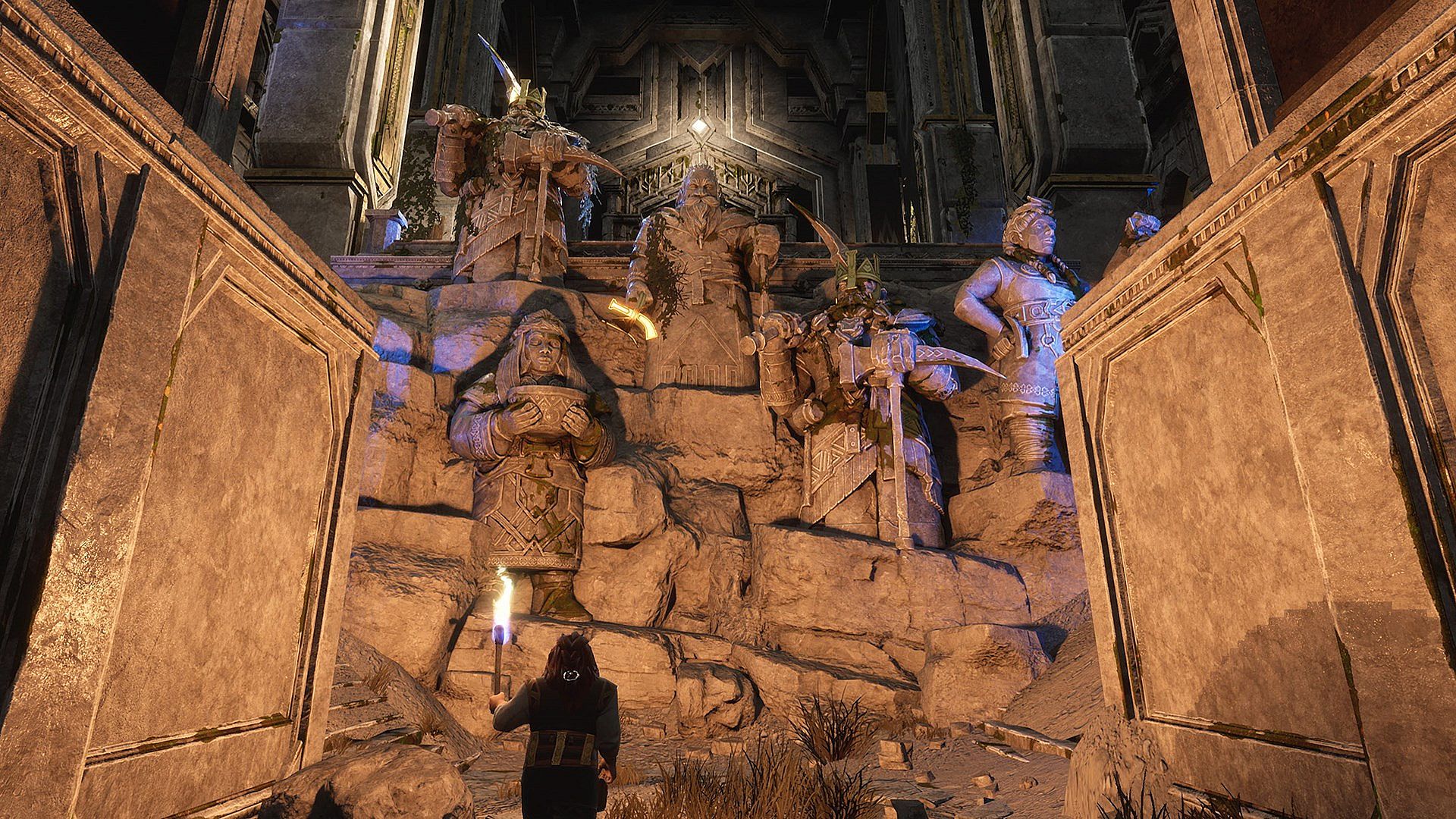
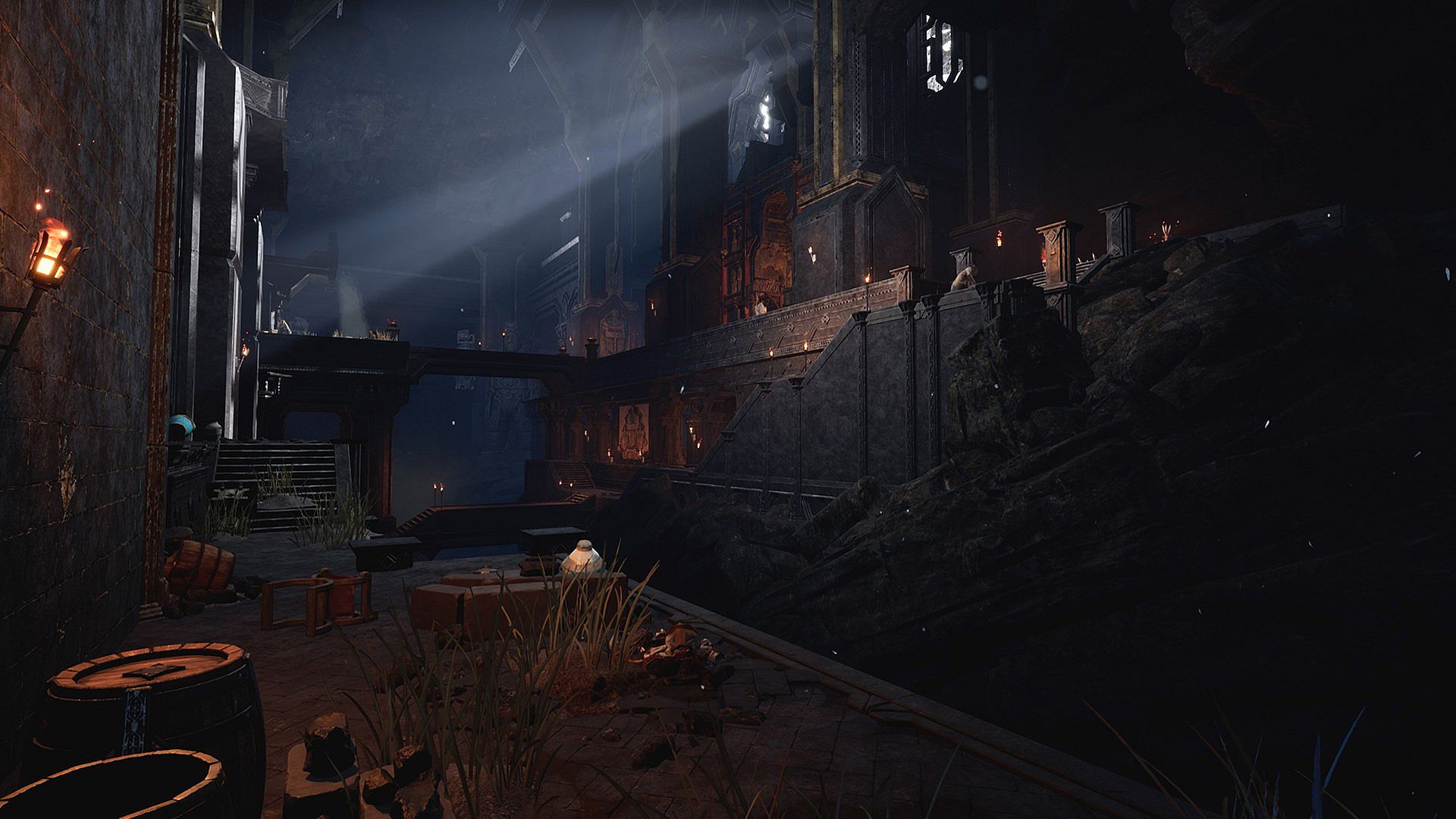
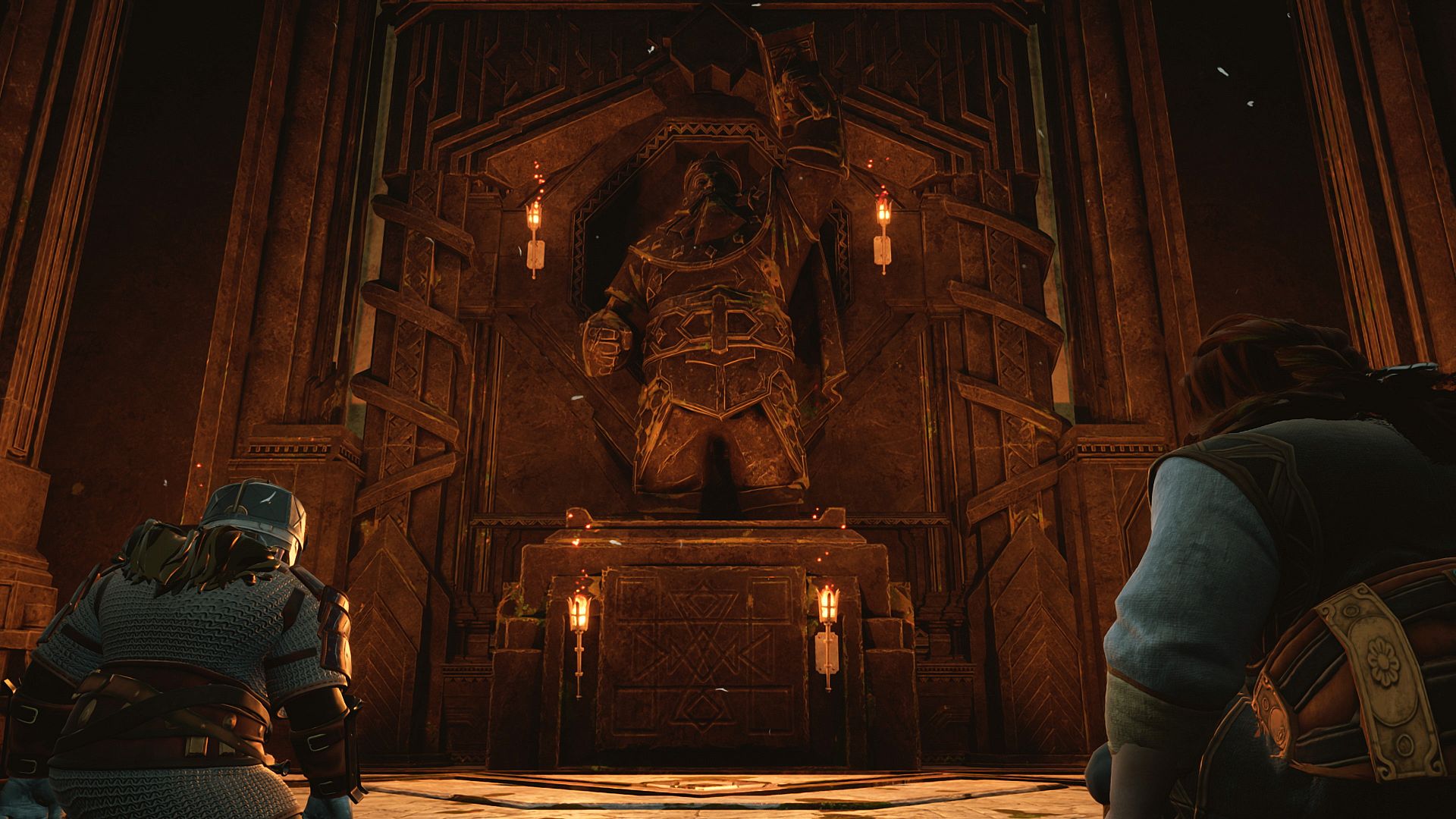
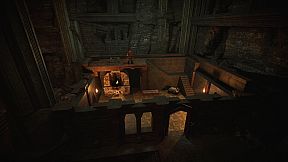
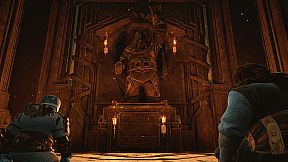
The Lord of the Rings: Return to Moria is a survival crafting game set in the Fourth Age of Middle-earth. Players lead a company of Dwarves summoned by Gimli to reclaim the ancient kingdom of Khazad-dûm beneath the Misty Mountains. The experience centers on mining resources, managing limited supplies, constructing shelters, and pushing deeper into dangerous underground realms while fending off threats awakened by activity.
Gameplay
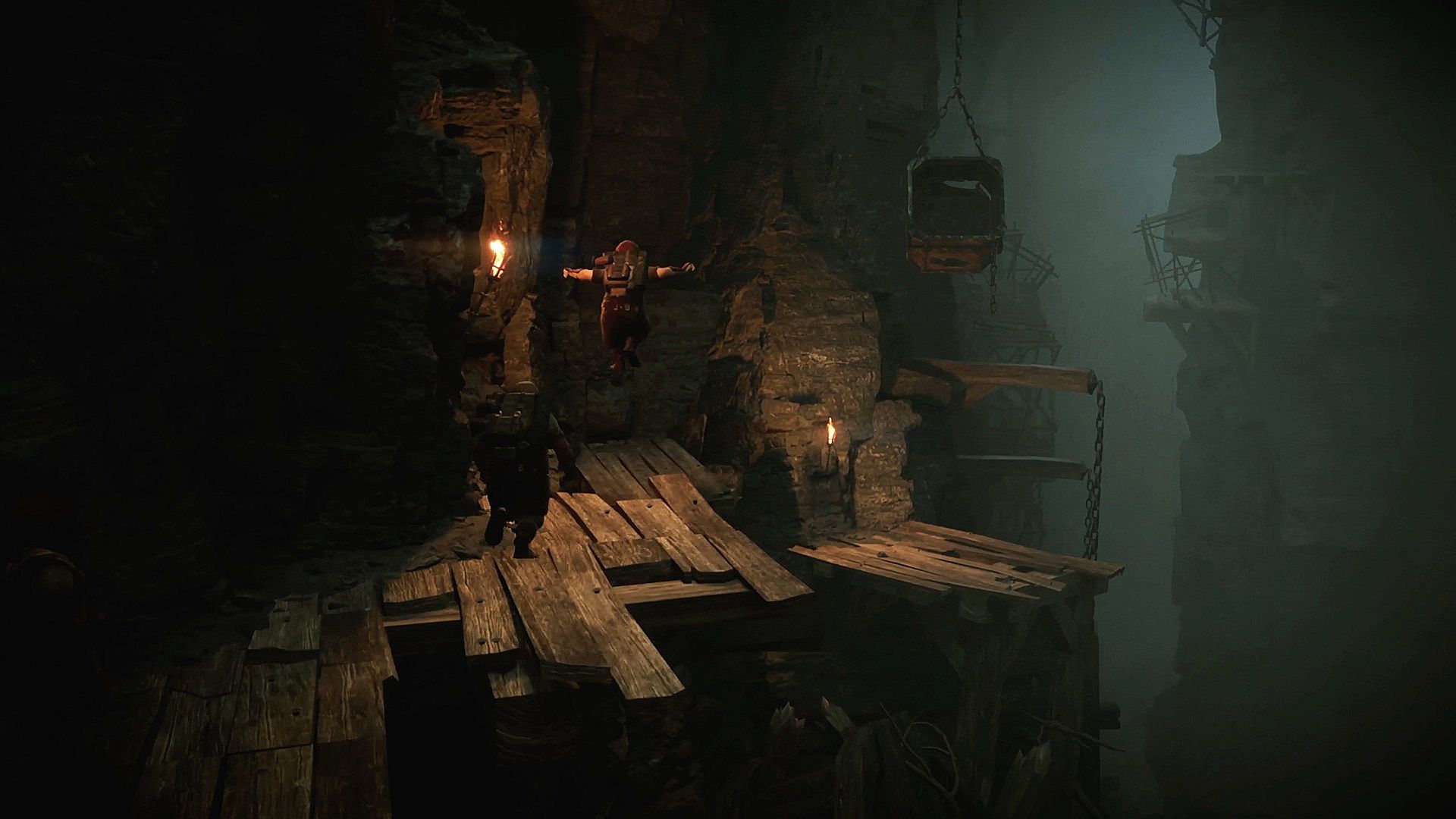
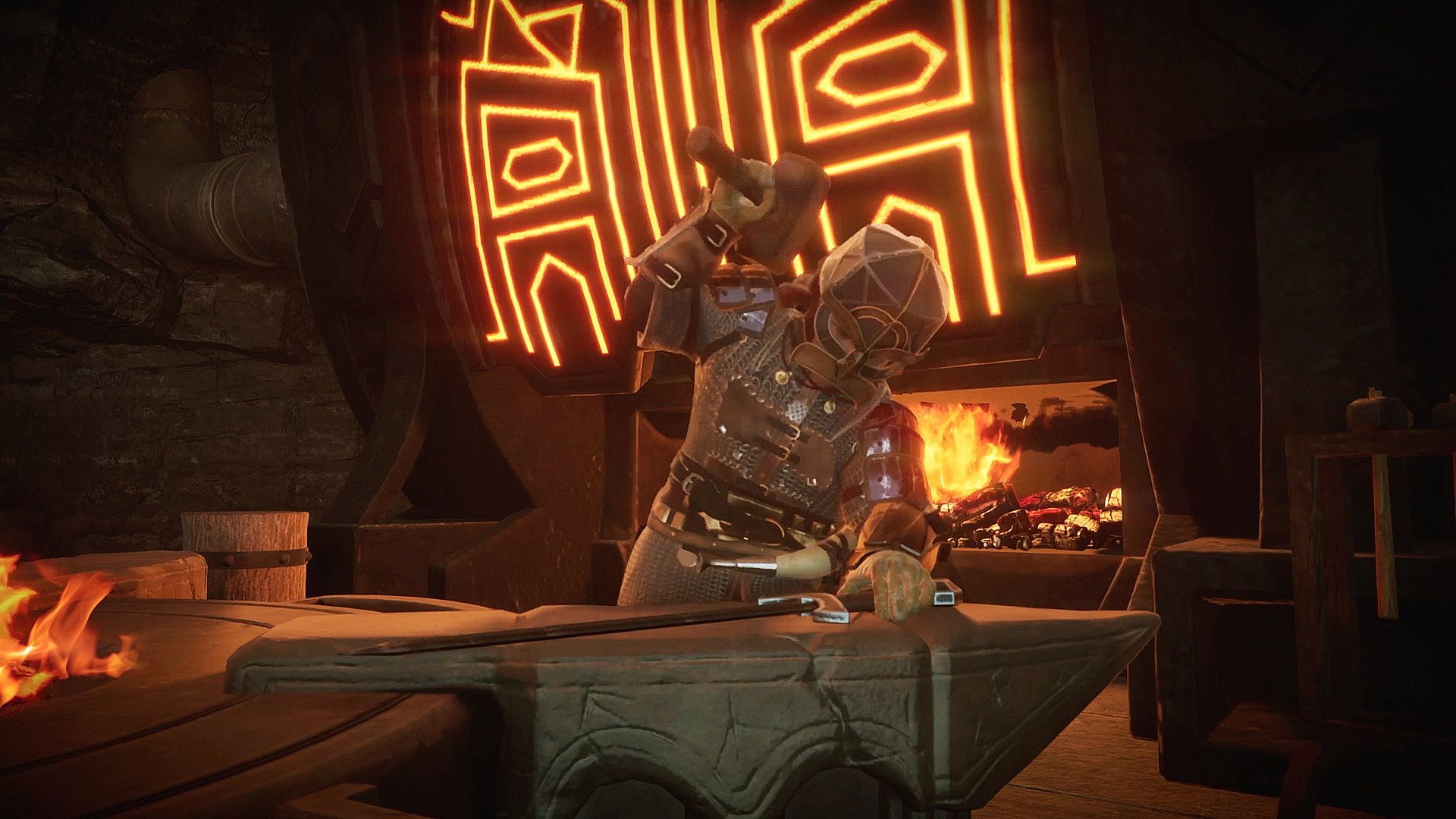
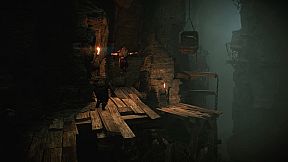
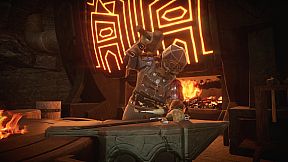
Core progression revolves around gathering ore, jewels, and other materials from procedurally generated mine sections. Mining produces noise that draws hostile creatures, forcing players to balance resource collection with defense. Crafted tools and weapons improve efficiency and combat capability, while rebuilt forges allow upgrades and repairs. Temperature, hunger, and rest management add layers to survival as expeditions extend further from safe zones.
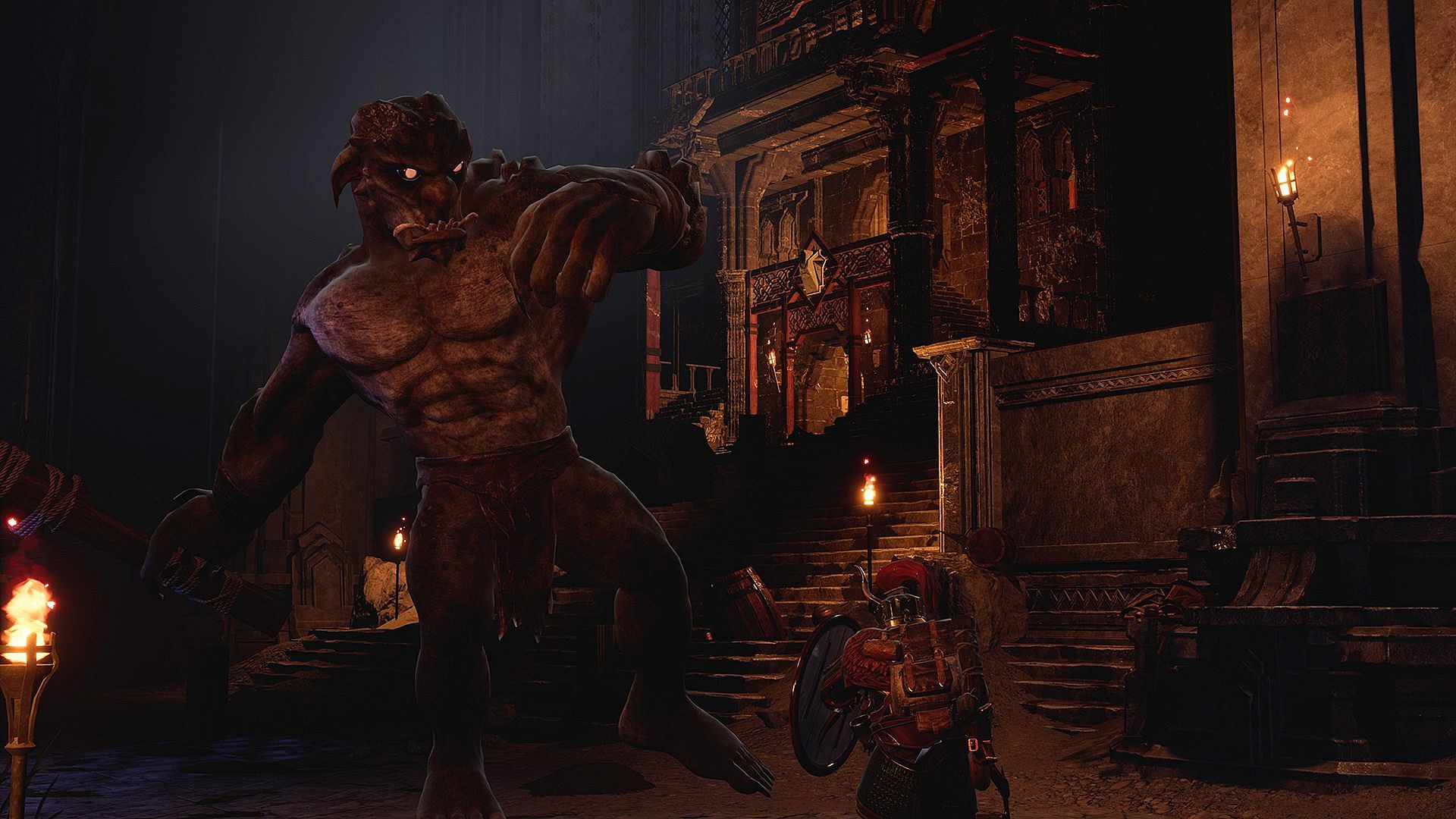
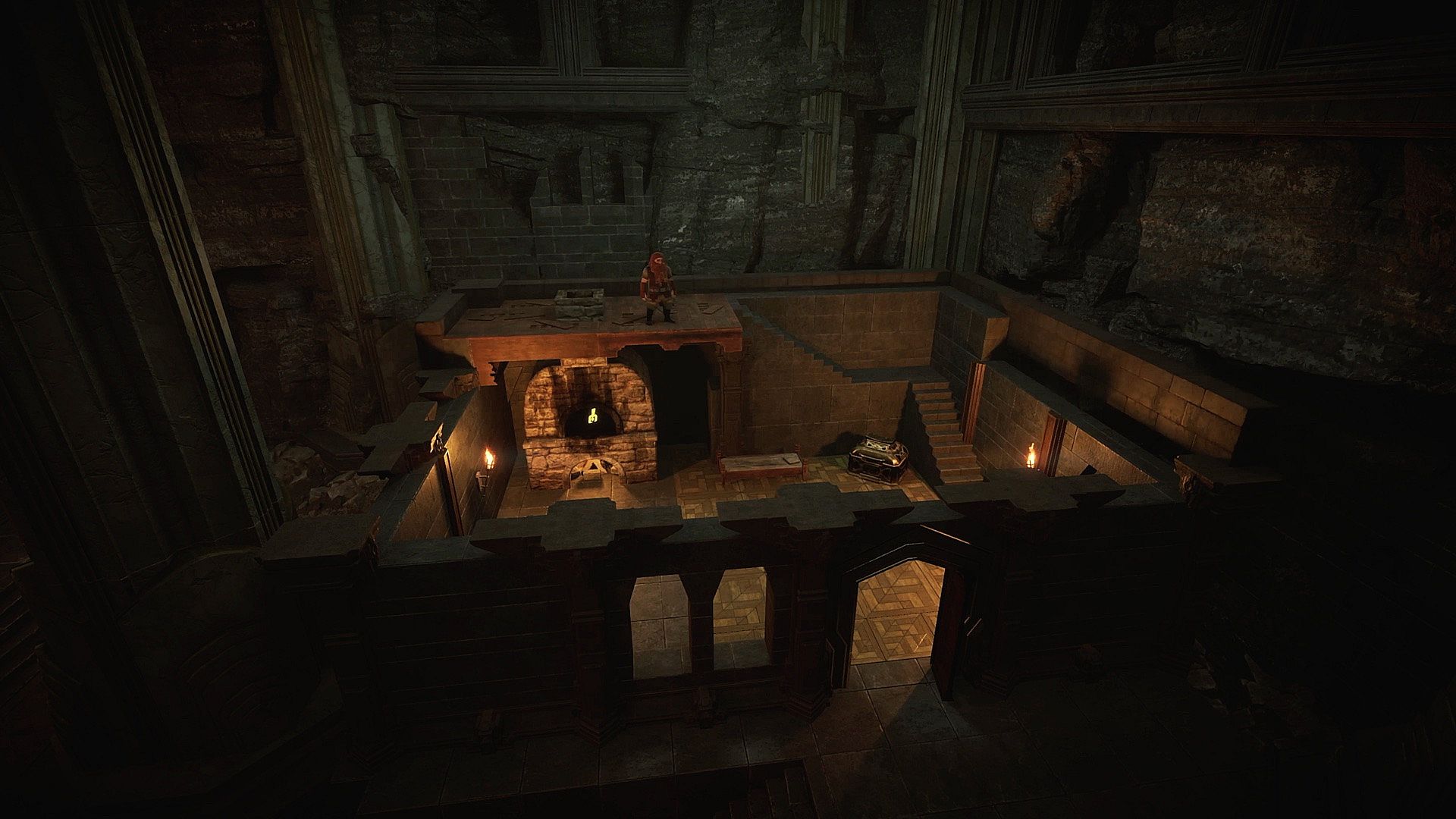
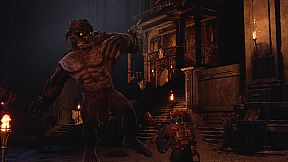
Base construction provides respite from the depths. Players clear areas and erect structures using gathered materials, expanding settlements that serve as hubs for storage, crafting stations, and defense. The environment itself offers opportunities to restore Dwarven landmarks and reactivate old forges for additional resource output. Combat occurs in close quarters against Orc hordes and other subterranean foes, with melee swings, blocks, and charged attacks forming the primary toolkit alongside ranged options.
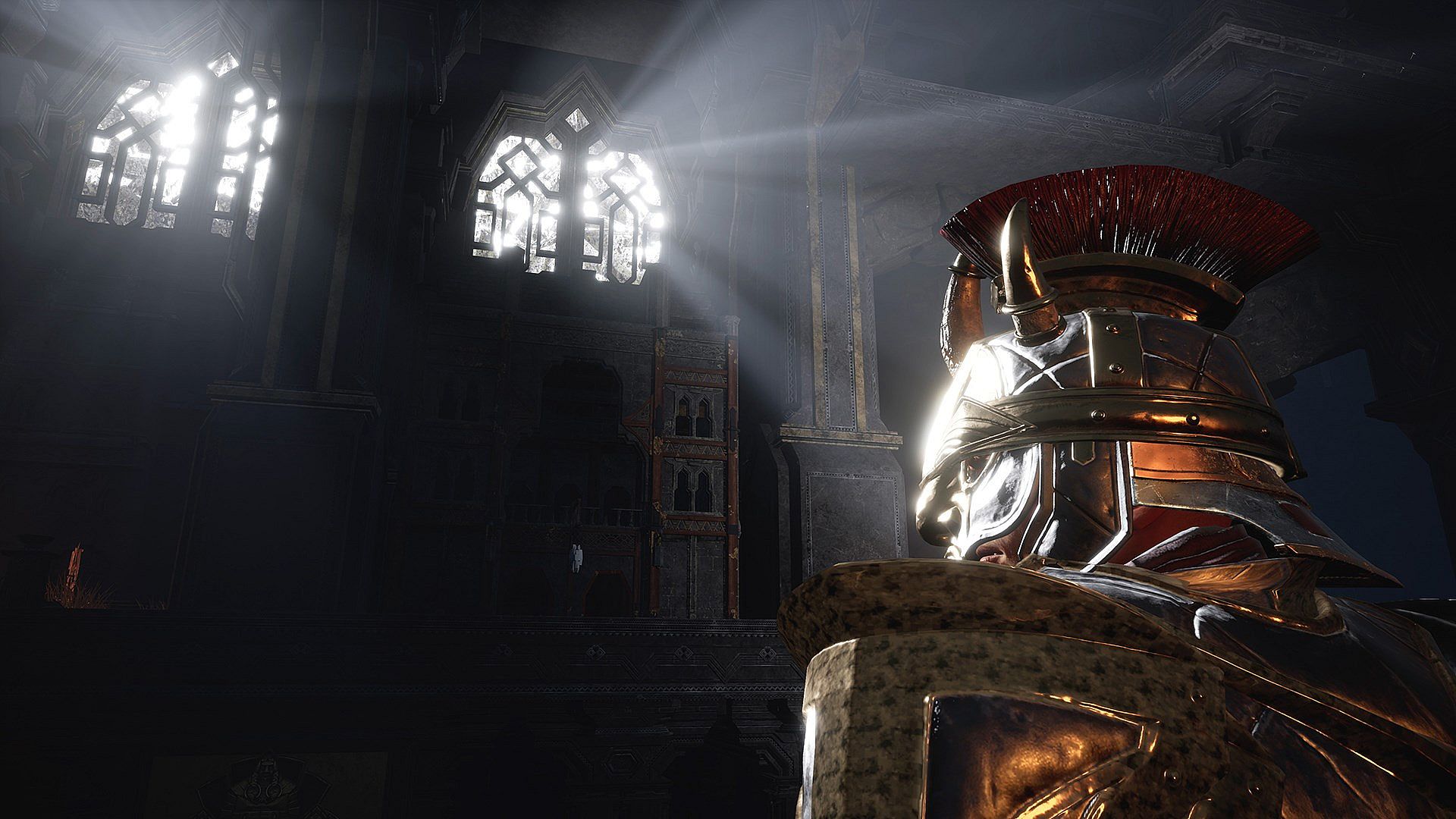
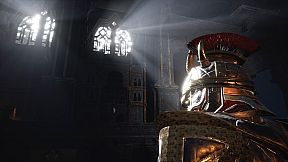
Character customization lets players shape their Dwarf with varied appearances and later equip found or crafted armor and weapons for distinct looks. Lore elements from Tolkien's world appear through environmental storytelling and encounters that tie into the broader quest to uncover the Shadow lurking in the mountain.
Game Modes
Campaign mode delivers a structured narrative experience. Players follow a guided path that advances the story of reclaiming Moria, encountering key figures and progressing through distinct mountain regions with escalating challenges and objectives.
Sandbox mode offers an open-ended alternative. Worlds generate without a fixed storyline, allowing free exploration, building, and resource management across larger or differently seeded maps. Both modes support solo play or online co-op sessions with up to eight participants through cross-platform support on Xbox Series X|S and other systems.
Exploration and Progression Systems
Three legendary mountains form the backbone of the world, each presenting unique resource distributions and hazards. Procedural generation ensures varied layouts on every new world, encouraging repeated playthroughs. Ancient artifacts such as glowing swords, mithril maps, and enchanted amulets provide gameplay advantages when discovered and equipped.
Technology unlocks occur through crafting advancements and forge reactivation. These improvements yield stronger gear, new building options, and machines that aid long-term settlement growth. Noise management remains a constant consideration, as louder operations increase the frequency of attacks that must be repelled to protect progress.
Is It Worth Playing?
The game suits players who enjoy survival crafting loops combined with Tolkien lore and cooperative play. Reviews on major platforms describe it as Very Positive overall, with praise for atmosphere, progression systems, and post-launch improvements that addressed early technical issues. An expansion released in late 2025 added substantial story content and features before the studio shifted to maintenance updates.
Those seeking a focused single-player campaign or relaxed building sessions will find value in the campaign structure and customization tools. Groups looking for shared exploration and base defense benefit most from the co-op emphasis and crossplay functionality. The current version on Xbox Series X|S reflects years of refinements, making it a stronger experience than at initial release for fans of the genre and setting.