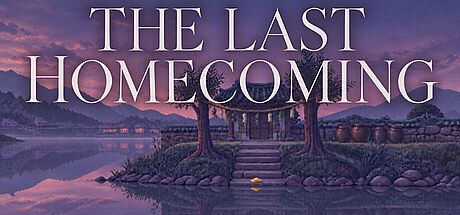


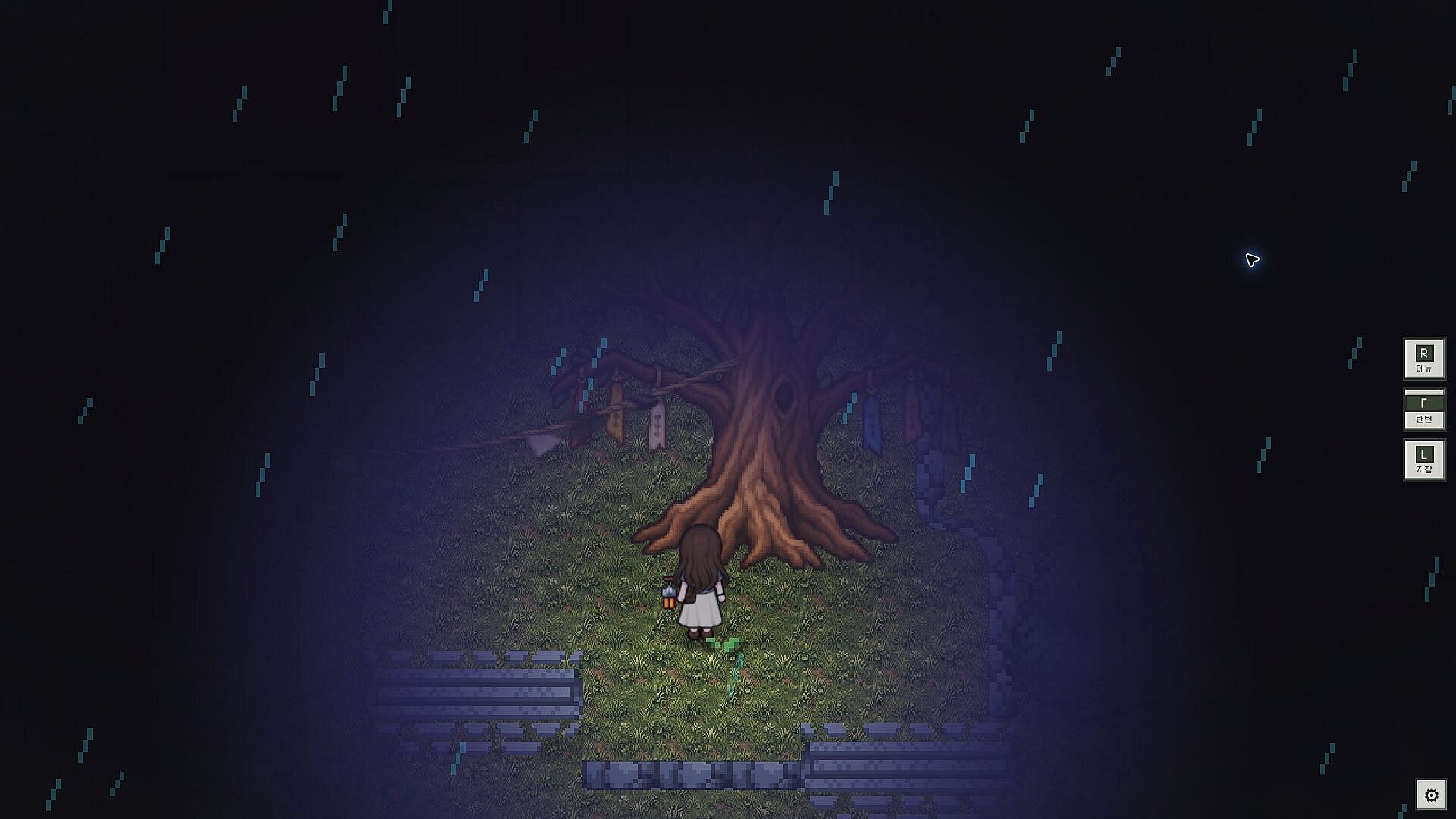

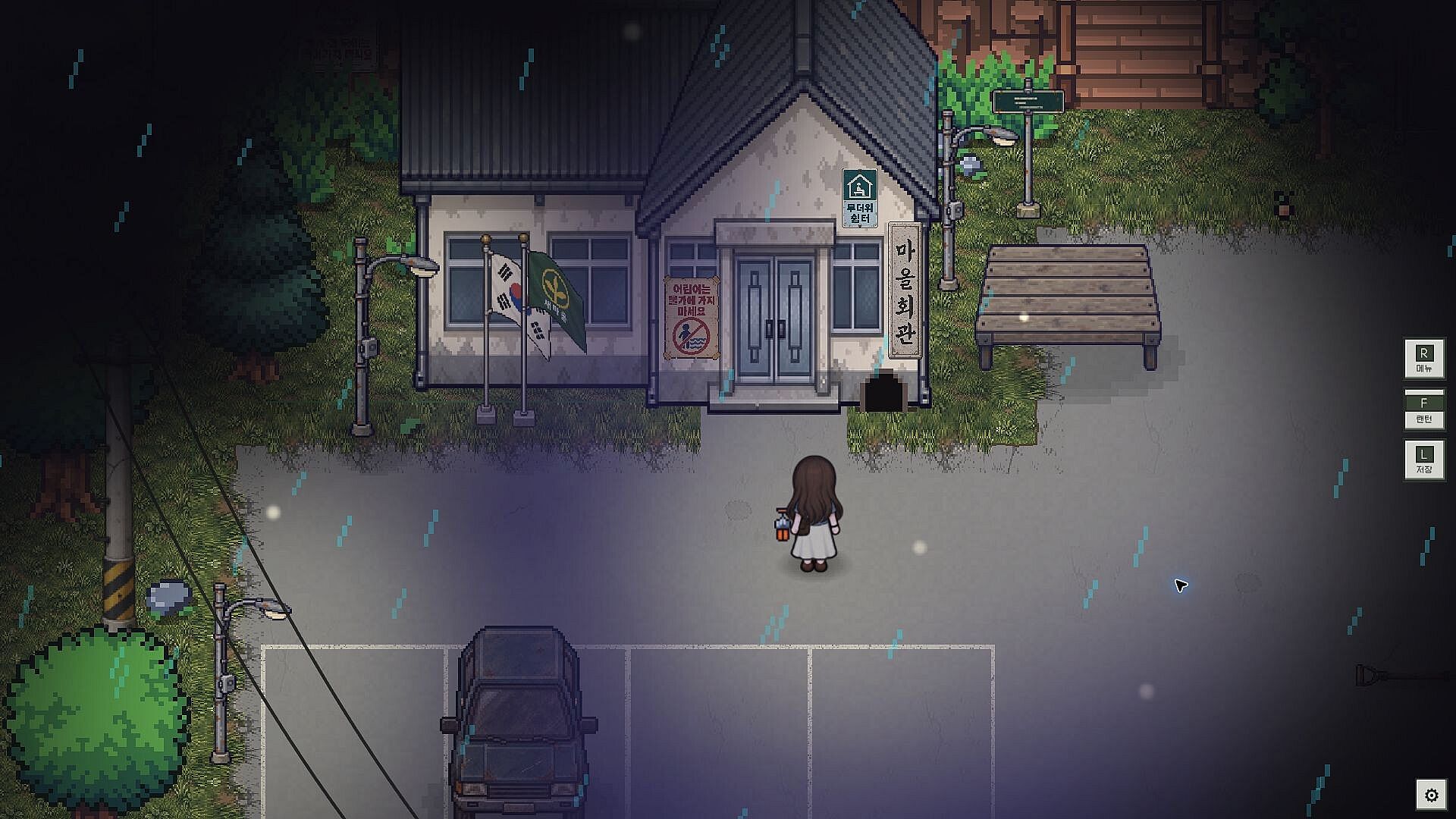

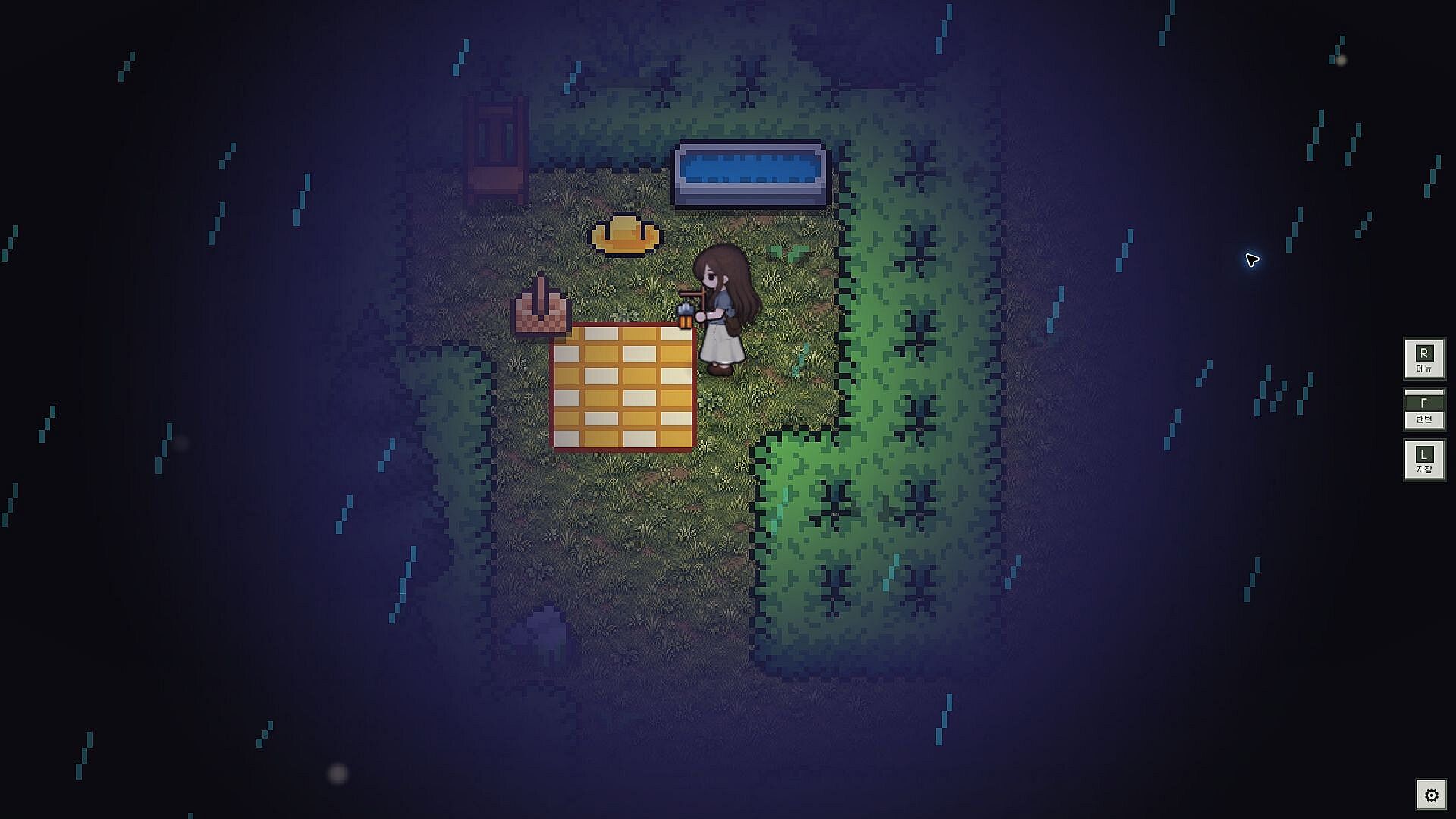
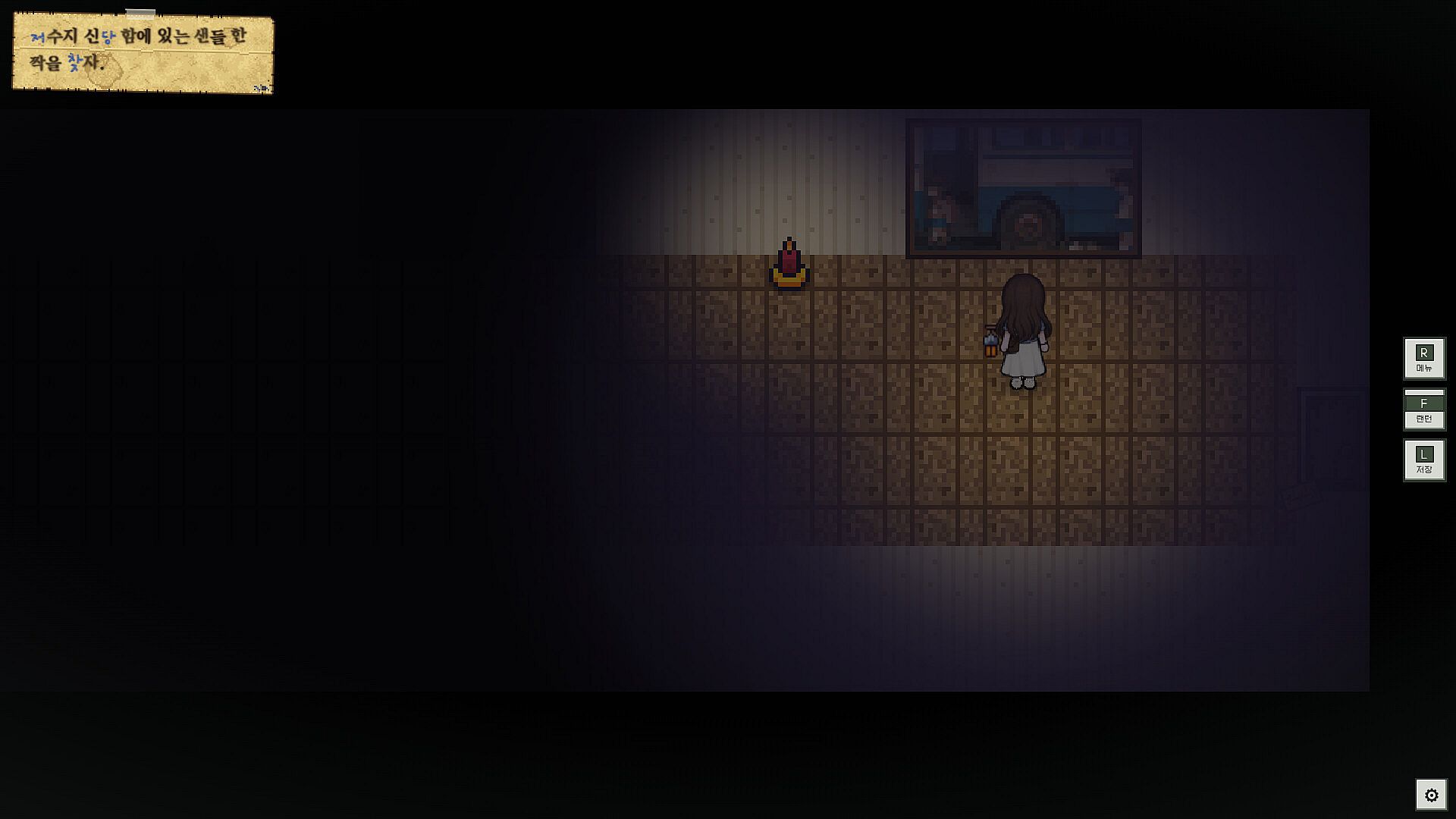
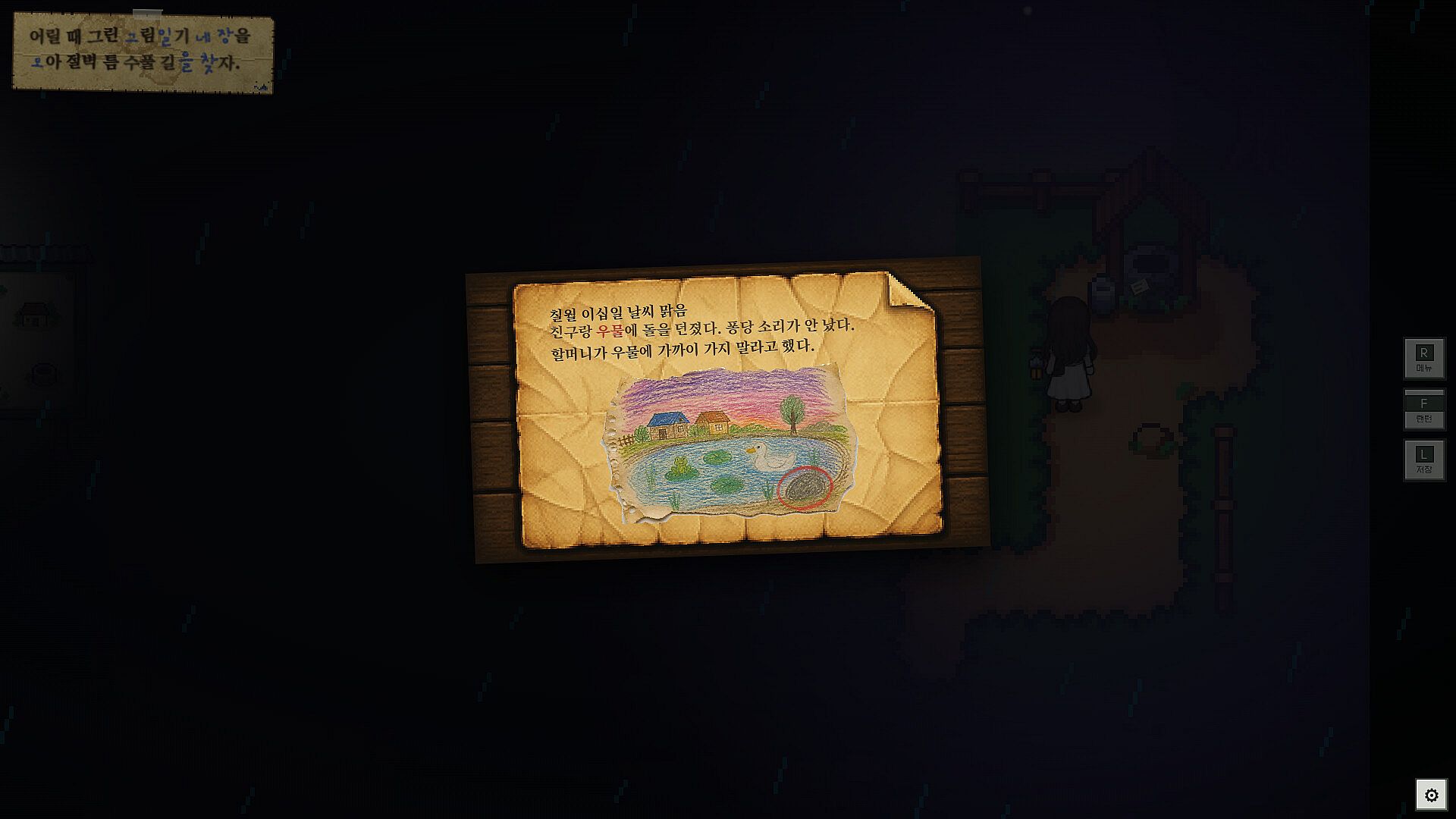
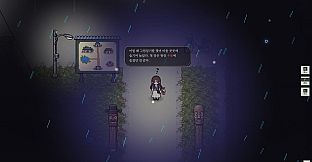








The Last Homecoming is a top-down mystery horror adventure game for PC that draws on rural Korean life and folk traditions. Players return to a childhood village after two decades away, sorting through a grandmother's belongings while uncovering layers of memory, ritual, and unease in courtyards lined with earthenware jars, beneath sacred trees, and along quiet reservoir shores.
Gameplay
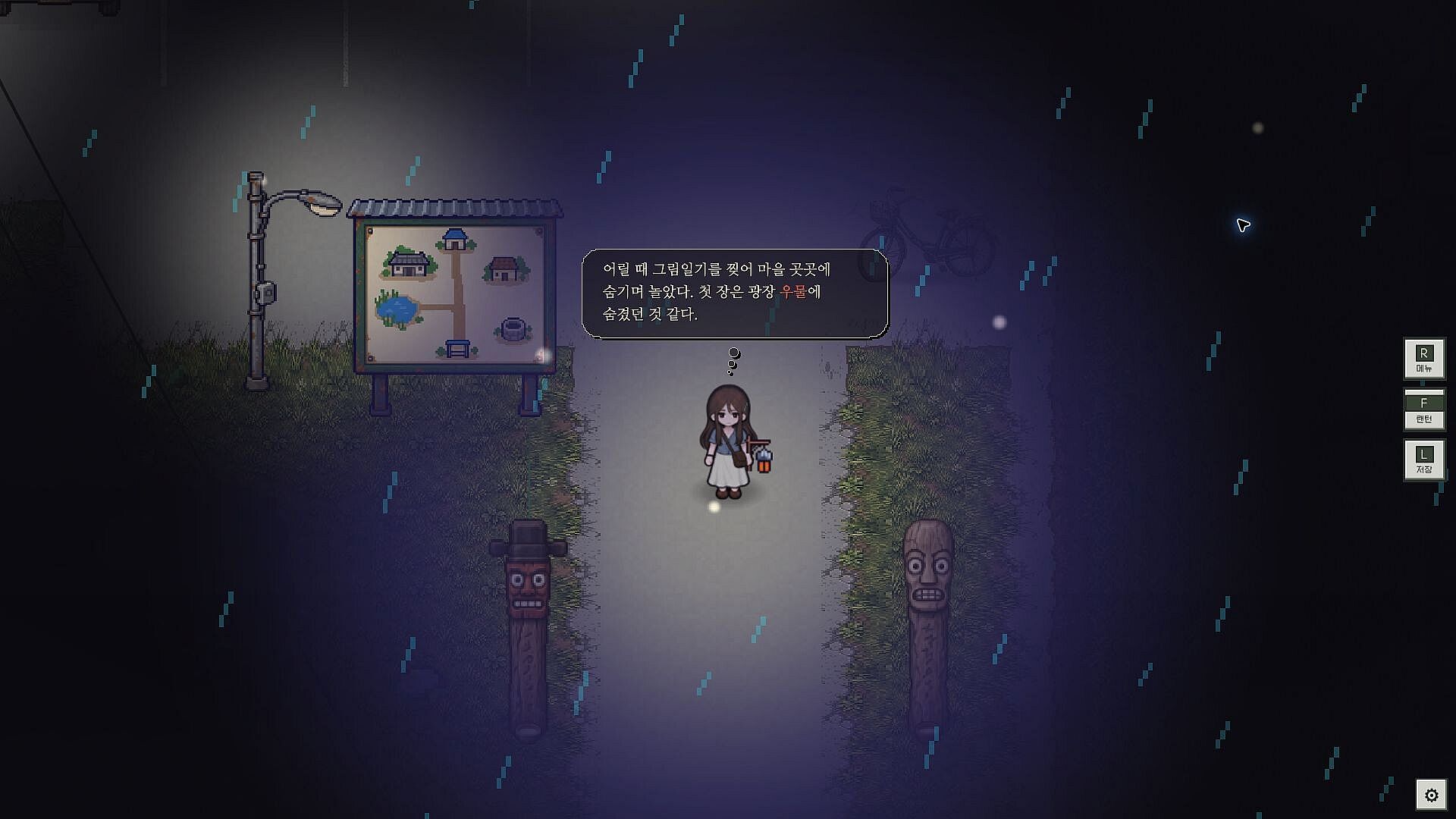
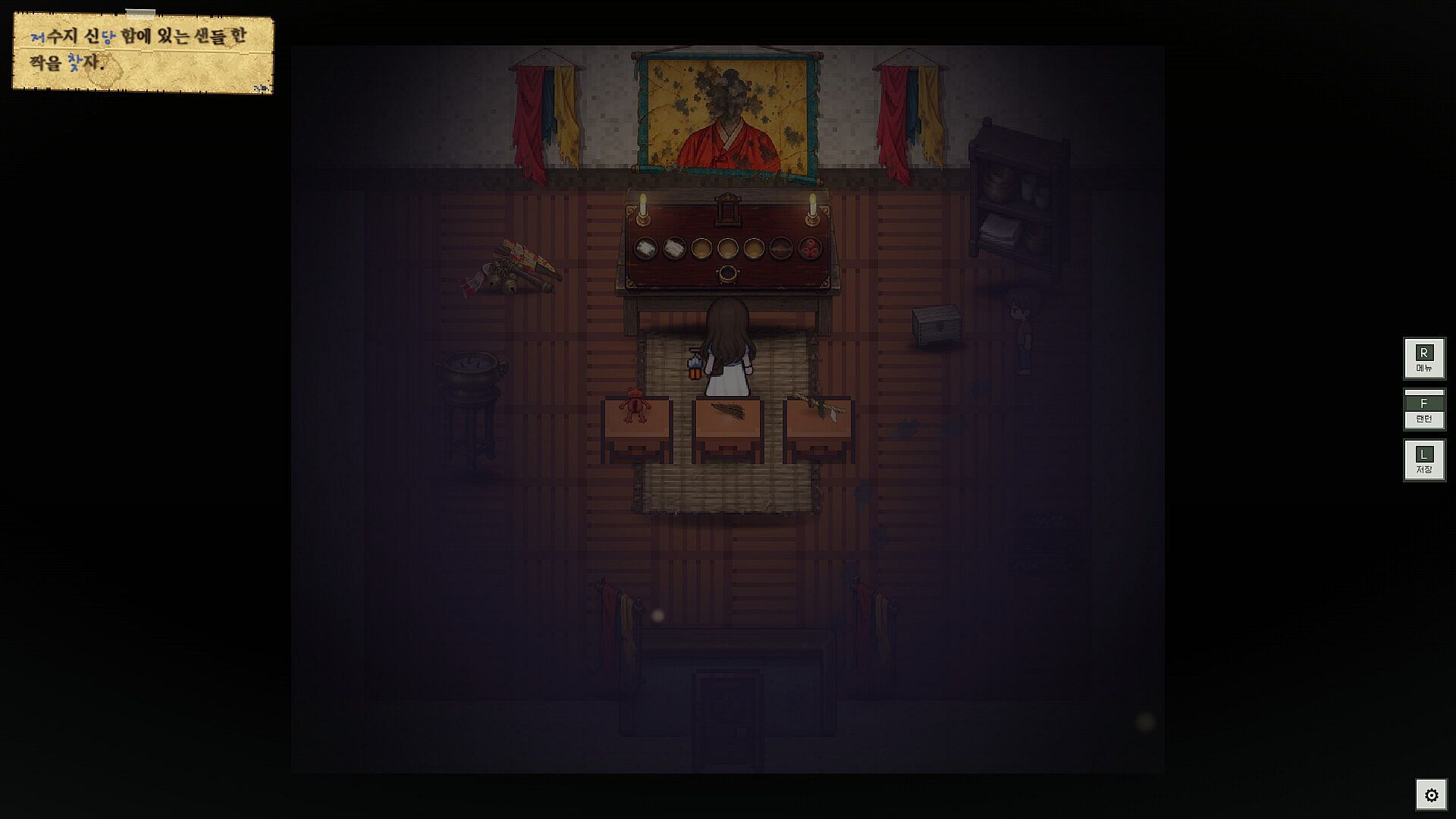
The core loop centers on lantern-lit exploration of old houses, narrow lanes, village halls, shrines, and ritual spaces. Light reveals traces of daily life intertwined with folk beliefs, from jangseung guardians at the entrance to straw ropes marking sacred areas. Players examine objects closely, open drawers, and read old records to piece together clues about the past.
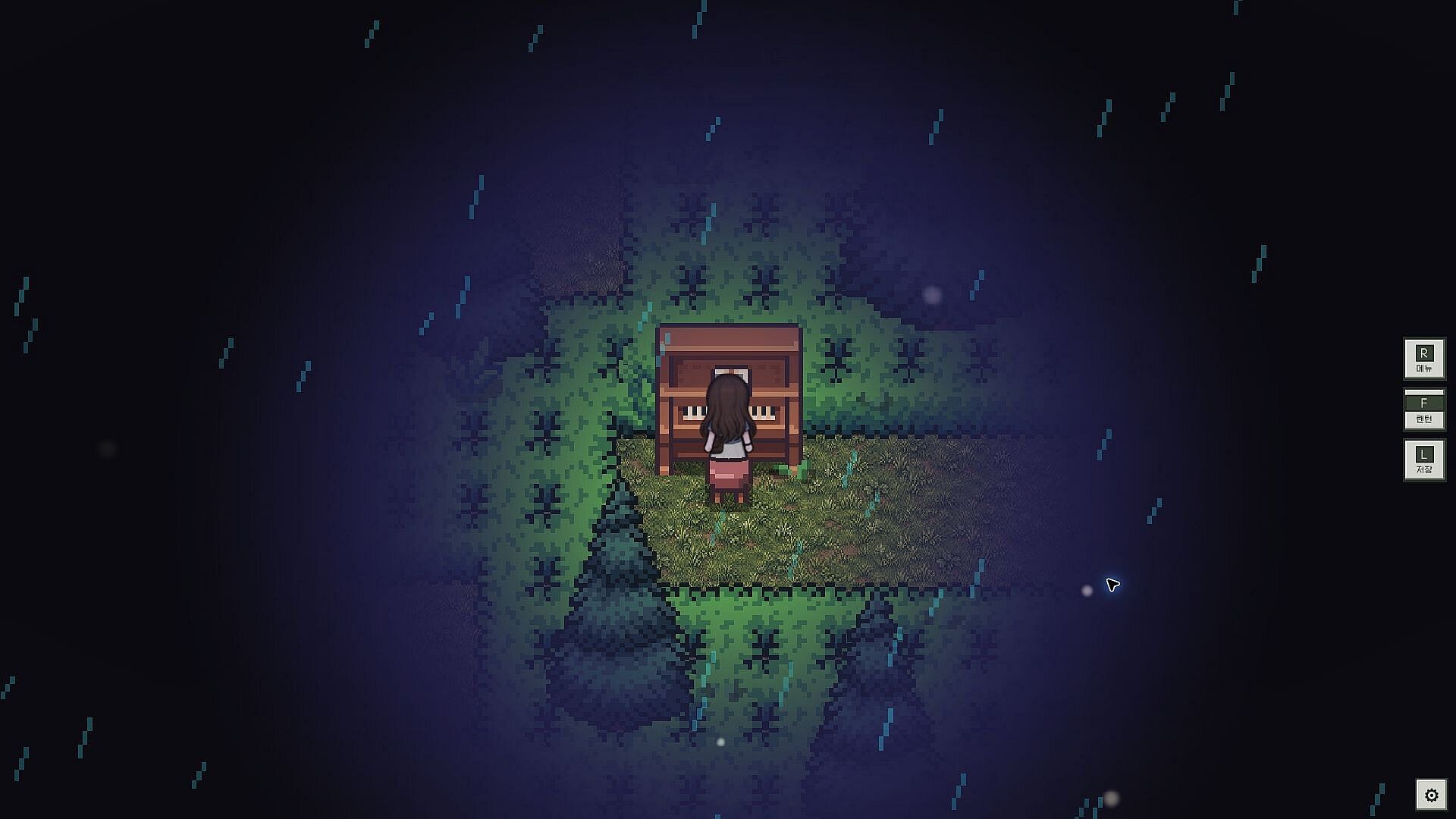
Puzzle solving forms a key part of progress. Useful tools are collected and mechanisms operated to access new areas, with a journal and inventory kept on hand to track findings and obstacles. The environment encourages careful observation of the Korean countryside setting, where ordinary locations carry deeper significance tied to local taboos and traditions.
Stealth and evasion add tension during certain sequences. Footsteps signal pursuit, forcing navigation through tight corridors or fields of tall grass. Warnings about village taboos must be heeded, and failure allows restarting from a nearby point to try again.
Game Modes
The game offers a single-player experience built around narrative progression and personal discovery. There are no separate multiplayer or competitive modes. The structure emphasizes story-driven exploration in a contained village setting, with elements of choice that influence how events unfold and lead to multiple endings.
Progress relies on combining investigation, puzzle resolution, and moments of evasion within the same continuous journey. The focus remains on uncovering buried memories and confronting what lingers in the places once called home.
Setting and Atmosphere
The village serves as both backdrop and character, rendered in 2D pixel art that captures the quiet details of rural Korean architecture and rituals. Earthenware jars, wooden guardians, and shrine elements ground the mystery in authentic cultural references. Psychological horror emerges through atmosphere rather than overt violence, with themes touching on death, memory, and the weight of unspoken rules.
Content includes depictions of psychological tension, brief sequences involving character deaths, and references to sensitive topics such as drowning and injury, presented without graphic gore. The tone blends nostalgia with unease as the protagonist confronts a past that feels both familiar and altered.
Is It Worth Playing?
The Last Homecoming targets players who enjoy atmospheric single-player mystery adventures with strong cultural roots and a mix of exploration, puzzles, and light evasion. Its focused design on one village and its folk beliefs offers a contained story experience rather than open-world scope.
Planned text support includes English, Japanese, Simplified Chinese, Traditional Chinese, and Russian alongside the current Korean version. As an upcoming title scheduled for March 2027, it has no released player data or reviews yet. Those drawn to psychological horror, puzzle-driven narratives, and settings grounded in Korean mythology and daily life may find the premise compelling once available.