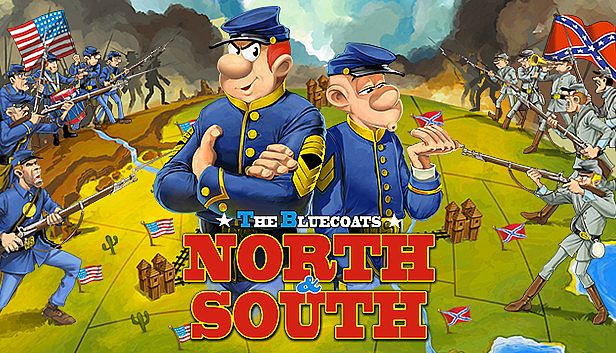












The Bluecoats: North & South é um jogo de ação e estratégia que combina gerenciamento de mapa em turnos com combates em tempo real e segmentos de ação em primeira pessoa. Ambientado na Guerra Civil Americana, coloca o jogador no comando das forças da União ou dos Confederados em uma disputa por território, recursos e pontos estratégicos. A edição remasterizada traz visuais atualizados e mecânicas refinadas, mantendo a mistura original entre planejamento e confronto direto.
Gameplay
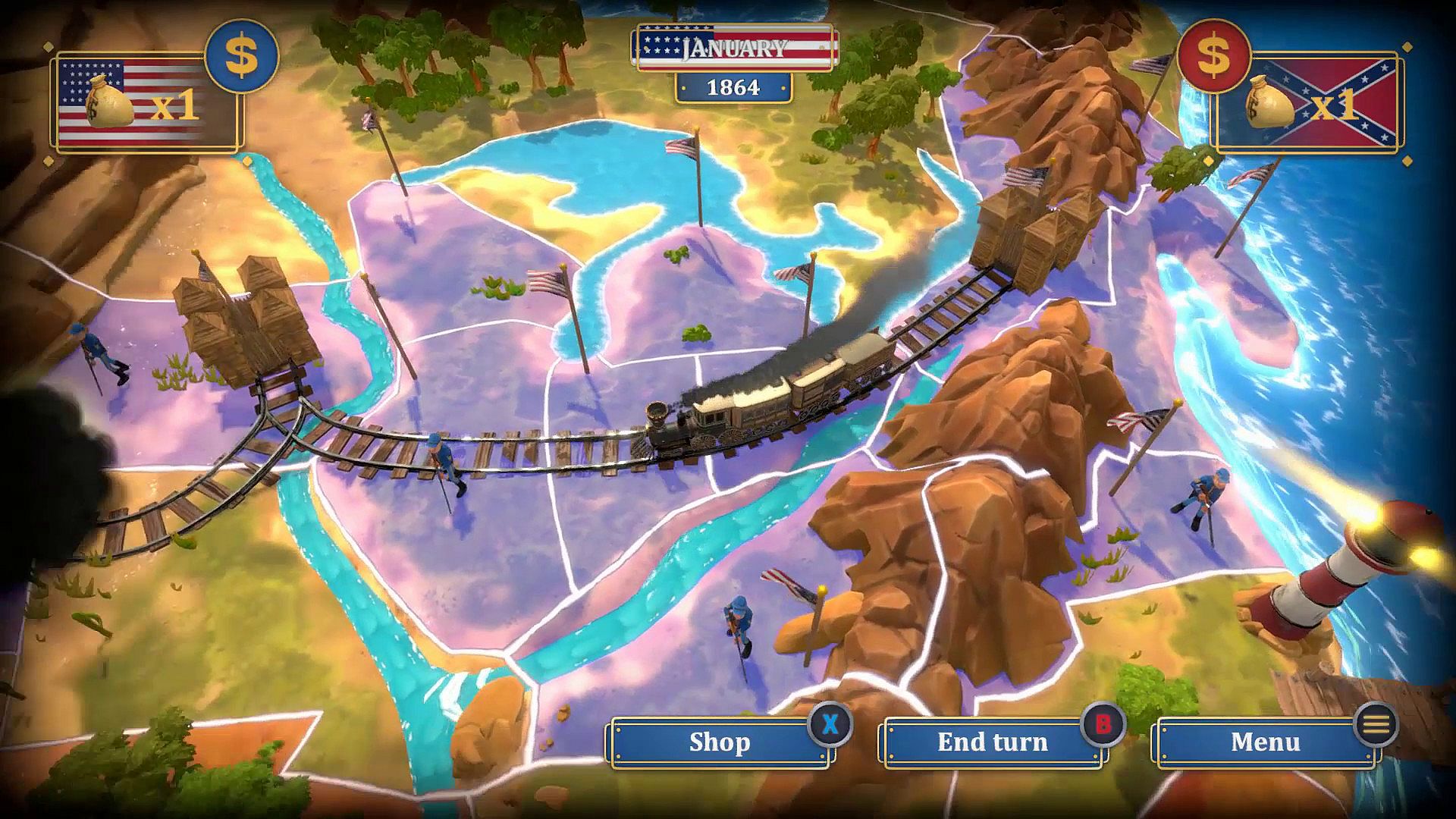
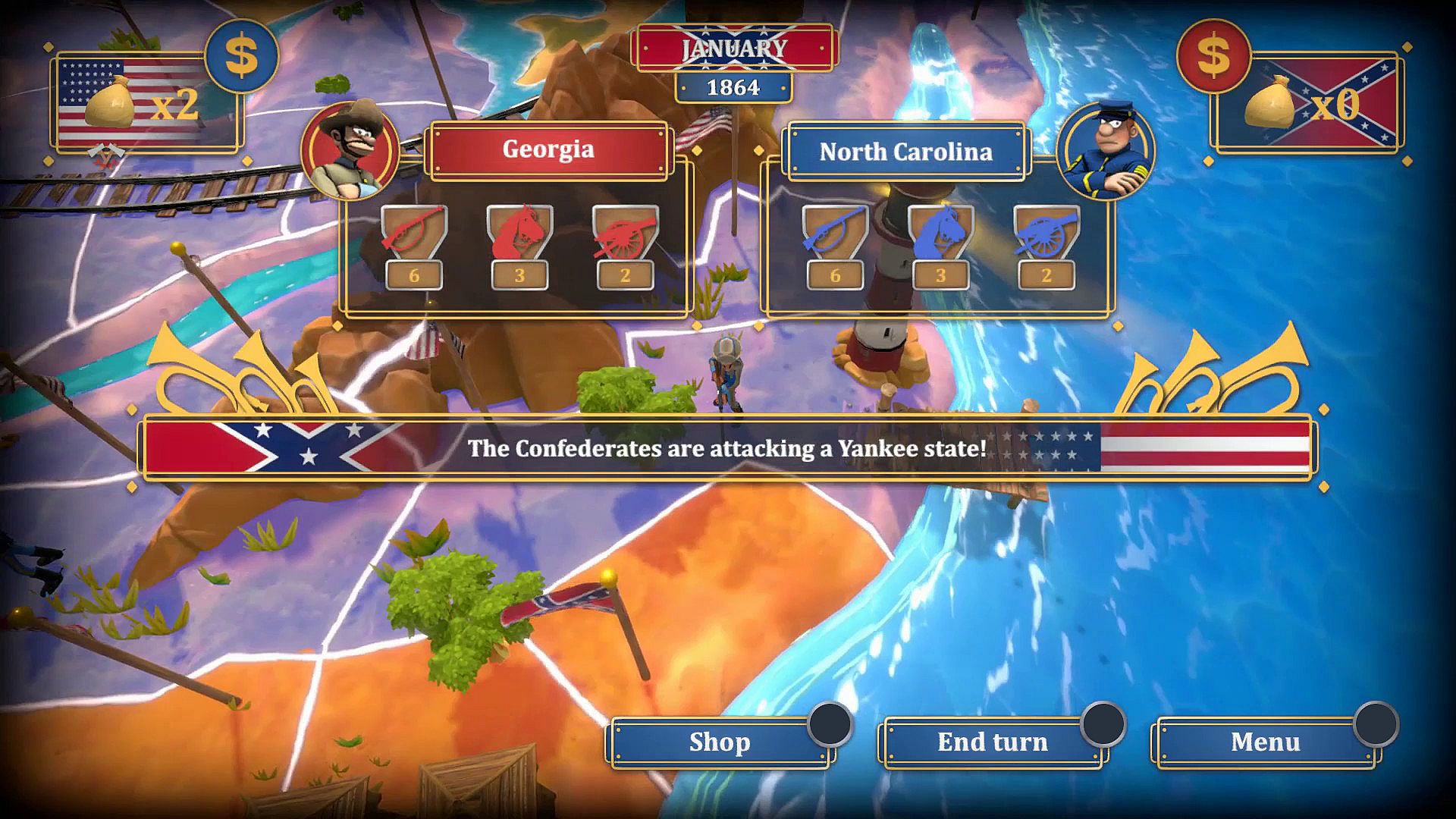
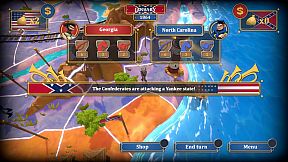
O jogador começa escolhendo o ano de início da campanha, o que define os recursos disponíveis, a composição das tropas e as oportunidades estratégicas. No mapa estratégico, os comandantes movem batalhões entre os estados para conquistar território, tomar fortes e controlar ferrovias que aumentam a renda e as linhas de suprimento. Reforços chegam da Europa para recompor as unidades, exigindo uma distribuição cuidadosa para manter o avanço.
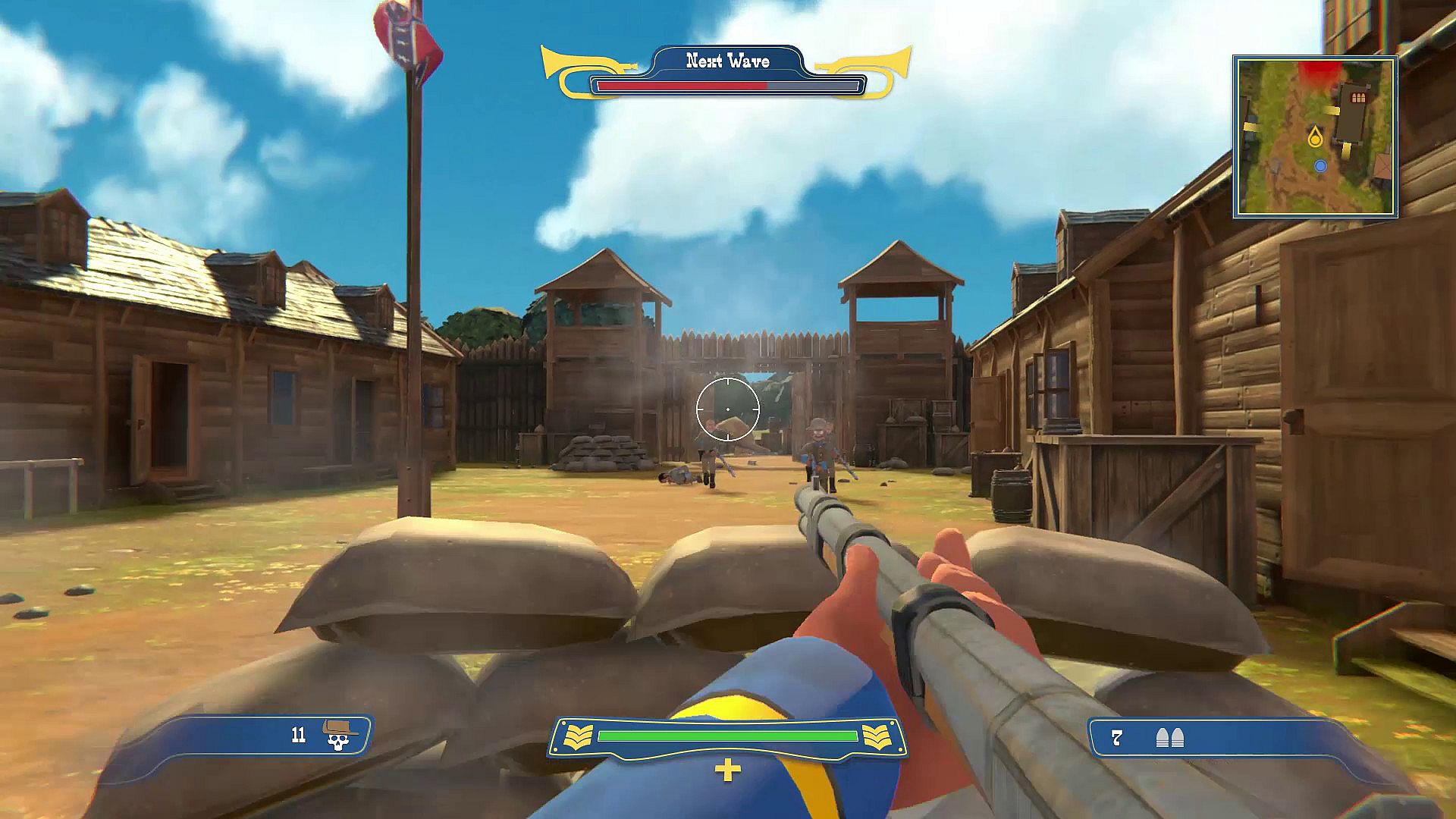
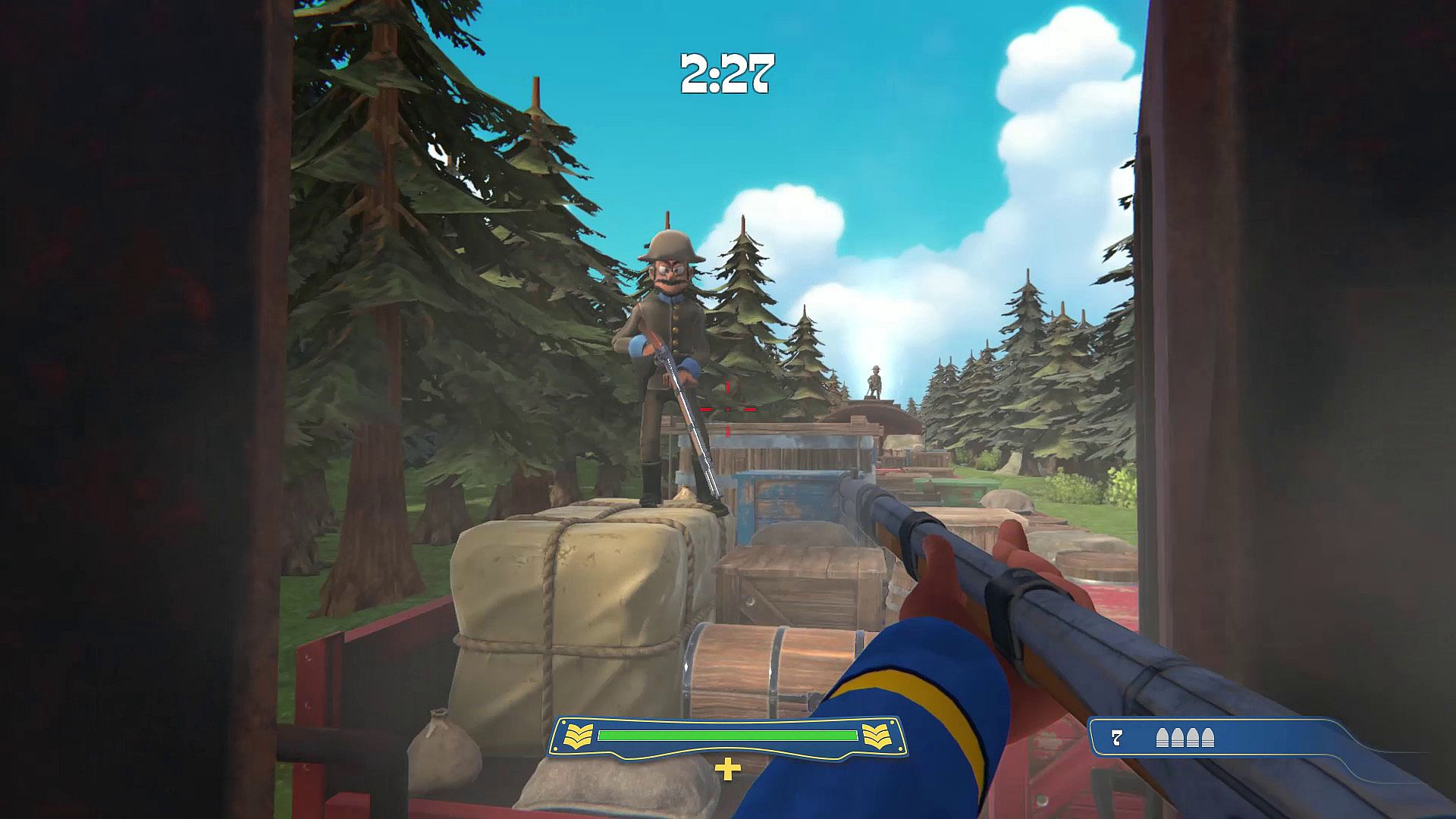
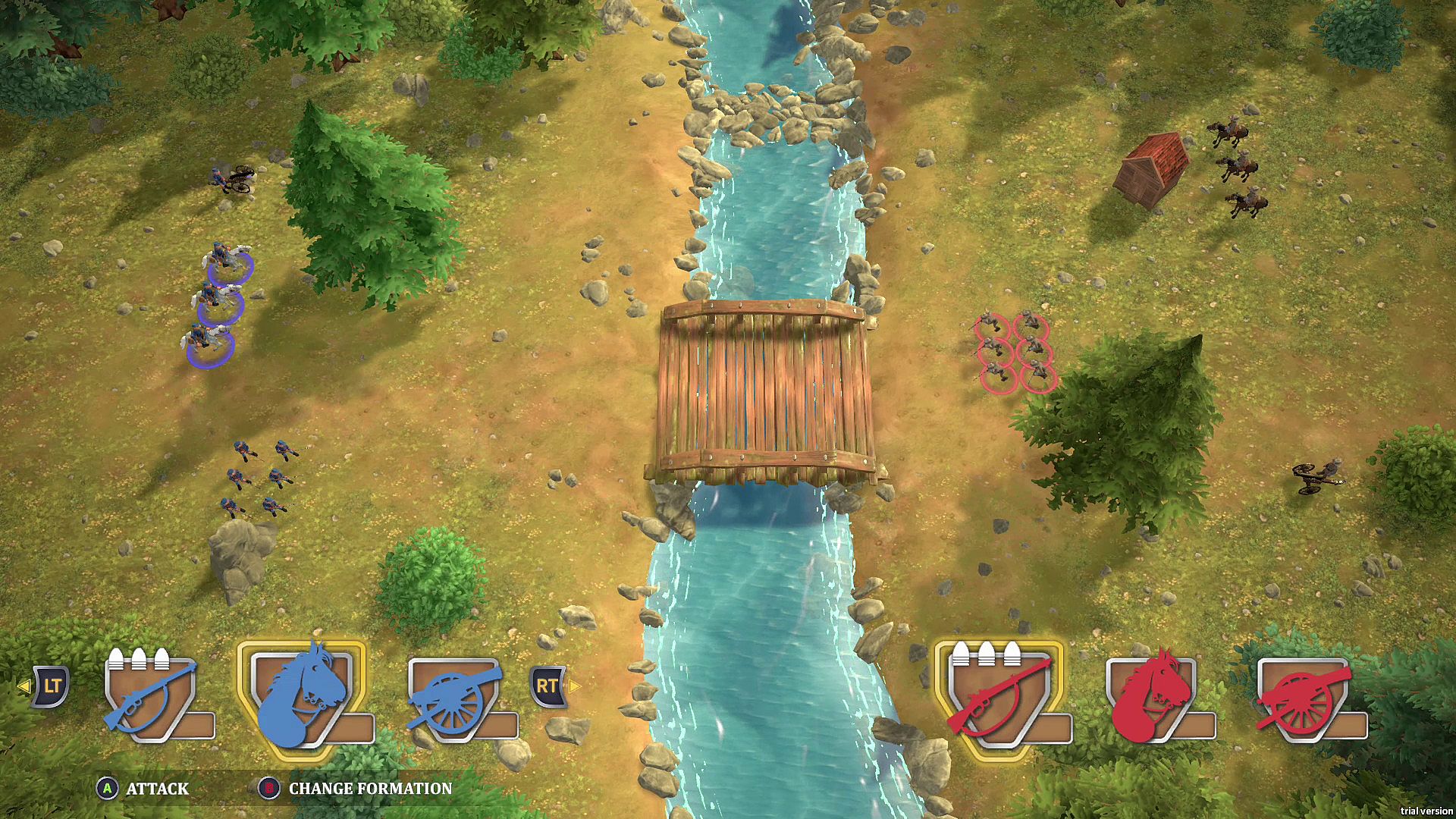
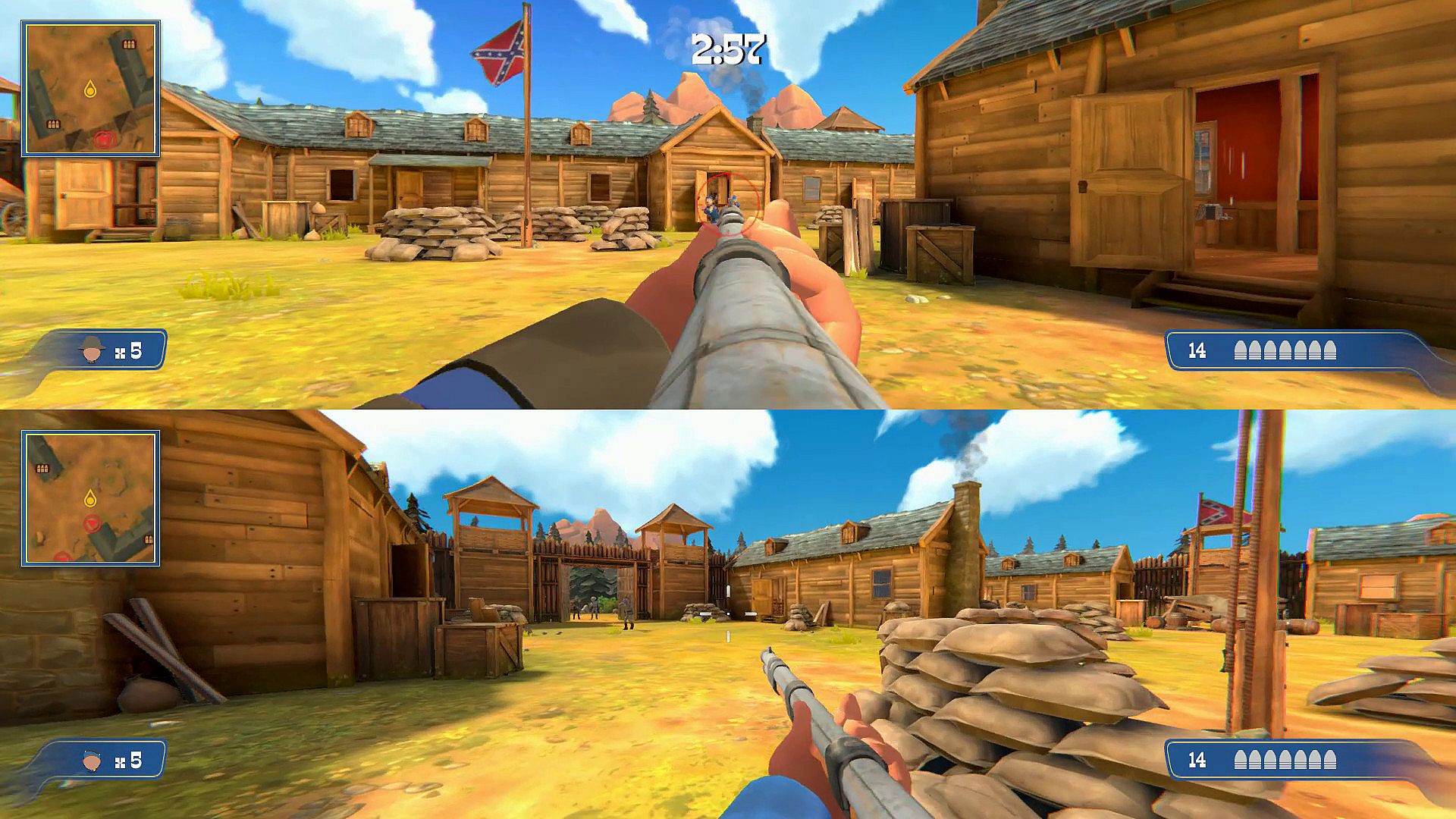
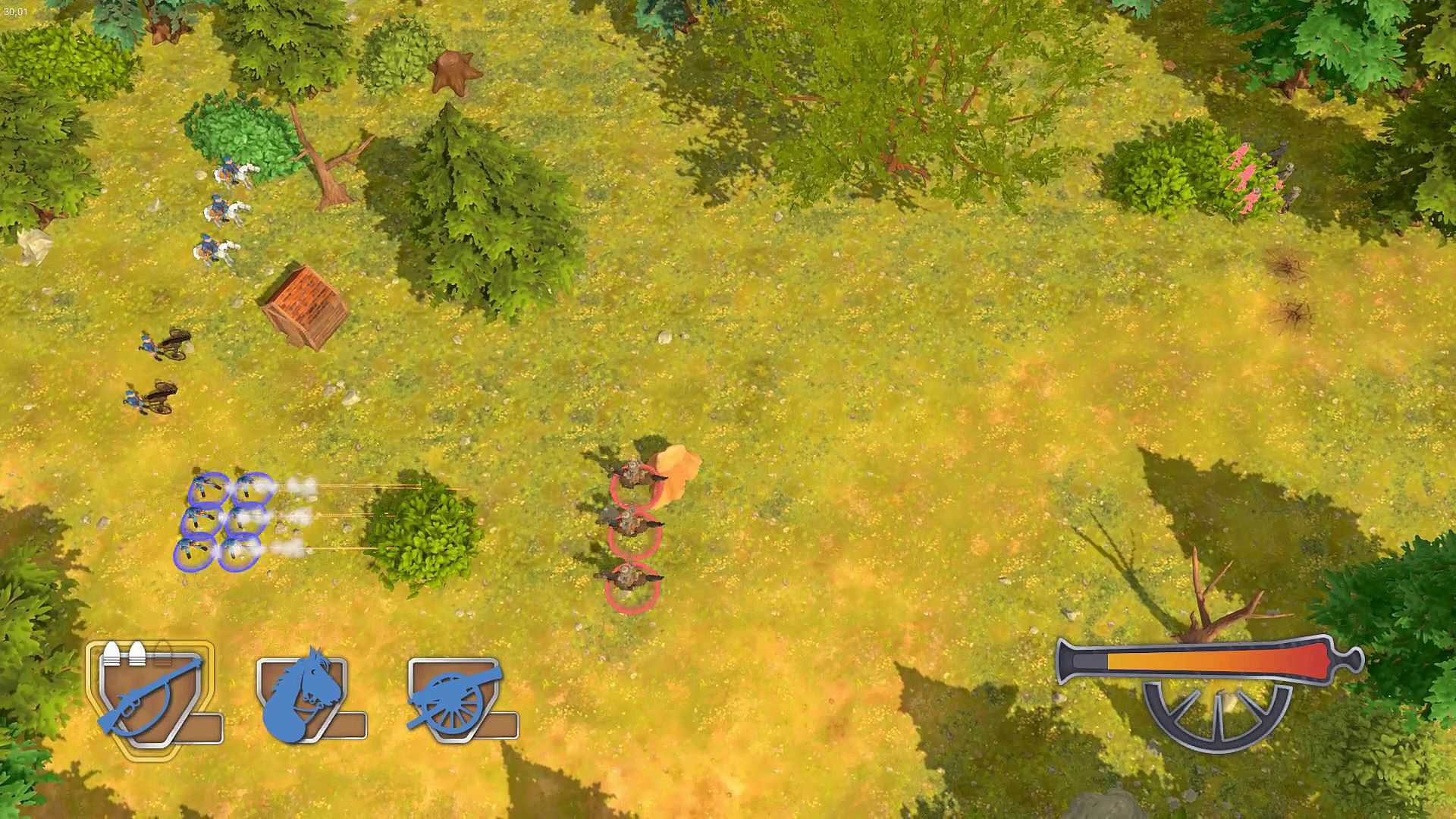
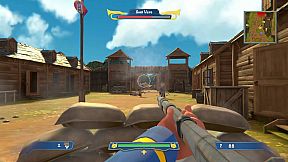
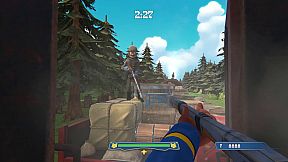
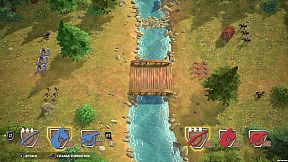
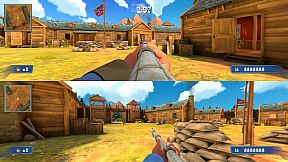
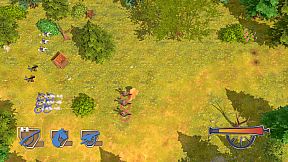
Os combates acontecem em dois níveis. Nas batalhas em tempo real, é preciso coordenar infantaria, cavalaria e artilharia, explorando as vantagens de cada tipo de tropa. Quando o alvo são fortes ou trens, o jogo muda para a perspectiva em primeira pessoa, onde mira e posicionamento são decisivos para defender ou capturar os objetivos.
Opções de personalização permitem ajustar dificuldade, eventos aleatórios e variações de regras, atendendo tanto iniciantes quanto jogadores experientes. O gerenciamento de recursos é fundamental: perder ferrovias ou fortes compromete rapidamente o fluxo de dinheiro necessário para recrutar e equipar novas unidades.
Modos de Jogo
Três modos principais estruturam cada partida. O mapa de estratégia em turnos funciona como centro operacional, onde o jogador emite ordens, reposiciona unidades e planeja campanhas em vários estados. O sucesso nessa camada determina quais batalhas ocorrerão e com quais forças.
As batalhas táticas em tempo real formam o segundo modo. Nesses confrontos, decisões rápidas de posicionamento e alvo são essenciais para obter superioridade local. As condições de vitória envolvem eliminar unidades inimigas ou capturar pontos-chave da área de combate.
O terceiro modo cobre ataques diretos a fortes e trens. Nesses momentos, o jogador controla um soldado individual armado com armas da época. Atacantes tentam romper as defesas enquanto defensores repelem ondas de inimigos. O suporte completo para dois jogadores abrange todos os modos, permitindo partidas locais no mesmo aparelho ou por conexão local.
Contexto Histórico e Estrutura da Campanha
Episódios de diferentes anos da Guerra Civil oferecem condições iniciais variadas. Os primeiros anos contam com exércitos menores e menos fortificações, enquanto períodos posteriores trazem unidades mais avançadas e redes ferroviárias disputadas. É possível adotar uma expansão agressiva para alterar o rumo da história ou uma postura defensiva para preservar conquistas.
O controle de fortes e ferrovias influencia diretamente a viabilidade a longo prazo. Infraestruturas capturadas geram receita contínua para reforços e melhorias. Negligenciar esses ativos deixa os exércitos expostos a contra-ataques que podem reverter rapidamente os ganhos territoriais.
Vale a Pena Jogar?
A edição remasterizada atrai quem gosta de experiências híbridas de estratégia que alternam entre planejamento e ação imediata. O modo para dois jogadores aumenta a rejogabilidade para quem busca sessões competitivas sem precisar de conexão online. Os ajustes de personalização ajudam a adaptar ritmo e complexidade ao gosto de cada um.
Quem conhece o lançamento original para Amiga vai encontrar o mesmo ciclo de movimento no mapa, escaramuças e ataques a objetivos, agora com visuais mais nítidos e controles mais fluidos. Novatos podem começar em dificuldades menores para entender como as três camadas se conectam. O jogo recompensa quem mantém atenção às linhas de suprimento e à coordenação entre os tipos de tropa.
No geral, o título é indicado para fãs de estratégia que apreciam campanhas mais curtas e segmentos ocasionais de controle direto. Seu escopo focado e tema histórico oferecem uma alternativa distinta tanto aos RTS puros quanto aos jogos tradicionais de turnos.