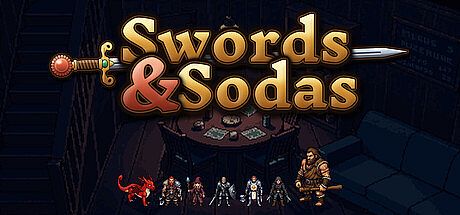


Swords & Sodas is a strategy indie RPG for PC that recreates the feel of gathering friends for arena battles drawn from tabletop roleplaying rules. Players create characters on paper sheets, roll dice in view of the table, and fight turn-based encounters on a grid while one participant acts as Game Master for the night. The experience centers on tactical positioning, cover use, reaction abilities, and spell effects in varied arenas, all resolved through visible dice rolls rather than hidden systems.
Gameplay
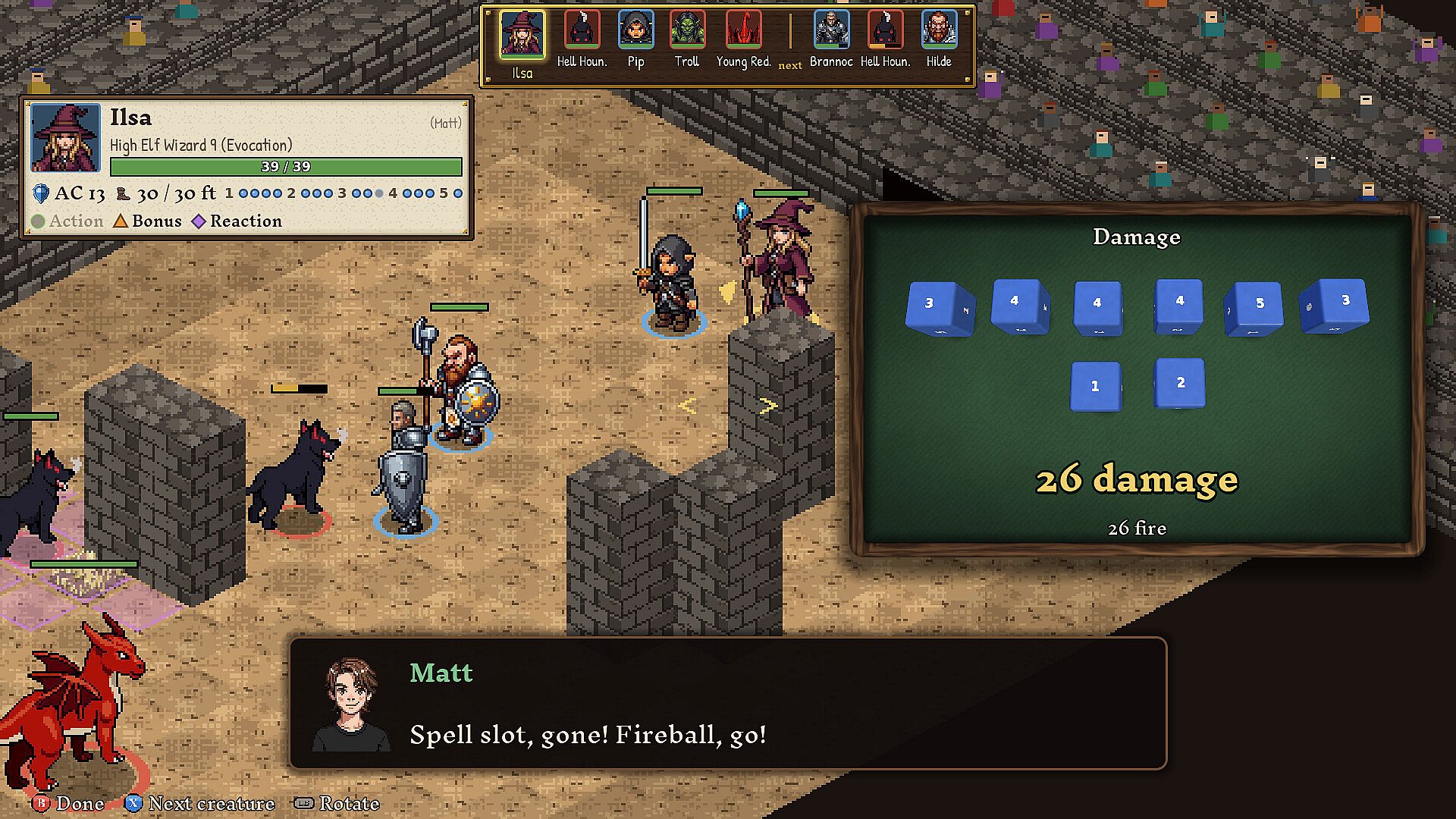
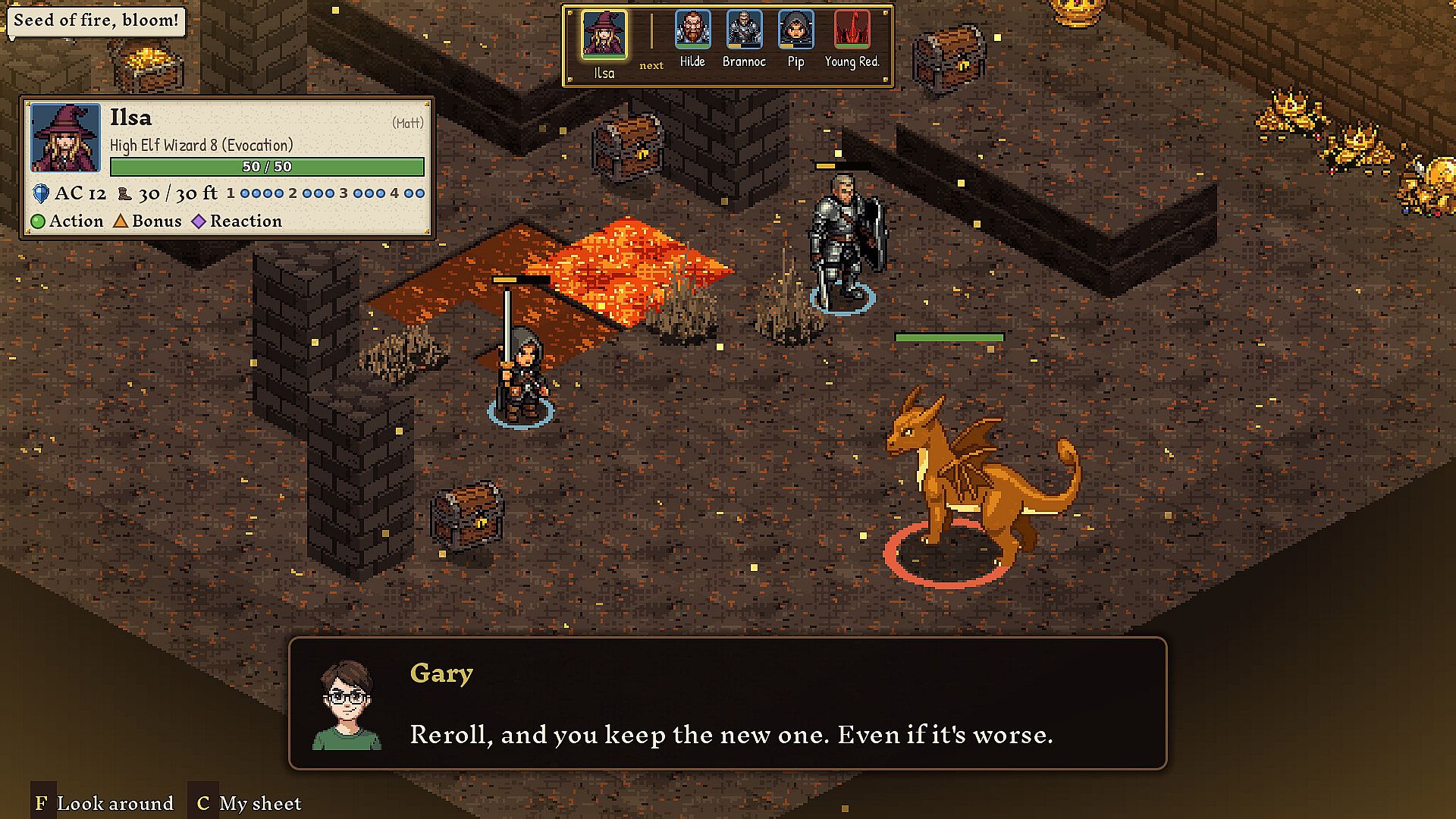
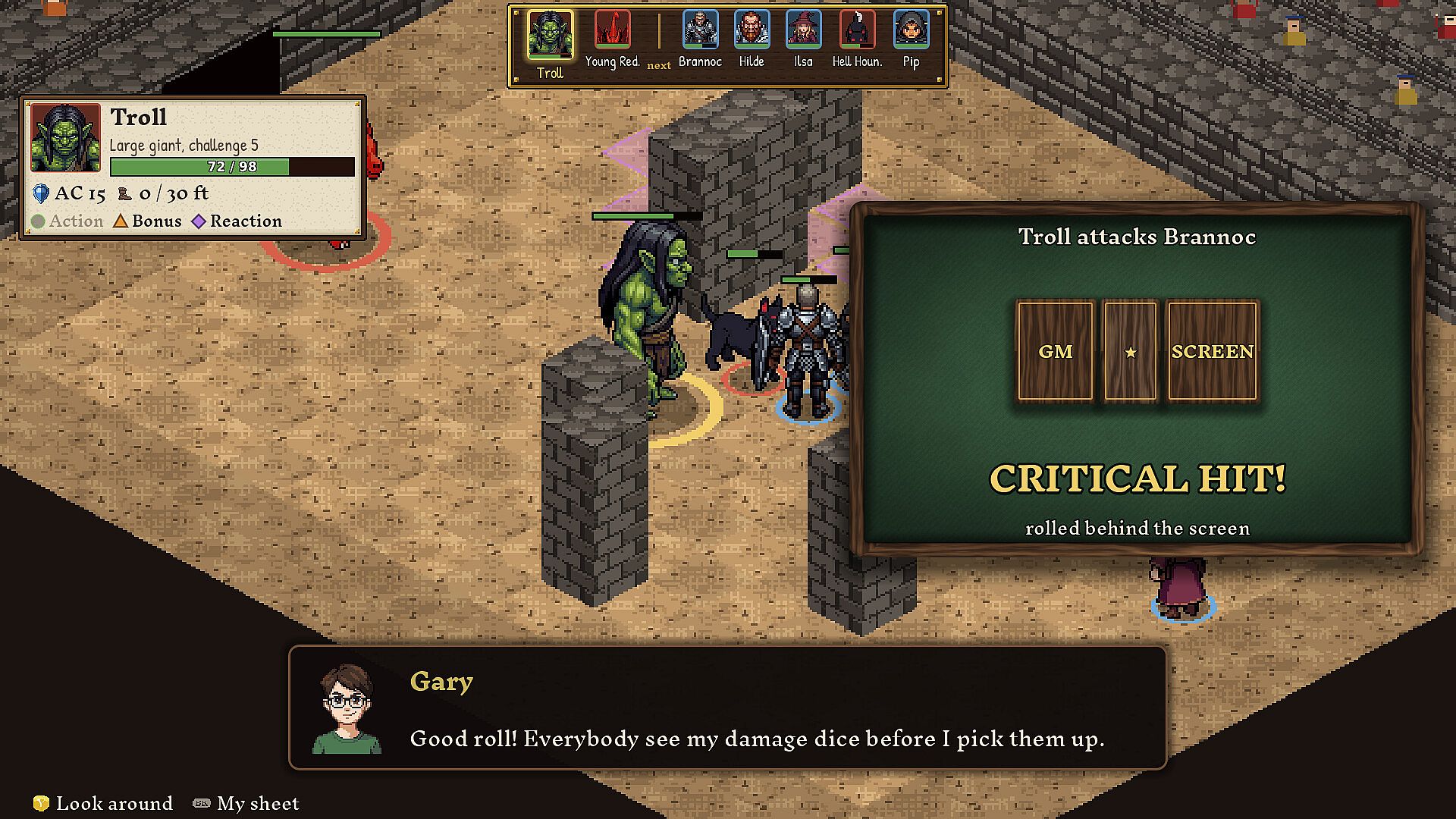
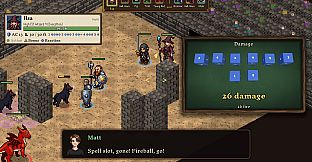
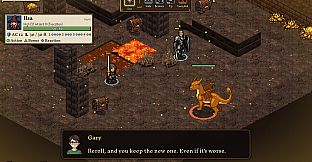
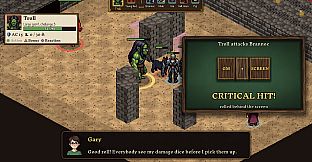
Every fight unfolds on a grid arena chosen by the Game Master, which might include pillars for cover, flooded areas, tall grass for concealment, or vaults holding treasure guarded by coin-spilling creatures. Participants position for high ground, prepare reactions such as a Shield spell, and spread out to avoid area effects like a dragon's breath. The camera switches between four angles to align spells such as Fireball. All attacks, saves, damage, and death saves land in a visible tray, with natural 1s sometimes triggering fumble tables that can paralyze or petrify fighters. Friendly fire remains active at all times, allowing accidental or intentional hits on allies.
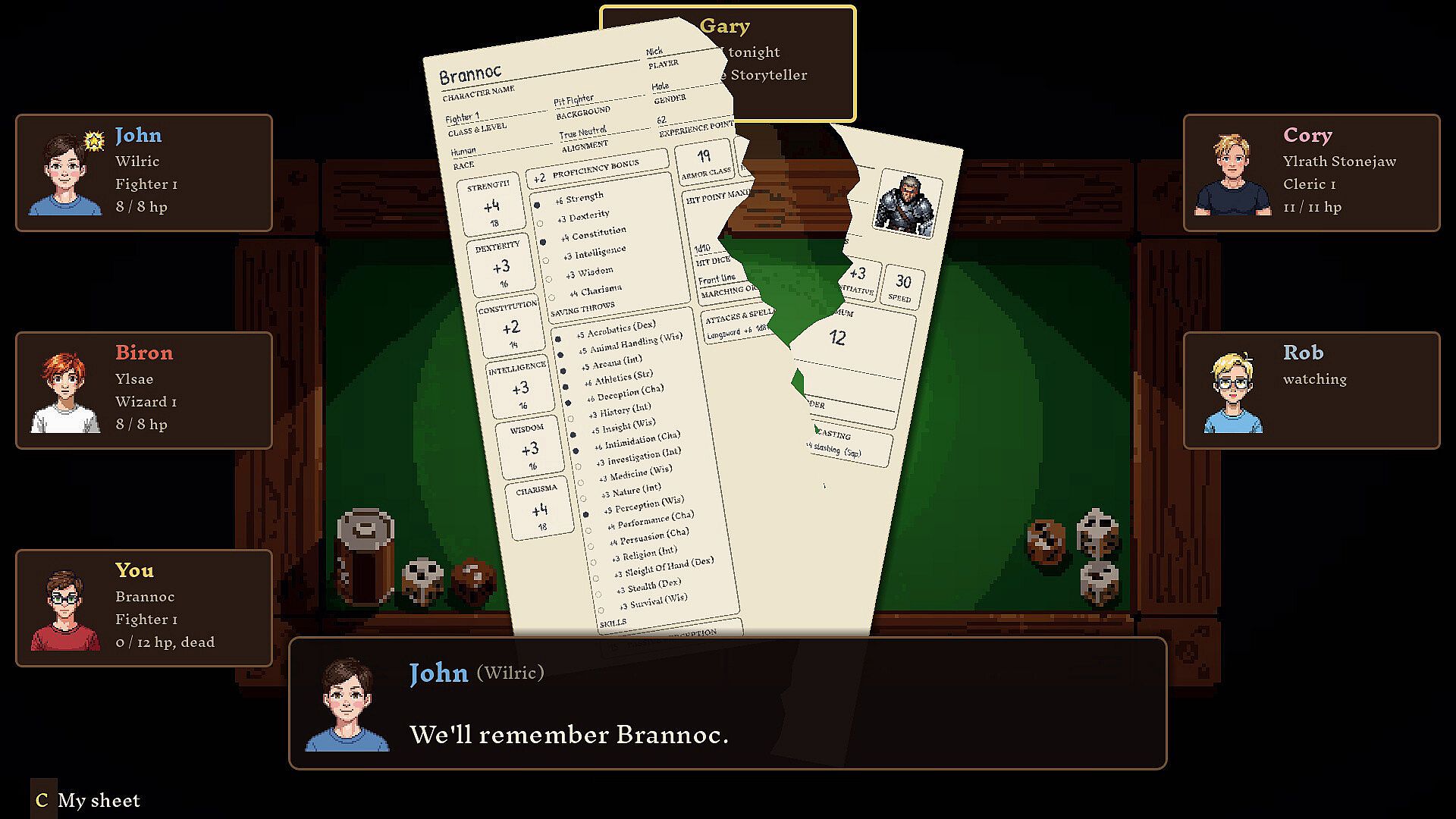
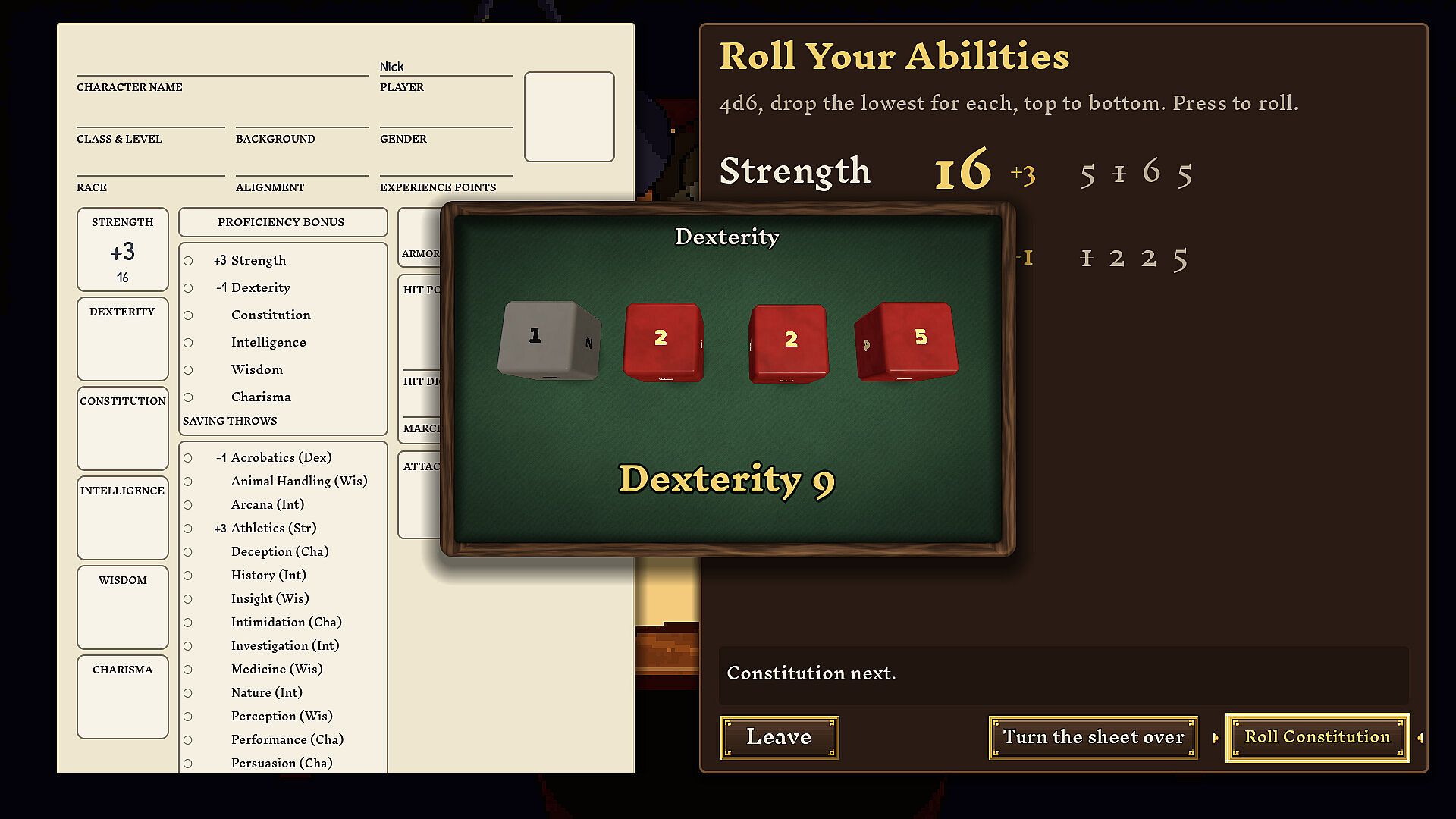
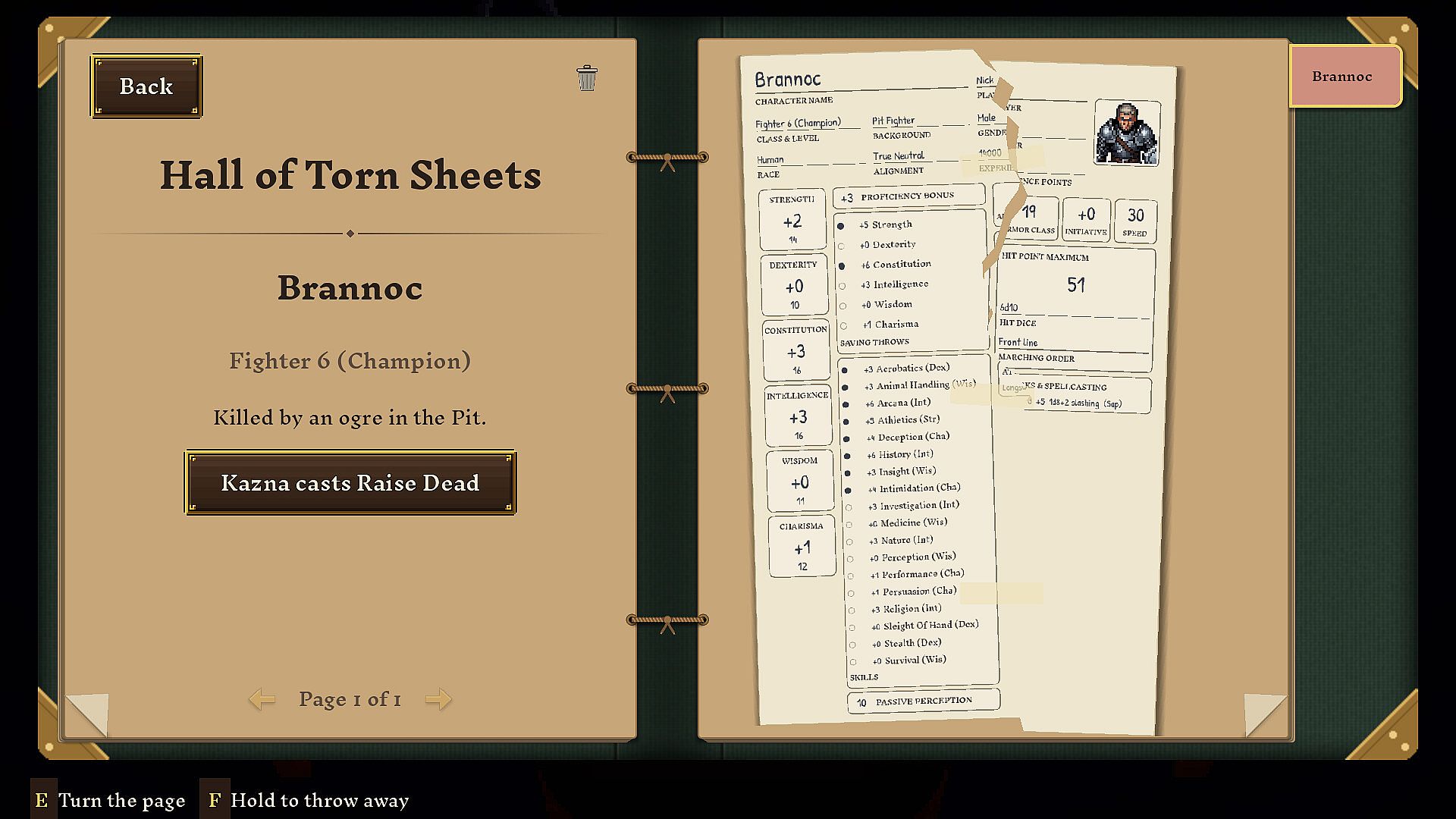
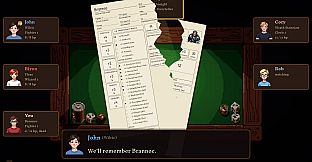
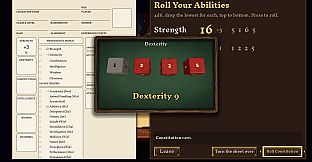
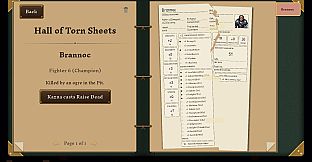
Character creation follows classic methods: roll 4d6 dropping the lowest in order with no rerolls, or 3d6 straight for a modest bonus. Sheets display full access to core rules content including classes with subclasses, spells through 9th level, feats, backgrounds, magic items, and progression from level 1 to 20. Between bouts the party divides the purse, levels up, and spends gold at the Quartermaster. Some nights include brief scenes outside the ring involving bookies or guards that carry consequences into later fights. Death ends with the Game Master tearing the sheet in half for display in the Hall of Torn Sheets, though resurrection remains possible with sufficient resources.
Game Modes
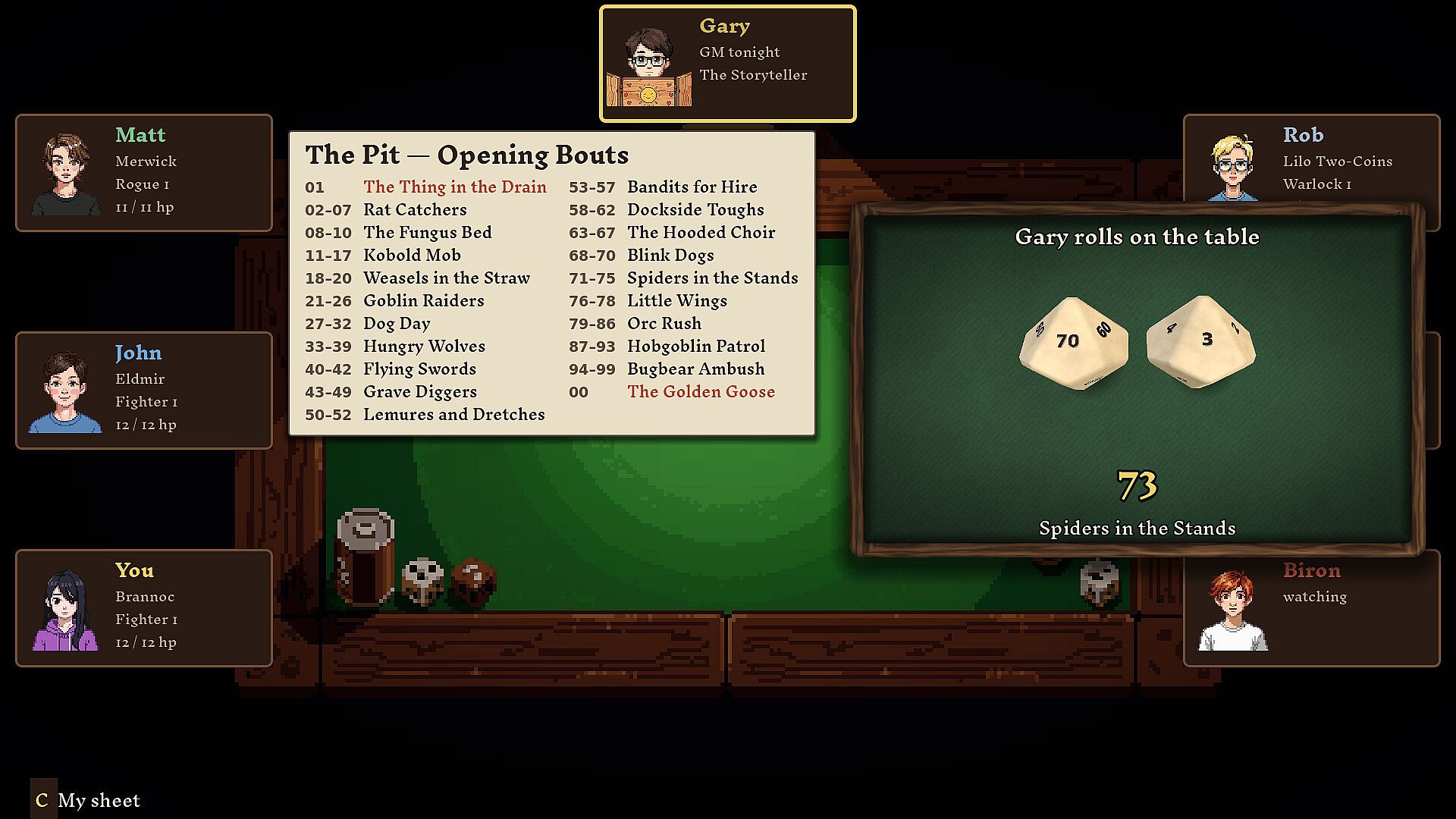
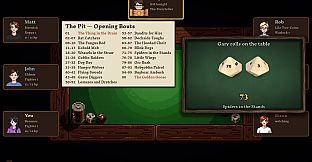
The core loop revolves around arena bouts prepared from a printed encounter table rolled with percentile dice. Rows already fought get crossed out and rerolled, while double zeros can lead to unusual vaults or biting chests. Players decide after each bout whether to claim winnings and leave or continue for the champion's purse and tougher challenges. If the entire group falls, survivors roll death saves and exit without that night's gold or loot.
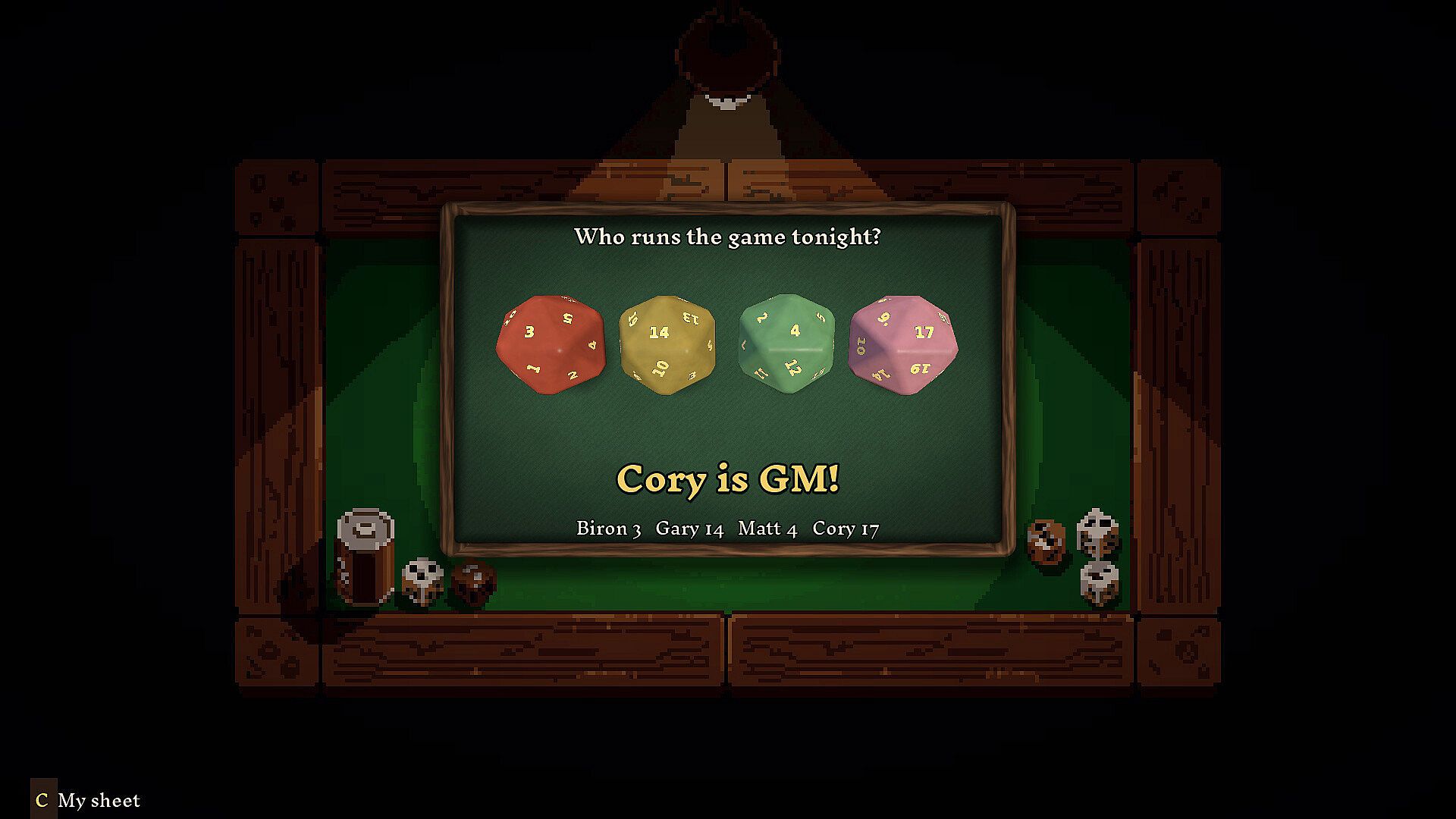
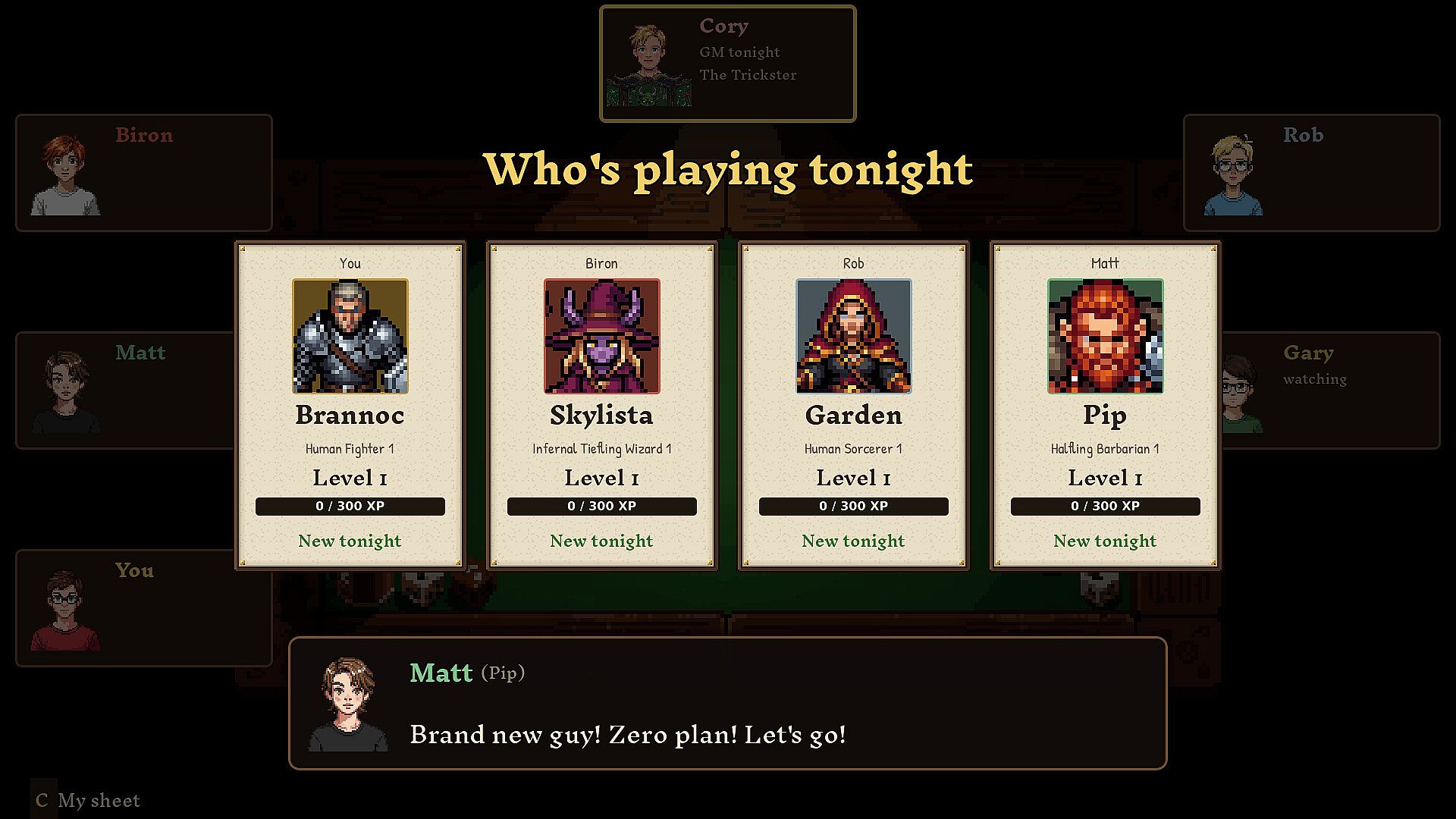
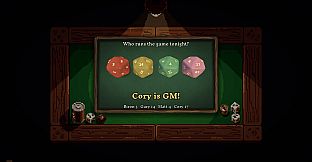
Hosting supports local network or online tables where friends join with pre-made sheets. Regular non-player characters occupy empty seats and comment on events. The Game Master rotates nightly based on a d20 roll among participants, ensuring varied styles from lenient to lethal. Winning progress unlocks additional classes, species, and subclasses beyond core rules, plus new dice sets and more demanding arenas up to Godsmeet.
Character Progression and Table Dynamics
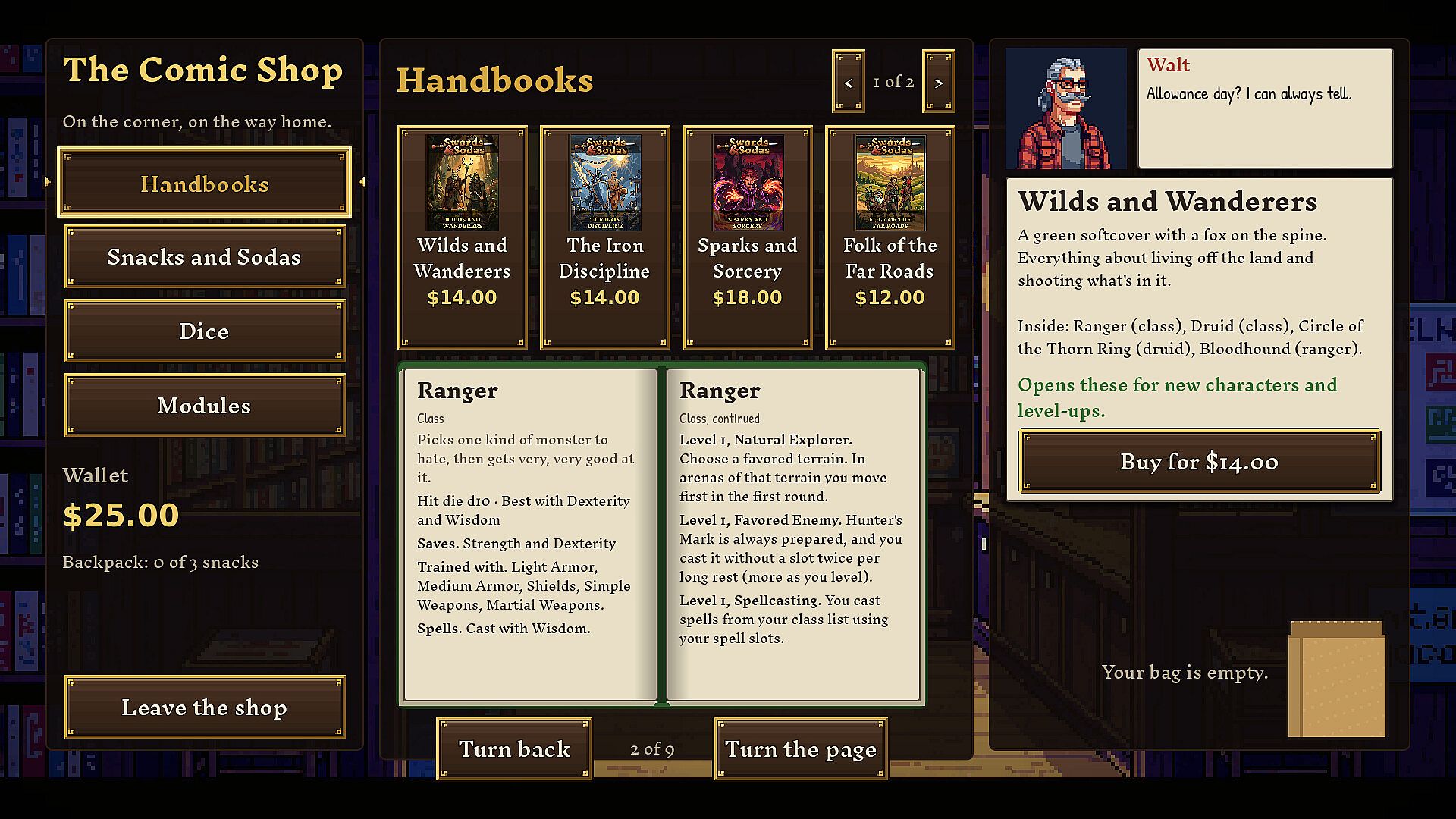
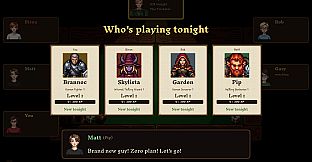
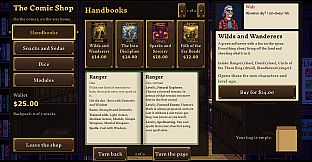
Progression ties directly to arena performance. Gold purchases from the Quartermaster improve equipment and options, while victories grant access to expanded content. The allowance system at home lets players acquire handbooks for new options, unique dice, and snacks that may influence the Game Master. Every session begins with the group displaying their sheets, building anticipation before the first roll.
Table interaction forms a key layer. Participants discuss rolls and character choices throughout the night. Different Game Masters introduce distinct challenges: one might fudge a killing blow, another designs fights that encourage friendly fire, and some aim to eliminate characters outright. Snacks can sway outcomes in a player's favor during critical moments.
Is It Worth Playing?
Swords & Sodas suits players who enjoy tactical grid combat, visible dice resolution, and the social rhythm of a rotating Game Master without committing to a full campaign. The rules draw from the System Reference Document 5.2.1 and 5.1, adapted for arena-focused play with full support for levels 1 through 20 and high-level spells. Those who value character sheet permanence, the risk of permanent loss, and group-driven variety will find the structure engaging. Availability centers on PC with options for online hosting, making it accessible for regular groups seeking short, repeatable sessions rather than long single-player campaigns.