


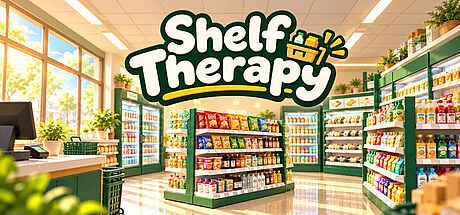


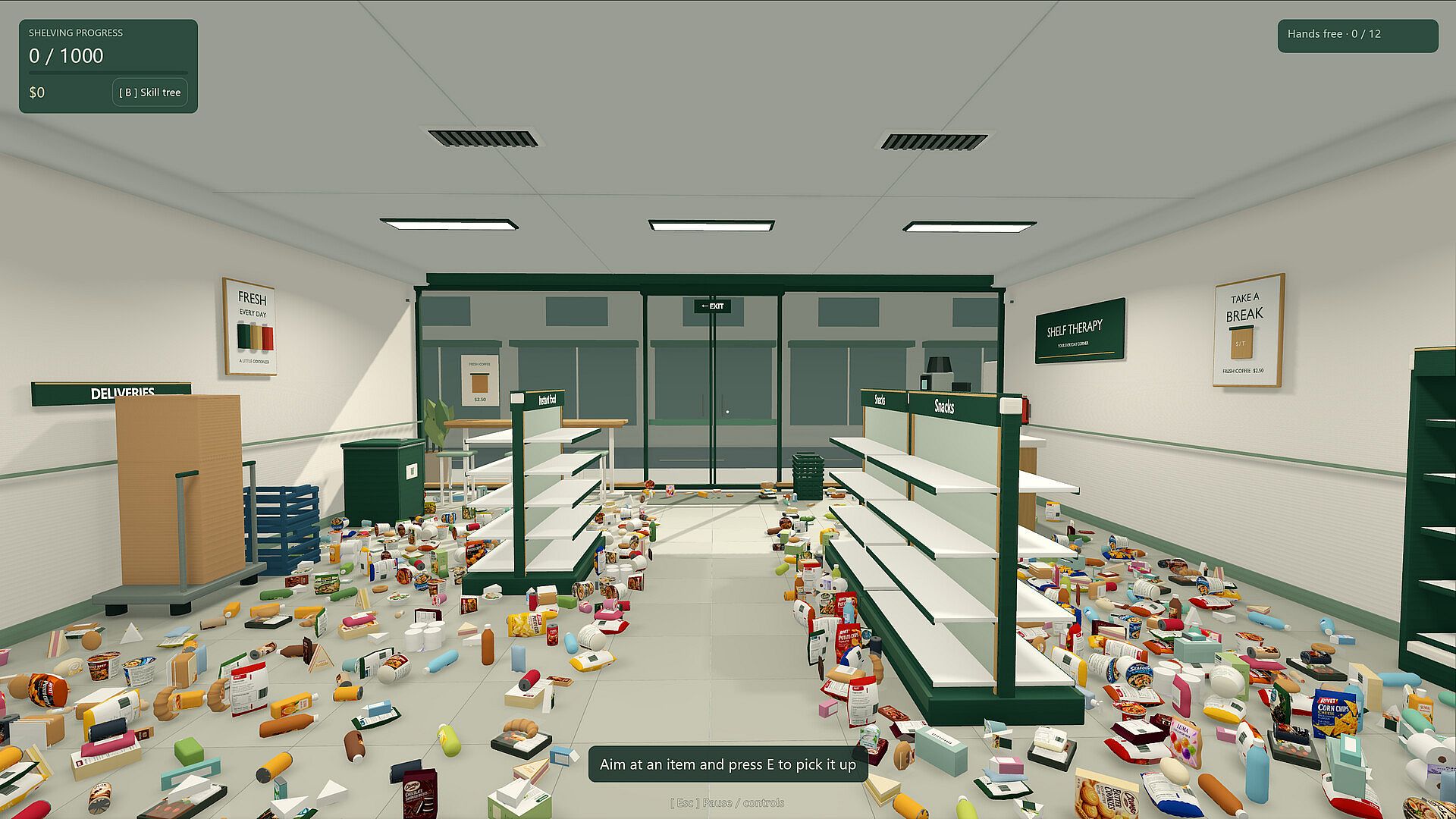
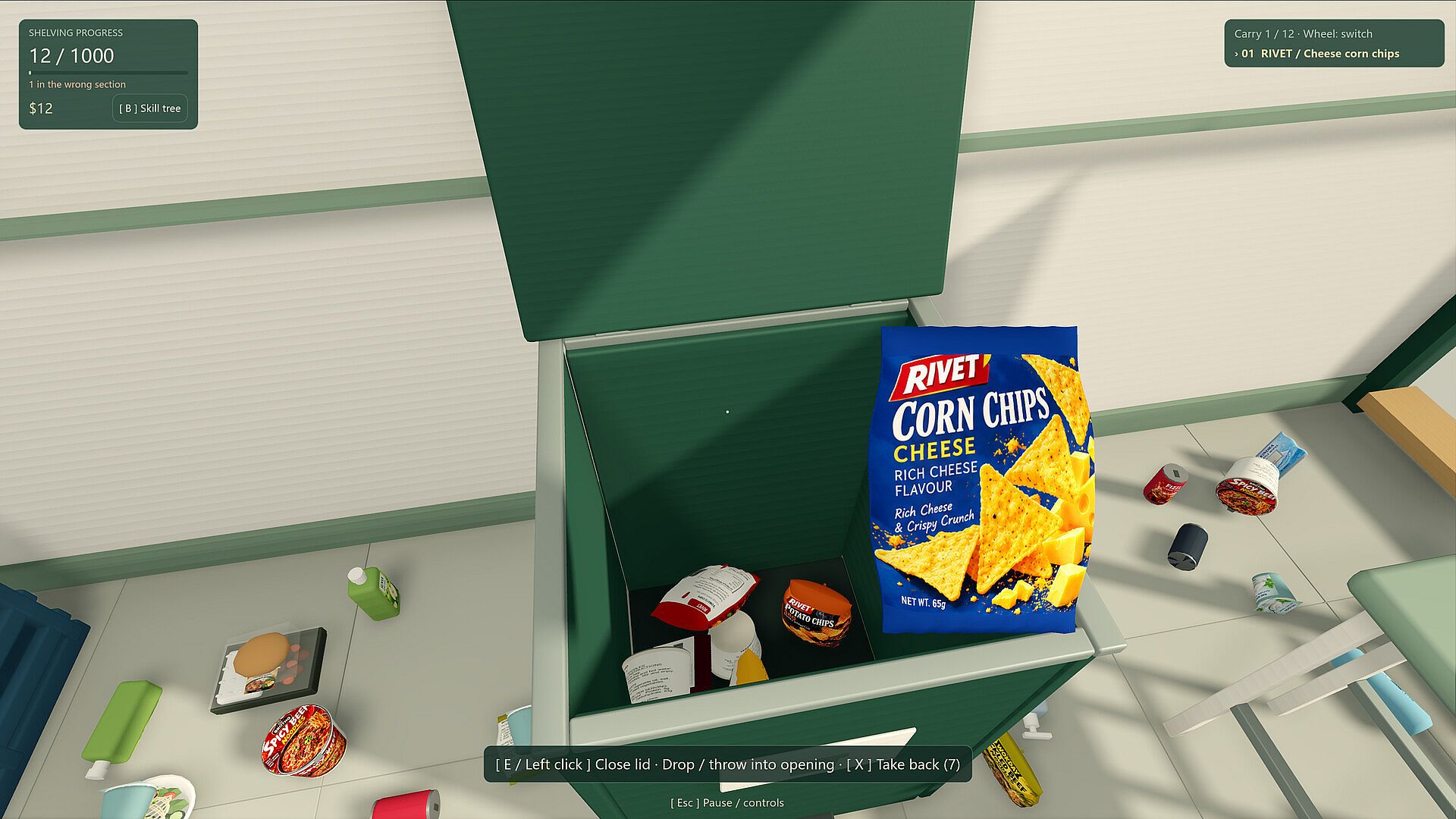
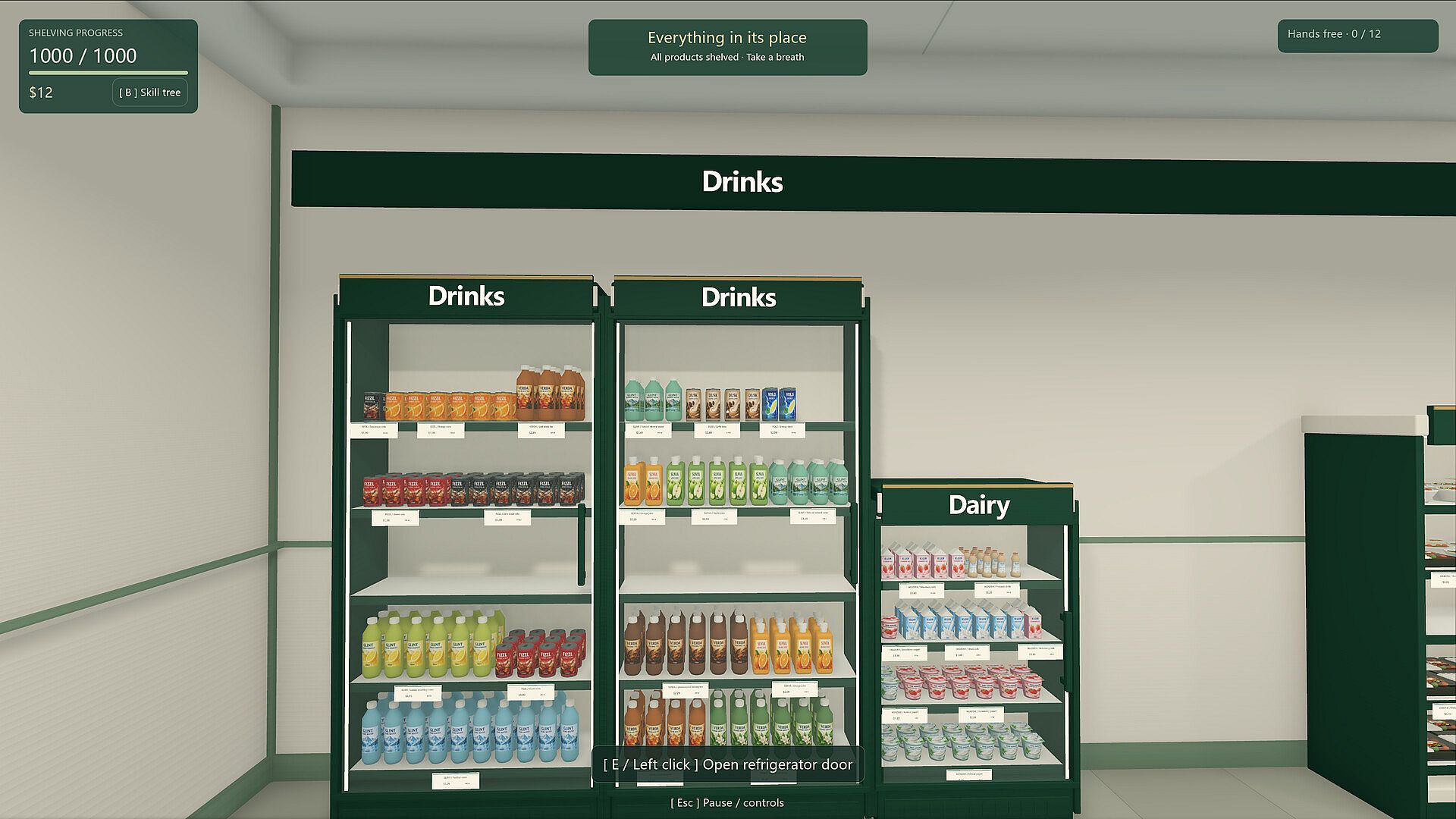
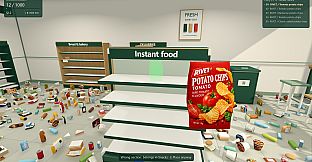
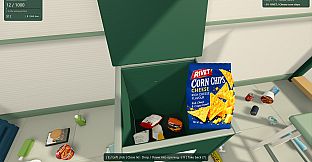
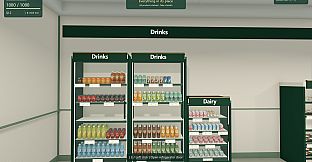
Shelf Therapy is a relaxing first-person 3D simulation game focused on organizing everyday products onto store shelves. Players pick up items such as drinks, snacks, instant noodles, baked goods, ready-to-eat meals, and household essentials, then place them within designated sections in a small convenience store setting. The experience emphasizes freedom within those sections, with no fixed slots or prescribed perfect layouts.
Gameplay
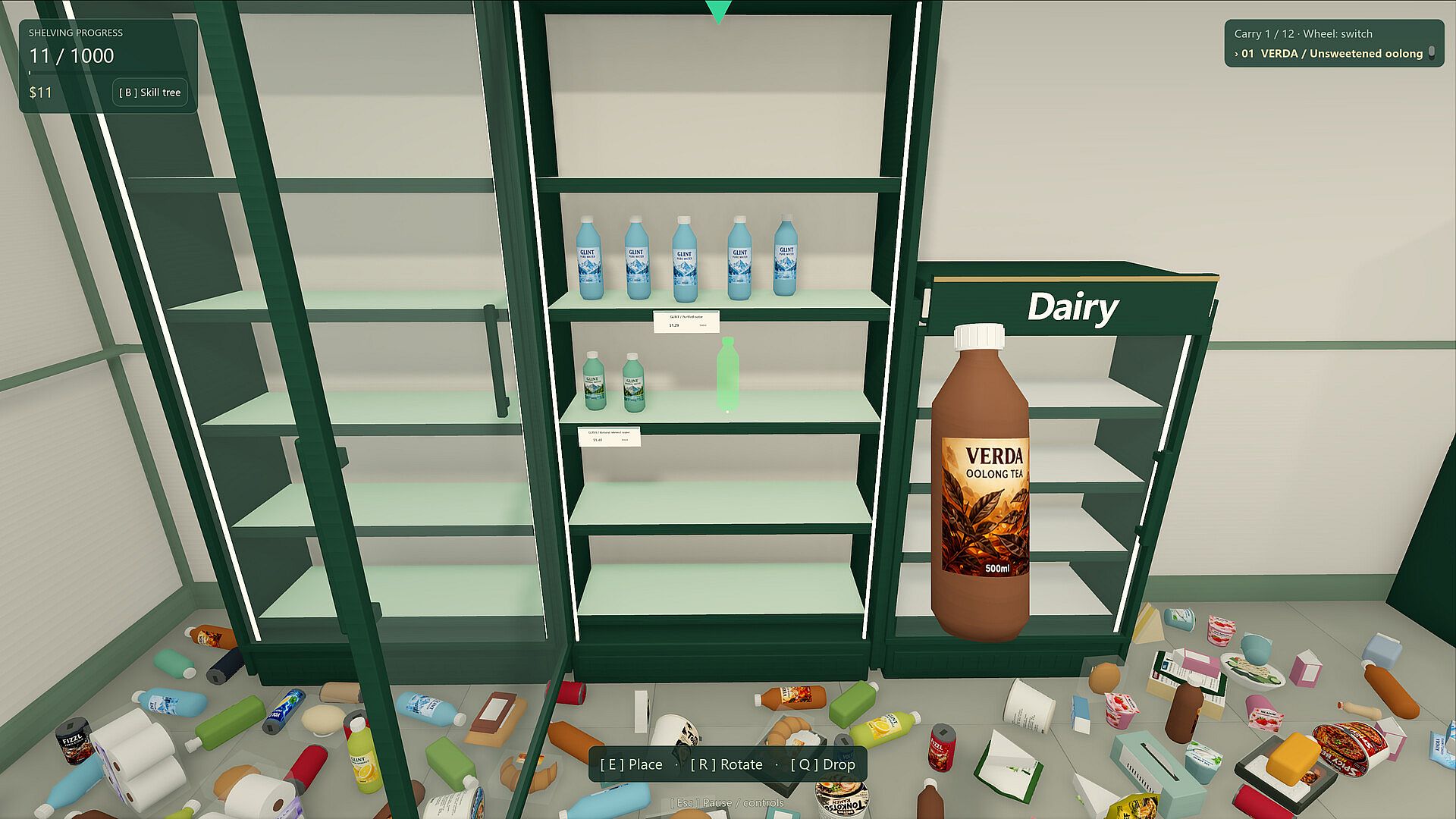
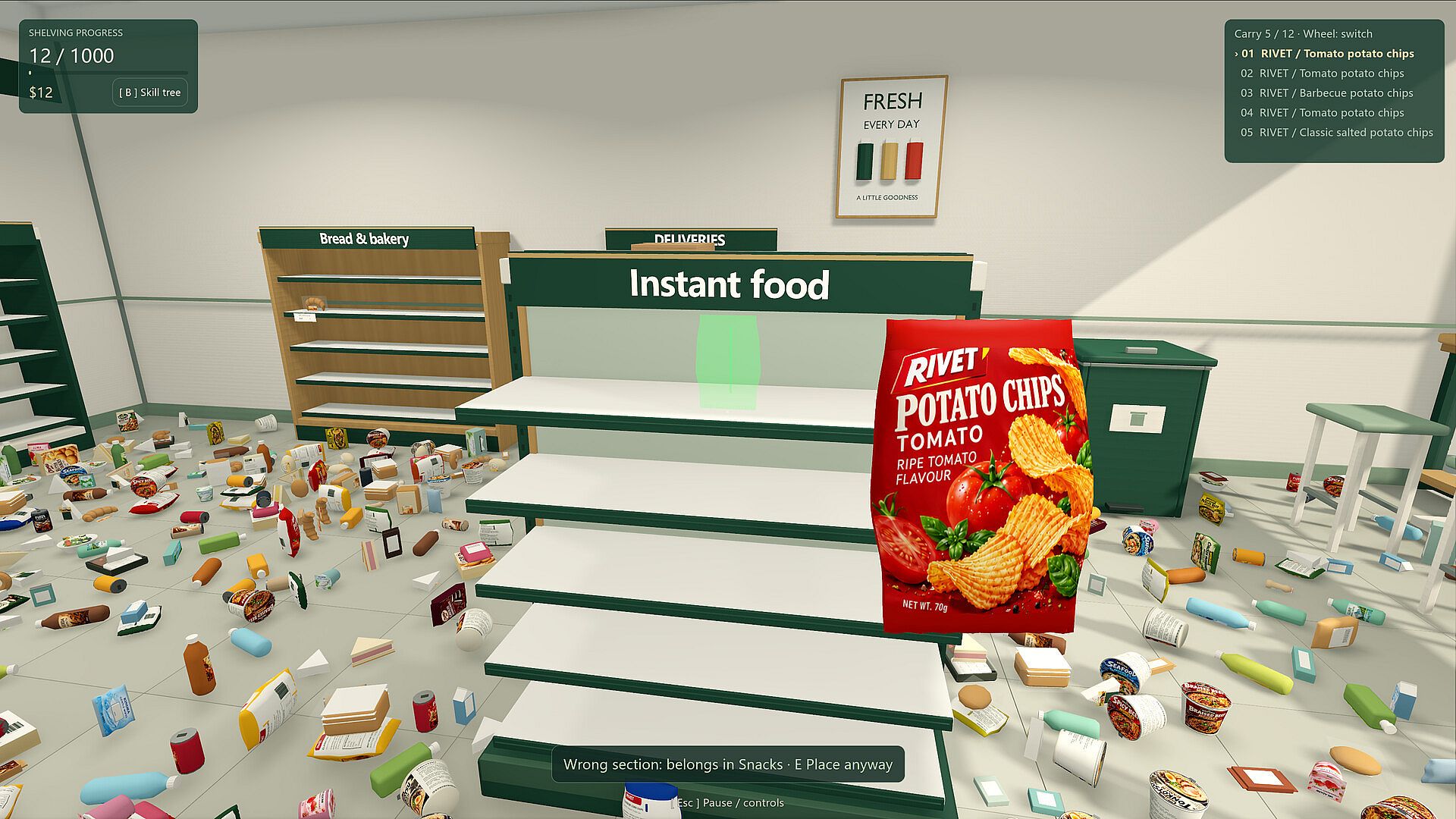
The core loop centers on selecting individual products and positioning them on shelves according to broad category rules. Each item has a unique shape and size, from compact candy packs and flexible snack bags to rigid bottles, noodle cups, and larger tissue packs. Players can line up similar items, experiment with spacing, or fill available space in ways that feel visually balanced. Empty or messy shelves gradually transform into orderly, colorful arrangements through repeated placement decisions. The process allows for personal adjustments at any time, encouraging players to refine details until the display matches their own sense of order.
Progression begins in the compact convenience store environment. Additional products and expanded supermarket areas appear in later stages of the full release. There are no timers, penalties, or competitive elements. The emphasis stays on steady, satisfying placement that rewards attention to detail and creative arrangement within the product categories.
Game Modes
Shelf Therapy operates as a single-player experience without separate named modes or variations. The entire game revolves around the same shelf-stocking activity across different store sections and product types. Players move freely between areas, selecting and placing items at their own pace. The structure supports extended sessions of continuous organizing rather than distinct rounds or objectives beyond filling and tidying the available shelves.
Visual and Sensory Details
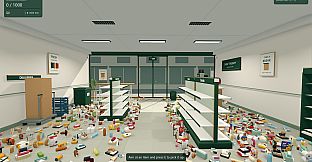
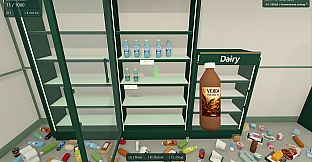
Products appear in realistic everyday packaging with varied textures and colors that become more prominent once arranged neatly. The first-person perspective keeps the focus close to the shelves, highlighting the gradual shift from cluttered to tidy displays. Sound design supports the relaxed pace with subtle placement feedback and ambient store elements. The overall presentation prioritizes calm visuals that reward careful placement without overwhelming complexity.
Is It Worth Playing?
Shelf Therapy suits players who enjoy casual simulation titles centered on organization and tidying tasks. The freeform placement within sections provides ongoing satisfaction for those who appreciate seeing incremental improvements in shelf appearance. As a single-player title with Steam Achievements and cloud support, it offers a straightforward, low-pressure way to spend time on repetitive yet rewarding actions. The game remains in development with a planned full release that includes expanded store spaces, so current interest centers on the core organizing loop described in available materials. Those drawn to methodical product arrangement in a retail setting will find the mechanics align closely with that preference.












