






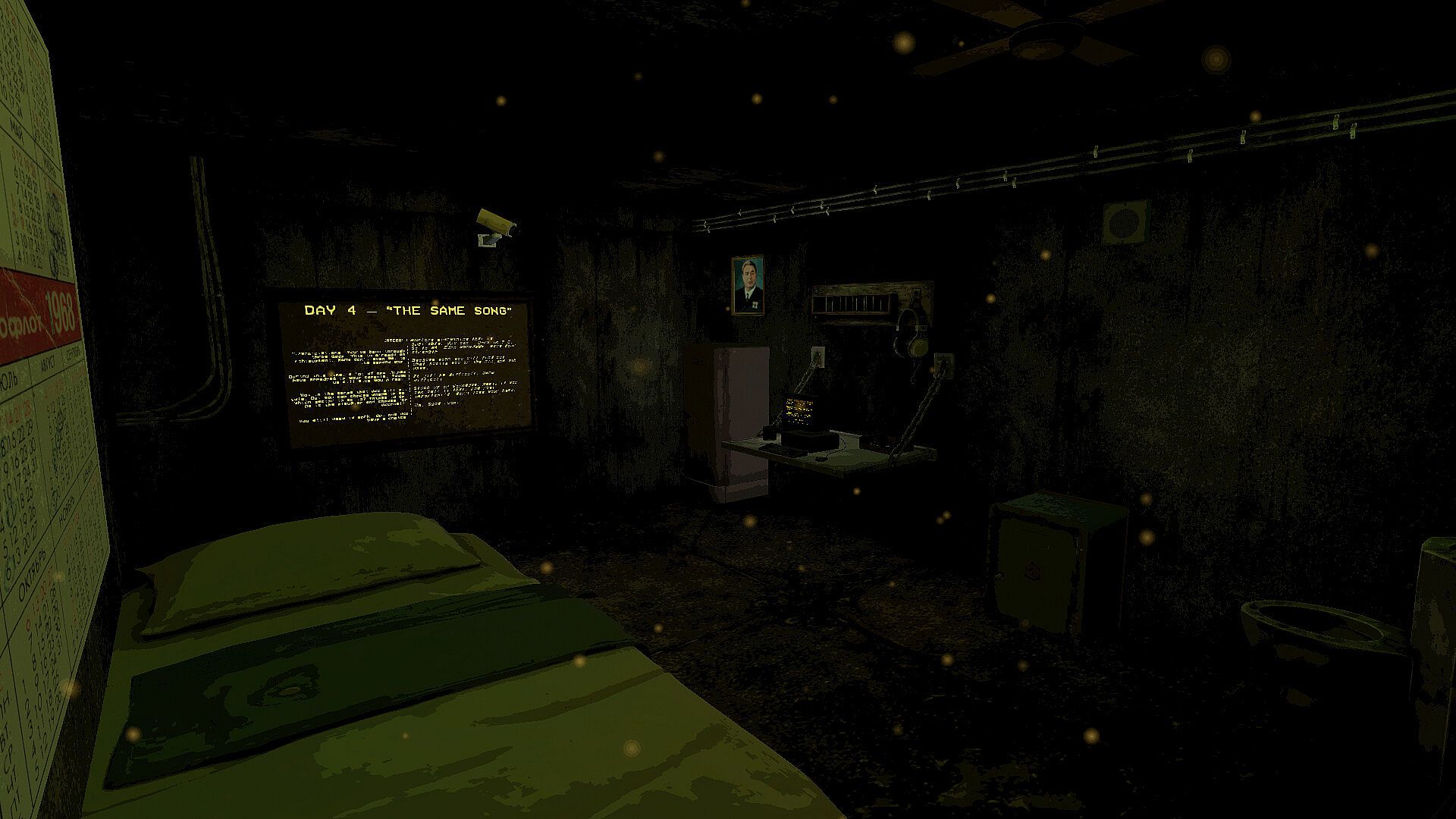
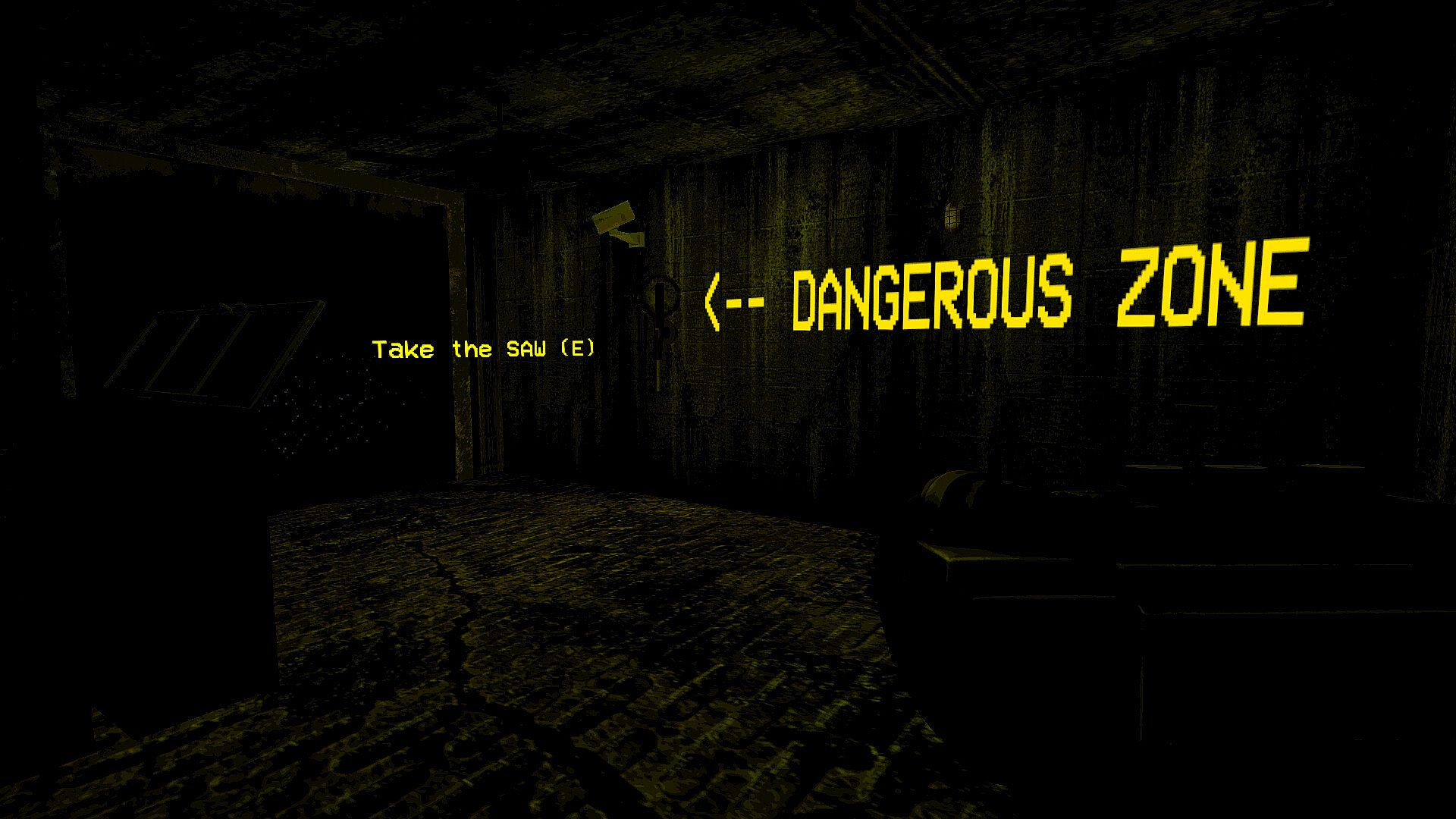
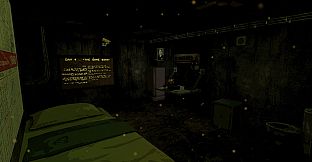
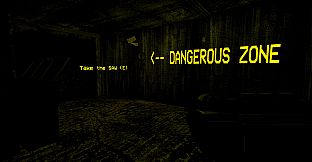
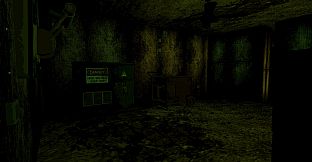
SECTOR GAMMA is an indie simulation adventure game set in a secret Soviet facility during 1968. Players take on the role of an intern operator who signs a strict 7-day contract to handle anomalous waste disposal, combat dangerous robots, and maintain critical facility systems under tight constraints.
Gameplay
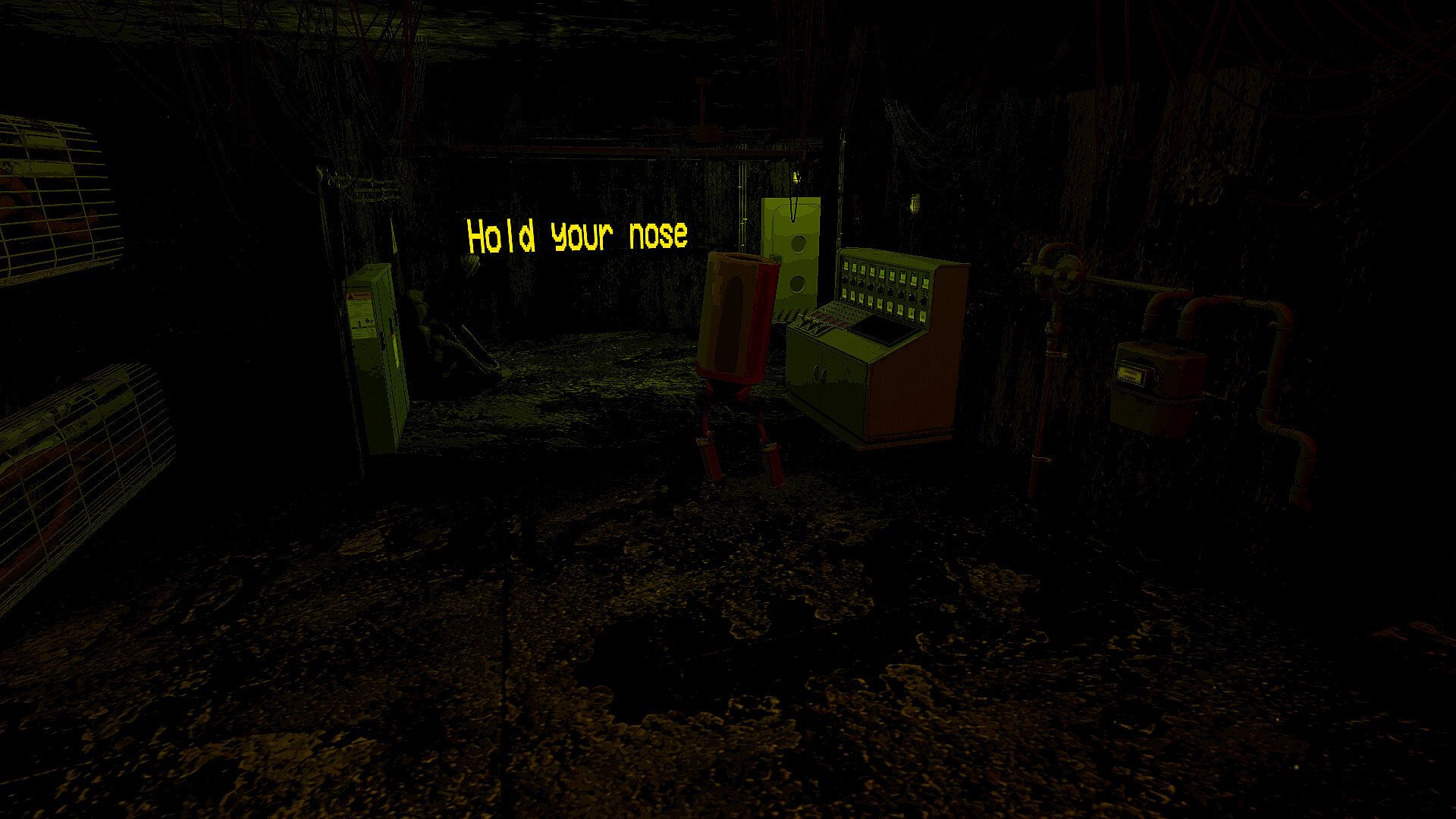
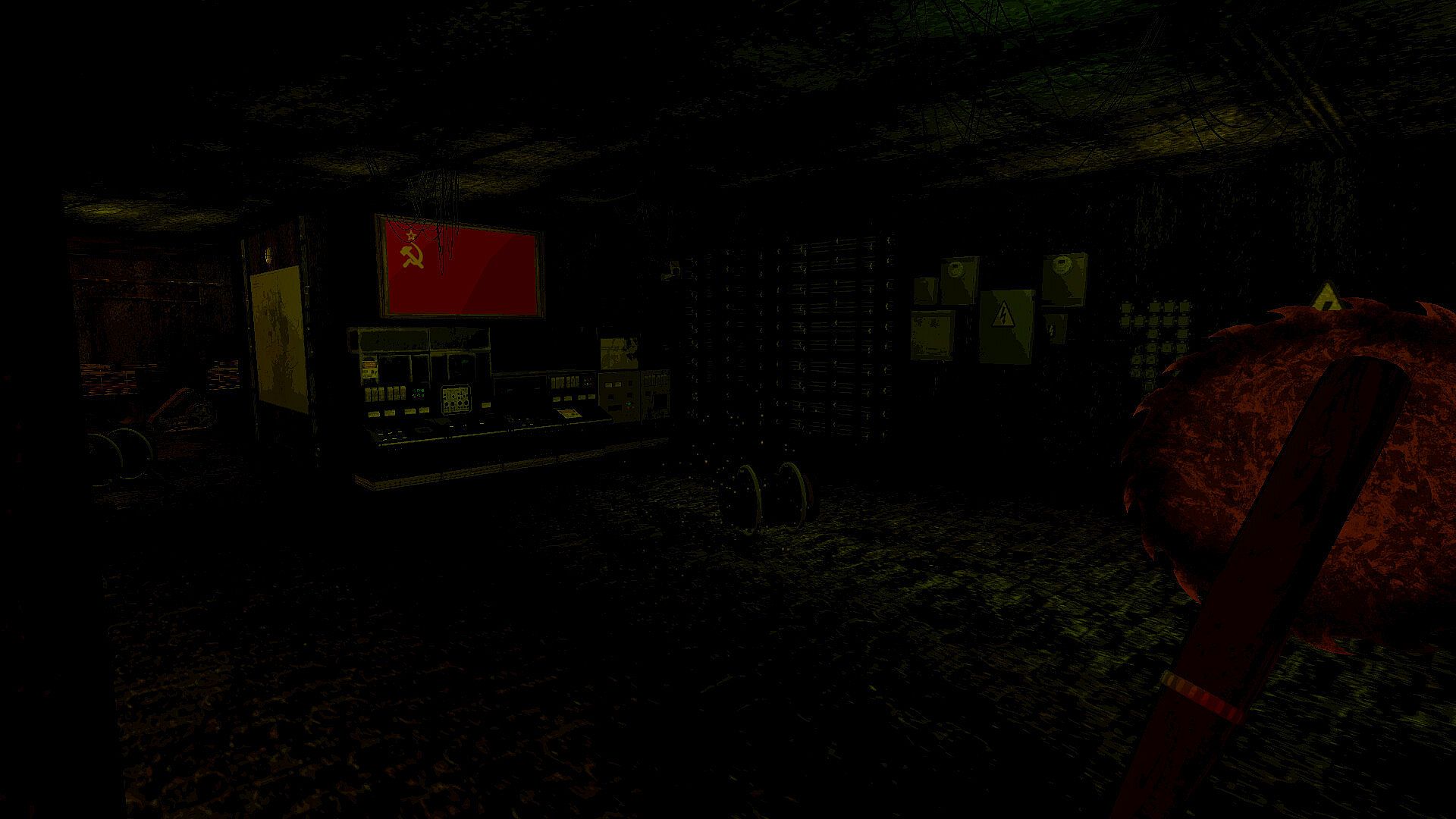
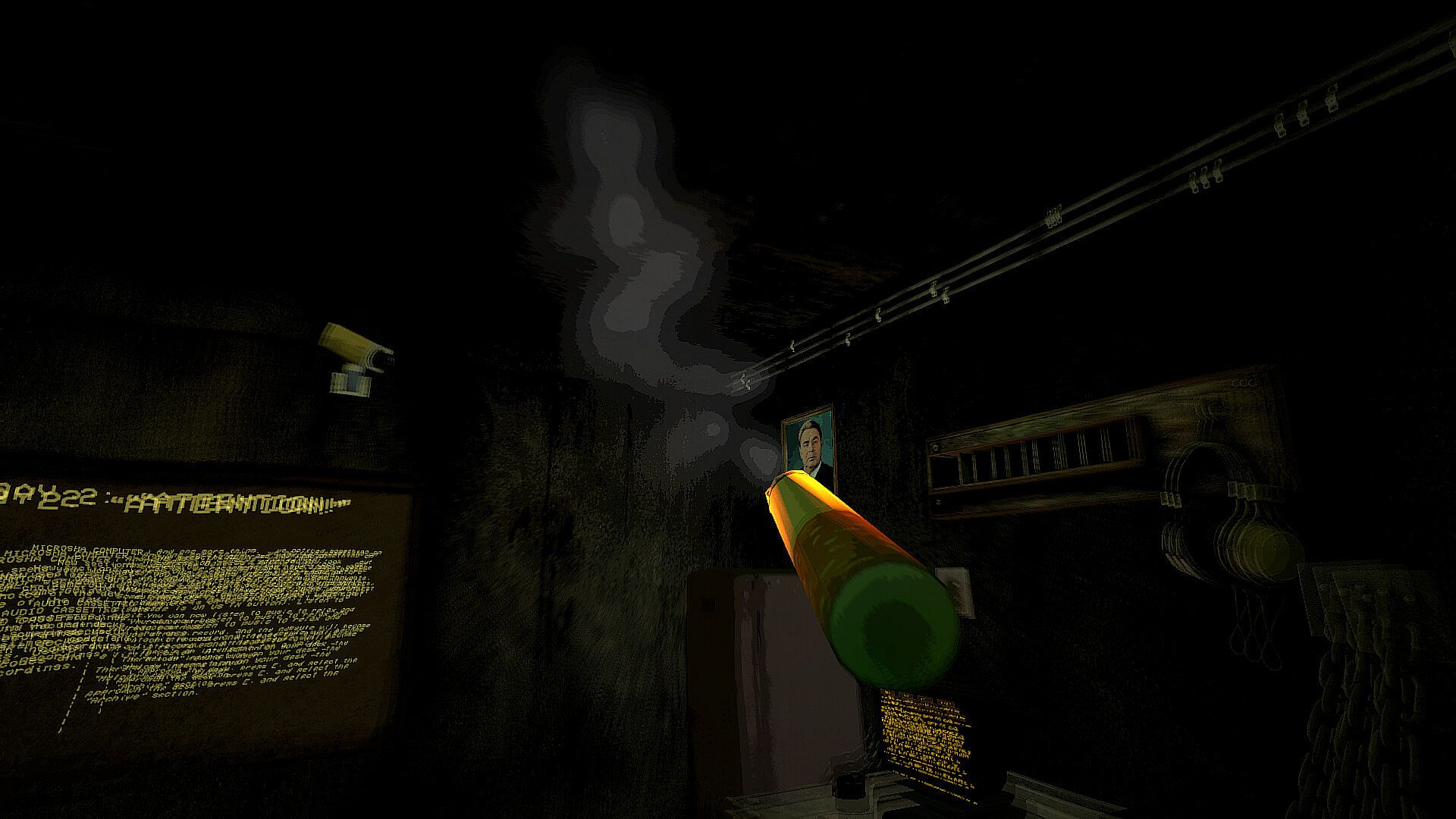
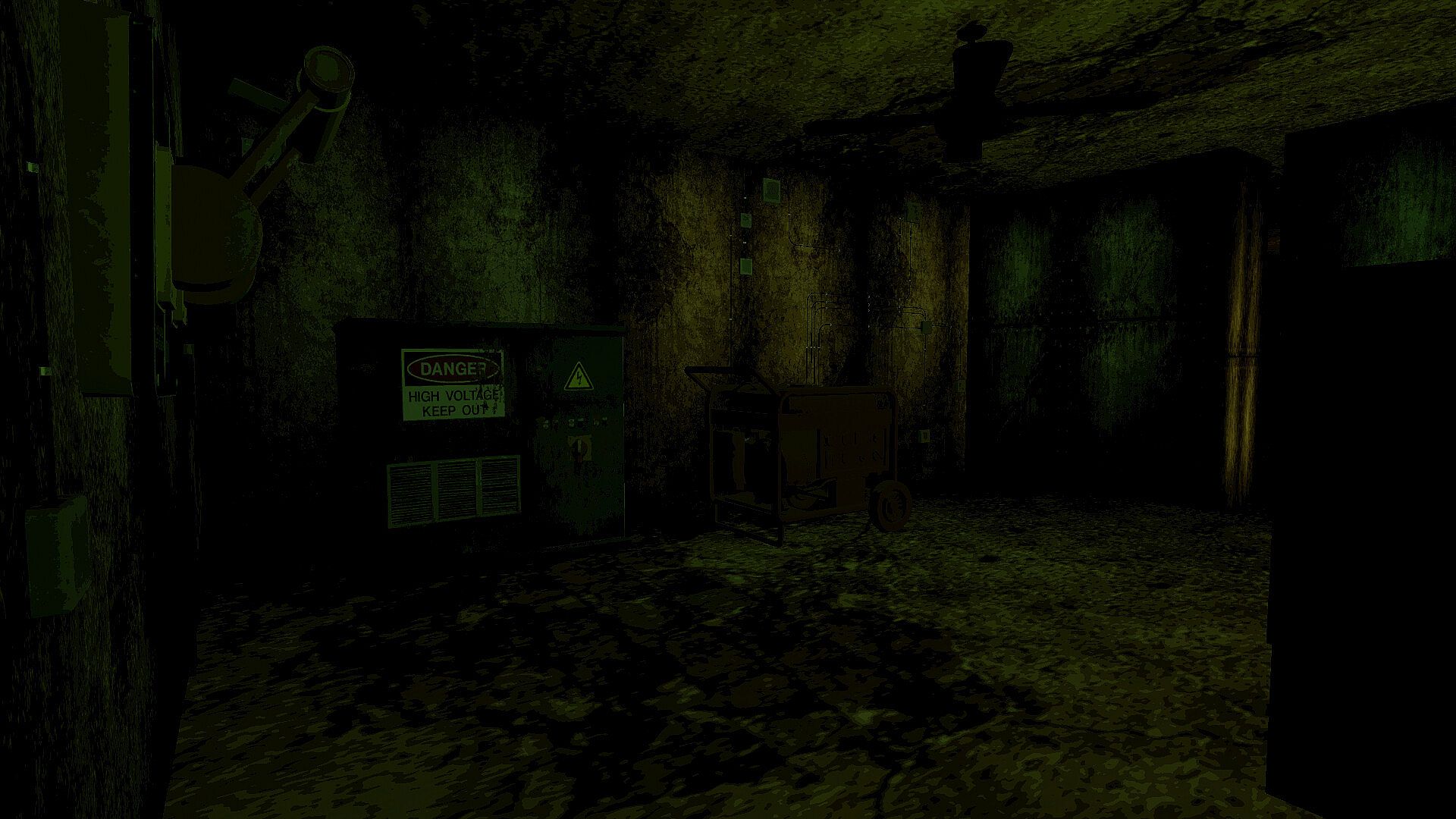
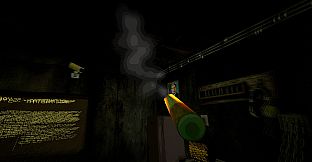
The core loop centers on managing daily responsibilities with limited resources. Each shift starts with the administration issuing the Cyclops scanner for identifying anomalies, a SAW weapon for defense, and an instruction manual. Players monitor facility systems while new threats emerge progressively across the seven days. Anomalies arrive on conveyor belts in disposal areas, requiring precise scanning to determine safe handling. Robots emerge from organic cocoons and demand specific tactical responses based on their type. The SAW operates on stamina rather than ammunition, forcing careful management during encounters. System repairs for generators, doors, and equipment add layers of multitasking. All interface elements appear on physical devices like the Mikrosha personal computer, keeping the presentation minimal and immersive in a Soviet retro-futuristic atmosphere.
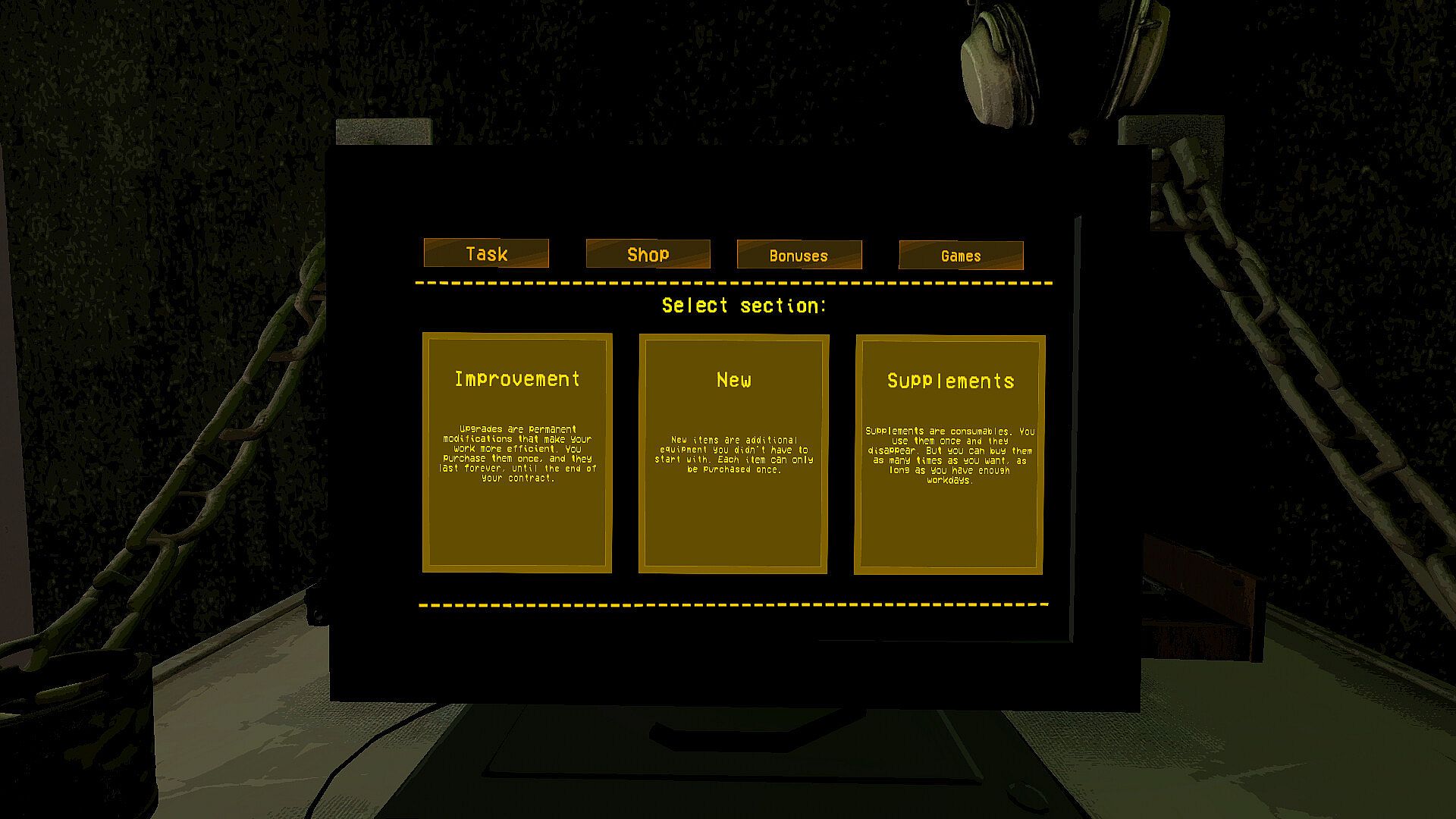
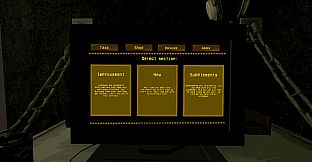
Currency comes in the form of Labor Units earned through work. These fund purchases in the shop for equipment upgrades, gadget improvements, and consumables. Daily bonuses appear as three free options, each carrying potential benefits or drawbacks that influence the shift. Tension builds as the facility operates independently, with anomalies growing unpredictable and robots increasing in danger. Additional activities include smoking breaks and listening to 1940s songs during downtime. The entire experience runs 2-3 hours, emphasizing focused sessions over extended play.
Game Modes
SECTOR GAMMA structures its content around sequential daily tasks rather than traditional separate modes. The 7-G Disposal sector involves processing experimental waste on a conveyor belt, where players scan objects with the Cyclops to classify anomalies before routing them for proper disposal. The S4 Defense sector focuses on containing anomalous robots from World War II origins, using the SAW to engage each enemy according to its unique behavior patterns while they spawn from scattered cocoons. Progression across the seven days introduces fresh mechanics, escalating threats, and expanded tasks that require tracking more variables simultaneously. Daily bonuses integrate into every shift as optional choices that alter outcomes. No separate multiplayer or alternative campaign structures exist beyond this single-player daily framework.
Key Mechanics and Atmosphere
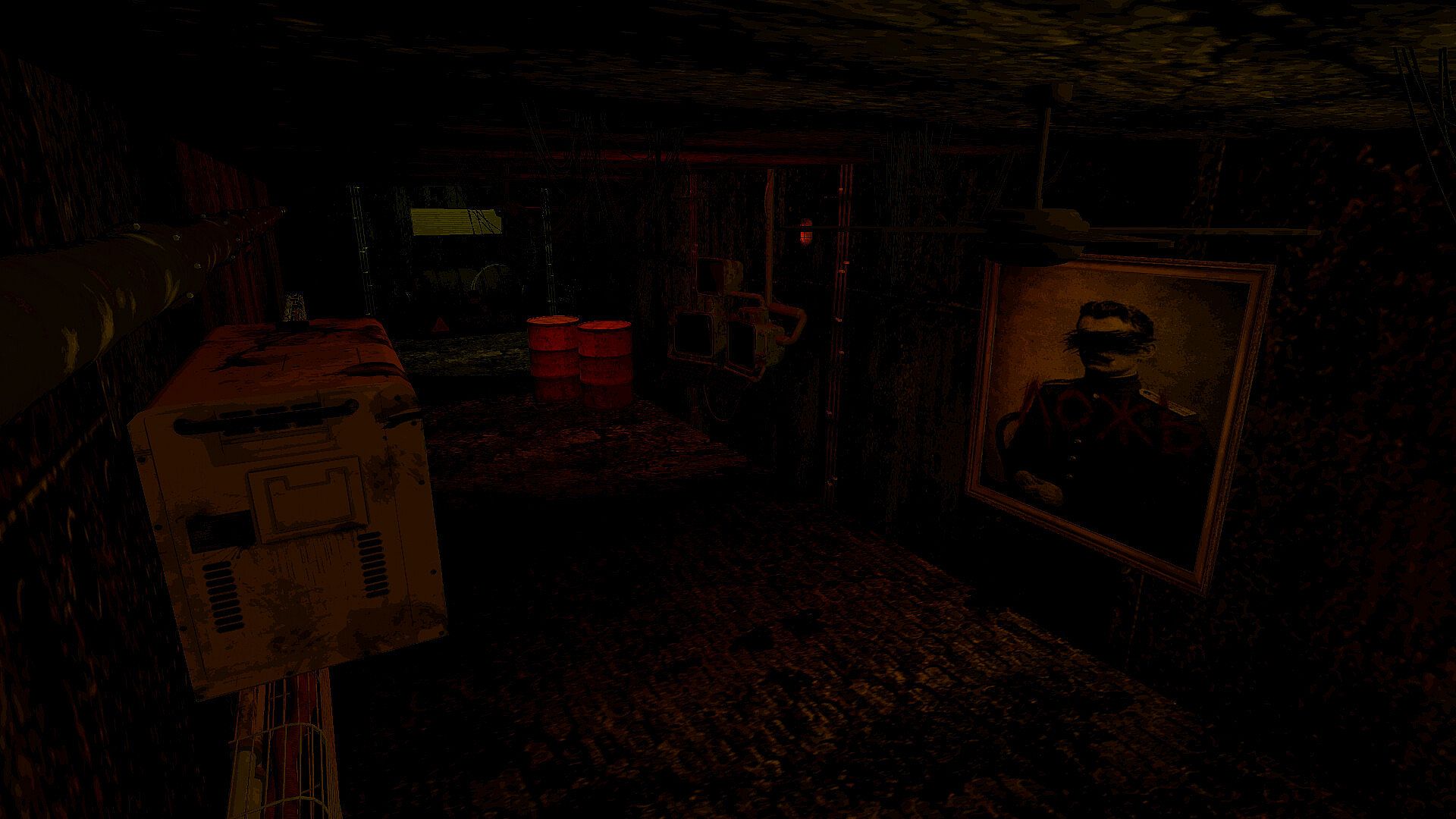
Atmospheric horror emerges through the retro-futuristic Soviet setting, where constant facility activity creates unease without relying on jump scares. Tactical combat emphasizes approach variety for each robot type rather than raw firepower. The stamina-based SAW encourages positioning and timing over sustained fire. Limited budget management via Labor Units forces prioritization between immediate needs and long-term upgrades. System repairs integrate into the routine, requiring players to balance core duties with maintenance. The facility's independent life adds unpredictability, as new systems and dangers appear without warning. These elements combine into a compact loop suited for players who enjoy methodical simulation with horror undertones.
Is It Worth Playing?
SECTOR GAMMA targets fans of short, atmospheric single-player experiences that blend simulation tasks with light tactical combat and horror elements. Its 2-3 hour length makes it accessible for those seeking a focused session without long commitments. The progressive daily structure delivers new mechanics and threats consistently, supported by resource management and variable bonuses. With no user reviews available ahead of its April 2027 release, reception remains unconfirmed, yet the described systems align with niche preferences for retro-styled facility management and anomaly handling. Players who appreciate minimal interfaces, stamina-based weapons, and Soviet-era aesthetics may find the contract engaging. Those seeking extended campaigns or multiplayer options should look elsewhere. The game stands as a self-contained indie title best suited for targeted playthroughs rather than repeated sessions.











