


RyuuKotoba, também conhecido como Flowing Words, é um jogo indie casual de arcade para um único jogador, desenvolvido para PC. Seu objetivo é ajudar jogadores a treinar o reconhecimento visual de caracteres japoneses. O título é voltado para estudantes da língua, curiosos que desejam explorar o idioma e quem quer manter o conhecimento por meio de sessões curtas e repetidas. O foco está exclusivamente na identificação visual de hiragana, katakana e 104 kanji do nível N5, sem abordar gramática, pronúncia ou prática conversacional.
Gameplay
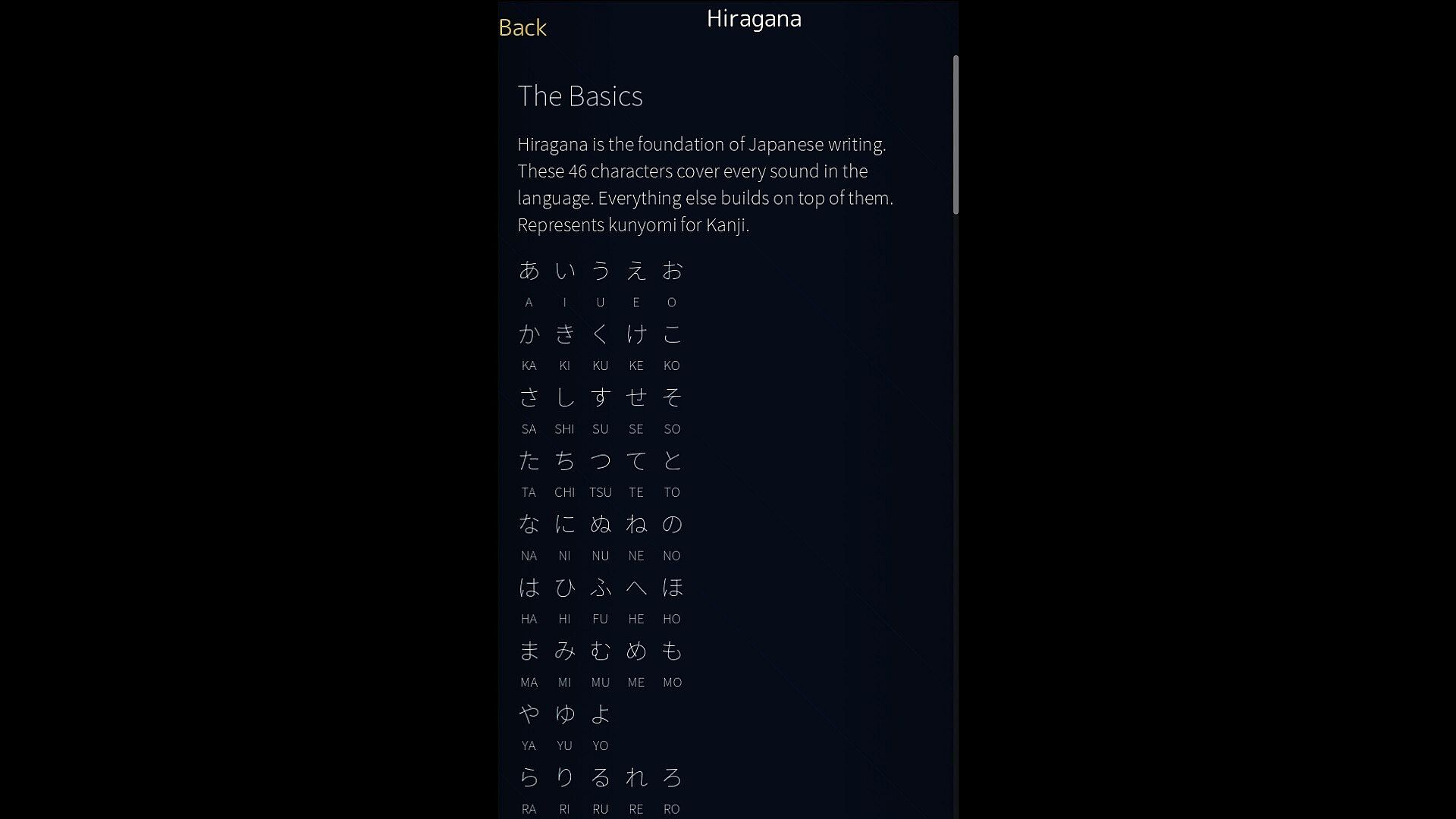
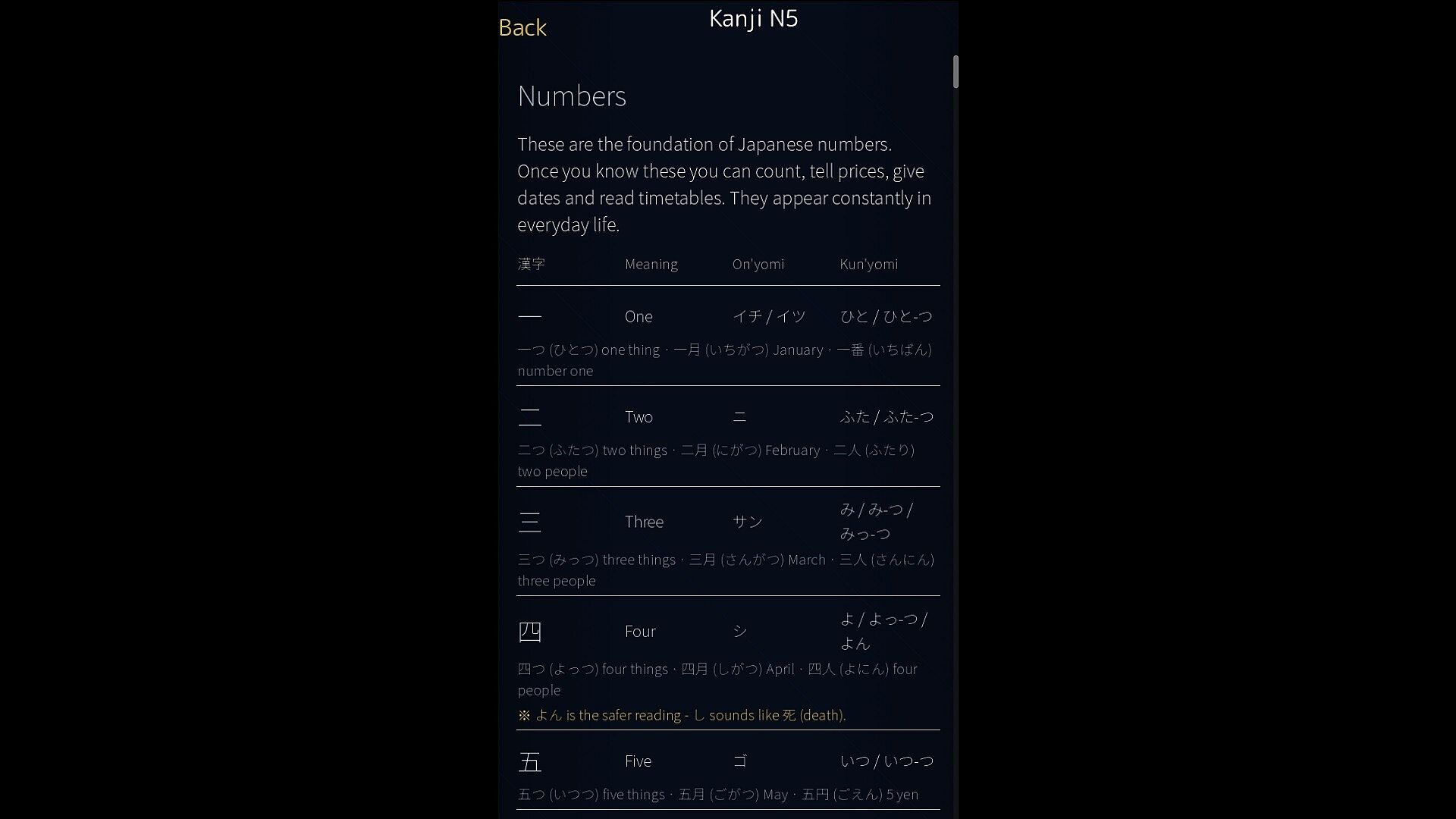
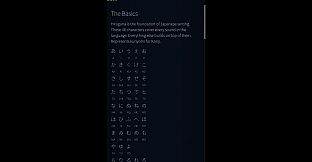
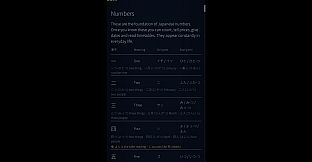
O ciclo principal alterna entre estudo e prática ativa. Os jogadores consultam primeiro páginas de referência concisas, que apresentam hiragana, katakana e 104 kanji do nível N5. O material é dividido em blocos menores para que seja possível revisar caracteres, leituras e significados básicos no próprio ritmo antes de entrar nas fases de arcade.
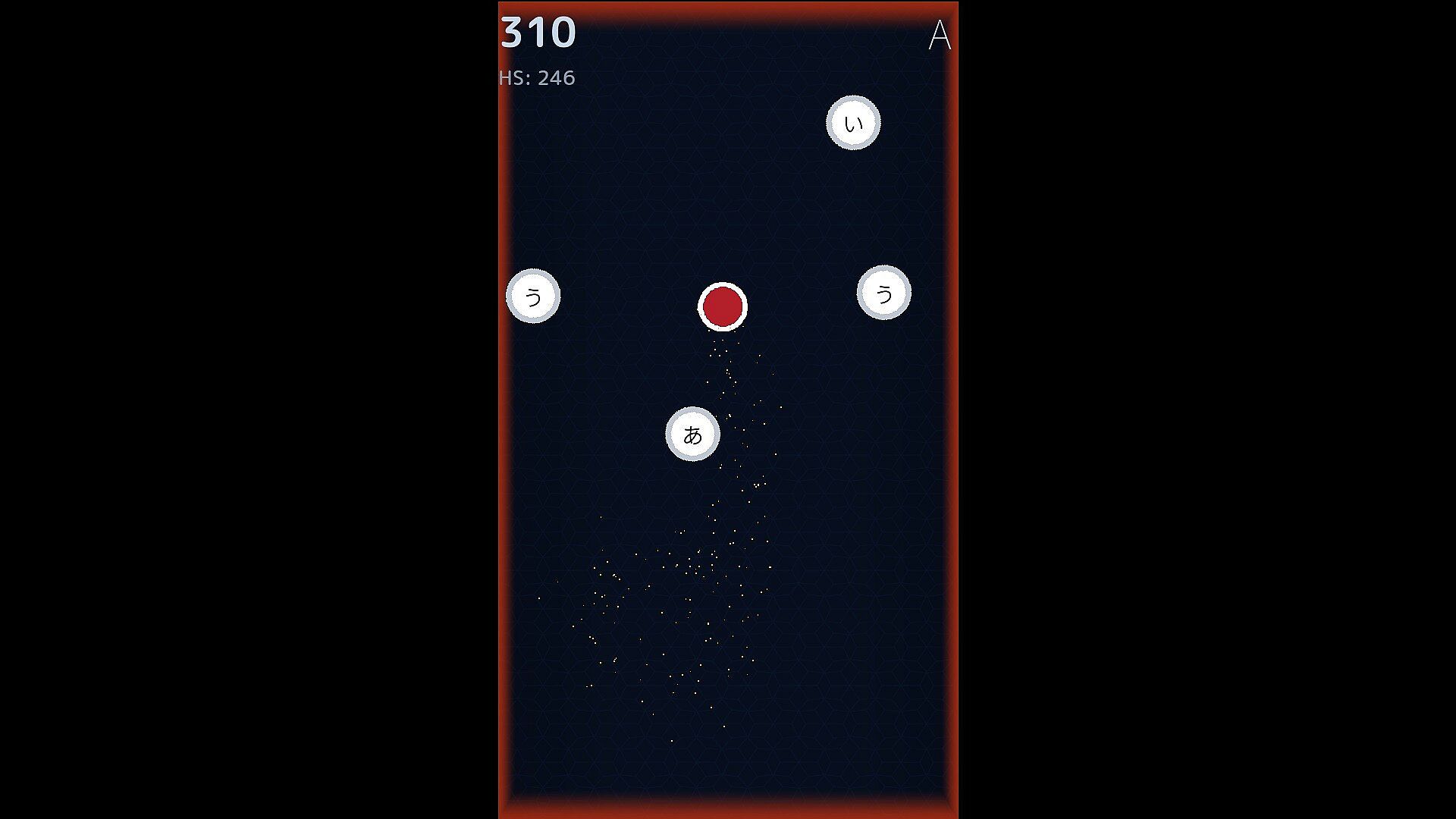
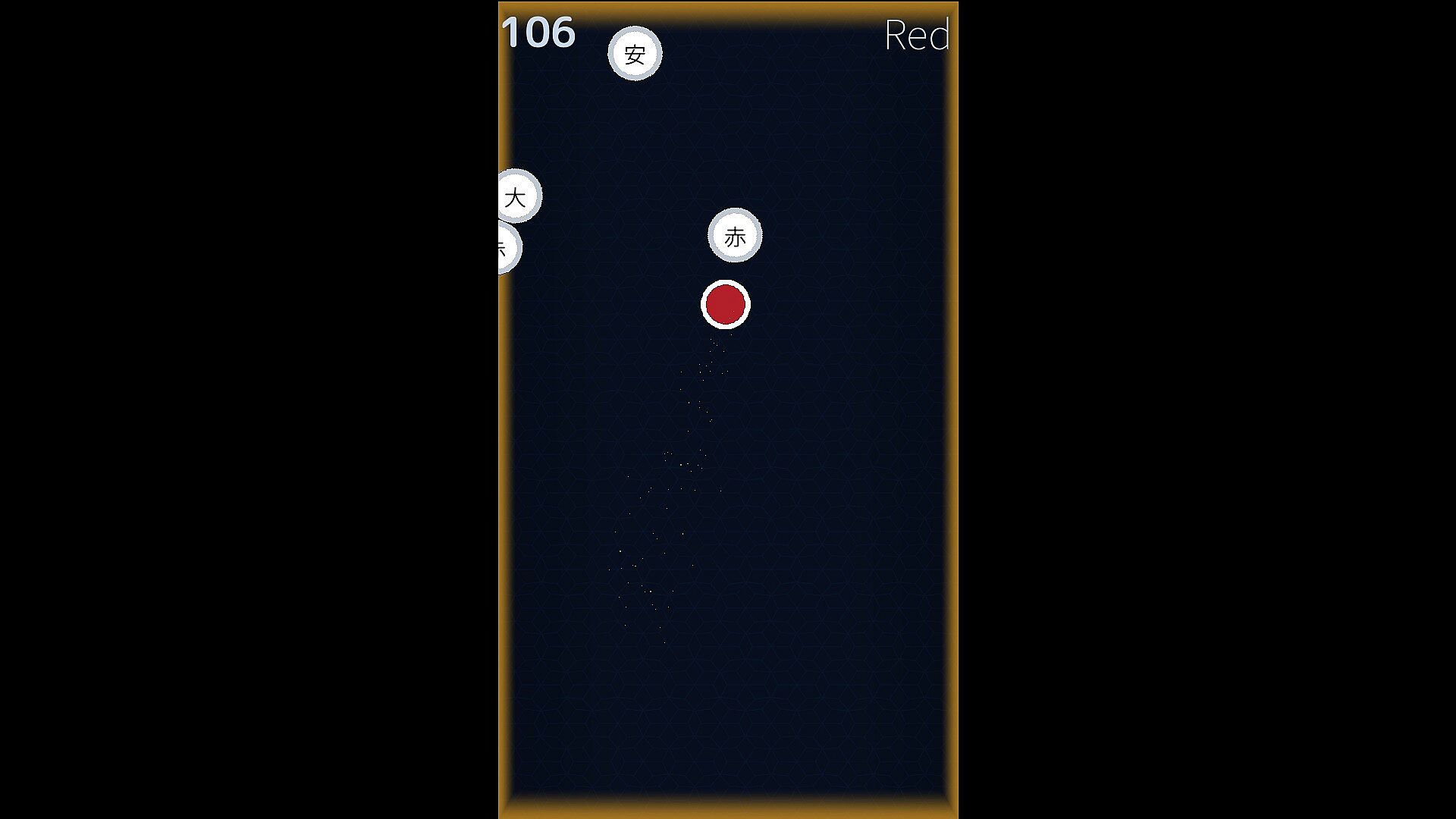
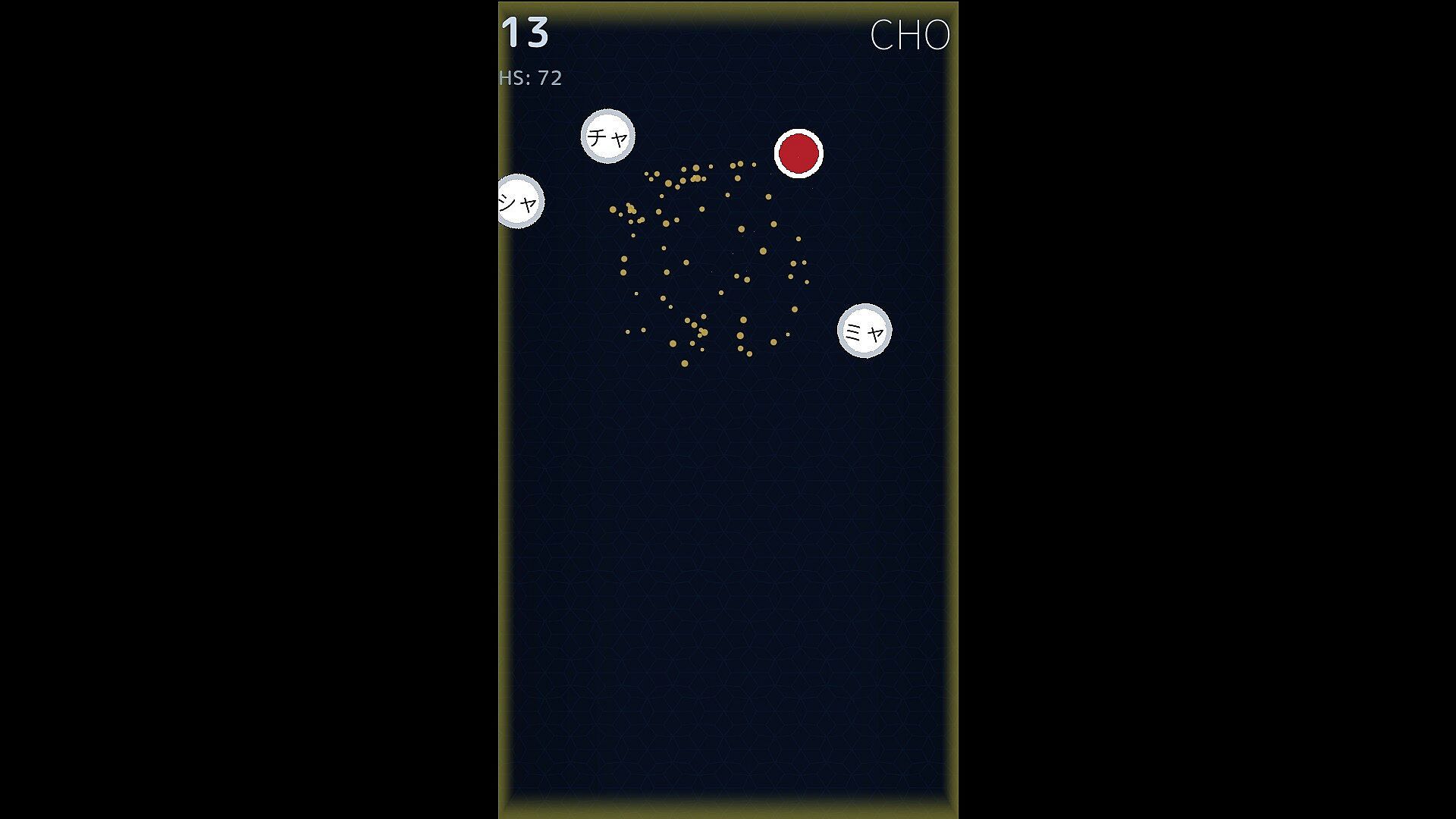
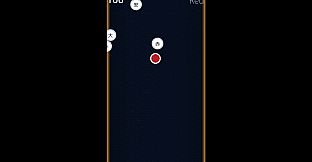
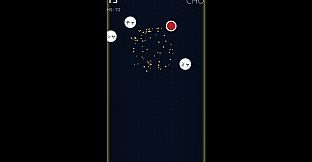
Durante o jogo, os caracteres flutuam continuamente pela tela. O objetivo é selecionar os itens que correspondem ao desafio atual e evitar as opções incorretas. Acertos aumentam o multiplicador de combo, que chega a 20x, elevando a pressão à medida que o ritmo acelera. O sistema recompensa precisão e decisões rápidas sem exigir controles complexos ou estratégias de longo prazo.
O progresso avança por meio de ciclos repetidos de estudo e jogo. O sistema registra conquistas ligadas ao desempenho consistente, incentivando o retorno para novas rodadas. Como o jogo é single-player em PC, as sessões podem ser pausadas e retomadas a qualquer momento, adaptando-se facilmente a outras atividades.
Game Modes
O título oferece 36 modos de jogo distintos, que variam os desafios e as regras de coleta dentro do mesmo sistema de caracteres flutuantes. Os modos testam o reconhecimento de caracteres individuais, suas leituras e significados, abrangendo hiragana, katakana e os 104 kanji N5. Cada modo mantém o ciclo central de coleta e esquiva, mas ajusta os alvos ou a velocidade para destacar diferentes aspectos do reconhecimento.
Os modos estão organizados em torno dos três tipos de escrita e do conjunto de kanji N5. É possível focar em um único script ou misturar elementos para criar desafios variados. Essa estrutura permite treinar áreas específicas sem exigir progressão por conteúdos não relacionados.
A conclusão dos modos contribui para a lista geral de conquistas. O jogo registra 39 conquistas separadas, que recompensam marcos como combos elevados, sessões bem-sucedidas repetidas e cobertura completa do material de referência. Elas servem como indicadores de progresso para jogadores que buscam resultados mensuráveis além do tempo de jogo.
Learning Structure
O material de referência aparece em seções dedicadas que acompanham cada bloco de conteúdo. Os caracteres são apresentados em grupos pequenos, facilitando a absorção das informações sem sobrecarga. Essa abordagem atende tanto iniciantes quanto jogadores que desejam revisar conhecimentos prévios.
O jogo limita-se intencionalmente ao reconhecimento visual. Não inclui áudio, prática de escrita ou construção de frases. Quem precisa desses elementos deve complementar com livros didáticos ou outros recursos. O formato arcade oferece exposição visual repetida, reforçando a identificação rápida durante sequências cronometradas.
Vale a pena jogar?
RyuuKotoba é indicado para quem gosta de sessões curtas e repetíveis de arcade combinadas com estudo leve. O sistema de caracteres flutuantes mantém o desafio constante por meio do multiplicador de combo crescente e da variedade de modos, enquanto as páginas de referência mantêm a parte de aprendizado acessível. Como o título ainda está em fase de lançamento futuro e não há avaliações de usuários disponíveis, as expectativas baseiam-se nos sistemas descritos.
Quem busca uma ferramenta focada no reconhecimento de hiragana, katakana e kanji N5 encontrará nos 36 modos e nas 39 conquistas uma estrutura clara para treinar repetidamente. Jogadores sem interesse em estudo de idiomas ou que preferem experiências narrativas podem achar o ciclo limitado. O formato single-player para PC facilita a experimentação após o lançamento, especialmente para quem já mantém uma rotina de estudos de japonês ou busca uma pausa ocasional para afiar habilidades.