

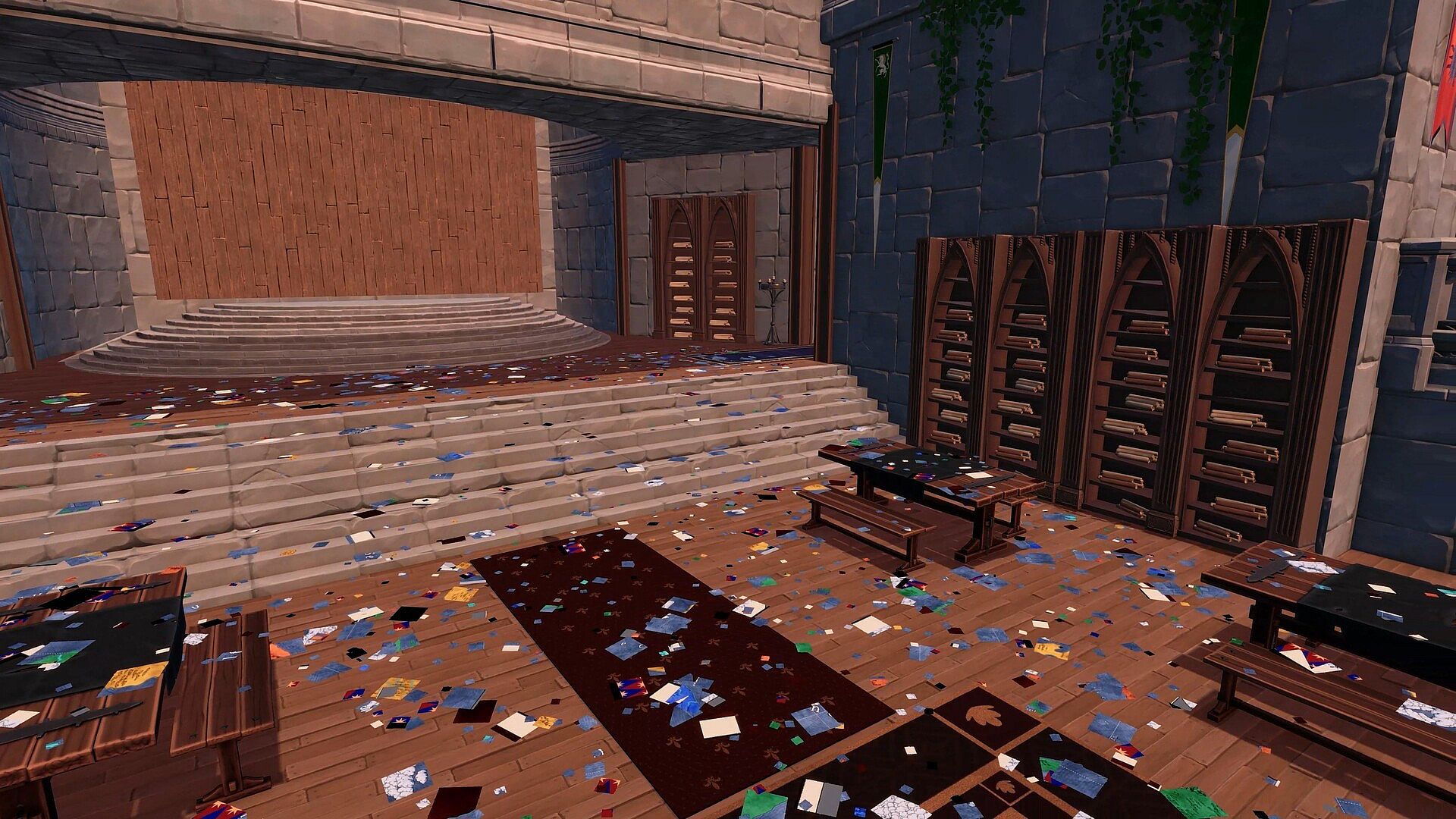
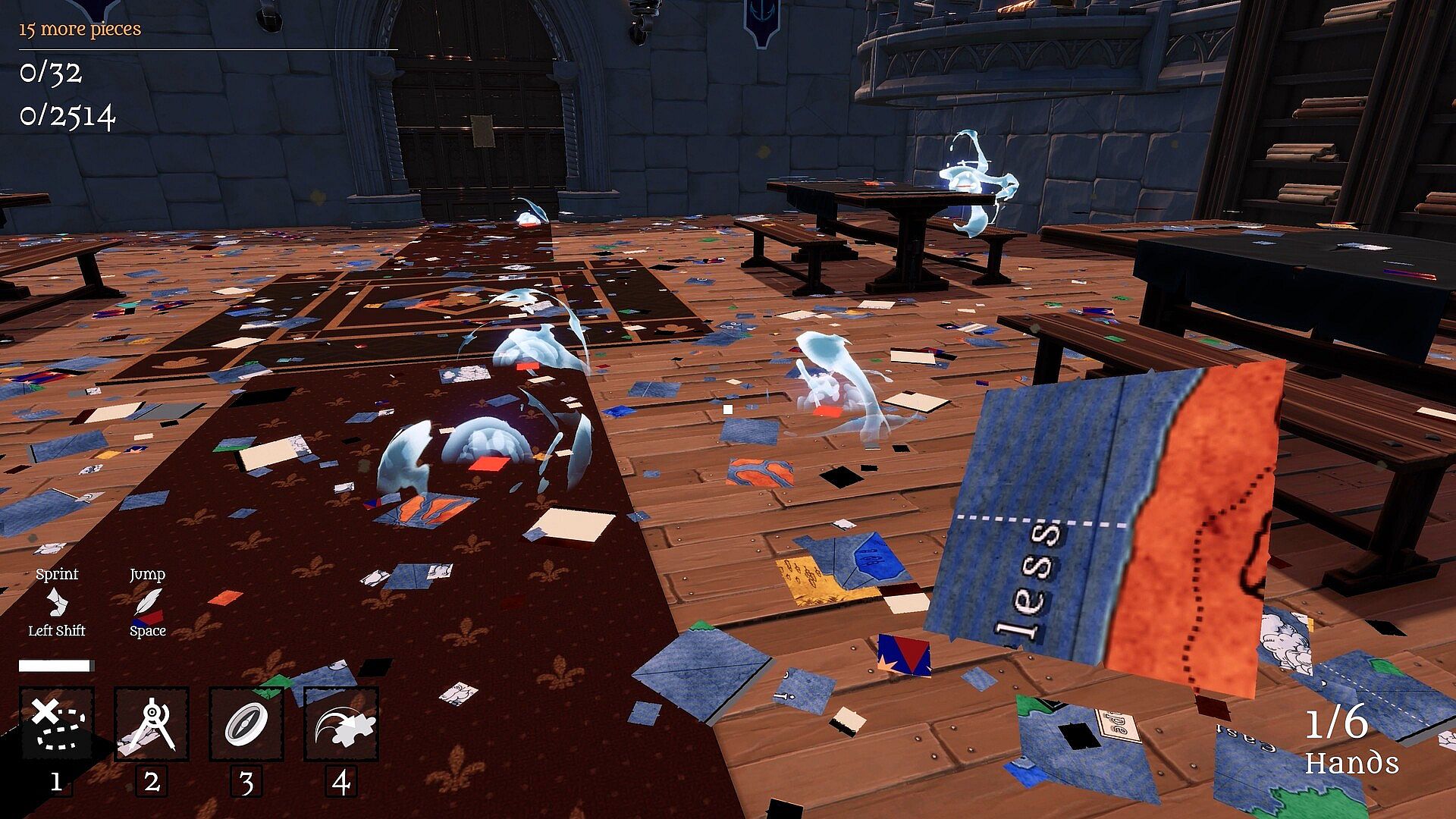
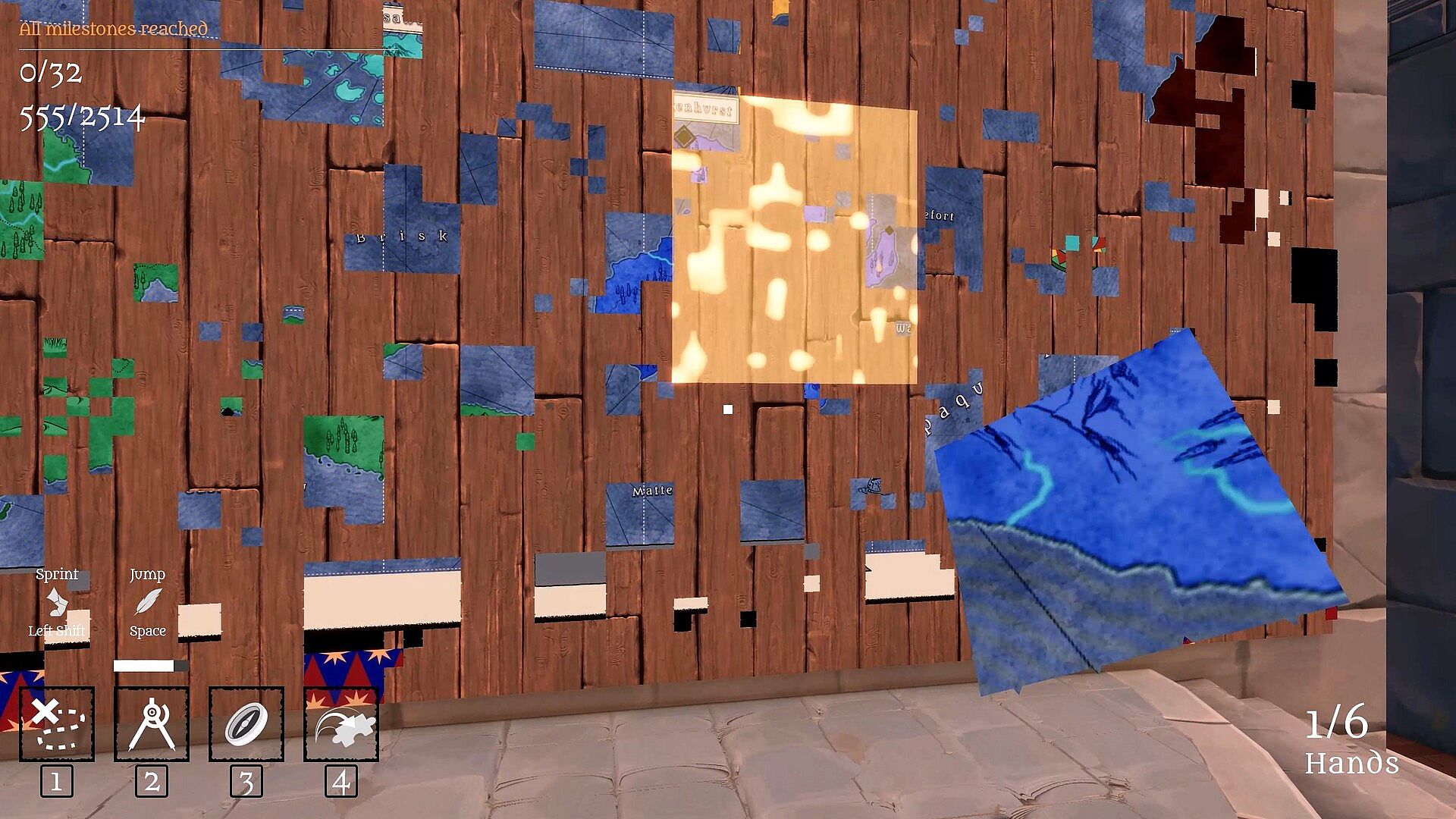
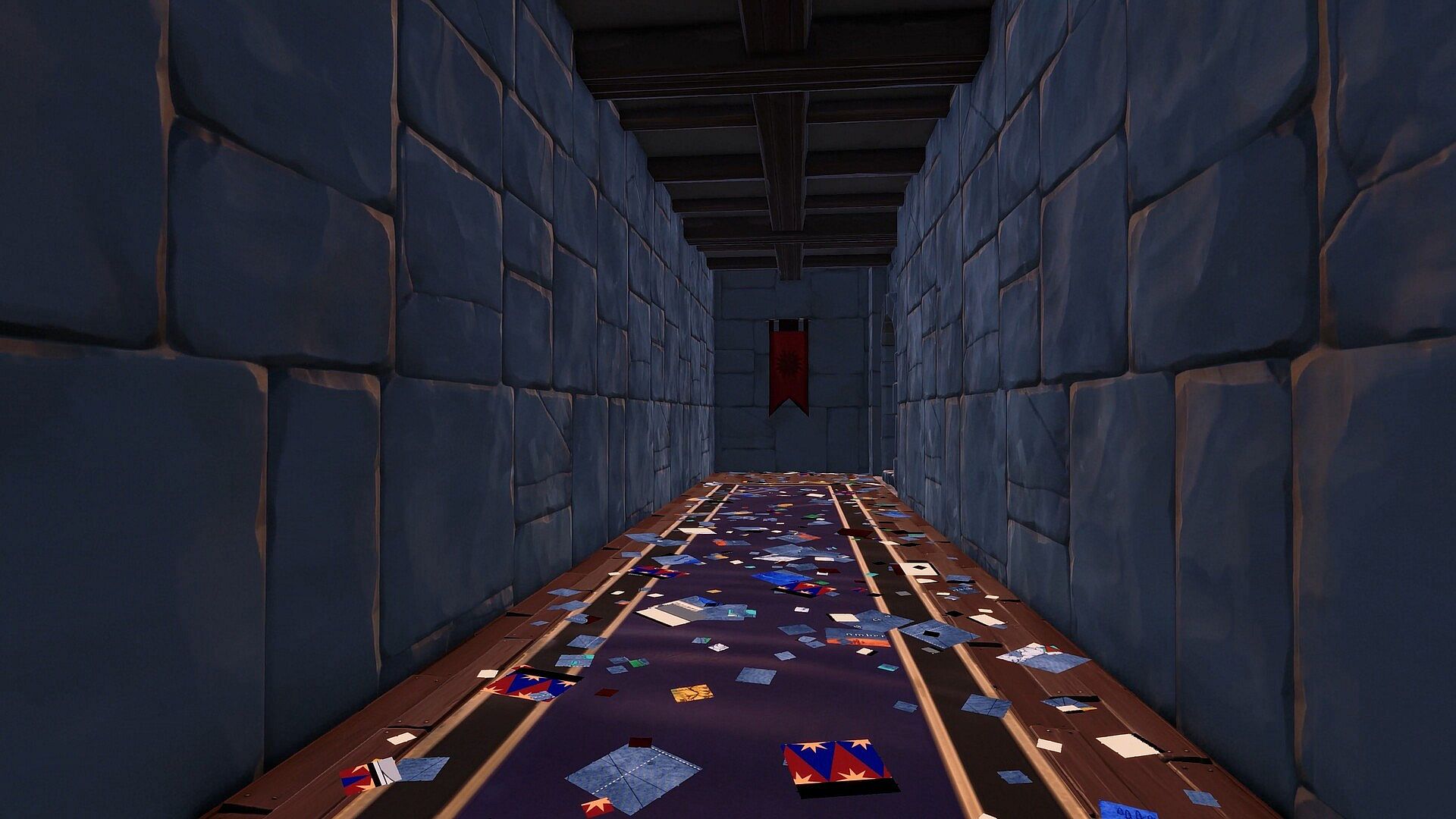
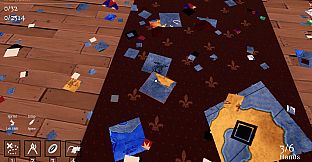
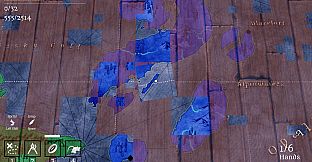
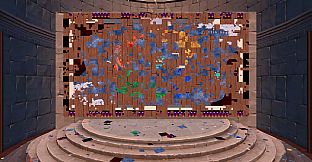
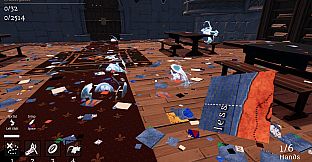
Royal Cartographer: Restore the Map is a single-player simulation game centered on the careful reconstruction of a sabotaged royal map. Players take on the role of the king's personal cartographer, tasked with reassembling thousands of torn fragments scattered across the floor of a high tower. The experience emphasizes methodical puzzle-solving through visual matching and spatial reasoning rather than action or narrative branching.
Gameplay
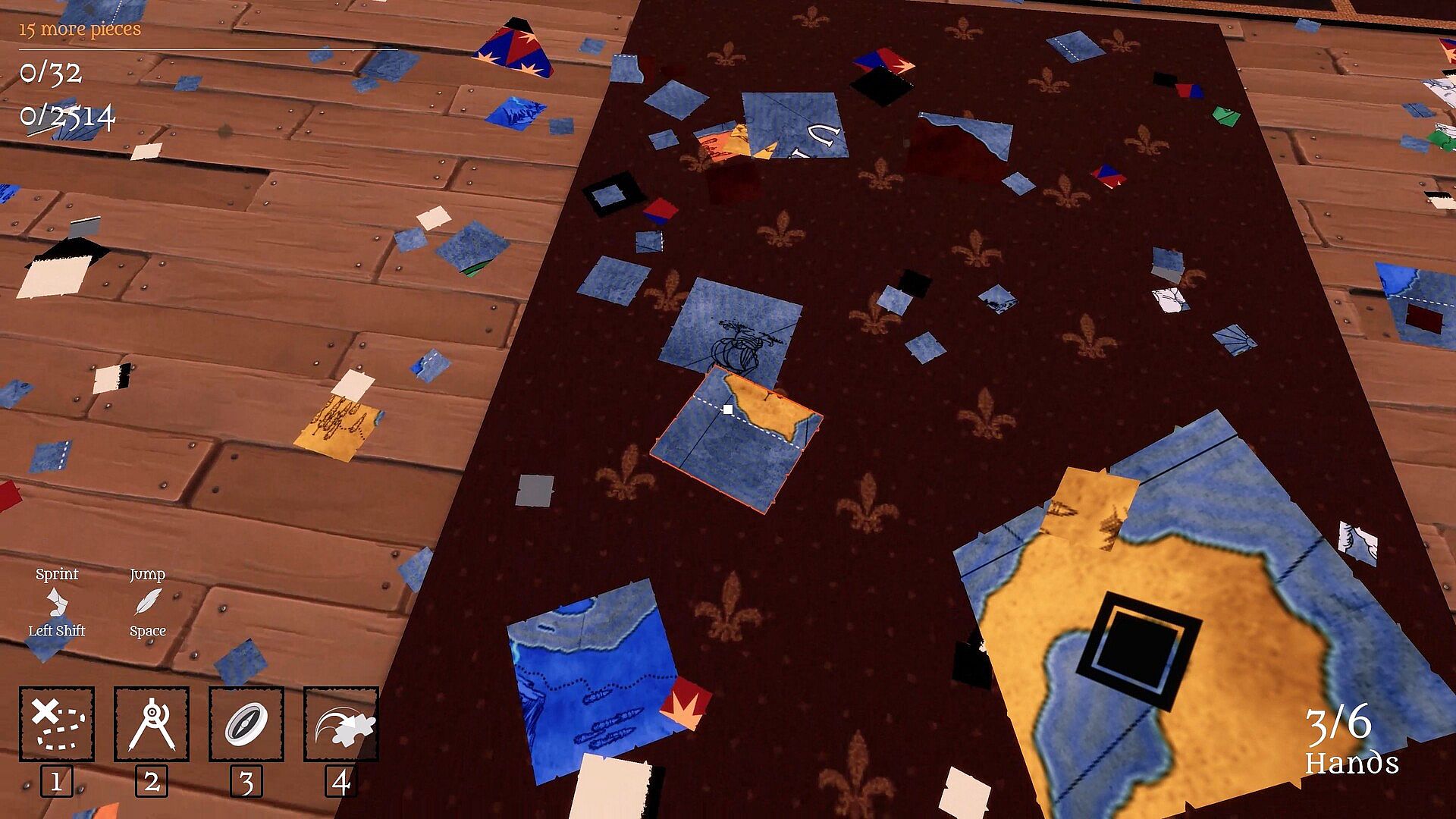
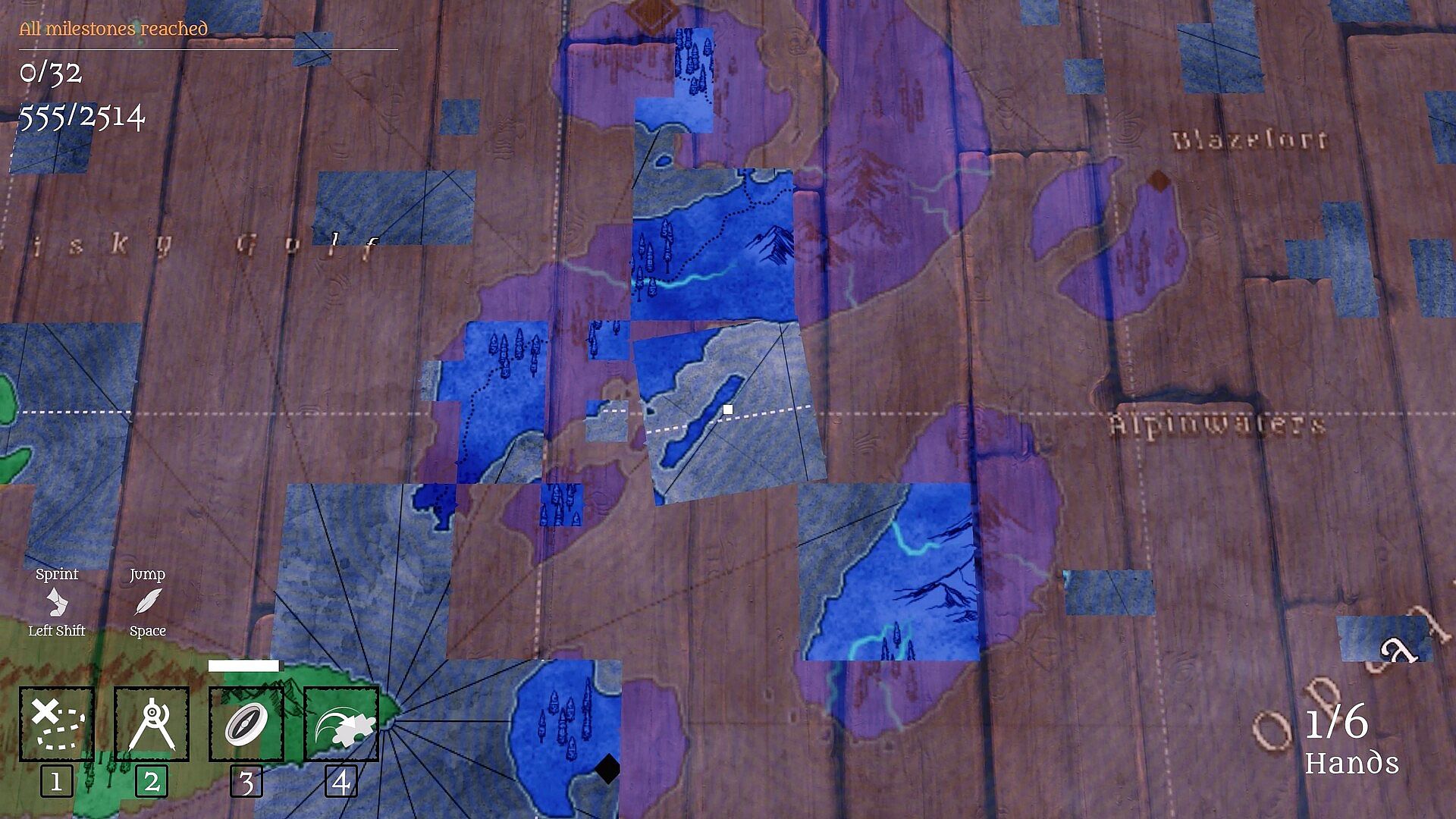
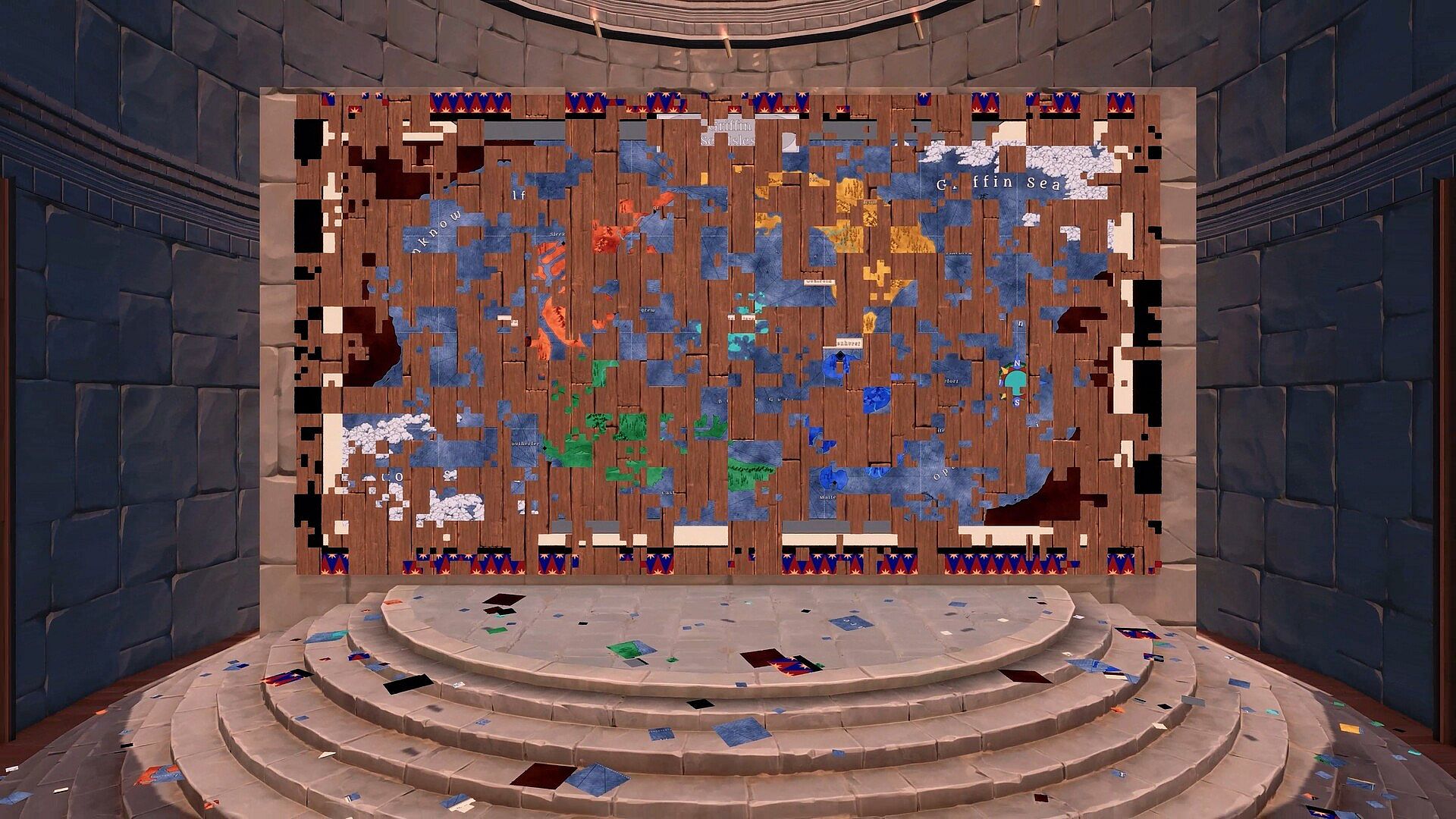
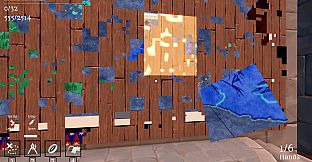
The core loop involves gathering individual map pieces from the floor, rotating them to test alignments, and placing them into position before stitching them together. Success depends on recognizing patterns such as matching coastlines, linking river segments, tracing road networks, and aligning mountain ranges or borders. Early stages present an overwhelming collection of fragments that gradually form a cohesive kingdom map as progress continues. The process rewards attention to fine details like landmarks and terrain edges that confirm correct placements.
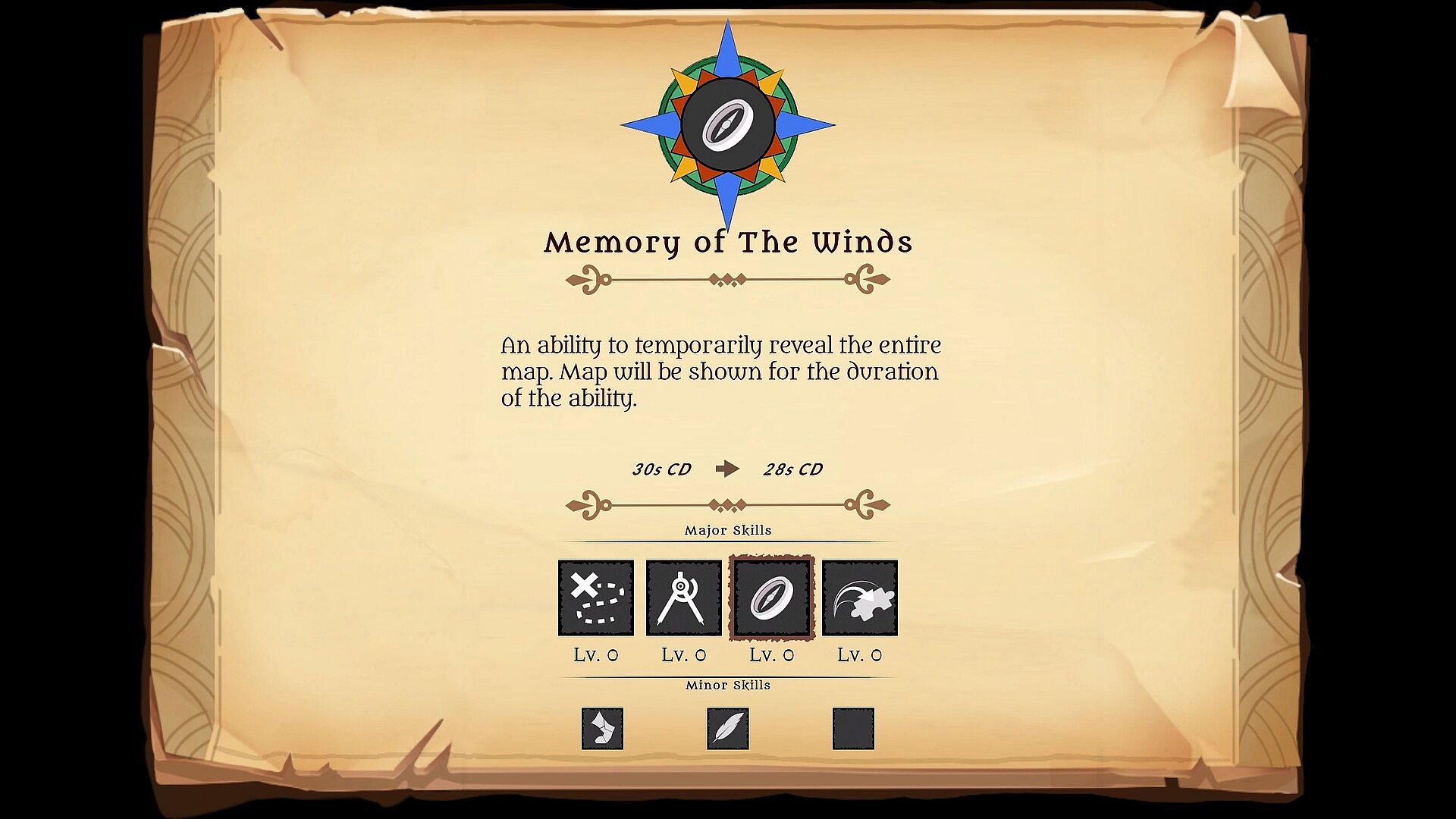
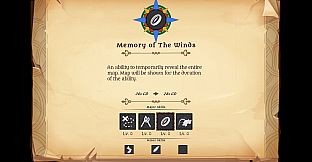
Progression introduces magical winds drawn from the sea, which serve as tools to assist with fragment handling. These abilities expand options for collecting pieces efficiently, examining them closely, and positioning them with greater precision. The simulation maintains a steady pace focused on incremental improvements, turning an initial chaotic pile into a unified whole through repeated cycles of inspection and connection.
Game Modes
The game operates exclusively in single-player mode, with the entire experience built around one continuous restoration session. There are no separate competitive or cooperative variants. Players work through the map in a linear fashion, unlocking new wind-based abilities as fragments are correctly placed and sections of the kingdom come into view. This structure keeps the focus on personal efficiency and pattern recognition without external timers or opponents.
Key Mechanics and Progression
Fragment placement relies on logical deduction from geographic clues rather than random guessing. Coastlines provide strong visual anchors for edge pieces, while interior details such as roads and rivers guide connections deeper into the map. As sections complete, the overall layout becomes clearer, reducing the search time for remaining pieces. The wind abilities introduce variety by altering how fragments are sorted or inspected, allowing players to refine their approach over time without changing the fundamental simulation rules.
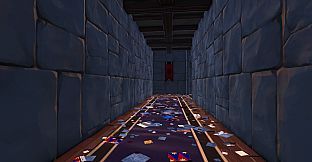
Atmospheric elements support the workflow through consistent environmental cues. Wind sounds and ambient tower noises create a contained workspace high above the kingdom, while subtle music shifts accompany larger map sections coming together. These details reinforce the solitary nature of the task without introducing distractions or additional objectives.
Is It Worth Playing?
This simulation suits players who enjoy deliberate puzzle assembly and visual problem-solving in a low-pressure setting. The single-player format delivers a self-contained experience focused on methodical restoration, making it a strong fit for those drawn to map-based mechanics or relaxing reconstruction tasks. Since the game remains in development with a planned 2026 release, current details center on the core restoration systems described in official materials. Those who appreciate incremental progress toward a complete visual goal will find the described loop engaging, while players seeking multiplayer options or varied game modes may want to monitor updates closer to launch.