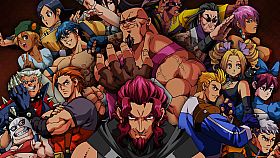
Romancing SaGa 2 stands as a distinctive turn-based RPG that follows the rulers of the Varennes Empire across multiple generations in their conflict with the Seven Heroes. The 2024 remake brings the 1993 original to modern platforms including Xbox and PC with updated visuals and refined systems while preserving the core experience of guiding successive emperors through a nation's evolving history.
Gameplay
The central loop revolves around exploration, combat, and generational progression. Players navigate a world map to visit regions, annex territories, and undertake events that shape the empire. Battles occur in turn-based encounters where a visible timeline dictates action order for allies and enemies alike. Positioning characters in one of several formations provides bonuses to attack power, defense, or targeting priority, and these formations expand as new emperors from varied classes take the throne.
Combat emphasizes resource management and discovery. Characters wield weapons across multiple types or cast spells from six magical disciplines. Using abilities can trigger the glimmer system, allowing a character to learn new techniques or spells mid-battle. An Overdrive gauge builds through successful strikes and enables United Attacks that chain multiple retinue members for enhanced damage. Life Points track permanent risk, as depleted LP removes a character from future play. Pre-emptive strikes grant early advantages, while city facilities in Avalon such as the Smithy allow material-based development and reforging of equipment.
Progression ties directly to the inheritance system. Each emperor passes accumulated techniques, spells, and strengths to the next ruler upon abdication or succession. This creates a compounding sense of growth across centuries as the empire expands and new classes unlock additional formations and abilities. Time skips between major events advance the story and enable equipment projects to complete.
Game Modes
The experience centers on a single-player campaign built around the free scenario system. After an initial sequence, players freely select which events and regions to pursue in any order, leading to different sequences of emperors and outcomes depending on choices made. This structure supports multiple playthroughs as different paths reveal new allies, territories, and confrontations with the Seven Heroes.
Difficulty selection offers three base options at the start: casual for easier access, normal for standard challenge, and hard for a closer recreation of the original experience. New Game+ carries over character attributes and items from a completed save, allowing subsequent runs to focus on missed content or optimized strategies. These elements encourage experimentation with class succession and event order without altering the fundamental single-player focus.
Story and Structure
The narrative spans eras as players assume control of successive rulers tasked with uniting lands against ancient threats. Each generation brings fresh protagonists drawn from diverse classes, and the free scenario approach means the order of territorial gains and key confrontations varies. City development in the capital supports the empire's growth through research and construction that ties into both story advancement and practical benefits in combat and exploration.
Events unfold across multiple maps and regions, with the world map highlighting controlled versus unexplored areas. The structure rewards thorough play by revealing how decisions in one era influence options later, all while maintaining a consistent overarching struggle against the Seven Heroes.
Is It Worth Playing?
Romancing SaGa 2 appeals to players who enjoy non-linear RPGs with deep systems and generational storytelling. The remake improves accessibility through difficulty options and quality-of-life features while retaining the original's emphasis on formation tactics, glimmer discoveries, and inheritance mechanics. Recent patches have addressed stability issues, and the game remains actively supported on Xbox and PC platforms.
Reception highlights the satisfying combat loop and replay value from varied scenario paths. Those seeking a traditional linear plot or straightforward leveling may find the free-form structure and permanent character risks demanding, yet the generational progression offers a unique hook for fans of strategic depth. The title suits single-player RPG enthusiasts ready to invest time in learning its interconnected systems and exploring multiple routes through the empire's history.