

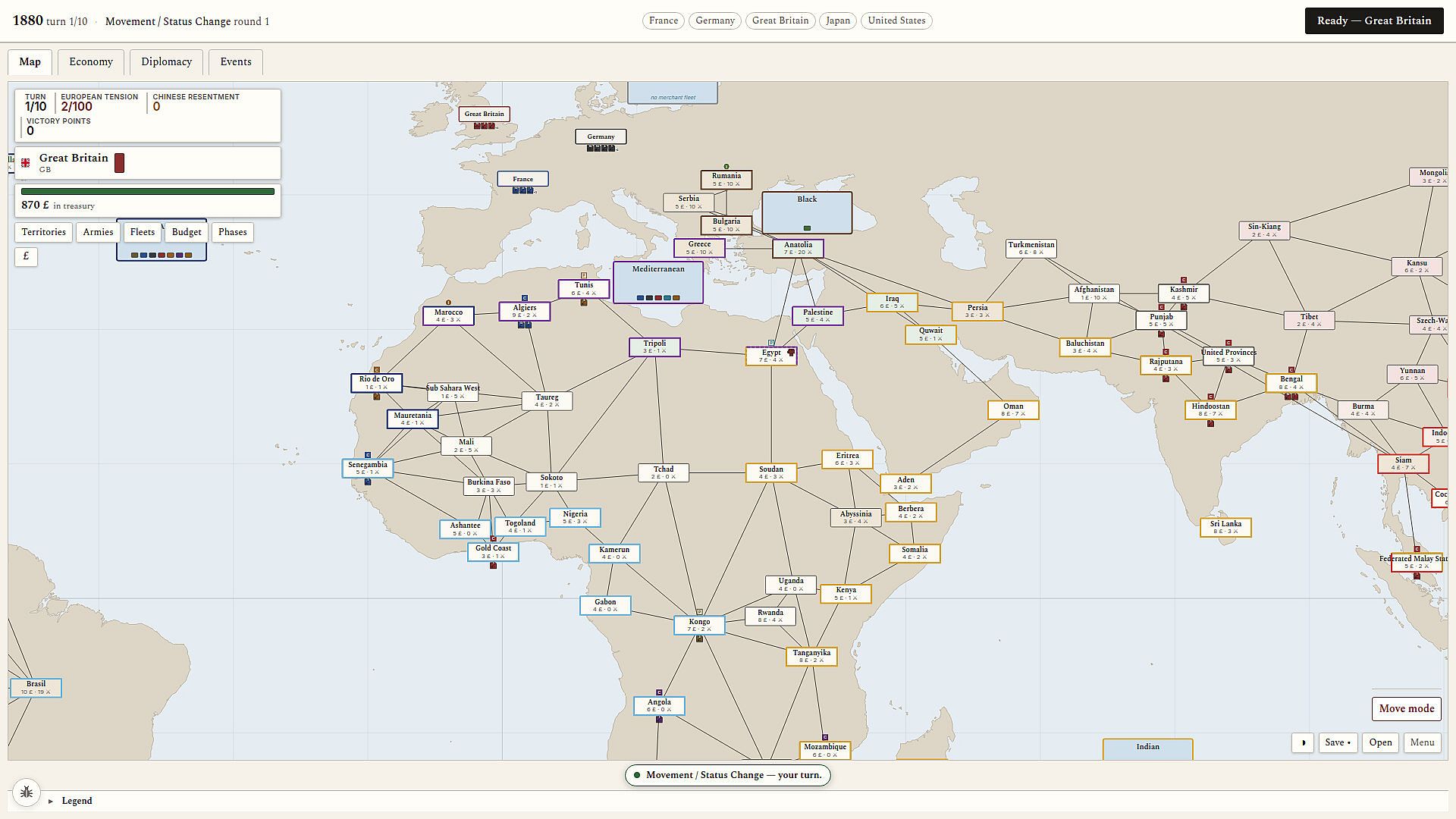
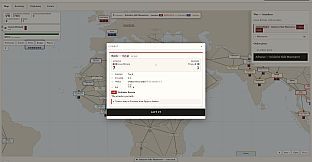
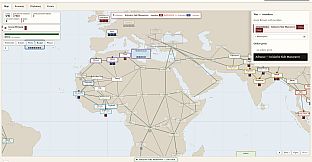
Pax Germanica is a turn-based strategy game set in the late 19th century imperialism era. Players take command of one of seven great powers and compete to build the most profitable empire through colonization, economic influence, and careful diplomacy on a map spanning 117 areas across Africa, Asia, the Americas, Oceania, and Europe.
Gameplay
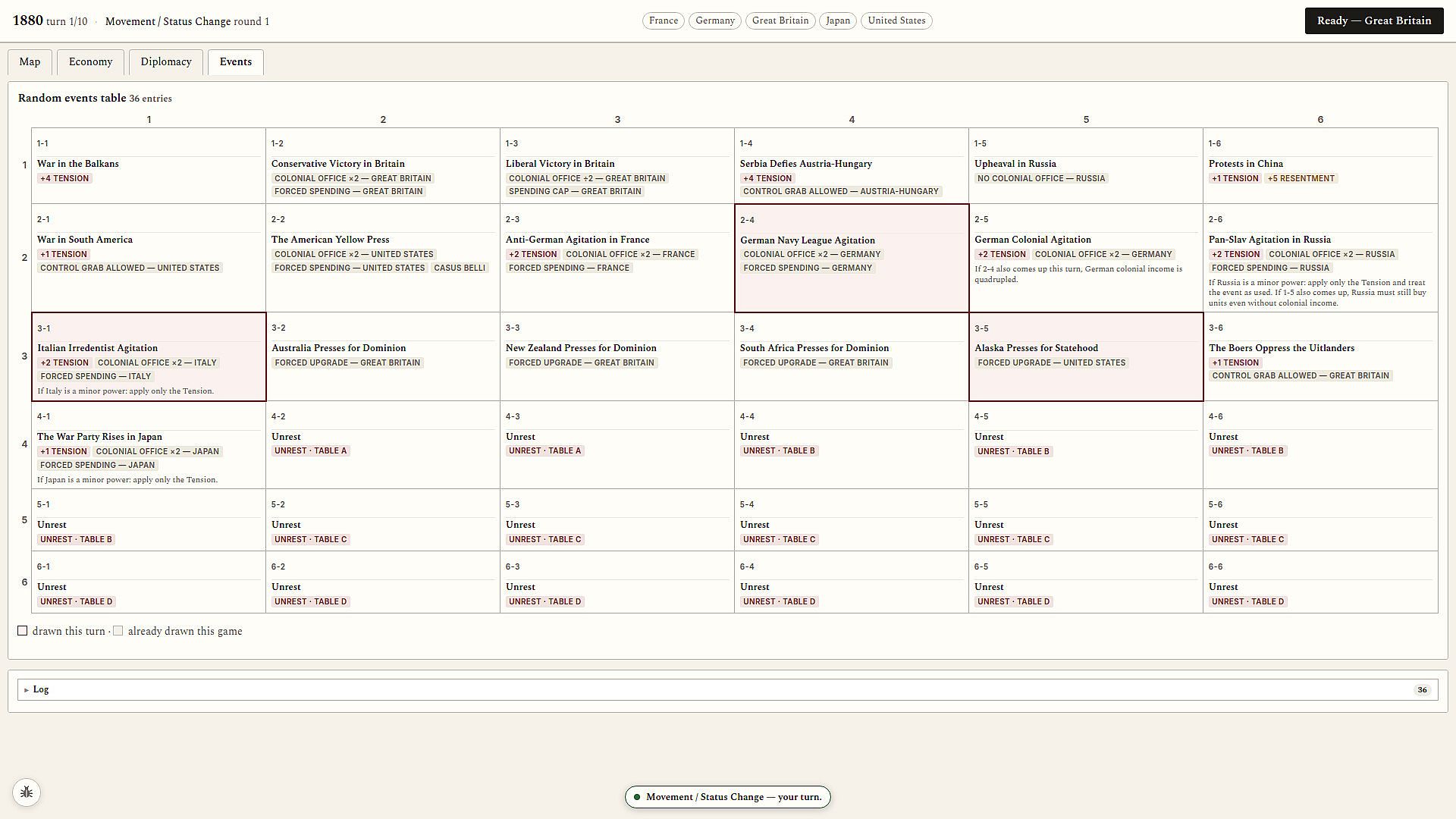
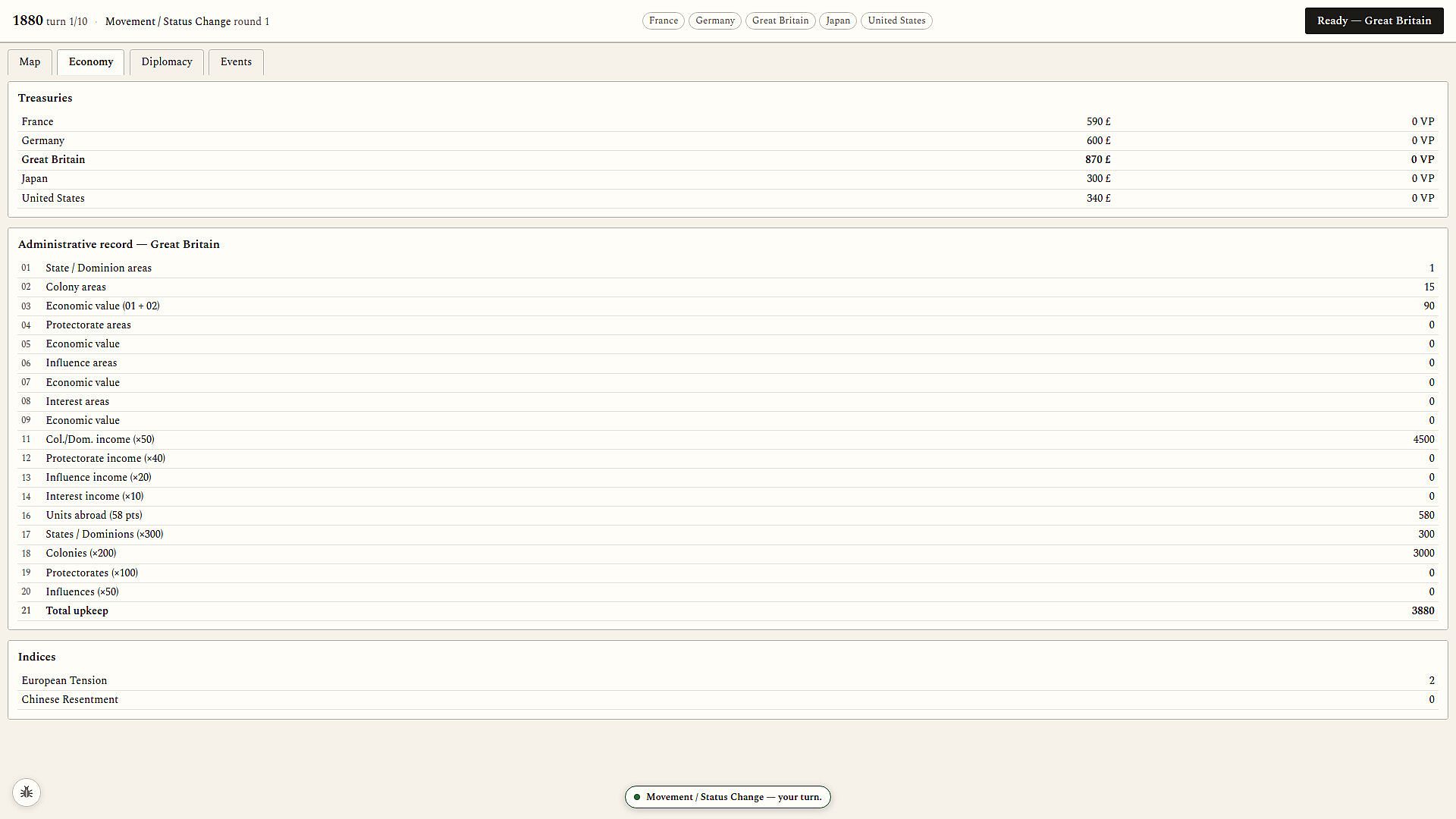
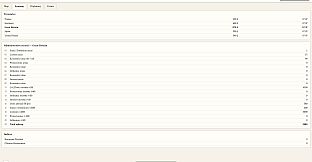
The core loop revolves around managing an empire over successive turns with a fixed sequence of phases. Random events introduce elections, crises, nationalist agitation, and colonial uprisings that alter the global situation. Administration follows, where territories generate income while garrisons and fleets incur upkeep costs. Minor powers expand independently during this stage. All players then plan movements and expansions simultaneously before resolutions occur together. Colonial combat, negotiations, and the Congress of Europe resolve resulting disputes. Money remaining in the treasury at the end of each turn converts to victory points, with each power assigning different values to its holdings. The game concludes when the first player reaches 100 victory points or the Great War erupts, after which the player with the highest score wins.
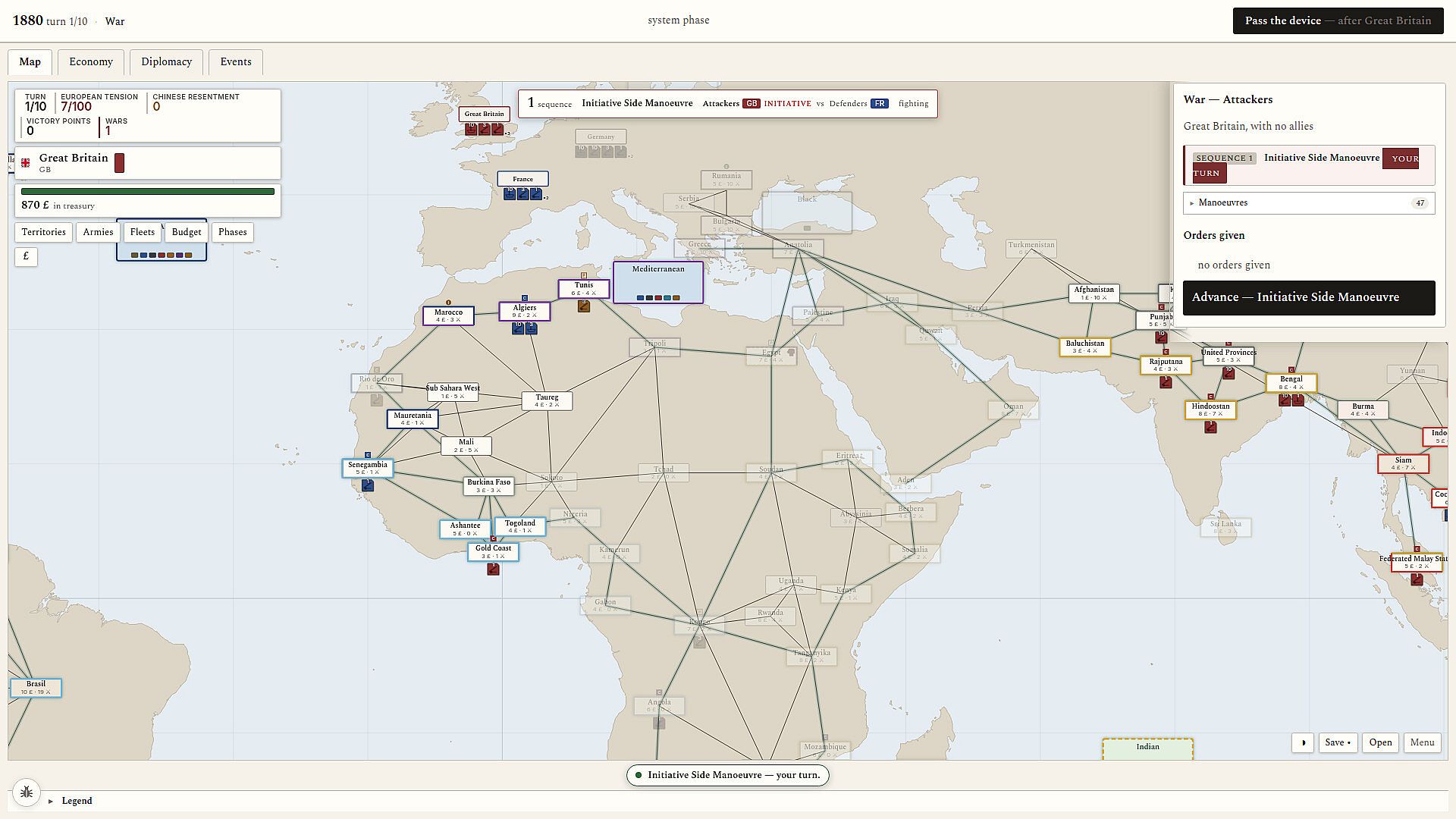
Territories feature economic values and native populations that may resist control. Presence levels range from basic economic interest through influence, protectorate, and colony to dominion or statehood in select cases. Some levels permit shared revenue with rivals, while others require exclusive garrisons. Income flows only when areas connect to the homeland via land routes or merchant fleets at sea. Rebellions can erupt in controlled regions or create openings in rival holdings.
Game Modes
Hotseat play supports two to seven participants on a single computer, allowing sequential turns among players sharing one machine. Seven great powers serve as playable factions alongside non-playable entities such as China, the Ottoman Empire, and four minor powers managed by the game itself. Scenarios permit disabling entire continents to shorten sessions and reduce complexity for smaller groups. Simultaneous planning keeps turns efficient even with multiple participants. Progress saves at any point for resumption later. The game runs fully in English or Italian.
Diplomacy and Conflict
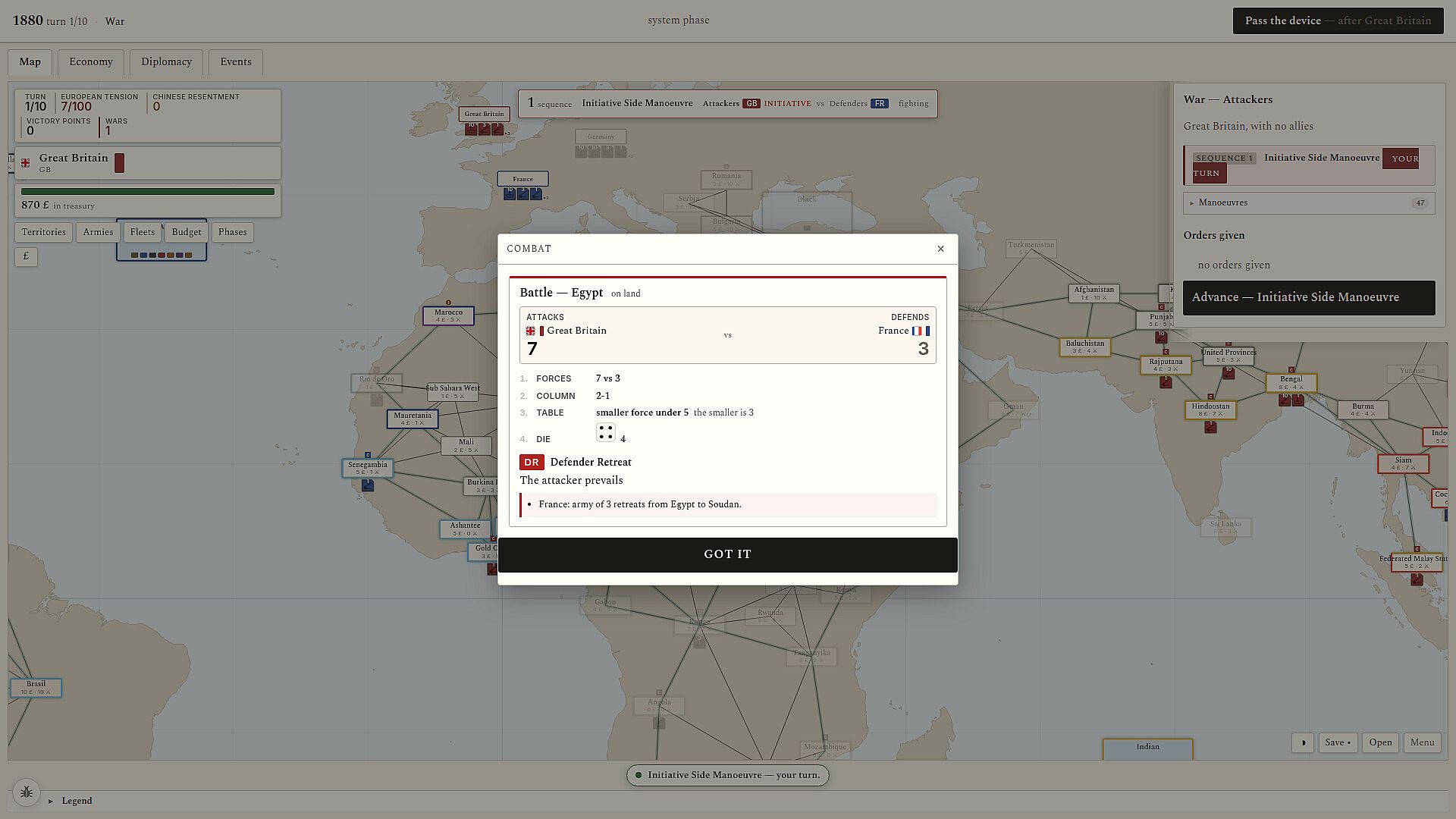
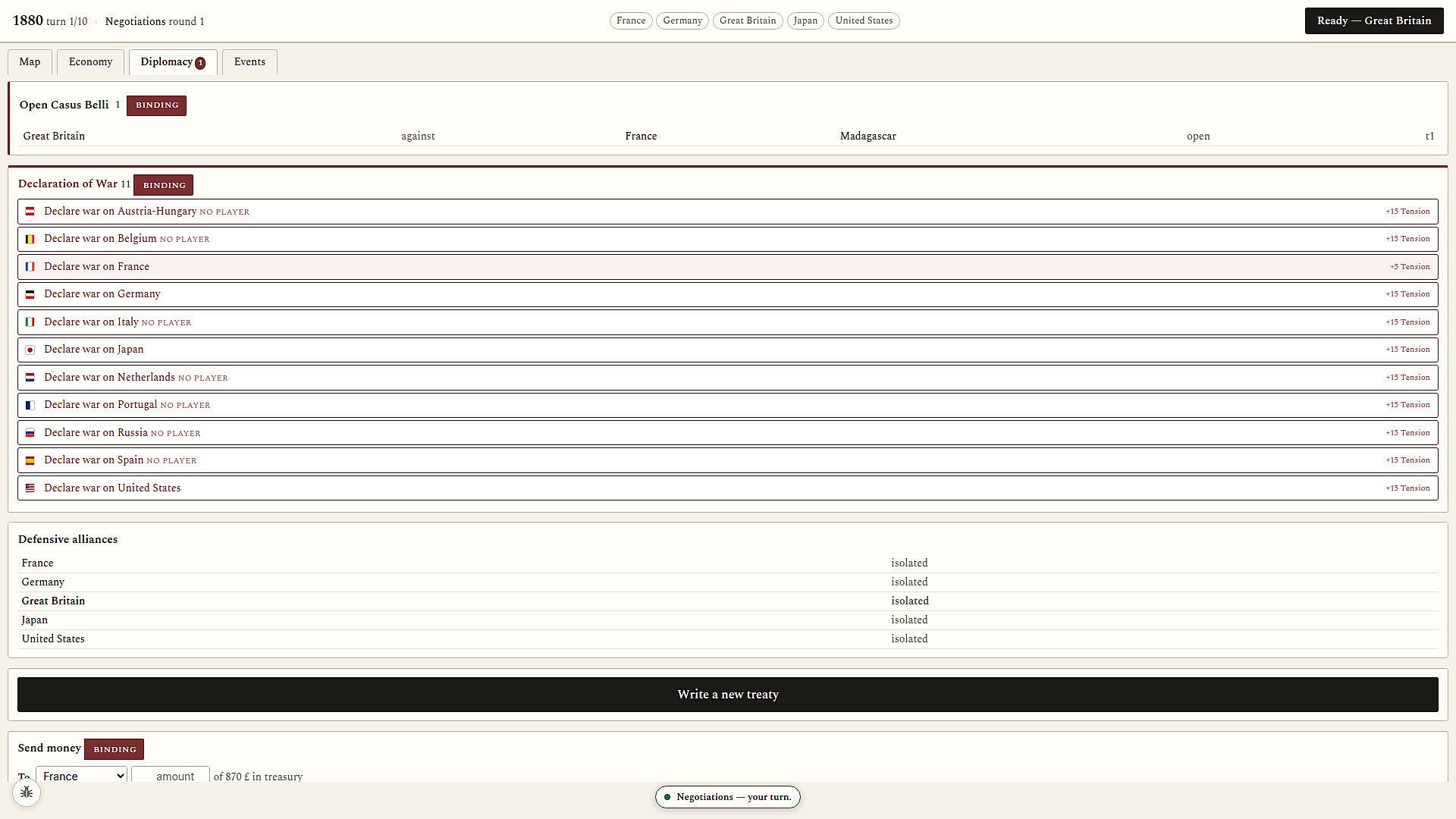
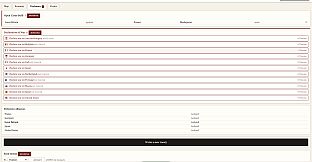
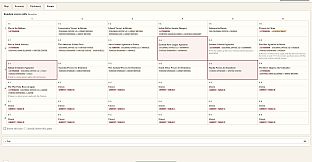
Disputes between nations generate a casus belli that can escalate into armed conflict and raise European tension toward the Great War. Diplomacy serves as the primary tool for resolution through a dedicated phase where players negotiate and draft custom treaties covering movement, placement, money, territories, fleets, and peace terms. Binding clauses receive automatic enforcement by the game engine, while non-binding elements rely on the signatories' word of honor. Defensive alliances provide ongoing victory points yet obligate participants to join their allies' wars. When talks fail, colonial wars begin far from European soil. Participants must sustain supply lines across vast distances while organizing forces and garrisons. Non-belligerent powers observe and may intervene, mediate agreements, or restrict passage through their lands. Involvement of more than four European powers in one conflict triggers the Great War and ends the game.
Decaying Empires and Expansion
China and the Ottoman Empire resist direct conquest. Entry occurs through economic influence rather than military occupation. Foreign activity in China increases resentment levels, and excessive pressure can provoke attempts to expel outsiders. The map supports varied expansion strategies, including establishing connections for income and balancing garrisons against rebellions. Bonuses at game end reward achievements such as a continuous land route from Cairo to the Cape or dominant positions in key regions like China.
Is It Worth Playing?
Pax Germanica targets players who enjoy detailed turn-based empire management with integrated diplomacy and the constant risk of escalation. Its hotseat format suits groups seeking a shared experience without online requirements, while single-player options allow solo exploration of the seven powers and scenario variations. The emphasis on simultaneous planning and treaty drafting adds layers of negotiation uncommon in many strategy titles. With the game listed as coming soon and no user reviews available, prospective buyers should review the full feature list against their preferences for colonial-era strategy before purchase. Those drawn to systems involving economic influence, colonial combat, and the looming threat of a world war will find the mechanics align closely with classic monster games of the 1980s.