






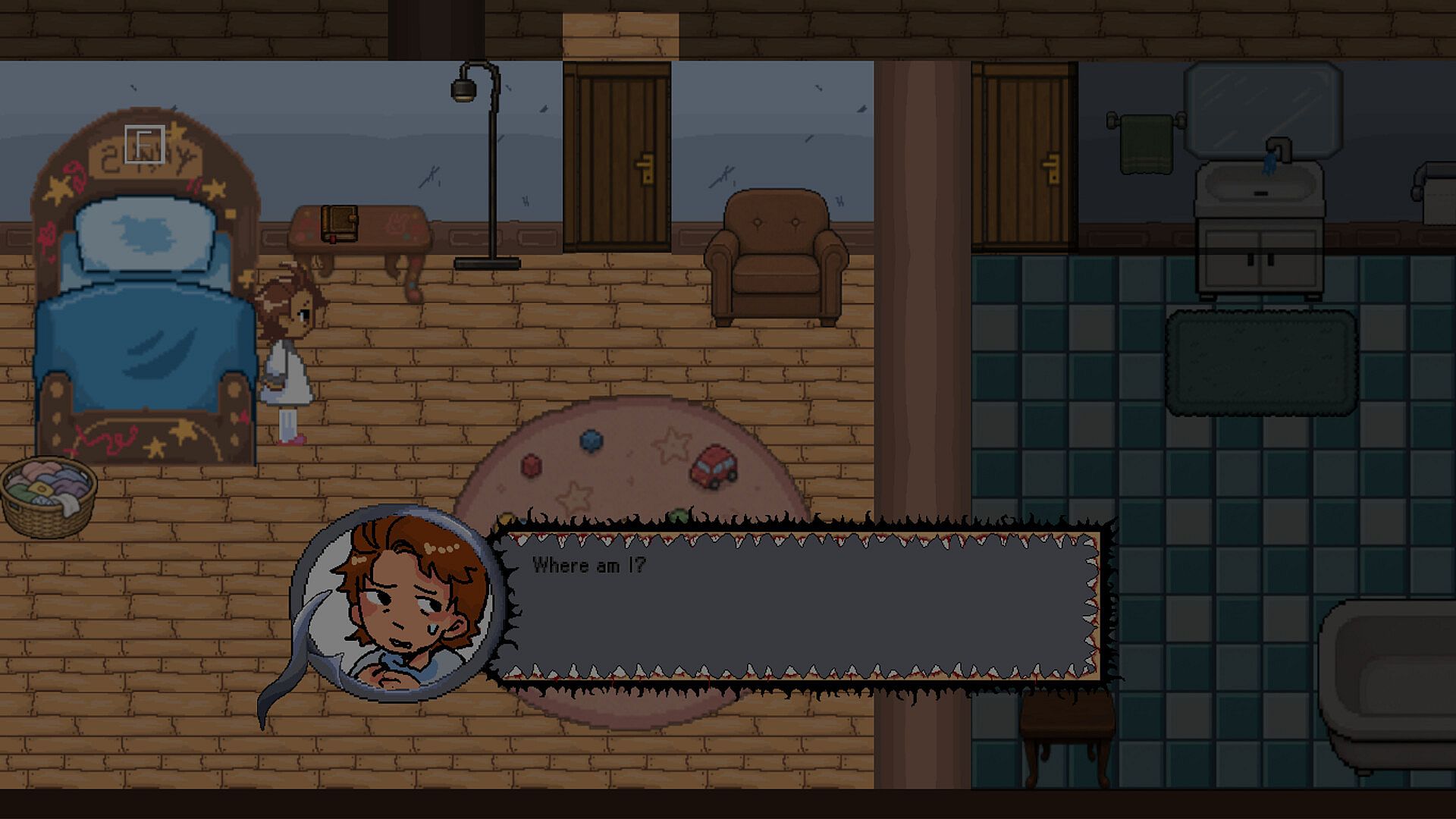
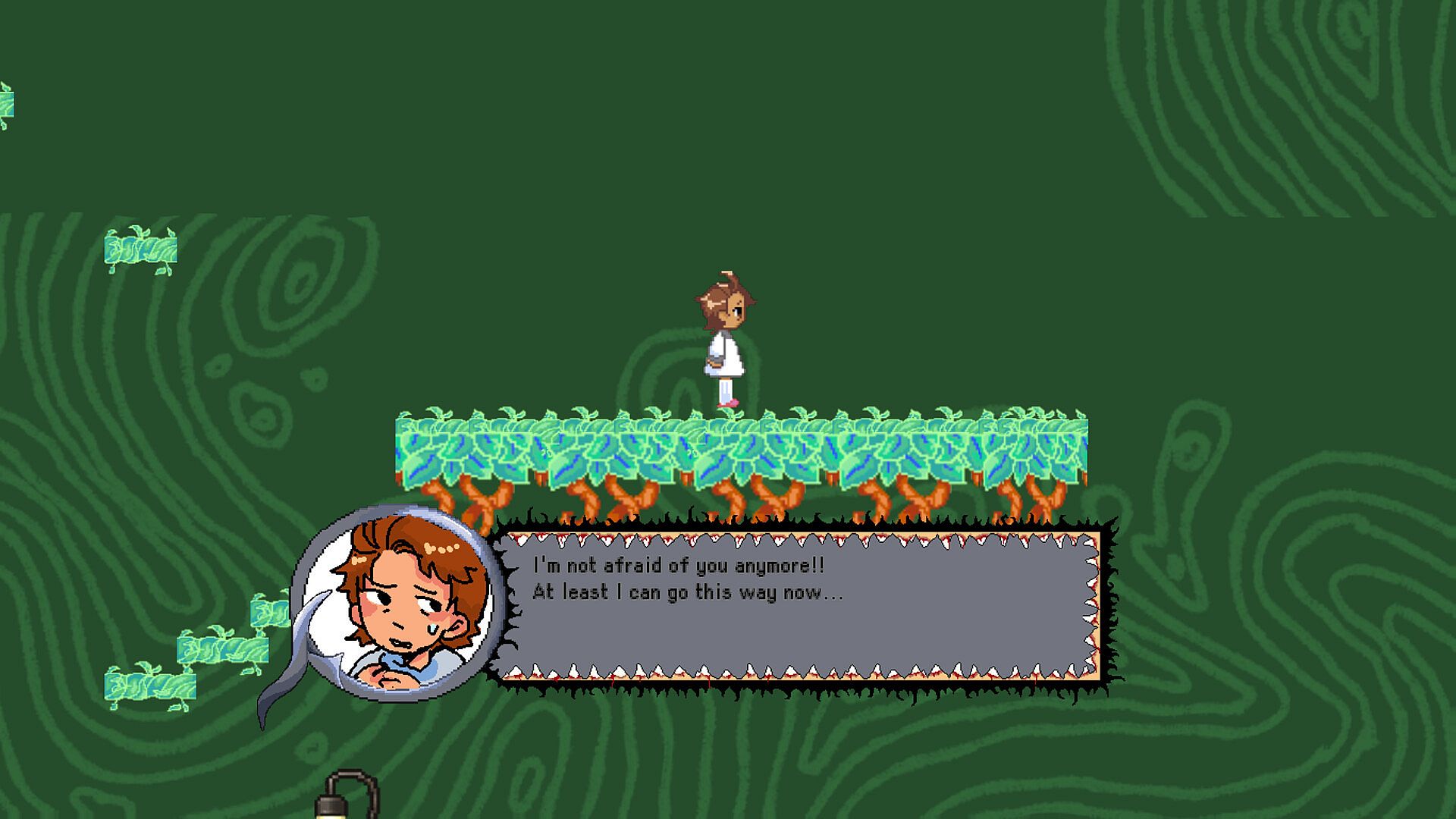
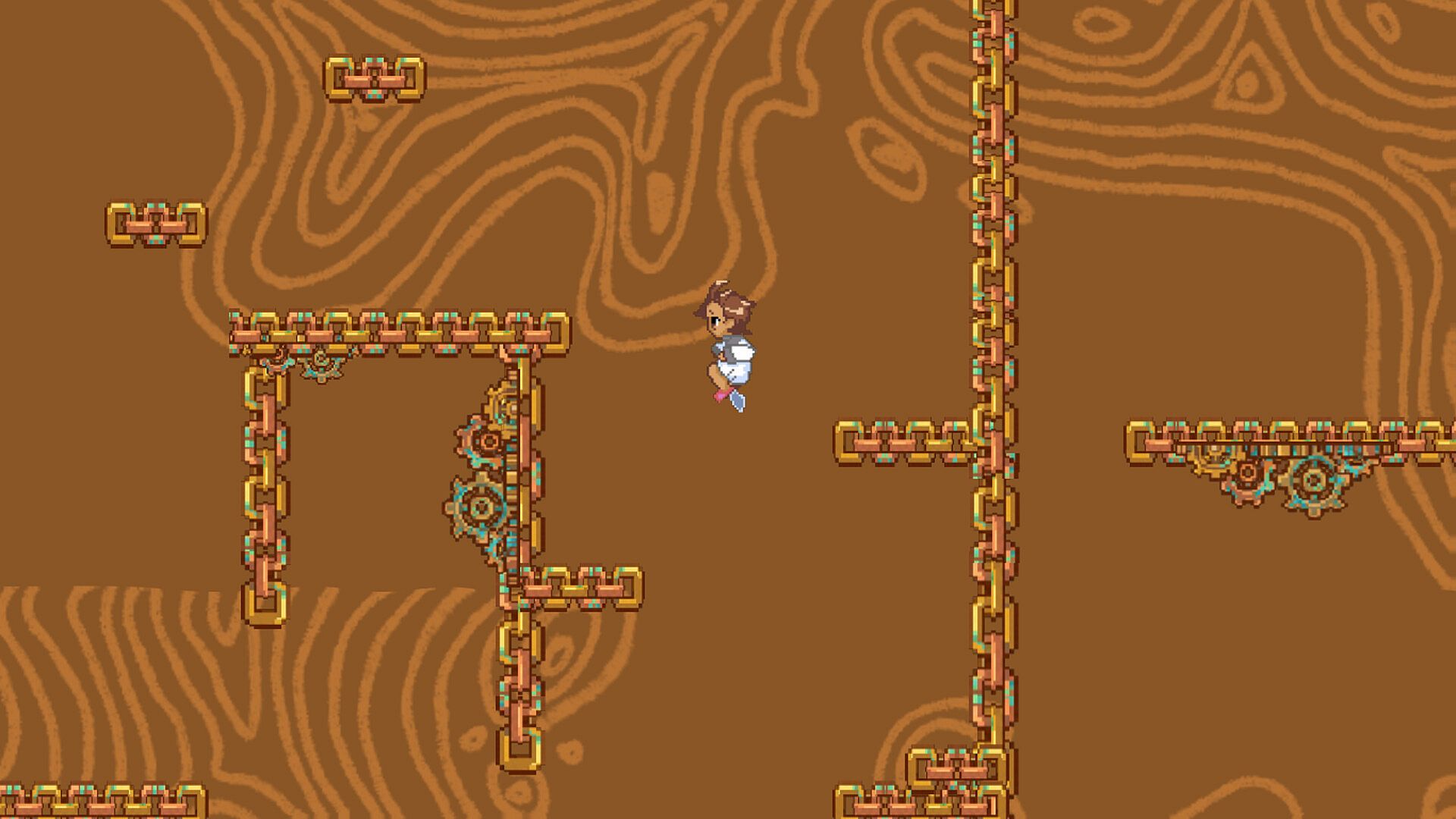
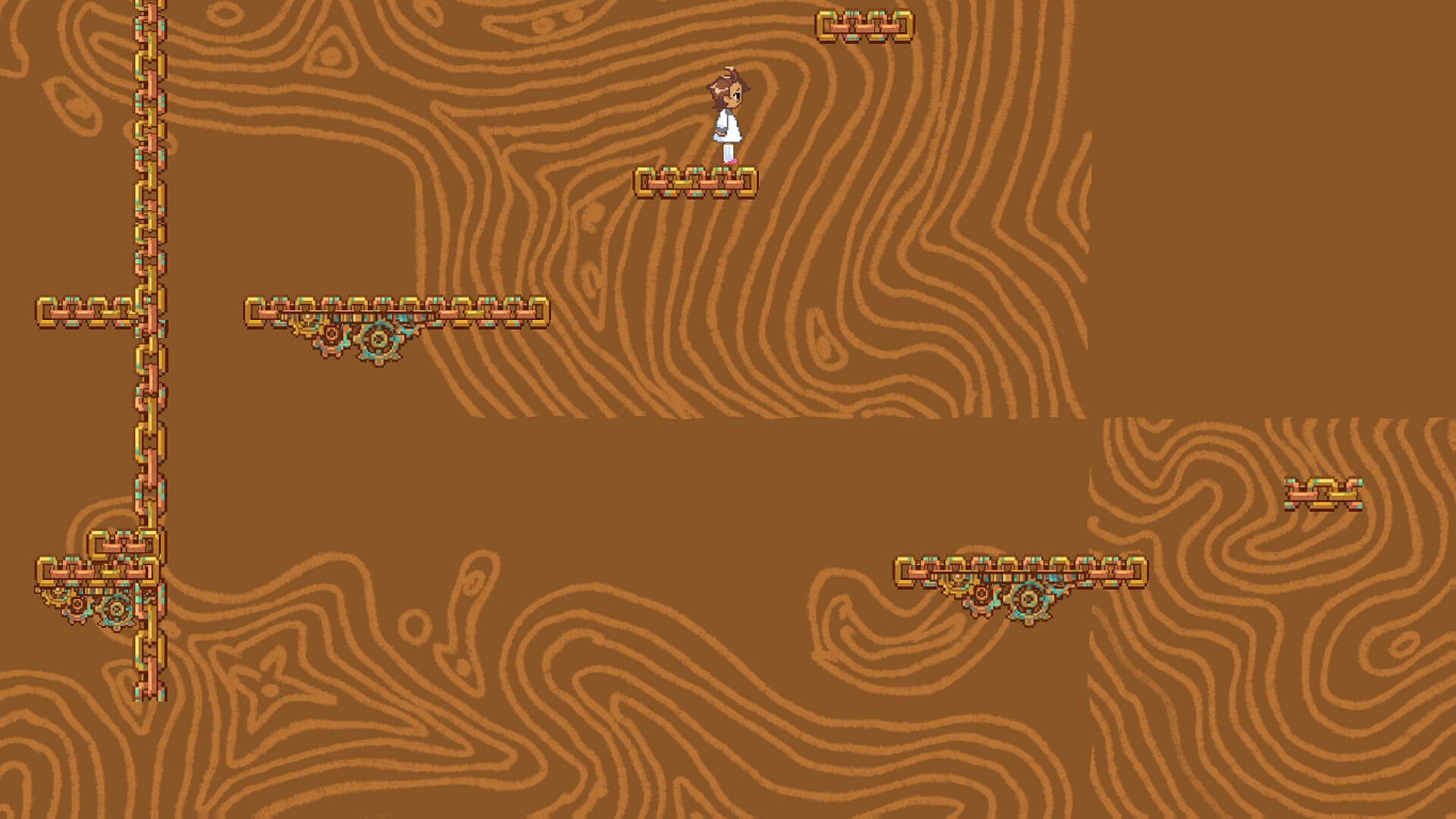
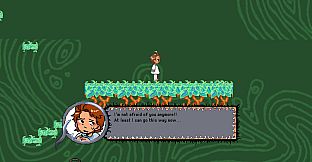
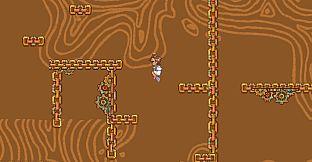
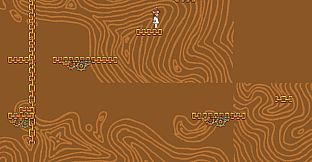
Parasomnia is a 2D pixel-style psychological horror game that blends strategy, RPG, and adventure elements in a free-to-play experience available on PC. Players step into the subconscious of a child named Sunny who endures night terrors, navigating a series of unsettling dream stages filled with eerie black fog and persistent pursuers. The experience focuses on survival and discovery as fragments of reality surface within the nightmares, prompting questions about what is truly nightmare and what reflects the waking world.
Gameplay
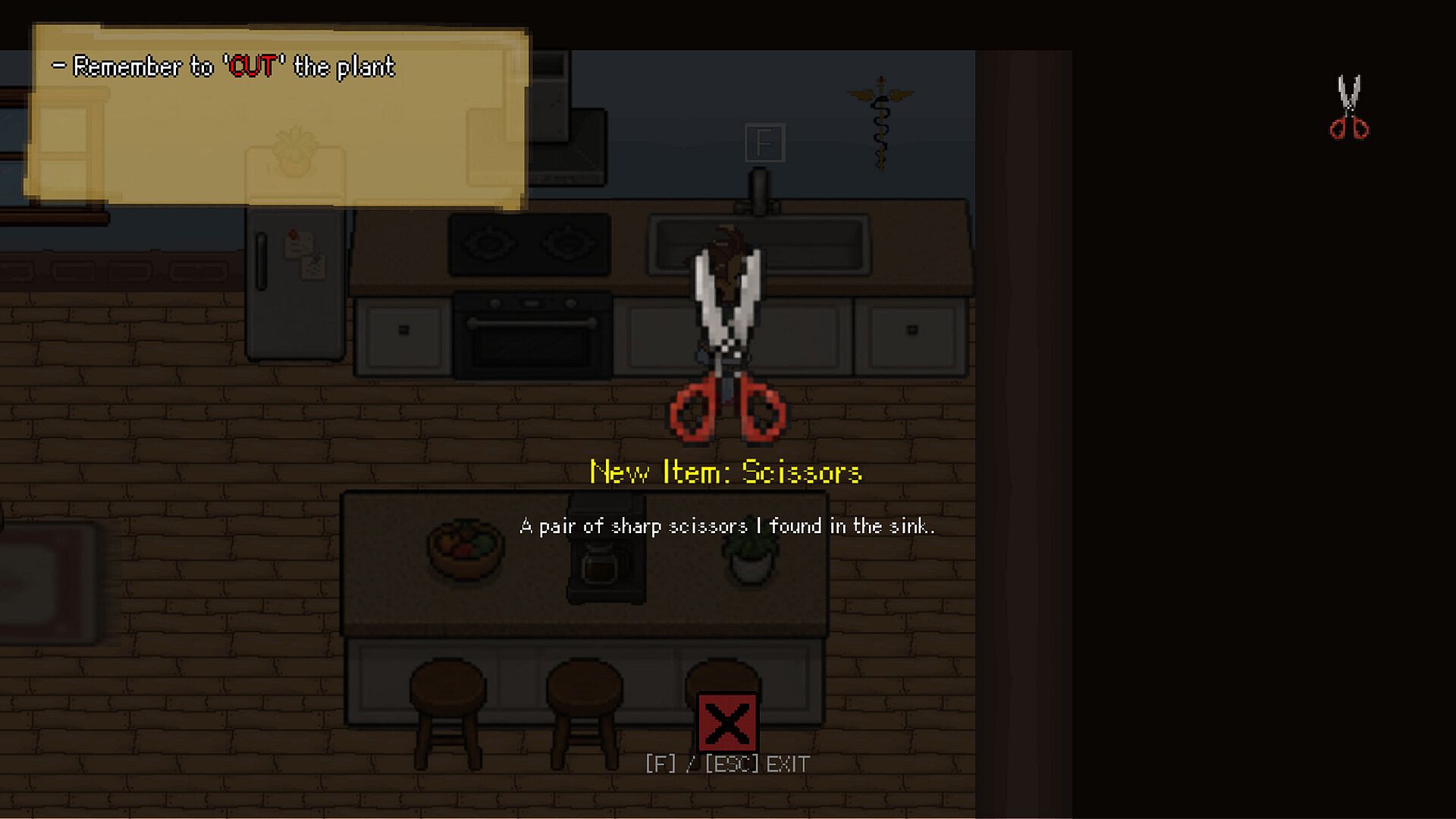
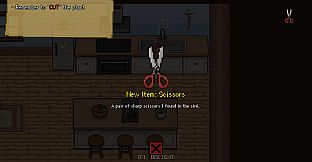
The core loop centers on exploration and careful decision making from Sunny's viewpoint. Movement relies on the W, A, S, and D keys to traverse dream environments while avoiding threats that close in through the fog. Interaction happens through the F key, which handles actions such as turning valves or examining documents scattered across the stages. The ESC key brings up the pause menu for adjustments or exits. Progress involves piecing together memory fragments that appear during the nightmares, turning each stage into a test of observation and timing rather than direct confrontation.
Choices made throughout the stages influence the path forward. The game emphasizes psychological tension through limited visibility and the constant presence of pursuers, requiring players to manage resources and select routes strategically. This setup creates a loop of trial, reflection, and adaptation as Sunny attempts to find an exit from each nightmare layer.
Game Modes
Parasomnia structures its content around multiple stages of nightmares that players progress through sequentially. Each stage presents its own set of environmental hazards and memory fragments to uncover. The standout feature is the multi-branch outcome determination system, which activates near the conclusion of a nightmare sequence. At these points, players can choose to accept the current resolution or return to earlier decisions and alter their selections, leading to different narrative conclusions.
This branching approach encourages replay to explore alternate paths and outcomes. There are no separate multiplayer or competitive modes described; the focus remains on the single-player journey through Sunny's inner world and the psychological profiling that emerges from the dream sequences.
Narrative and Themes
The story unfolds through Sunny's experiences with night terrors, where black fog obscures paths and pursuers represent unresolved fears. Reality intrudes via scattered documents and environmental details that mirror events outside the dreams. Players gradually assemble these pieces to confront the full truth behind the terrors, blending horror with elements of personal reflection and memory reconstruction.
The pixel art style reinforces the distorted, childlike perspective, making each stage feel both intimate and alienating. Strategy elements appear in route selection and timing of interactions, while RPG aspects tie into character growth through accumulated insights across branches.
Development Background
Parasomnia was created by a team of six university students working on the project during the summer of 2026. The entire development spanned two months, resulting in a compact yet focused free-to-play title that prioritizes atmospheric tension and choice-driven storytelling over expansive scope. This origin gives the game a distinct indie character centered on personal themes of fear and subconscious struggle.
Is It Worth Playing?
Parasomnia suits players interested in psychological horror with narrative branching and puzzle-like interactions in a 2D pixel format. Its free-to-play model removes financial barriers, allowing direct access to the core experience of navigating nightmares and exploring multiple endings. The short development cycle by a small student team means a concise package that delivers focused tension without unnecessary padding. Those who enjoy games built around memory reconstruction, strategic avoidance of threats, and replaying for alternate outcomes will find the mechanics align closely with those preferences. The controls remain straightforward, supporting easy entry while the multi-branch system provides incentive for additional playthroughs to uncover different resolutions.











