































Onde é um puzzle platformer indie desenvolvido para PC que combina visuais abstratos com mecânicas baseadas em som em uma aventura single-player. O jogador guia uma pequena criatura por ambientes serenos, criando e percorrendo caminhos de som e luz, transformando a navegação em um processo intuitivo de descoberta. O jogo prioriza o movimento fluido e a interação com o cenário, sem combate ou controles complexos, sendo acessível para sessões casuais e ao mesmo tempo profundo em sua estrutura de quebra-cabeças.
Gameplay
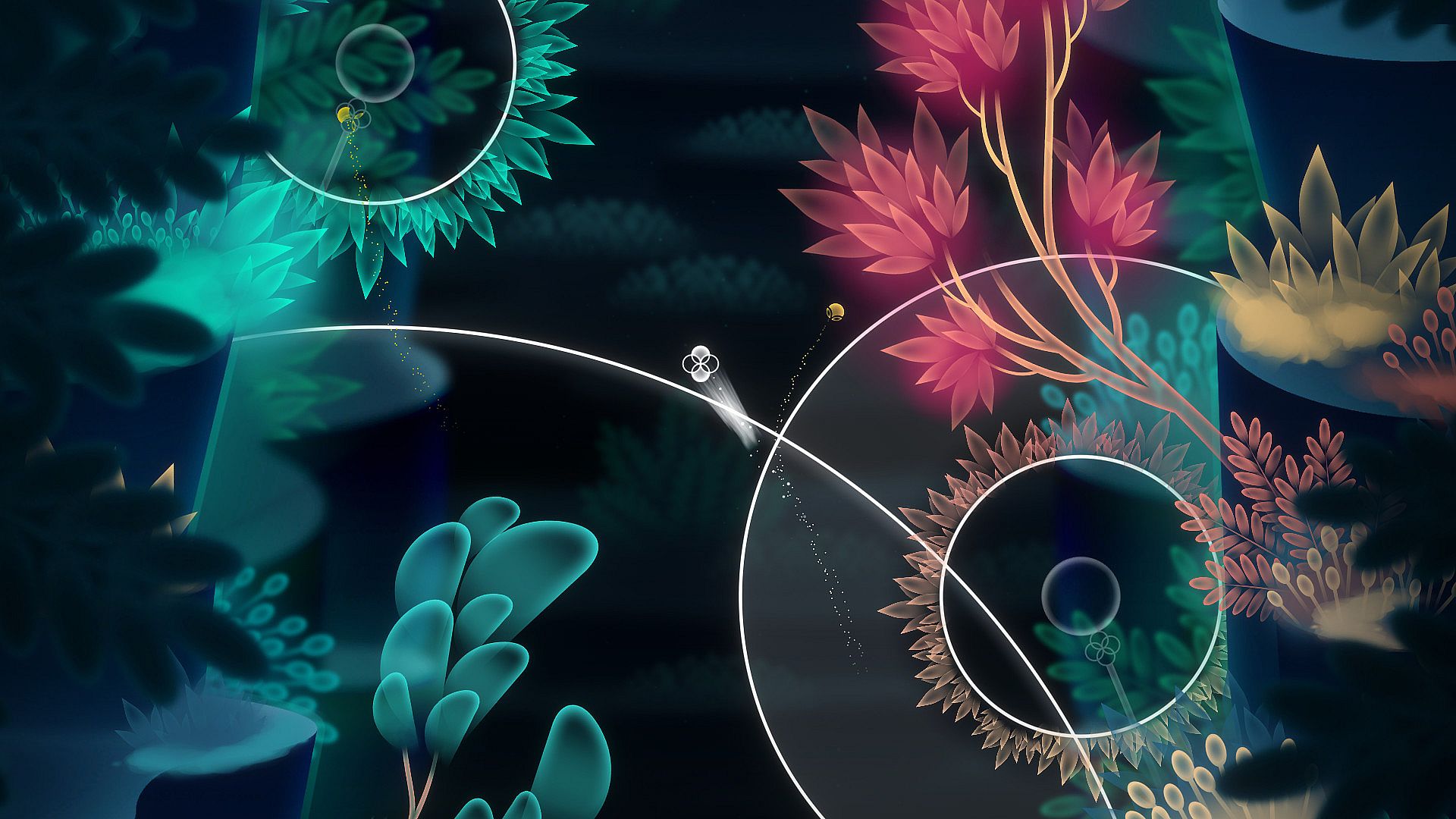
O núcleo da experiência é o platforming baseado em som. O jogador gera caminhos temporários ao longo de ondas de som e luz para atravessar paisagens abstratas. Esses caminhos surgem e desaparecem conforme a proximidade e o tempo, exigindo atenção ao áudio e precisão nos movimentos. A locomoção é orgânica, com o personagem deslizando suavemente enquanto o som ambiente reage à posição e ao avanço.
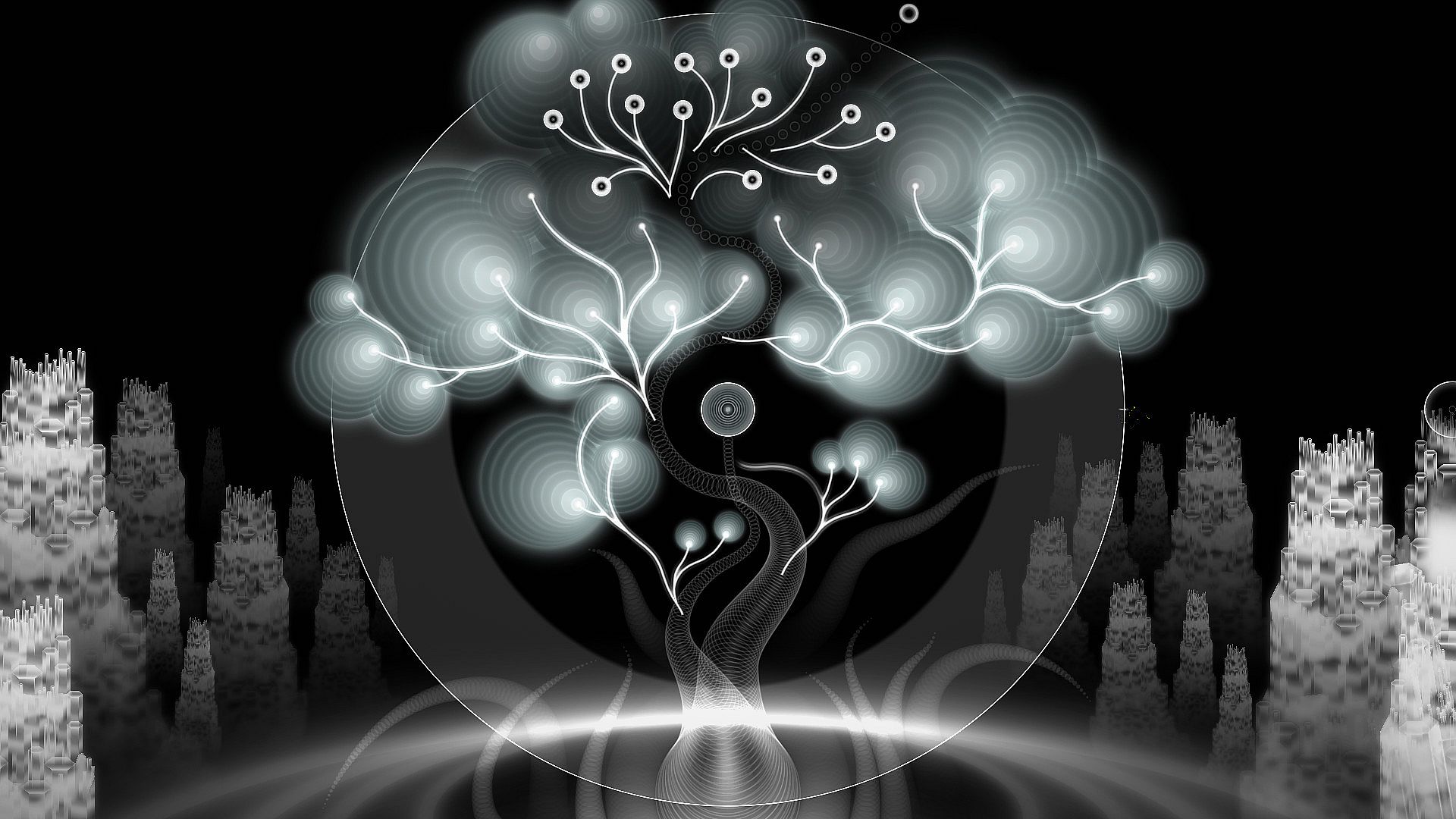
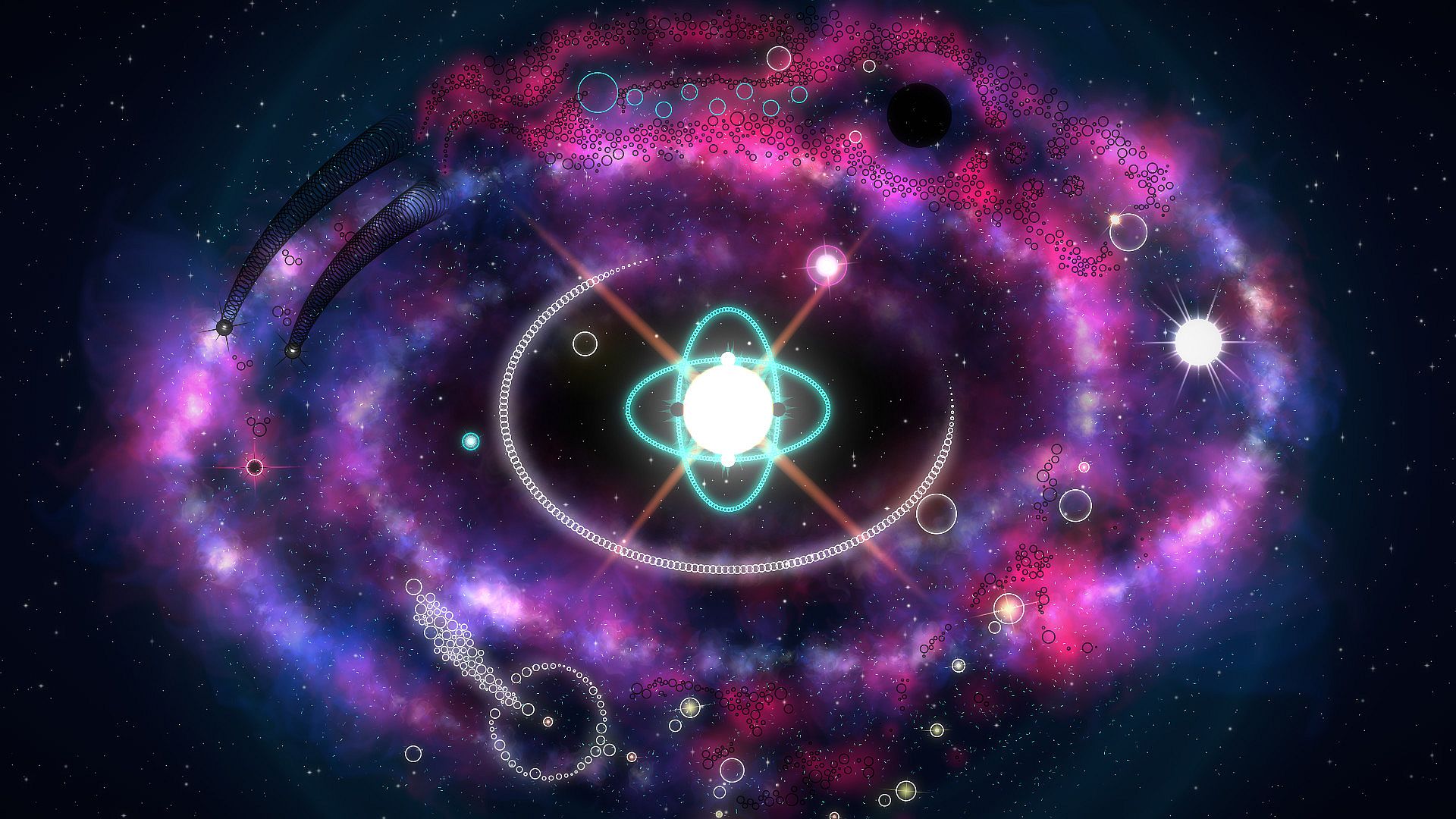
Cada área apresenta estilos visuais e elementos de puzzle próprios. As seções alternam entre linhas geométricas nítidas e padrões de cores fluidas, acompanhadas de variações na trilha sonora, que passa de tons cristalinos agudos a harmonias esféricas mais suaves. A exploração percorre cenários variados, como profundezas subaquáticas e espaços cósmicos abertos, adaptando as mecânicas de puzzle ao ambiente sem repetições.
Os paisagens sonoras adaptativas são centrais. Os sinais de áudio orientam o movimento e destacam elementos interativos, criando um ciclo em que o som direciona e recompensa o jogador. Essa integração mantém o foco na imersão, com controles simples e responsivos durante toda a sessão.
Game Modes
Onde apresenta seu conteúdo como uma jornada contínua, sem modos separados. A experiência avança por etapas conectadas, cada uma introduzindo novos temas visuais e variações mecânicas. Não há opções multiplayer, elementos competitivos ou estilos alternativos como contrarrelógio ou desafios de sobrevivência.
A progressão depende da conclusão sequencial de sequências de platforming e quebra-cabeças ambientais. Dez conquistas no Steam registram feitos específicos, como dominar certas criações de caminho ou alcançar marcos importantes, mas funcionam como marcadores opcionais. A estrutura incentiva um ritmo contemplativo, sem ramificações narrativas ou seletores de dificuldade.
Story and Atmosphere
A narrativa acompanha um ser recém-formado que emerge da escuridão para um mundo moldado por som e luz. Começa em espaços cristalinos subterrâneos e se expande, refletindo temas de descoberta e ressonância. A história é sutil, transmitida por mudanças no ambiente e na trilha sonora, sem diálogos ou cutscenes.
A identidade visual é definida por uma arte abstrata. As paisagens alternam dinamicamente entre formas estruturadas e explosões de cor, espelhando o ciclo de vida descrito na premissa. Essa estética reforça o tom relaxante, com cada região oferecendo paletas e composições espaciais distintas que acentuam a sensação de avanço.
Is It Worth Playing?
Onde é indicado para quem busca um puzzle platformer curto e focado em harmonia áudio-visual e desafio moderado. Seus controles intuitivos e ênfase no fluxo o tornam ideal para sessões que priorizam a exploração tranquila em vez de ação intensa. O jogo oferece uma experiência completa em uma sessão ou em algumas jogadas relaxadas, com ambientes que recompensam a atenção ao som e a precisão no tempo.
A recepção destaca a mecânica de locomoção satisfatória e a apresentação coesa. Quem aprecia títulos indie contemplativos com forte integração sensorial costuma encontrar a jornada gratificante, especialmente se valoriza arte abstrata e design de áudio adaptativo. Disponível no PC, inclui uma demo para testar o movimento antes da compra, e o título mantém suporte contínuo desde o lançamento original, sem conteúdo sazonal.
No geral, é uma entrada distinta no gênero de aventura casual para quem se interessa por quebra-cabeças baseados em som e mundos serenos. A ausência de modos tradicionais mantém o foco estreito, mas bem polido, resultando em um pacote coeso que reflete suas qualidades zen.