







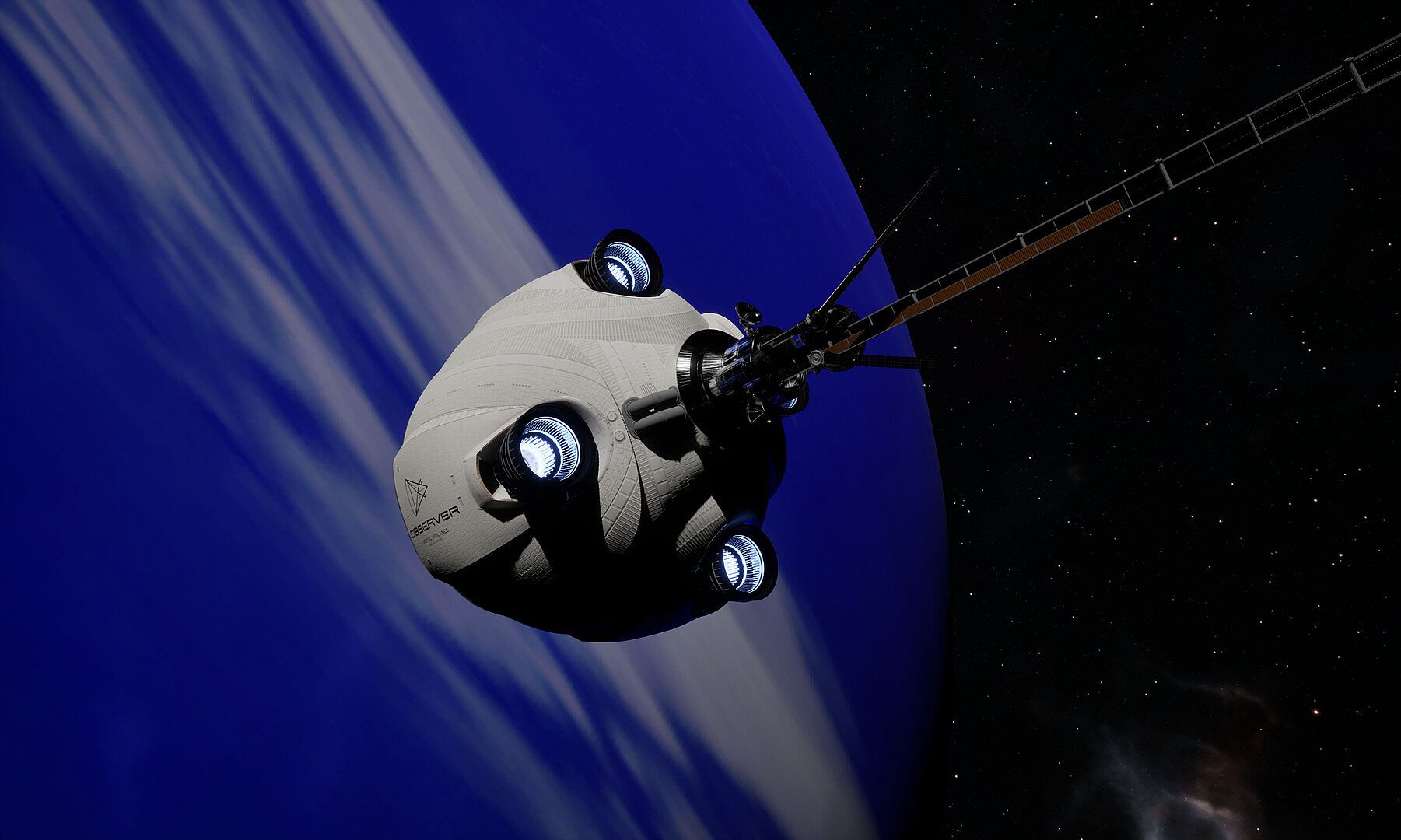
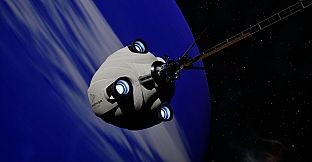


Omniscient is a first-person horror game set on a research ship orbiting Neptune. Players take on the role of a lone survivor navigating the vessel after the rest of the crew has disappeared. The core experience centers on using enhanced sensory abilities to detect and avoid a hostile alien entity that stalks the corridors.
Gameplay
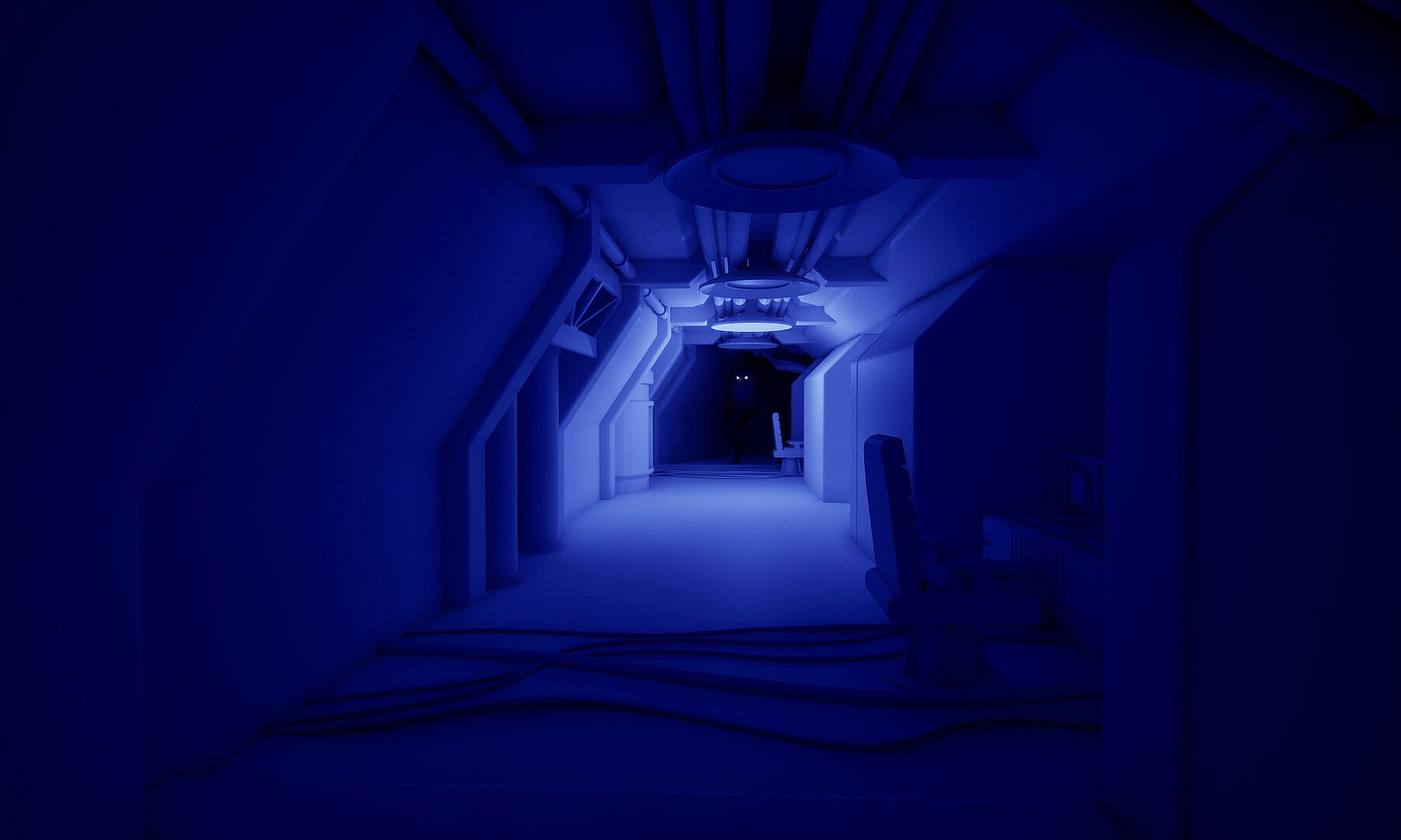
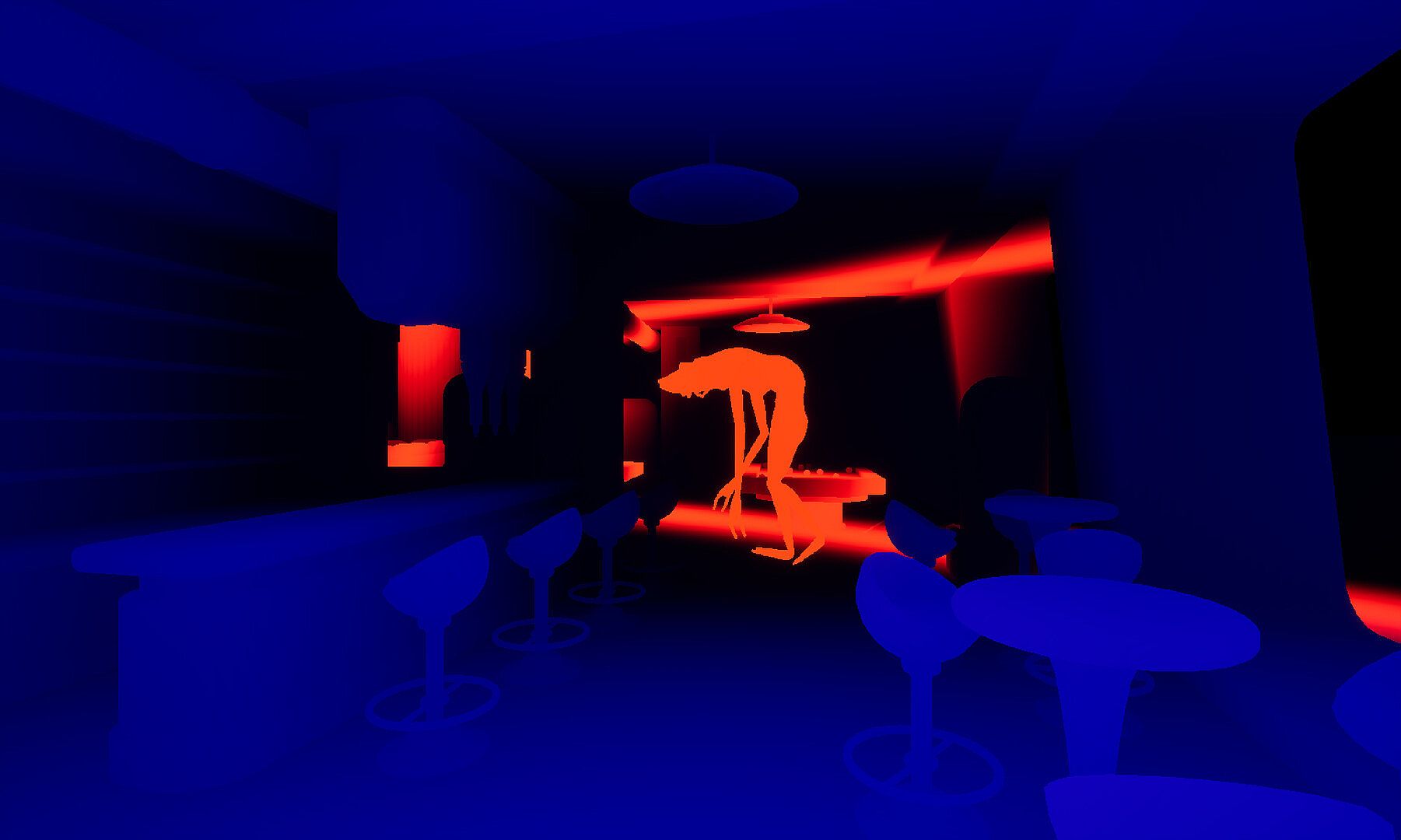
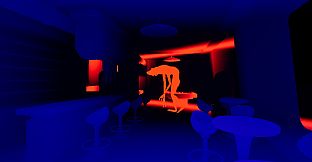
The gameplay revolves around evasion and awareness in a confined, maze-like environment. Players rely on sharpened sight to detect the entity through walls and doors, along with focused hearing to pinpoint its location and movements. These abilities require active management, as the entity can go silent, vanish from view, relocate suddenly, or alter its form without warning. Detection leads to immediate pursuit with no escape option once spotted.
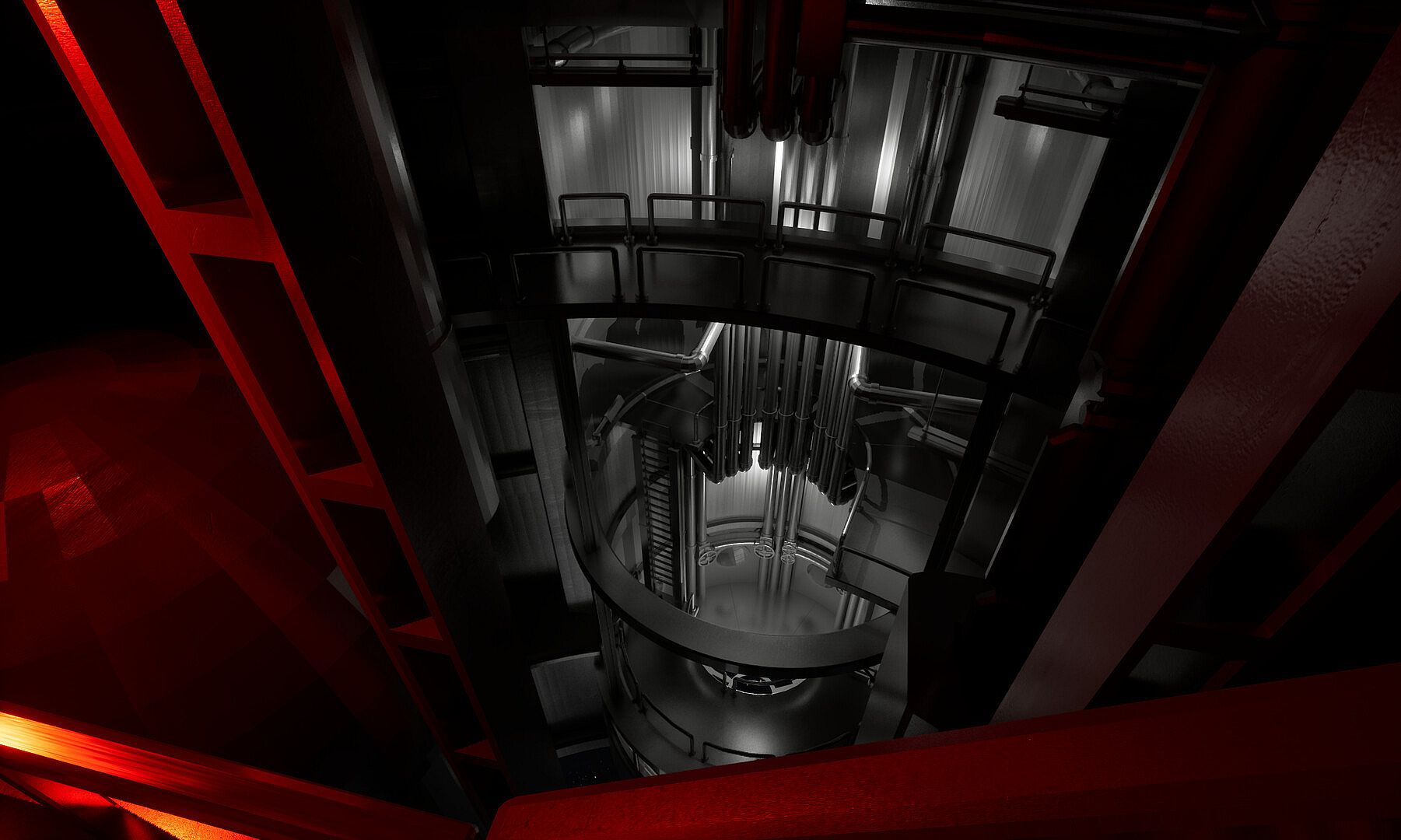
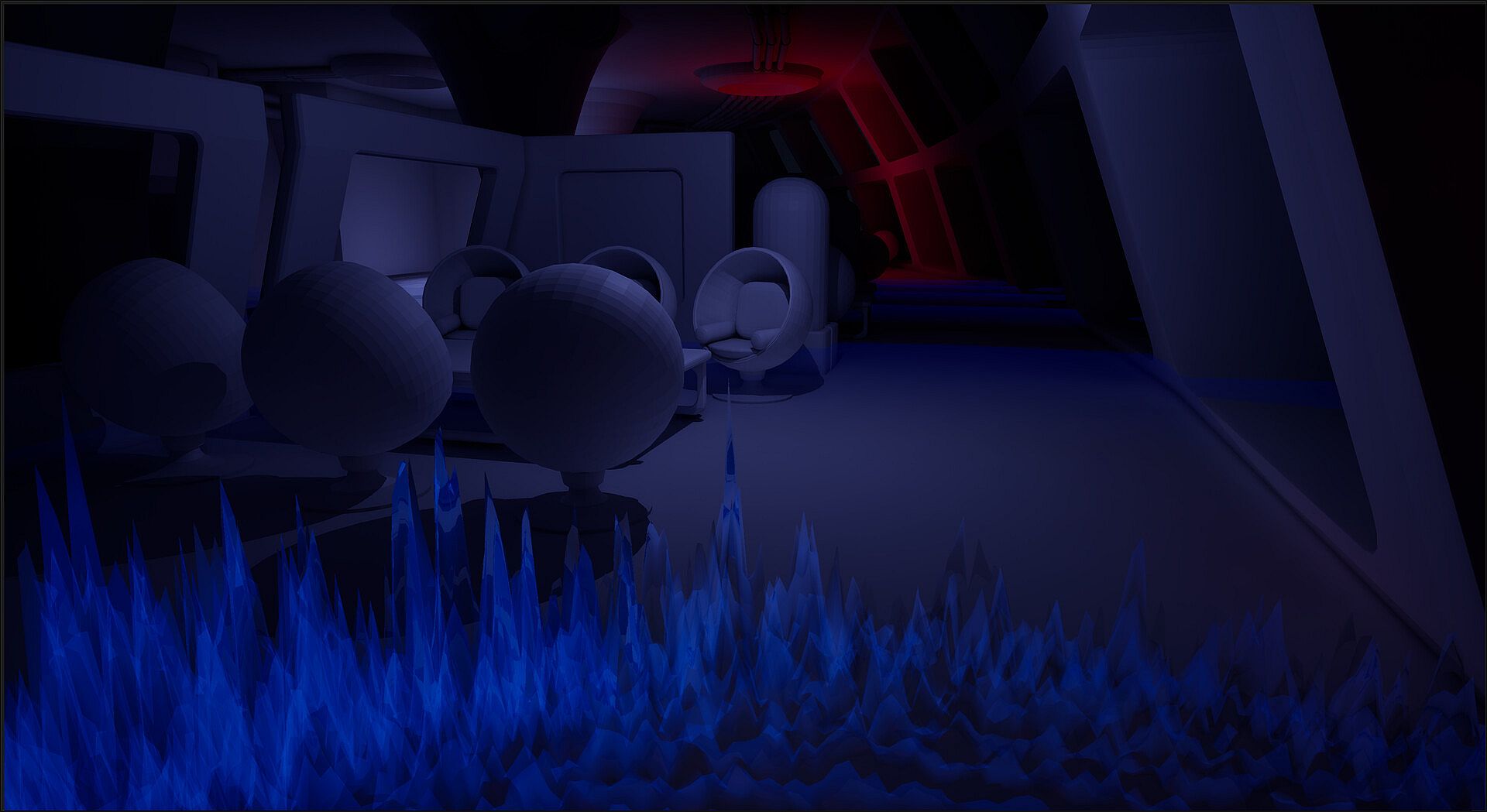
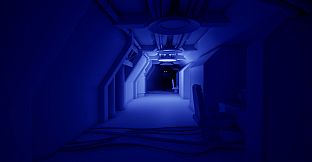
Navigation takes place through disorienting passages and blind corners on the ship, designed with retrofuturism aesthetics from the 1970s and 1980s. Cold metal surfaces and tight spaces limit opportunities for rest or regrouping. Scattered logs and entries provide narrative context about the mission to investigate a shapeshifting signal known as The Waveform, along with the fate of the missing crew and the role of the ship's superintelligence, OAI.
The experience emphasizes tension through sound design and visual cues rather than direct confrontation. Players progress upward through the ship levels while piecing together events from environmental storytelling. The title draws from action, indie, and adventure genres but prioritizes psychological horror elements, including themes of isolation and uncertainty about perception.
Game Modes
Omniscient offers a single-player experience only. There are no multiplayer options or additional modes listed. The structure consists of one continuous sequence that begins at the lowest level of the ship and concludes at the top. This focused format allows completion in a single sitting, with optional exploration of logs for deeper narrative insight.
The entity behaves unpredictably throughout, forcing repeated use of sensory mechanics to stay undetected. No separate difficulty settings, challenge variants, or alternate scenarios appear in available information. The design keeps all activity within the core loop of movement, sensory activation, and evasion.
Narrative and Setting
The story unfolds aboard a drifting research vessel far from Earth. A mission to study The Waveform, a signal originating near Neptune, has gone wrong, leaving the player to uncover what happened. Guidance comes from OAI, the onboard superintelligence, which directs progress and hints at larger implications for humanity.
Environmental details reinforce the retrofuturistic style through architecture and technology that evoke earlier eras of space exploration. The setting remains limited to the ship's interior, creating a claustrophobic atmosphere with little external reference. Logs reveal fragments of the crew's experiences and the nature of the signal that drew them outward.
Technical Aspects
The game runs on PC with Windows 10 or 11 as the supported operating systems. Minimum hardware includes an Intel Core i5-8400 or equivalent processor, 16 GB of RAM, and a GTX 1080 Ti or similar graphics card. Recommended specifications call for an Intel Core i7-9700K or Ryzen 7 3700X, along with an RTX 2060 or better. Storage requirements sit at 10 GB.
Graphics utilize software-based lumen lighting without mandatory ray tracing hardware. Audio plays a central role in conveying the entity's presence and environmental cues. The title supports English interface, full audio, and subtitles. It includes family sharing but lists profile features as limited.
Is It Worth Playing?
Omniscient suits players who prefer short, intense single-player horror sessions built around sensory mechanics and atmospheric tension. The linear structure and emphasis on evasion rather than combat appeal to those who enjoy focused narrative delivery through environmental details and logs. Availability remains limited to a future release on PC, with no current player reviews or ratings available to reference.
Those drawn to cosmic horror themes, retro-inspired ship interiors, and the challenge of tracking an adaptive pursuer may find the described systems engaging. The absence of additional modes or ongoing updates keeps the experience self-contained. Prospective players should monitor the official Steam page for the eventual launch date and any post-release patches that might expand on the core systems.











