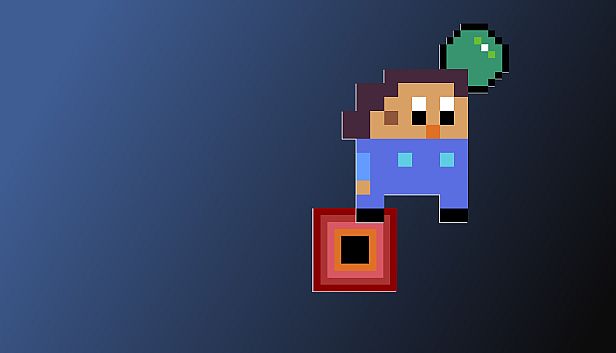



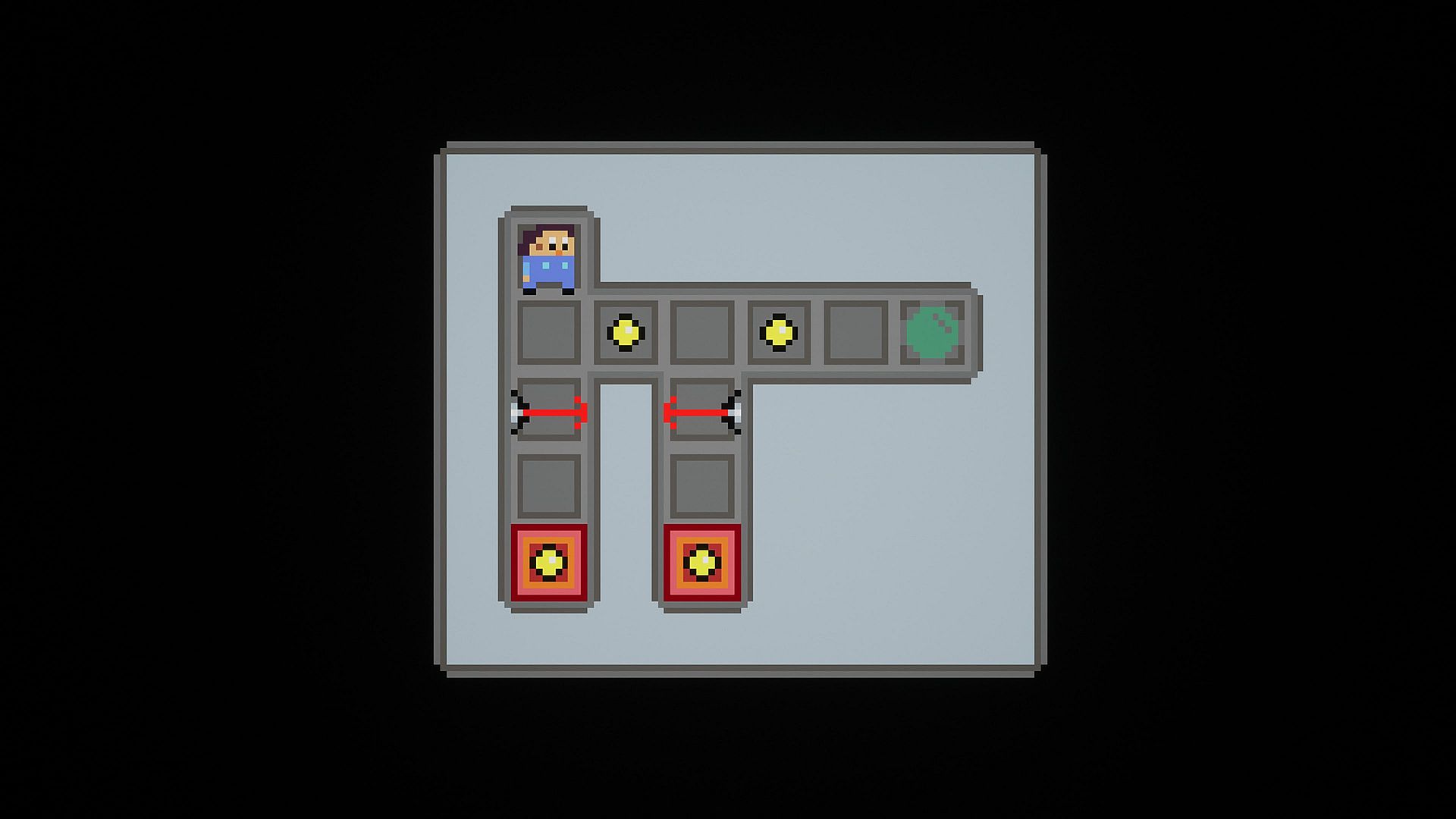
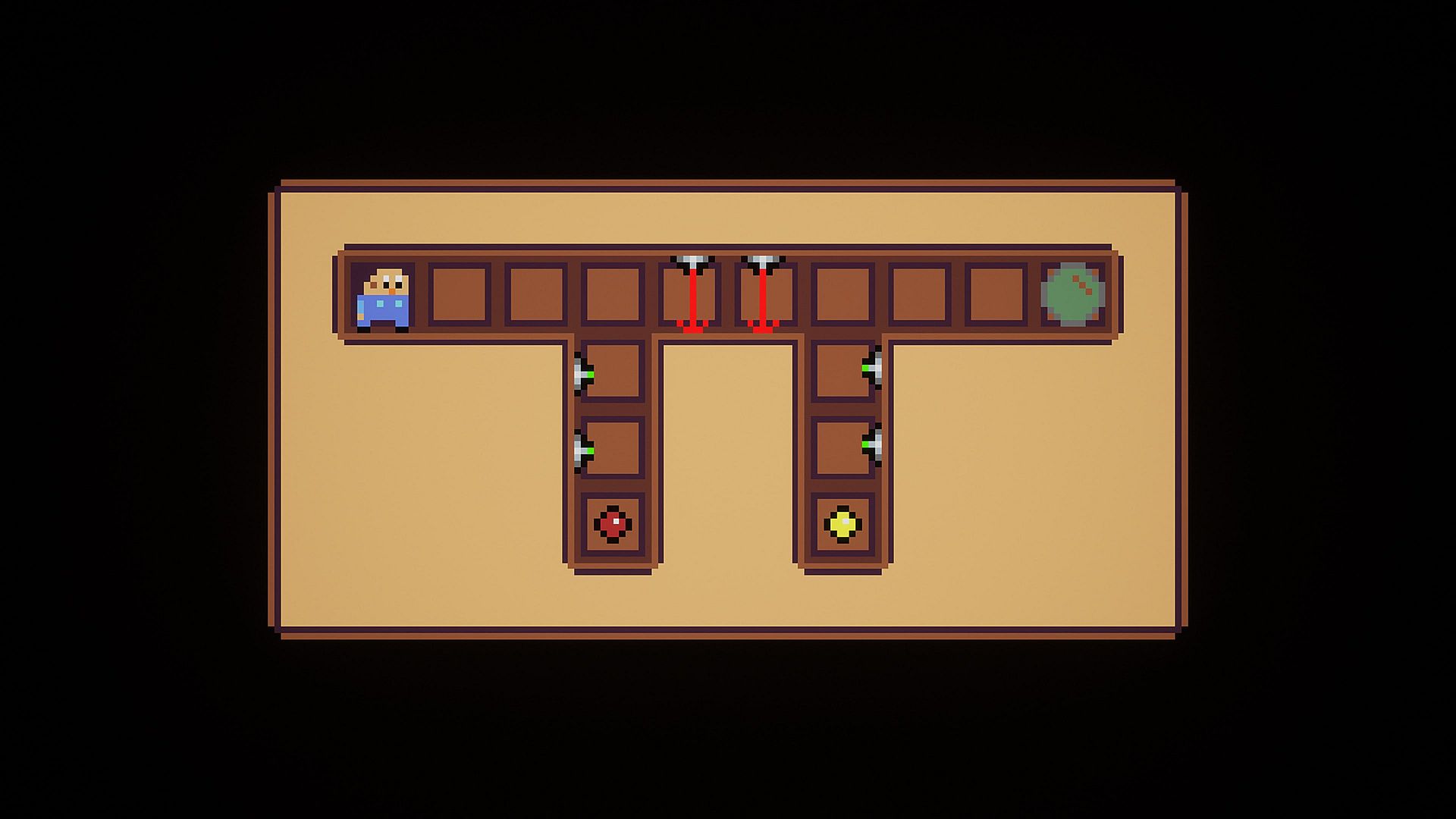
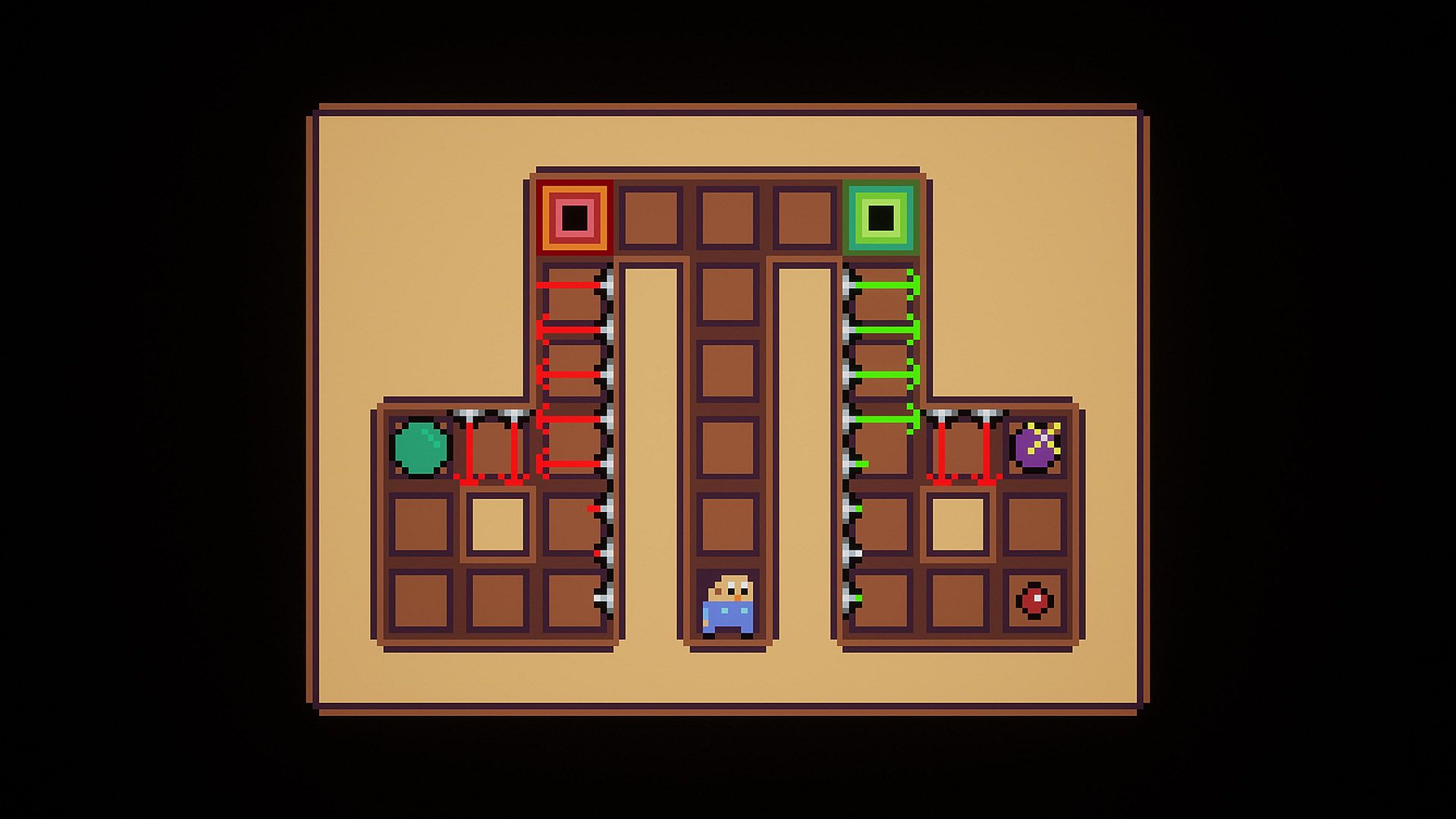
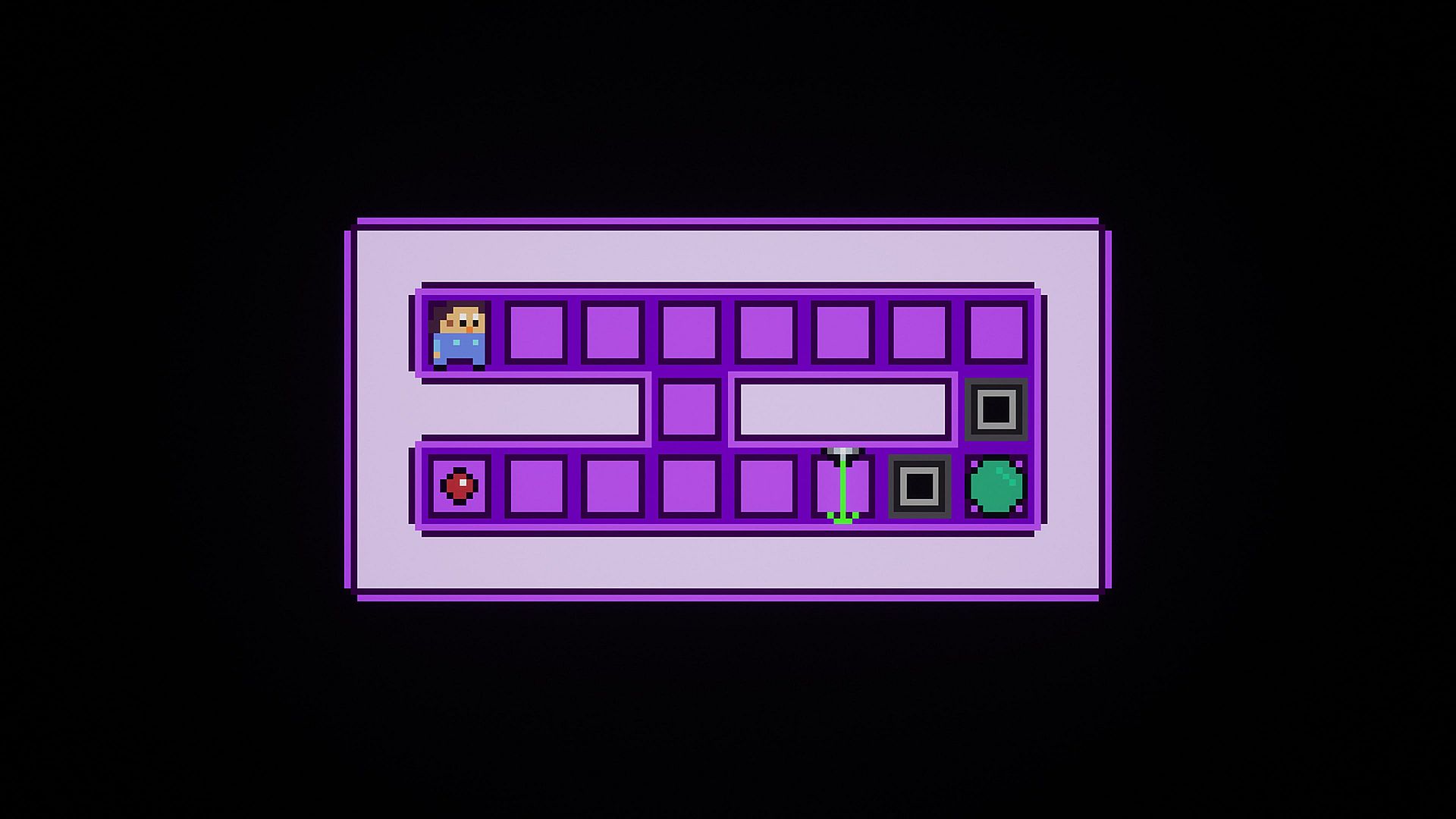
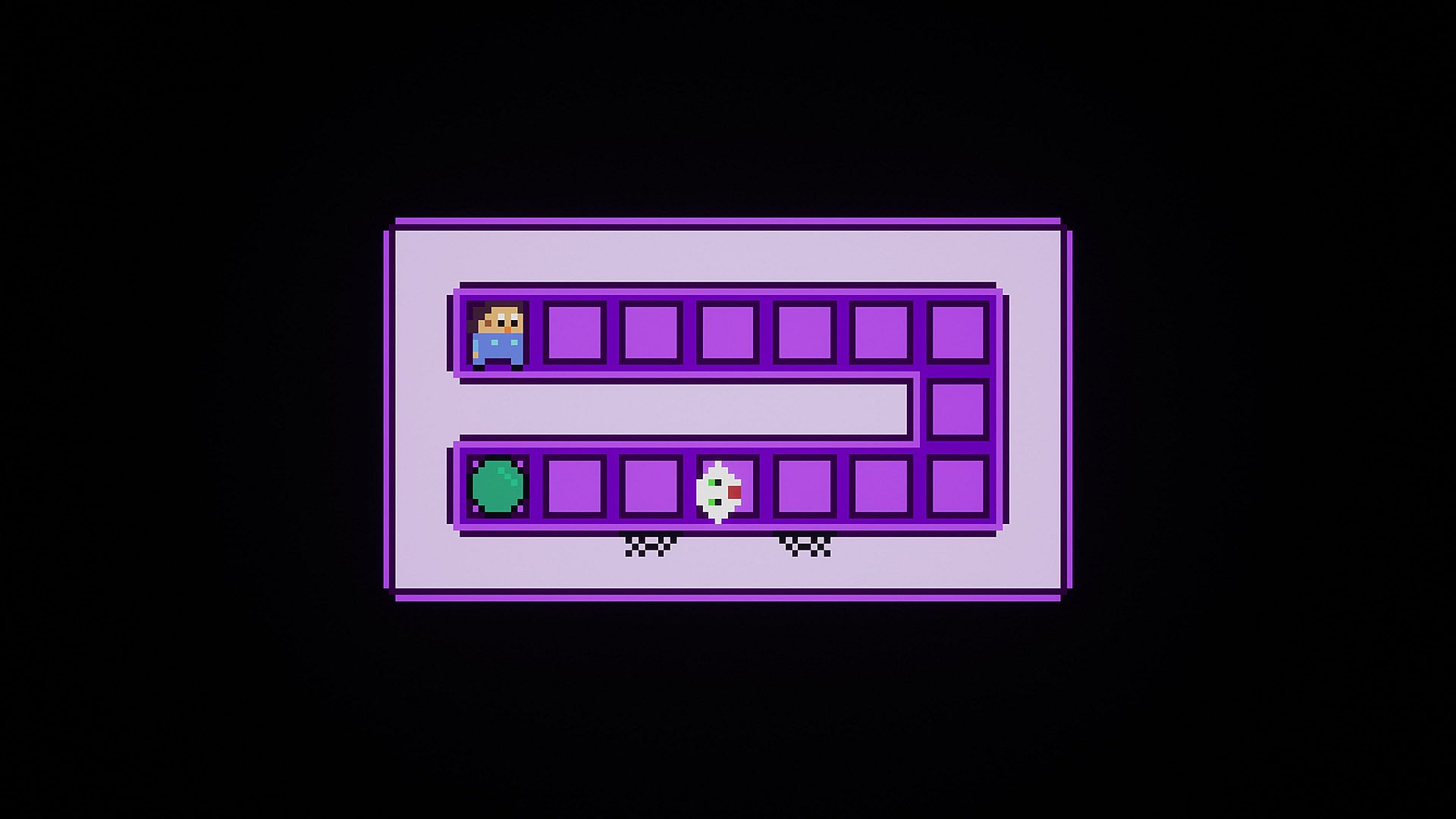
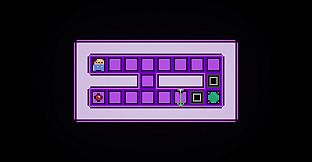
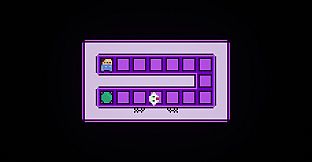
OMG! - Overhead Micro Game is a compact puzzle-action title built around single-screen challenges and precise three-tile dashes. Players control a small character on a 12 by 12 pixel grid, aiming to reach the exit orb in each hand-crafted level while avoiding instant-death hazards. The core loop emphasizes quick planning, repeated attempts, and mastery of movement rules rather than complex progression systems.
Gameplay
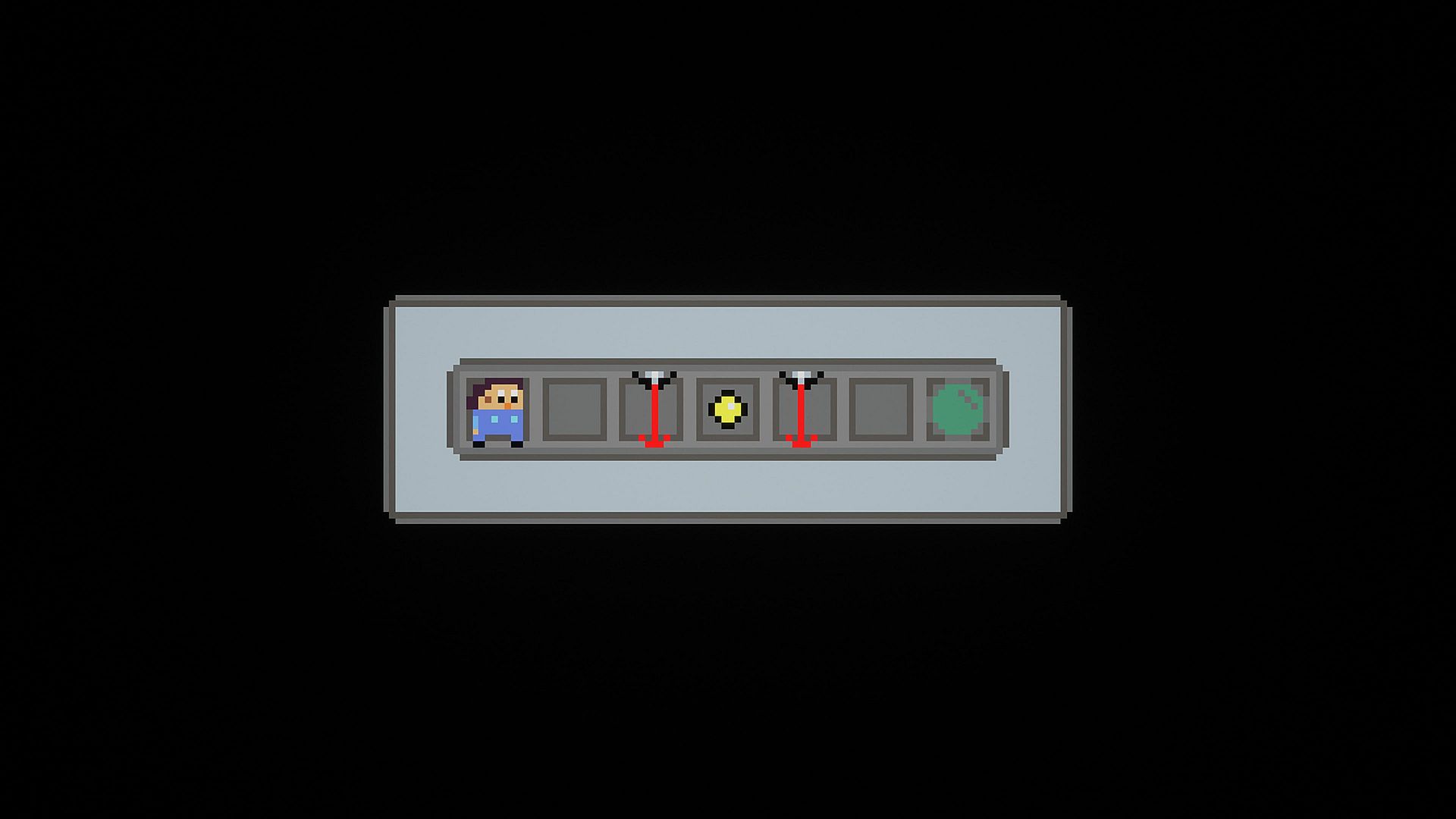
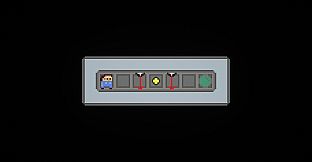
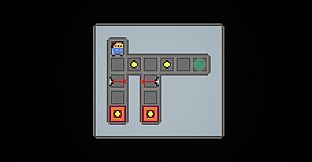
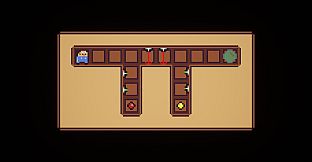
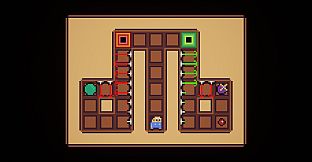
Every stage fits on one screen and requires reaching the exit orb without touching lasers, pits, teleporters, or the moving creature named Leslie. Movement works in fixed three-tile dashes across four directions, allowing the character to fly over intervening tiles but demanding exact landing spots. Lasers toggle on schedules or via switches, pits can sometimes be cleared in a single dash, and teleporters relocate the player unpredictably. Leslie follows predictable patrol patterns that must be learned to avoid contact. Instant restarts remove any penalty for failure, letting players iterate rapidly until a route succeeds. Three hidden purple orbs appear across the three phases; collecting all of them unlocks a second ending after the final boss encounter. The original chiptune soundtrack uses authentic 8-bit hardware emulation and supports external playback.
Game Modes
The game operates entirely in single-player format with no multiplayer components. Players progress through more than fifty levels divided into three phases, each presenting escalating hazard combinations. A speedrun approach is supported through personal best tracking on individual stages, though the primary focus remains solving each puzzle at a deliberate pace. A post-boss chamber provides access to the alternate ending once the purple orbs are secured. No additional modes such as endless play or competitive variants exist.
Level Design and Progression
Levels are grouped into three distinct phases that introduce new mechanics gradually. Early stages teach basic dashing and laser timing, while later ones combine multiple hazards with precise positioning requirements. The final boss serves as a capstone challenge that tests accumulated knowledge of all prior elements. Hidden collectibles encourage thorough exploration without gating main progress. A skip option becomes available after repeated failures on a single stage, though the true ending still demands full completion of the orb collection.
Is It Worth Playing?
This title suits players who enjoy short, repeatable puzzle challenges with tight controls and instant feedback. The absence of lives or lengthy loading screens keeps sessions focused on improvement rather than frustration management. Nostalgic pixel presentation and original chiptune audio add consistent atmosphere without modern embellishments. With over fifty levels, a boss encounter, and two endings, the experience delivers a complete package in a compact format. Early availability on multiple platforms and a recent patch addressing minor progression issues indicate ongoing attention from the developer. Those seeking deliberate, skill-based single-player action without filler content will find the structure rewarding.