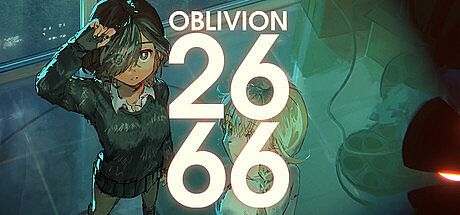



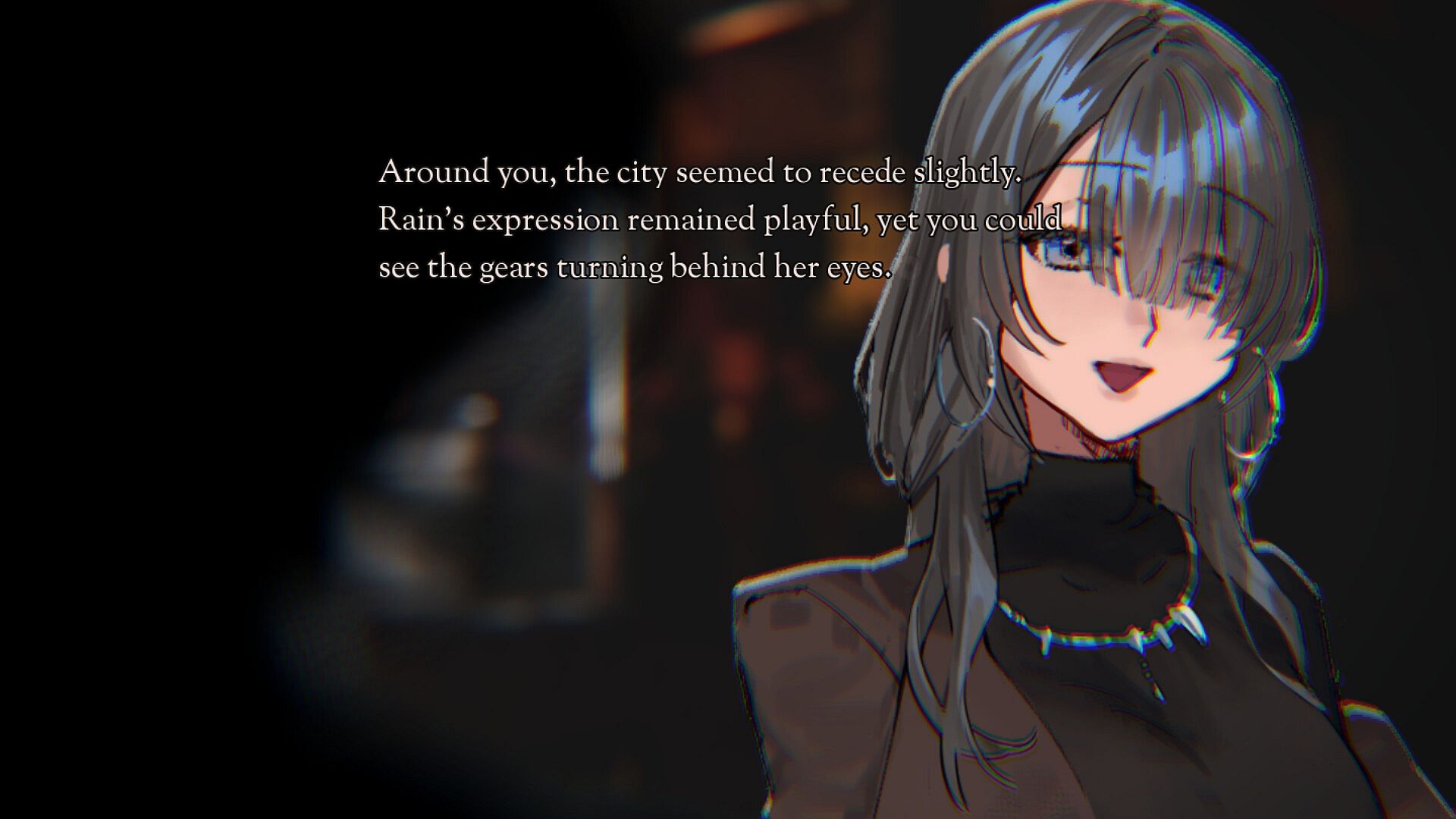
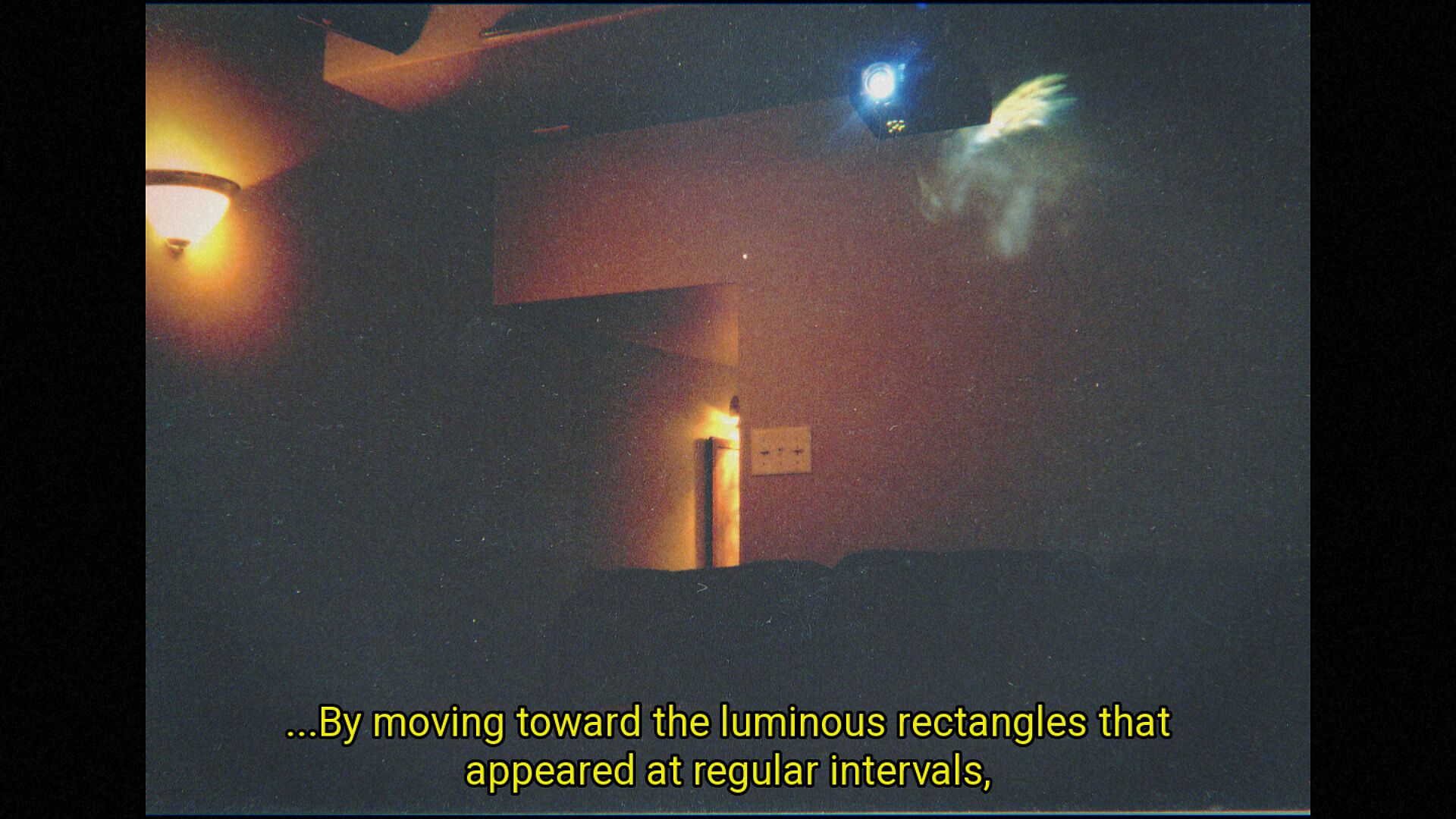

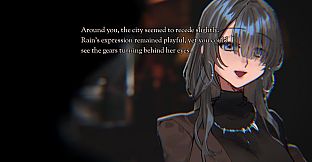
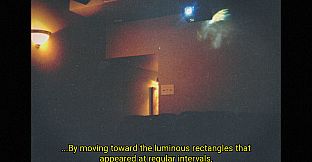
Oblivion 2666 is a free-to-play indie visual novel available on PC that blends literary prose with an experimental approach to visual presentation. The experience centers on scenes involving a young woman and the city she inhabits, using composited illustrations, parallax effects, and elements drawn from film and early digital photography to create shifting, textured sequences. Players progress through recorded memories of an urban environment caught between remembrance and erasure, encountering themes of estrangement, belonging, bureaucratic satire, social decay, and the collapse of anticipated futures.
Gameplay
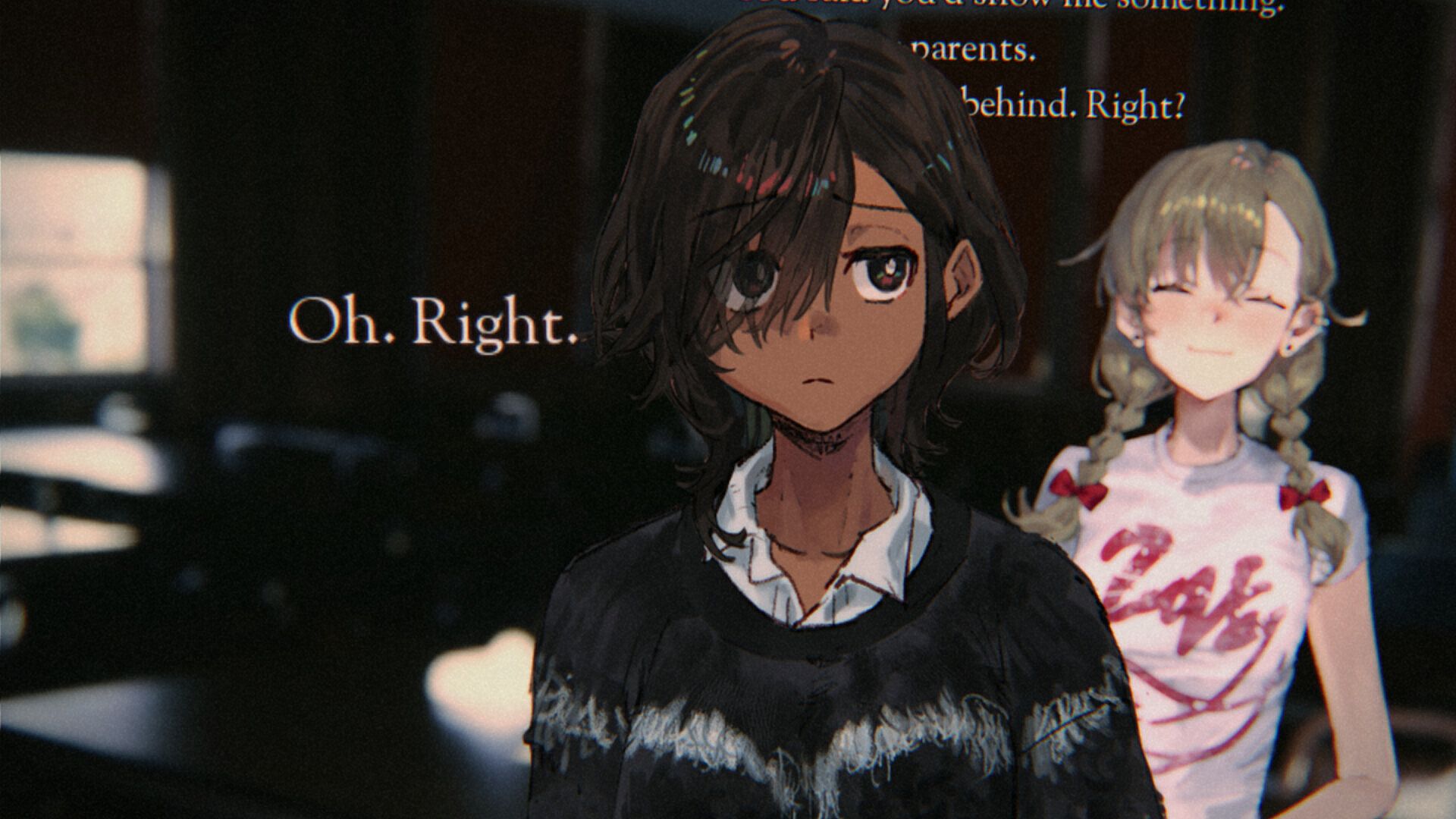
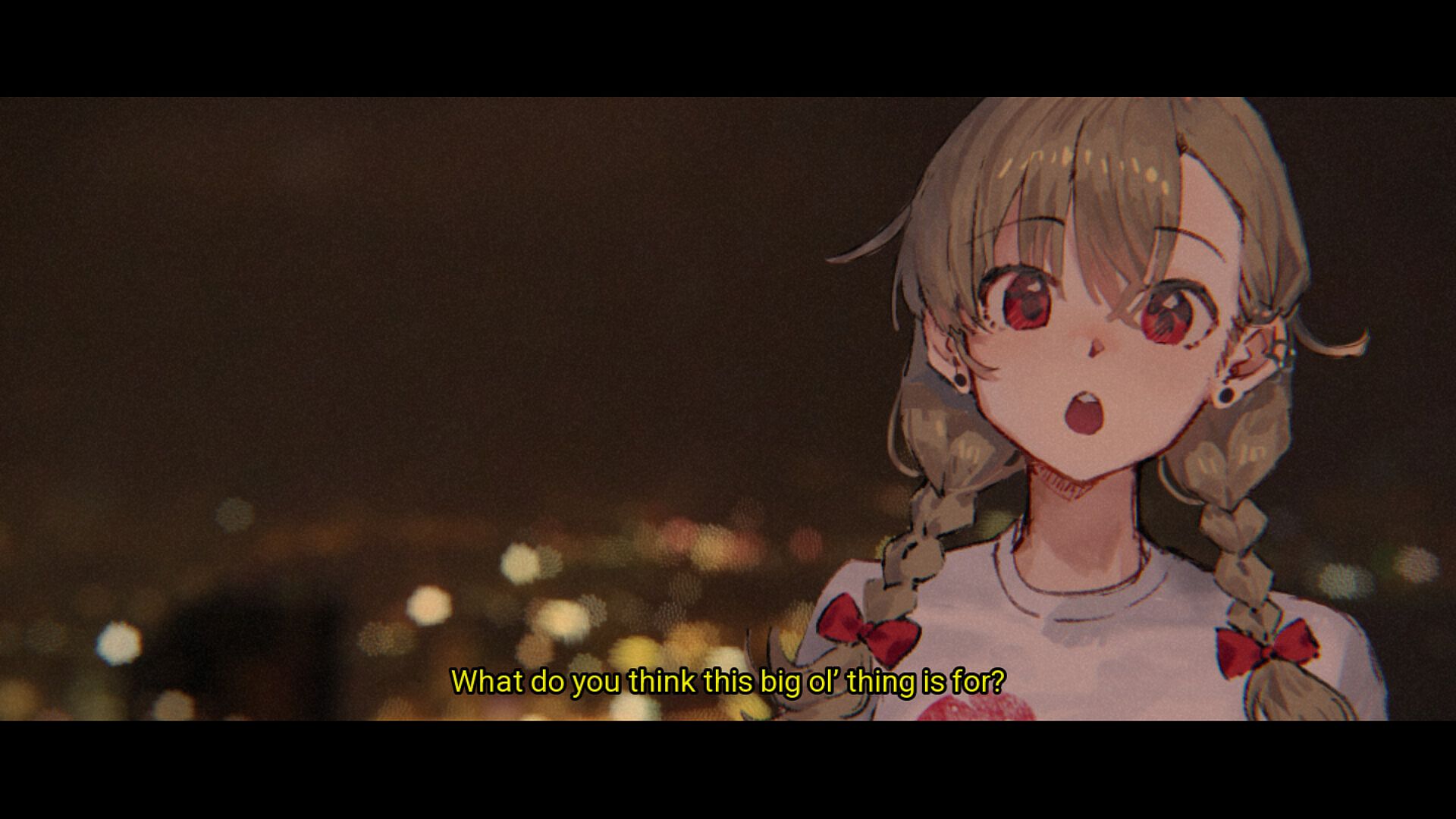
The core loop involves reading intricate narrative passages while the visuals adapt dynamically to match the tone and perspective of each scene. Cinematographic techniques guide the framing, with illustrations layered against photographic backgrounds that shift in depth and opacity. This creates a sense of movement and documentation, as if viewing footage recovered from an incomplete archive. The interface incorporates camera-inspired elements, including menu designs that evoke digital recording devices, and text positioning that changes to reflect shifts in focus or medium. Progress occurs through sequential scenes, with absences and incomplete segments preserved as part of the source material rather than errors. Content includes brief depictions of gore and violence alongside explorations of hardship, poverty, and discrimination, requiring viewer discretion.
Game Modes
Oblivion 2666 presents a single-player narrative experience without separate game modes or branching multiplayer elements. The structure follows a linear visual novella format that emphasizes sequential scene presentation and literary delivery over choice-driven divergence or competitive systems. All progression remains tied to the central story thread involving the young woman and her relationship to the surrounding city, delivered through the same filmic and illustrative techniques throughout.
Story and Themes
The narrative unfolds as a series of documented scenes centered on one individual and the urban space that has observed her life. A framing device presents the material as compiled footage intended only for eligible viewers, complete with reminders about psychological effects and instructions to maintain distance from the screen. The city itself functions as a central presence, depicted through decaying infrastructure, abandoned stations, offices, and layered histories that blend the mundane with subtle supernatural undercurrents. Themes emerge through observations of architecture, social interactions, and personal estrangement, highlighting contrasts between insiders and outsiders as well as the erosion of shared futures.
Current State and Availability
A demo covering the opening act is accessible now, showcasing the full range of visual and textual techniques planned for the complete release scheduled for 2026. The full version expands on the established presentation style and continues the documented memory sequences without introducing new mechanical layers. System requirements support Windows, macOS, and Linux installations, with the experience optimized for standard PC displays to preserve the intended parallax and compositing effects.
Is It Worth Playing?
Players drawn to experimental visual novels that prioritize atmospheric presentation and dense literary writing will find the approach distinctive. The demo has drawn attention for its technical execution within the Ren'Py engine and its cohesive fusion of film language with narrative delivery. Those seeking traditional action mechanics, multiple endings, or expansive open systems may find the focused single-thread structure limiting. The free-to-play indie format on PC lowers the barrier to sampling the opening content, allowing direct assessment of whether the themes of urban decay, personal disconnection, and archival unease align with individual preferences before the full release. The experience suits readers comfortable with mature subject matter and unconventional pacing that treats absences in the record as intentional features.