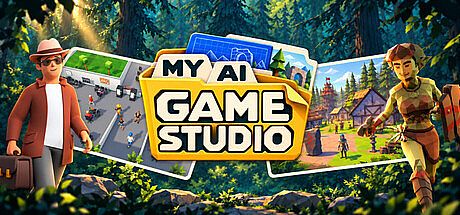


My AI Game Studio is a management simulation that places players in charge of a small team building a fantasy role-playing game on PC. The experience blends studio oversight with direct interaction in the resulting title, where every decision influences both the development process and the final product.
Gameplay
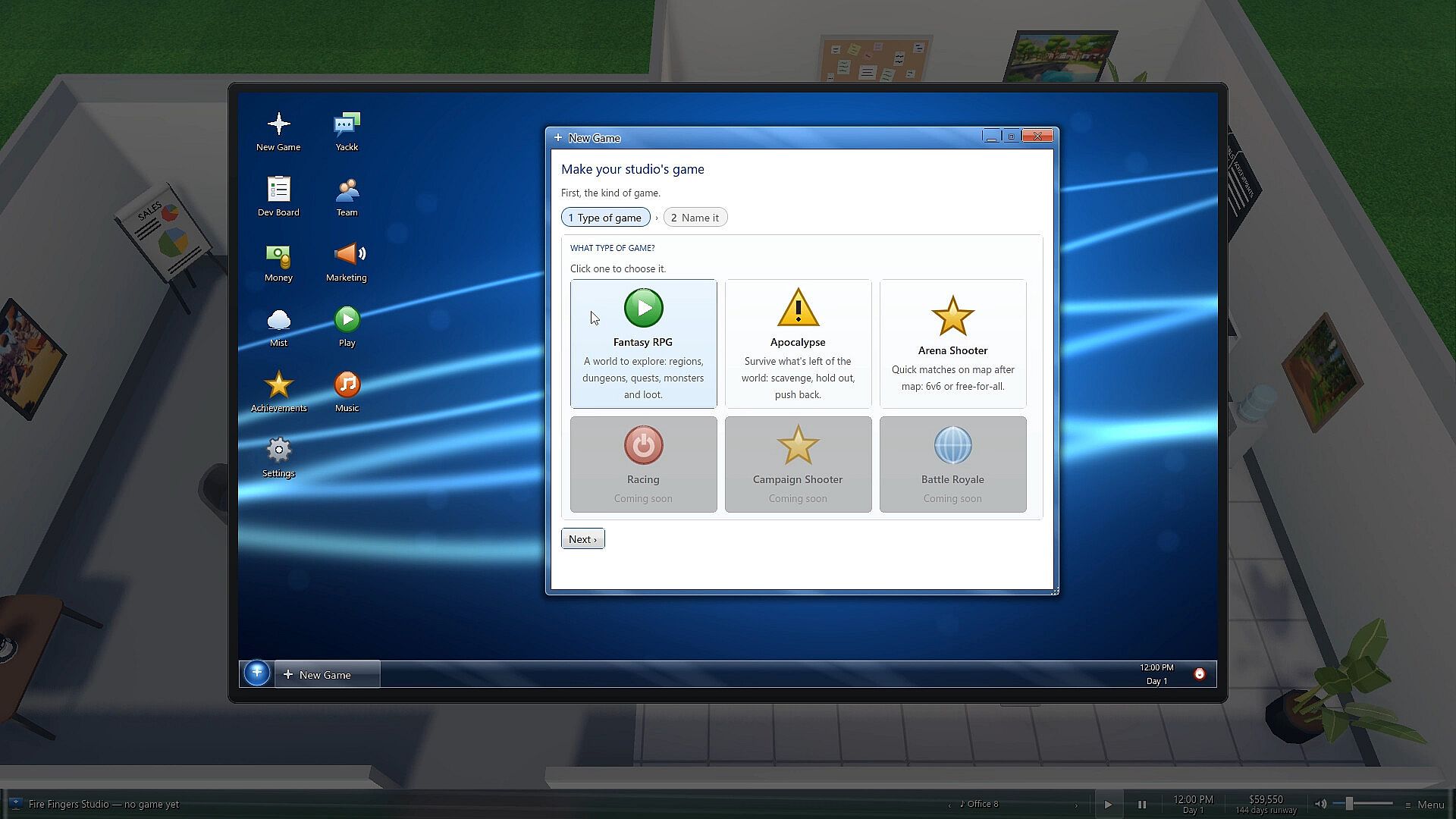
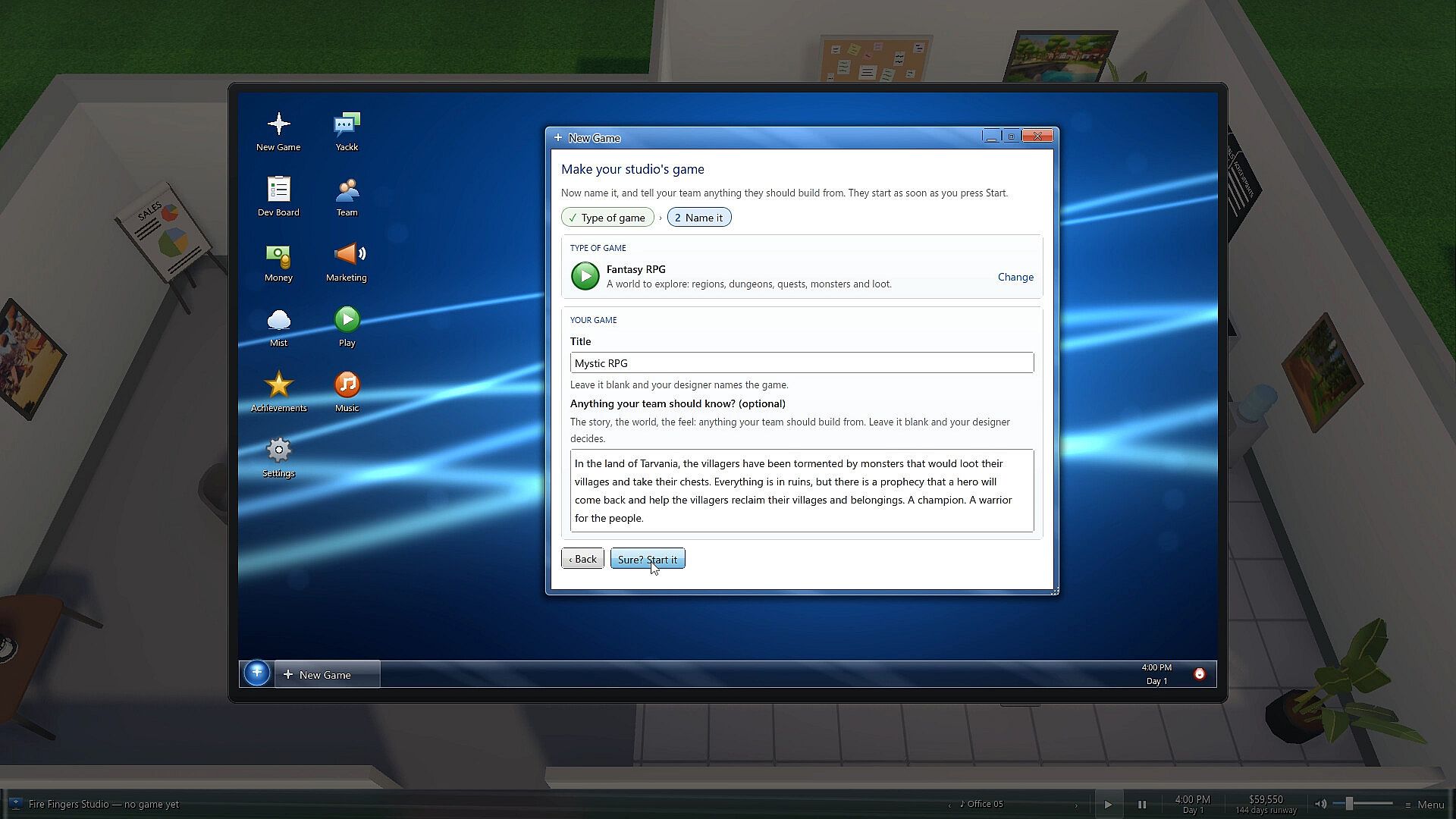
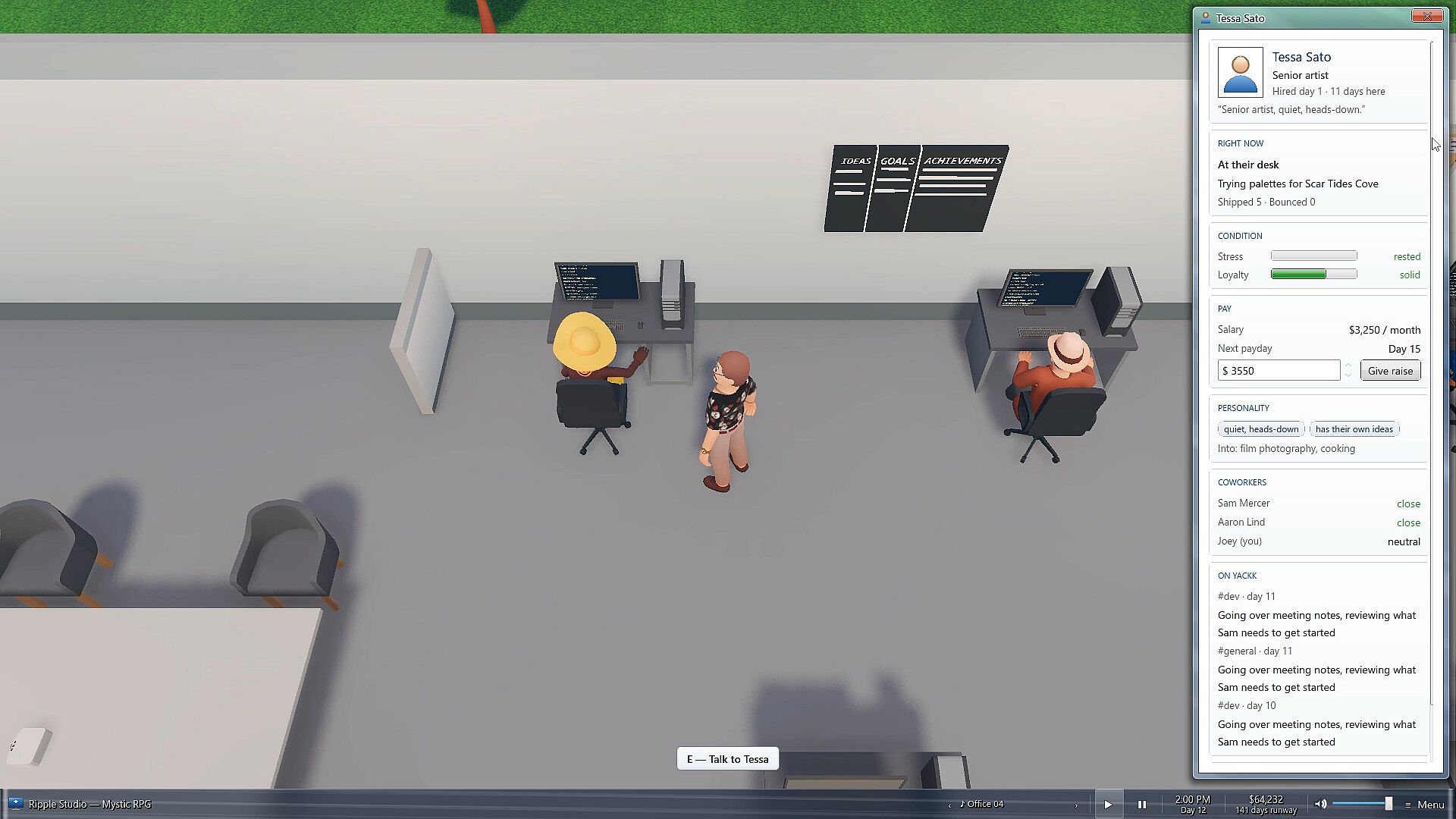
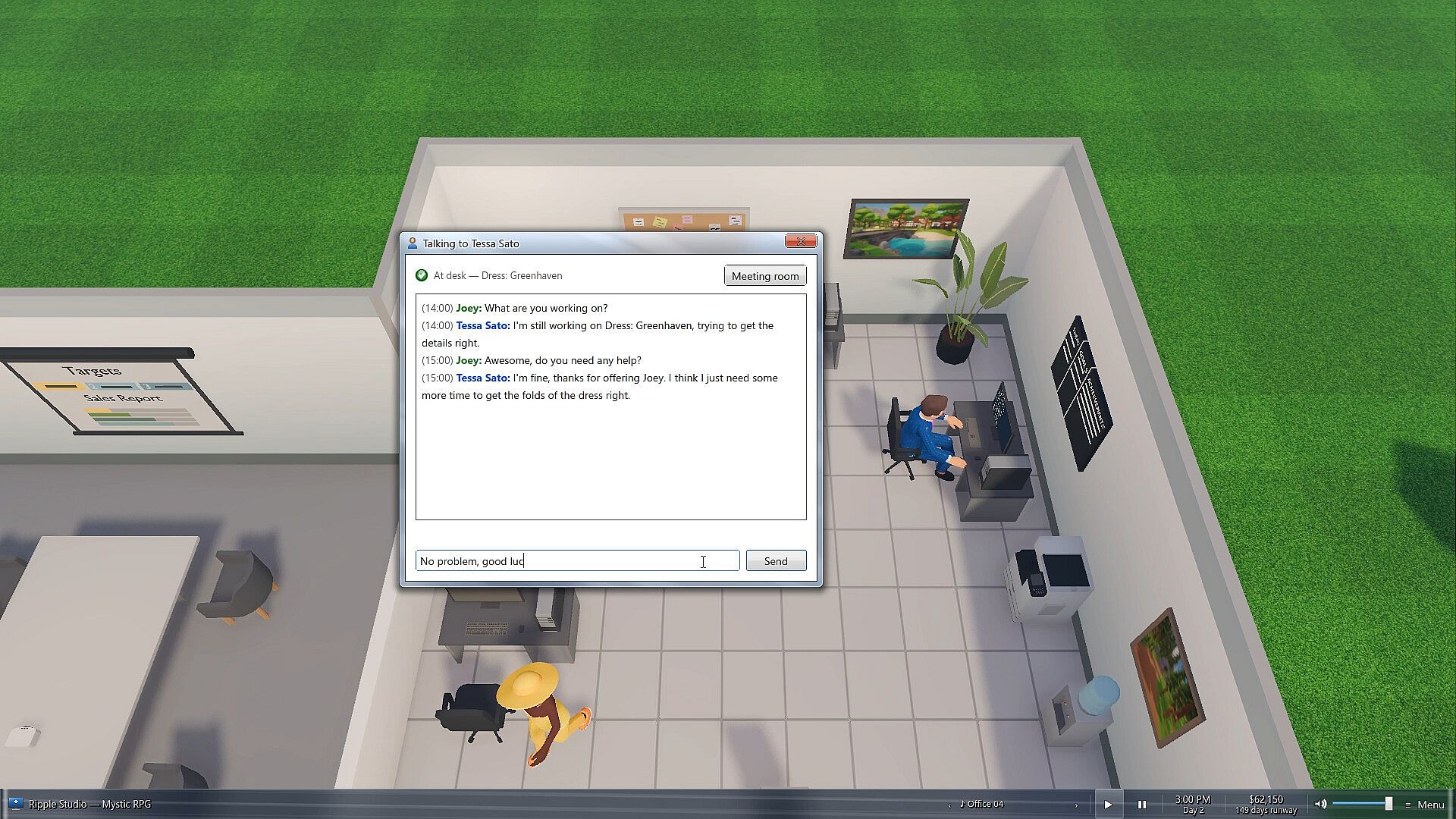
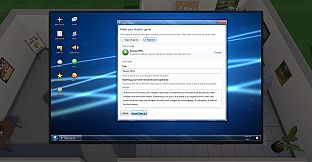
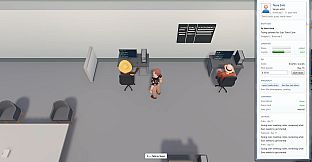
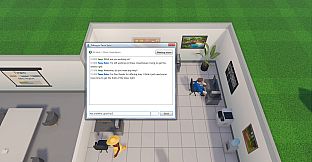
Players oversee AI-driven programmers, artists, and designers who handle the creation of a top-down pixel fantasy RPG. Control ranges from active involvement through meetings, one-on-one conversations, and specific directions to a more observational approach that lets the team operate independently. Each employee operates with distinct personality traits, skills, and responsibilities that determine their dialogue, responses to studio changes, and contributions to features such as quests, items, dungeons, enemies, weapons, bosses, NPCs, and the overall world.
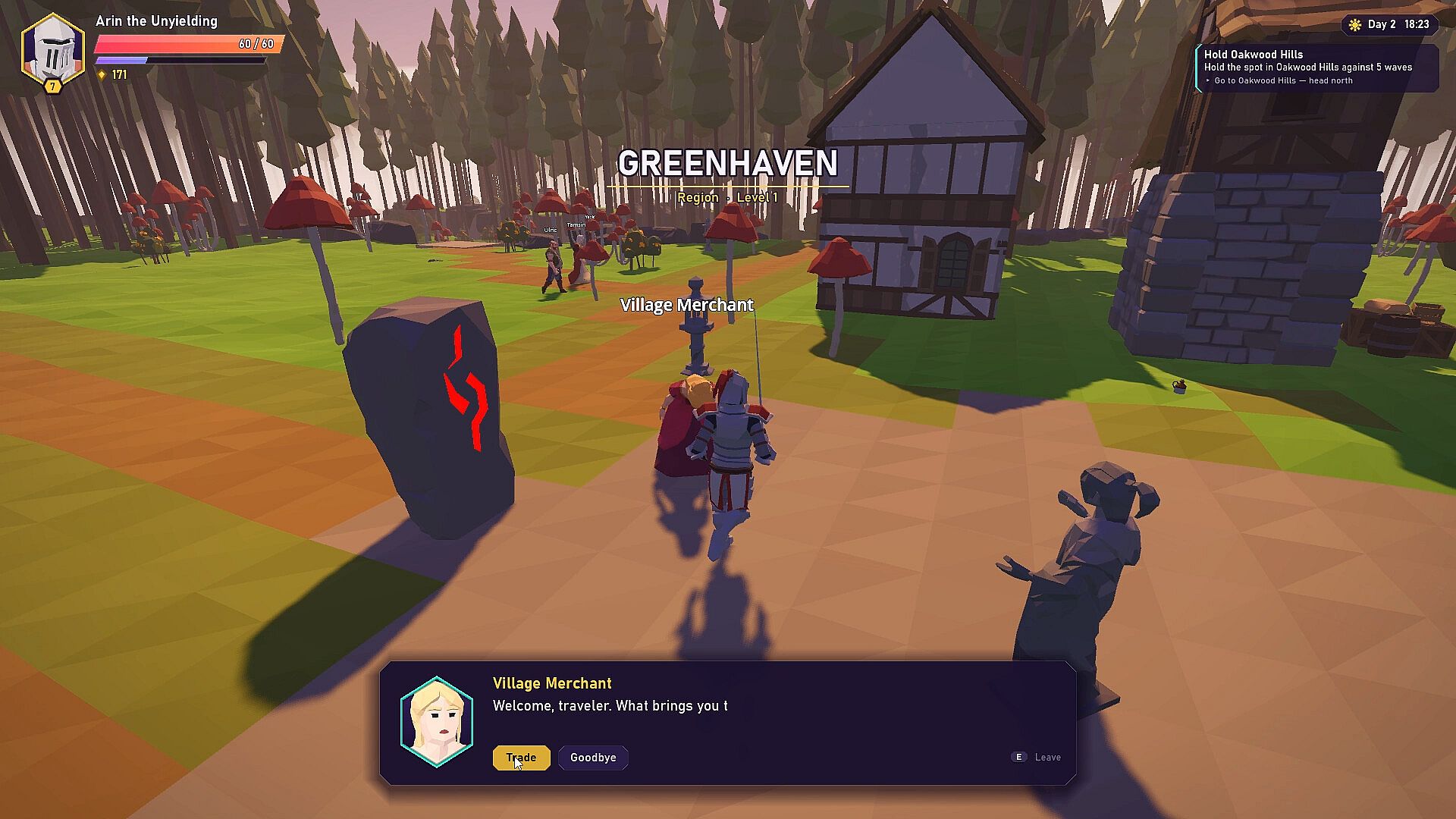
Hiring decisions, morale management, and financial obligations form the core loop. Revenue from game sales and updates must cover ongoing costs, or the studio risks losing staff. The built RPG remains fully playable at any stage, allowing players to test content, submit bug reports, request additions, and observe how team choices shape progression. Changes occur dynamically as the project evolves, with no static elements across bugs, marketing performance, or studio expansion.
All AI processing runs locally through Ollama on the user's machine. No external servers receive data, and no subscriptions are required. Employee conversations generate in real time while staying within character and topic guidelines that limit inappropriate output, though occasional unexpected remarks can still occur.
Game Modes
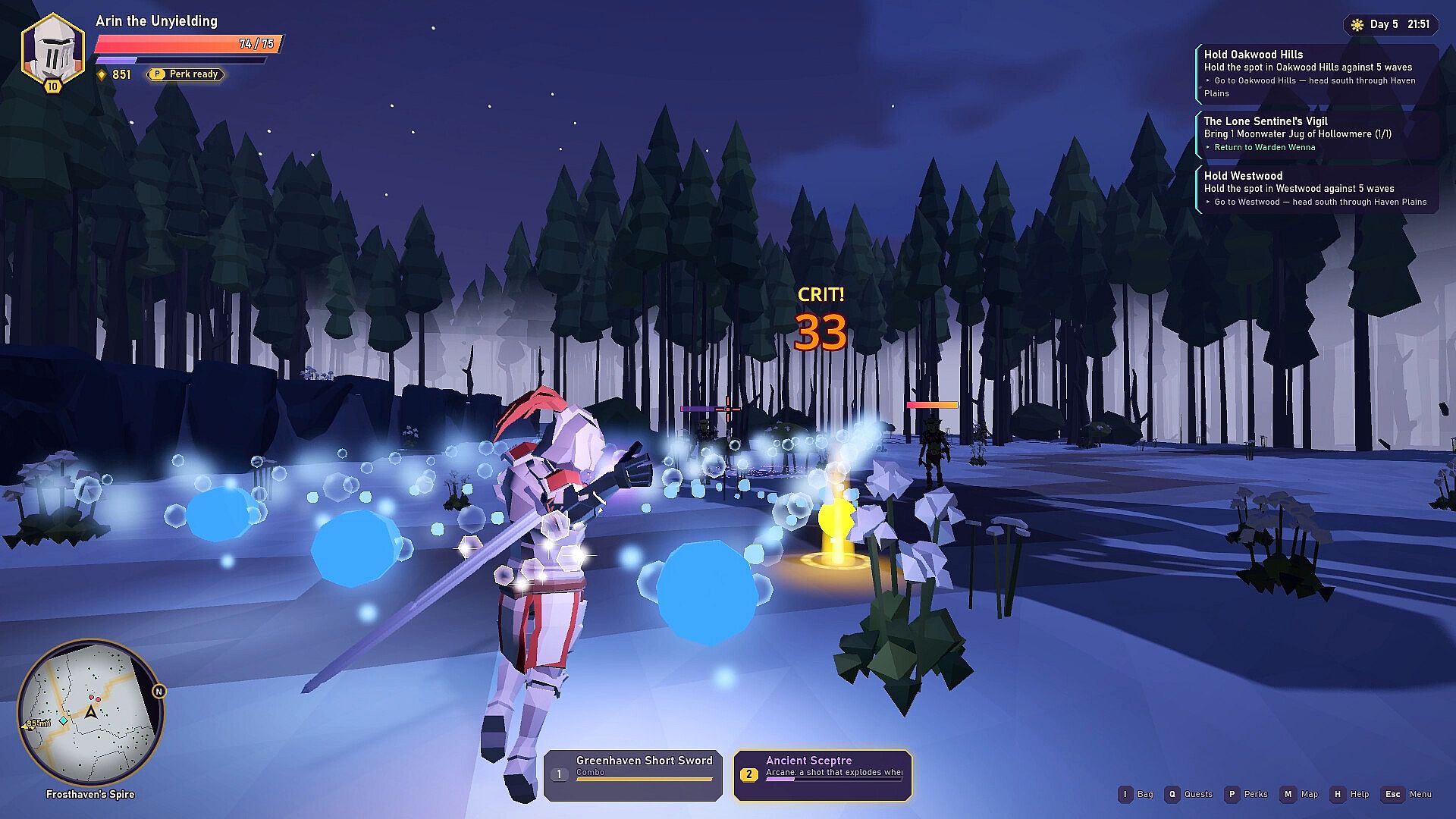
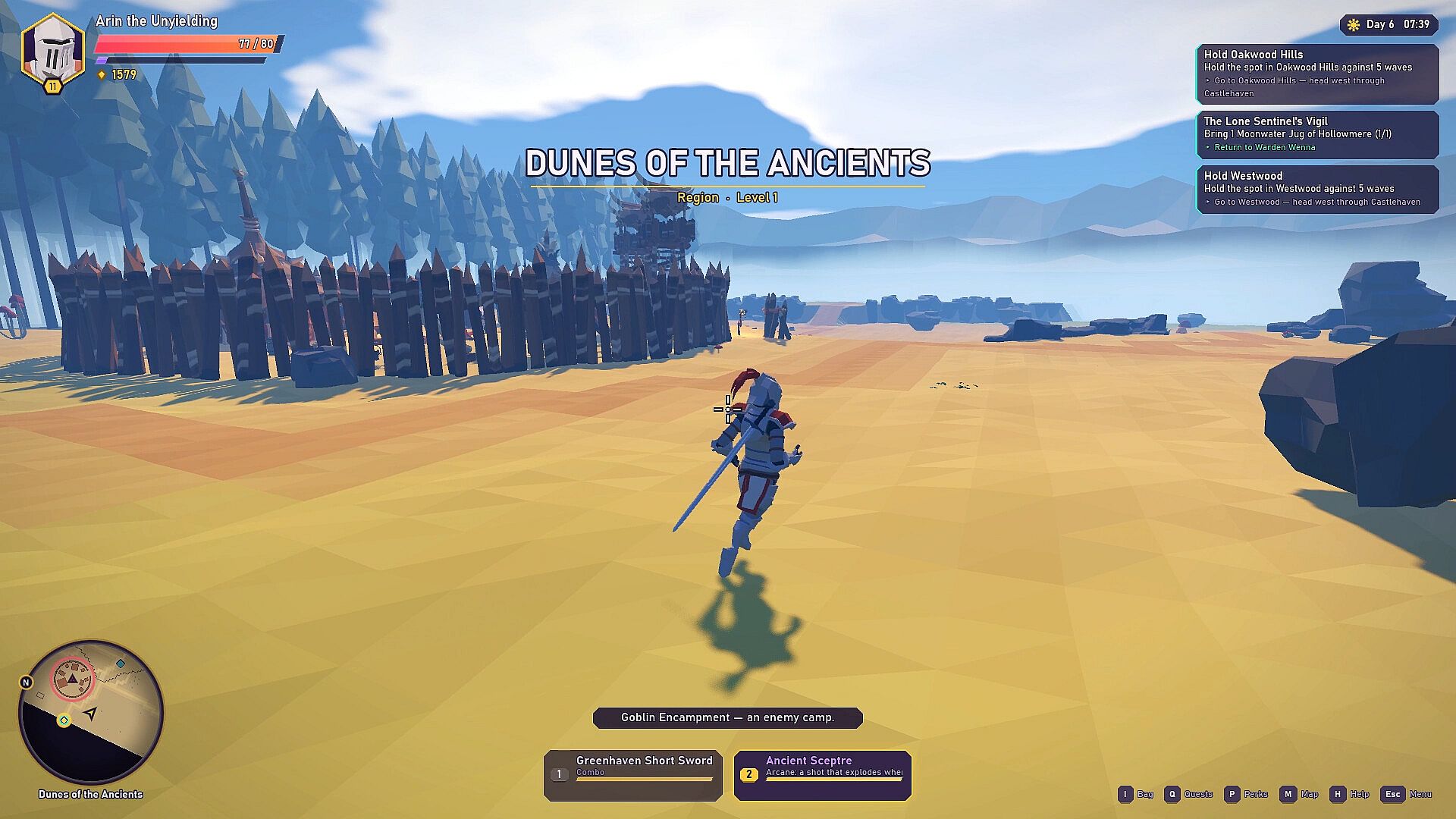
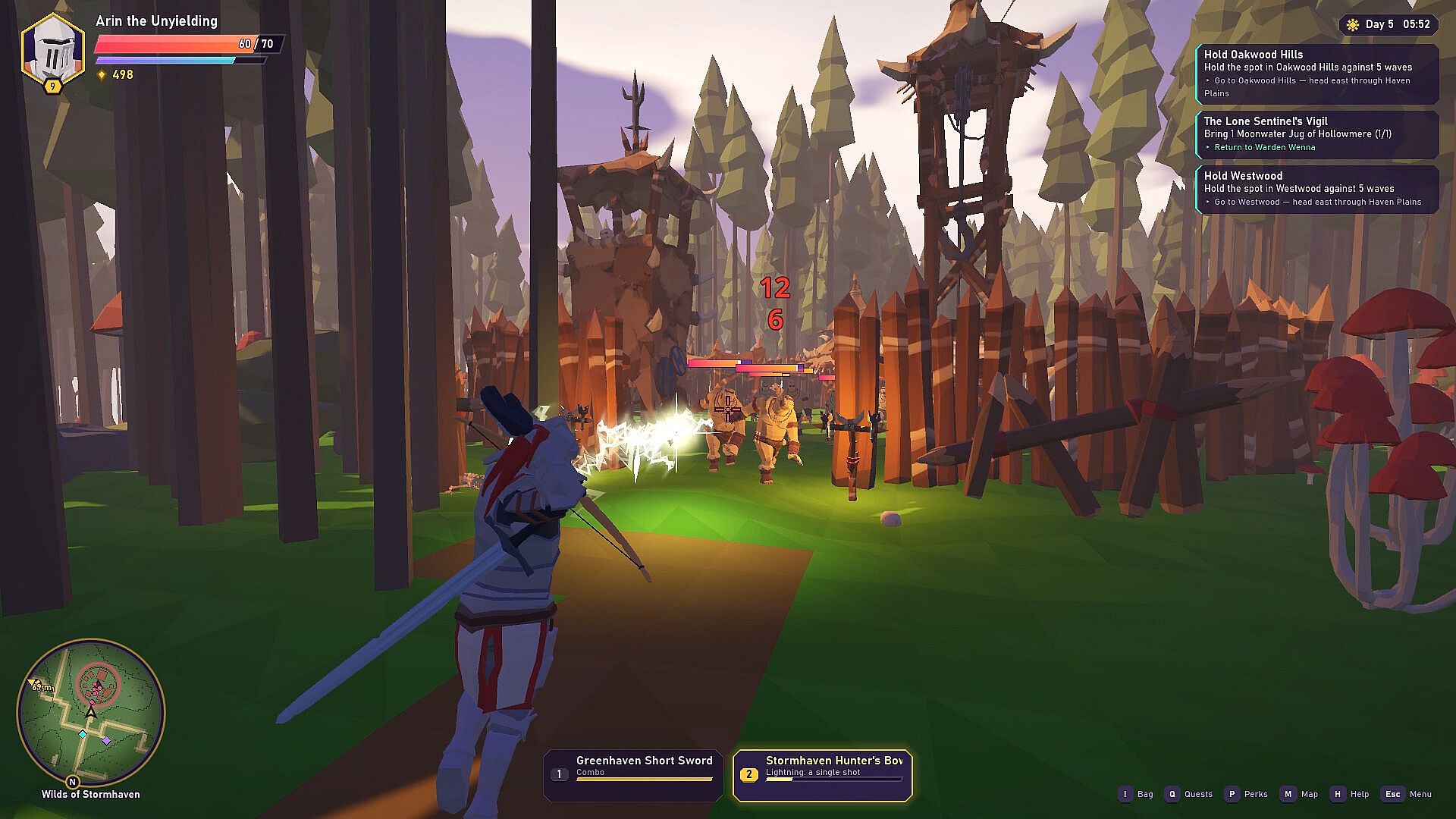
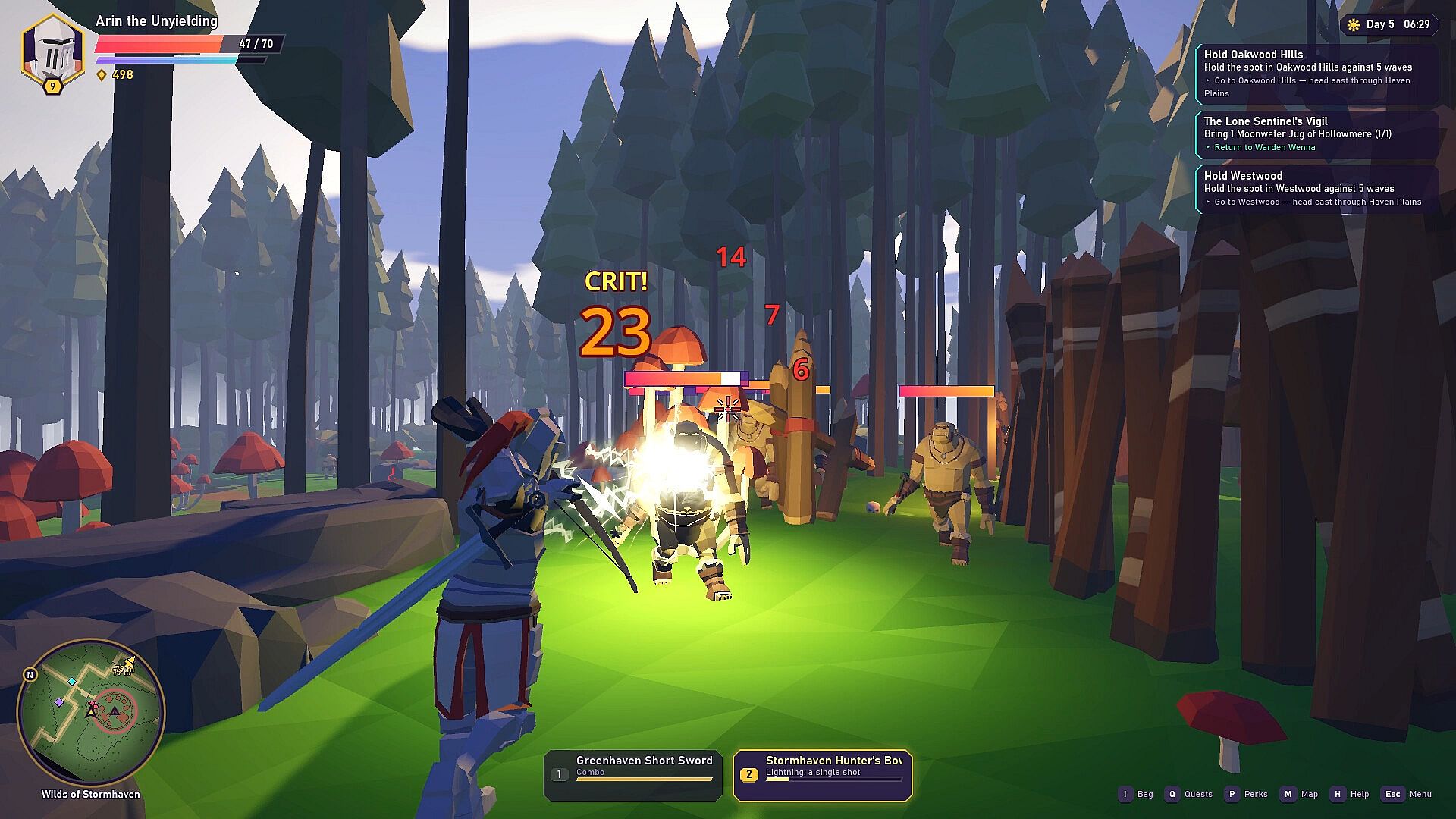
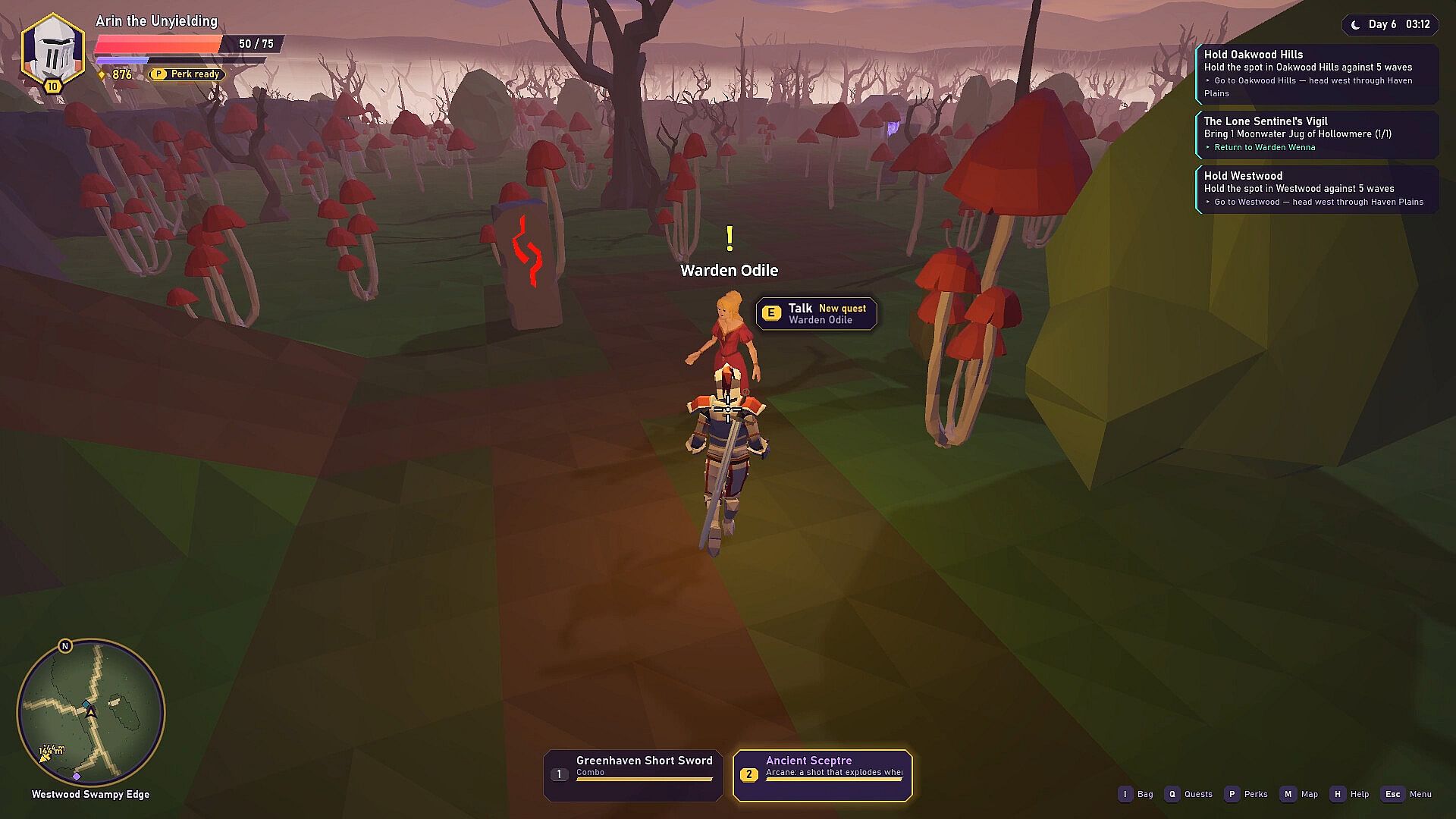
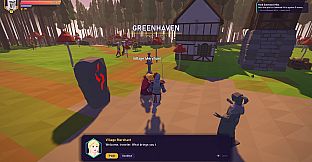
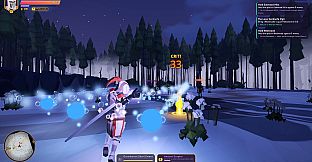
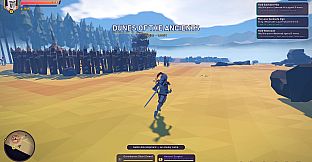
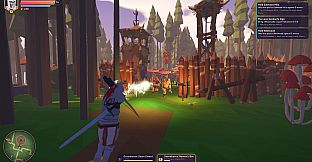
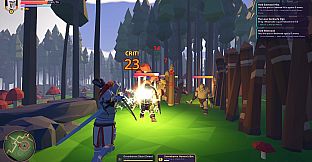
The primary focus centers on studio management, where players direct the team toward completing and updating the fantasy RPG. A secondary layer involves entering and playing the game that the team produces, complete with explorable quests, combat encounters, and loot systems that reflect collective decisions. The title grows through shipped updates, giving players repeated opportunities to return and experience new content generated by the same AI employees.
Progression ties directly to team performance and player oversight. Successful hires and positive morale lead to stronger features and better reception, while neglect can stall development or reduce quality. The system emphasizes ongoing adaptation rather than fixed objectives, with the playable RPG serving as both a testing ground and a reward for effective management.
Key Mechanics
Employee interactions drive much of the depth. Personalities influence how staff react to feedback, deadlines, or resource shifts, creating varied outcomes across play sessions. Financial tracking requires balancing team salaries against income from the released game, adding a layer of resource management to creative direction.
The evolving nature of the project means that marketing results, bug states, and feature sets shift based on team actions. Players can intervene at any point to steer development or simply monitor progress, supporting different preferred levels of involvement.
Is It Worth Playing?
This title suits players interested in simulation and management experiences combined with light adventure elements through the embedded RPG. Those who enjoy overseeing AI characters with individual traits and watching a project develop organically will find the hands-on and observational options appealing. The local AI setup ensures privacy and removes recurring costs, though the generated dialogue can introduce variability.
Current player reception shows mixed results, with roughly 63 percent positive feedback from available reviews. The game remains in active development, with a demo planned for the near future. Individuals who value procedural team dynamics and iterative game building over polished linear narratives may appreciate the current state, while those seeking highly structured single-player campaigns might prefer waiting for further updates.