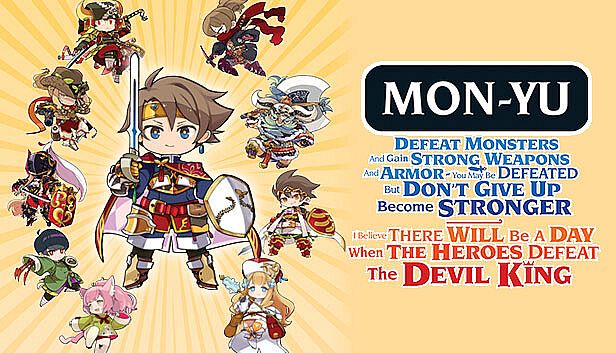



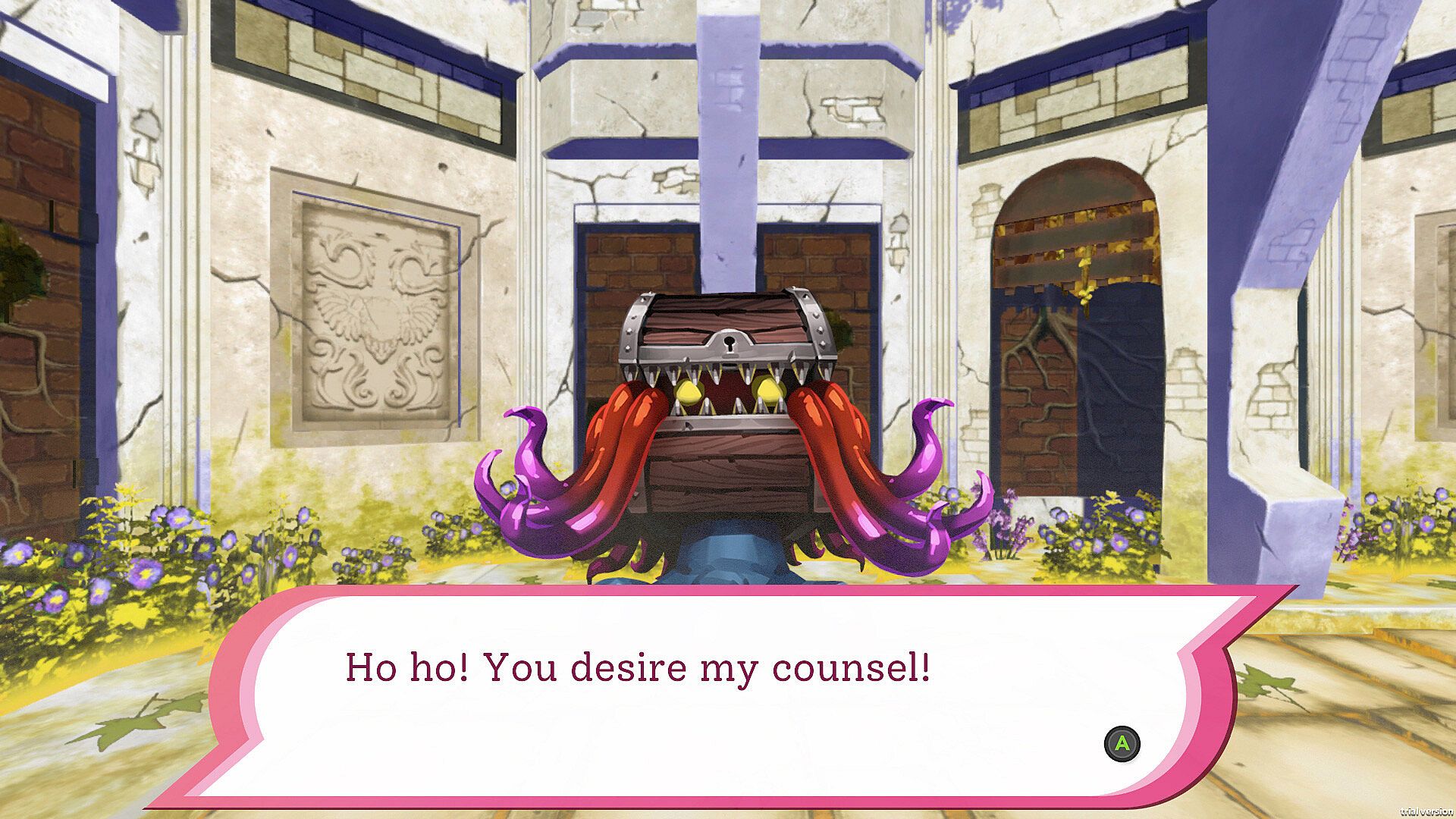
Mon-Yu is a turn-based dungeon crawler RPG set in a fantasy land of fairies. Players assemble a party of heroes to explore a towering dungeon, battle monsters, and recover stolen treasures from powerful foes known as the Devil Kings.
Gameplay
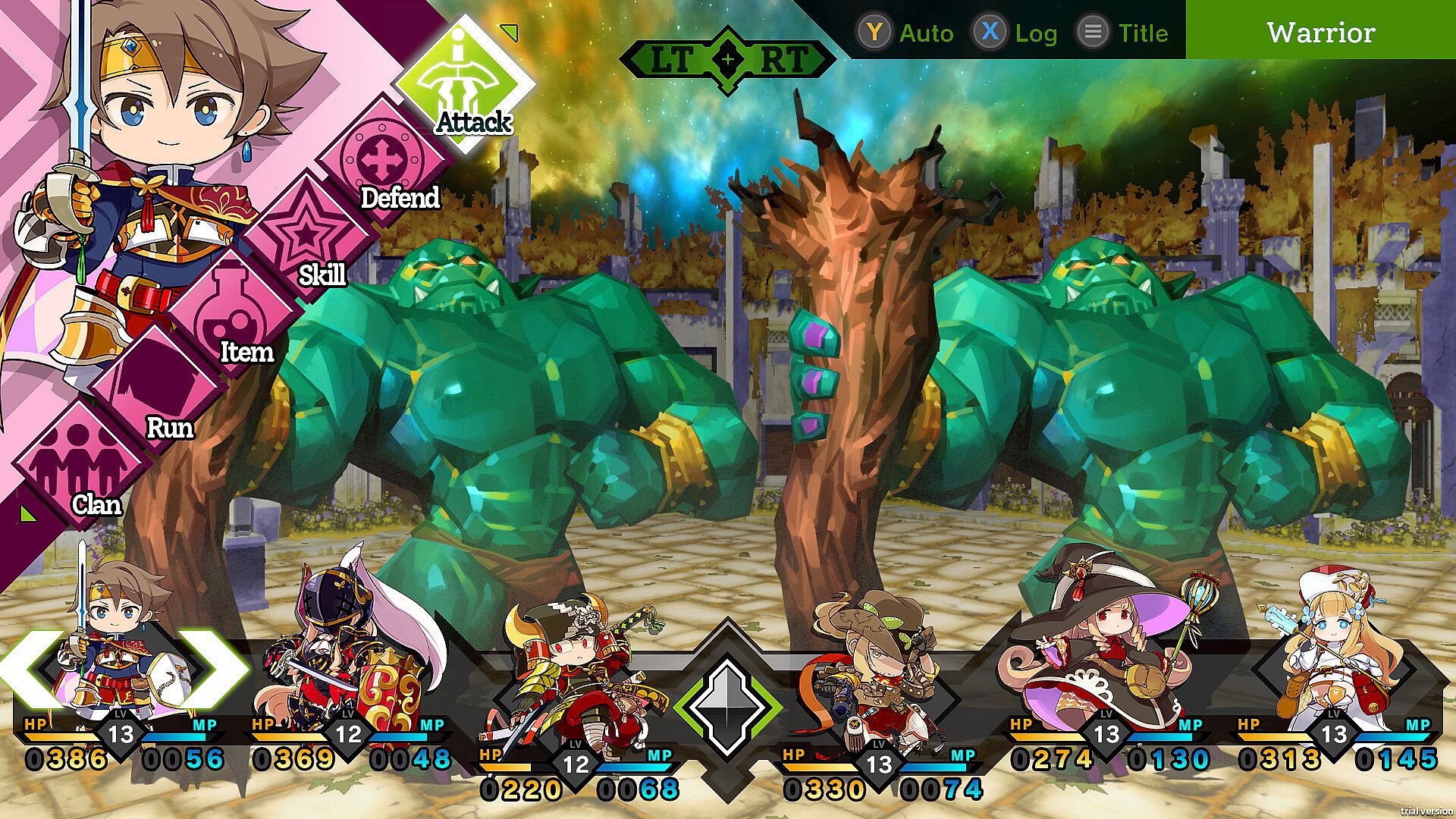
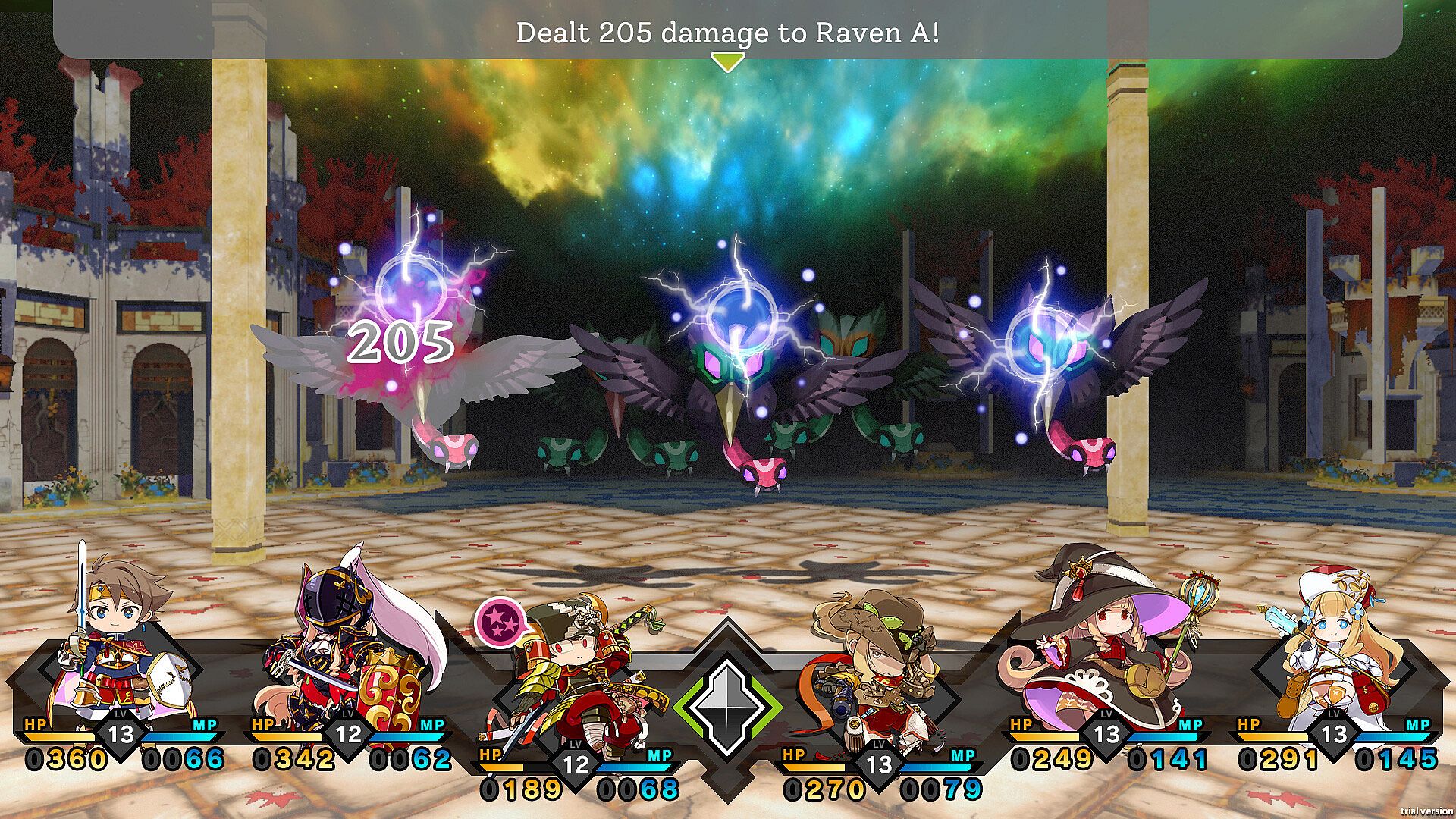
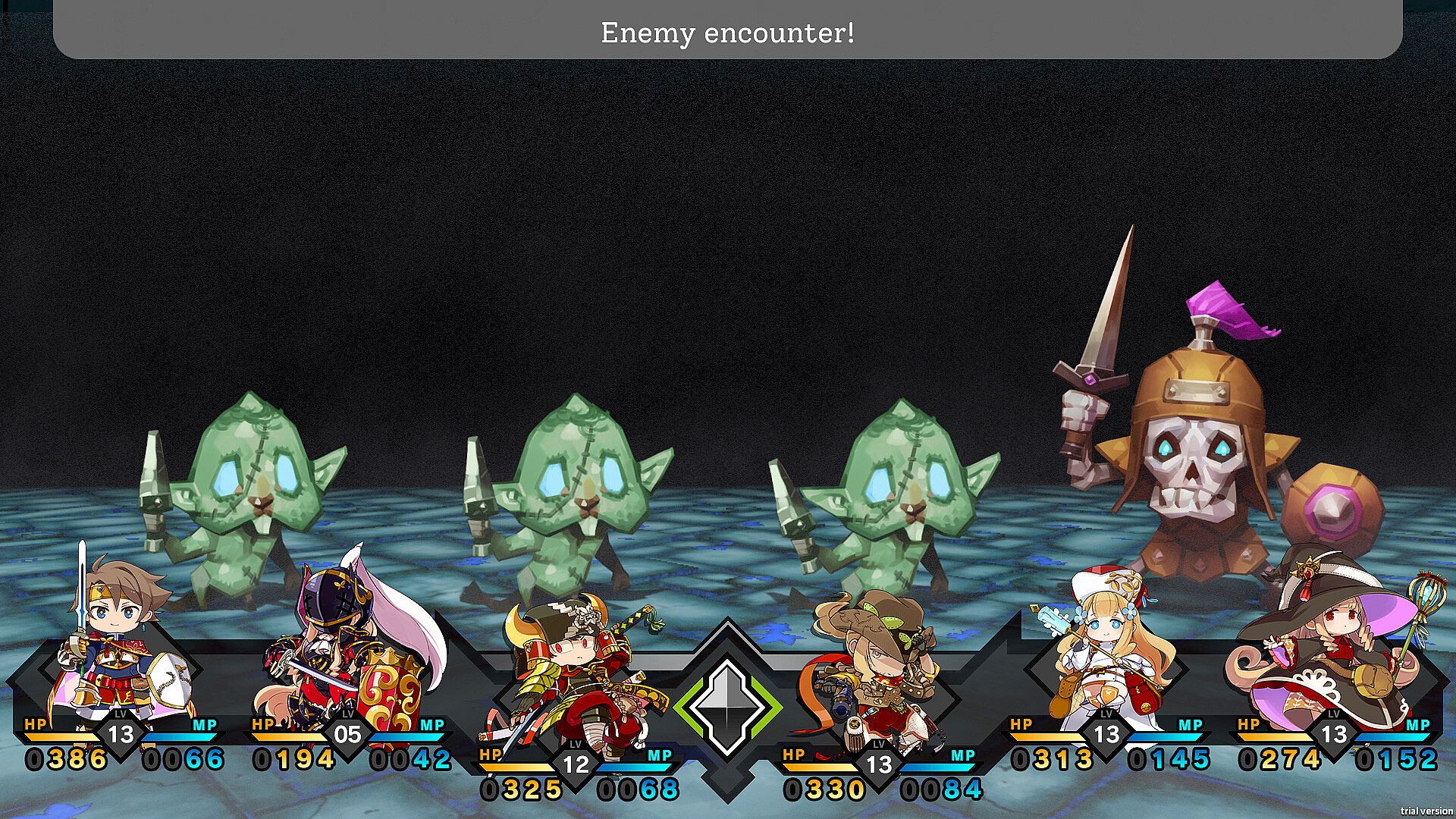
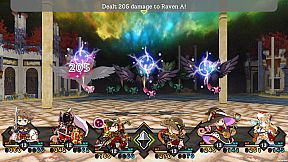
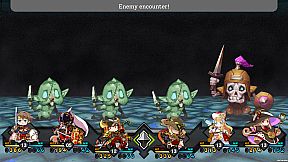
The core loop centers on first-person grid movement through multi-floor dungeons. Enemies appear as visible symbols on the map, each with distinct behaviors based on color. Orange symbols stay in place, green ones move randomly, blue ones attempt to flee, and purple ones actively pursue the party. Encounters trigger turn-based combat where the six-member party divides into front and back rows of three. Actions include basic attacks, skills unlocked through class progression, and strategic use of equipment that gains levels from repeated use.
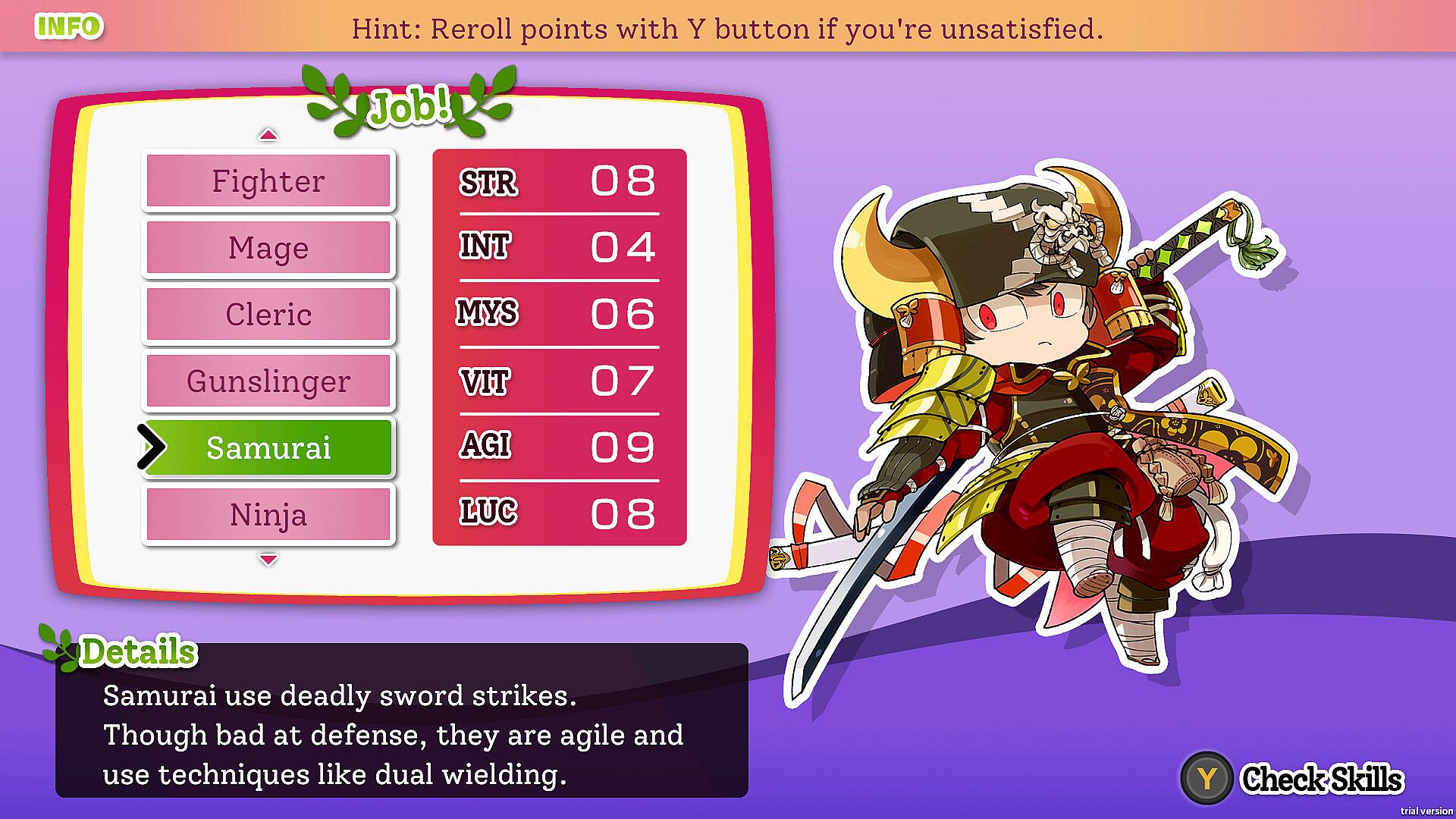
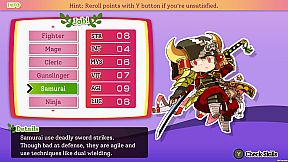
Character creation allows selection from eight classes, including Warrior, Fighter, Knight, Mage, Cleric, Gunslinger, Samurai, and Ninja. Each hero receives a custom name, portrait, and stat allocation that can be rerolled freely. Skill points earned on level-up support abilities that players can reassign at any time to adapt builds. Defeat sends the party back to the hub with all items and experience intact, while granting a small permanent increase to maximum health and magic points. Equipment drops from monsters and improves over time, forming a central progression system alongside character levels.
Dungeon layouts incorporate traps, locked doors, destructible walls, and occasional exploration abilities that open new paths on return visits. Quality-of-life options include auto-battle functions and the ability to accelerate combat animations after selecting actions.
Game Modes
Three playstyles shape the experience from the start and cannot be changed mid-game. Carefree Style provides the highest level caps per floor along with immediate access to the minimap and full mapping. Standard Style lowers the level cap slightly while granting the minimap right away and unlocking the complete map only after locating a Map Beetle on that floor. Challenging Style imposes the strictest level limits and requires finding the Map Beetle before any mapping tools become available.
These variants adjust the balance between accessibility and restriction without altering core combat or exploration rules. After defeating each floor's boss, an evaluation system scores the party on average level, turns taken to win, and percentage of the map uncovered. Higher ranks improve subsequent treasure quality, encouraging efficient clears even on more lenient settings.
Exploration and Progression
Progression emphasizes repeated dungeon runs rather than permanent setbacks. Each floor ends with a boss encounter that yields a unique treasure and triggers the performance rating. Rewards from strong evaluations include items that summon additional enemies for farming and buffs that raise the tier of future chest drops. Players manage resources carefully because steps count as turns and stronger symbols demand preparation through gear and skills.
The eight classes offer varied roles suited to front-line damage, support, or ranged options. Free respec of skills and stats supports experimentation across multiple attempts at the same floor. Equipment ranks determine maximum upgrade potential, pushing players to seek rarer drops while using what they have effectively.
Is It Worth Playing?
Mon-Yu suits players who enjoy classic first-person dungeon crawlers with modern conveniences. The forgiving death mechanics and adjustable playstyles lower barriers for those new to the genre, while the evaluation system and equipment leveling add layers of strategy for repeat runs. Reviews note solid quality-of-life features and approachable combat pacing, though some describe the overall structure as straightforward compared to other titles from the same developer.
Those seeking deep narrative or high enemy variety may find the experience repetitive after several floors. The single-player focus remains consistent across its PC, Nintendo Switch, and PlayStation 5 releases, with no additional modes or seasonal content reported since launch. It appeals most to fans of deliberate exploration and party optimization who appreciate a lighter tone alongside traditional mechanics.