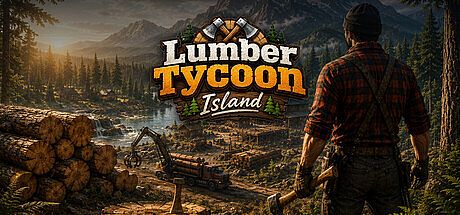



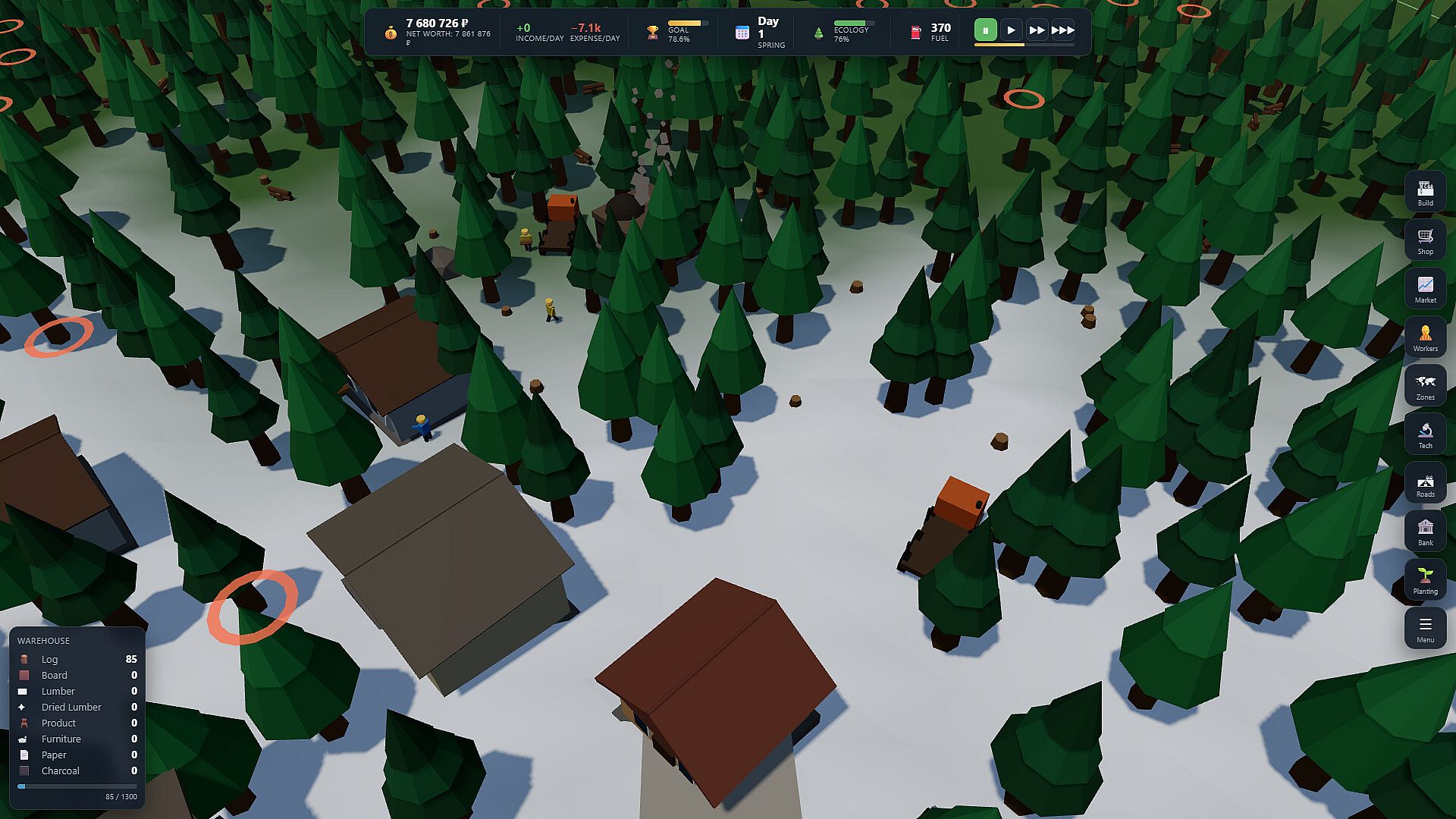
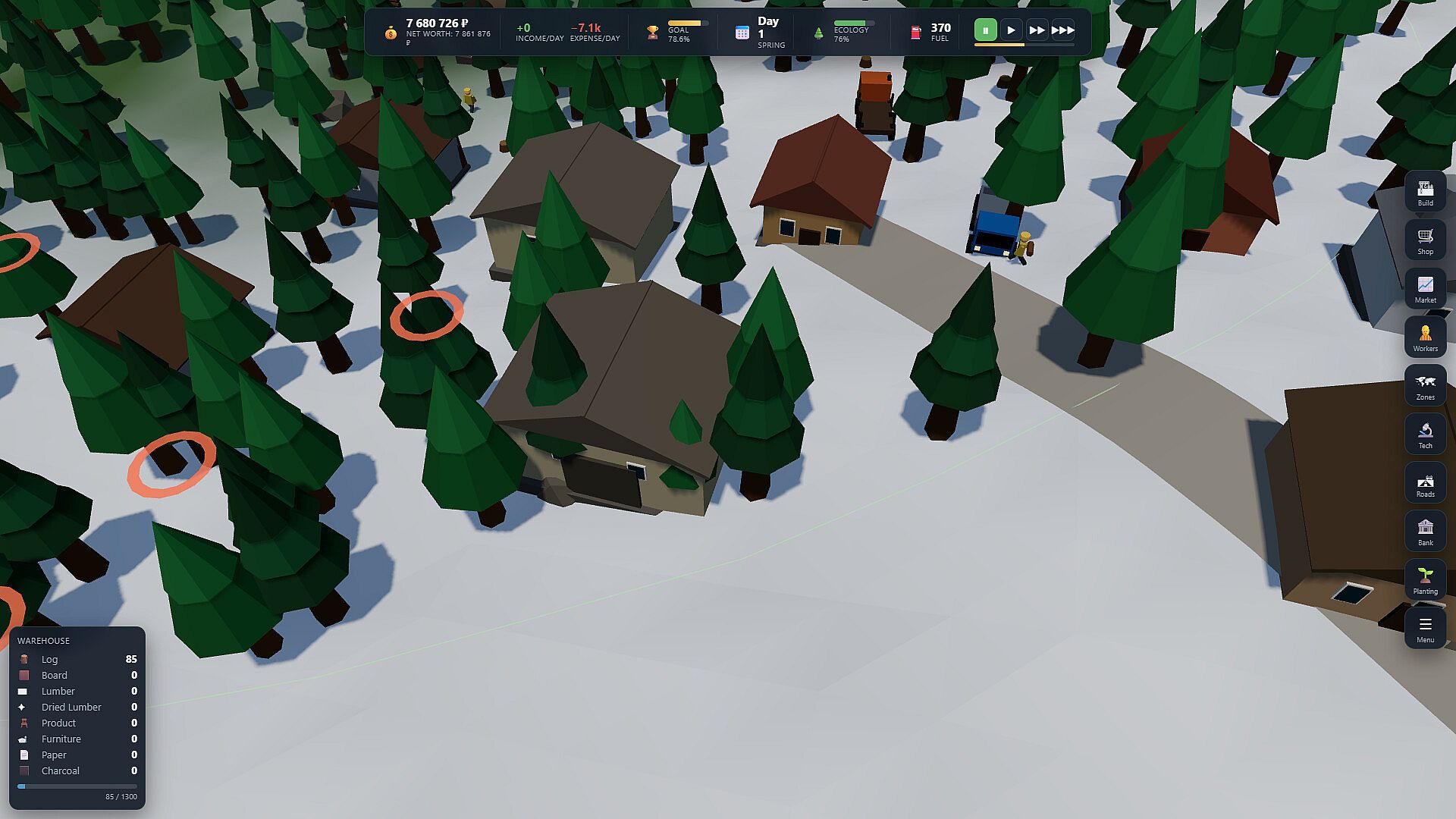
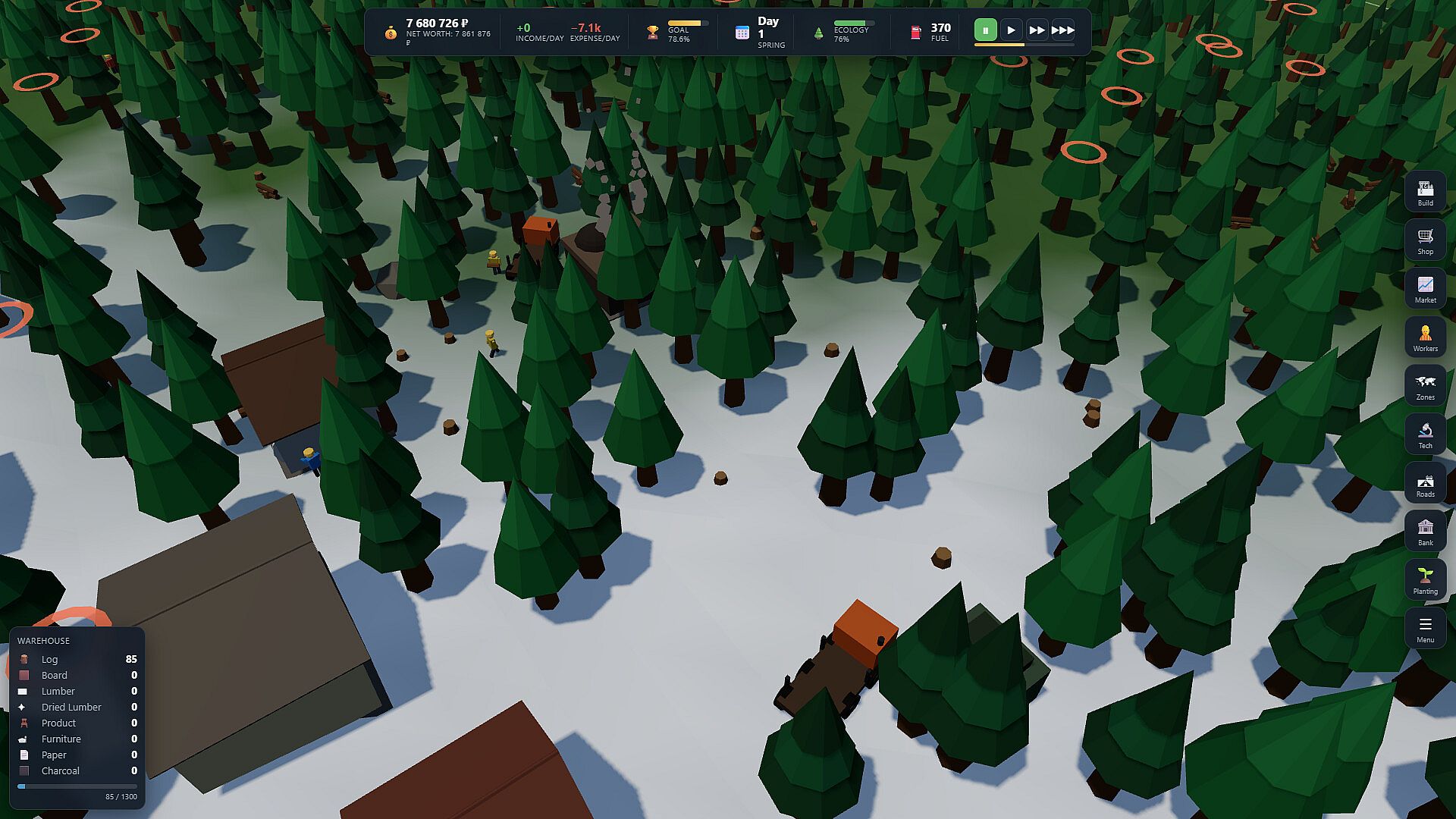
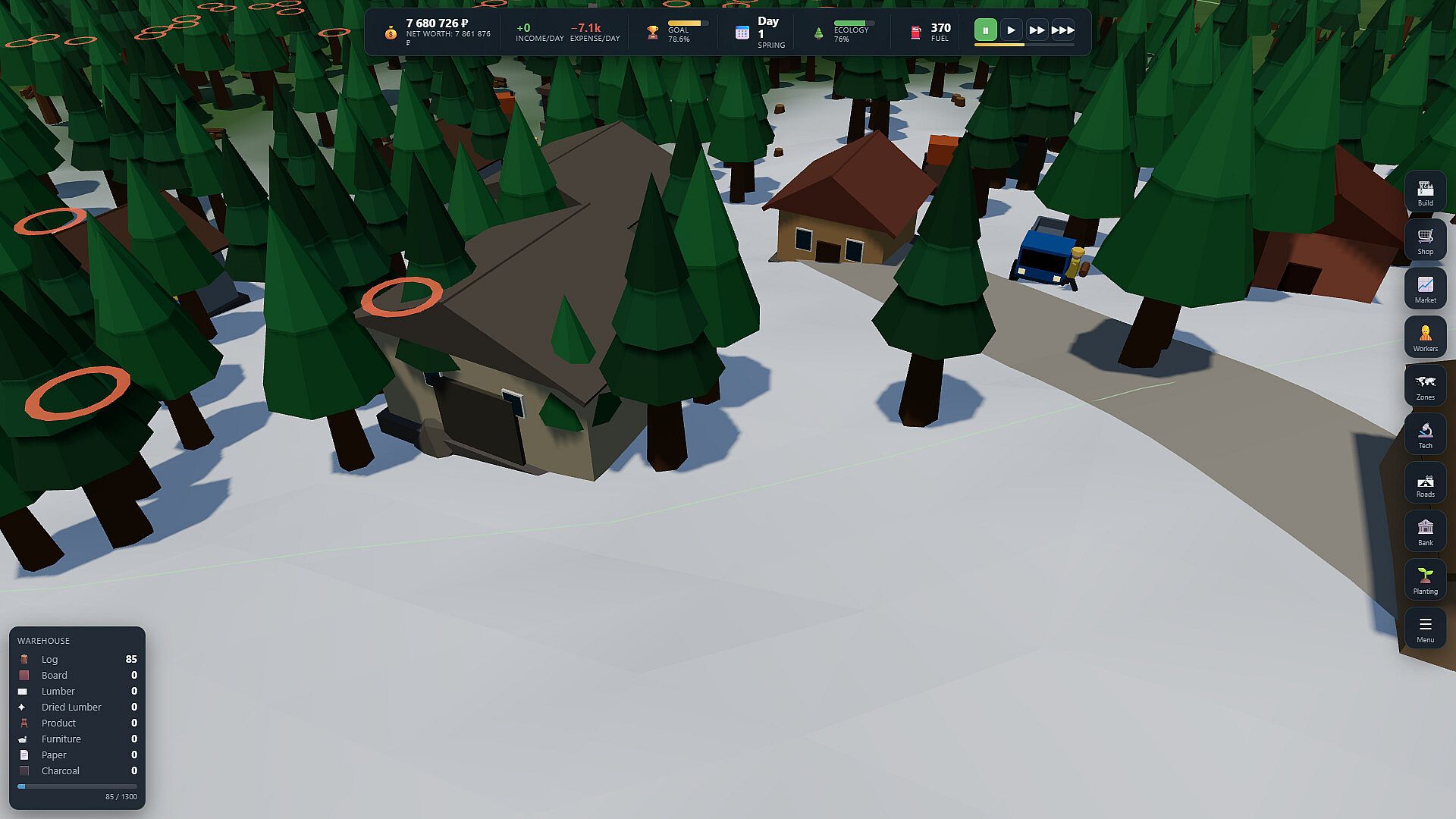
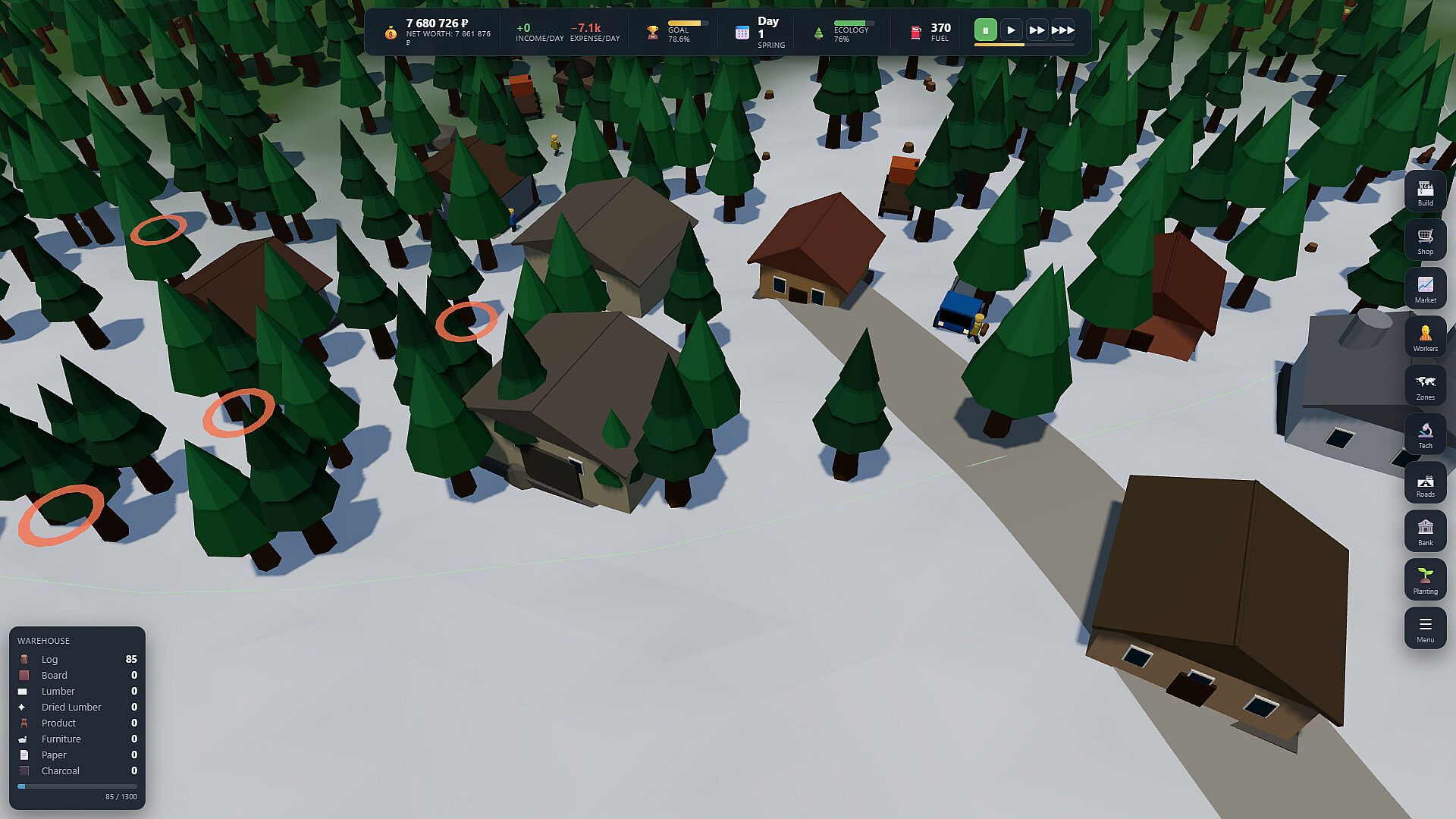
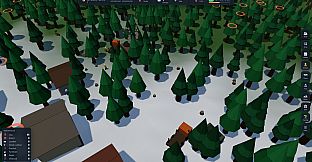
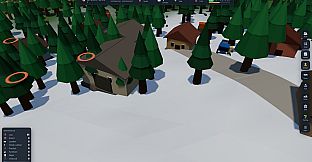
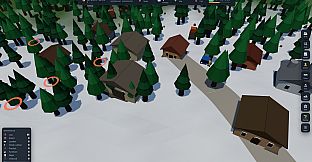
Lumber Tycoon Island é um simulador econômico single-player em 3D de exploração madeireira para PC. O jogador começa com um machado e um orçamento limitado em um terreno de coníferas e expande suas operações por um arquipélago, cortando árvores, processando madeira em várias etapas e gerenciando a logística até atingir um patrimônio líquido de 10.000.000 rublos.
Gameplay
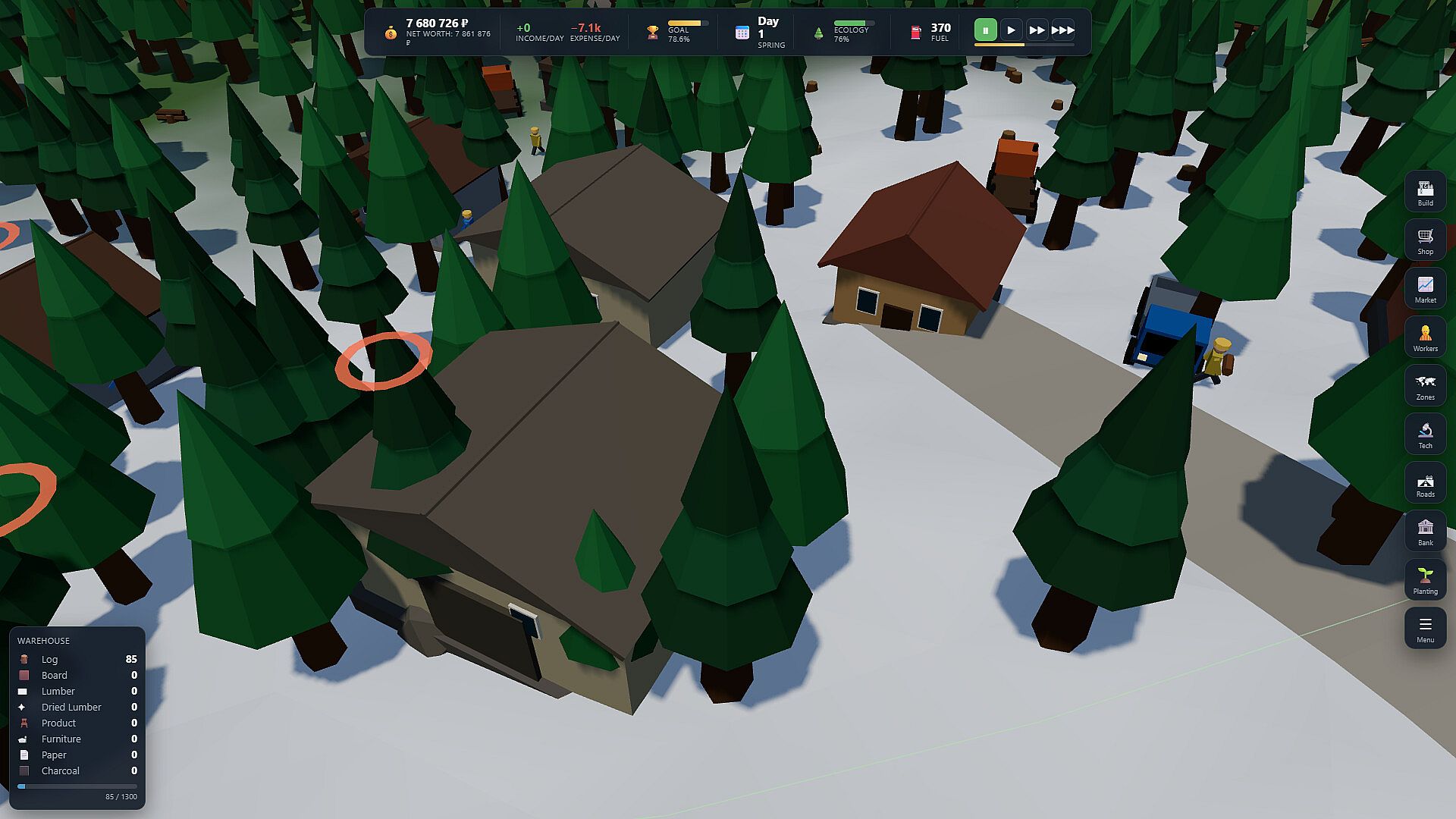
O ciclo principal consiste em construir uma cadeia completa de produção, desde toras brutas até produtos acabados. As árvores são marcadas para corte e, em seguida, máquinas e cortadores automáticos realizam o abate e o transporte até os armazéns. As toras passam por serrarias para virar tábuas, depois madeira serrada, madeira seca e, por fim, itens como móveis. Outros caminhos incluem uma fábrica de papel e uma usina de carvão vegetal, que agregam valor em cada etapa.
A automação abrange todos os segmentos da cadeia de suprimentos. Motosserras, harvesters, caminhões de toras e barcaças interilhas operam visivelmente na tela, enquanto trabalhadores como carregadores, operadores e silvicultores executam suas tarefas sem supervisão constante. Três níveis de estradas aceleram as entregas, e estruturas como geradores, depósitos de combustível e portos sustentam operações maiores. Empréstimos bancários financiam a expansão, e um mercado com preços variáveis e contratos de fornecimento permite vender mercadorias com lucro.
O sistema ecológico exige equilíbrio. O corte excessivo reduz a saúde da floresta, retardando o crescimento das árvores e podendo deixar áreas estéreis. Para compensar, o jogador contrata silvicultores e planta mudas. As estações do ano alteram os parâmetros: primavera e verão favorecem o crescimento rápido, enquanto outono e inverno aumentam o consumo de combustível. Sete espécies de árvores distribuídas em quatro biomas - incluindo florestas decíduas, cedros de montanha e gigantes relíquias antigas - ficam acessíveis à medida que novas zonas e ilhas vizinhas são desbloqueadas.
Modos de Jogo
O jogo é uma experiência single-player sem modos multijogador ou competitivos. A progressão segue uma campanha unificada que vai de um único lote a um império industrial. O objetivo principal permanece o mesmo: expandir toda a cadeia de processamento, manter o equilíbrio ecológico e acumular o patrimônio líquido desejado por meio de logística eficiente e timing de mercado.
O avanço ocorre ao desbloquear ilhas e biomas adicionais, automatizar mais etapas e reagir às mudanças sazonais. Quinze conquistas do Steam registram marcos como concluir etapas de produção ou atingir metas financeiras. O suporte de idiomas inclui inglês e russo, com detecção automática no lançamento.
Mundo e Progressão
O cenário abrange várias ilhas ligadas por portos e barcaças. As fases iniciais concentram-se em áreas coníferas básicas, enquanto o crescimento posterior abre zonas decíduas e recursos de montanha de maior valor. Máquinas e trabalhadores em movimento operam de forma independente após a atribuição, criando uma simulação visível de toda a operação. Custos de manutenção, combustível e eletricidade influenciam as decisões junto com os preços flutuantes do mercado.
A expansão exige planejamento cuidadoso da infraestrutura. Três níveis de estradas reduzem o tempo de viagem de caminhões e carregadores. Contratos garantem fluxo constante de receita, e empréstimos permitem acelerar o crescimento quando o caixa está apertado. O sistema ecológico afeta diretamente a viabilidade a longo prazo, pois o corte descontrolado reduz a regeneração e os rendimentos.
Vale a Pena Jogar?
Lumber Tycoon Island é voltado para quem aprecia simulações econômicas detalhadas e gerenciamento de recursos. O formato single-player prioriza a progressão constante por meio de automação e otimização de cadeias, em vez de ação ou combate. Como o jogo está listado como "em breve" e ainda não há avaliações de usuários, a adequação depende do interesse nos mecânicas comprovadas de cadeias de produção, movimentação visível de trabalhadores e máquinas, efeitos sazonais e trocas ecológicas.
Quem gosta de jogos de tycoon que combinam logística, dinâmica de mercado e considerações ambientais encontrará sistemas alinhados a esse estilo. A ausência de multijogador mantém o foco na construção pessoal de um império no mundo das ilhas. Disponibilidade no PC com conquistas do Steam oferece acesso padrão após o lançamento.