




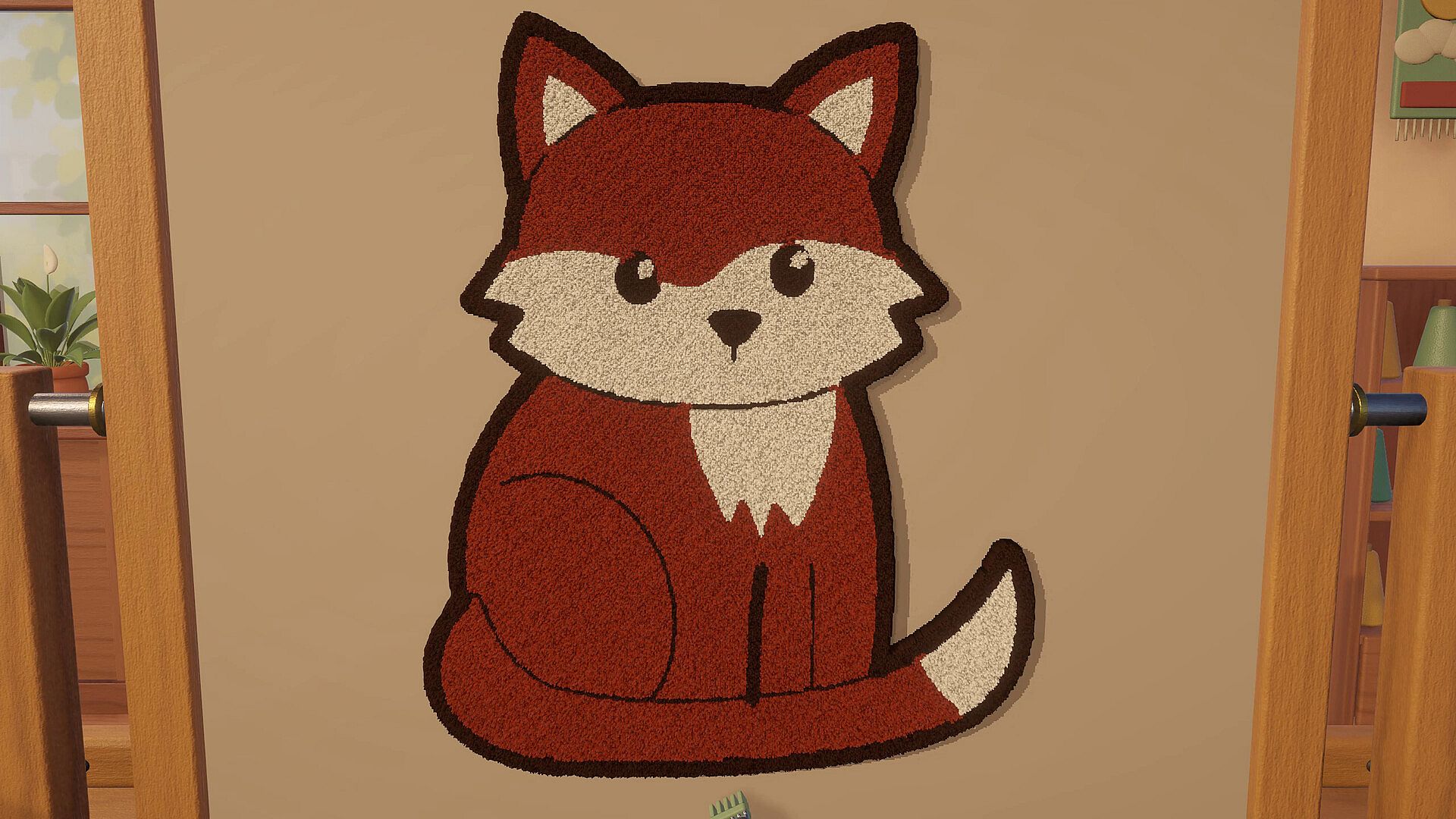


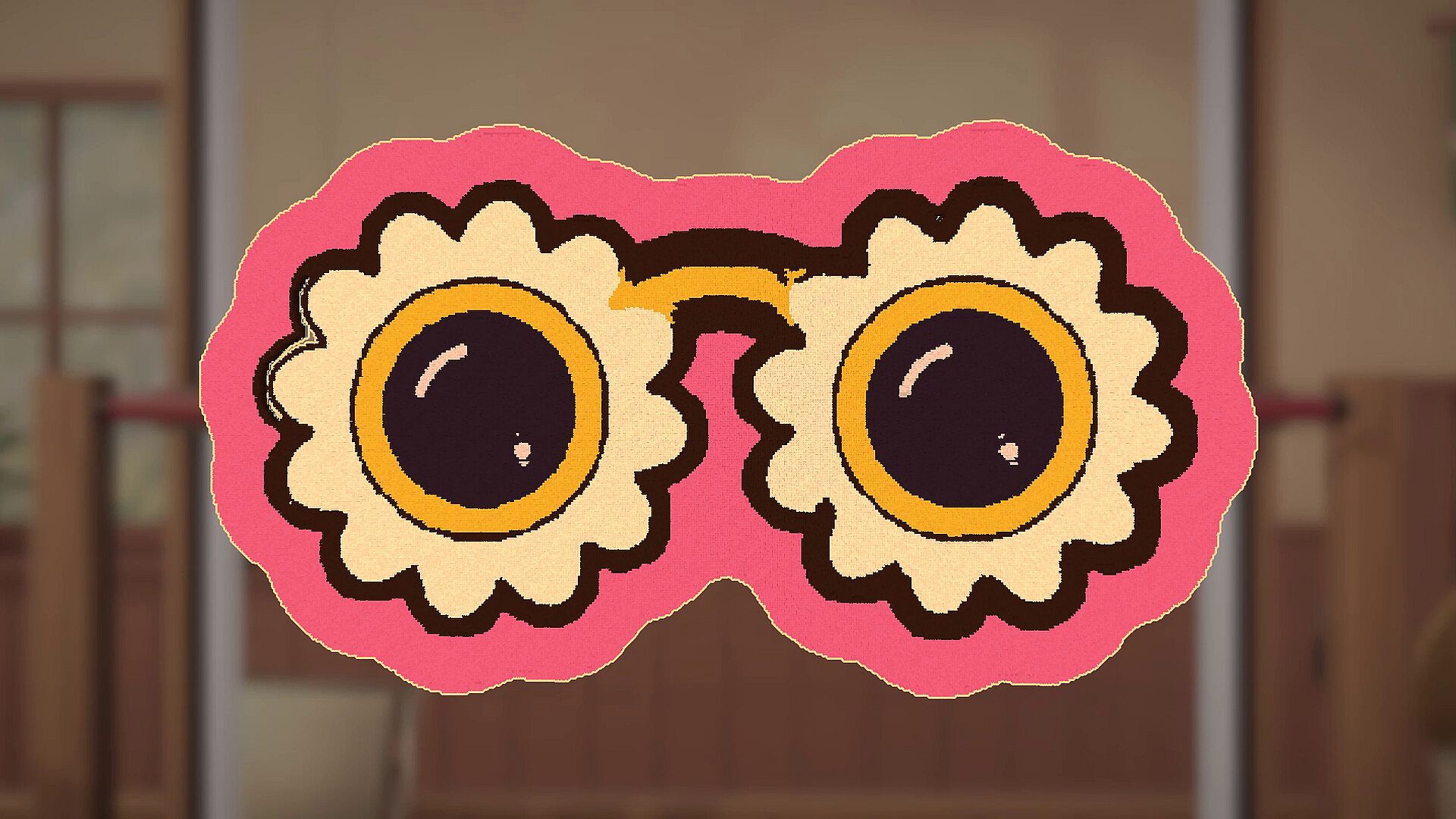



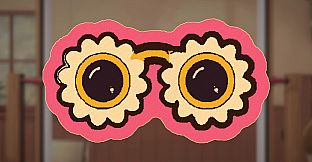
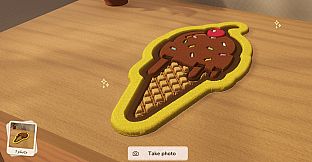
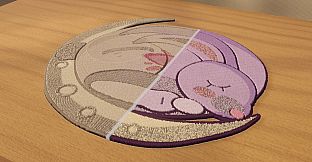

Little Rug Shop is a cozy indie simulation game focused on running a personal rug-tufting workshop on PC. Players take on the role of a craftsperson who designs, creates, cleans, and repairs rugs for a steady stream of clients, each bringing their own requests and backstories. The experience emphasizes hands-on creative work in a quiet setting, with tools that respond directly to player input for a tactile feel.
Gameplay
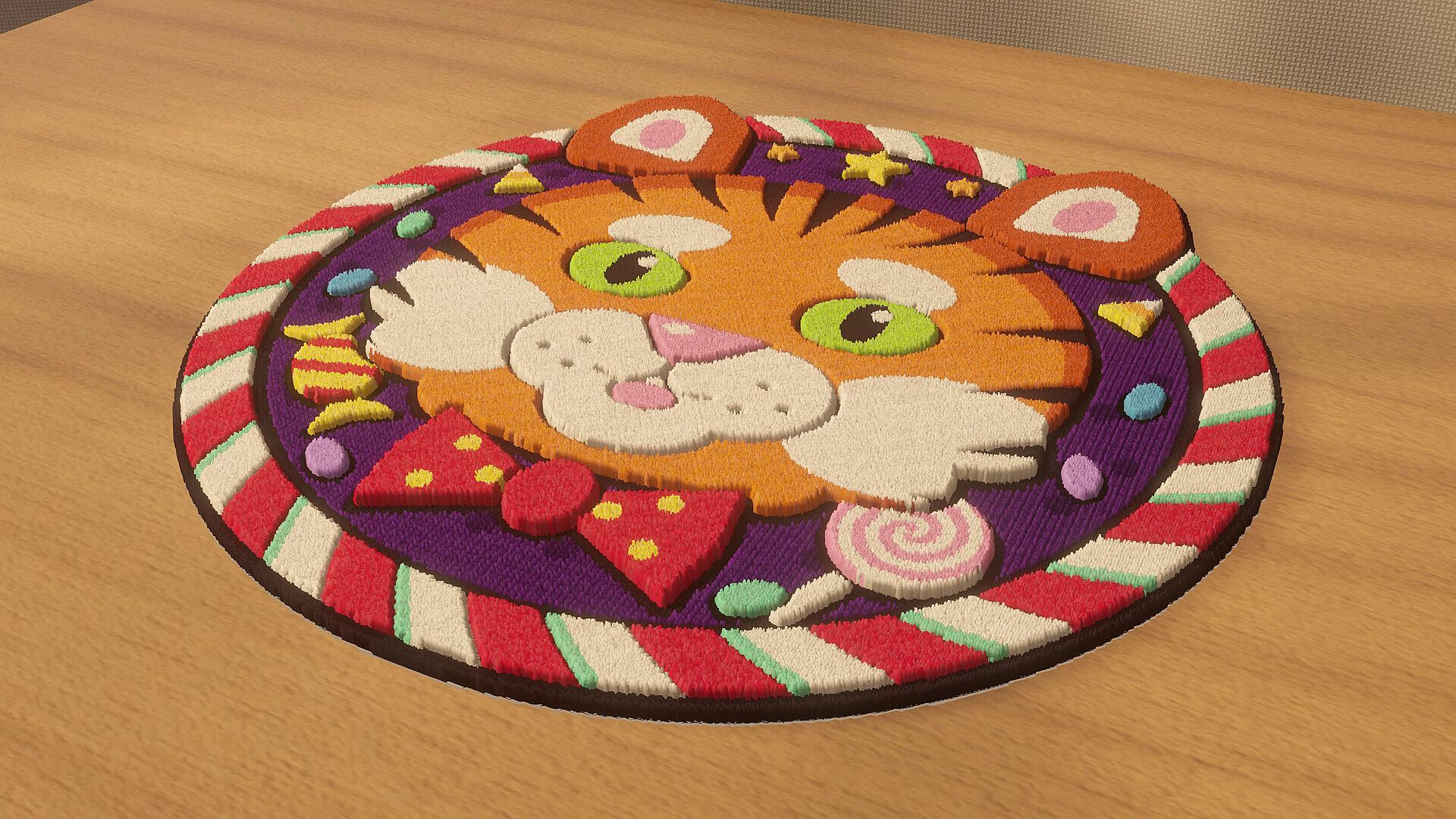
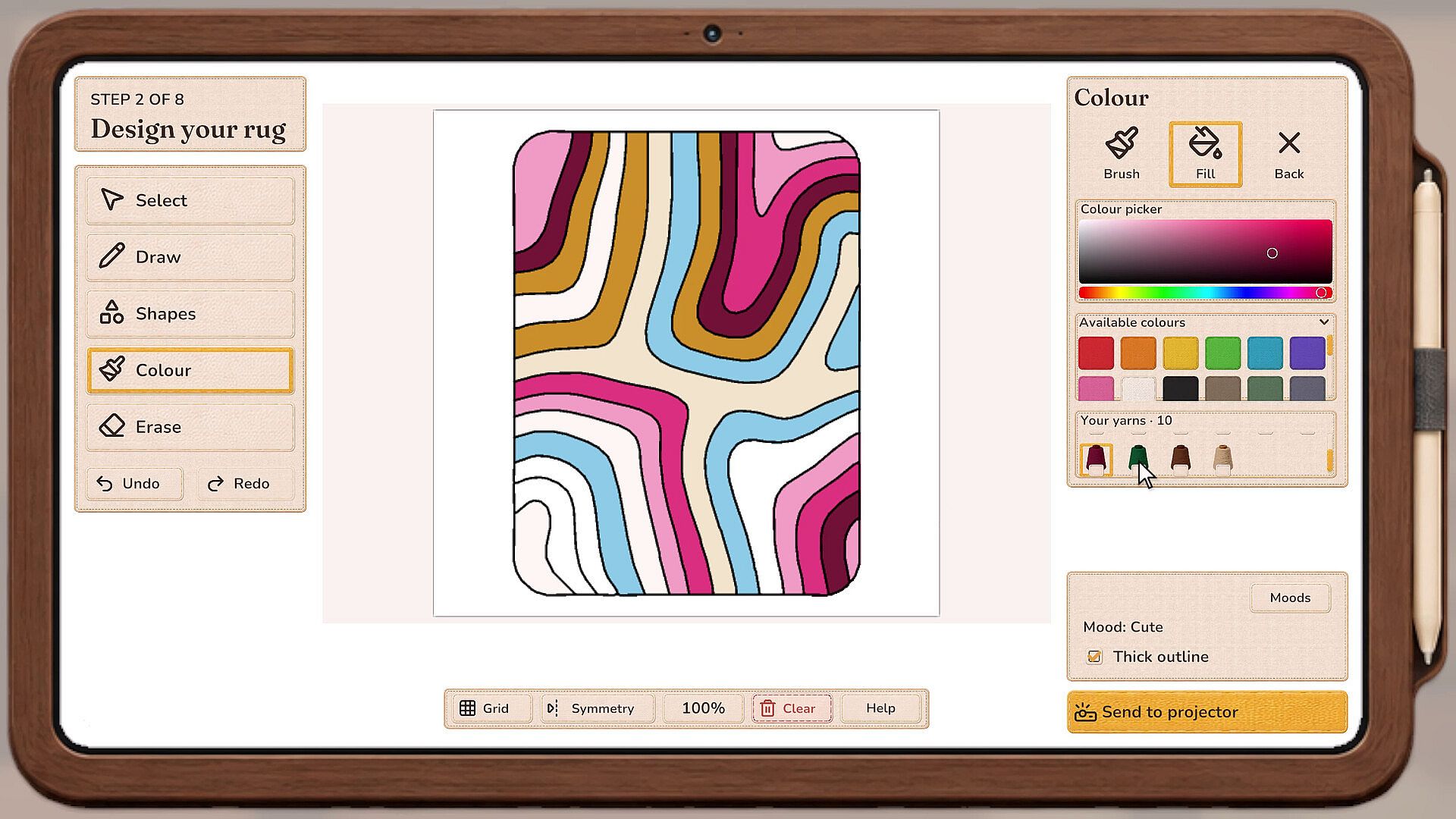
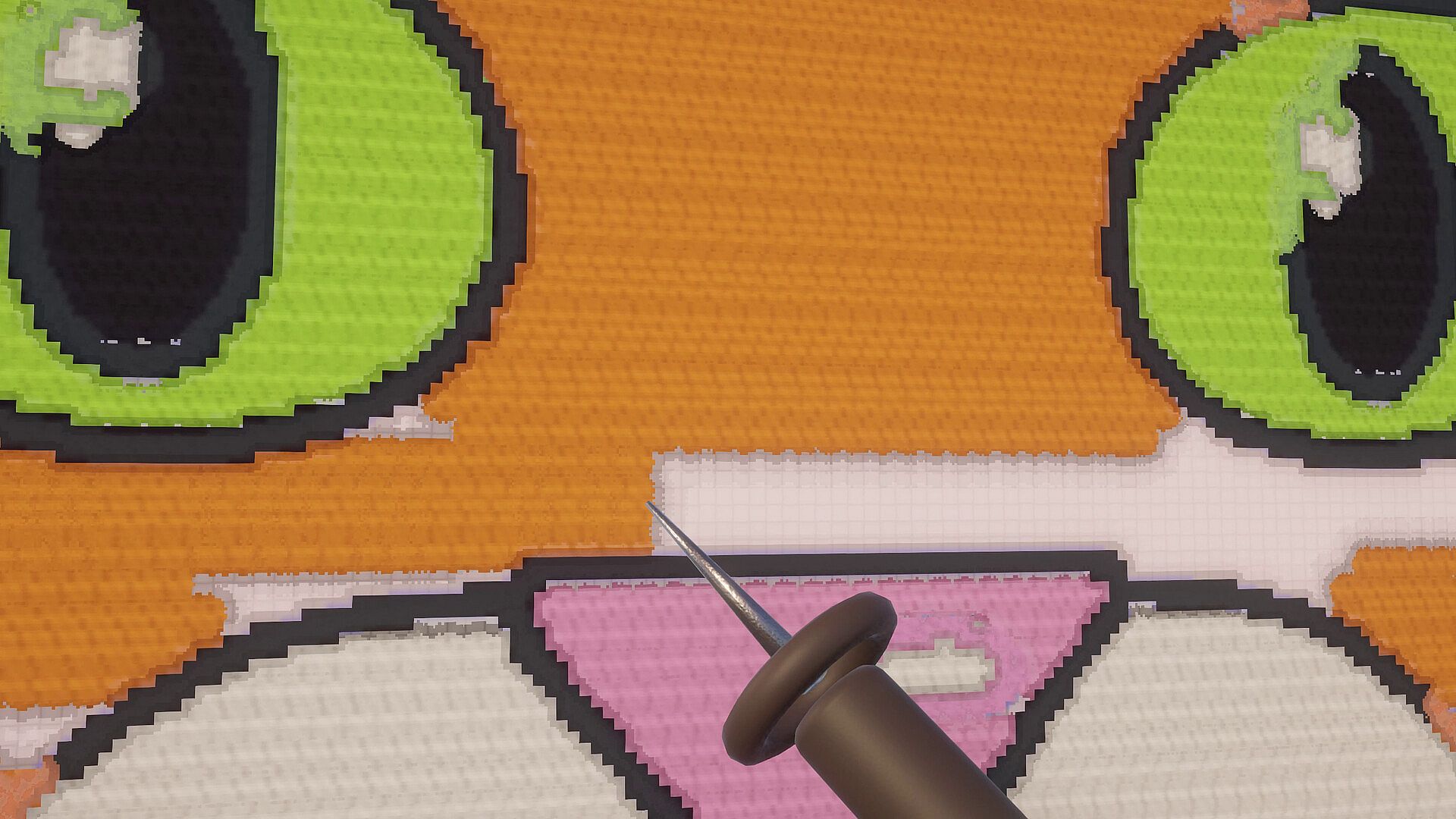
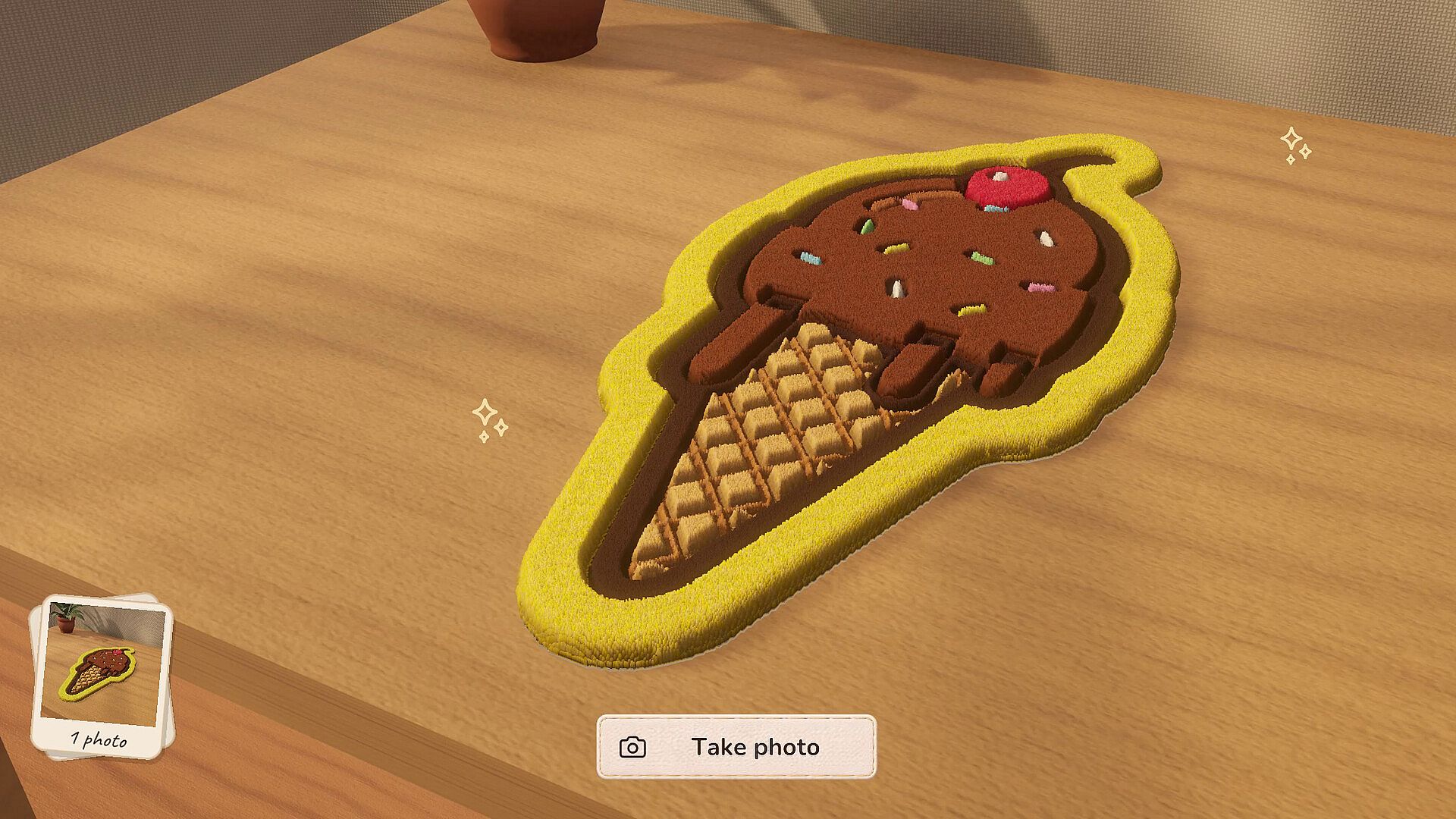
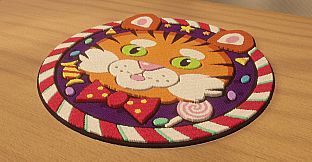
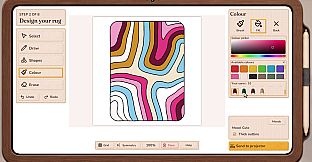
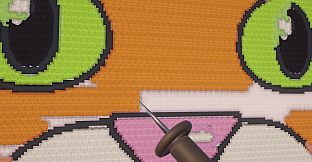
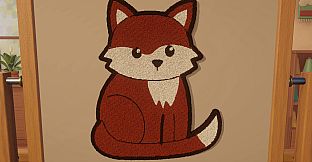
The core loop centers on transforming client ideas into finished rugs through several connected steps. Design begins on an in-game tablet, where freehand drawing with a virtual pencil lets players create custom patterns without restrictions. Once the sketch is ready, the process moves to tufting, where a tufting gun loads yarn and applies it stitch by stitch in precise locations chosen by the player. Flipping the frame reveals the front side, after which finishing work involves trimming, shaving, and carving the pile to sharpen lines and achieve the desired texture. Clients provide tips when the results meet expectations.
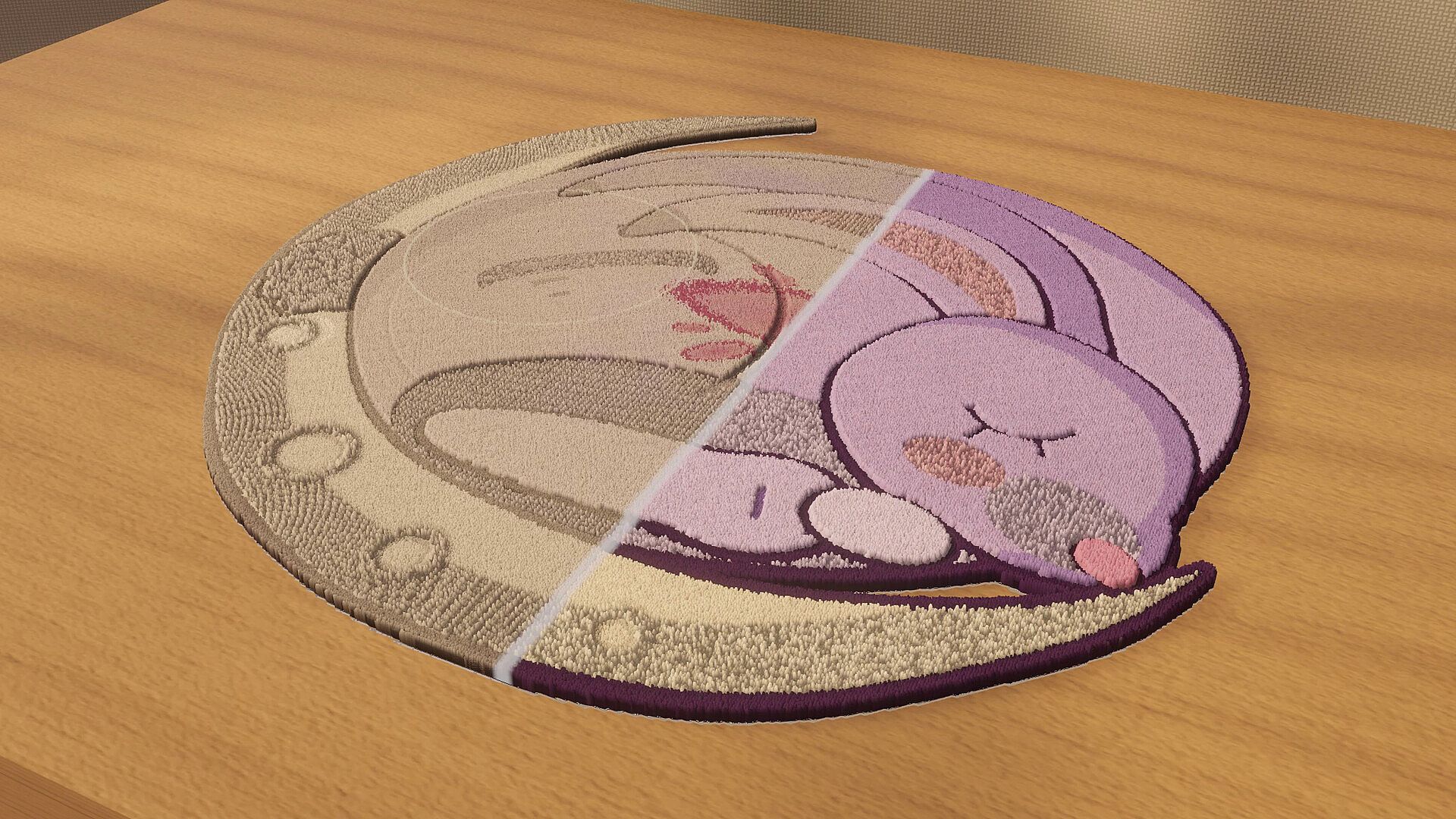
Additional tasks expand the daily routine. Rugs return after use with stains from red wine, dust, or general wear, requiring targeted treatment, washing, and drying using the correct methods for each type of dirt. Heirloom pieces arrive damaged, leading to repair sequences that involve cutting out worn sections, matching colors during re-tufting, and restoring the piece to its original condition. These activities build on one another, creating a steady rhythm of creative and restorative work within the workshop space.
Sound design supports the process with soft, satisfying audio cues for every tool and action. The workshop itself offers a compact, inviting environment that encourages repeated sessions without pressure or timers.
Game Modes
Little Rug Shop operates as a single-player experience centered on workshop management and client interactions. All activities unfold in one continuous setting, where players handle incoming jobs that mix new commissions with follow-up cleaning and repair requests. Clients return over time with fresh stories and needs, which keeps the flow varied while staying rooted in the same core tools and techniques.
There are no separate competitive or multiplayer modes. Progression comes from completing individual rug projects, improving results through practice with the tufting gun and finishing tools, and managing the mix of design, creation, maintenance, and restoration tasks. Future updates are planned to add options such as selling completed rugs online and a shared gallery feature for viewing and interacting with other players' creations.
Workshop and Client Interactions
The workshop serves as the central hub, where every tool and surface supports the hands-on simulation. Clients arrive with briefs that include both visual requests and personal context, influencing how players approach each piece. This narrative layer adds light storytelling without shifting focus away from the physical crafting steps.
Mechanics reward precision and attention to detail. Accurate tufting placement and careful finishing directly affect client satisfaction and tips. Stain treatment and repair work require matching the right approach to the specific problem, reinforcing the simulation's emphasis on realistic craft processes.
Is It Worth Playing?
Little Rug Shop suits players who enjoy slow-paced, creative simulation games built around repetitive yet satisfying manual tasks. The combination of freehand design, precise tufting, and restorative work creates a focused loop that rewards patience and visual judgment. Those drawn to cozy indie titles with strong emphasis on craft and client service will find the current systems engaging from the start.
The game remains in development, with the listed features forming the foundation and additional content scheduled for later updates. Its appeal lies in the direct control over every step of rug creation and care, delivered in a compact single-player format without external pressures. Players interested in this style of hands-on simulation can expect a consistent, relaxing experience centered on the workshop activities described.












