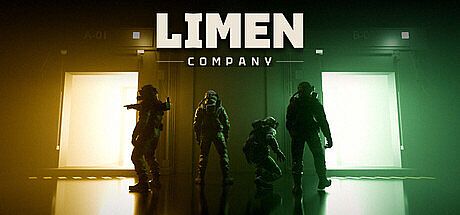


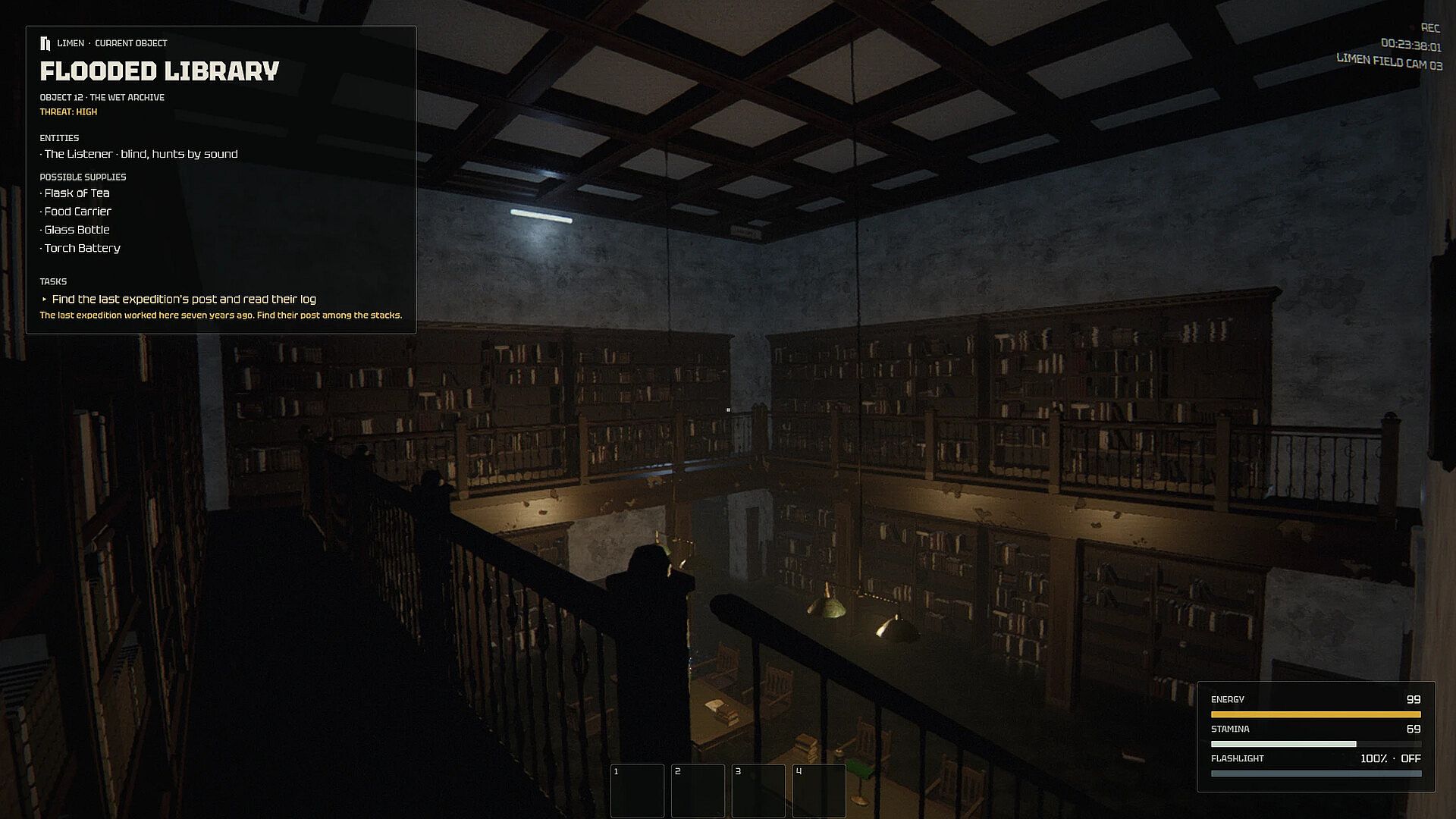
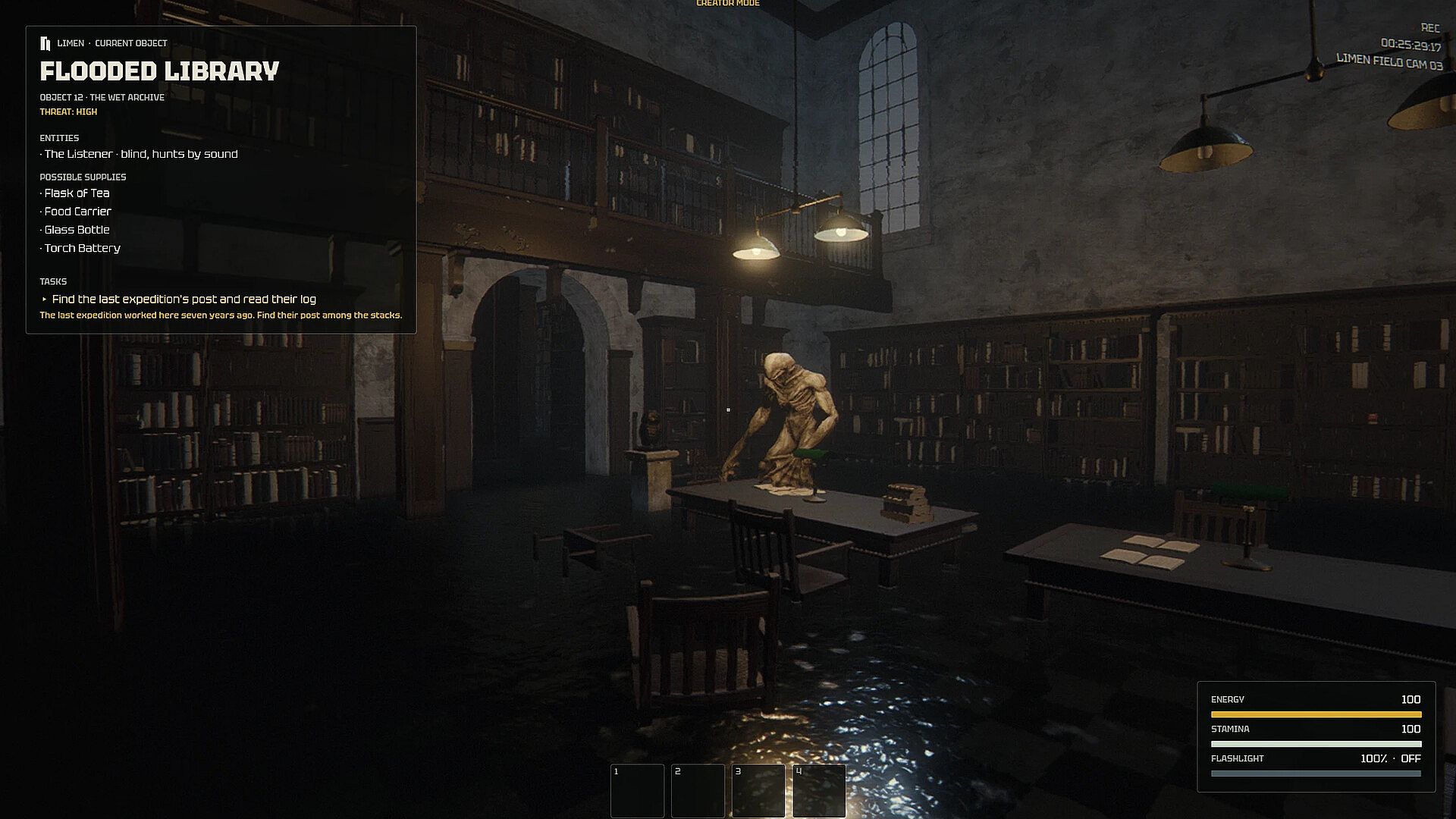
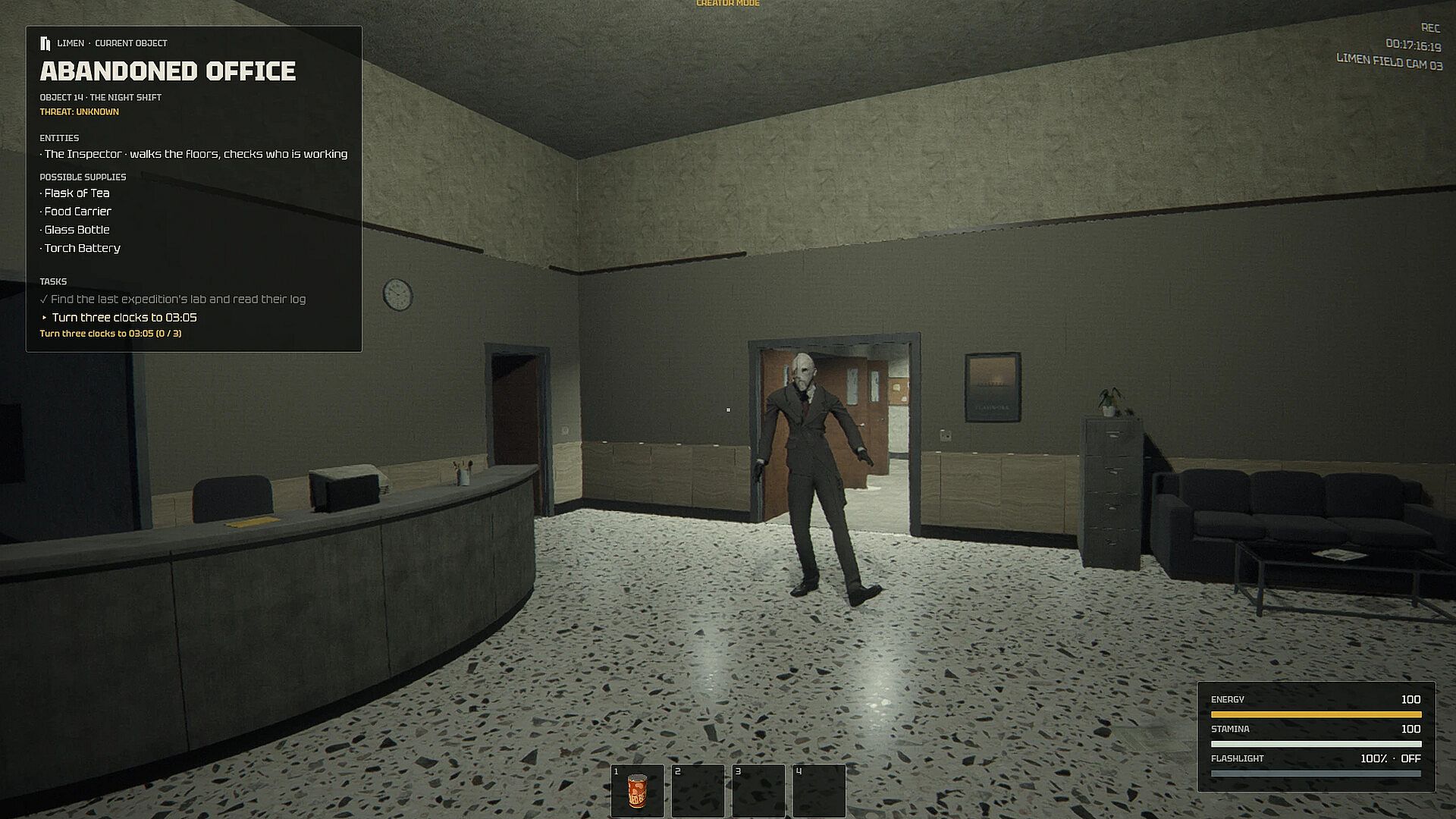
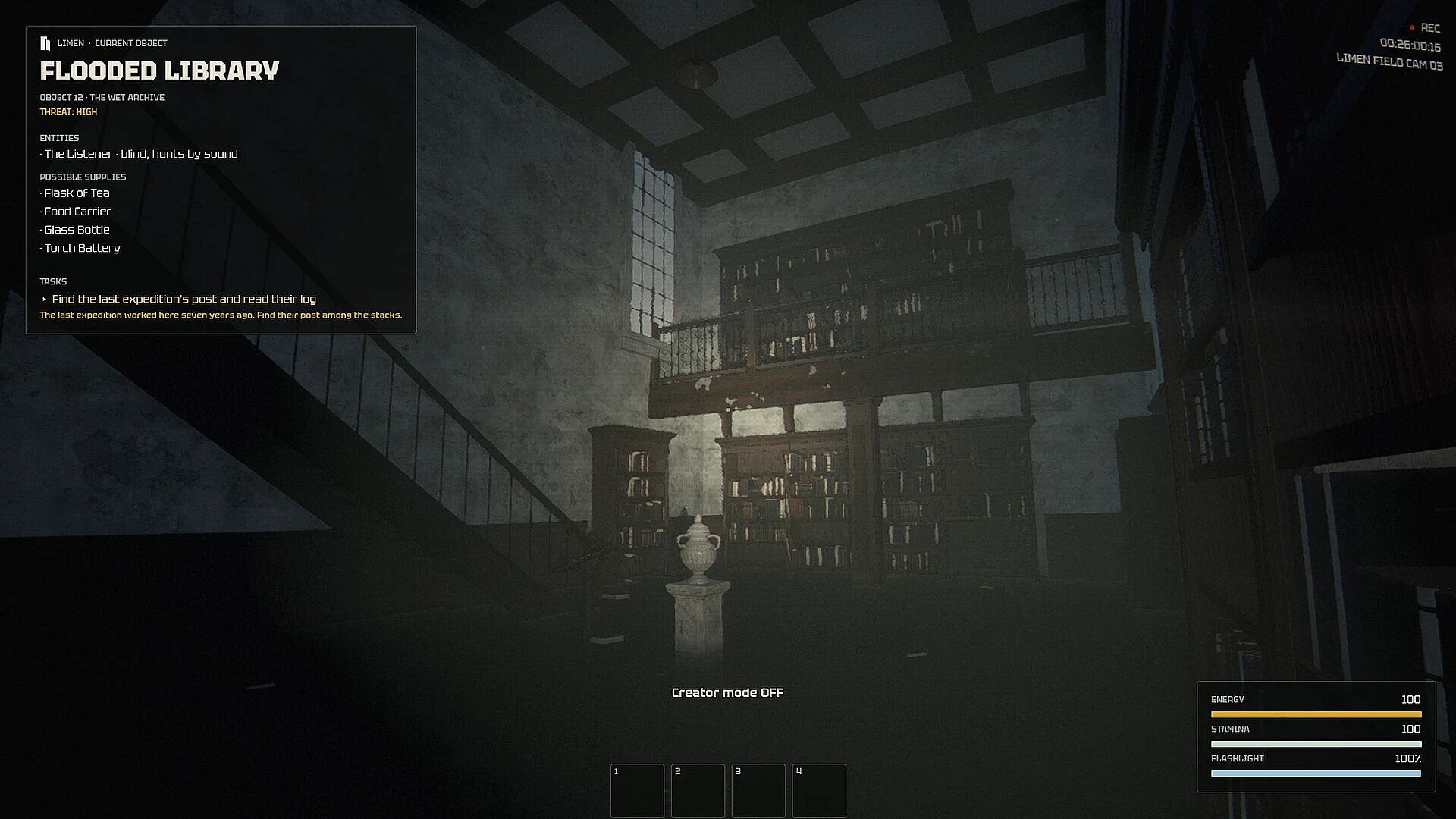
LIMEN Company is an indie co-op survival horror game for PC that places one to four players in the role of LIMEN agents. Teams enter unstable sites through chosen doors, complete assigned tasks, and attempt to exit without being eliminated by the entities that inhabit each location. Procedural generation ensures every expedition differs in layout and item placement, while proximity voice chat allows entities to detect sounds from players and their teammates alike.
Gameplay
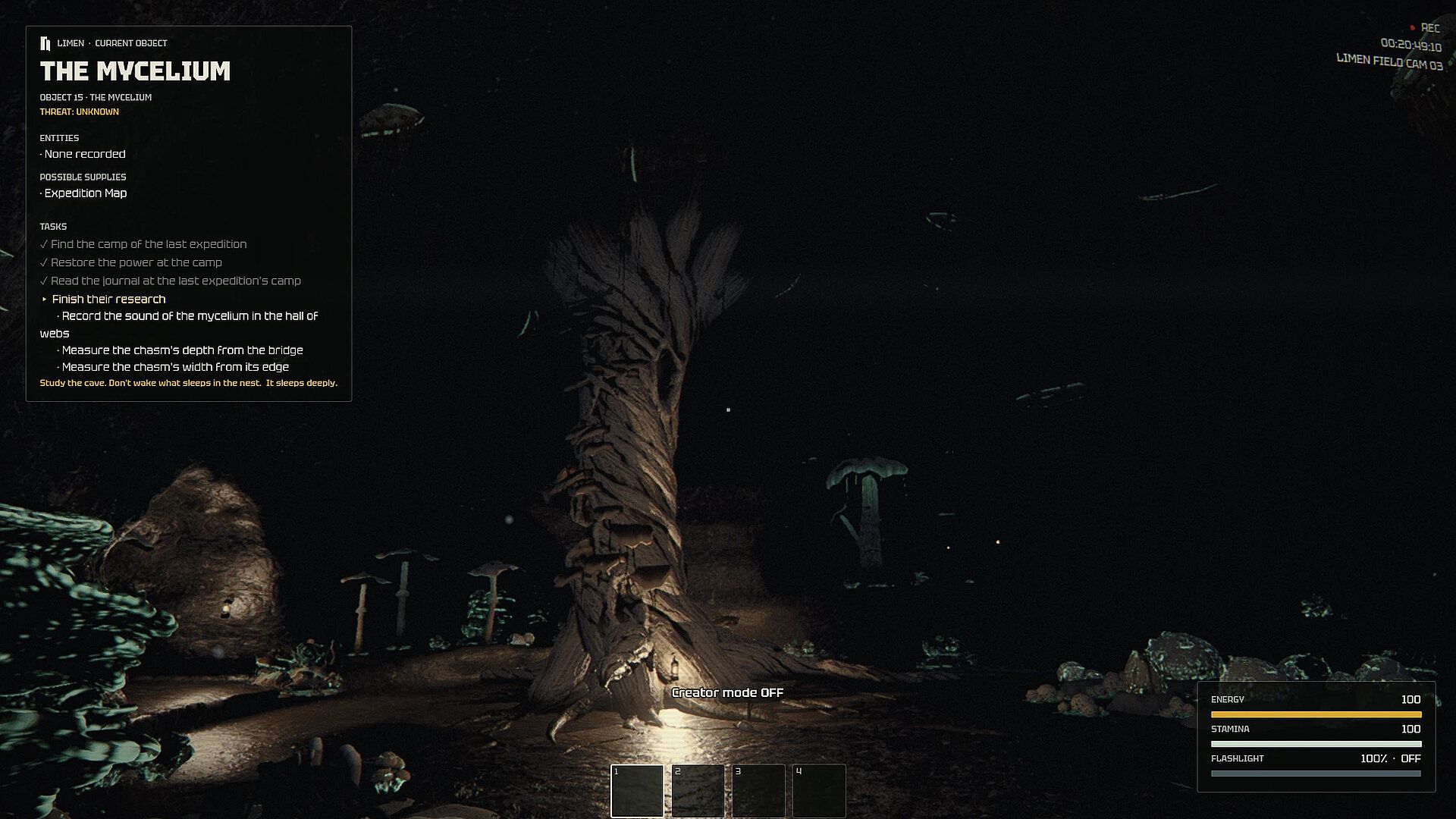
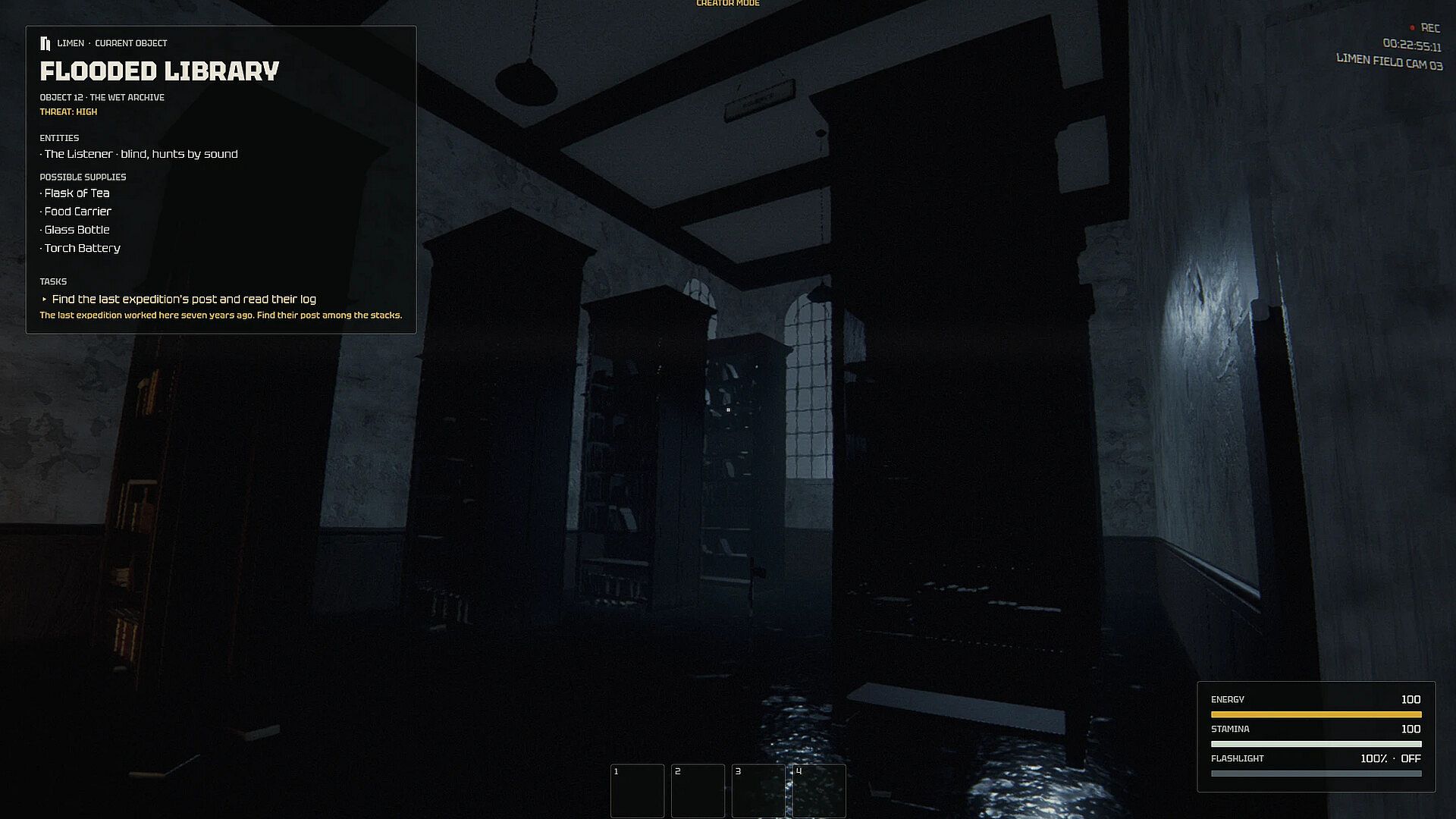
Each session begins in a lobby where the group selects one of two available doors. Once the choice is made, the gate closes and the expedition starts with no option to retreat until objectives are finished. Players manage personal resources including energy, stamina, and flashlight charge while carrying up to four items in inventory. Common tools include a flask of tea, food carrier, torch batteries, and glass bottles that can be thrown to create distractions. Additional equipment such as a tape recorder, anomaly detector, and expedition map supports task completion and navigation.
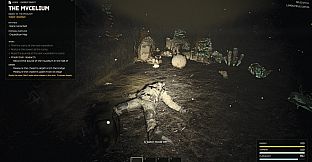
Sound plays a central role. Proximity voice chat transmits voices based on physical distance, so whispers can coordinate without alerting threats while louder reactions risk drawing attention to the entire team. Movement through water or over debris produces audible cues that entities respond to. When an agent is caught, that player continues to observe and hear the remaining team through the eyes of survivors, allowing continued participation until the last agent falls.
Game Modes
The core experience supports co-op play for one to four players, with solo runs available for those who prefer to attempt expeditions alone. Runs consist of selecting a door in the lobby, entering one of three distinct sites, completing tasks under site-specific rules, and extracting with gathered data. Procedural generation randomizes rooms, passages, and item spawns on every attempt, preventing reliance on memorized paths.
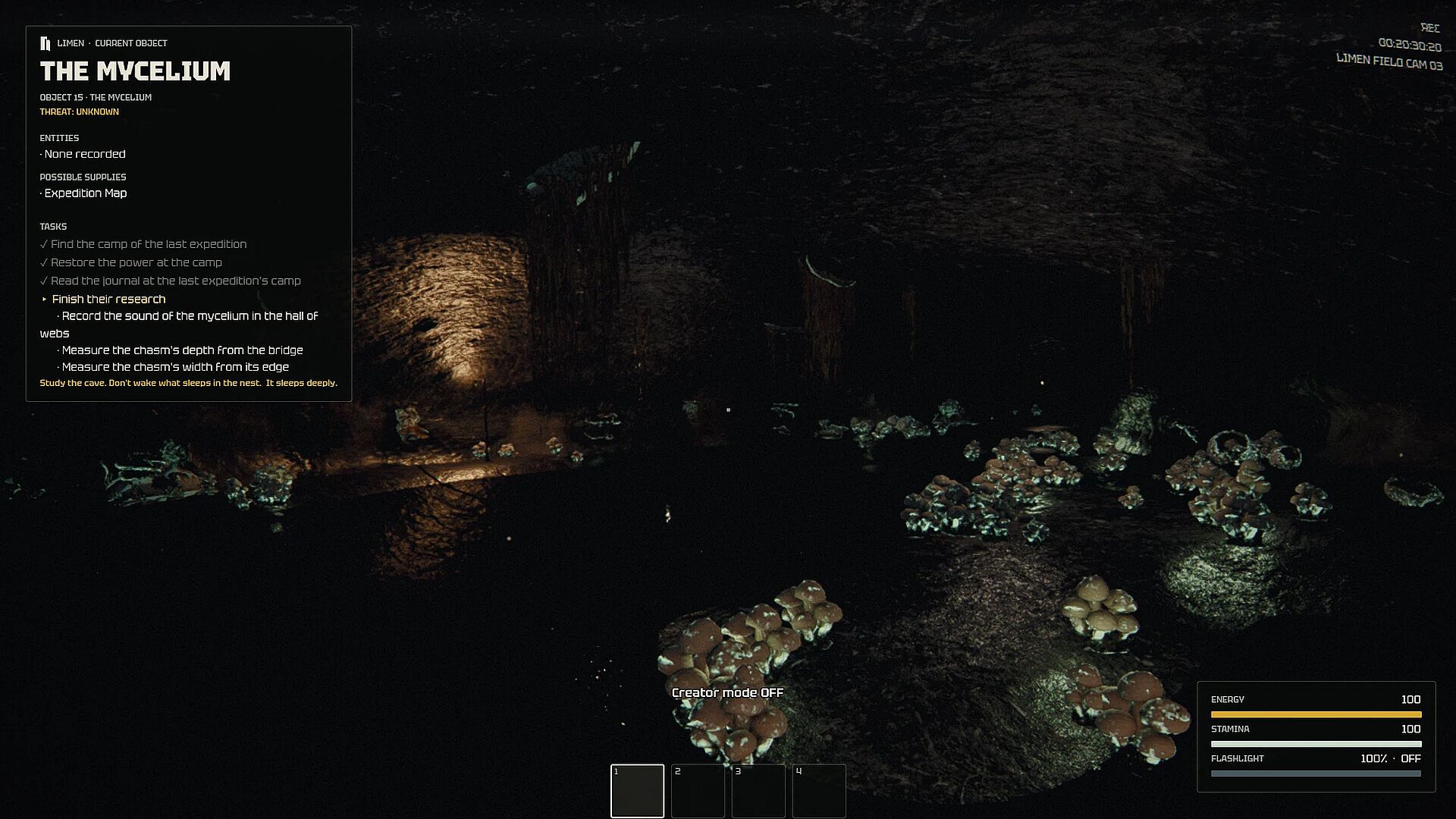
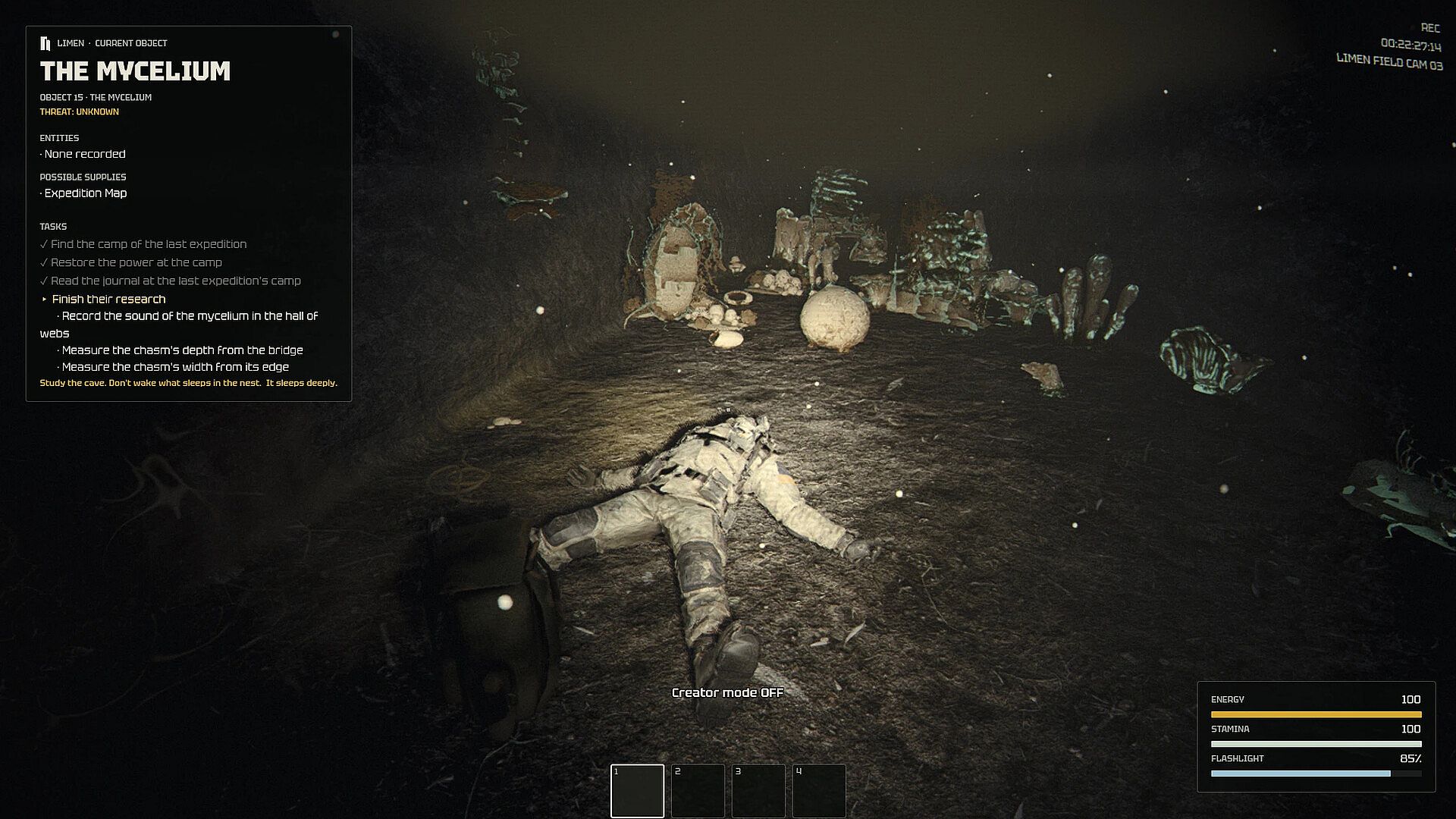
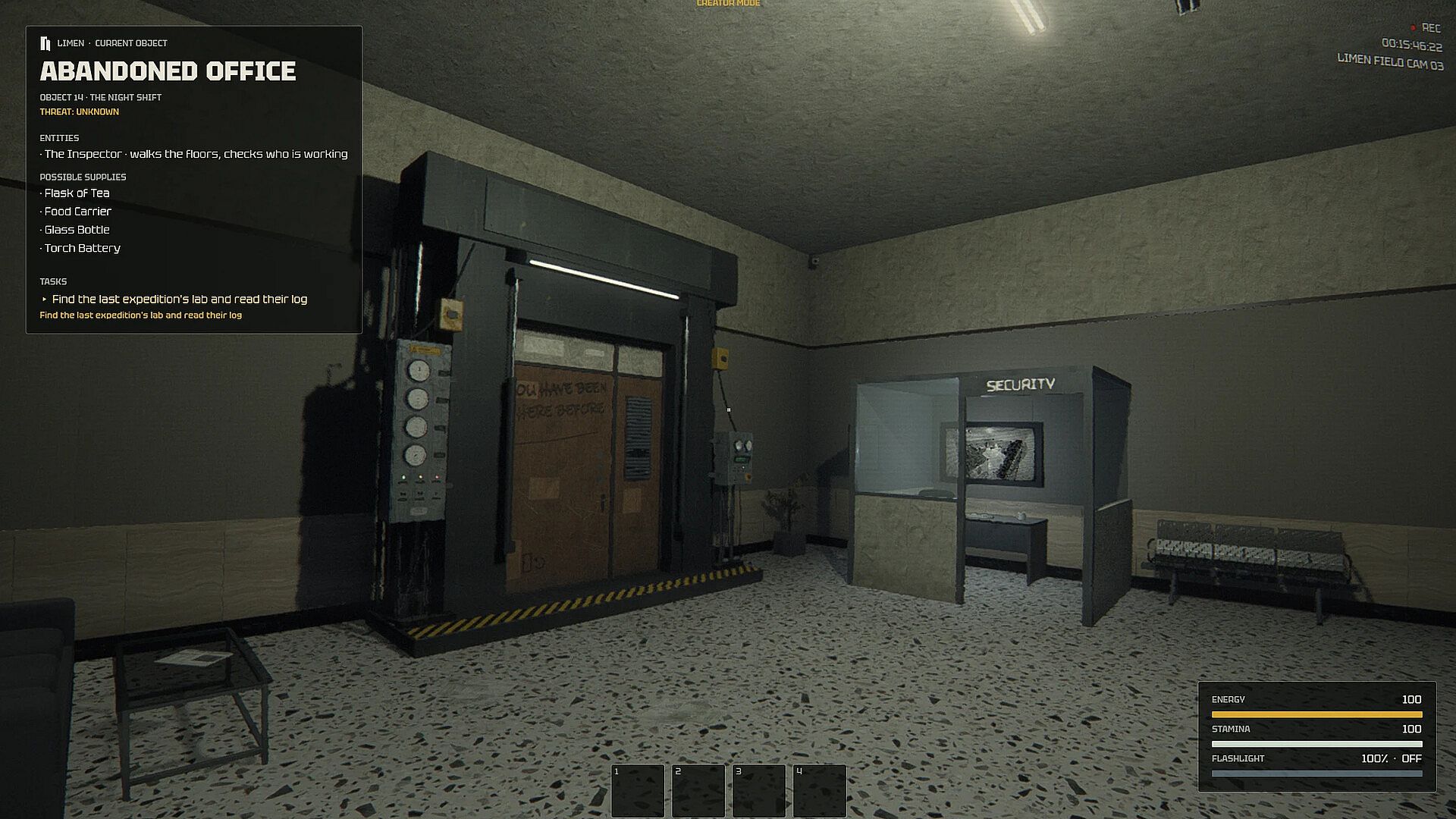
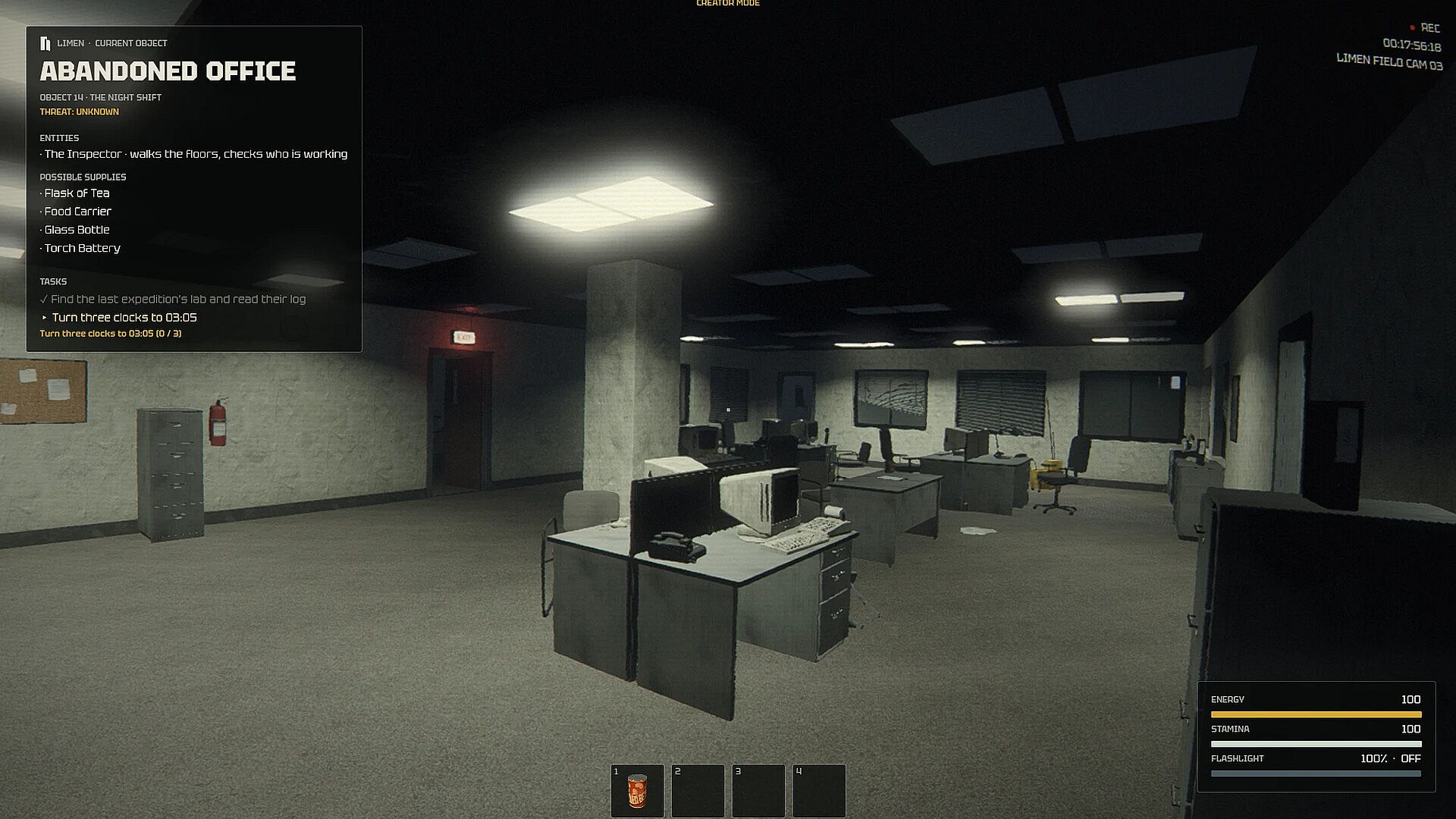
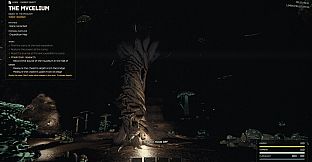
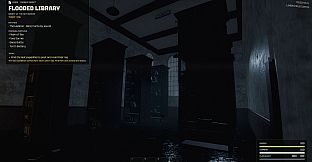
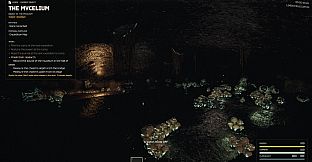
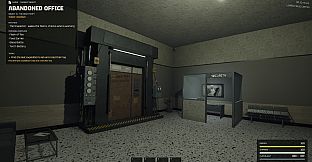
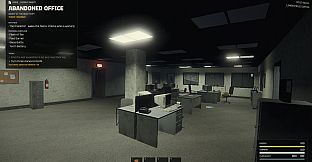
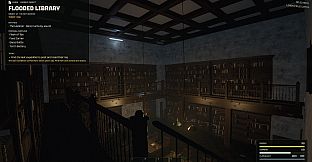
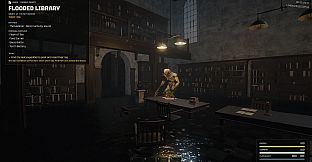
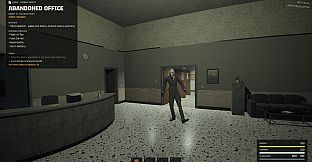
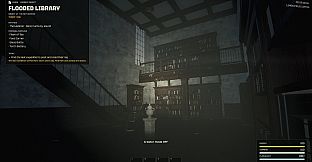
The three sites impose separate survival conditions. In the Flooded Library the Listener tracks by sound alone, requiring quiet movement through water or deliberate noise to mislead it. The Abandoned Office features the Inspector who patrols and issues reprimands for suspicious behavior; agents must carry papers, answer ringing phones, and hide in cubicles to avoid three strikes. The Mycelium is a cave system where the Sleeper rests in its nest; teams restore power, finish prior research, and avoid stepping on pale mycelium that alerts the awakened entity.
Key Mechanics and Atmosphere
Field-recording style presentation frames the action through the LIMEN FIELD CAM interface, emphasizing tension through limited visibility and reactive audio. Thrown bottles create crashes that draw entities away, though the resulting shards produce noise underfoot for anyone nearby. Tasks combine exploration, puzzle elements, and careful resource use across procedurally varied layouts. The system rewards coordinated movement and communication while punishing careless sound or poor positioning.
Inventory management and stamina tracking add layers to each run. Agents must balance task progress against the need to stay mobile and quiet. Fallen teammates provide ongoing audio and visual information, turning elimination into a partial continuation rather than an immediate end.
Is It Worth Playing?
LIMEN Company targets players who enjoy co-op horror built around sound awareness, procedural variety, and site-specific threat behaviors. The combination of proximity voice chat that entities can hear, distinct entity mechanics across three locations, and the ability to continue observing after falling creates a focused loop centered on teamwork and caution. Solo support broadens access for those without a group. Because the game remains in an early state with no published player reviews or update history available, anyone considering it should weigh interest in its specific sound-driven survival systems against the lack of broader community feedback at this time. Those drawn to tense, communication-heavy expeditions in changing environments will find the core loop matches that preference directly.