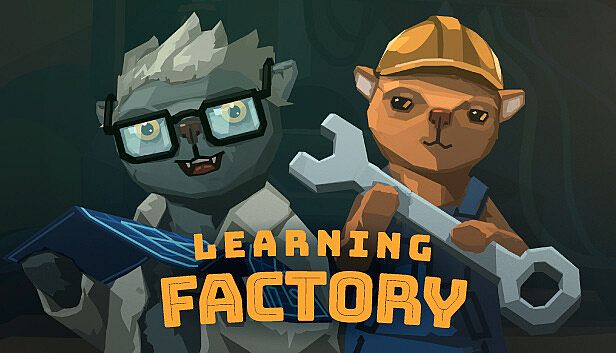












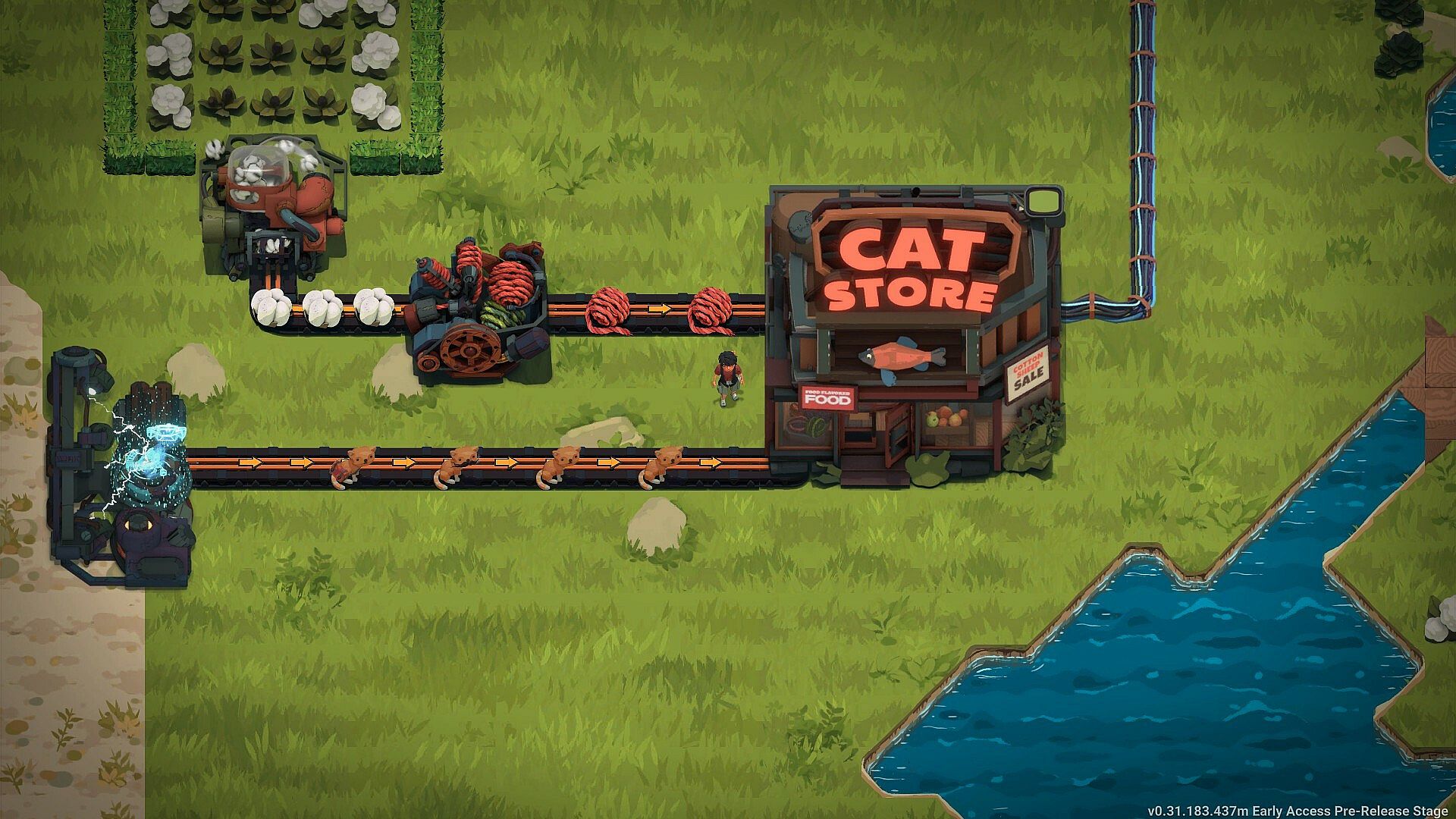
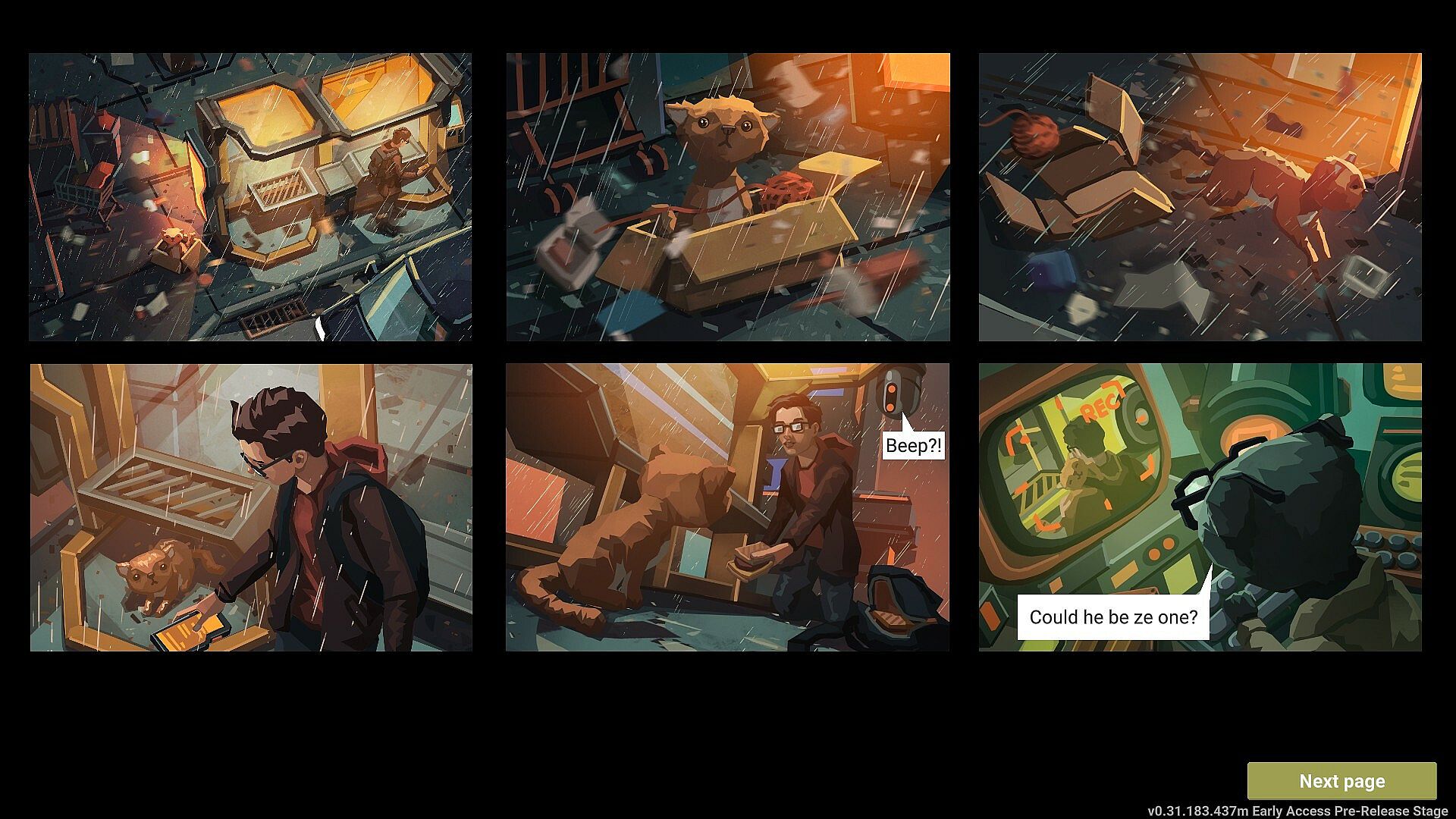
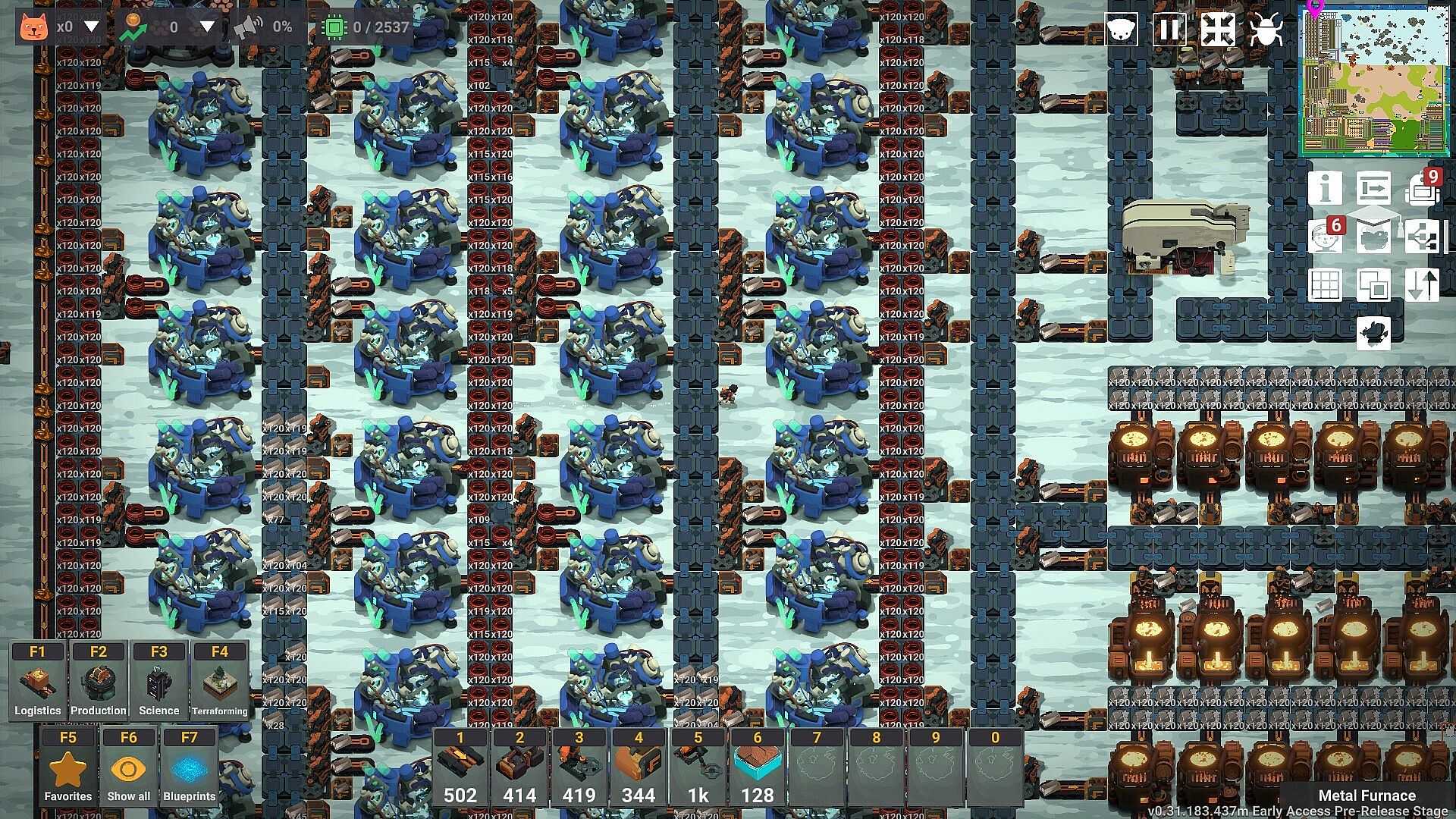
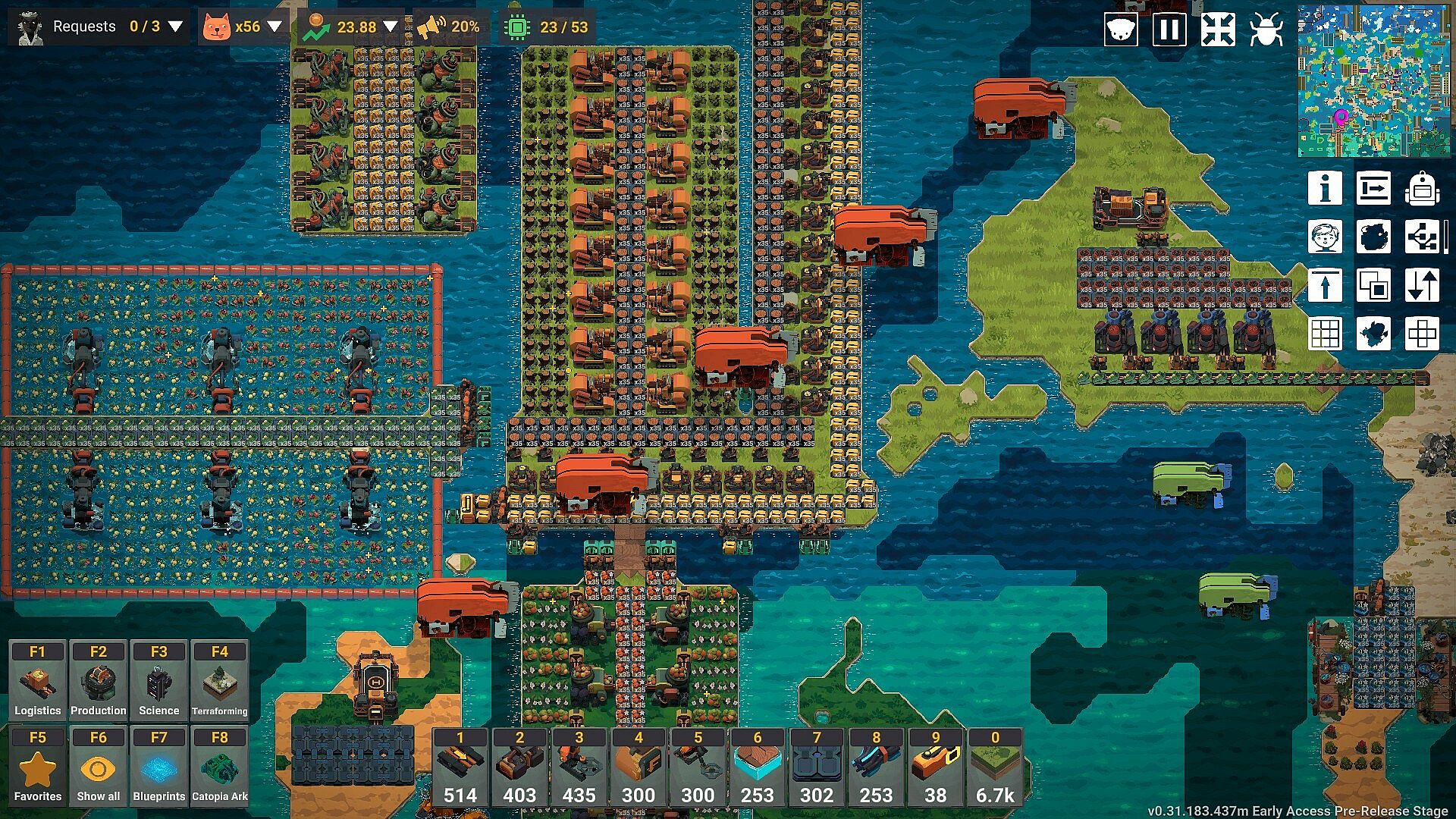
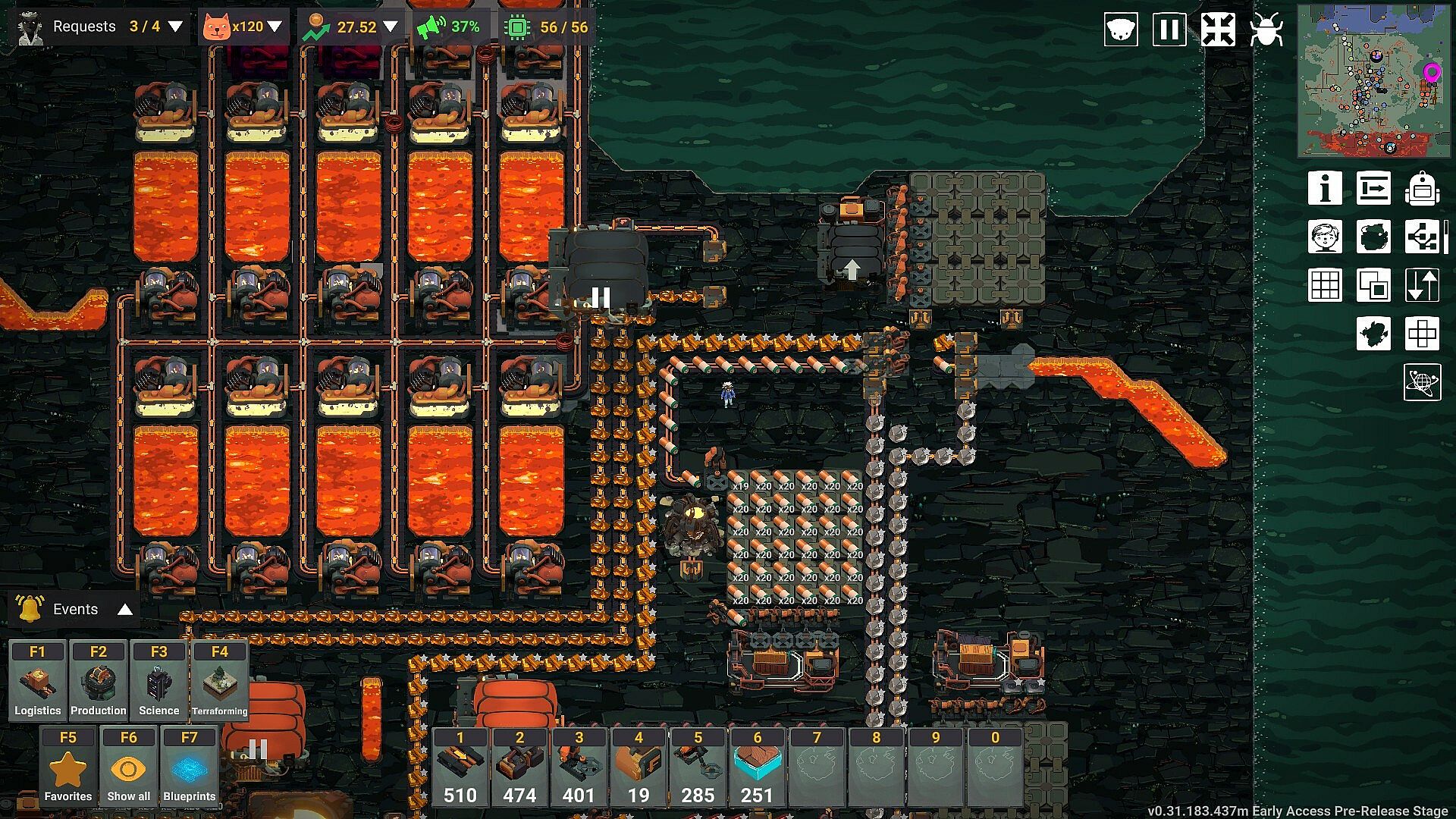
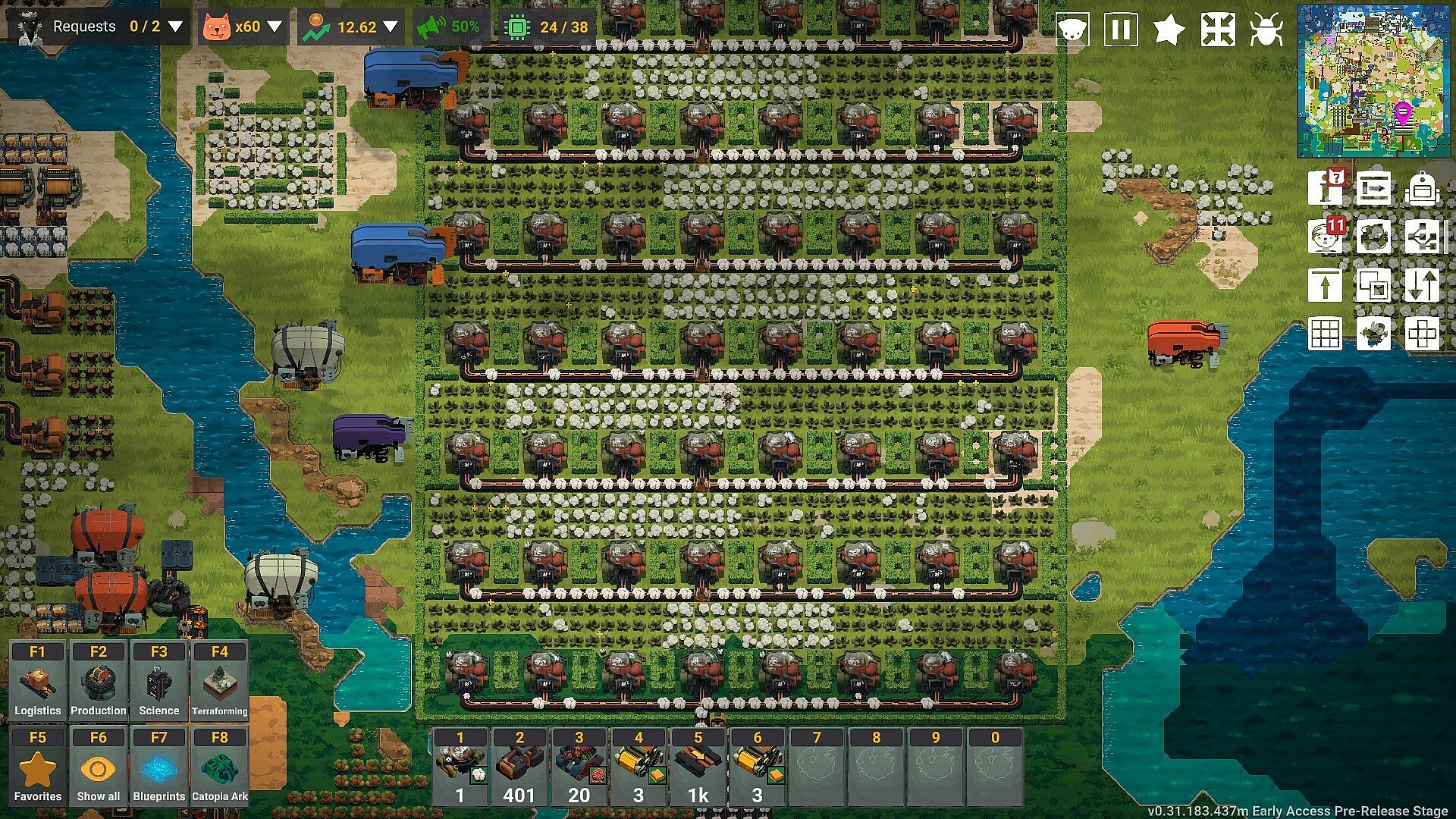
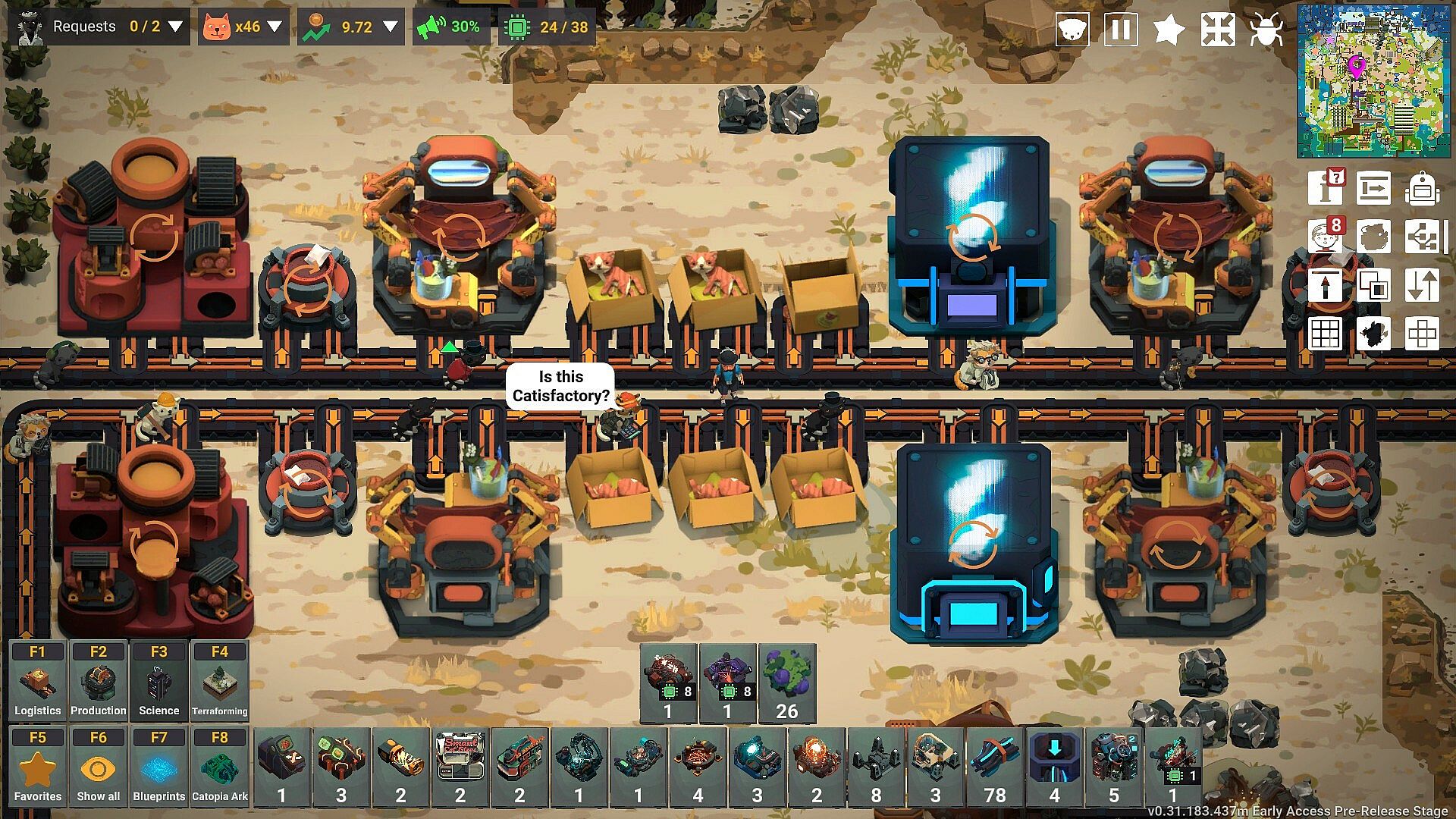
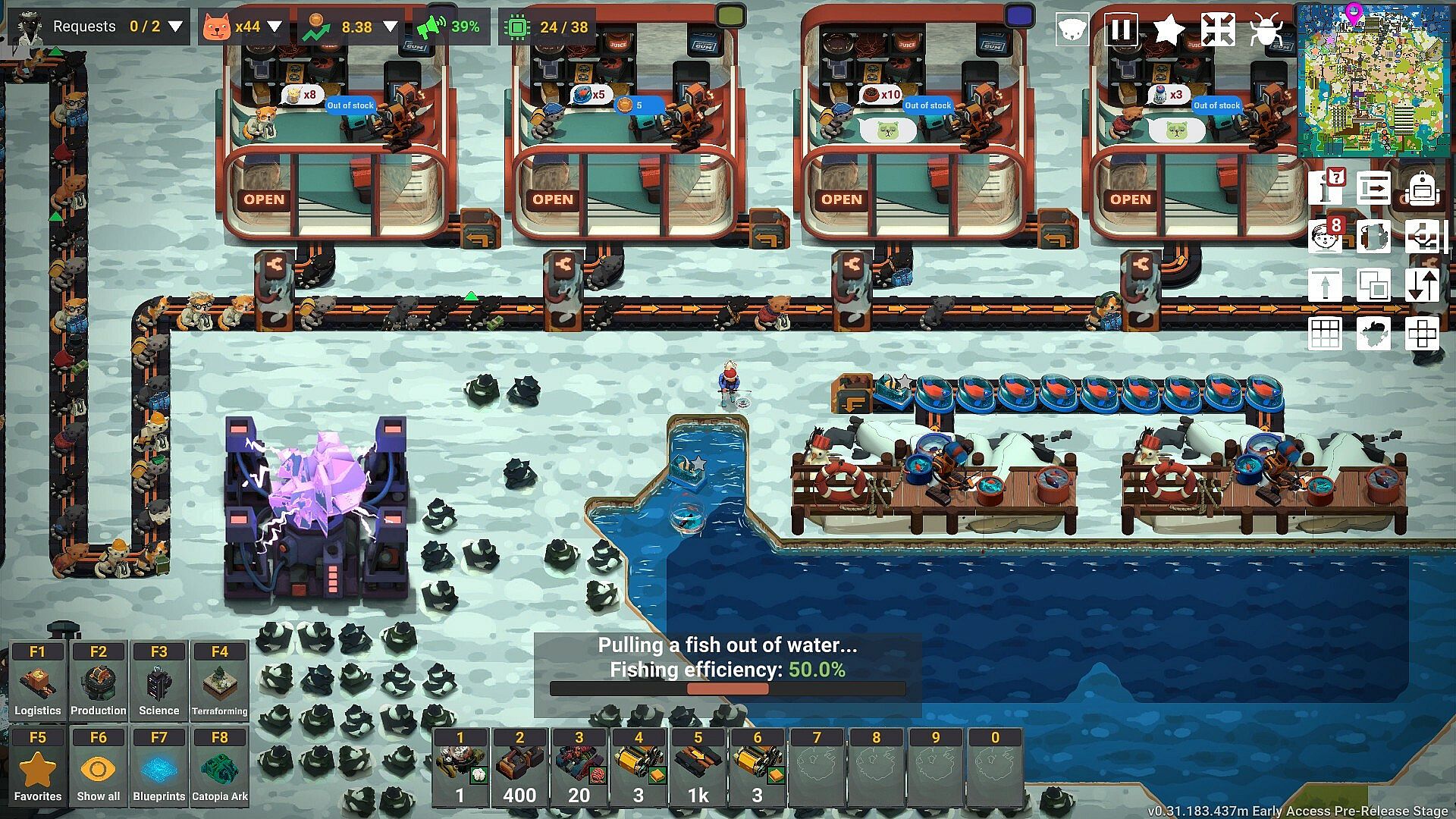
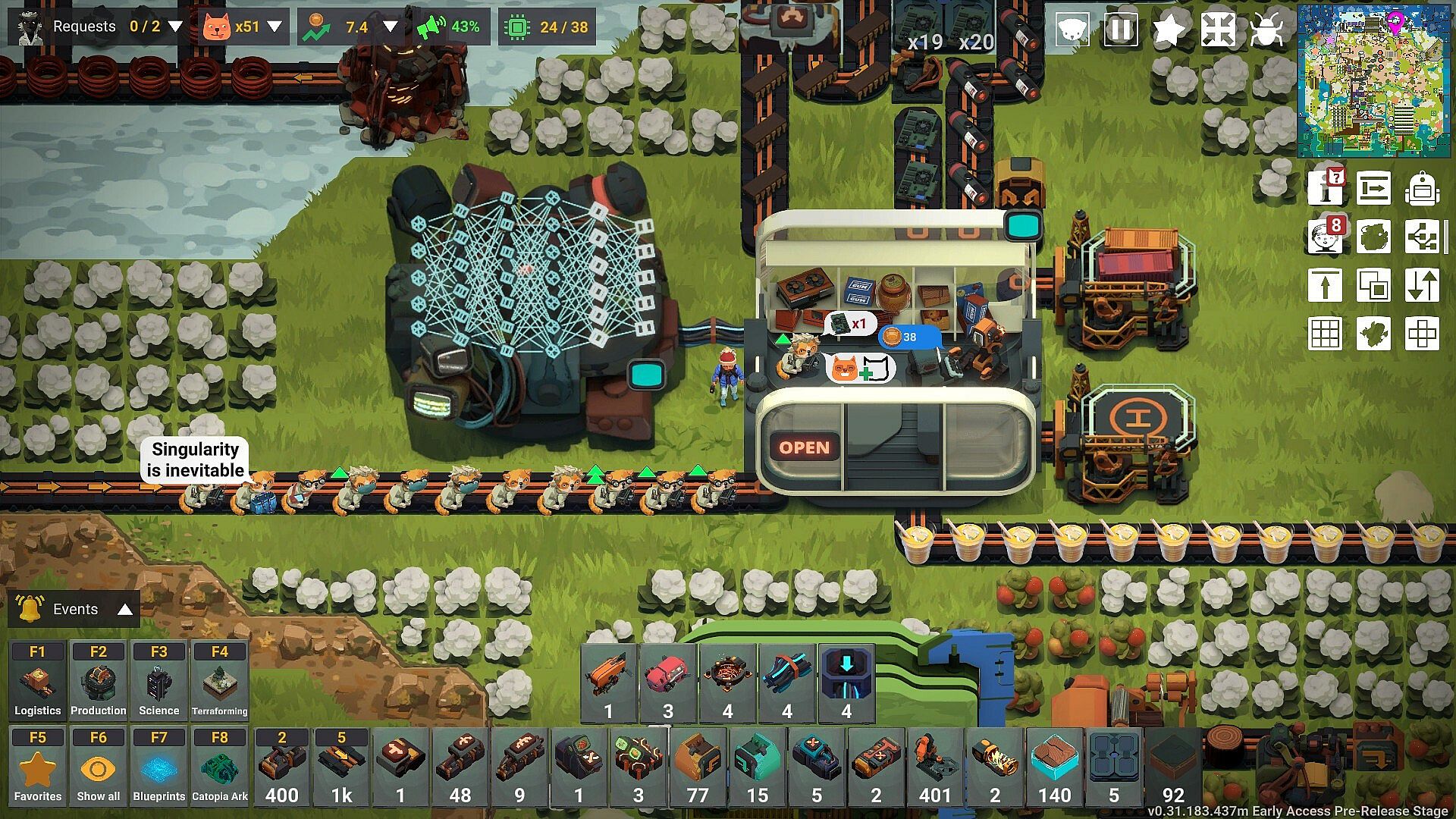
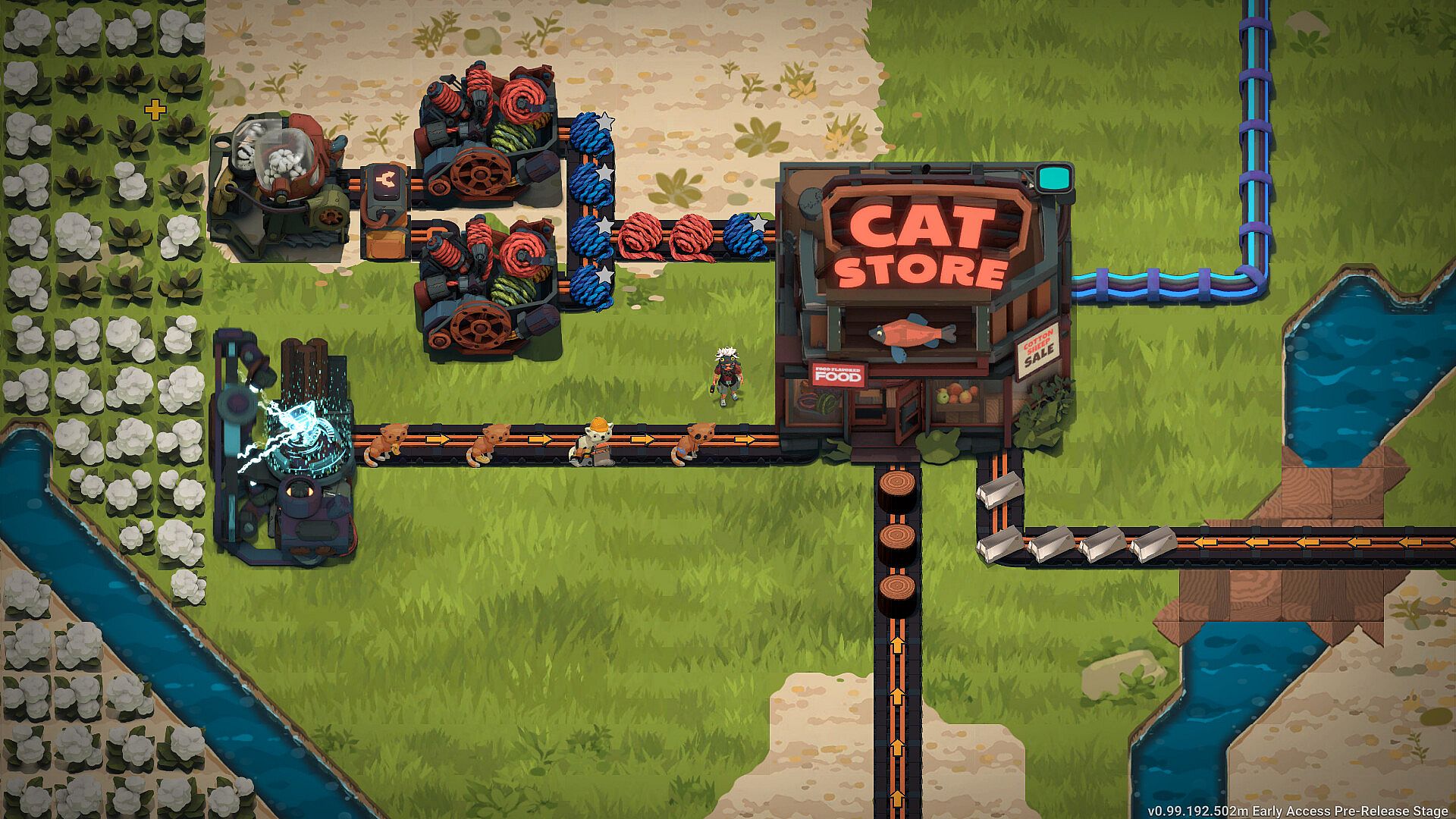
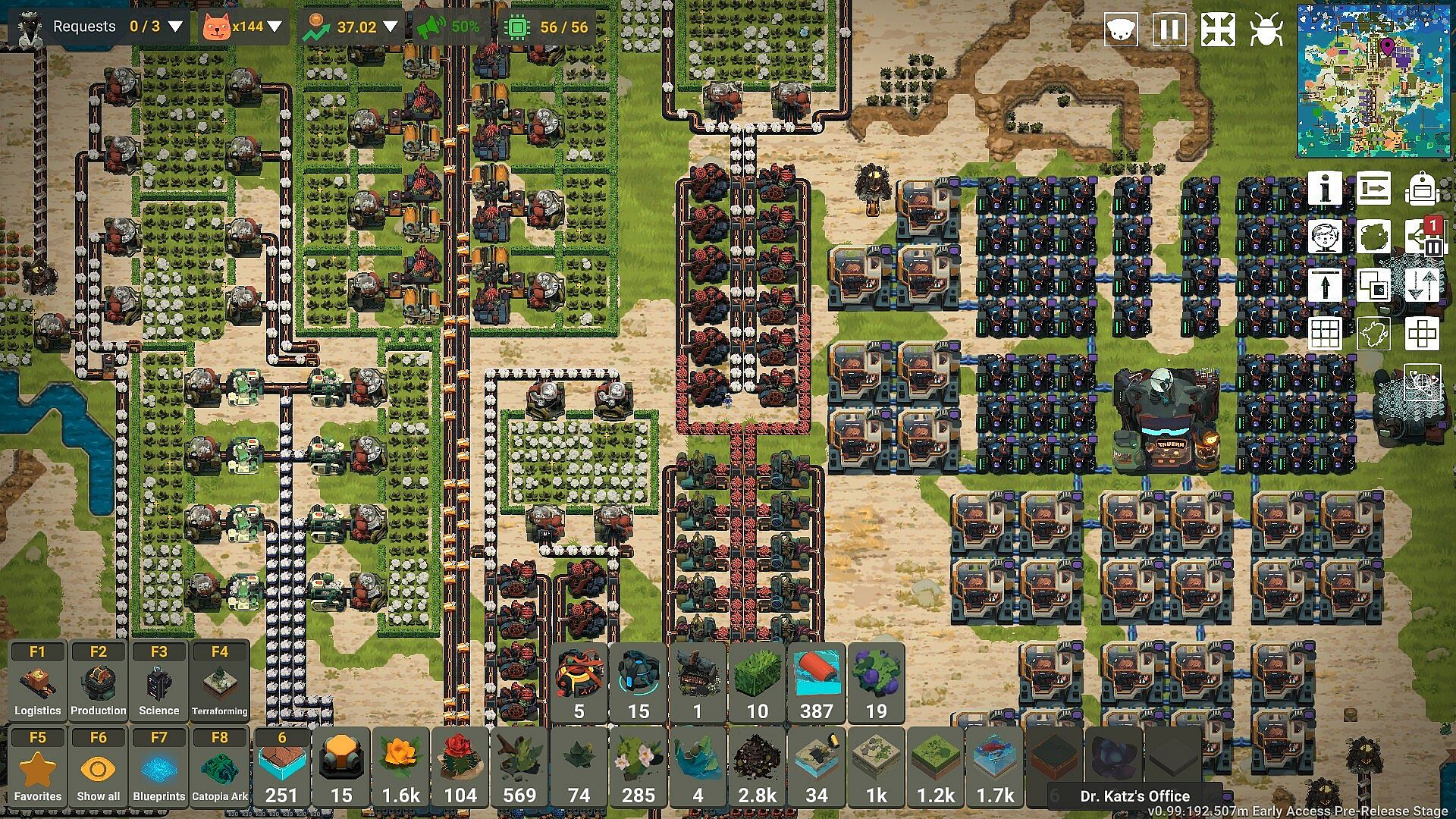
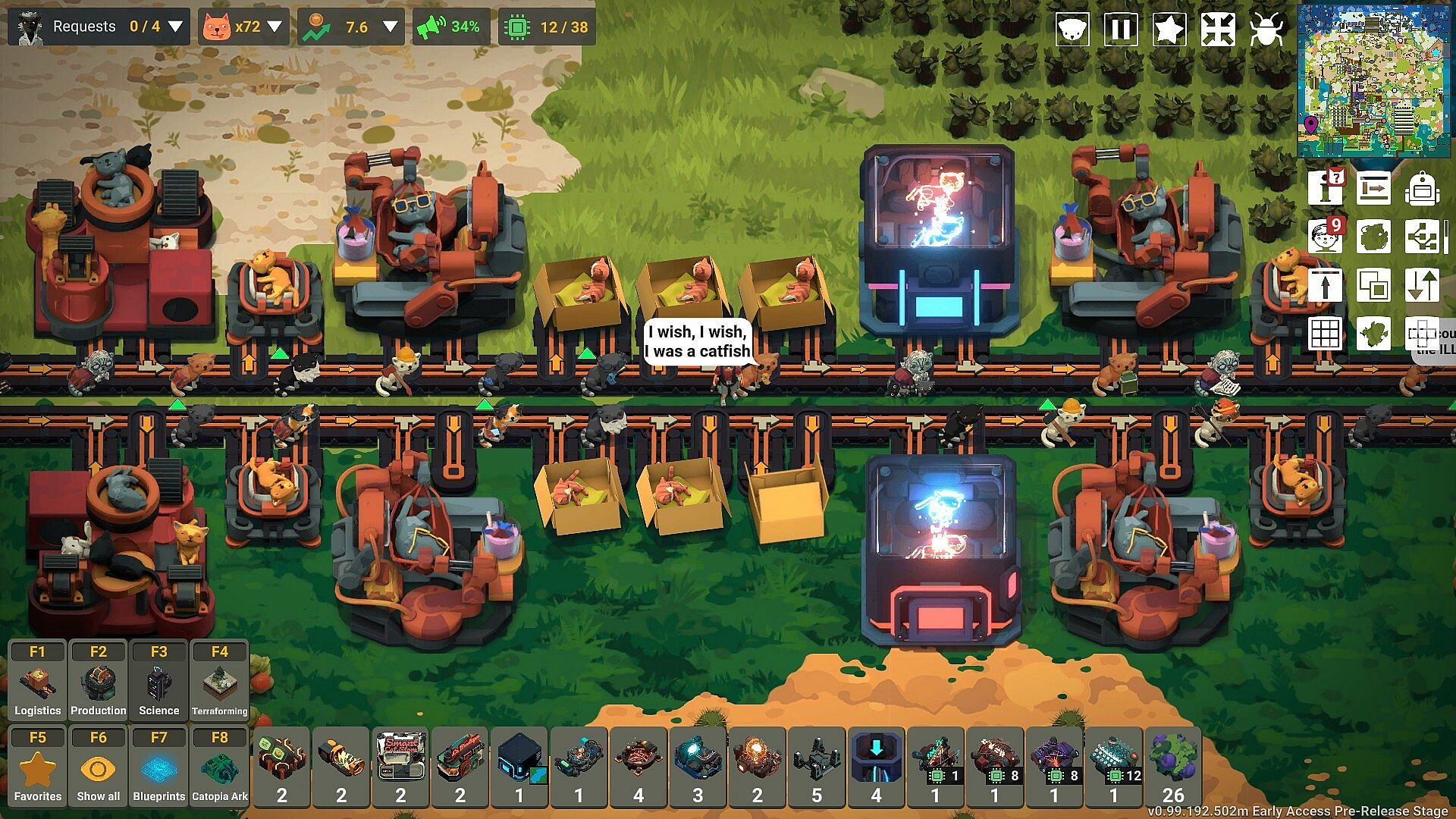
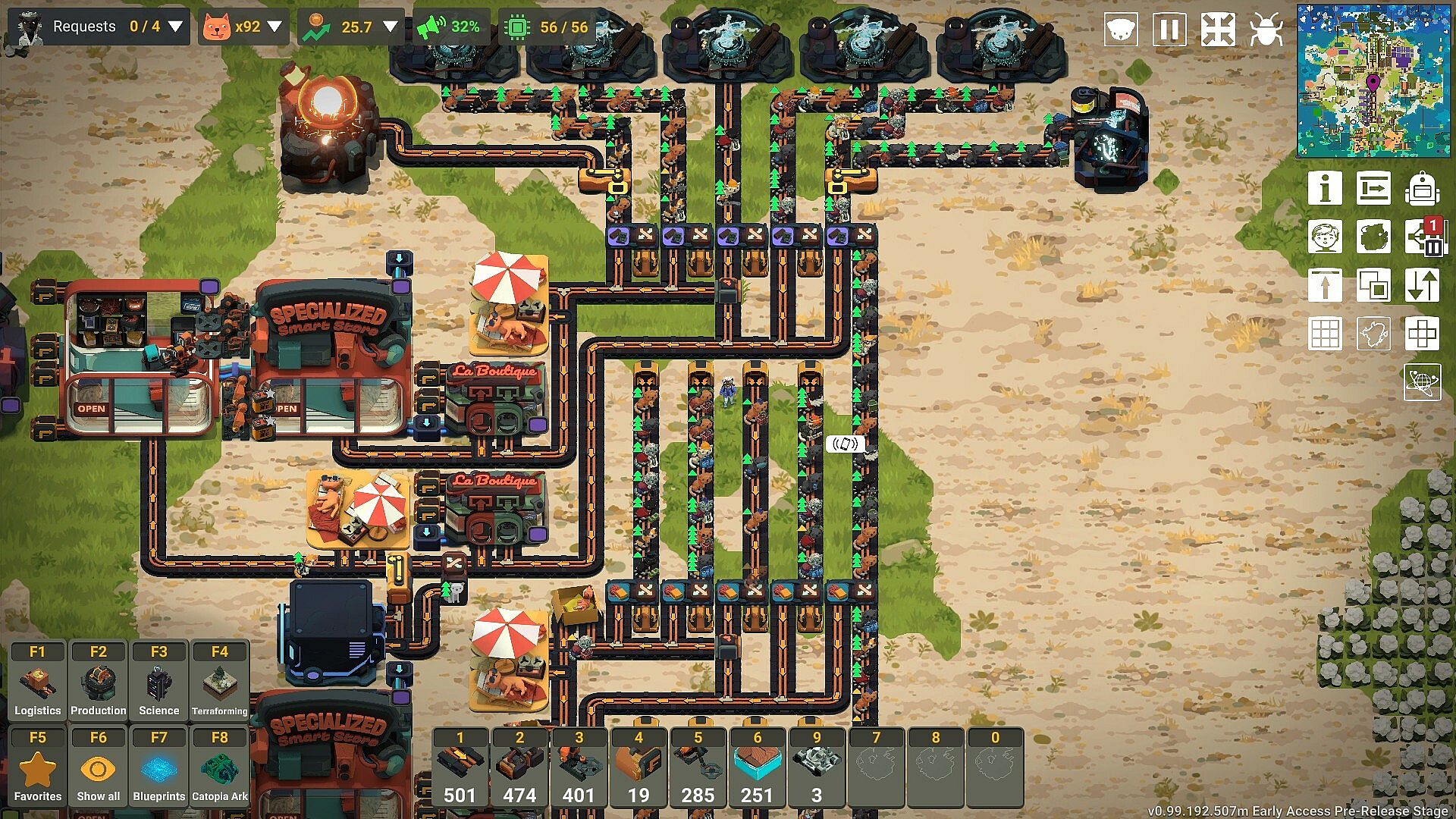
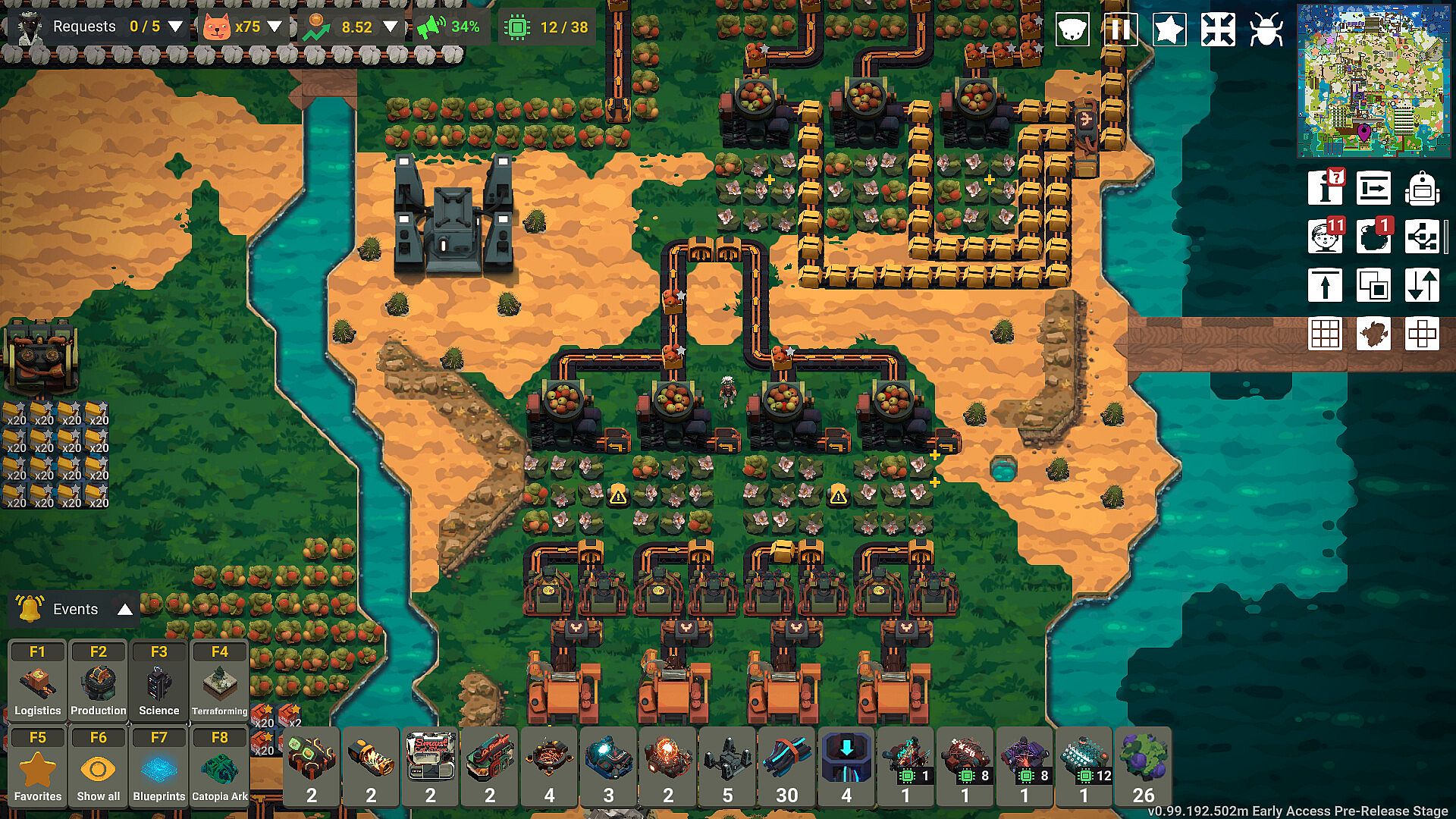
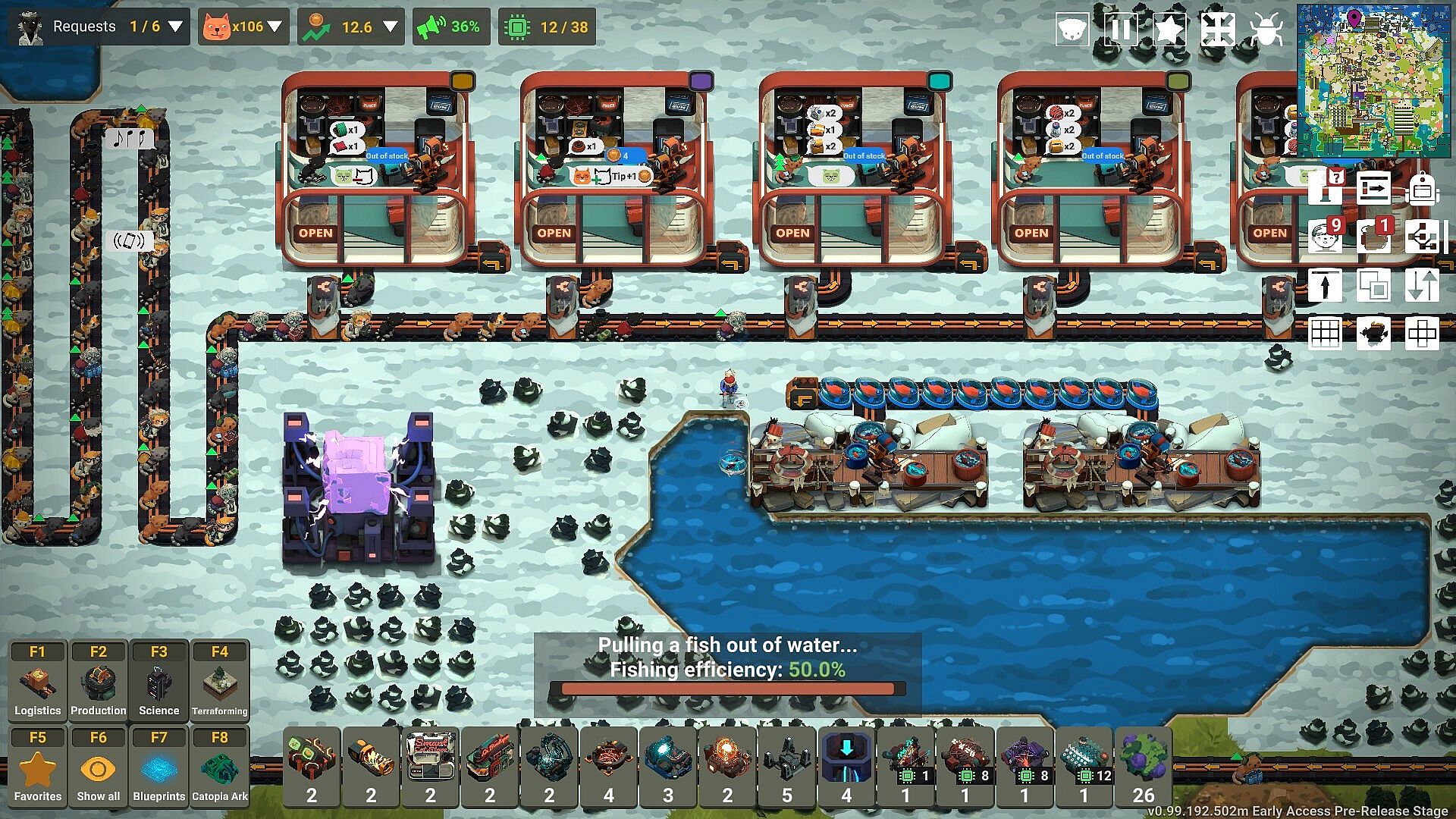
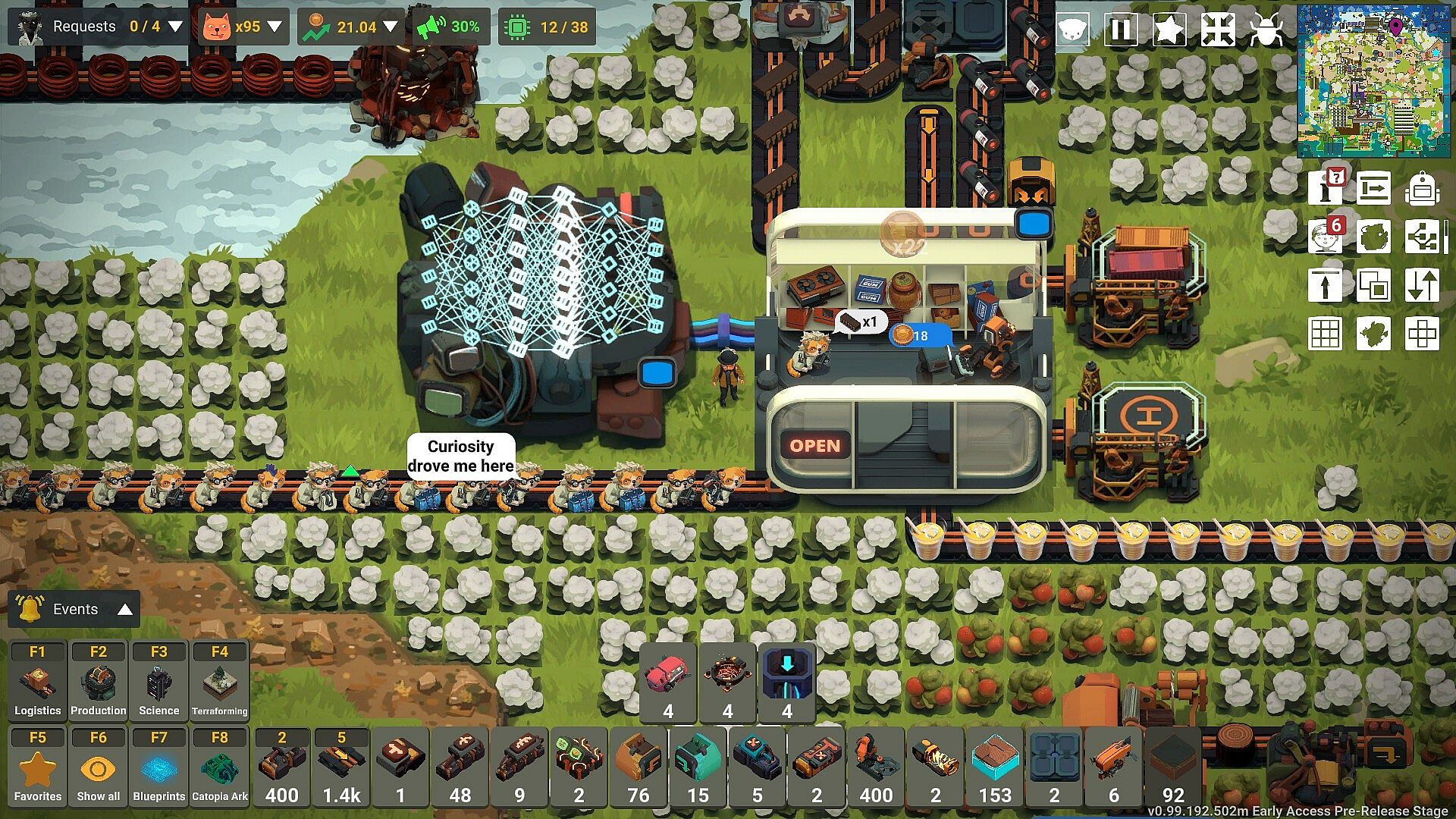
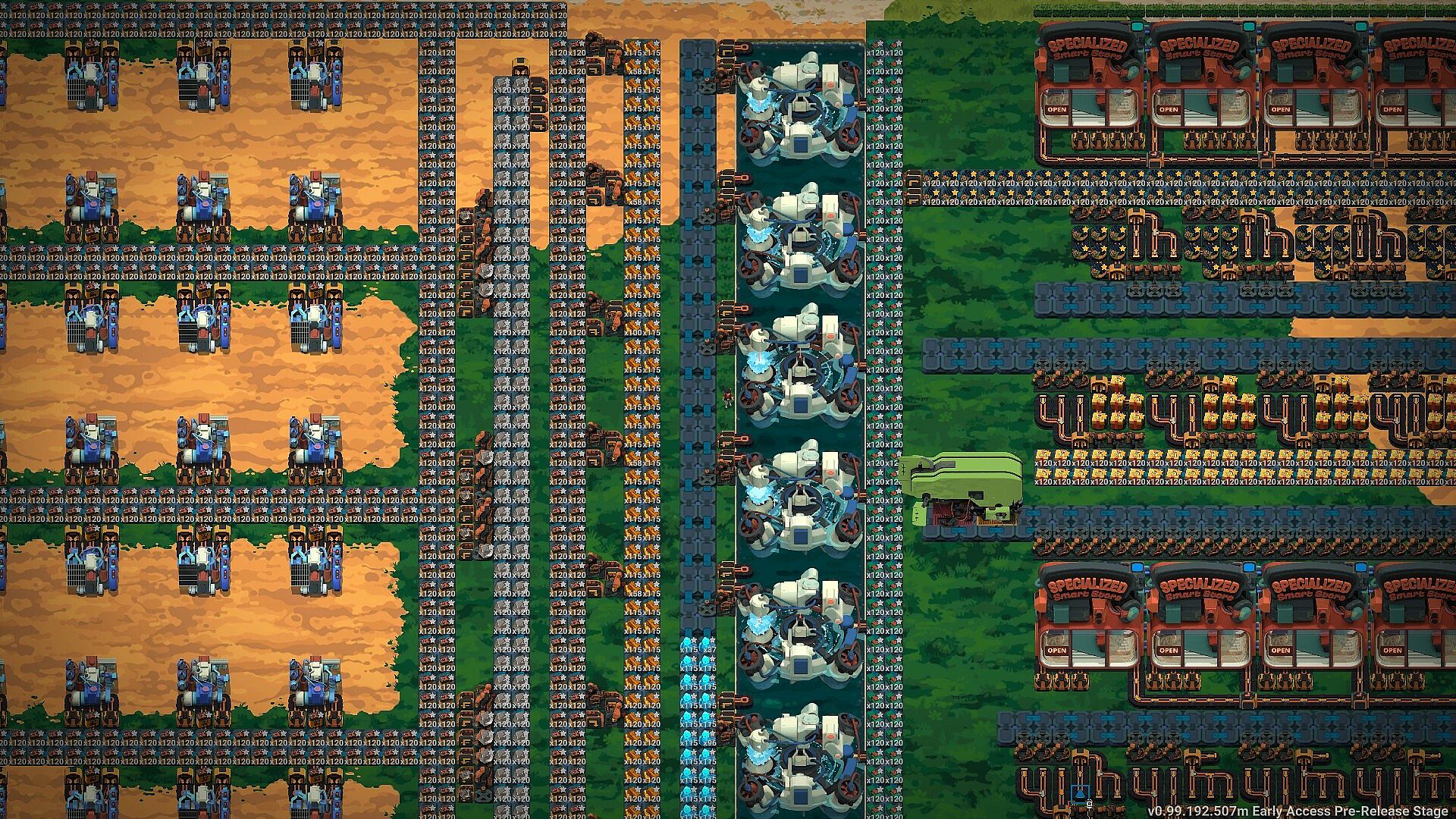
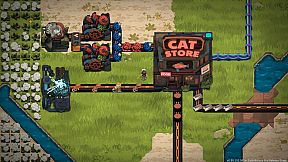
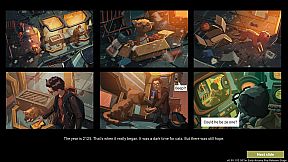
Learning Factory é um jogo de simulação estratégica que une automação industrial a uma premissa leve focada na satisfação felina. O jogador assume o papel de um cientista encarregado de reativar uma instalação abandonada em Marte, projetando, produzindo e vendendo produtos especializados para gatos. O grande diferencial está na combinação de mecânicas de construção relaxantes com conceitos reais de machine learning aplicados a dados de vendas.
Gameplay
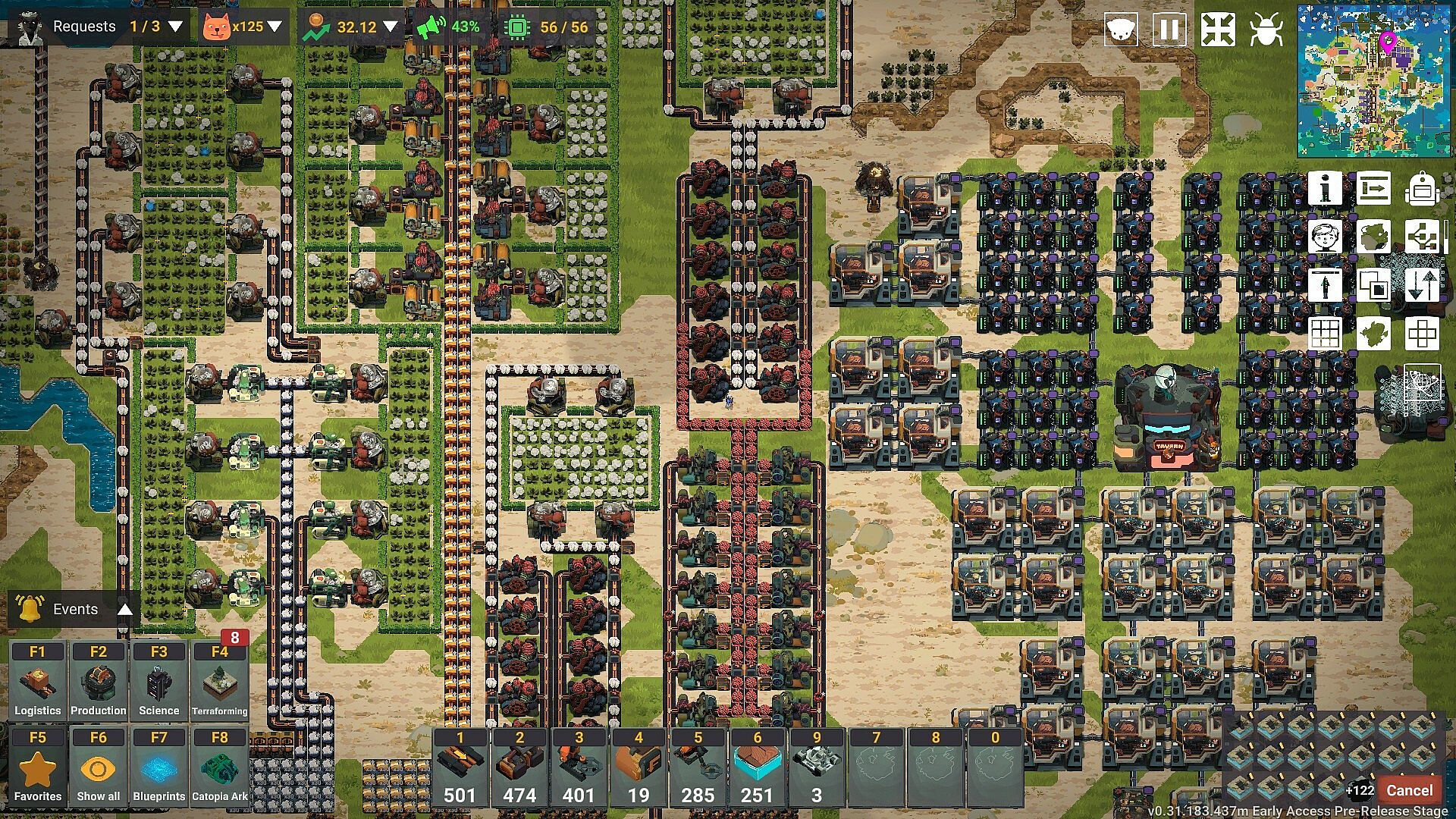
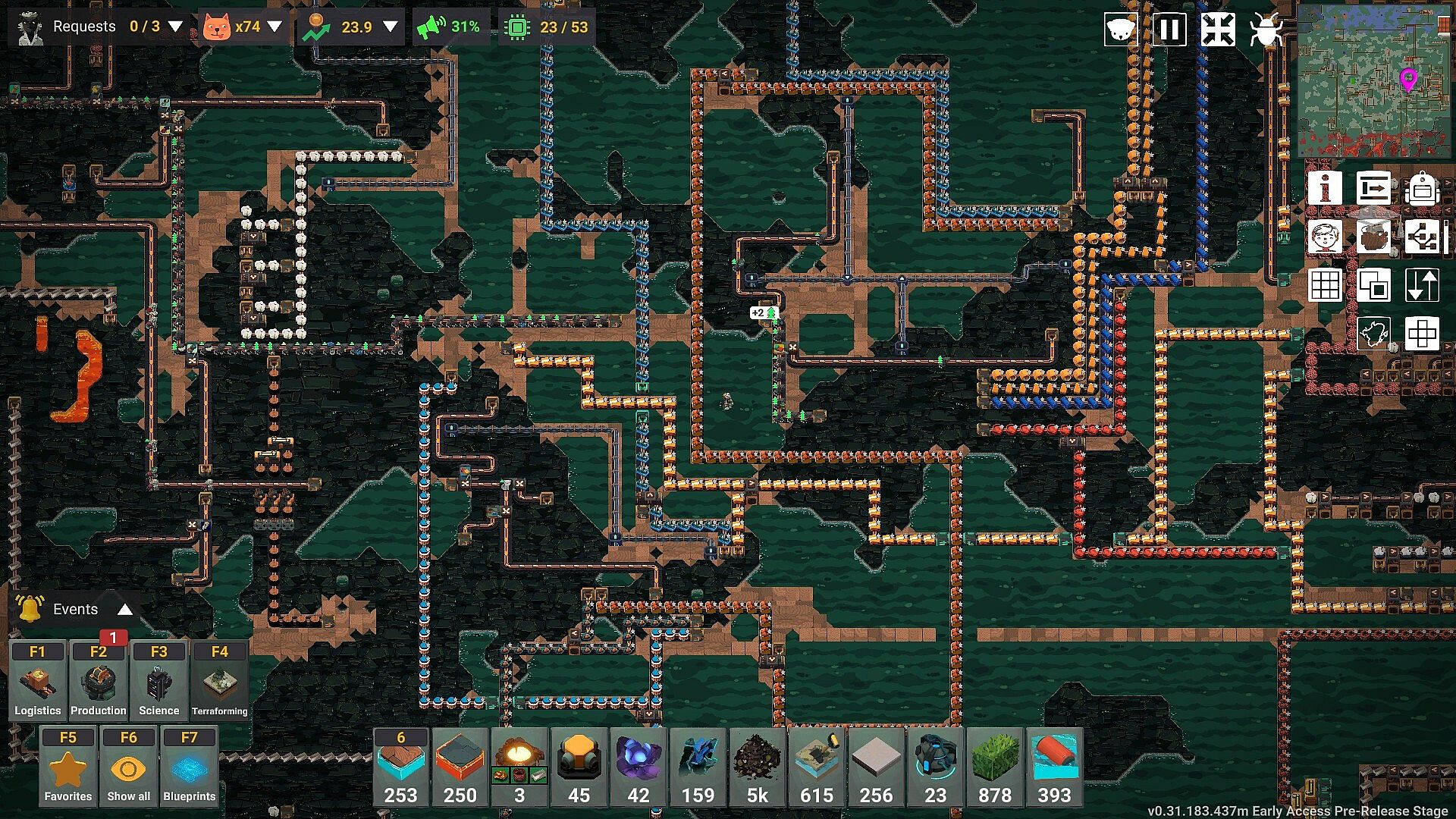
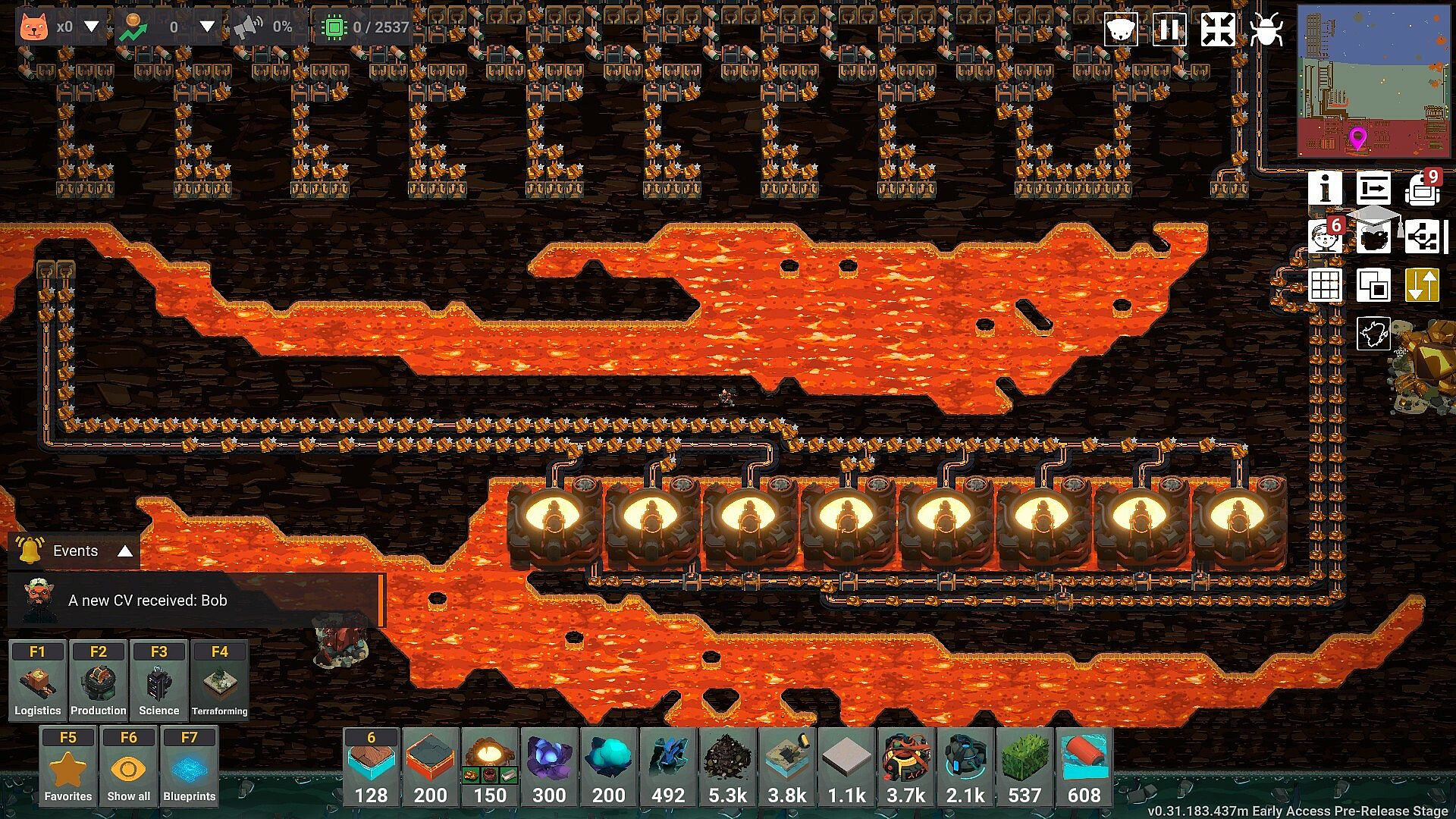
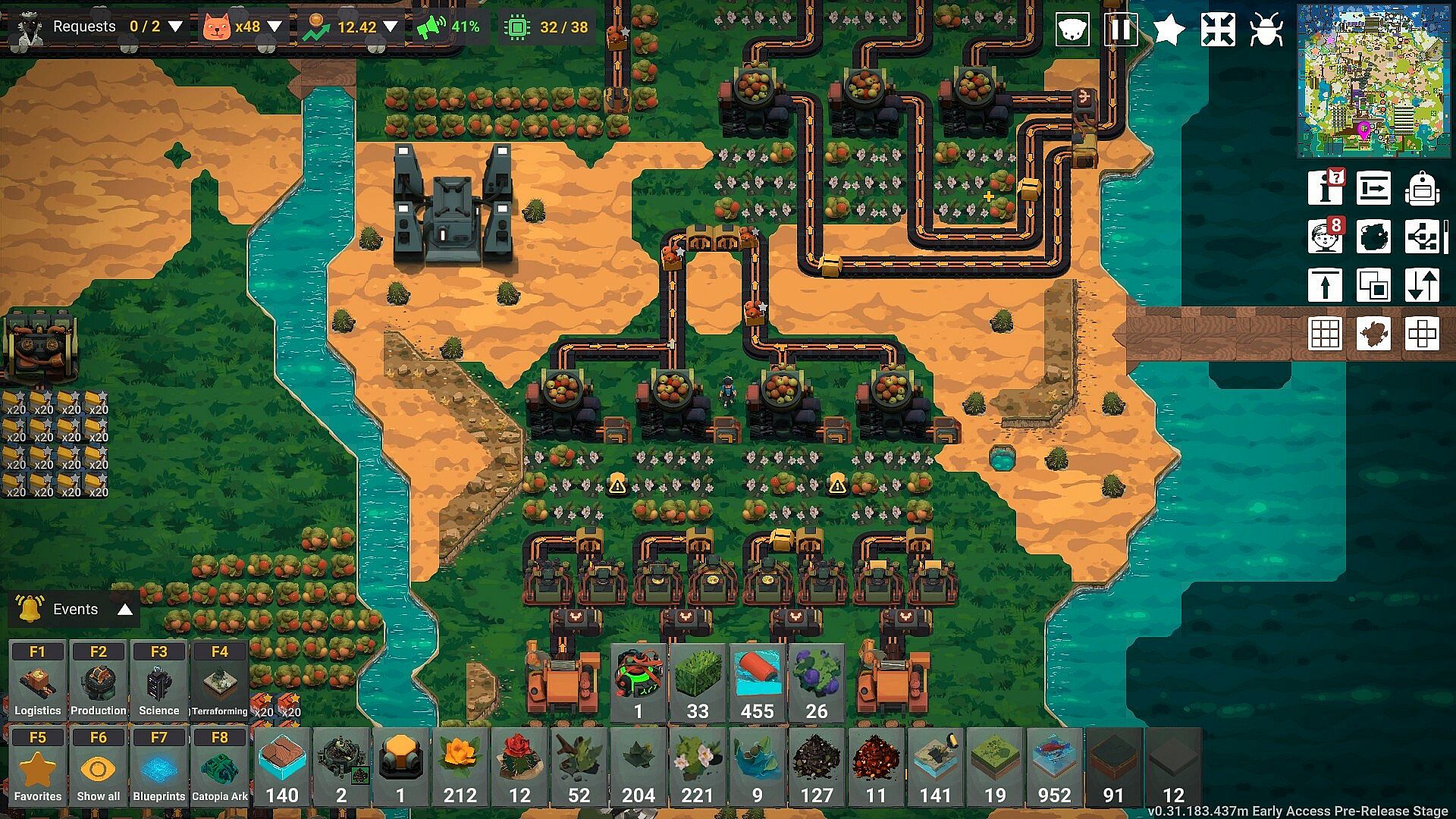
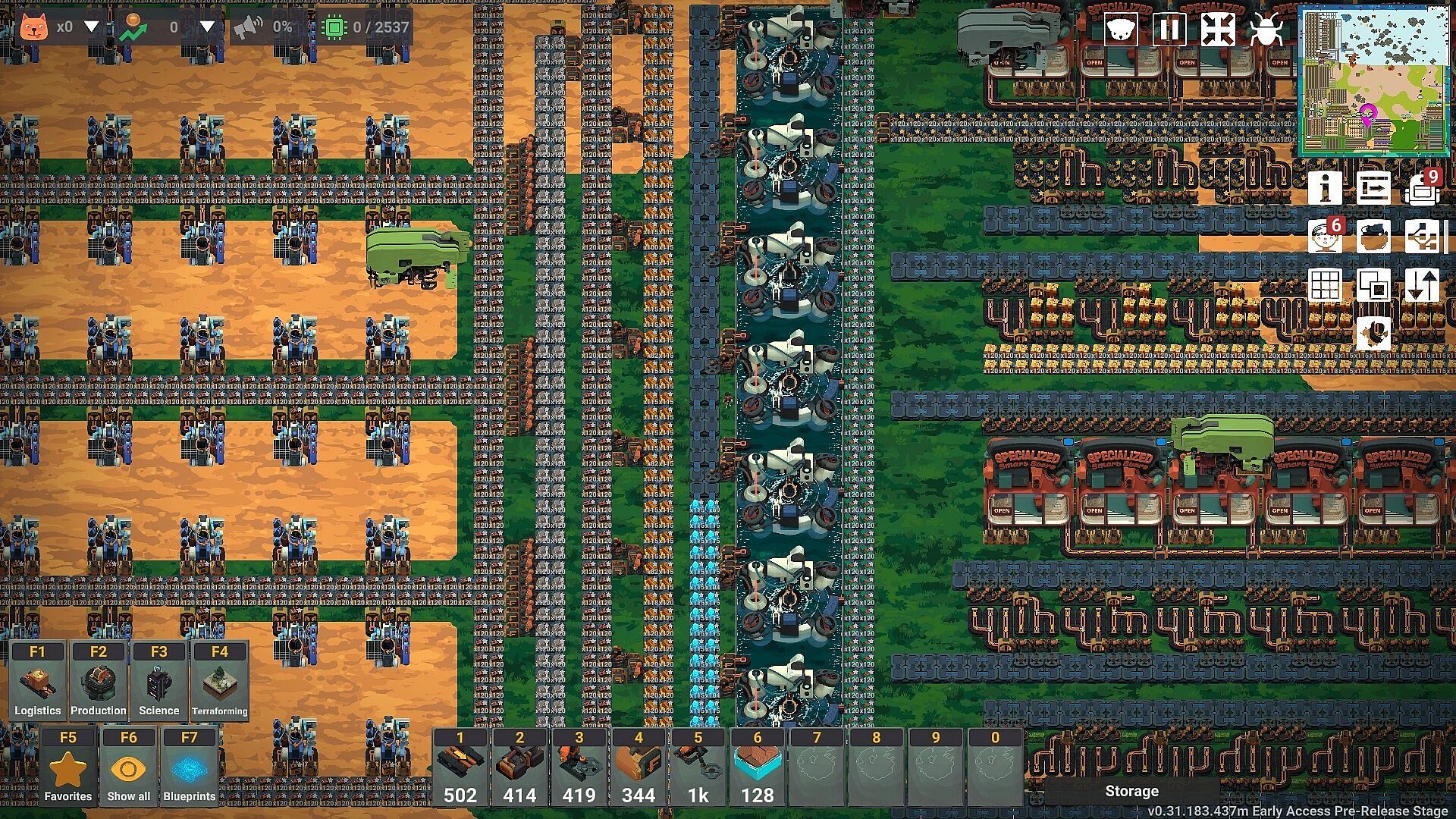
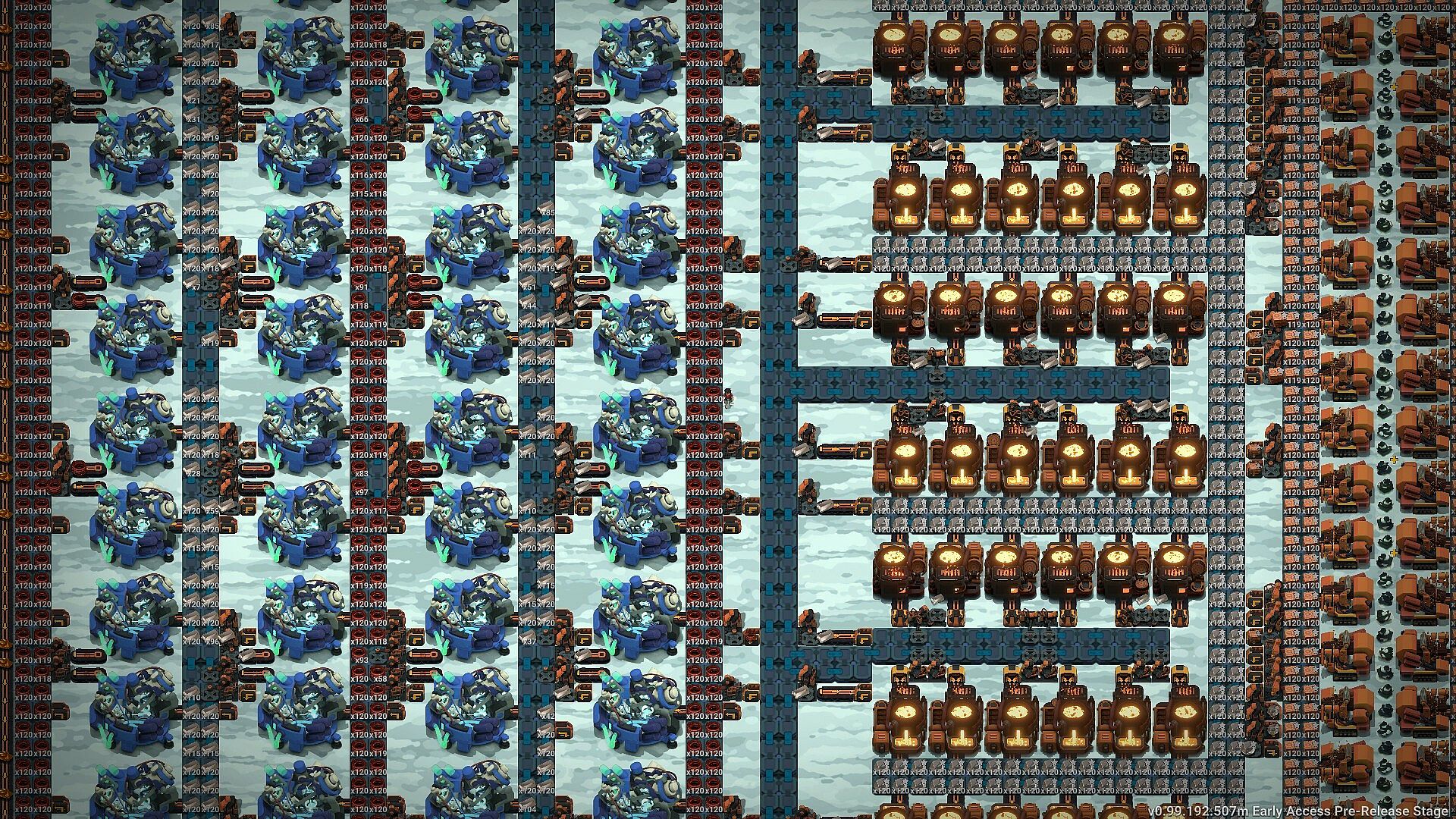
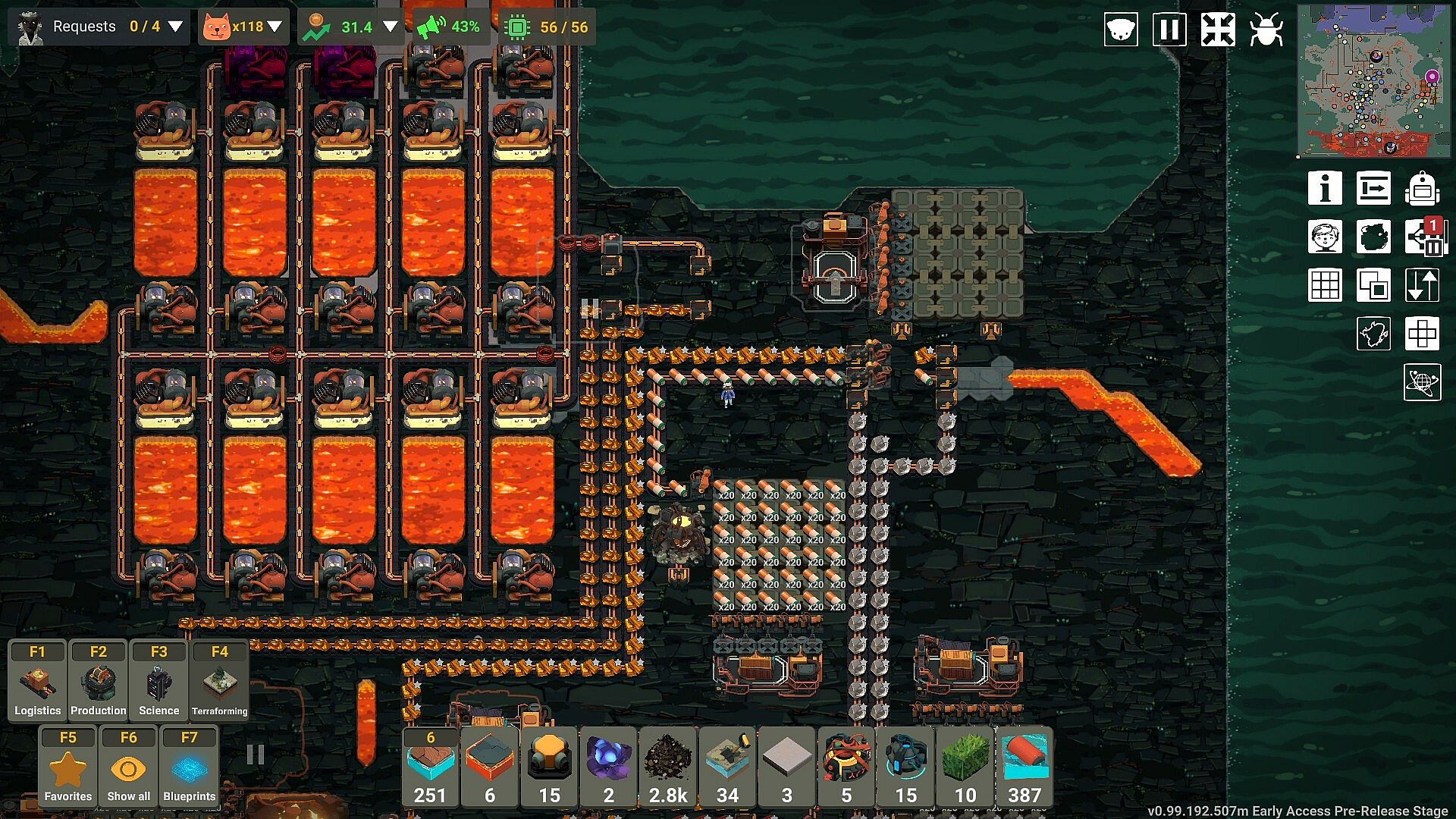
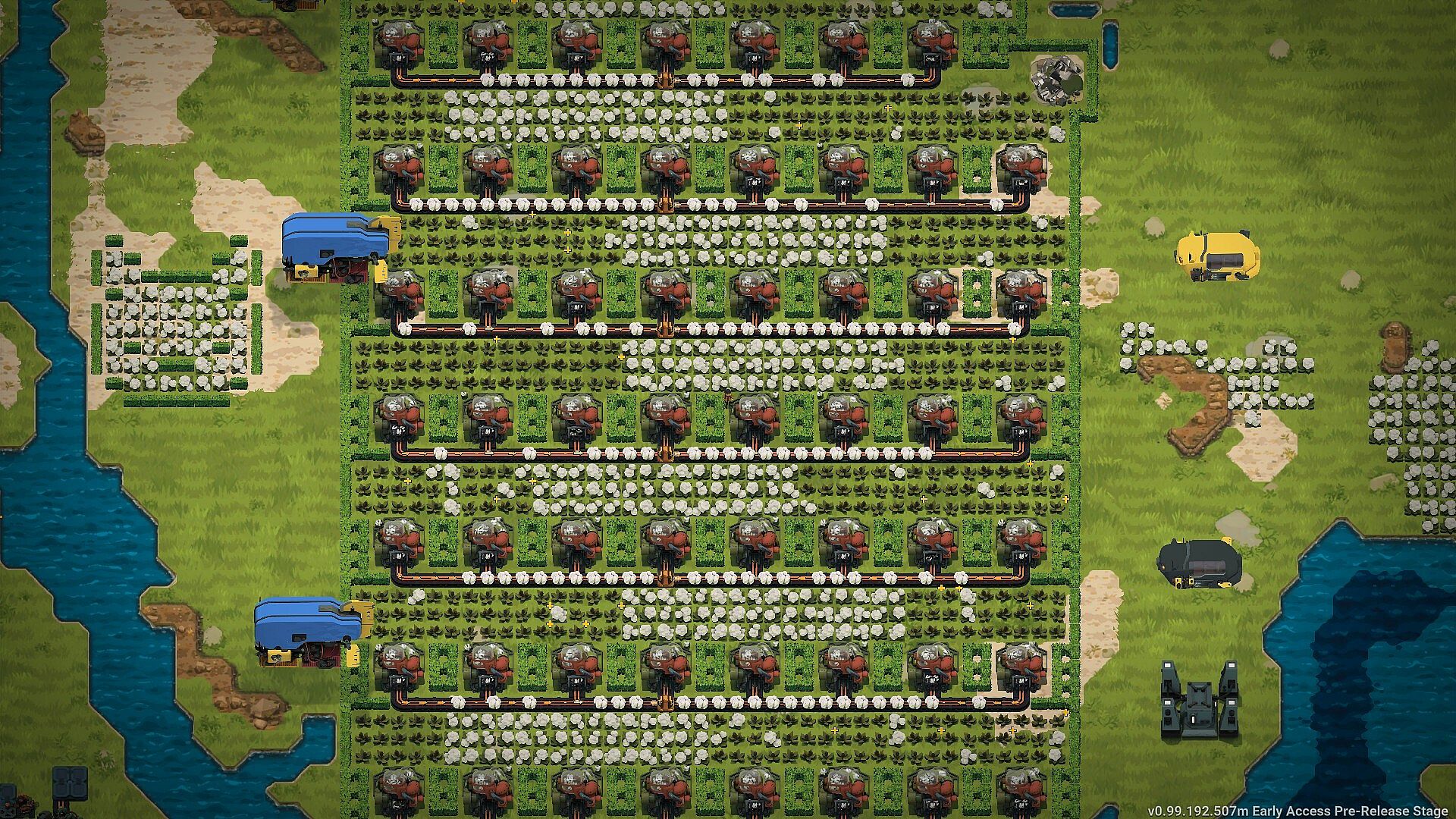
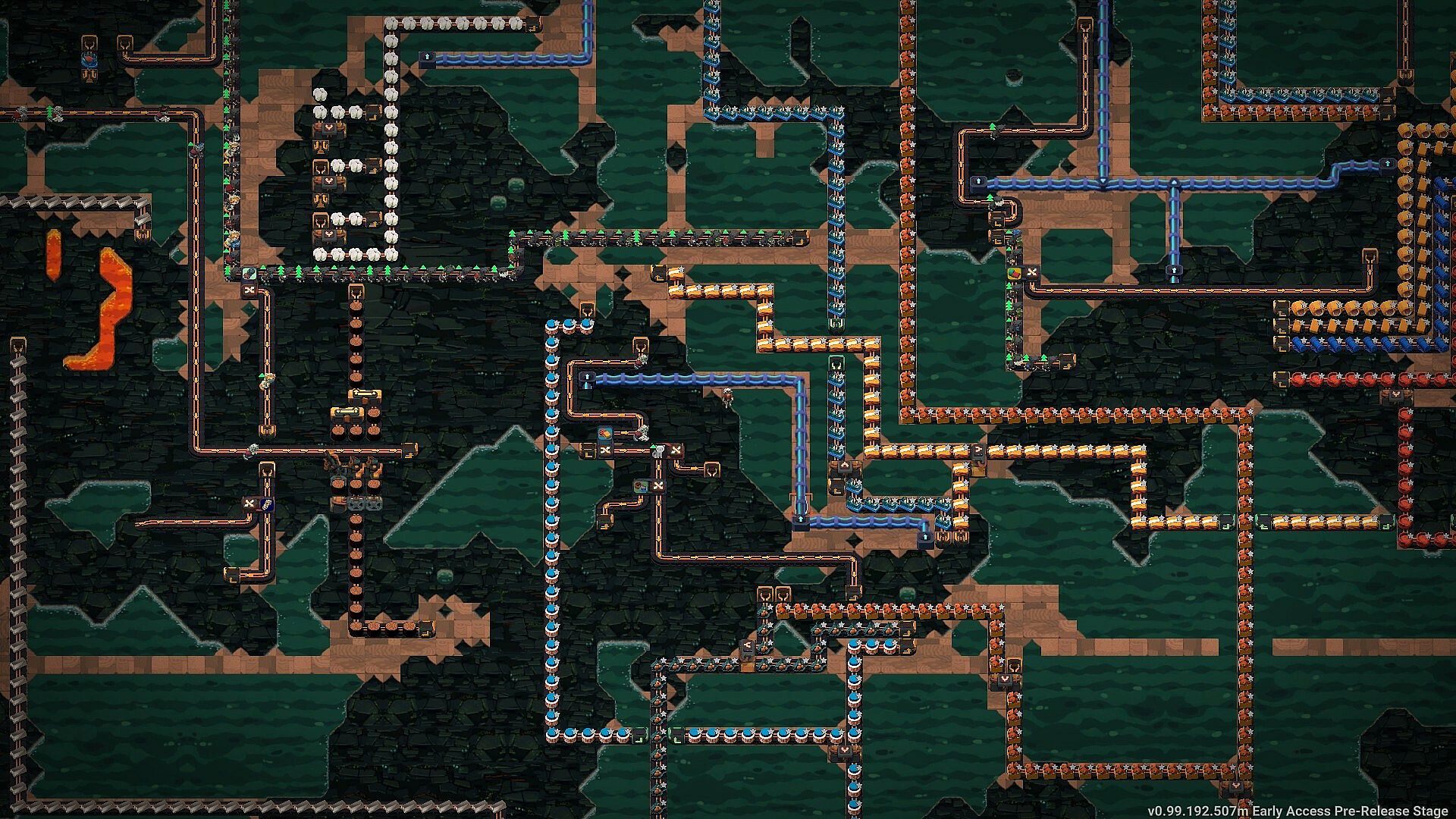
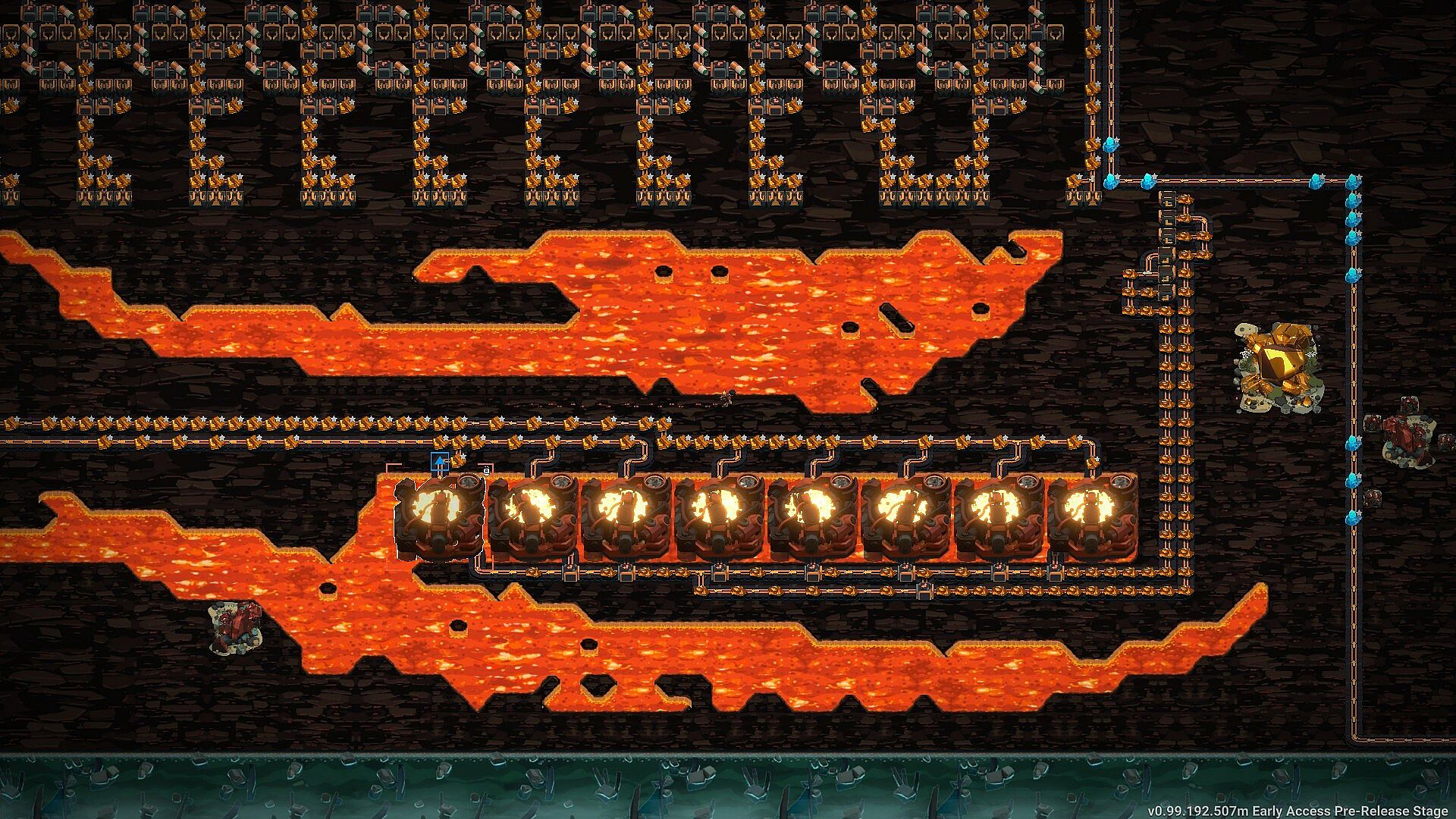
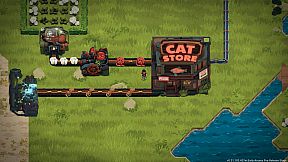
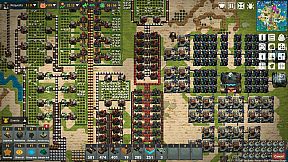
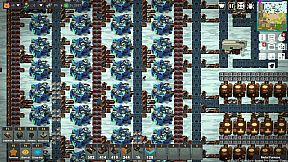
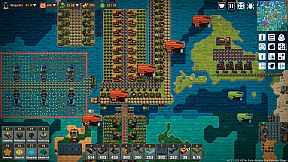
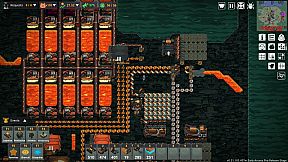
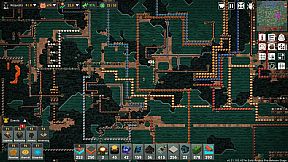
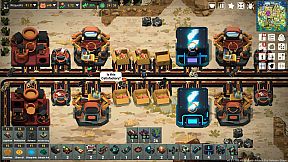
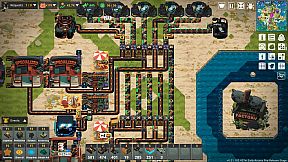
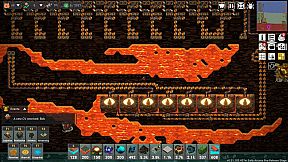
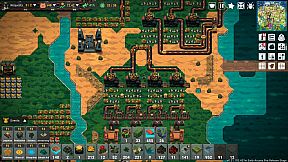
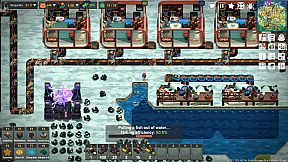
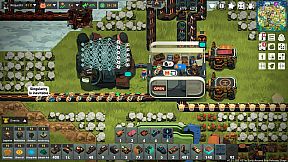
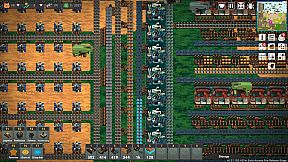
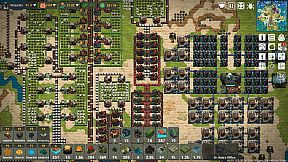
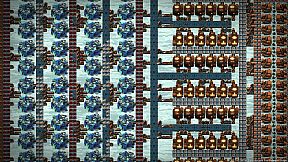
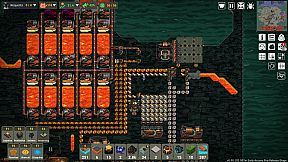
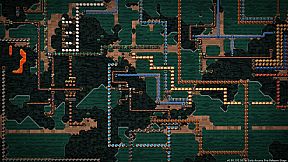
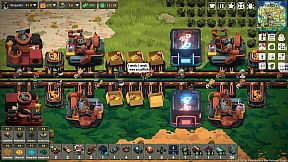
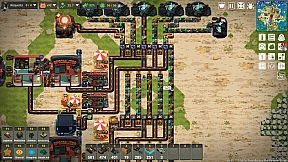
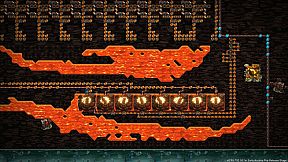
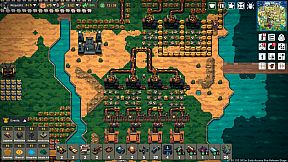
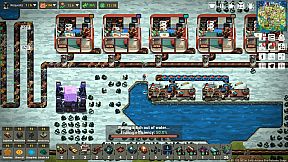
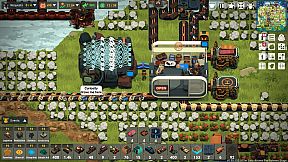
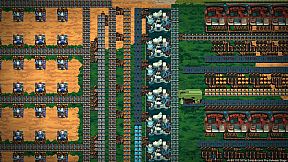
A jogabilidade gira em torno da reforma da fábrica desativada e da montagem de linhas de produção eficientes. Os recursos são coletados e processados em cadeias cada vez mais complexas, que o jogador projeta e aprimora ao longo do tempo. A automação é o coração do sistema, com esteiras transportando materiais por múltiplas camadas do mapa, incluindo rotas subterrâneas e opções aéreas como zepelins.
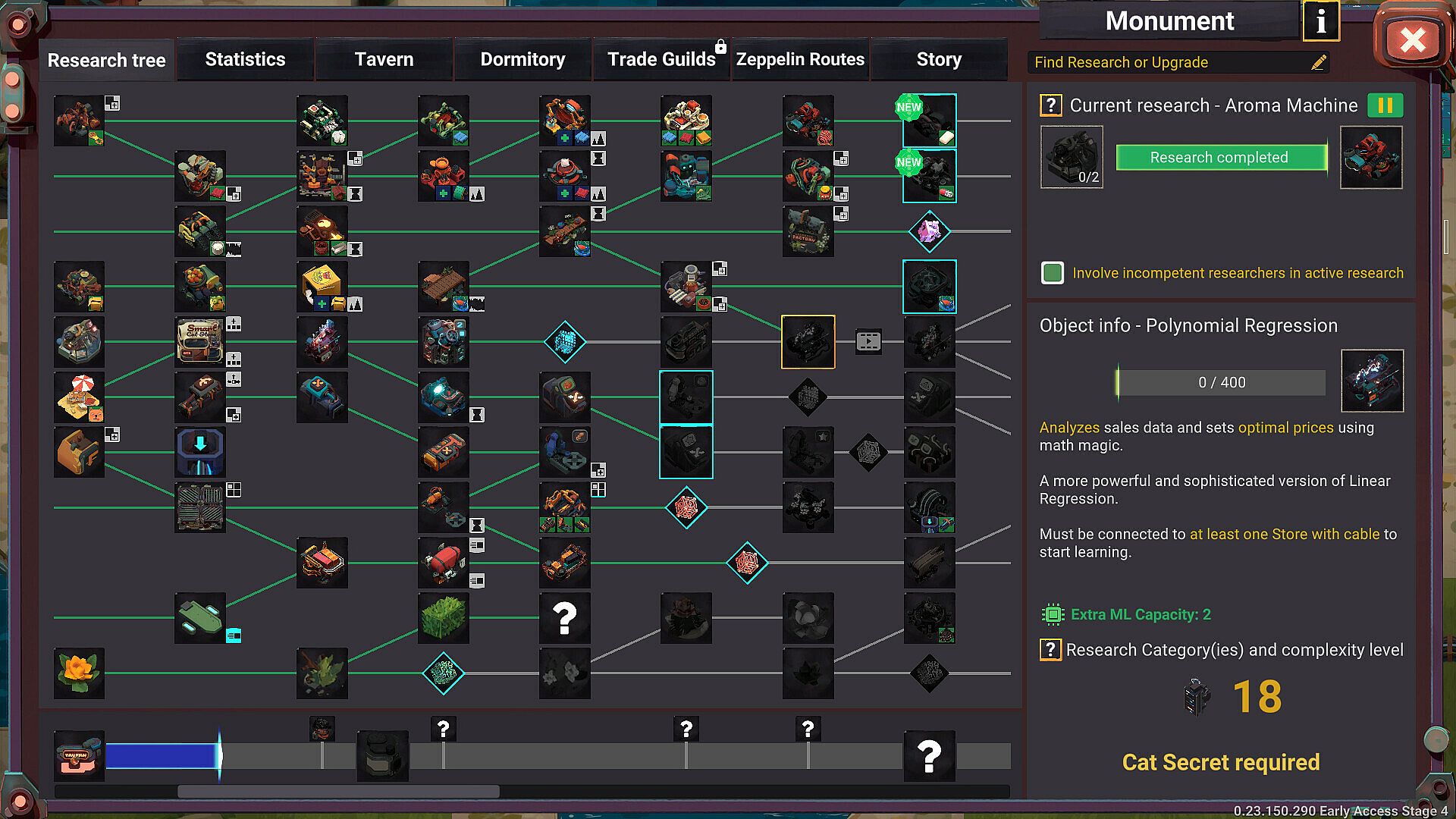
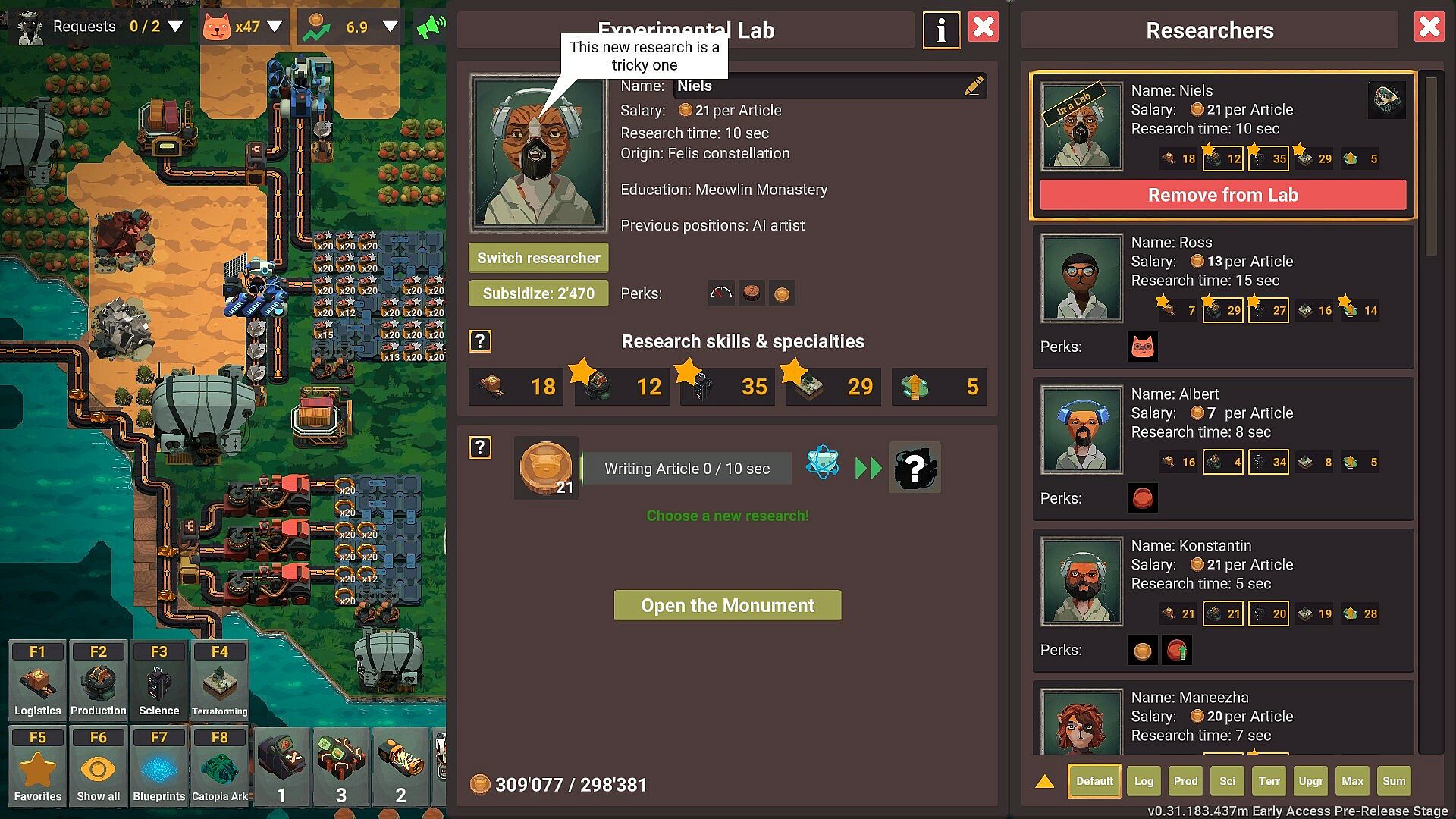
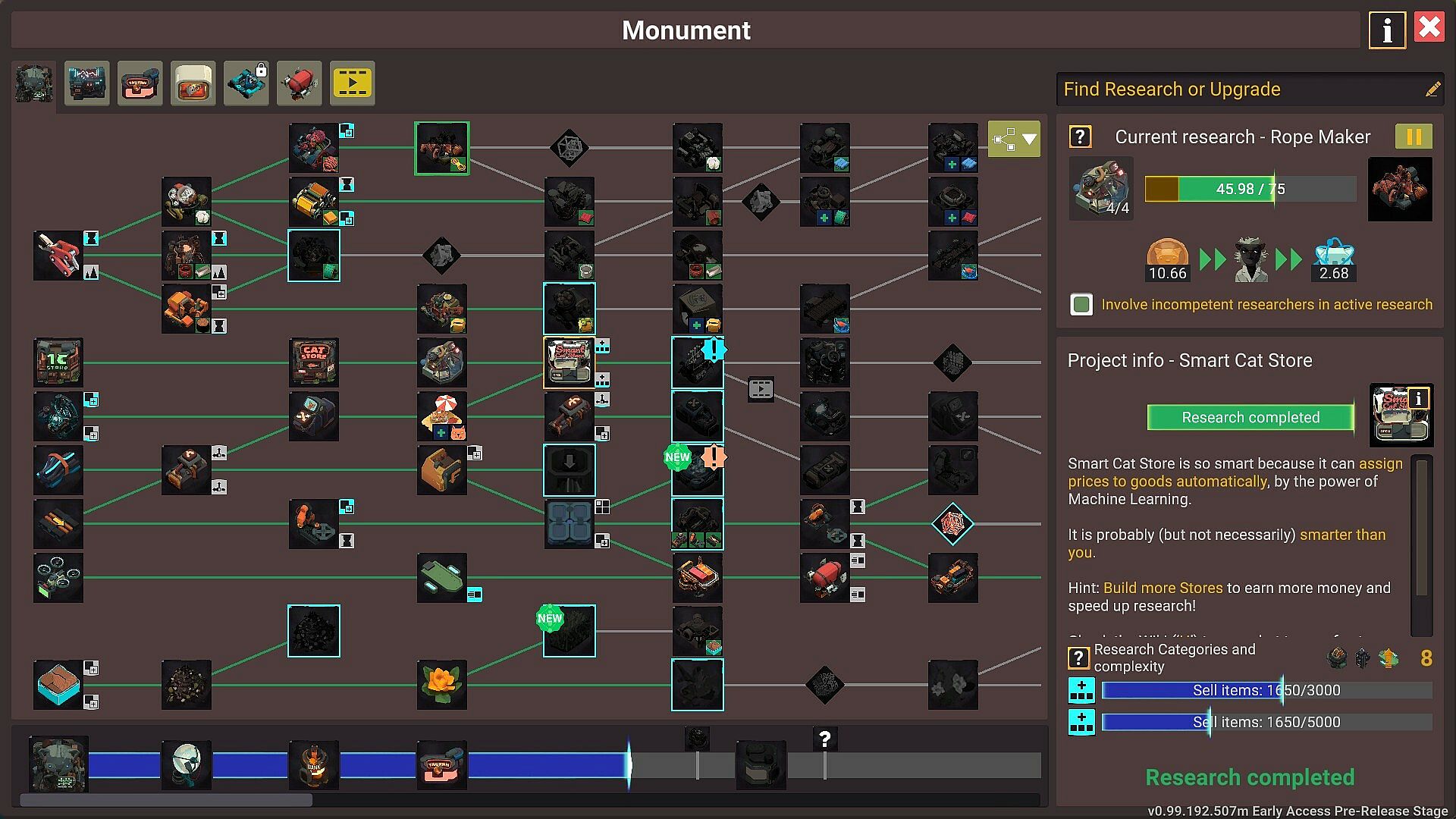
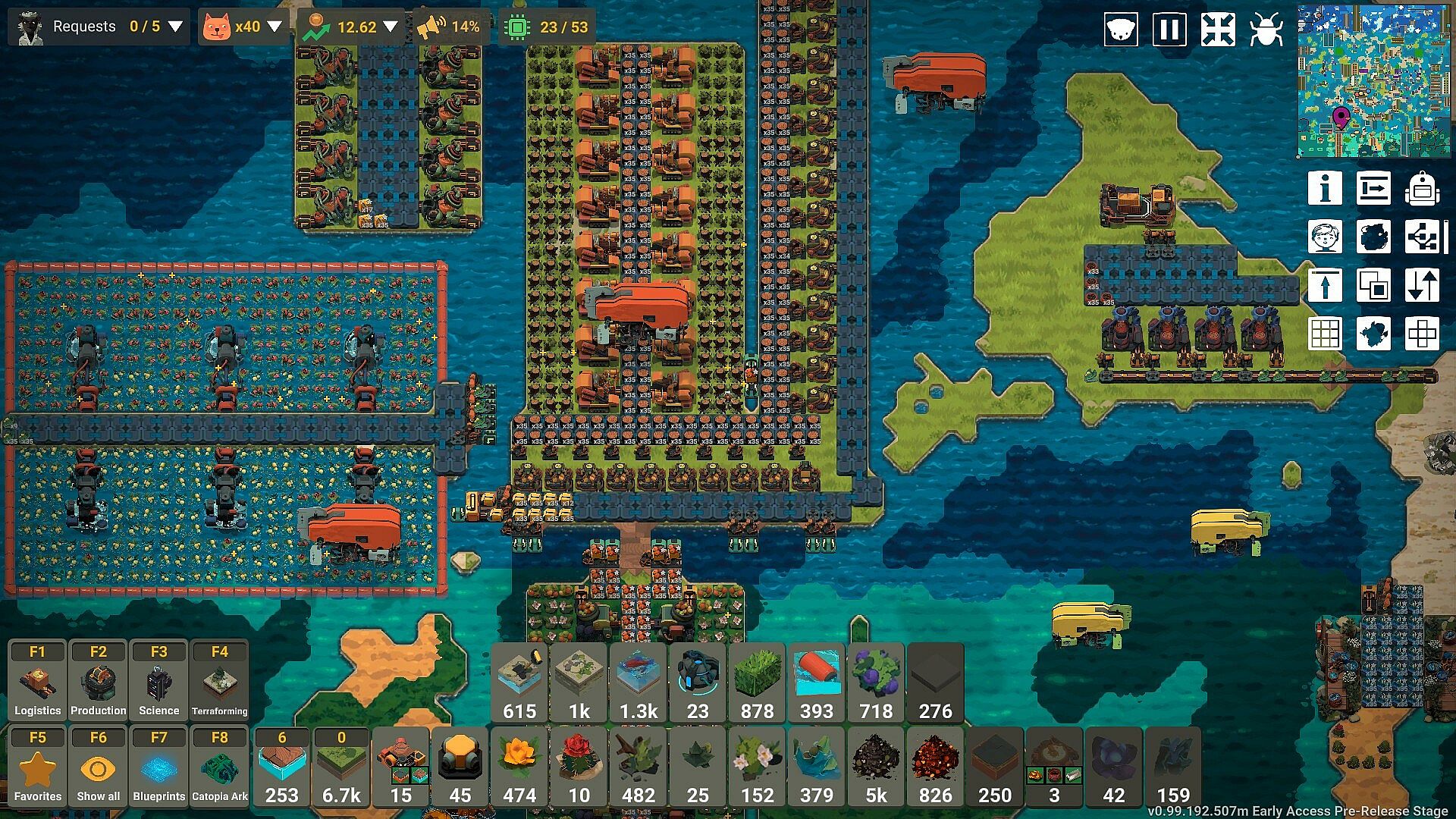
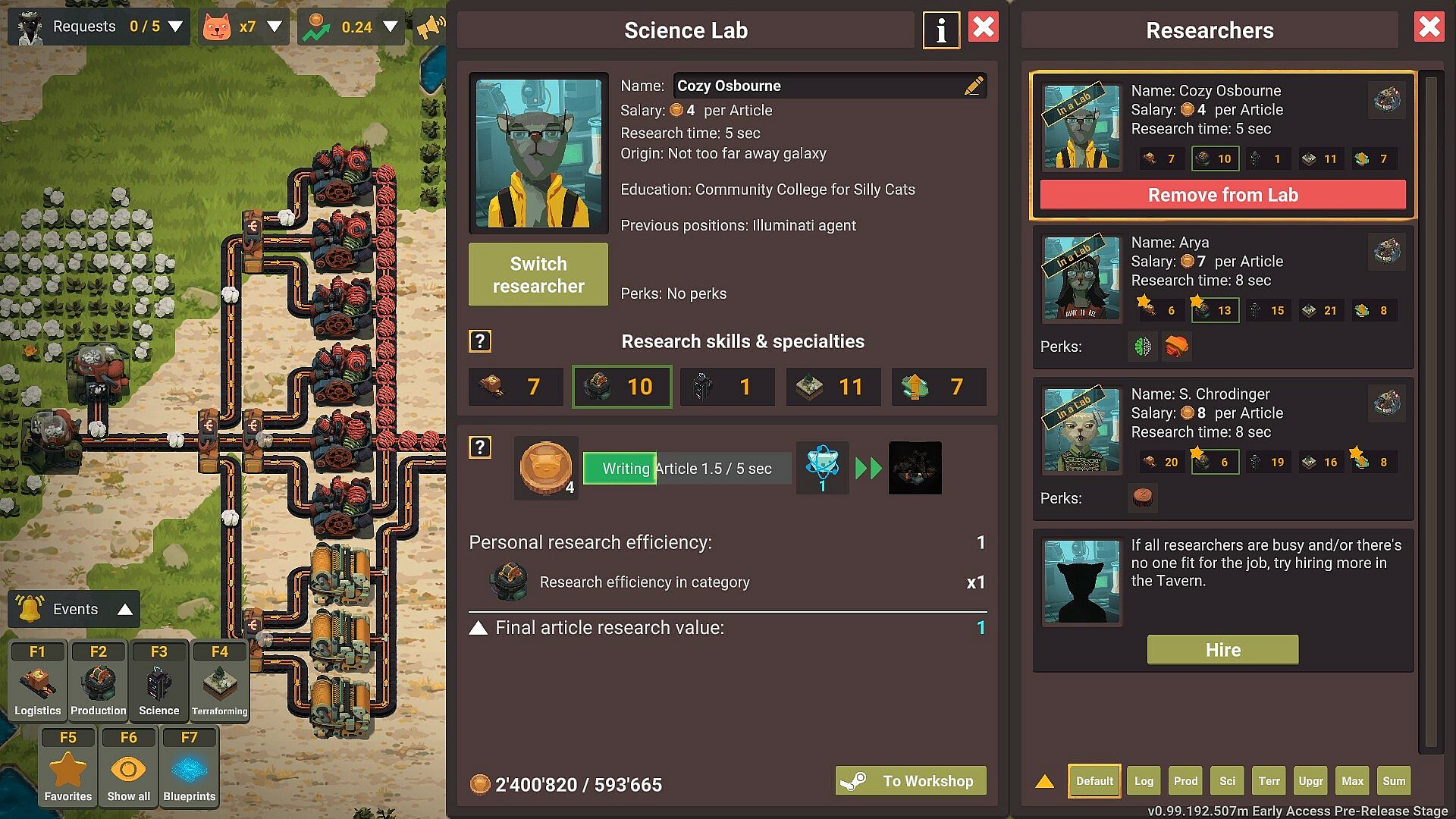
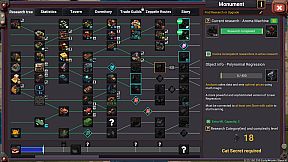
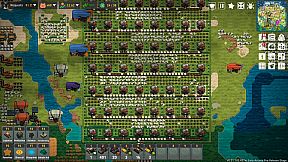
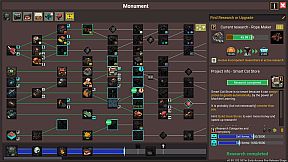
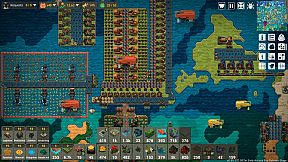
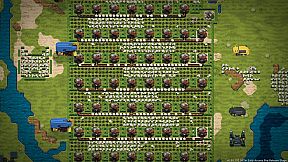
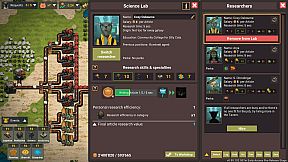
A expansão exige escalar a operação e otimizar o layout para reduzir desperdícios e aumentar a produção. Uma extensa árvore de pesquisas libera novos edifícios, tecnologias e melhorias de eficiência para suportar instalações maiores. A geração procedural traz variedade a cada partida, alterando a distribuição de recursos e as características do terreno marciano.
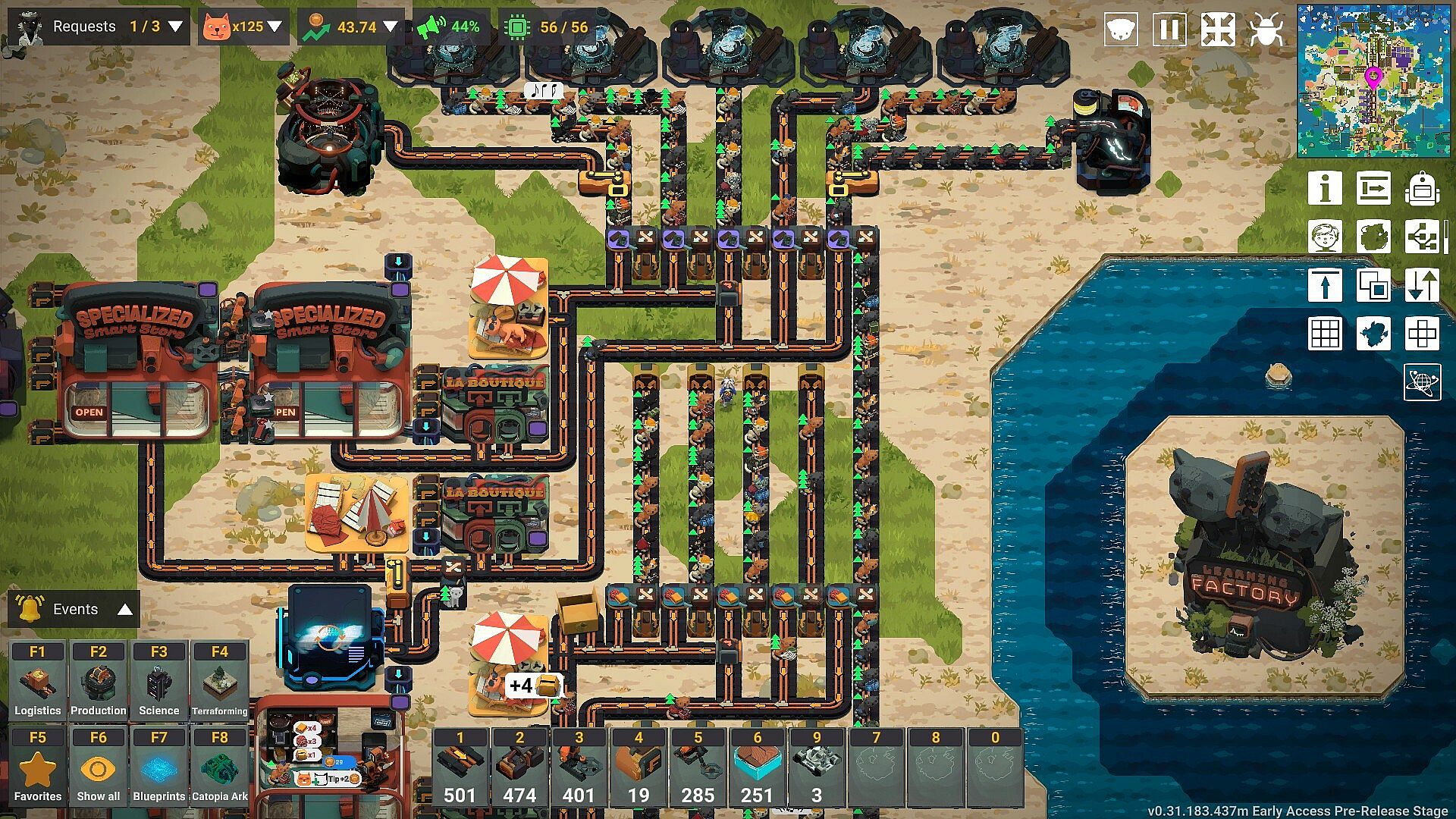
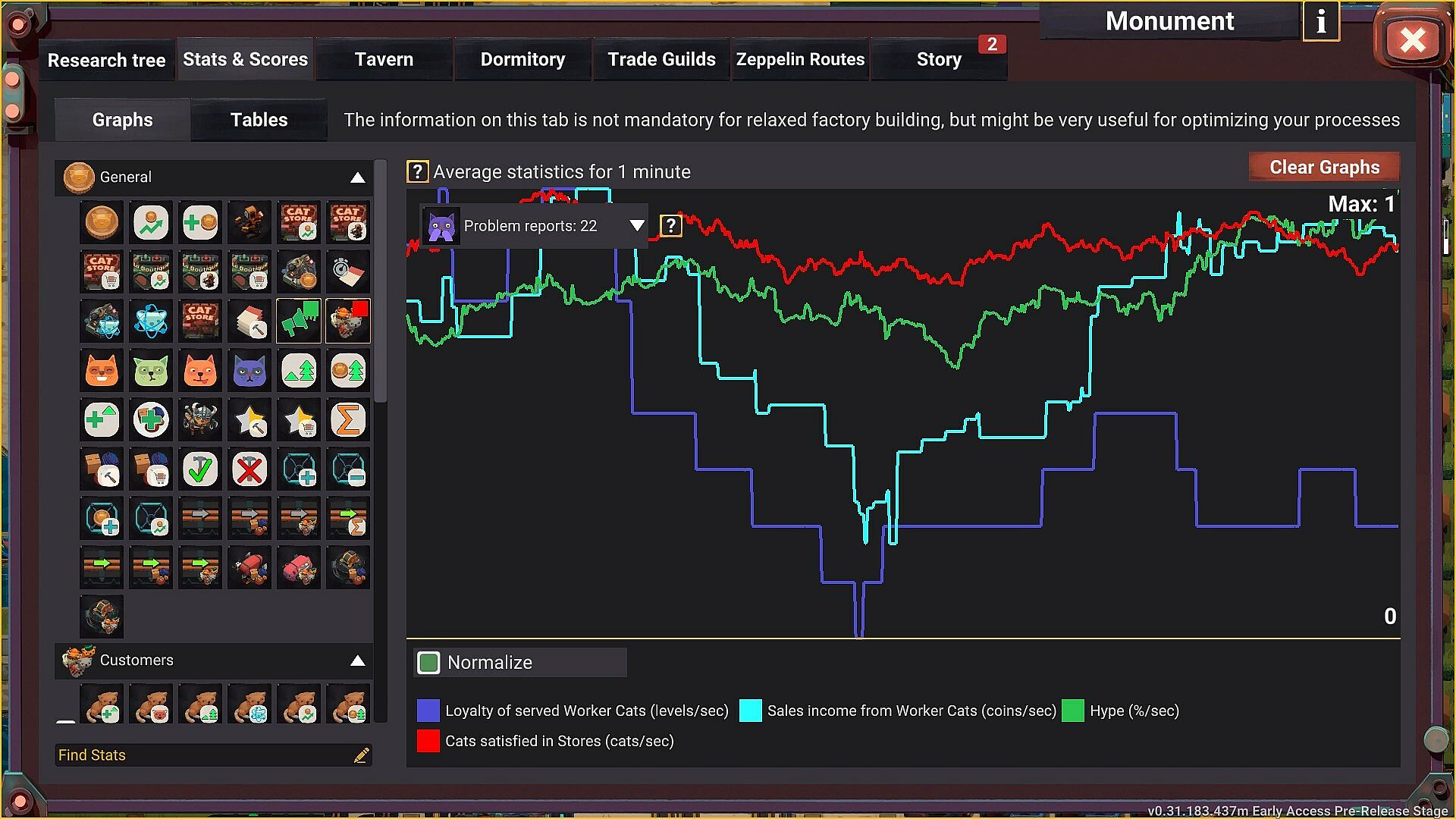
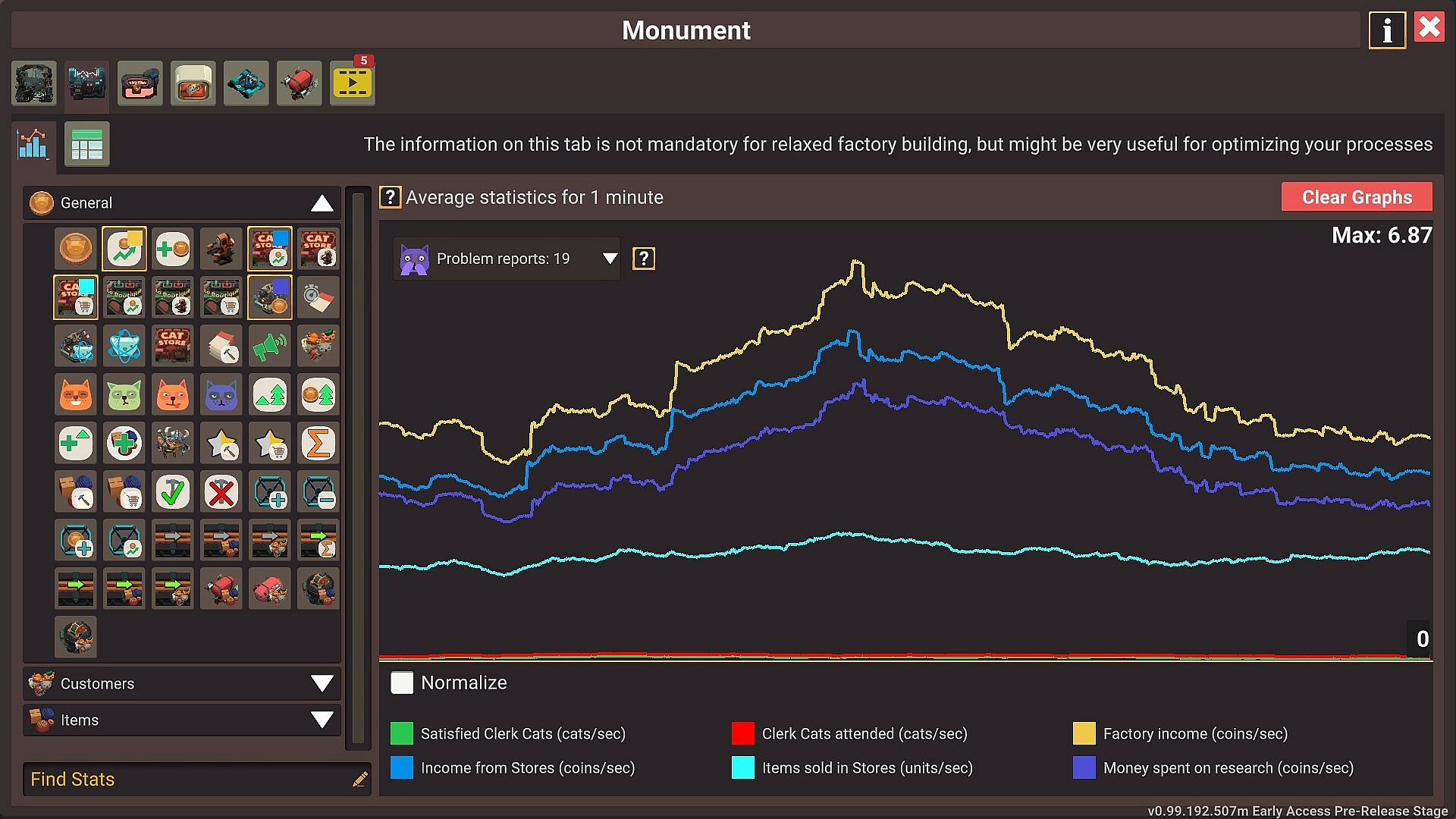
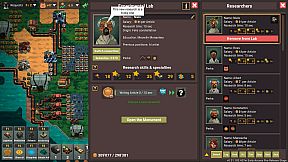
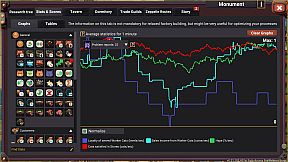
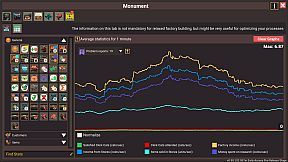
O machine learning tem papel marcante: as transações nas lojas da fábrica alimentam sistemas que reproduzem algoritmos reais, revelando preferências dos gatos. Esses resultados influenciam diretamente o progresso, refinando as linhas de produtos e liberando opções avançadas de personalização. Uma wiki interna e links para materiais educativos complementam a experiência para quem quiser aprofundar os conceitos.
Modos de Jogo
Learning Factory é exclusivamente single-player. O modo principal incentiva a construção aberta e a melhoria contínua, sem ameaças externas ou limites de tempo. O jogador experimenta livremente com projetos de cadeia, configurações de transporte e prioridades de pesquisa em um ambiente seguro que valoriza a curiosidade e as tentativas repetidas.
Nesse contexto, é possível definir metas pessoais como maximizar o fluxo de produção, concluir marcos de pesquisa ou atingir objetivos específicos de fabricação. O suporte a Workshop e o editor de níveis ampliam as possibilidades criativas, permitindo layouts compartilhados pela comunidade e cenários personalizados, sempre integrados ao ciclo principal single-player.
Mecânicas-Chave e Progressão
O gerenciamento da cadeia de suprimentos exige atenção às proporções de entrada e saída e à logística de transporte em mapas multicamadas. O jogador equilibra necessidades de produção imediata com ganhos de eficiência de longo prazo obtidos na árvore de pesquisas. Os mundos procedurais garantem que a localização de recursos e as oportunidades de expansão variem entre as partidas, favorecendo estratégias adaptáveis.
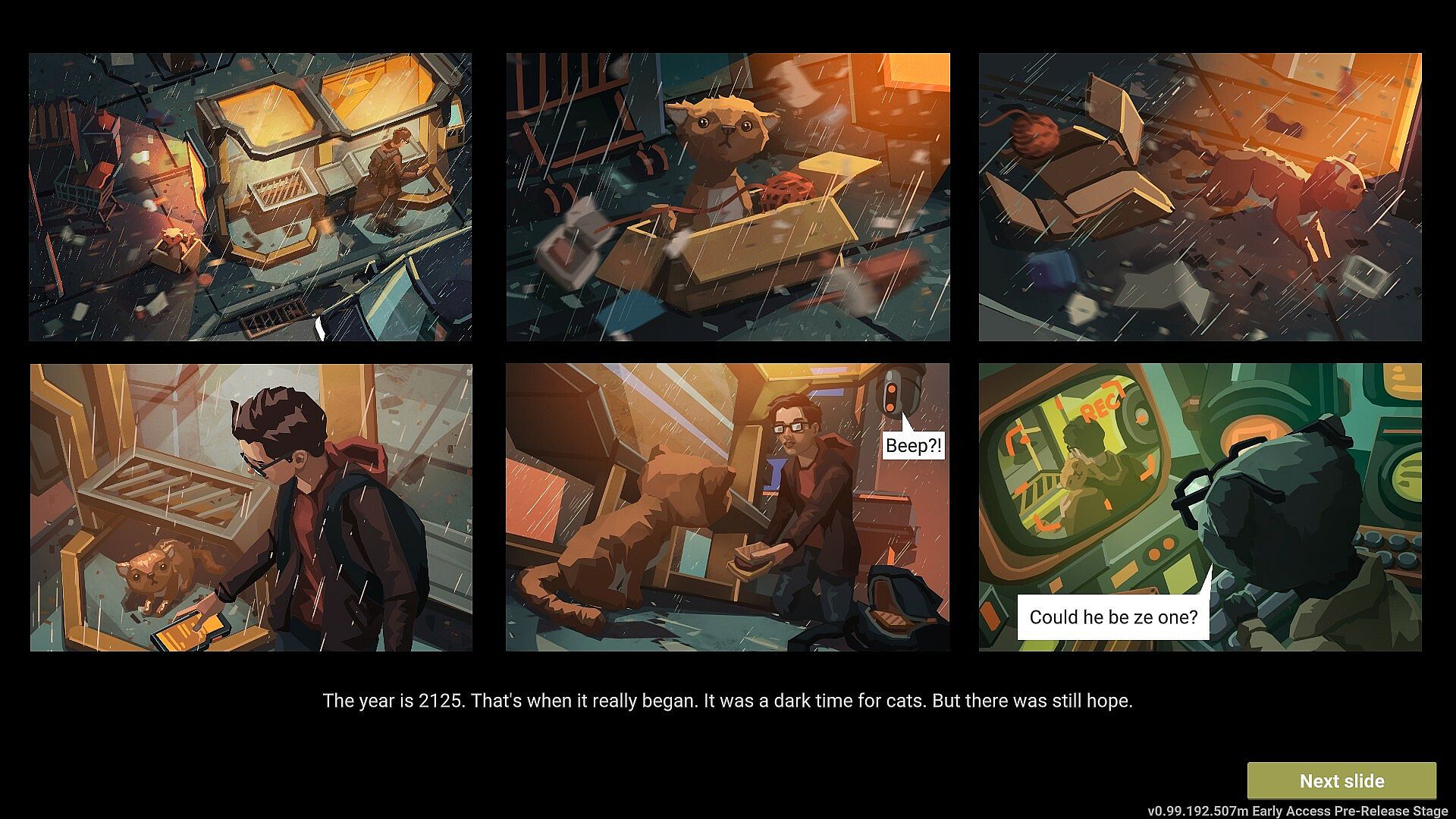
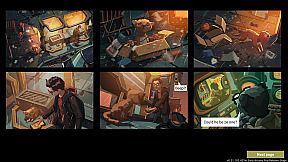
A ausência de combate ou elementos hostis mantém o foco na otimização e na resolução criativa de problemas. A reconstrução de monumentos e o objetivo maior de estabelecer Catopia servem de contexto narrativo sem impor metas rígidas, permitindo que cada um defina seu próprio ritmo.
Vale a Pena Jogar?
Learning Factory oferece uma abordagem única dentro dos jogos de automação, combinando o tema felino com a integração real de machine learning. As análises destacam o engajamento para quem aprecia construção metódica e ajustes finos de sistemas, com muitos elogiando sua complexidade acessível em comparação a títulos mais densos do gênero. O lançamento completo em janeiro de 2025 trouxe sistemas refinados e conteúdo expandido, enquanto atualizações contínuas melhoram terreno, transporte e qualidade de vida.
O feedback dos jogadores ressalta a atmosfera relaxante aliada a uma profundidade significativa, tornando o jogo indicado para fãs de simulação e estratégia que preferem experimentação a desafios de alta pressão. Com recepção muito positiva na plataforma principal, o título agrada quem busca uma experiência de fábrica reflexiva e de baixa tensão, que ainda introduz noções de análise de dados. Quem gosta de construção criativa single-player encontra alto valor de rejogabilidade ao otimizar diferentes abordagens de produção em mapas procedurais variados.