




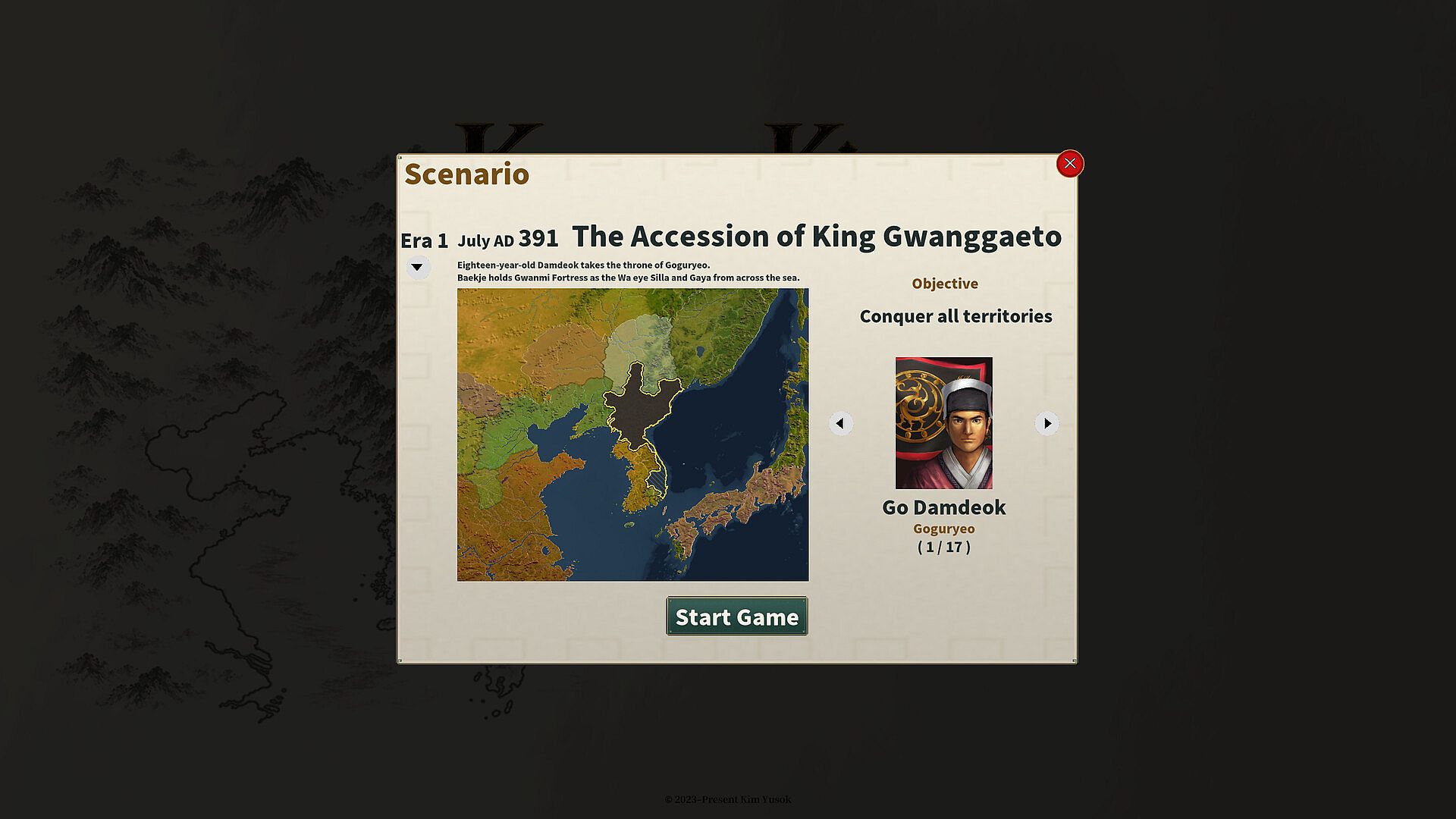
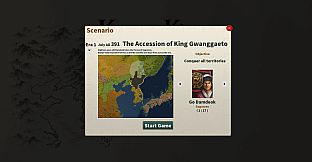
Korean Kings is a strategy and simulation game that places players in the role of King Gwanggaeto of Goguryeo in 391 AD. The title combines historical context with kingdom management, diplomacy, and direct battlefield command on PC.
Gameplay
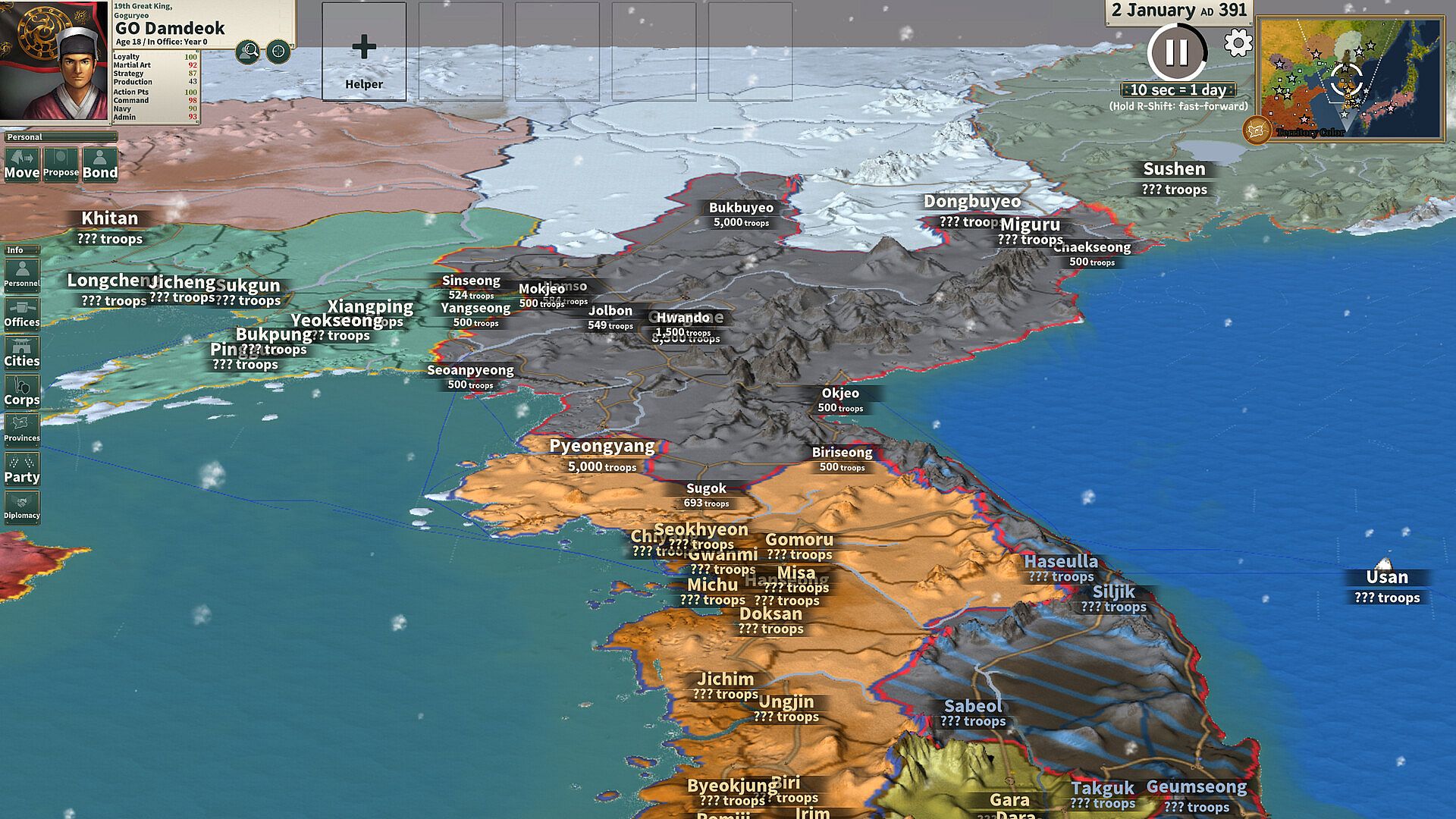
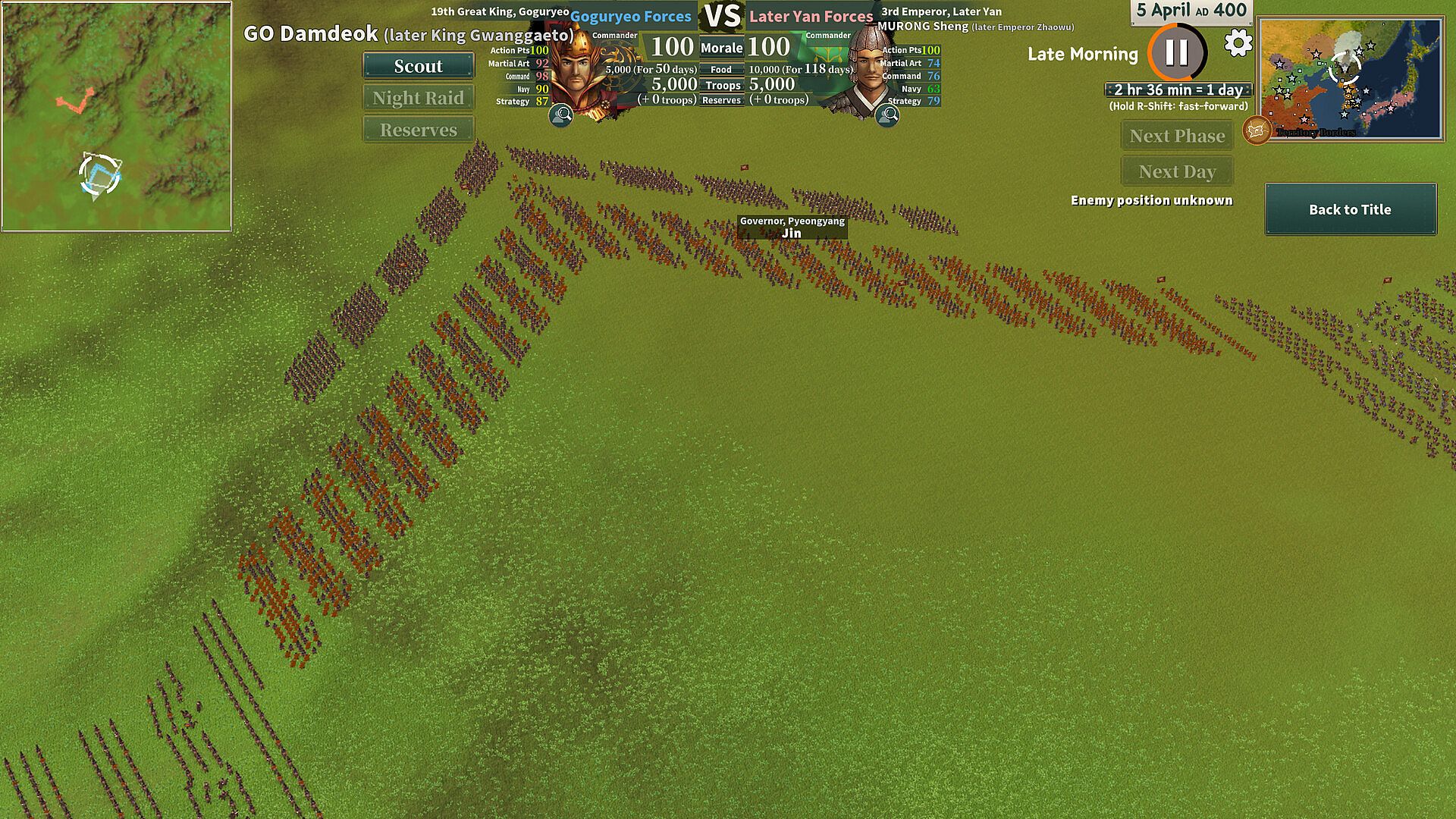
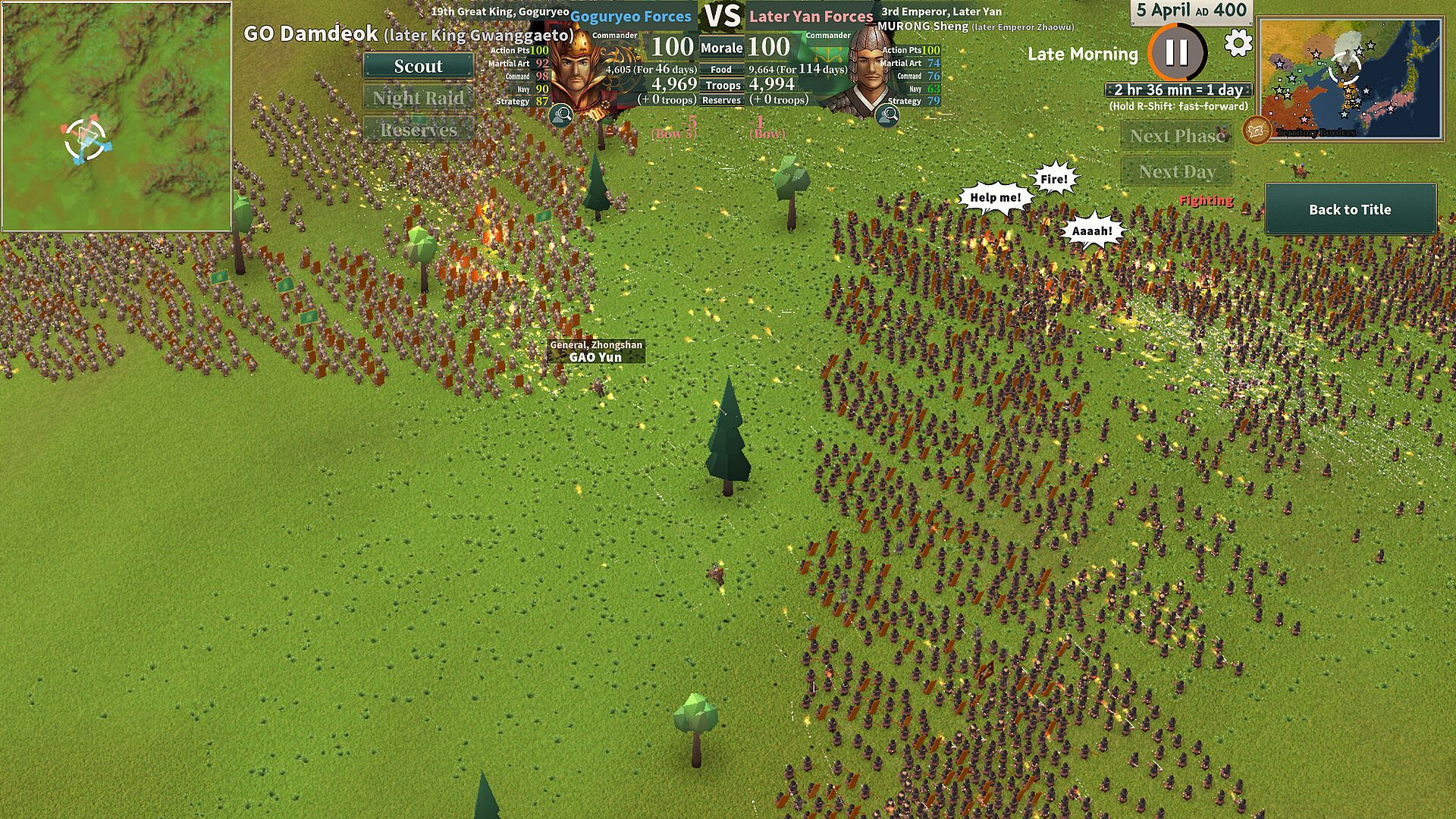
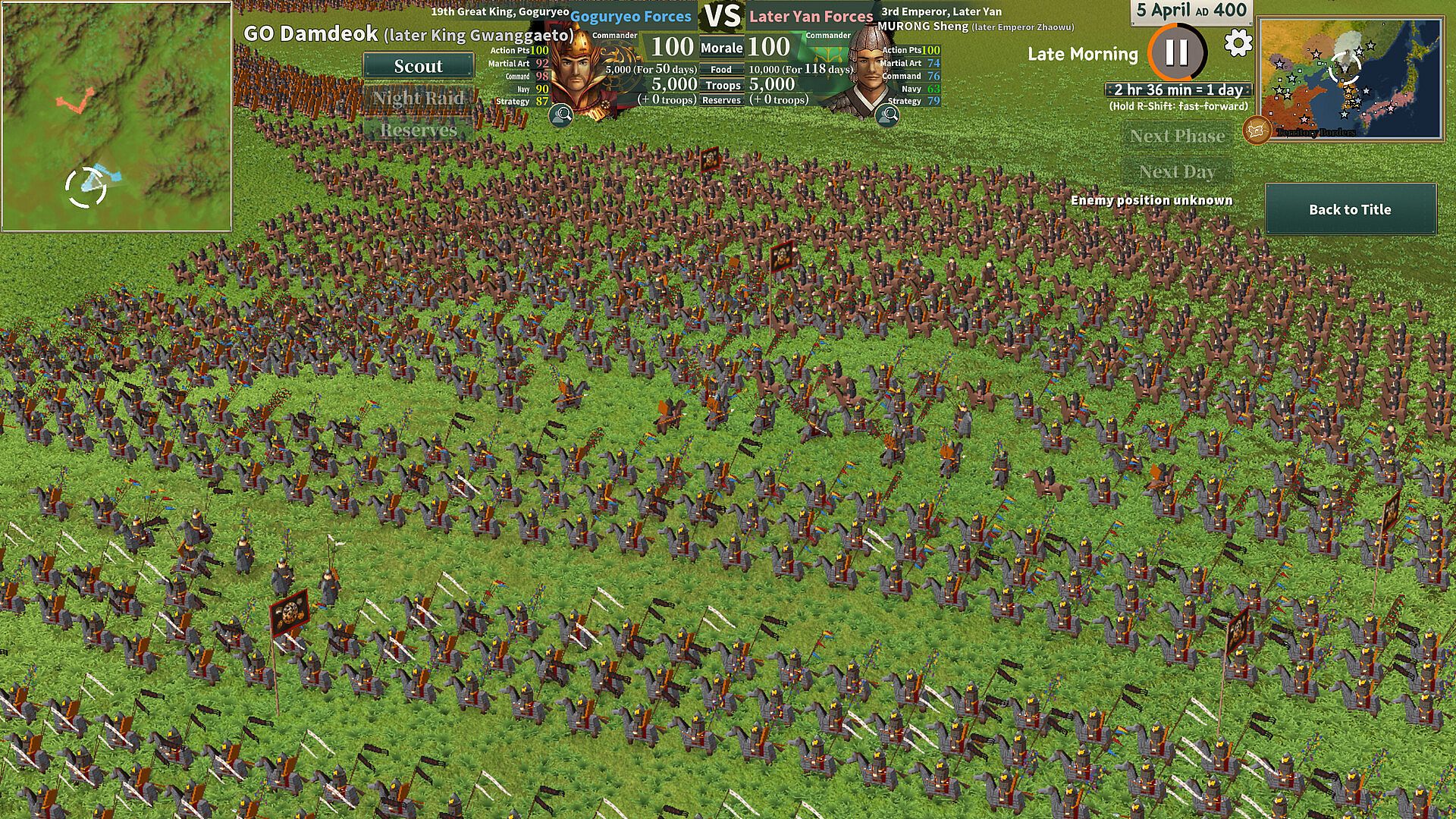
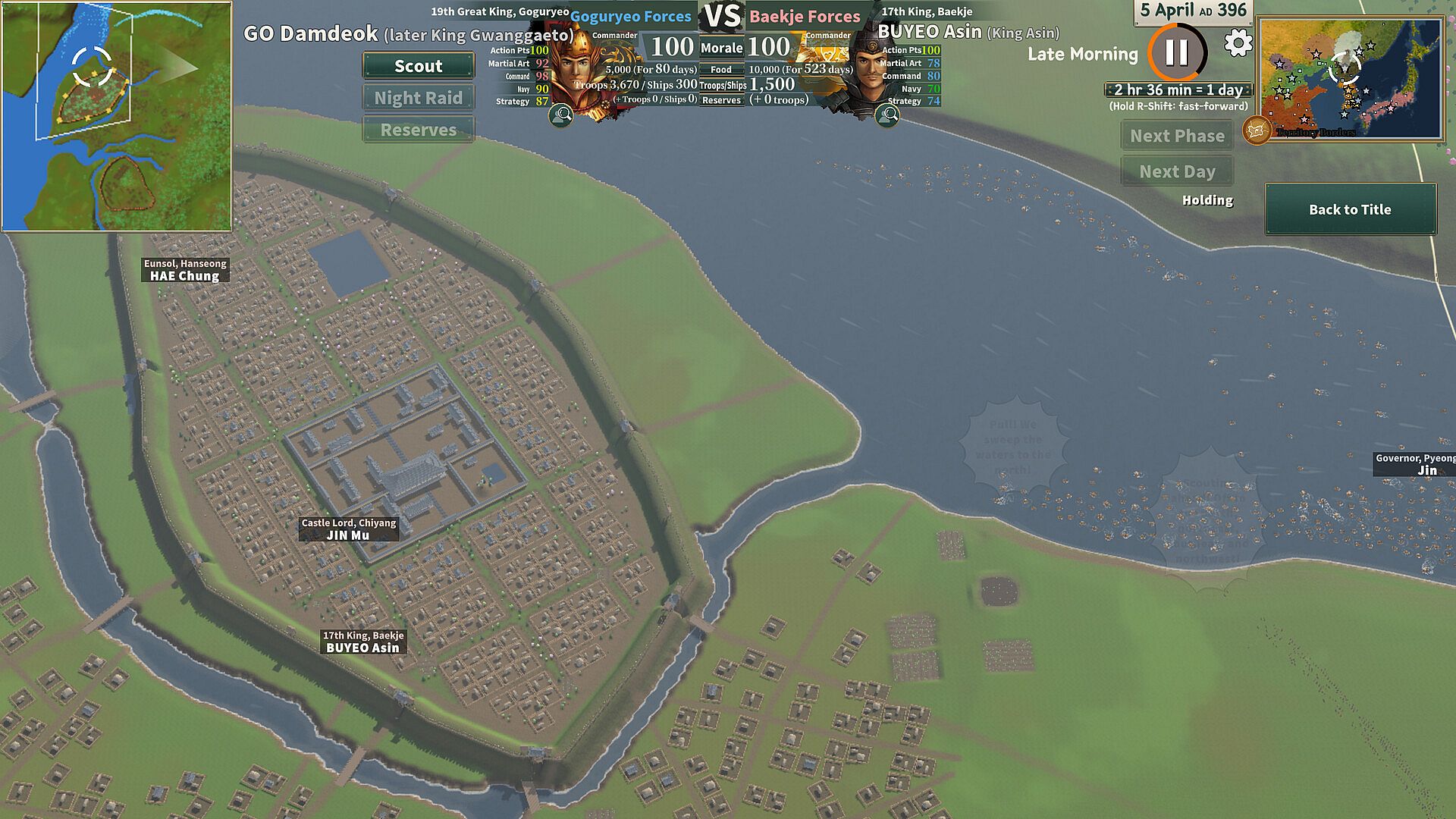
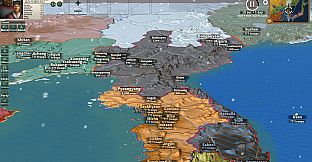
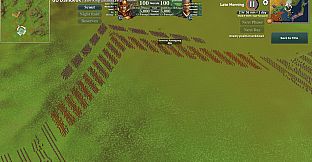
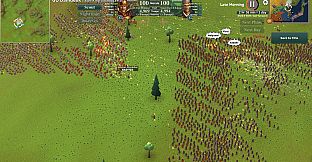
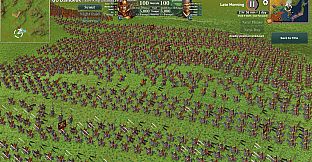
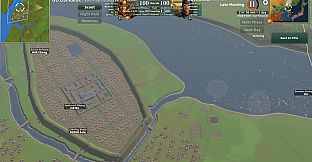
Players begin with Goguryeo facing pressure from Baekje after the loss of Pyongyang Fortress and the death of the previous king. The core loop centers on surveying the world map to track neighboring states and shifting conflicts. Court reorganization involves appointing commanders and preparing armies while using politics to maintain internal stability. Diplomacy requires negotiating with Baekje, Silla, Later Yan, Gaya, Wa, and the Khitan. Alliances can form or wars can be declared based on relations, with the need to avoid overcommitment on one front that leaves another exposed. Armies are assembled by assigning commanders and troops, then advanced into enemy territory for real-time field battles and sieges. Orders adapt to terrain, troop positions, and battlefield changes. Royal house management includes handling succession to secure long-term dynasty stability beyond individual victories.
Game Modes
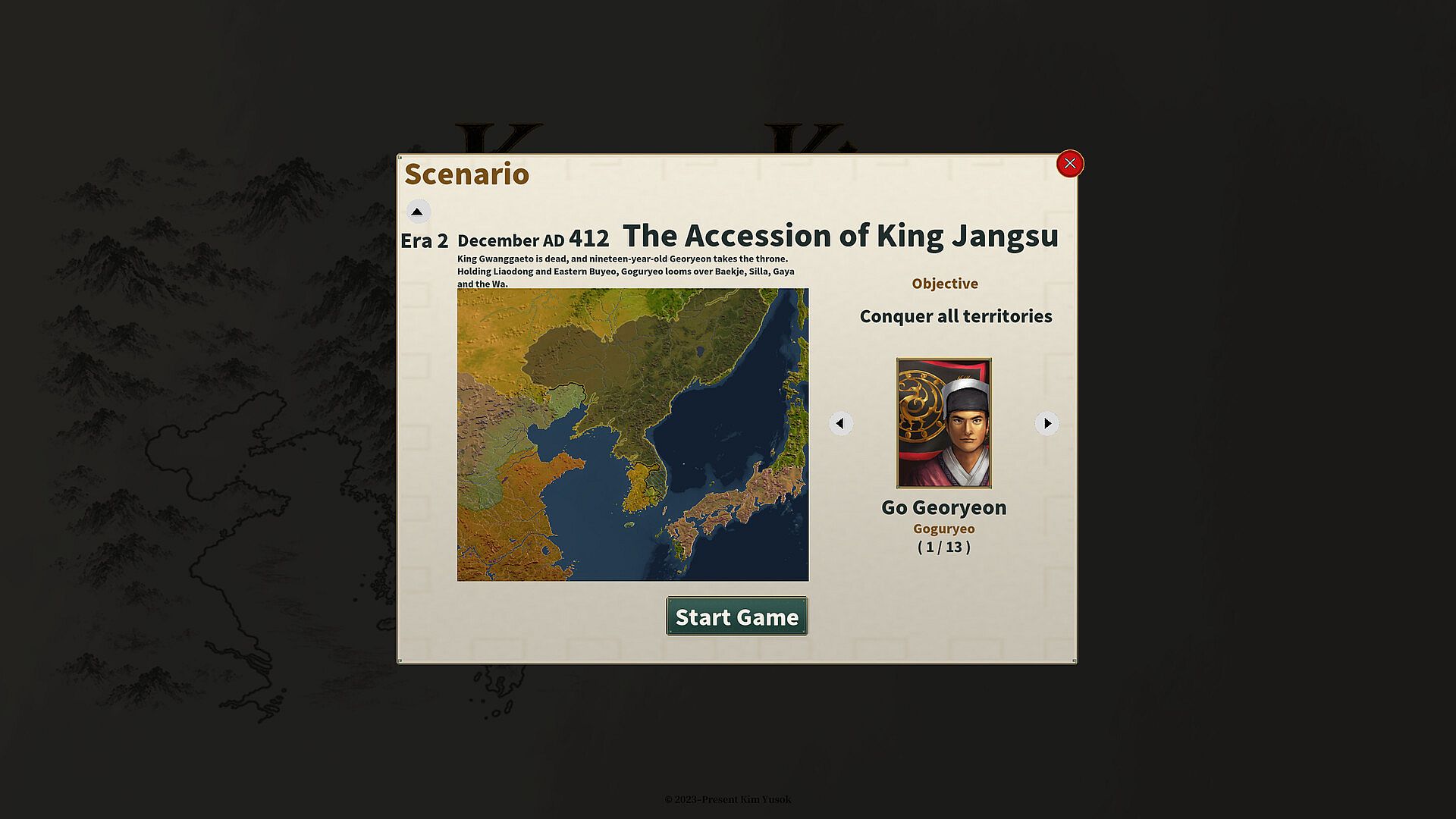
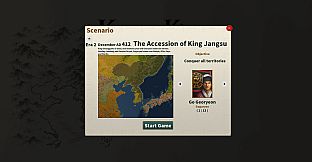
The game operates as a single-player historical strategy experience without separate named modes. All activity unfolds within one continuous campaign starting in 391. Players choose initial approaches such as direct assaults on Baekje strongholds or first securing other borders through diplomacy. The structure integrates map oversight, court decisions, army preparation, and combat into a unified progression where choices on one front influence options elsewhere. No additional modes like skirmish or multiplayer are present.
Kingdom Management and Diplomacy
Success depends on balancing internal court affairs with external threats. Reorganizing the royal court and selecting commanders directly affects army readiness and loyalty. Diplomacy functions as a parallel system to military action, allowing stabilization of relations to prevent multi-front wars. Relations with the listed powers evolve based on player decisions, and collapse can trigger conflicts that demand immediate response. The system encourages weighing short-term gains against long-term security across northern, western, and southern frontiers.
Combat and Succession
Battles occur in real time once armies engage. Commanders issue orders during field engagements and sieges, accounting for terrain and unit deployment to achieve victory. Beyond military outcomes, players track the royal family line. Succession planning ensures the dynasty continues even after the current ruler's reign ends, adding a layer of long-term strategy to every campaign decision.
Is It Worth Playing?
Korean Kings targets players who enjoy detailed historical strategy simulations with integrated diplomacy and real-time combat. The game remains in an early stage of development, so many planned features are still being refined. Those drawn to single-player experiences focused on ancient Korean history, court politics, and multi-front decision making will find the core systems align with that interest. Availability is limited to PC, and the title suits patient players comfortable with ongoing development rather than a fully polished release.












