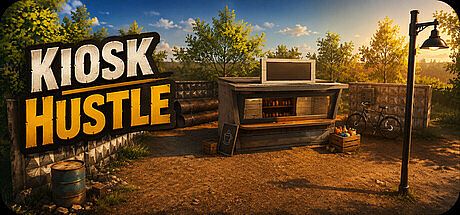


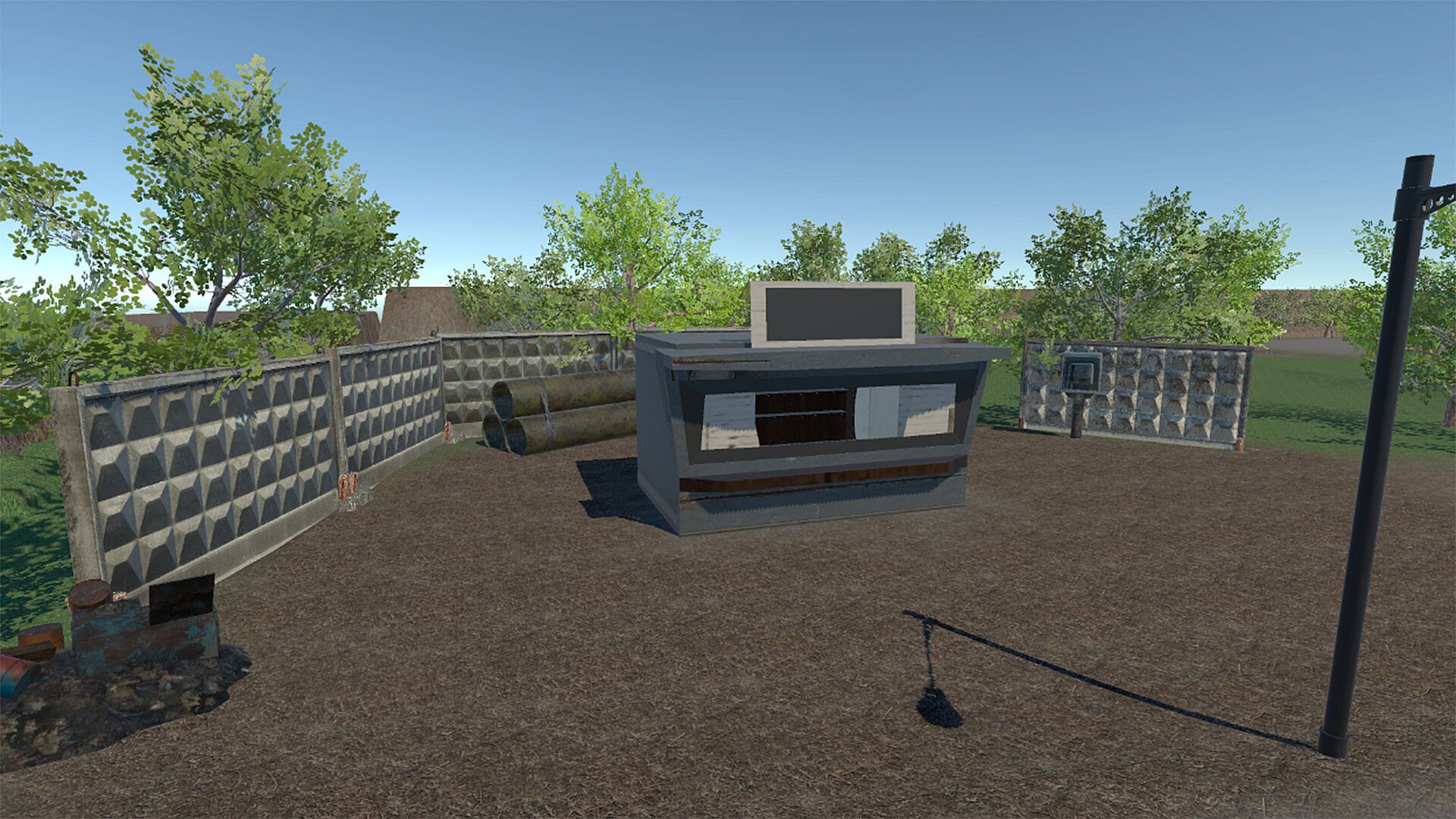
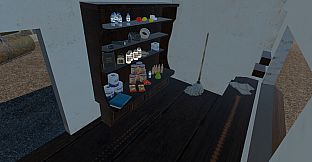
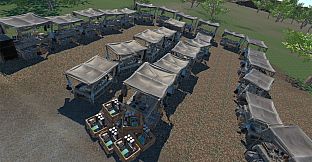
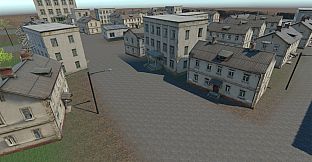
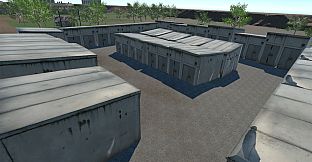
Kiosk Hustle é um simulador indie para PC que coloca o jogador no comando de uma barraca de rua em um bairro difícil. O foco está na gestão em primeira pessoa, onde o sucesso depende de compras inteligentes, controle de estoque e reação a eventos diários imprevisíveis. O jogador começa com poucos recursos e precisa construir um negócio viável por meio de ciclos constantes de aquisição de mercadorias e atendimento a clientes.
Gameplay
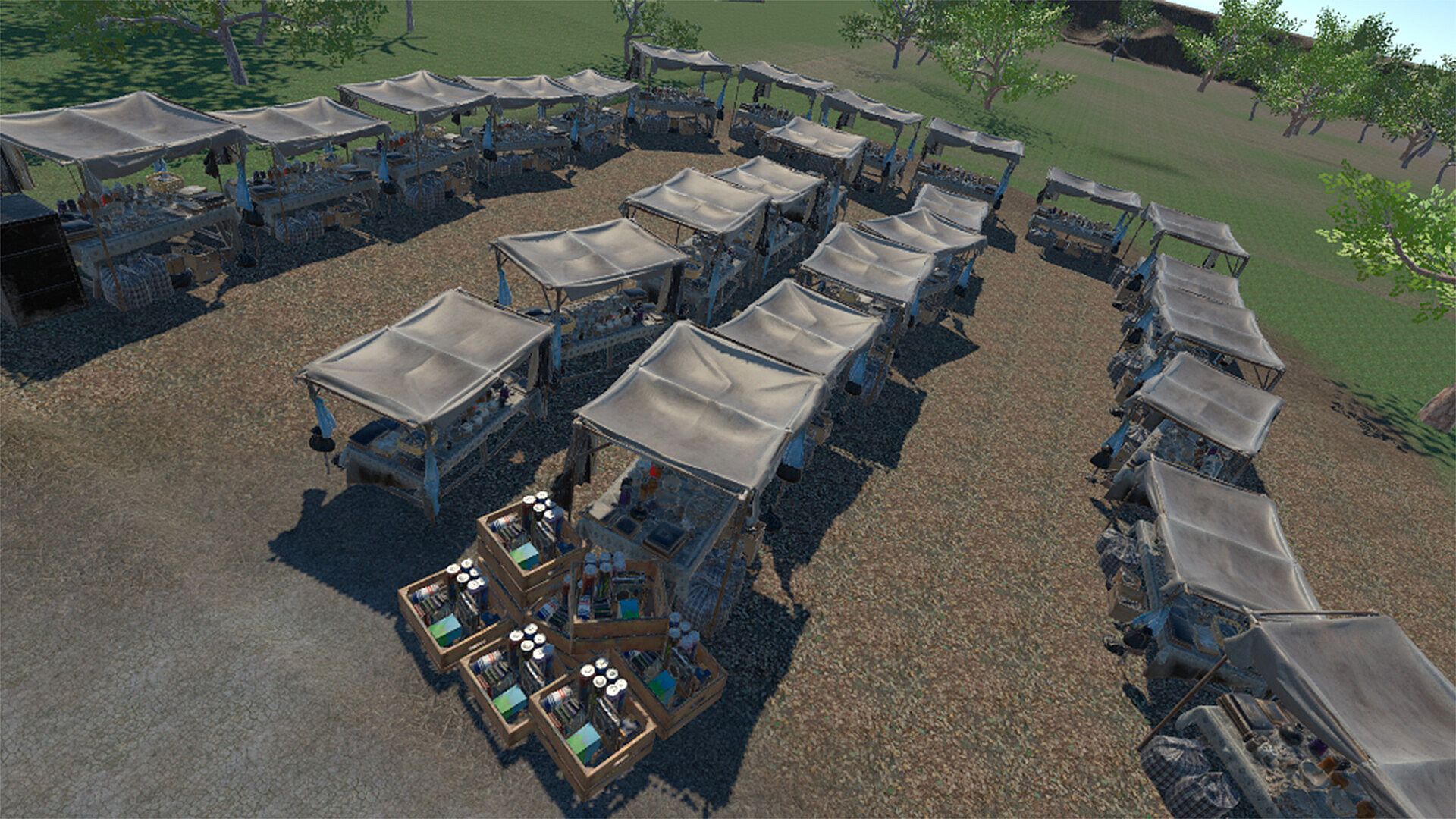
O ciclo principal consiste em comprar barato na feira local e vender mais caro na barraca. O jogador percorre as barracas em busca de caixas de suprimentos, equipamentos e produtos variados, transportando tudo de volta para organizar as prateleiras e definir os preços. Cada compra traz incerteza, pois o conteúdo das caixas pode variar entre itens lucrativos e mercadorias de baixo valor que mal cobrem o investimento.
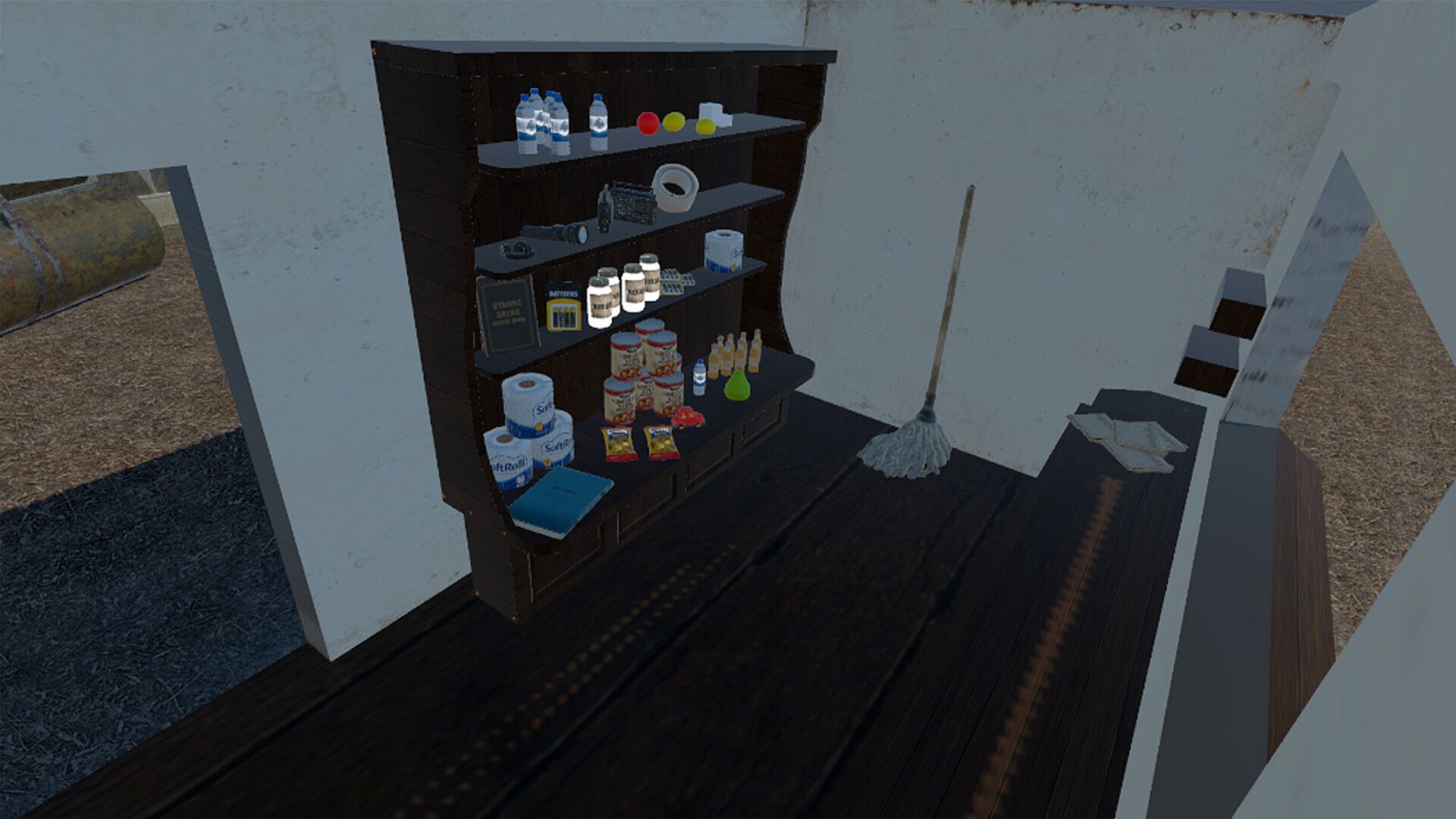
Durante o expediente, o foco passa para as interações físicas dentro da barraca. É preciso arrumar o estoque nas prateleiras, acompanhar os níveis de inventário e definir preços individuais para cada cliente. Preços justos mantêm o fluxo de compradores, enquanto margens muito altas podem afastar clientes ou, às vezes, atrair compradores excêntricos dispostos a pagar mais. Um notebook antigo permite controlar as finanças, comprar melhorias e ajustar as operações.
Elementos de sobrevivência aparecem na forma de despesas fixas, como aluguel e reposição de estoque. O controle do caixa é essencial, pois dívidas abrem um prazo para recuperação antes que o negócio feche. A expansão acontece com a aquisição de novos equipamentos, novas linhas de produtos, estações de produção, como para bebidas fermentadas, e melhorias graduais na eficiência da barraca.
Modos de Jogo
Kiosk Hustle é uma experiência single-player sem modos nomeados ou componentes multiplayer. Tudo se desenrola em dias sequenciais de visitas à feira, operação da barraca e decisões de negócio. Cada dia representa um desafio autônomo de equilibrar compras, vendas e eventos inesperados, com o objetivo de encerrar com lucro positivo.
O progresso está ligado diretamente ao ciclo diário: lucros acumulados liberam equipamentos e opções de produtos que mudam o funcionamento dos dias seguintes. Não há ramificações de campanha ou cenários alternativos além do esforço contínuo de manter a barraca em funcionamento.
Mecânicas e Desafios Principais
O atendimento ao cliente é um dos pilares do jogo. Os visitantes variam entre compradores comuns, moradores suspeitos, viajantes perdidos e, ocasionalmente, clientes problemáticos. Algumas transações ocorrem sem incidentes, enquanto outras envolvem reclamações ou tentativas de furto que podem exigir intervenção direta, como o uso de ferramentas disponíveis para remover pessoas que causam distúrbios.
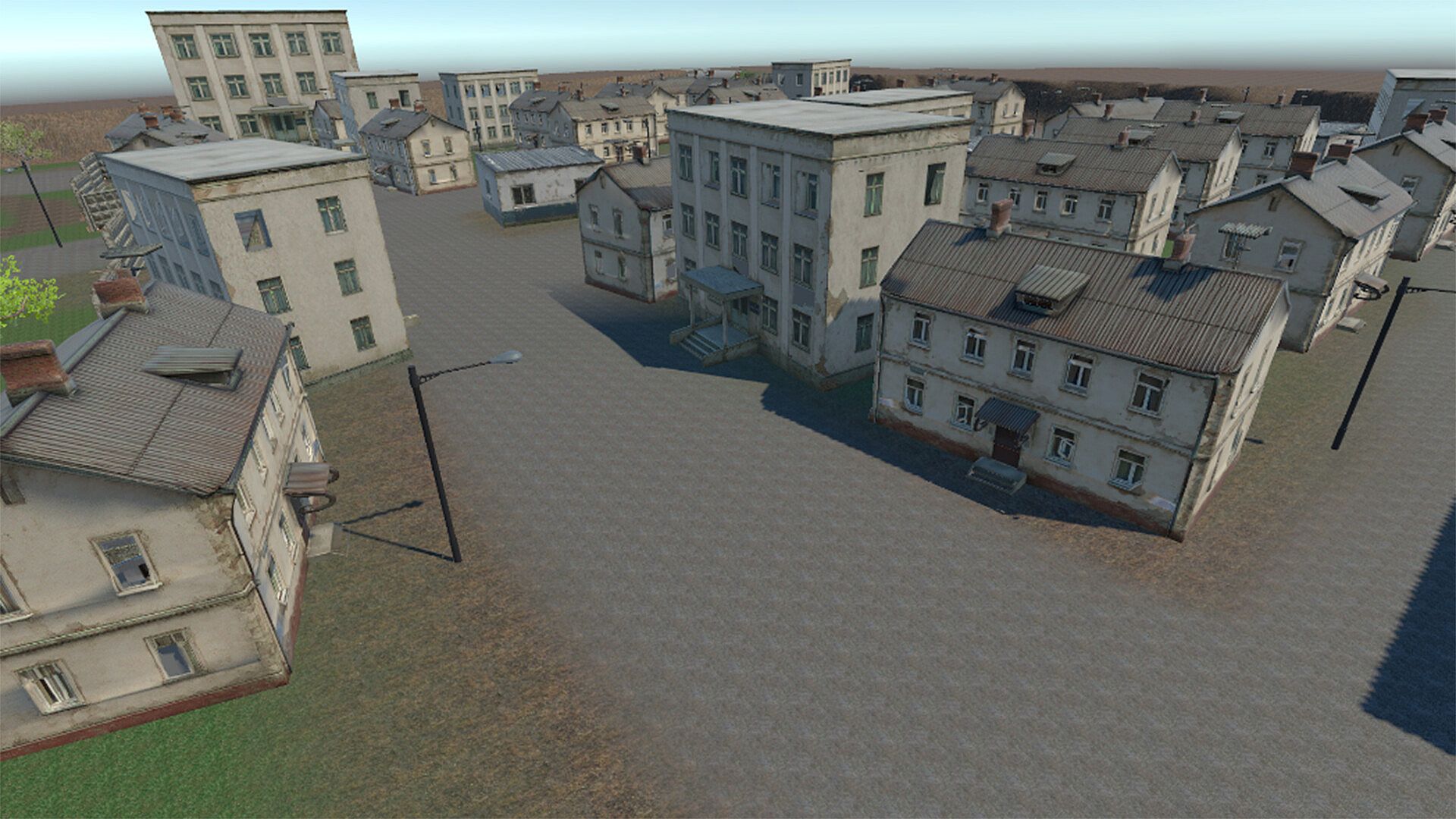
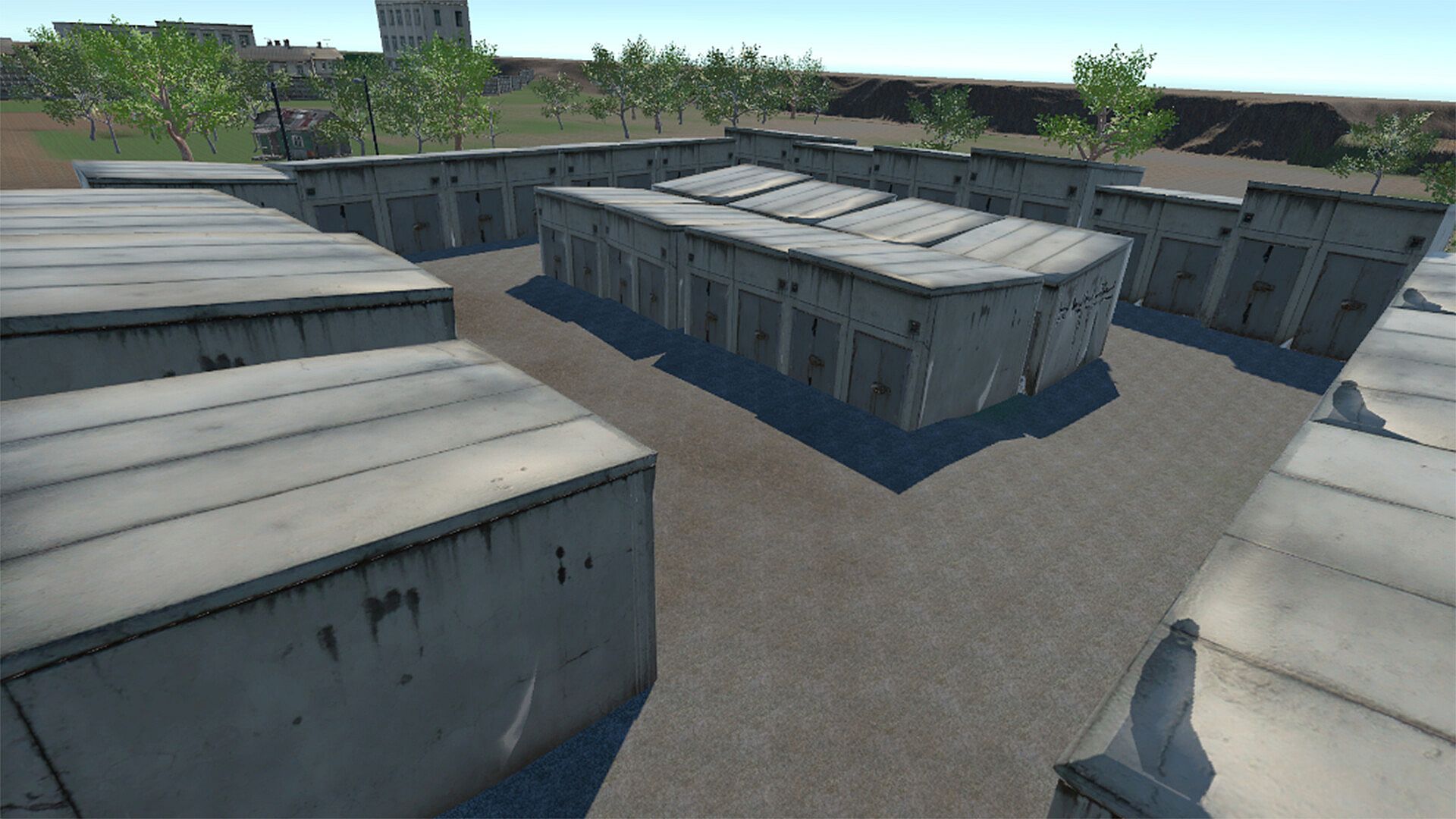
A exploração na feira traz decisões de risco e recompensa, já que o jogador avalia caixas e mercadorias sem saber seu valor exato. De volta à barraca, tarefas físicas como abrir caixas e organizar prateleiras reforçam a gestão manual em vez de menus abstratos. O ambiente excêntrico do bairro influencia os eventos, transformando operações rotineiras em incidentes variados que testam a capacidade de adaptação.
O controle financeiro pelo notebook integra todos os sistemas, permitindo ajustes de preço e pedidos de equipamentos que afetam a viabilidade a longo prazo. Decisões ruins têm consequências rápidas, obrigando o jogador a equilibrar ganhos imediatos com a estabilidade do negócio.
Vale a Pena Jogar?
Kiosk Hustle é voltado para quem aprecia simuladores de gerenciamento de loja com elementos manuais e leve pressão de sobrevivência. A combinação de negociação, atendimento e incidentes inusitados cria um ciclo focado que recompensa planejamento cuidadoso e agilidade em momentos de maior movimento.
Como o jogo ainda está em desenvolvimento e listado como "em breve", não há dados consolidados de jogadores ou histórico de atualizações. Quem busca títulos indie que misturam simulação, interações físicas e surpresas temáticas de bairro encontrará sistemas alinhados a essa preferência. A ausência de multiplayer ou modos adicionais mantém o foco na operação central da barraca.