

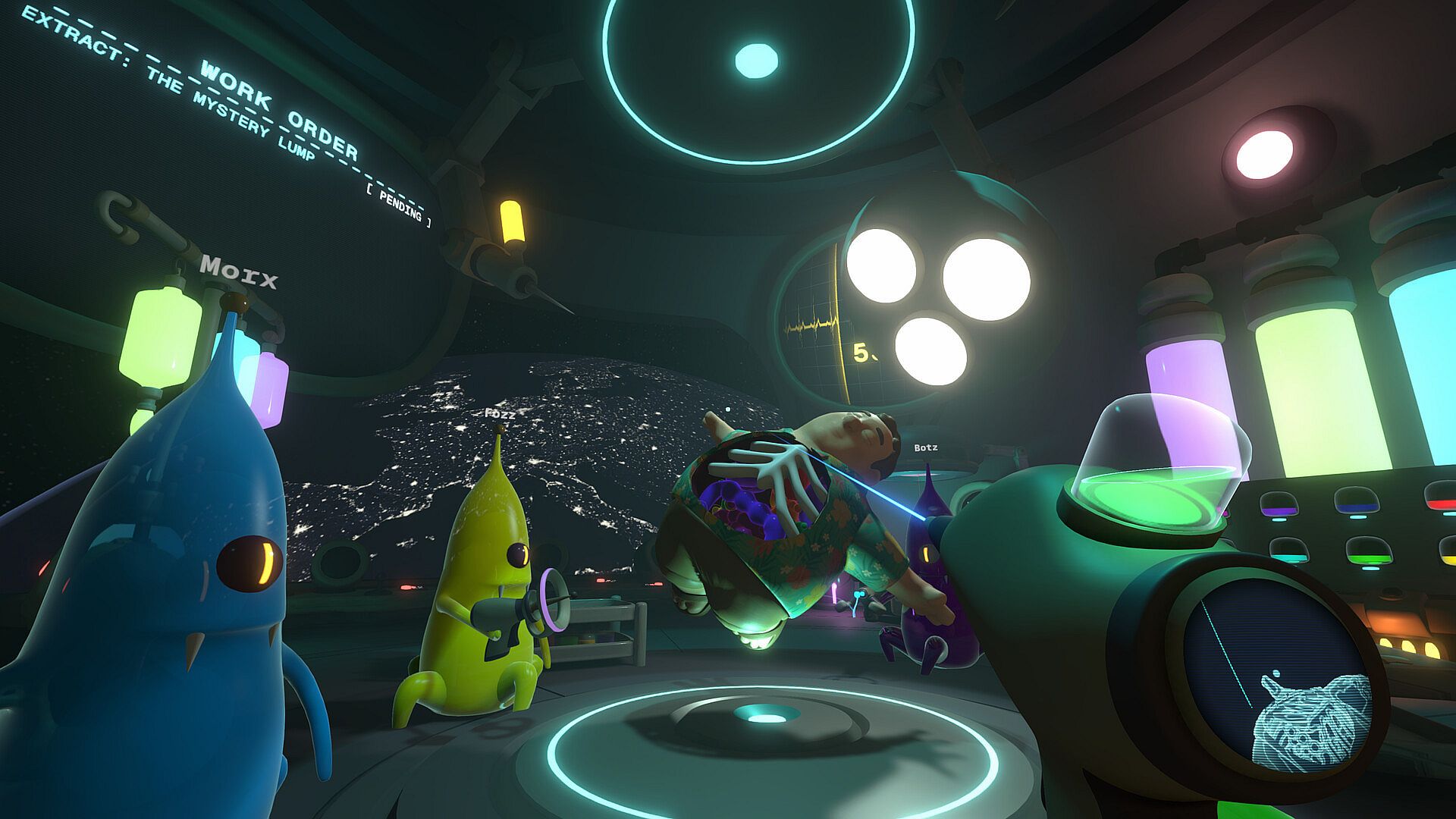
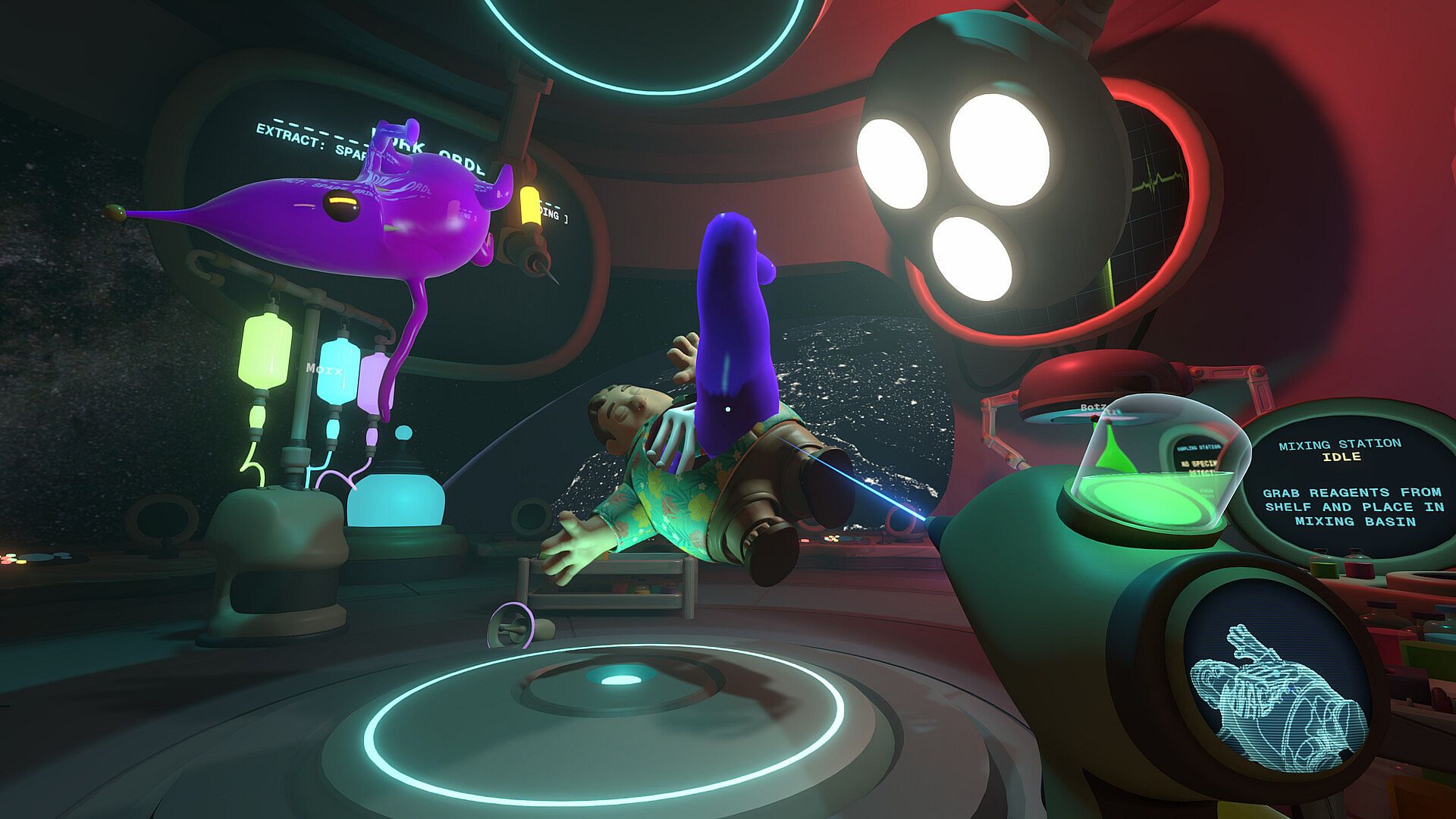
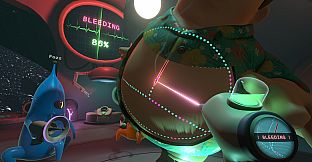
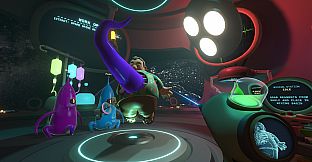
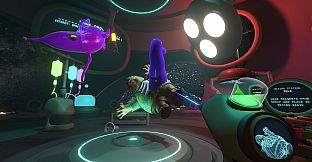
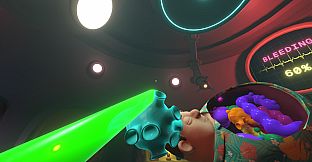
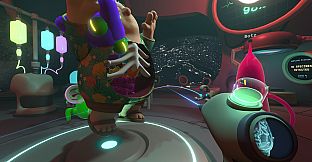
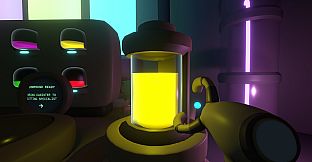
It's the Insides That Count is a co-op action and simulation game for PC in which players take on the roles of alien specialists performing maintenance on a human specimen. The premise places four team members in a confined operating theater aboard a ship navigating asteroid fields and solar flares, where they must follow a protocol of questionable medical accuracy to extract, examine, and reinsert organs without triggering catastrophic failure or allowing the specimen to regenerate unexpectedly.
Gameplay
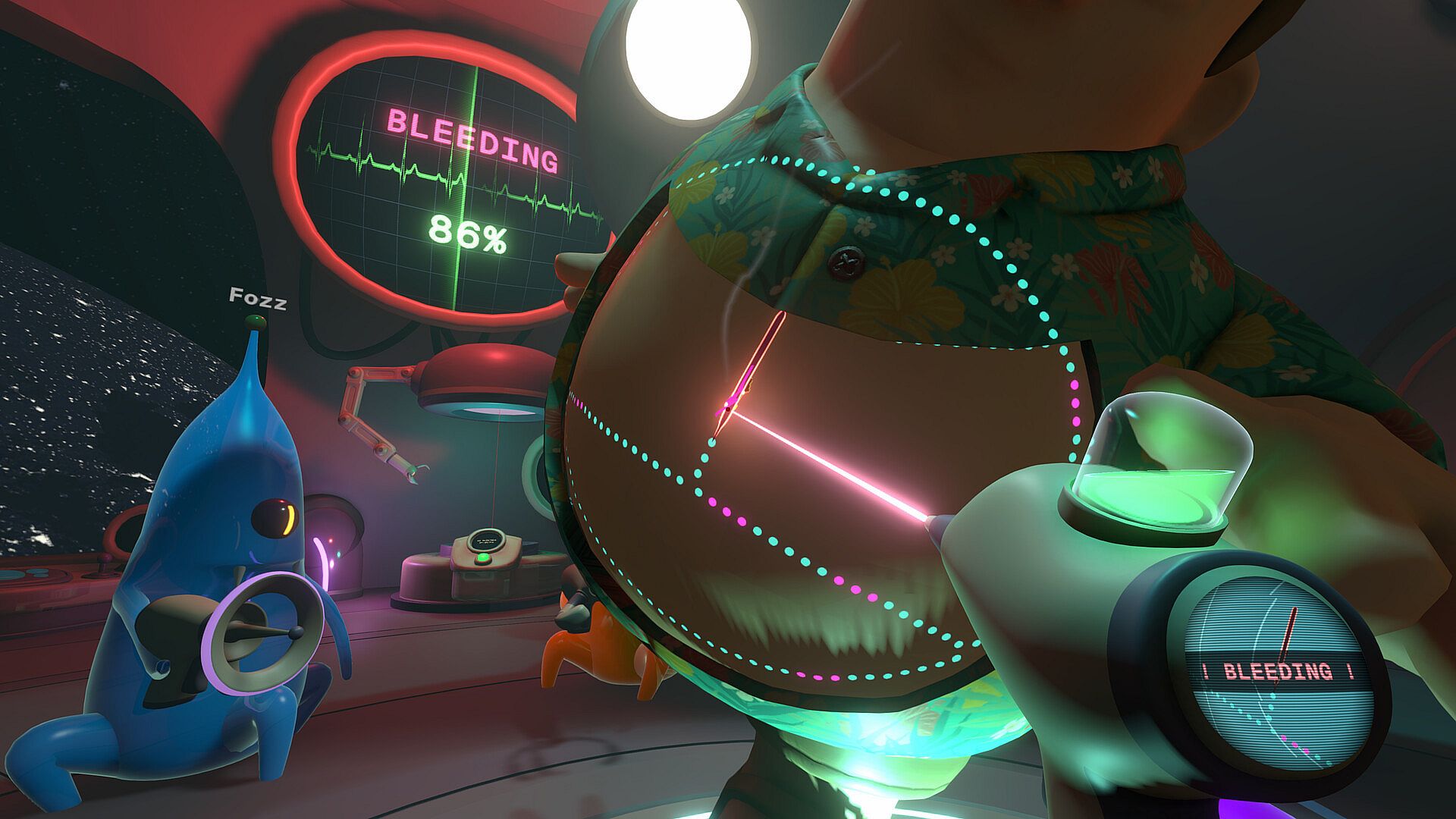
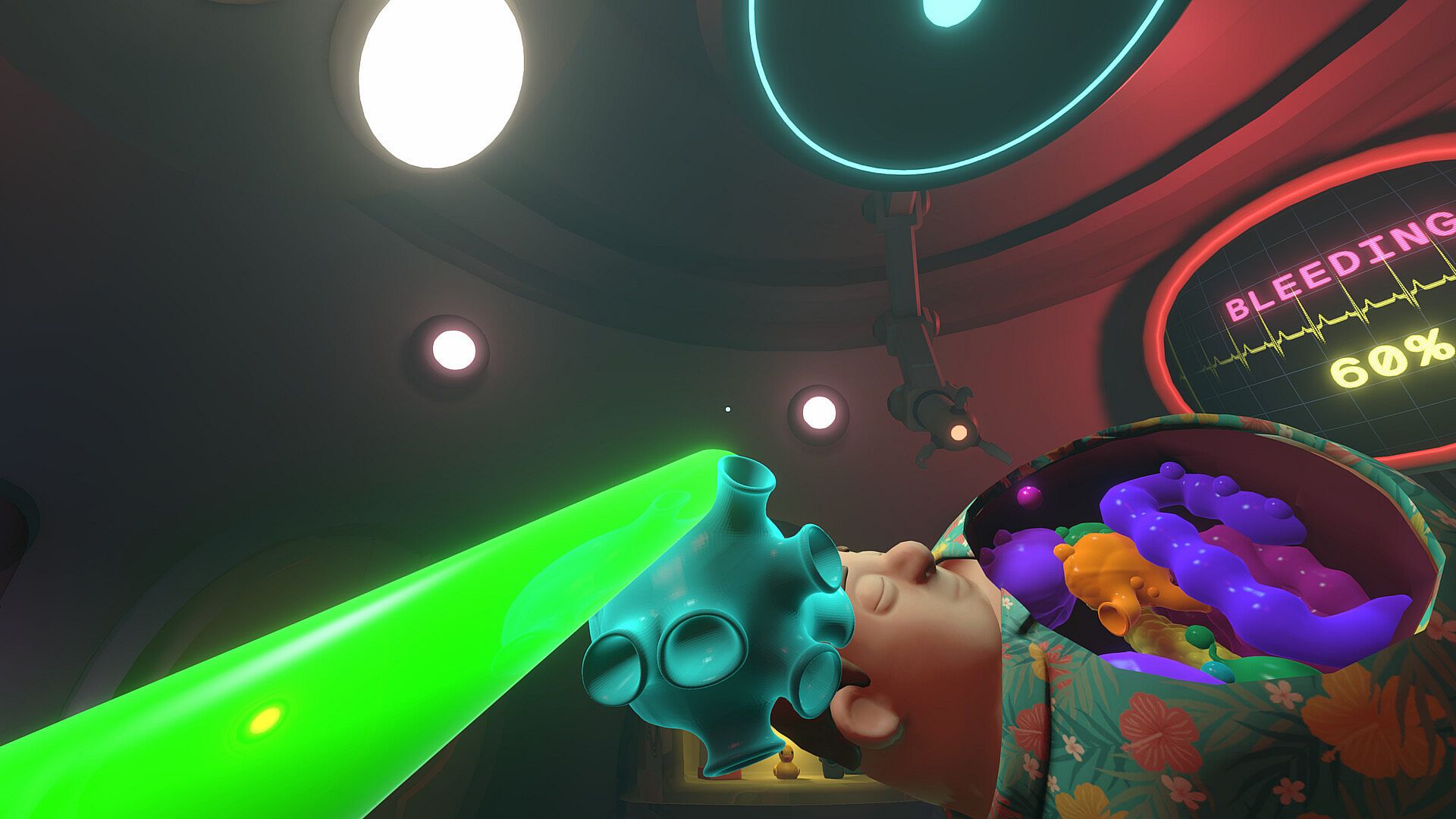
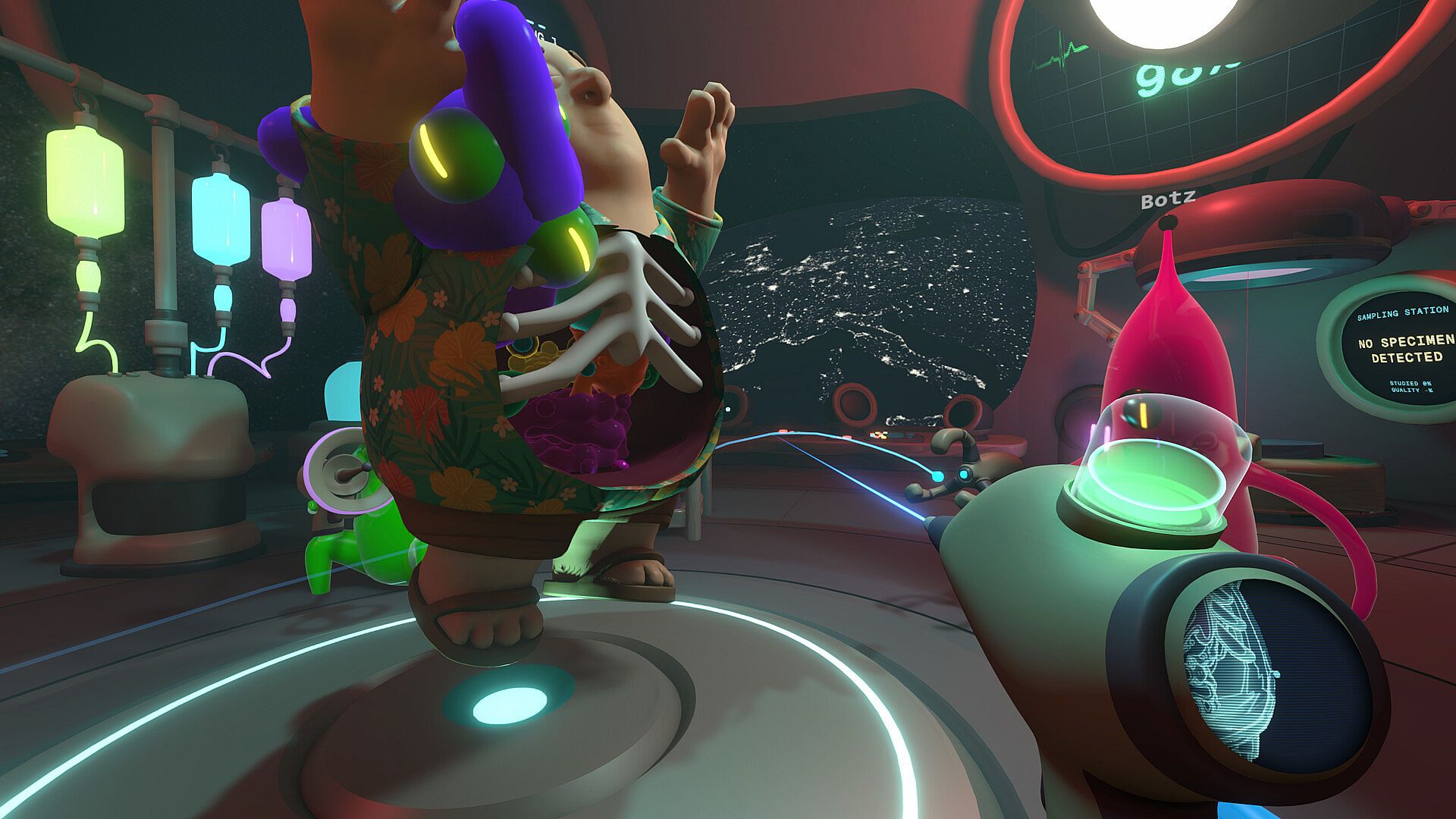
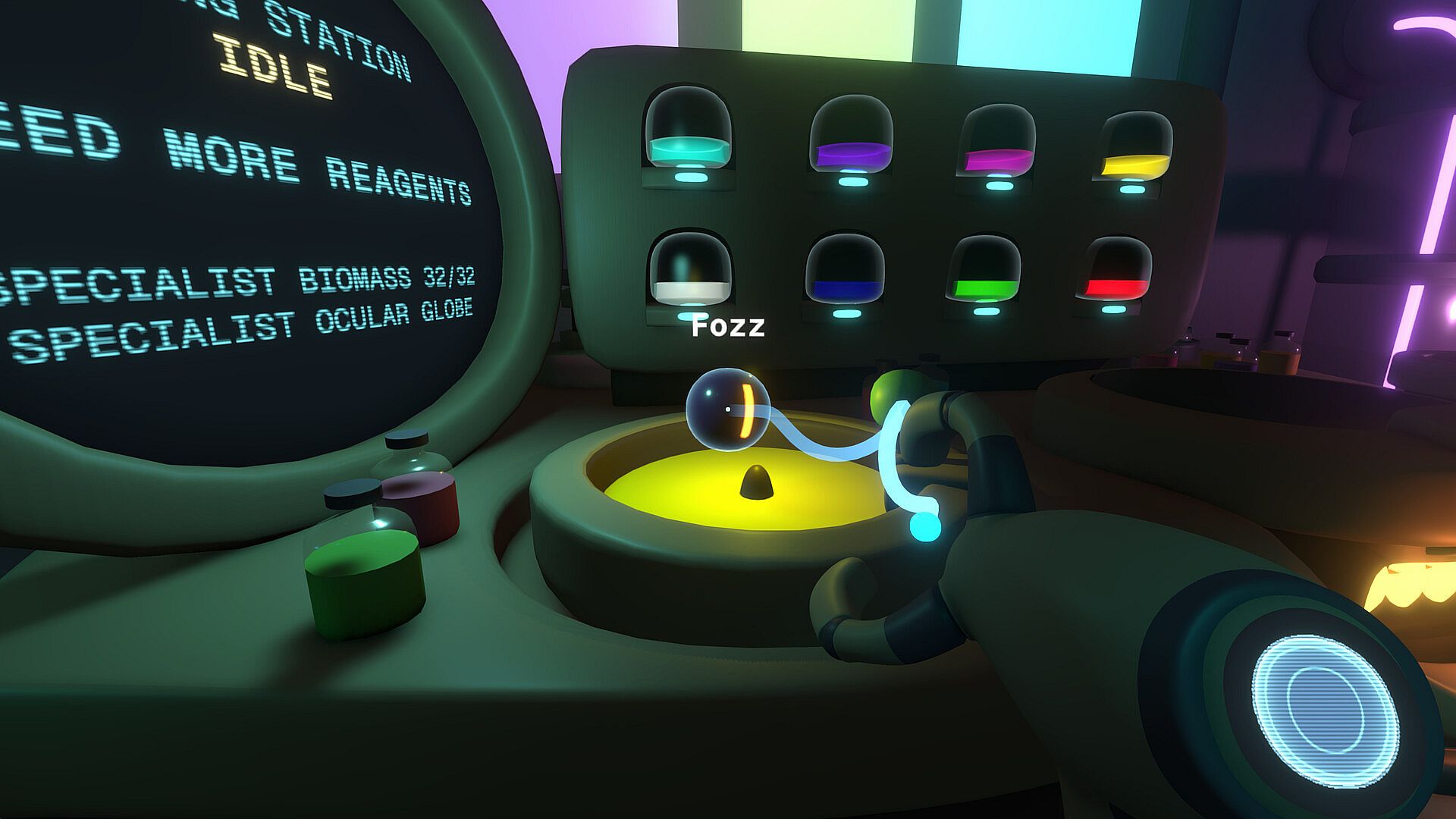
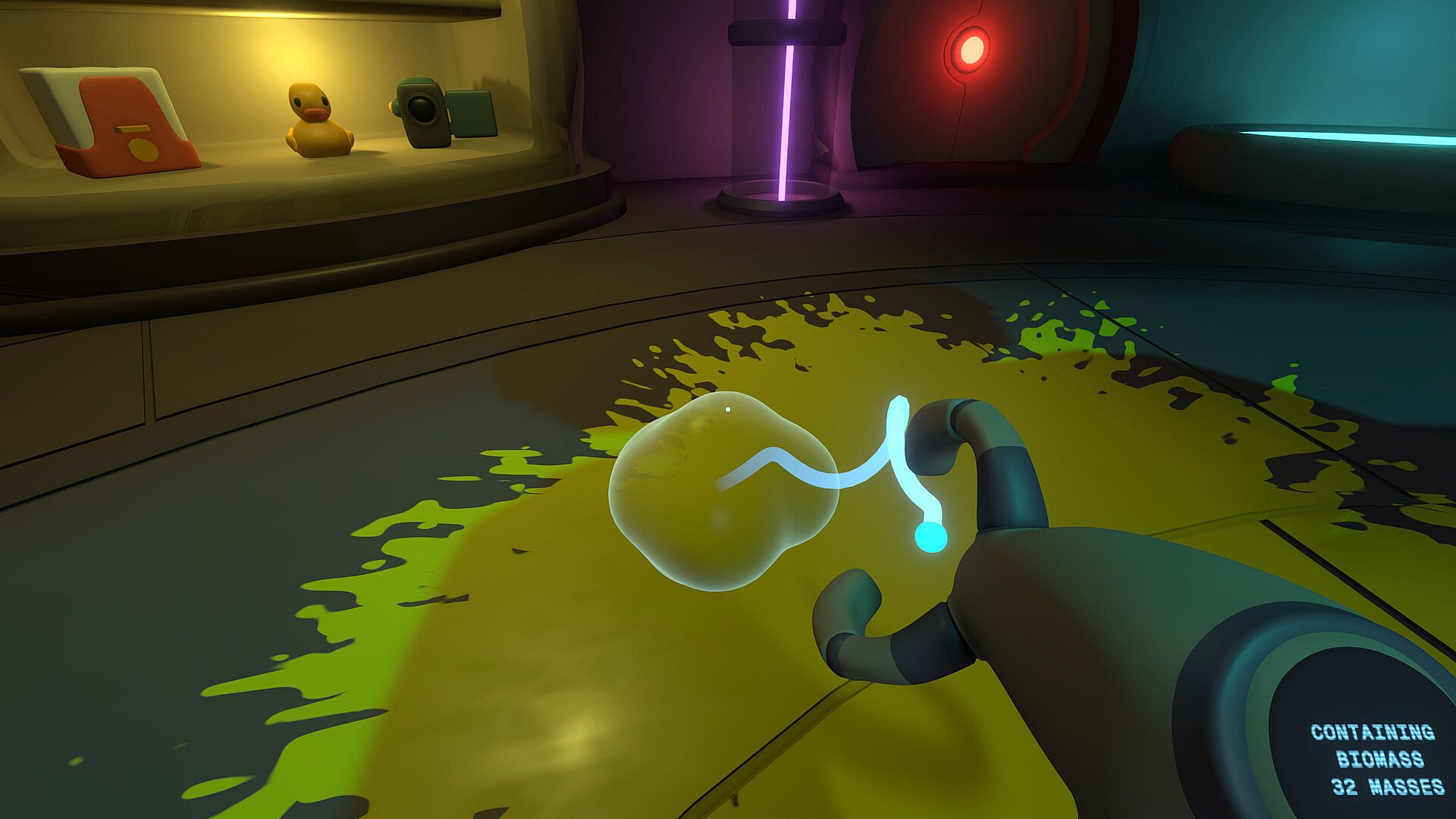
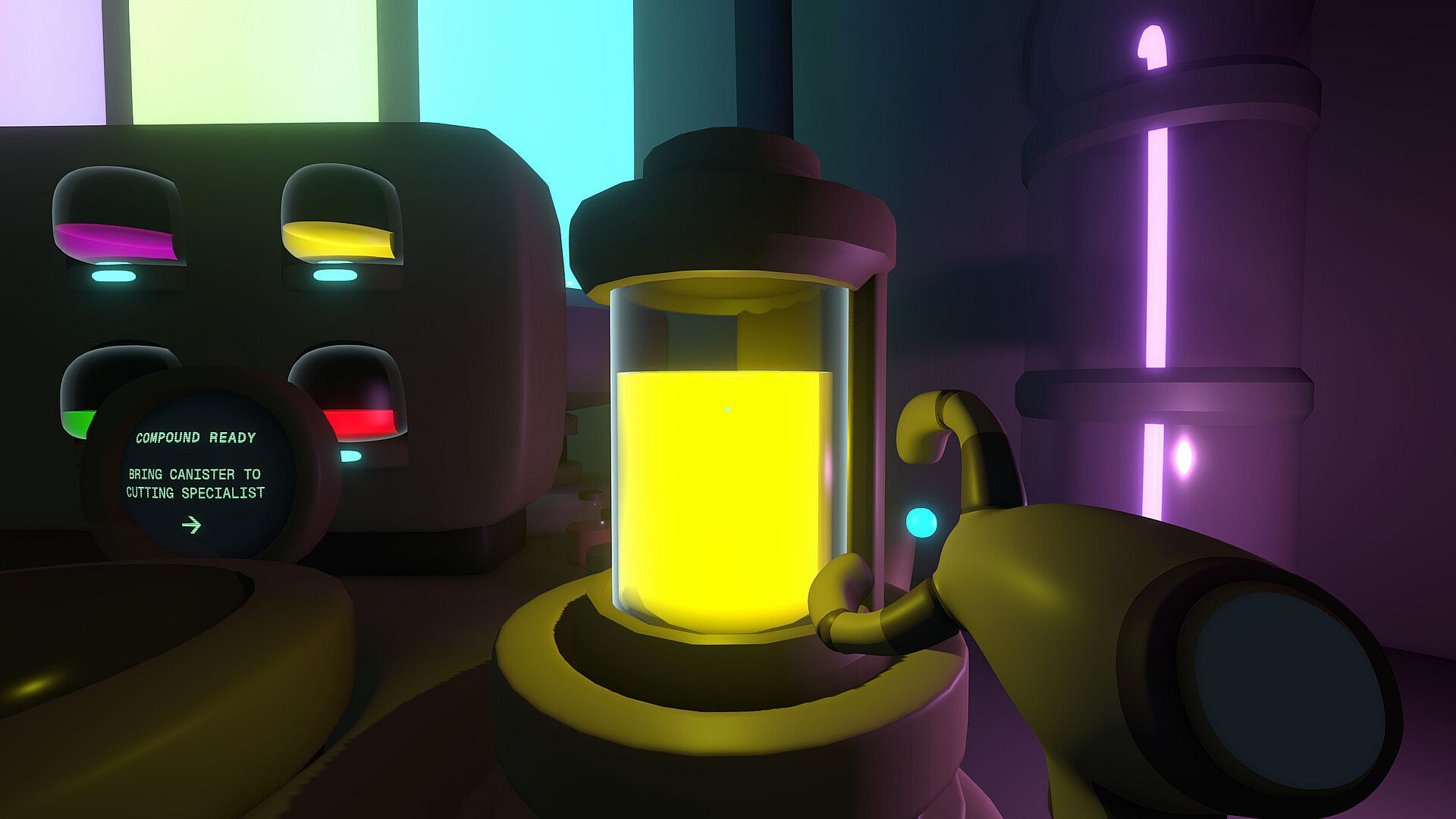
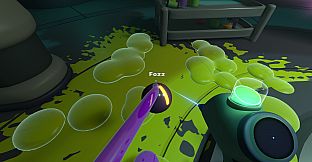
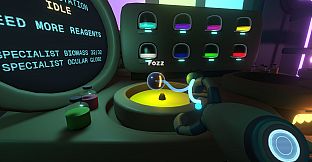
Core gameplay centers on coordinated teamwork among four distinct roles. One player uses a scanner to identify anchor points holding organs in place and determine which can be safely removed, which will cause bleeding, or which conceal additional hazards. Another mixes and heats compounds from a set of eight reagents, some of which double as hull sealant or other improvised tools. A third stabilizes the body while the fourth manages a laser tool that can overheat during use. The grav gun available for moving objects lacks a friendly-fire disable, so misfires can send teammates or equipment flying across the room.
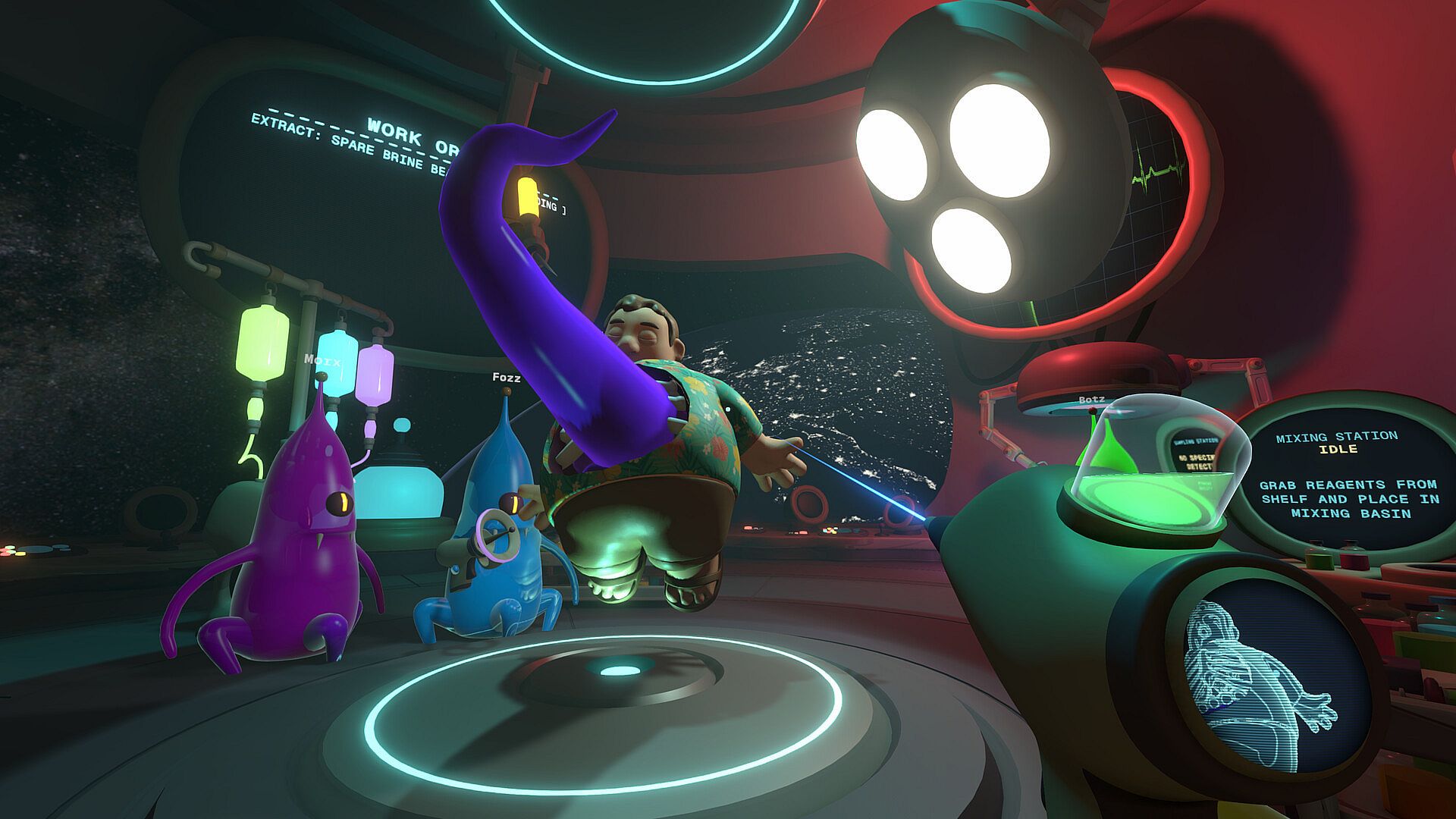
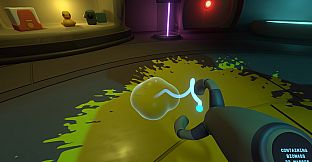
Organs must be hauled out, prepared for study, and returned before time runs out. Mutations arise unpredictably from prior tractor-beam exposure to the specimen's DNA, potentially adding extra limbs or other growths that complicate the procedure. Environmental hazards from the ship's journey through space add further pressure, requiring quick reactions and contingency plans outlined in the H.E.L.P. protocol documentation.
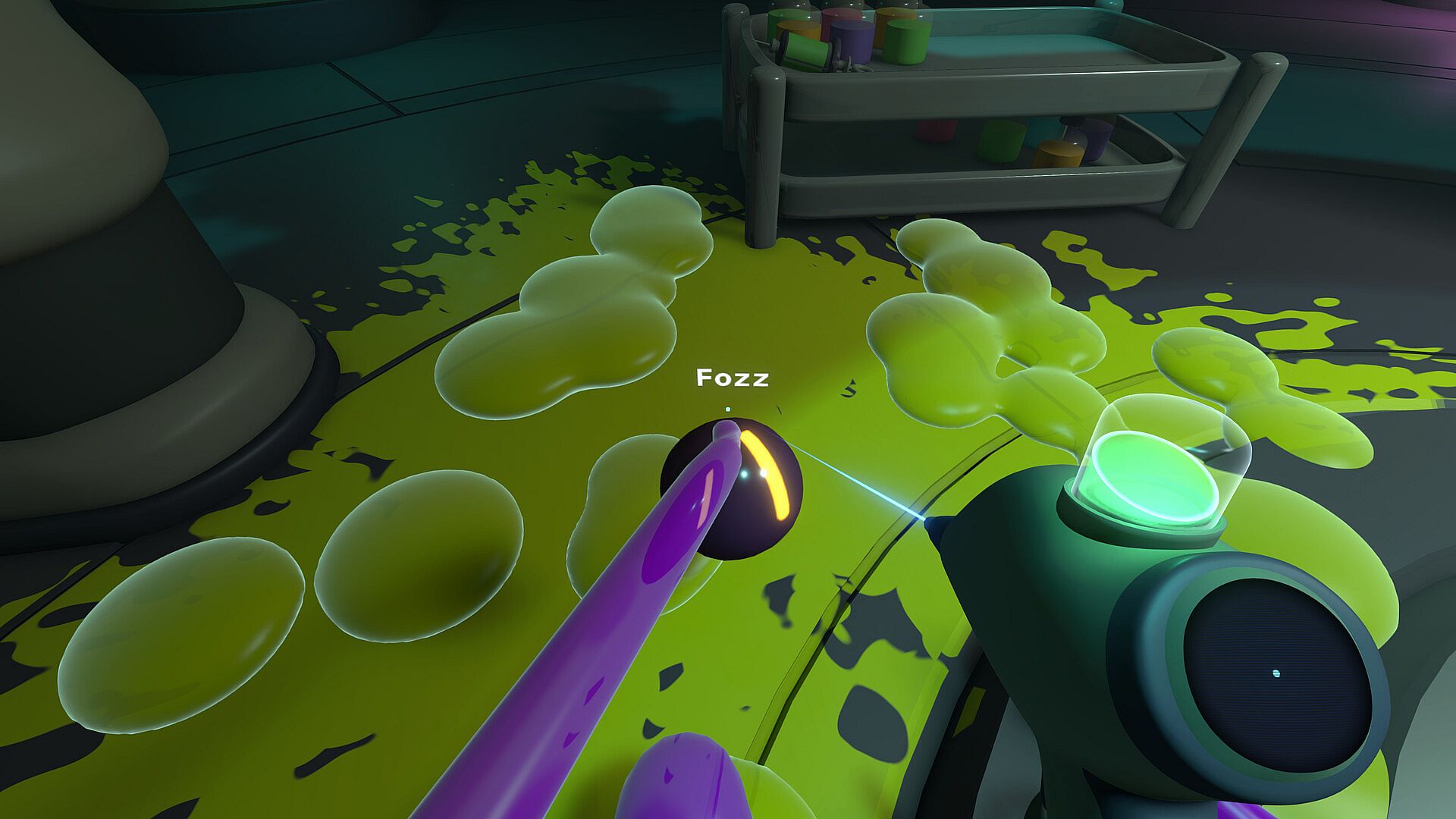
Reagent mixing demands precise timing and temperature control, with the scanner providing identification cues. Colleagues can end up as accidental ingredients if positioning goes wrong. The loop emphasizes communication and adaptability, as the procedure succeeds only when roles align but can still produce results through controlled chaos.
Game Modes
The game supports single-player sessions alongside online co-op for up to four participants. In solo play, one person manages multiple roles or cycles through them while handling the full procedure alone. Multiplayer sessions focus on the four specialized positions working simultaneously in the same theater, with each player assigned or choosing a function at the start of a procedure.
Procedures unfold in a single shared space where roles interact directly. Success depends on completing extraction, examination, and reinsertion steps while managing mutations, reagent delivery, and body stabilization. Failure occurs through excessive bleeding, overheating tools, uncontrolled mutations, or the specimen beginning to regenerate aboard the ship. No separate competitive or versus modes exist; all activity revolves around cooperative or solo execution of these maintenance tasks.
Key Mechanics and Systems
Anchor-point scanning reveals safe versus dangerous removal options for each organ. Reagents combine in specific sequences and temperatures to produce compounds that seal wounds, neutralize threats, or create new complications. The laser and grav gun serve as primary manipulation tools, each carrying risks of collateral effects in the tight workspace. Mutation events introduce variable anatomy that changes anchor points and organ behavior mid-procedure.
Ship movement through asteroid fields and solar flares periodically disrupts the operating area, forcing players to adapt positioning or timing. The H.E.L.P. protocol supplies a library of contingency steps for common and uncommon complications, though its guidance reflects the same dubious medical literacy noted in the initial briefing. These systems combine to create a simulation focused on rapid assessment, precise execution, and recovery from errors.
Is It Worth Playing?
Players who enjoy cooperative simulation experiences with elements of action and light chaos will find the described systems engaging. The four-role structure rewards clear communication and role familiarity, while the mutation and reagent mechanics add variability to repeated procedures. Those who prefer structured single-player campaigns or competitive multiplayer may find the co-op emphasis less appealing.
The game remains in a pre-release state with no completed user reviews or post-launch updates available. Availability is limited to PC through the Steam platform once it launches. Potential buyers should consider their interest in teamwork-driven medical simulation with humorous and unpredictable elements before committing.