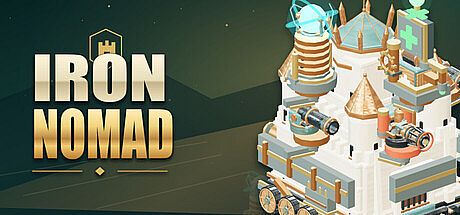


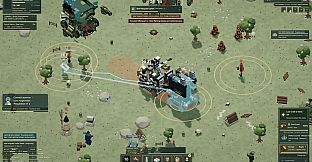
Iron Nomad is a single-player 3D action roguelite for PC in which players command a moving fortress across expeditions. The core experience centers on absorbing resources and structures to grow the fortress while managing automatic weapon fire and active abilities to survive enemy encounters.
Gameplay
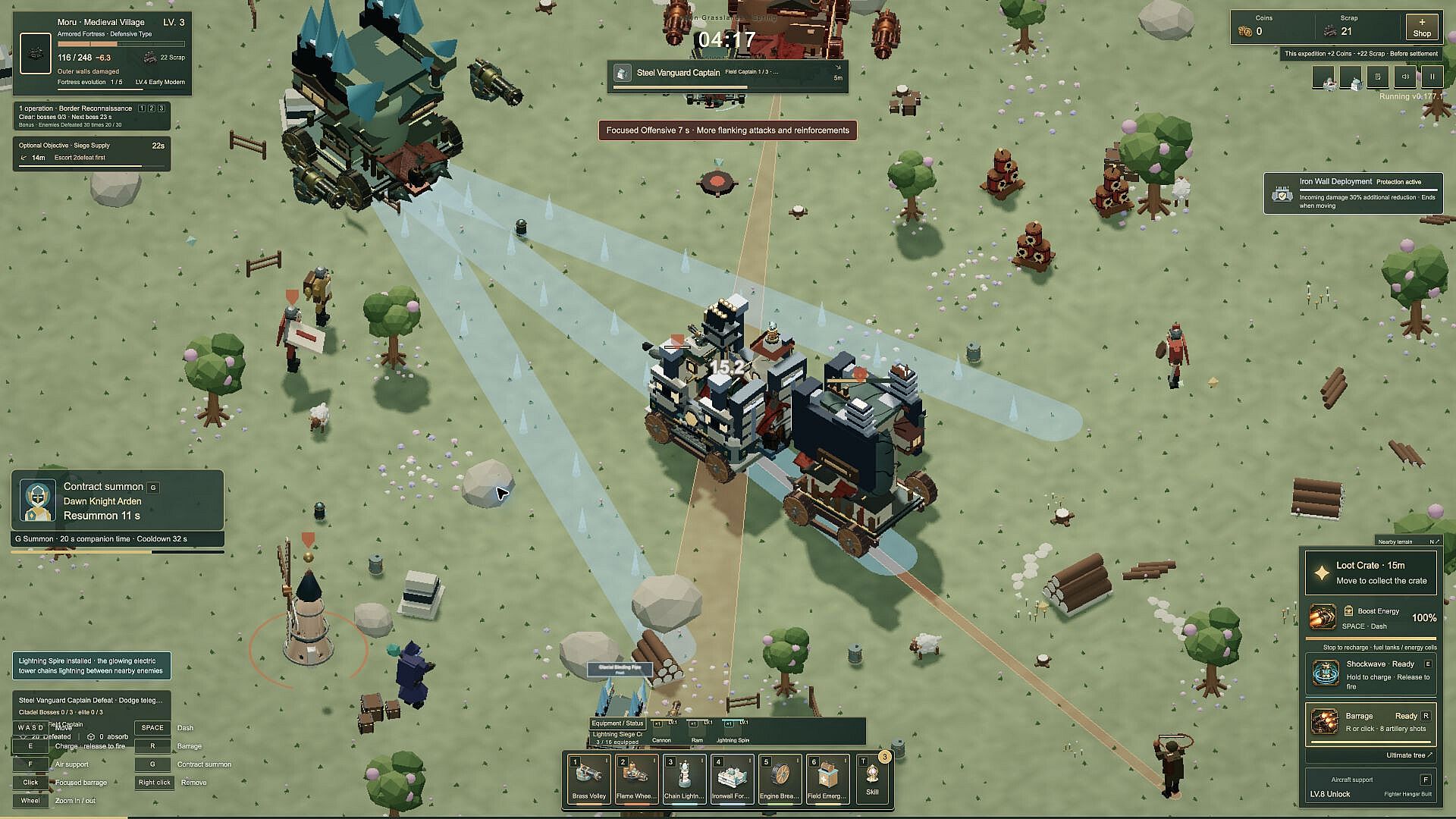
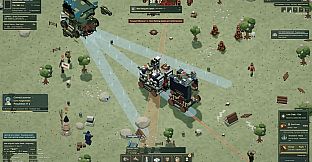
The central loop involves steering the fortress through hostile territory while it levels up from gathered experience. Small buildings and resources are absorbed on contact to expand walls, add machinery, and increase overall size and power. Weapons fire automatically once equipped, allowing focus on positioning, evasion, and timing special actions such as boosts, shockwaves, and target marking to concentrate damage.
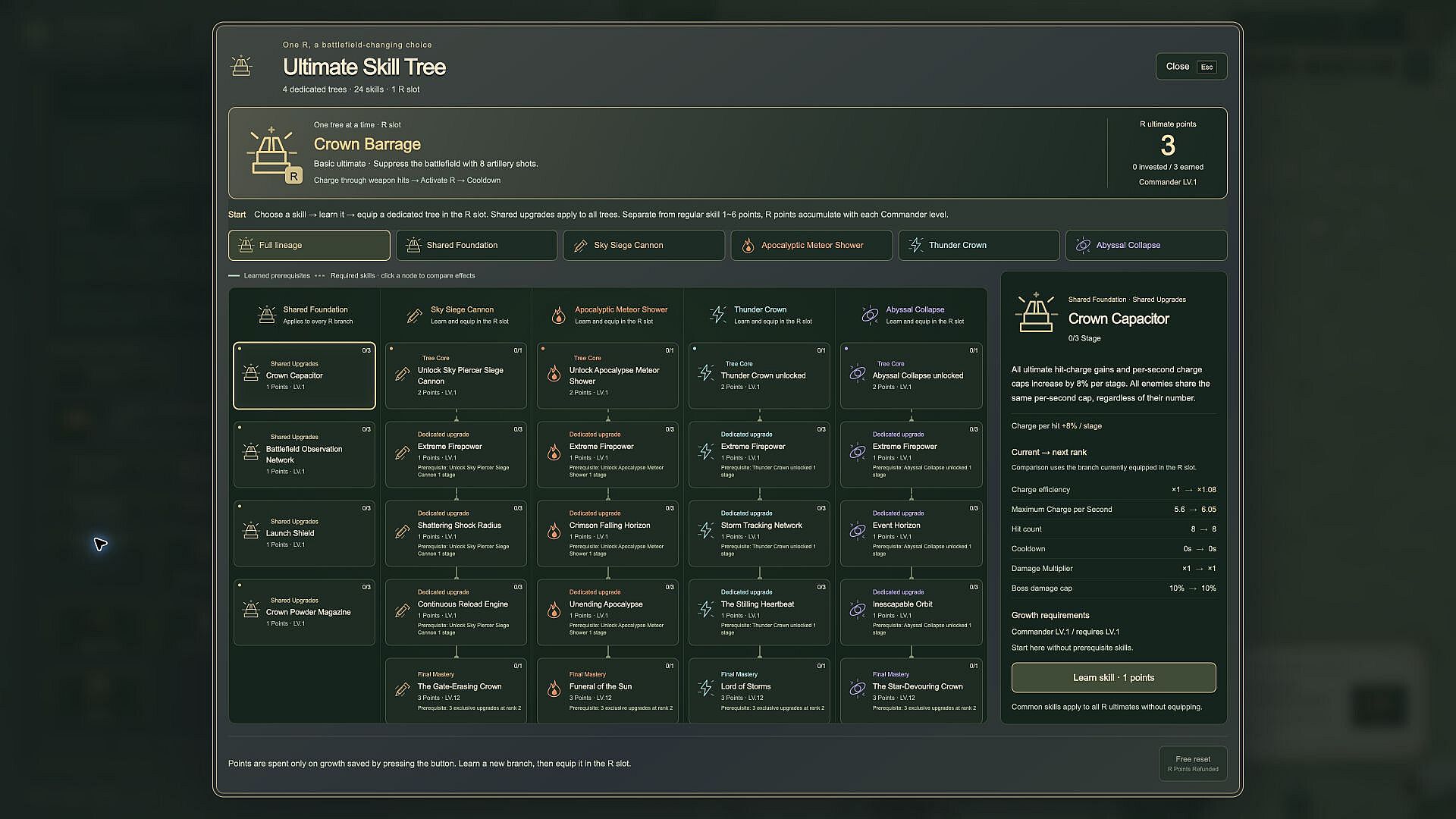
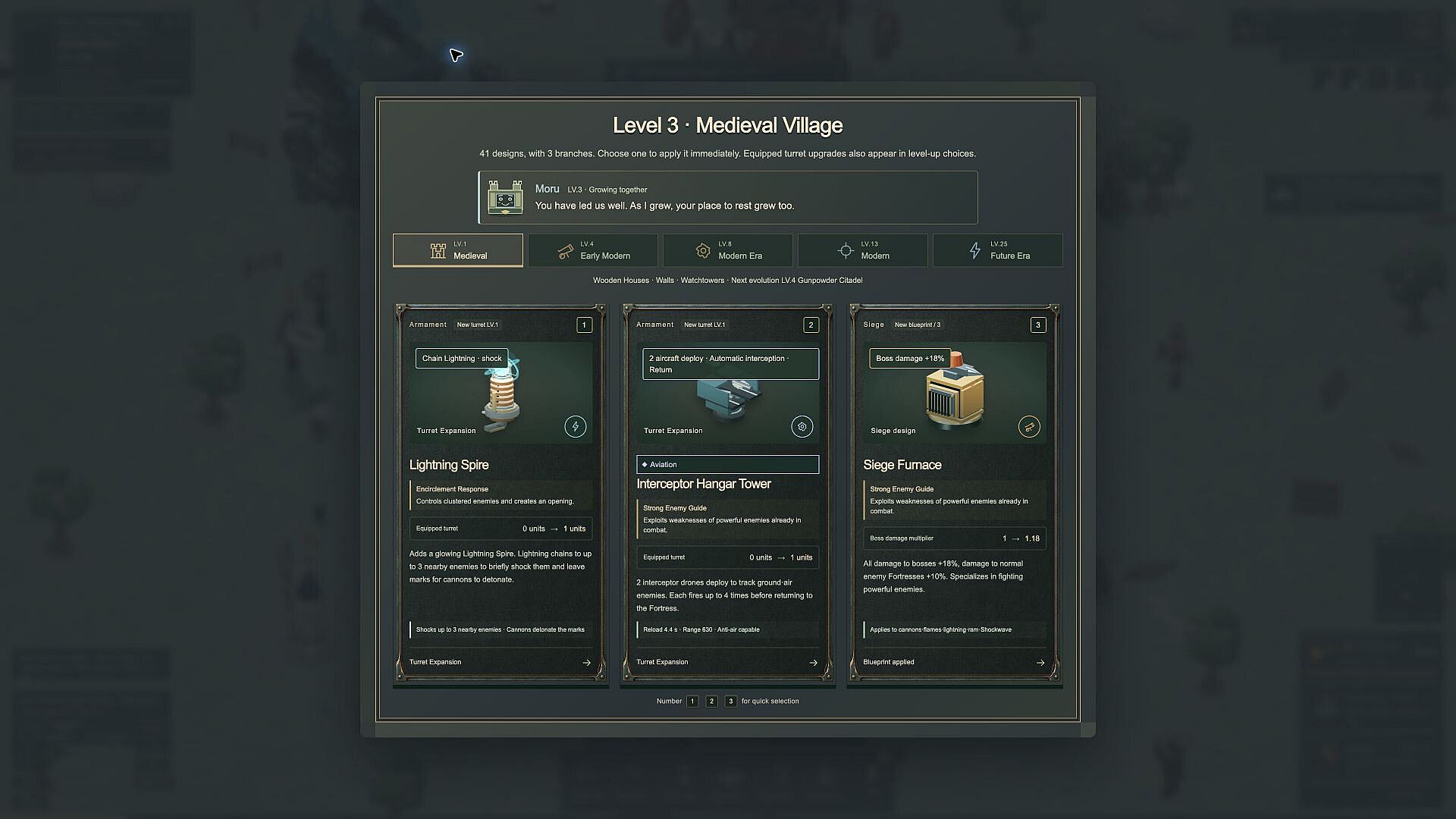
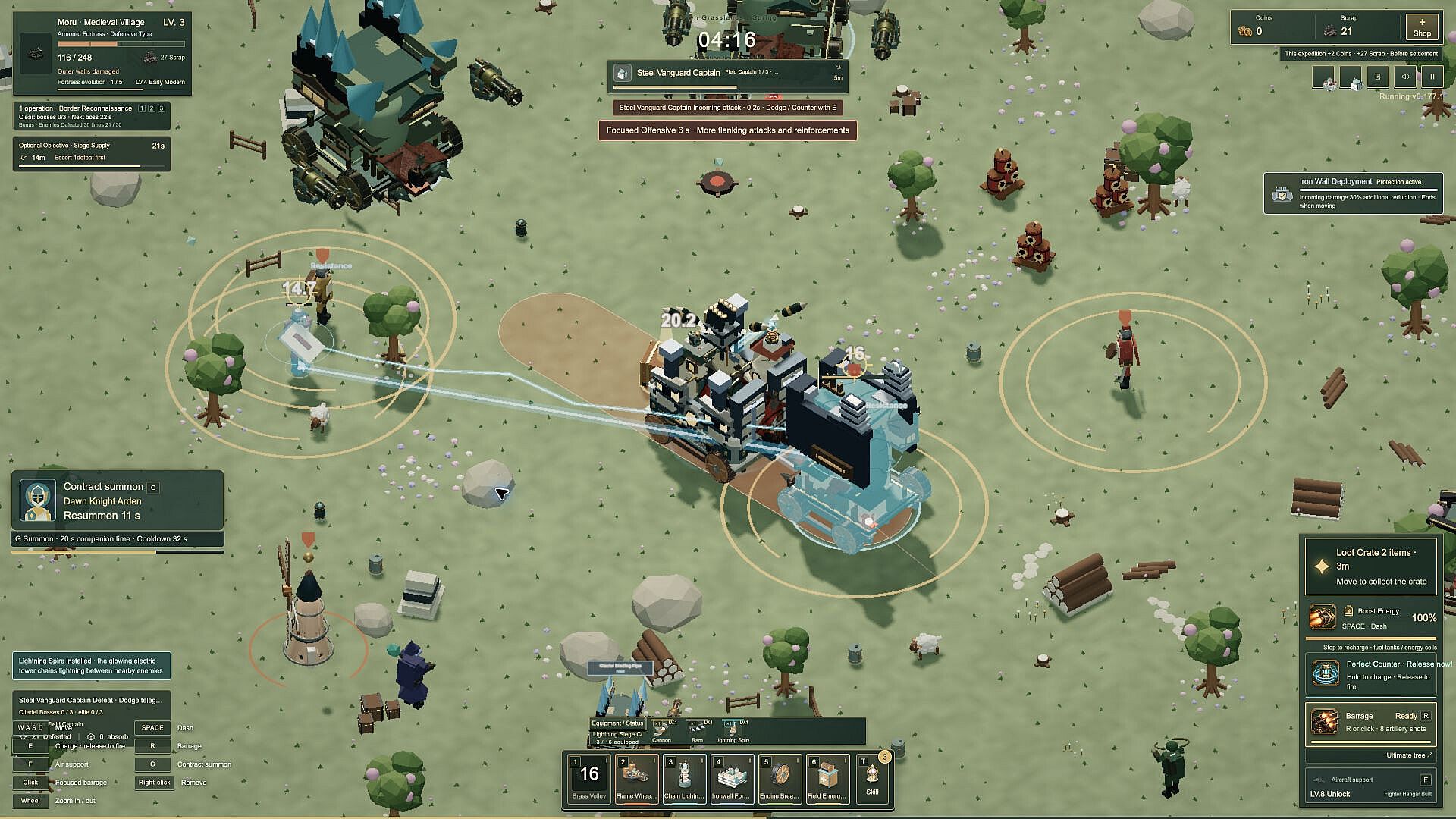
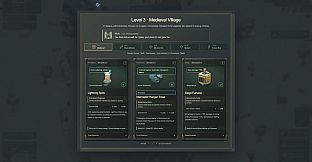
Combat requires reading enemy patterns and attack warnings. Red powder kegs can be detonated for chain explosions that clear groups. Weapon combinations matter, with options including cannons, flame throwers, and lightning emitters that can be mixed for different effects. A charged barrage or aircraft support provides powerful options when timed correctly. The fortress itself becomes the primary tool, with its growing bulk offering both advantages and challenges in maneuvering.
Controls use keyboard and mouse exclusively. Players steer to avoid encirclements, activate boosts for speed, deploy shockwaves to interrupt attacks, and mark priority targets. Permanent changes to the fortress appearance and fighting style come from chosen upgrades during each run.
Game Modes
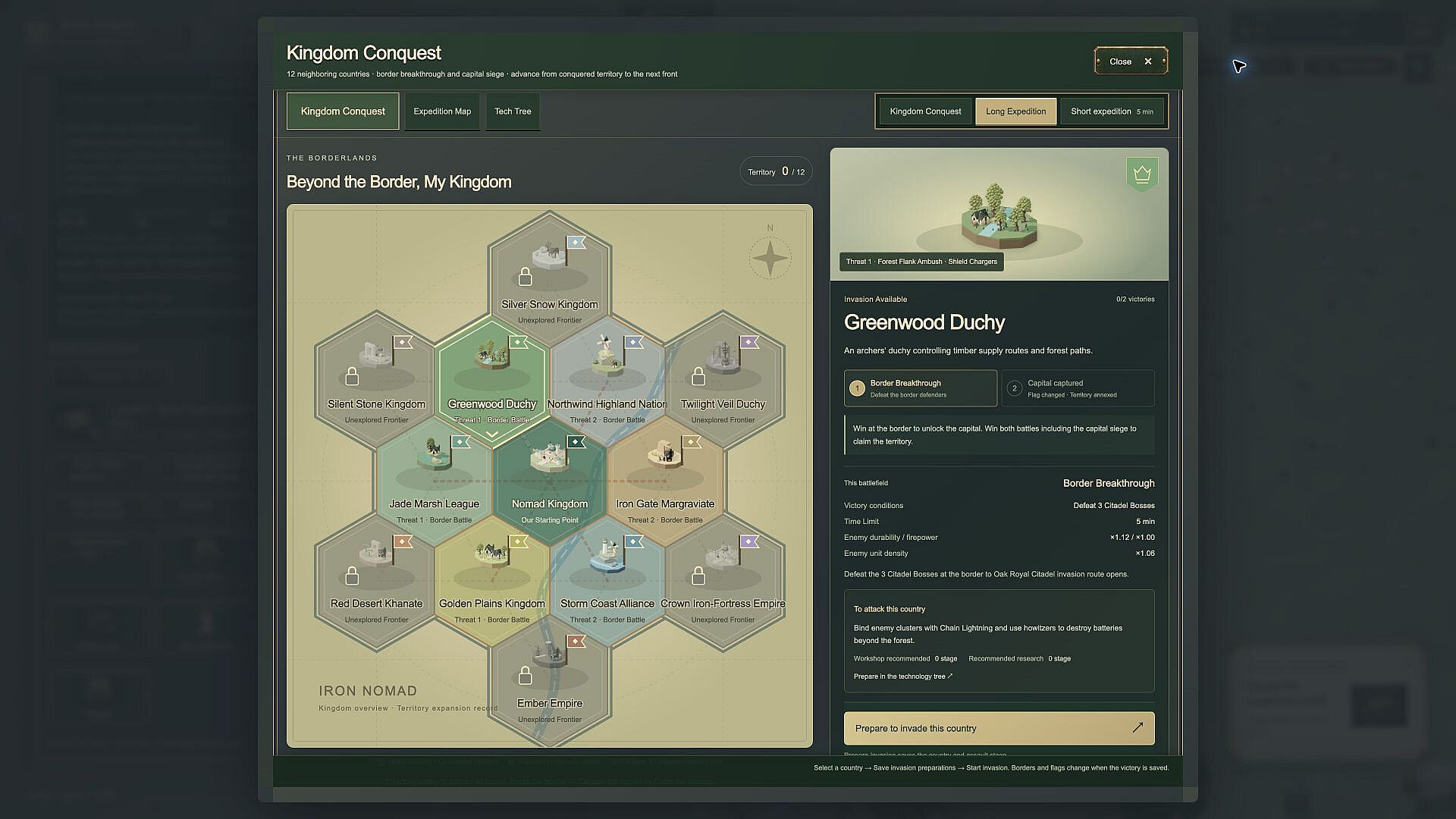
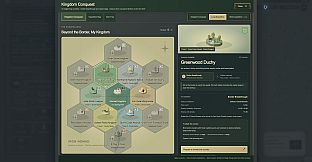
Iron Nomad offers only single-player gameplay. Each expedition functions as a self-contained run on a map divided into regions with varying mission conditions. Progress and settings save locally on the computer, allowing players to resume or start fresh expeditions without online requirements.
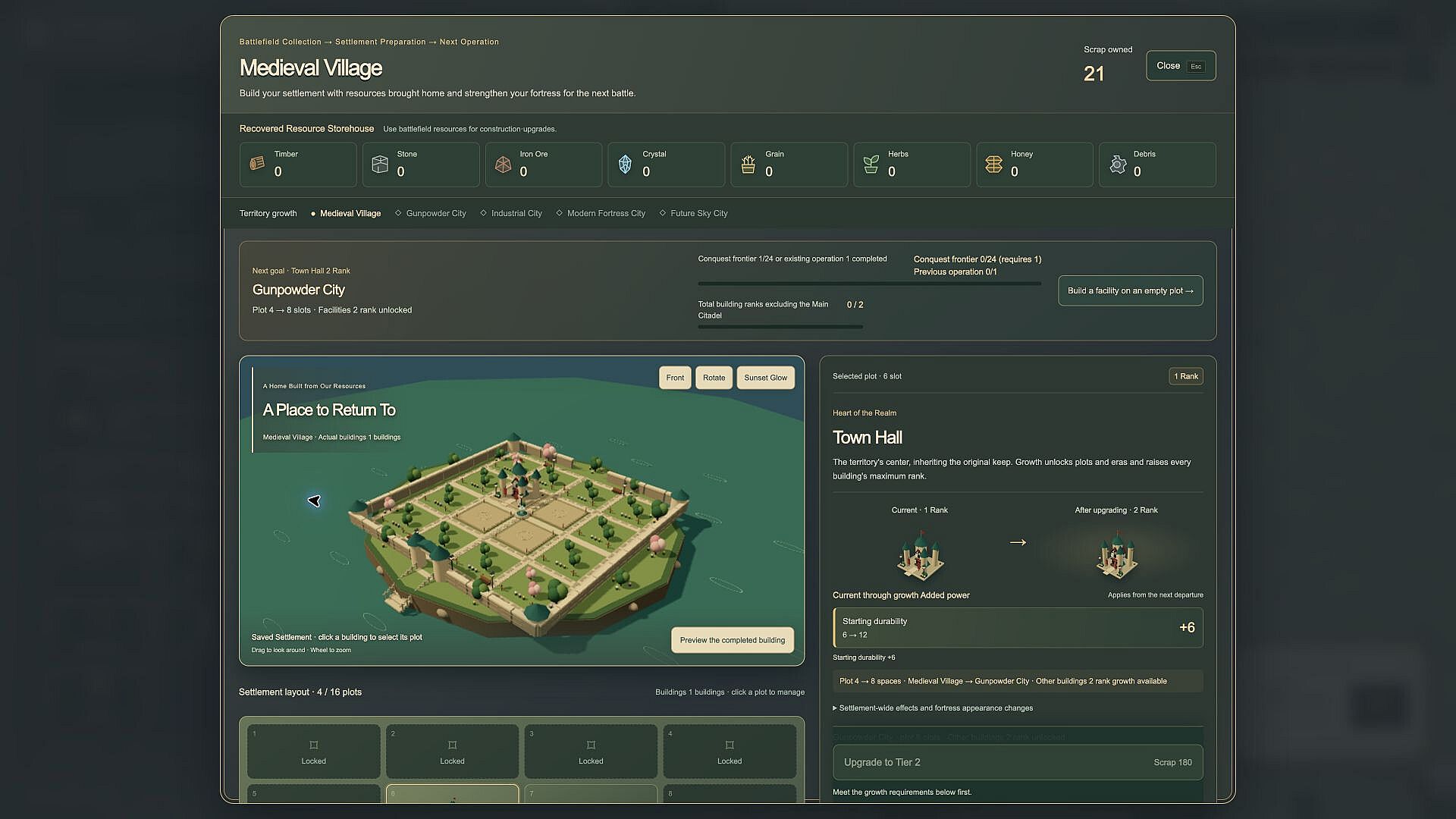
The structure emphasizes repeated departures from a central hub. After each expedition ends, resources return to the workshop for preparation. Different regions present distinct challenges that influence loadout choices and route planning on the expedition map.
Fortress Evolution and Workshop
The fortress evolves through distinct stages as it gains experience and absorbs materials. It begins as a Scout Fortress and can advance to Steel Bastion, Siege Fortress, and ultimately Crown Citadel. Each stage adds armor, armaments, and new capabilities suited to larger threats such as enemy commanders and siege giants.
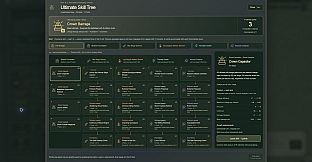
Between expeditions, Scrap and rewards are spent in the workshop. Research options, castle skills, companions, and relics combine to create lasting improvements that carry forward. These permanent upgrades shape future runs by altering available abilities and fortress traits before departure.
Boss encounters against commanders and giants require specific tactics. Breaking leg armor on giants exposes a core that becomes the focus of concentrated fire while avoiding ongoing attack warnings. The growing scale of the fortress directly influences how these larger fights unfold.
Is It Worth Playing?
Iron Nomad suits players who enjoy single-player action roguelites built around vehicle-style control and incremental building. The automatic weapons paired with manual positioning and ability use create a distinct rhythm that rewards spatial awareness and upgrade planning over direct aiming.
The expedition format with local saves supports repeated short or extended sessions without external dependencies. Fortress evolution and workshop progression provide clear long-term goals that alter each run through new weapon synergies and structural changes.
Those drawn to roguelite mechanics centered on a controllable moving base, automatic combat systems, and preparation between runs will find the described systems align closely with that preference. The game remains available on PC with keyboard and mouse support across multiple interface languages.