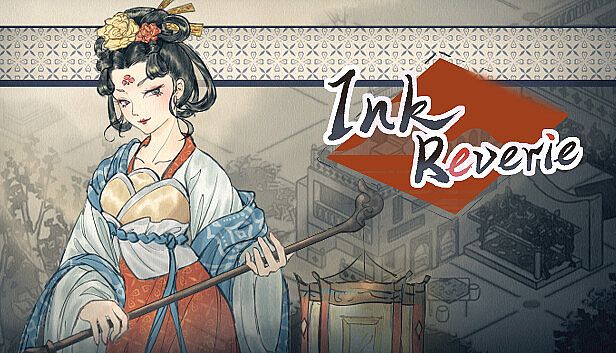











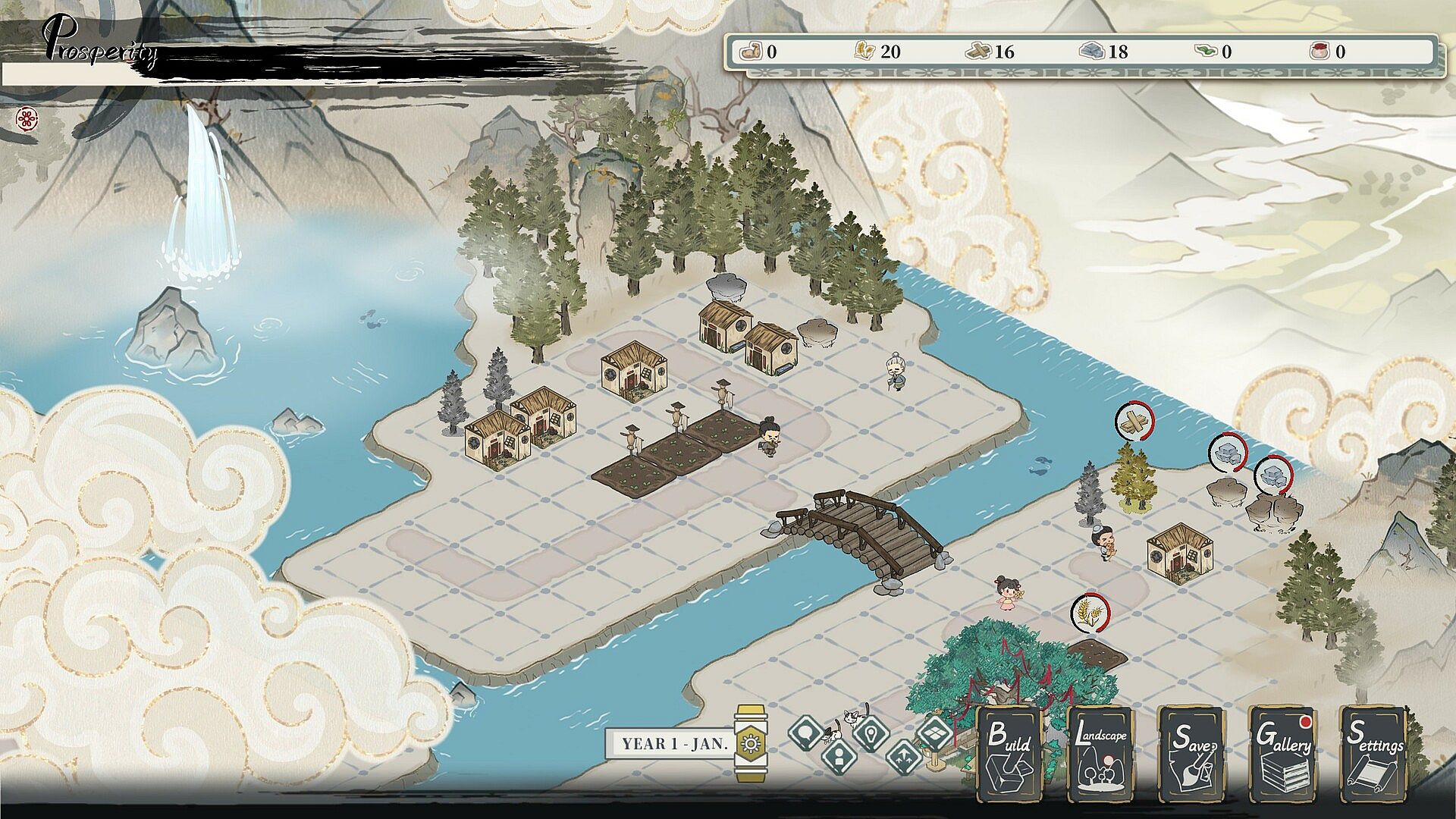
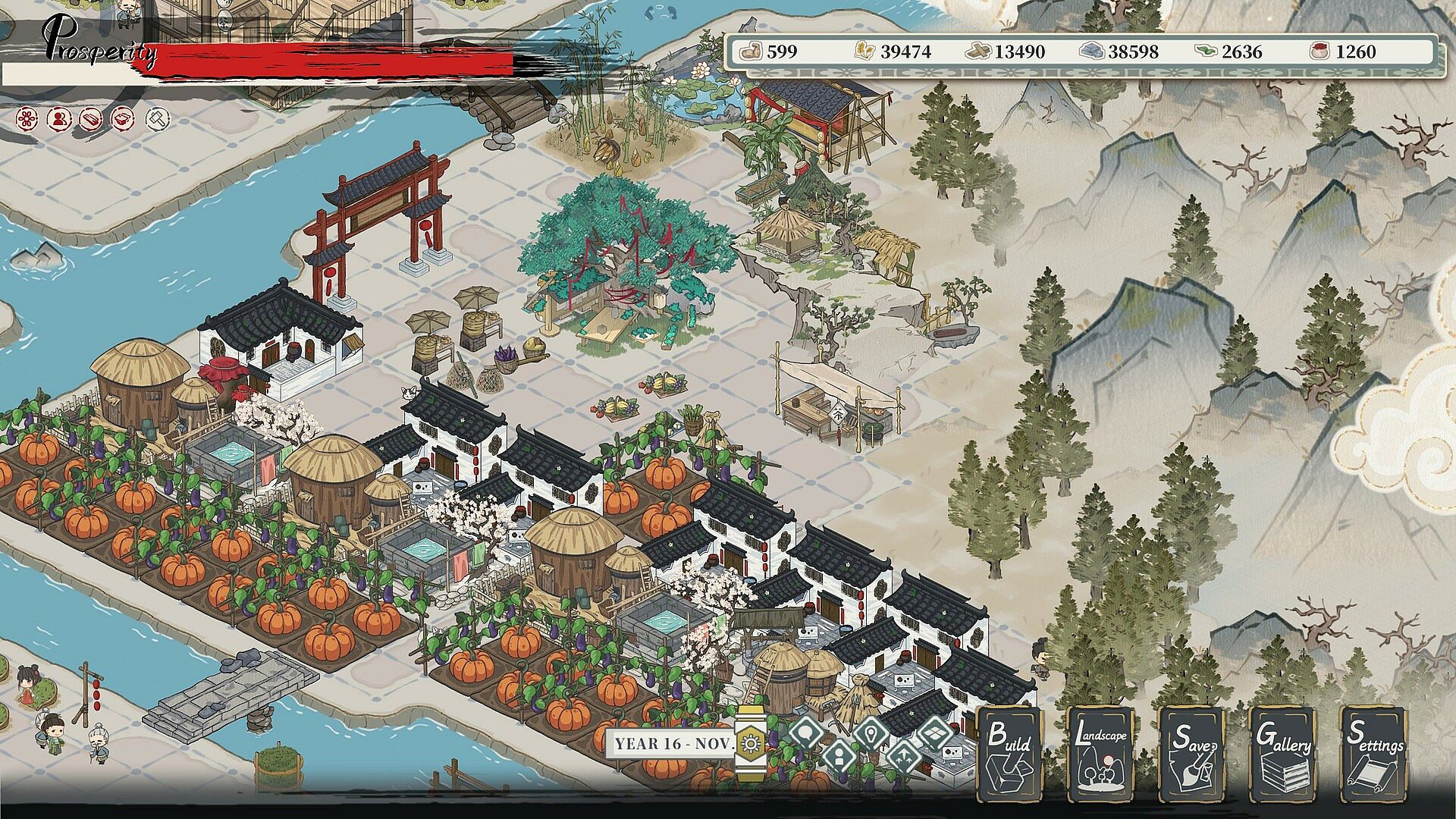
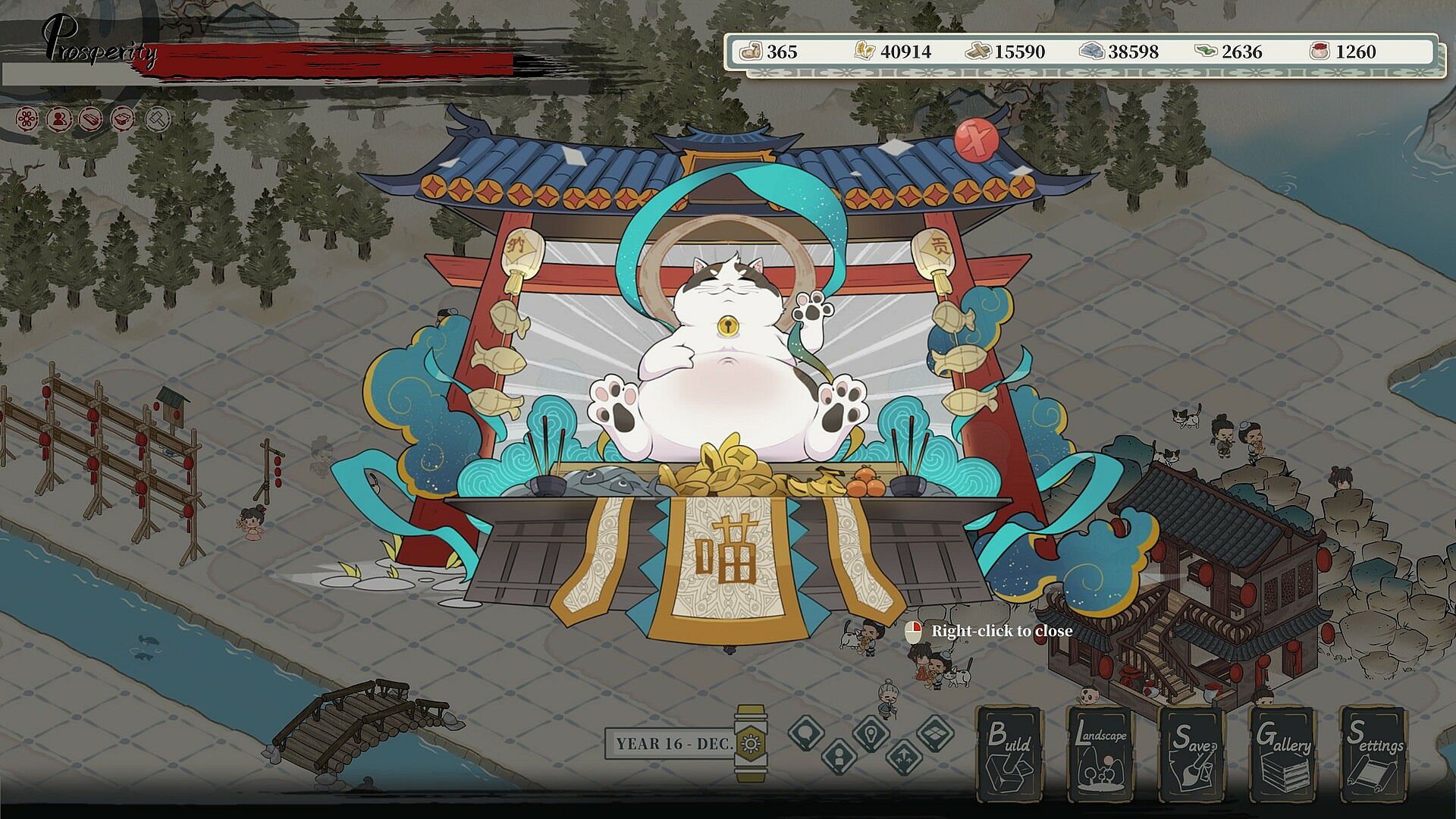
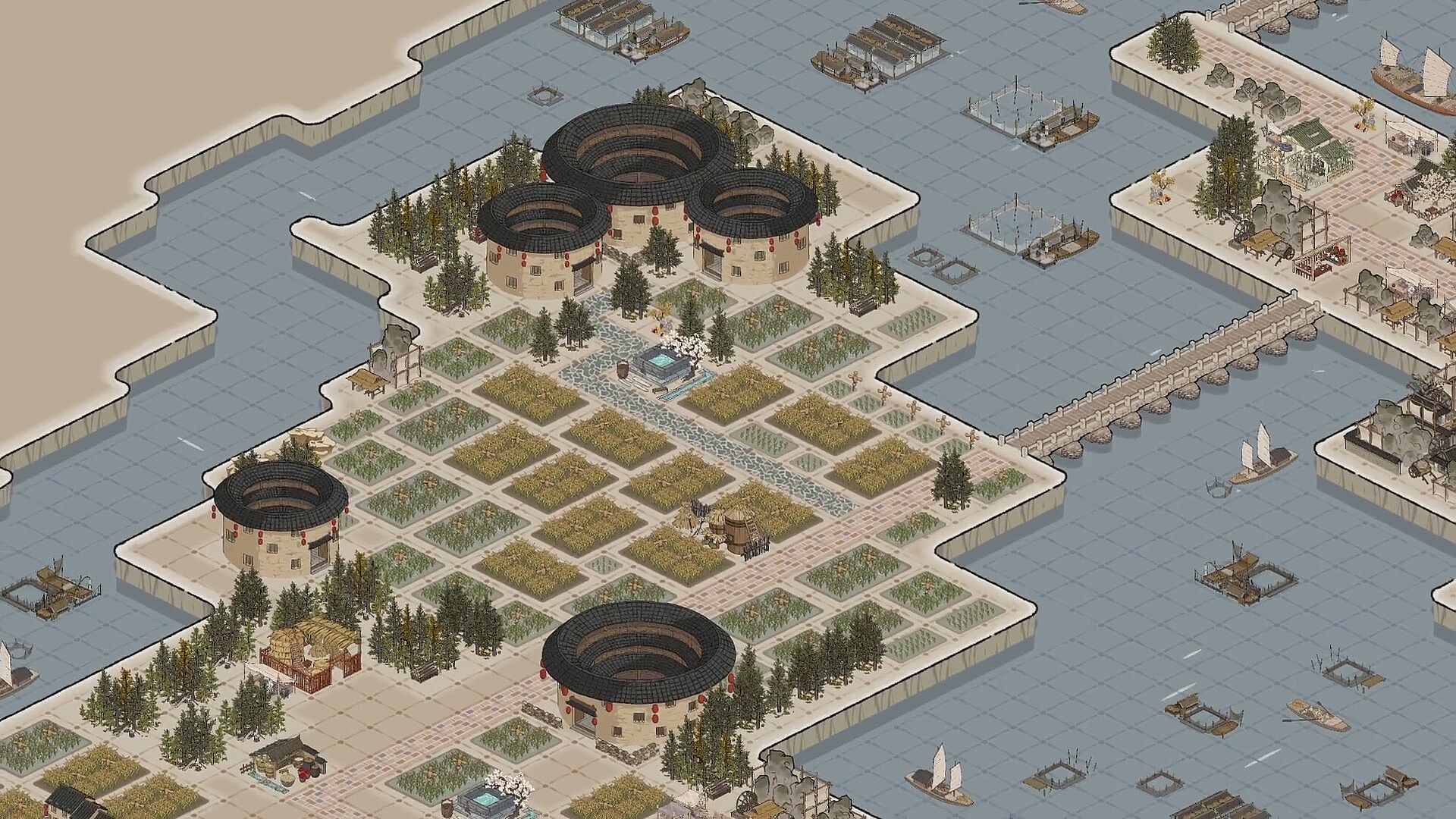
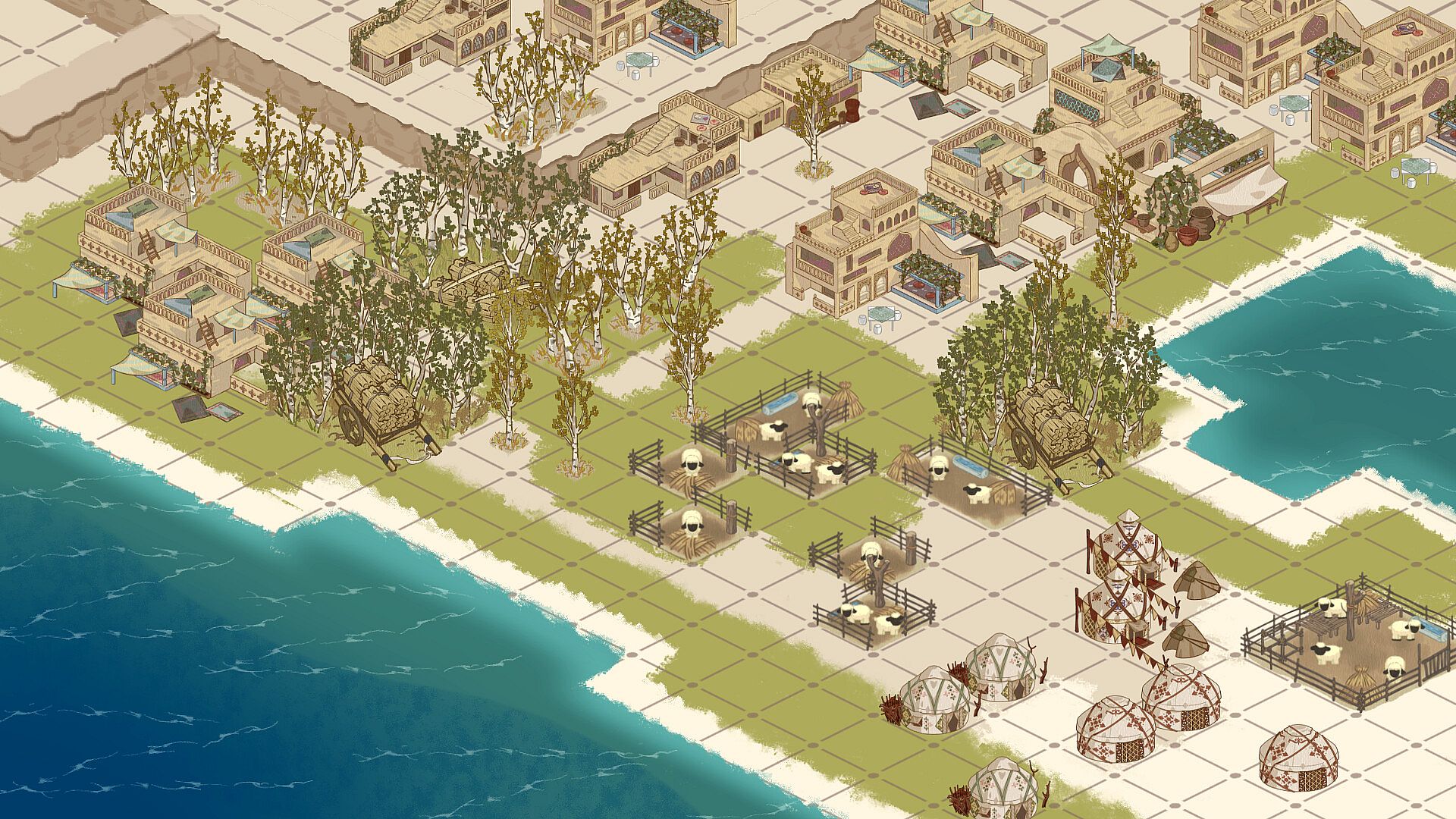
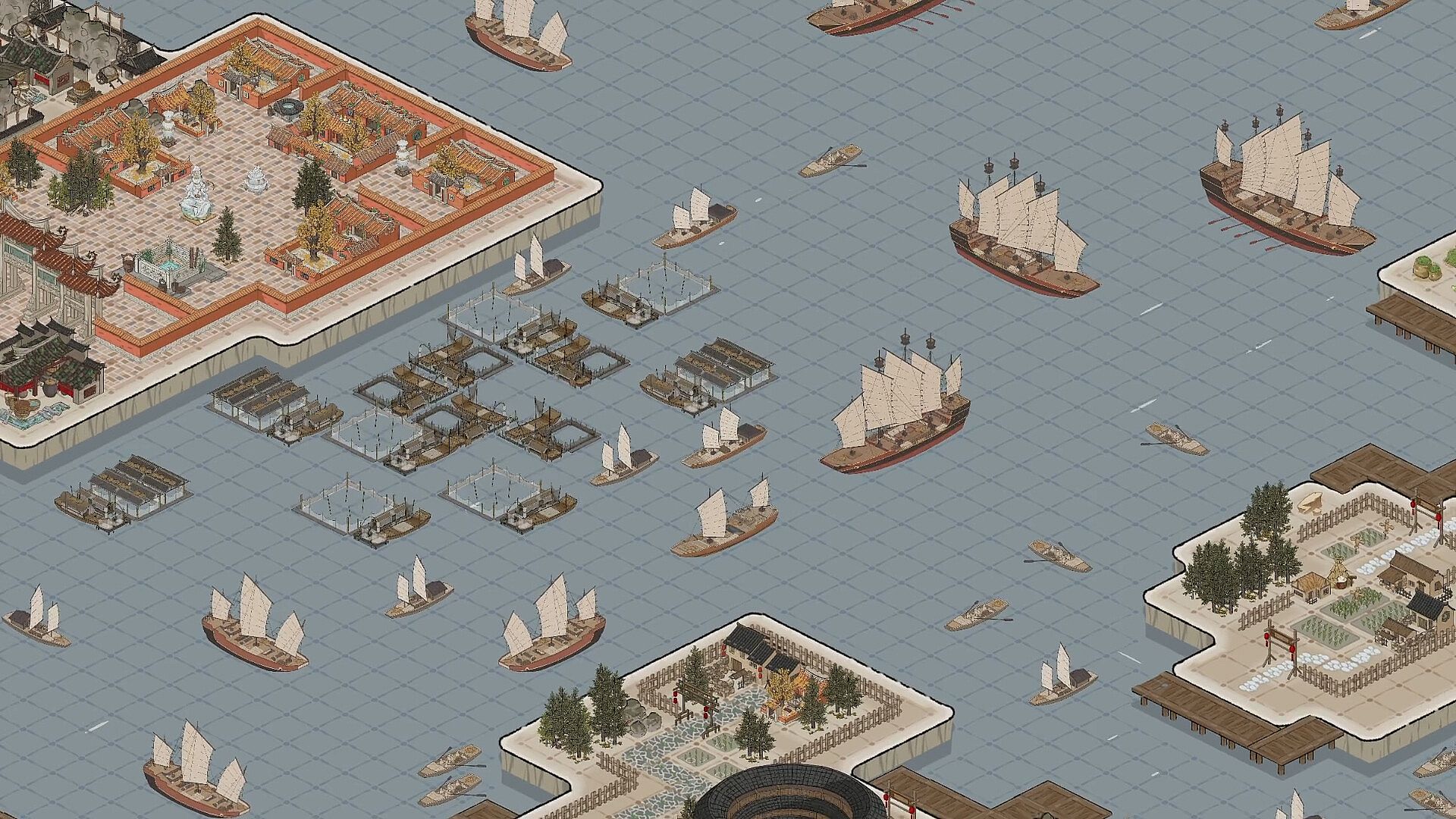
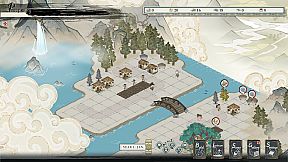
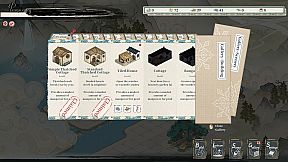
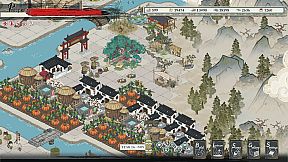
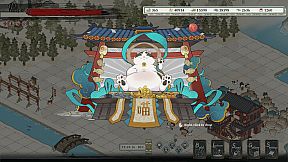
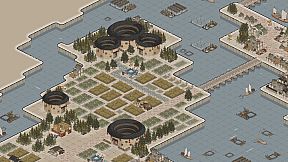
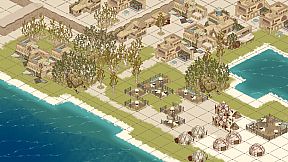
Ink Reverie is a casual city-building simulation game set in a fictional historical era inspired by the Tang and Song dynasties. Players manage resources and develop settlements across five distinct regions, each featuring tailored mechanics that blend construction with match-3 merging elements.
Gameplay
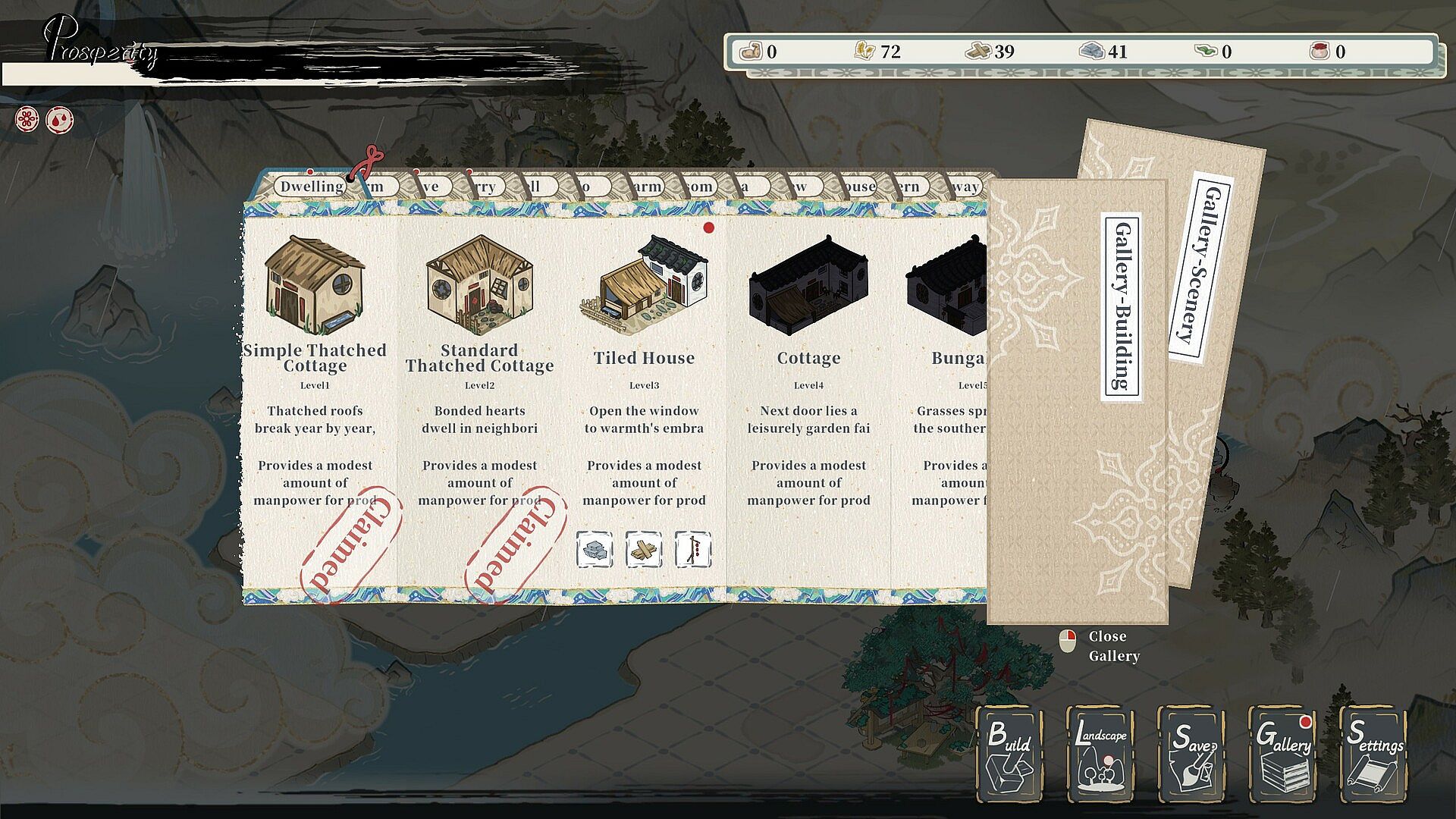
The core loop centers on exploration, construction, production, and trade to raise a village's prosperity level. Players start with basic facilities on undeveloped land and expand by merging adjacent low-level buildings into higher-tier structures through click-and-drag adjustments. This synthesis system unlocks additional content and improves efficiency over time. Resource management varies by location, with specialties like tea and peach blossom brew in one area or seasonal crop planning in another. Trade routes play a key role, whether through land caravans or merchant fleets, to import materials that support further growth. The hand-drawn art style draws from historical research and incorporates fictional touches to evoke period aesthetics across the settings.
Game Modes
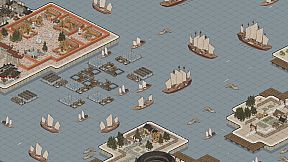
Ink Reverie operates as a single-player experience with progression divided into five regions that function as sequential or selectable chapters. Jiangnan Mountain Village emphasizes local trade and specialty production from a mountainous base. Dunhuang and the Western Regions focus on establishing relay stations and organizing camel caravans for bidirectional Silk Road commerce. Citong Sea Area introduces maritime elements, where players build ships and fleets while accounting for voyage risks. The Four Seasons of Jincheng requires adapting to climatic shifts for planting, harvesting, and winter stockpiling. The ancient capital of Chang'an involves market development with buildings categorized as scholars, farmers, artisans, and merchants, where upgrades and strategic placement yield combined benefits. No separate competitive or cooperative modes exist beyond this structured single-player campaign.
Art and Presentation
Visuals rely on traditional Chinese ink-wash techniques refined through literature study and site visits. Each region displays unique environmental details that reflect its historical and geographic theme, from misty mountains to desert outposts and bustling ports. The soundtrack supports the unhurried pace without overpowering the merging and building actions. Achievement tracking covers 84 milestones tied to prosperity milestones and regional completions.
Is It Worth Playing?
Steam user reviews stand at Mostly Positive based on 145 ratings. The game suits players who enjoy deliberate, repetitive merging mechanics combined with light city management and cultural themes. Its slow tempo and focus on steady expansion appeal to those seeking relaxed sessions rather than high-stakes challenges. Recent release in July 2025 means ongoing visibility for new players interested in indie simulation titles with match-3 twists. Those preferring faster action or multiplayer elements may find the single-player structure limiting, while fans of cozy progression will appreciate the distinct regional systems and prosperity goals.