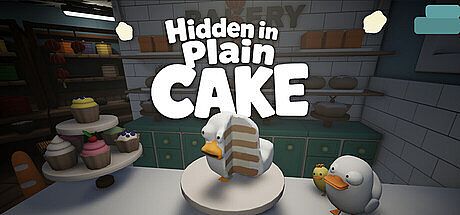


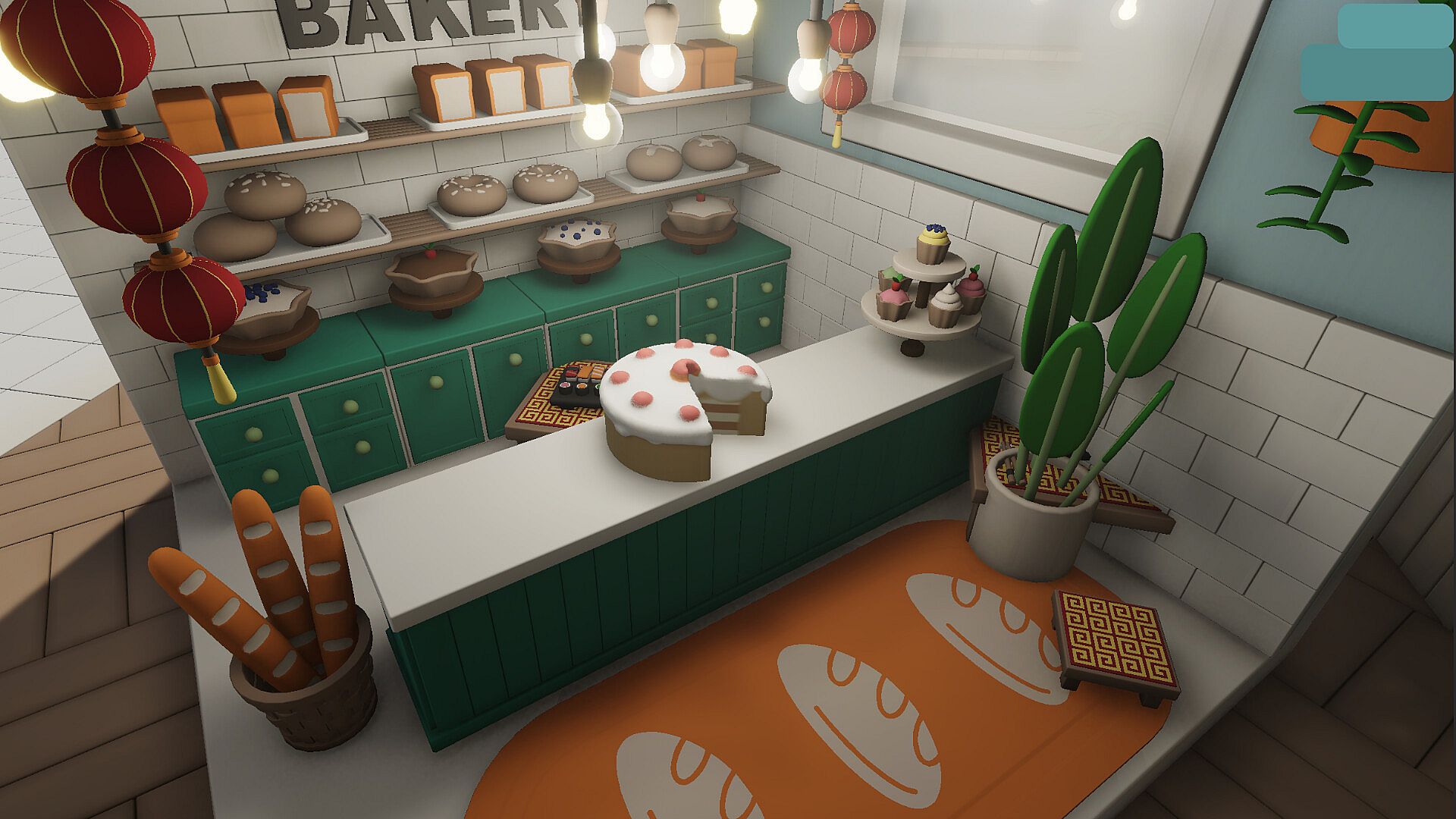
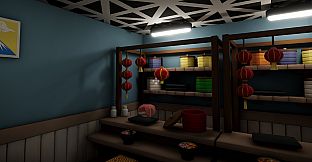

Hidden in Plain Cake é um jogo indie casual de escultura em primeira pessoa para múltiplos jogadores, desenvolvido para PC. Os participantes esculpem fatias reais de bolo para criar réplicas convincentes de objetos comuns e tentam enganar os amigos em sessões online, inserindo suas criações em um ambiente compartilhado. Cada corte revela camadas autênticas de massa e recheio, transformando o processo criativo em um exercício de observação e dissimulação.
Gameplay
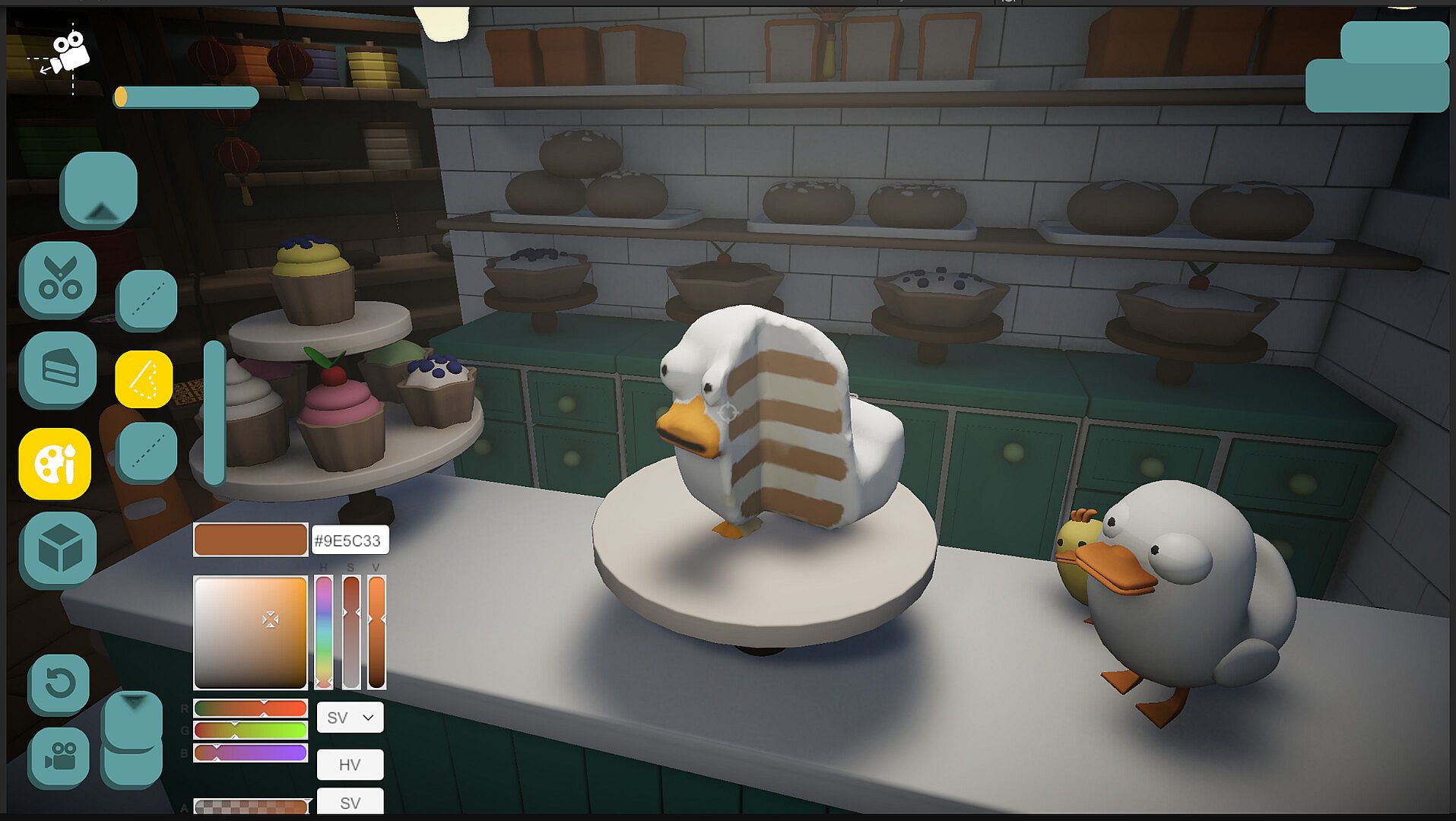
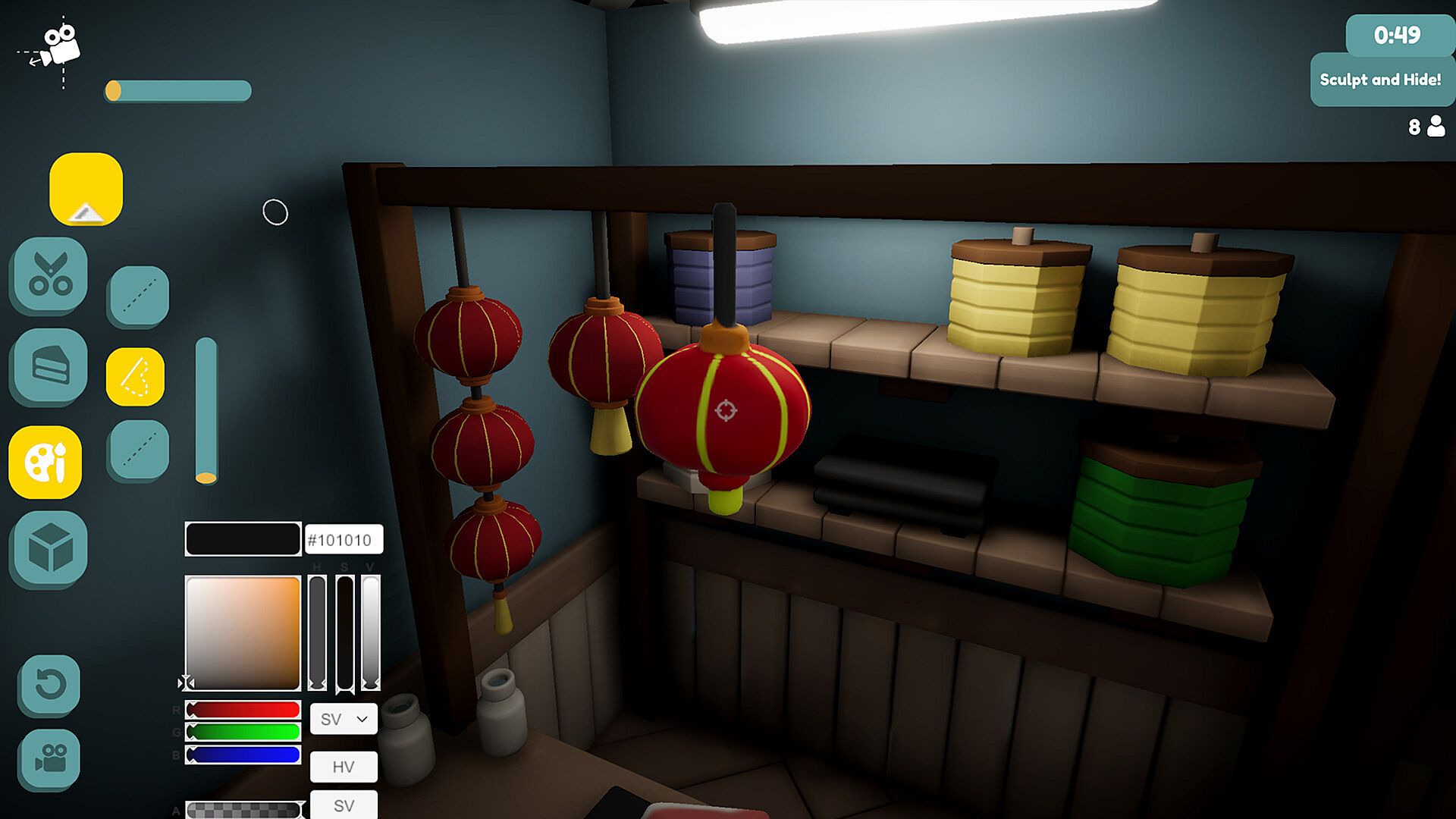
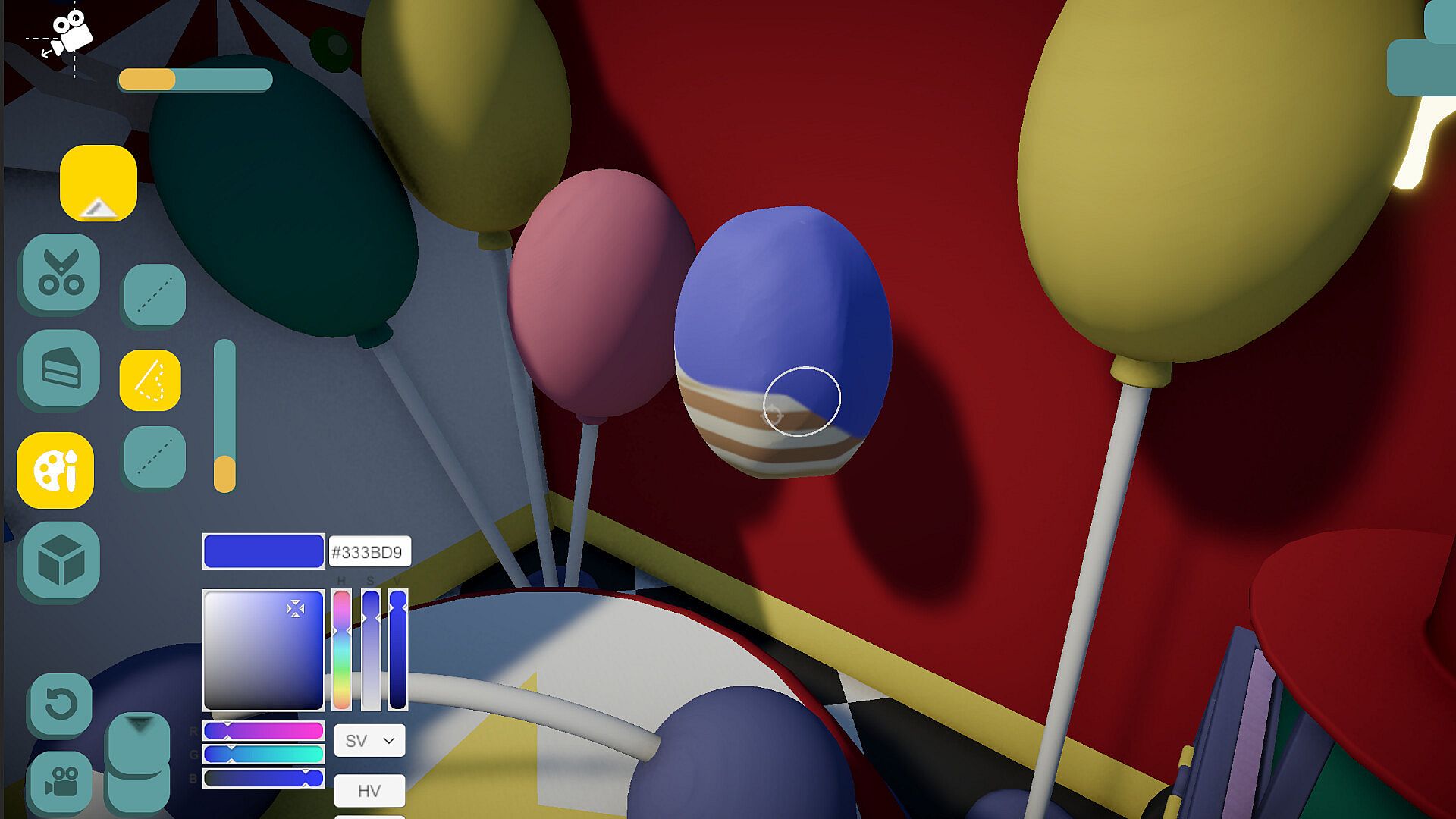
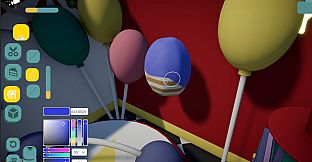
O ciclo principal gira em torno da modelagem livre, sem grades ou blocos. Os jogadores escolhem ferramentas para selecionar e remover partes do bolo, realizar cortes planos para arestas limpas ou esculpir em profundidades específicas sobre uma malha 3D em tempo real. É possível adicionar volume por extrusão em formatos personalizados, depois arredondar e alisar as superfícies. A pintura é feita com pincéis à mão livre, linhas retas e formas preenchidas para reproduzir aparências externas como sapatos, caixas de ferramentas ou plantas. Cada alteração afeta o objeto inteiro, mantendo a consistência das camadas internas conforme os cortes realizados.
A função de desfazer permite testar repetidamente sem consequências definitivas. A perspectiva em primeira pessoa facilita a inspeção detalhada das peças finalizadas sob vários ângulos antes da fase de adivinhação. Todas as ações são aplicadas diretamente na geometria real do bolo, e não em texturas superficiais, garantindo que qualquer corte exponha a estrutura interna com precisão.
Modos de Jogo
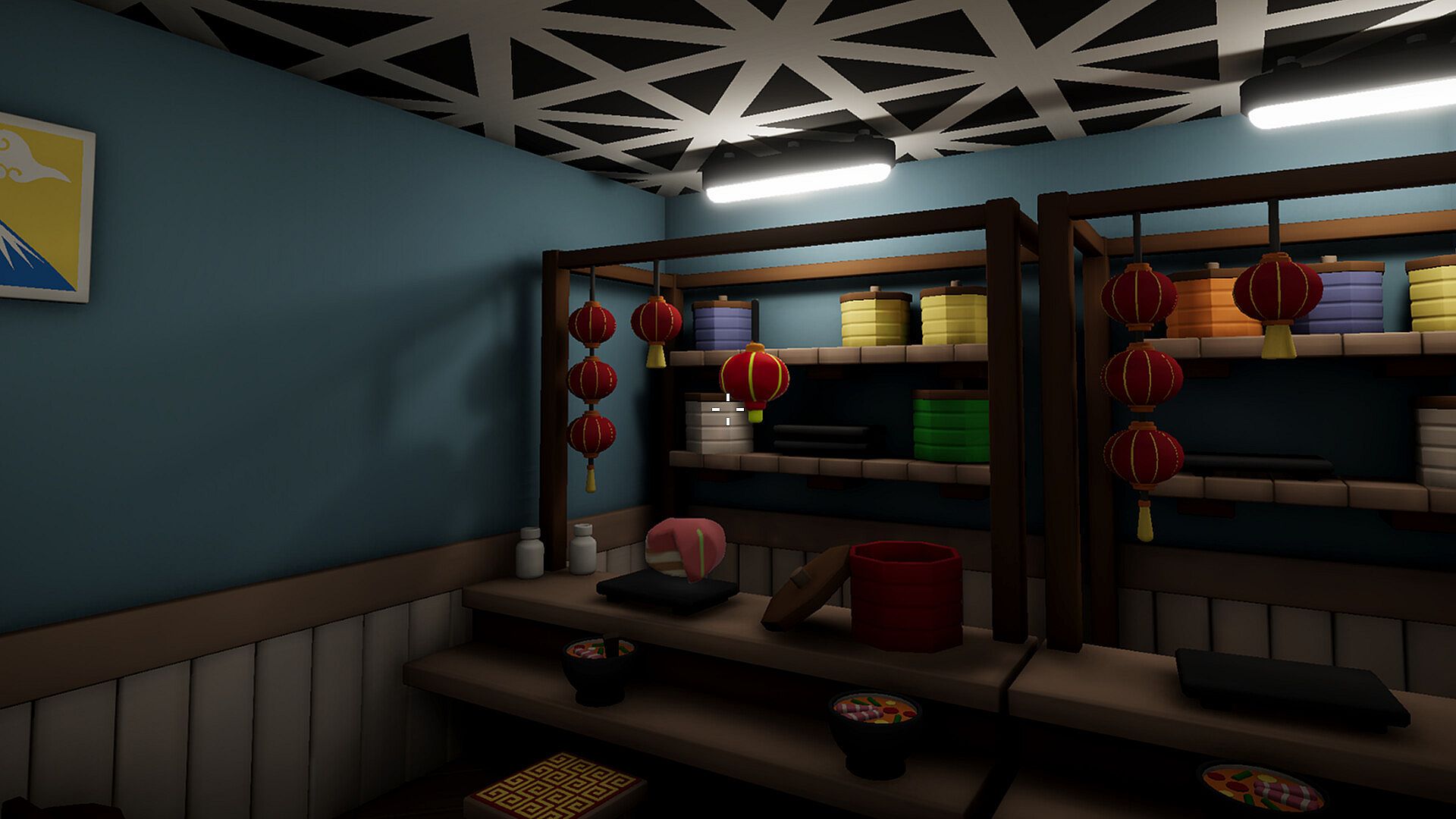
As sessões ocorrem em lobbies online onde os participantes alternam entre criar objetos disfarçados e identificá-los. Um grupo esculpe e pinta enquanto os outros observam o ambiente, circulando para analisar os detalhes de perto. As decisões dependem de identificar se um item é um objeto cotidiano genuíno ou uma réplica de bolo. Depois, os papéis se invertem e criadores passam a ser adivinhadores.
O formato prioriza a interação social por meio de comparações e discussões diretas. Não existe modo single-player separado, e toda a atividade exige conexão com outros jogadores para que os elementos de engano e detecção funcionem.
Mecânicas Principais
A escultura depende de controle preciso sobre um modelo físico de bolo. Os cortes atravessam completamente o objeto, expondo as camadas de massa e recheio exatamente onde o material foi removido. As ferramentas de pintura permitem trabalho detalhado na superfície para sustentar a ilusão, enquanto o alisamento integra adições e remoções em formas coesas. O sistema permite tanto reduzir quanto adicionar volume em qualquer direção, oferecendo flexibilidade para reproduzir formas complexas.
Esses elementos formam um processo contínuo: começa-se com um bloco de bolo, refina-se por cortes e construções, aplica-se pintura para disfarce e, por fim, apresenta-se o resultado para avaliação. As mecânicas permanecem ancoradas nas propriedades físicas do bolo, em vez de sistemas abstratos de construção.
Vale a pena jogar?
Hidden in Plain Cake é indicado para quem aprecia criação artesanal combinada com dedução social em um ambiente casual multiplayer. O foco em interiores realmente cortáveis e ferramentas de modelagem livre proporciona uma experiência única centrada em observação e truques, sem sistemas de competição ou progressão. Com lançamento previsto para agosto de 2026 e ainda sem avaliações disponíveis, o jogo atrai principalmente quem busca títulos indie experimentais que misturam escultura e interação em grupo.
A estrutura simples baseada em lobbies e o suporte à função de desfazer reduzem barreiras para testar abordagens diferentes durante as sessões. A disponibilidade no PC por meio de plataformas digitais padrão facilita o acesso para grupos que procuram partidas curtas e repetíveis focadas em criatividade e atenção aos detalhes.