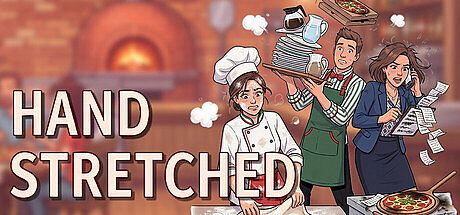


Hand Stretched is an indie casual simulation game set in a pizzeria where players manage operations through short, focused shifts. The experience centers on balancing food preparation, customer service, and business decisions to achieve profitability while minimizing waste and complaints. Available on PC, it supports solo play or cooperative sessions with up to two additional players, emphasizing teamwork across distinct roles without overwhelming order volumes.
Gameplay
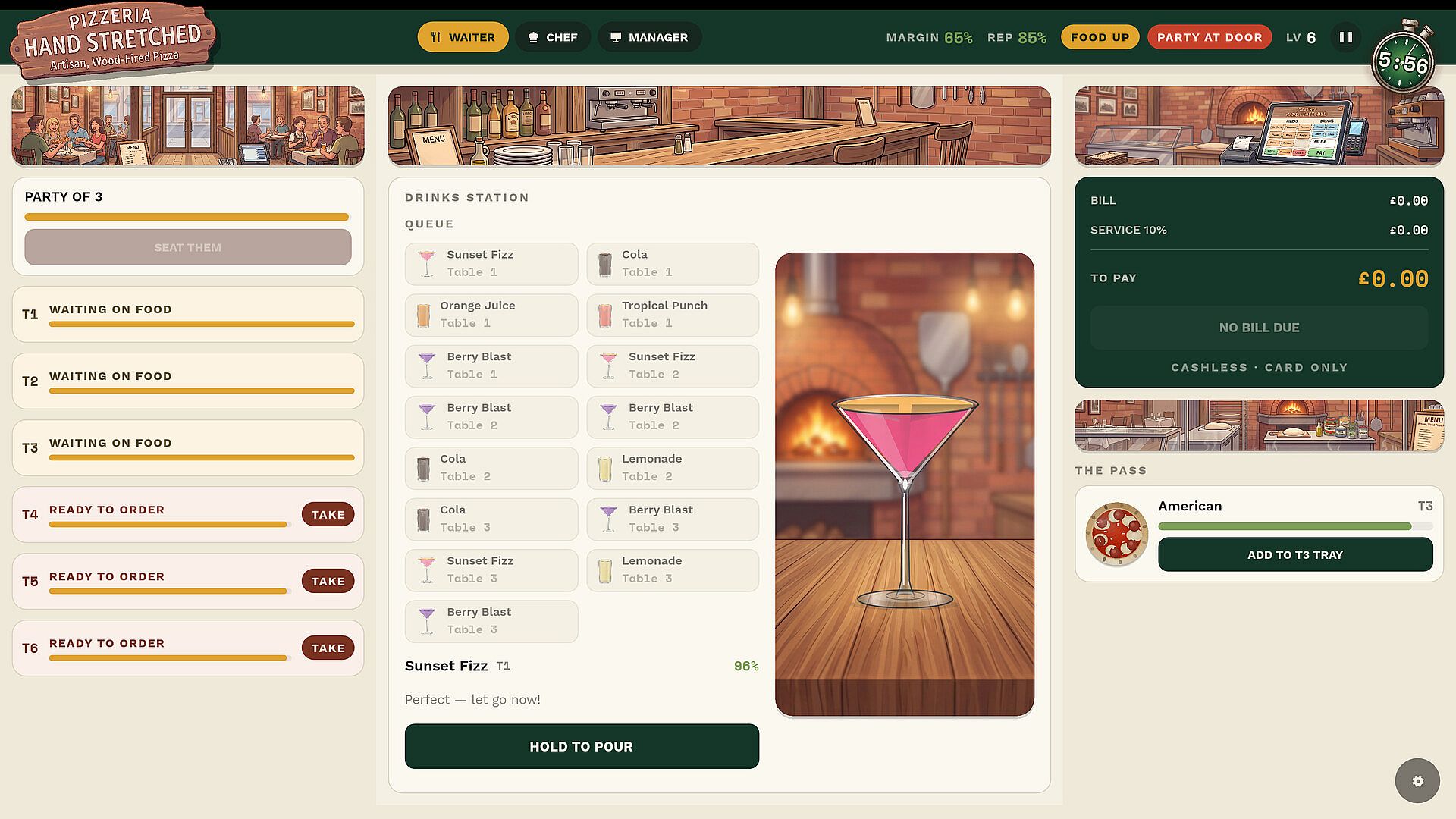
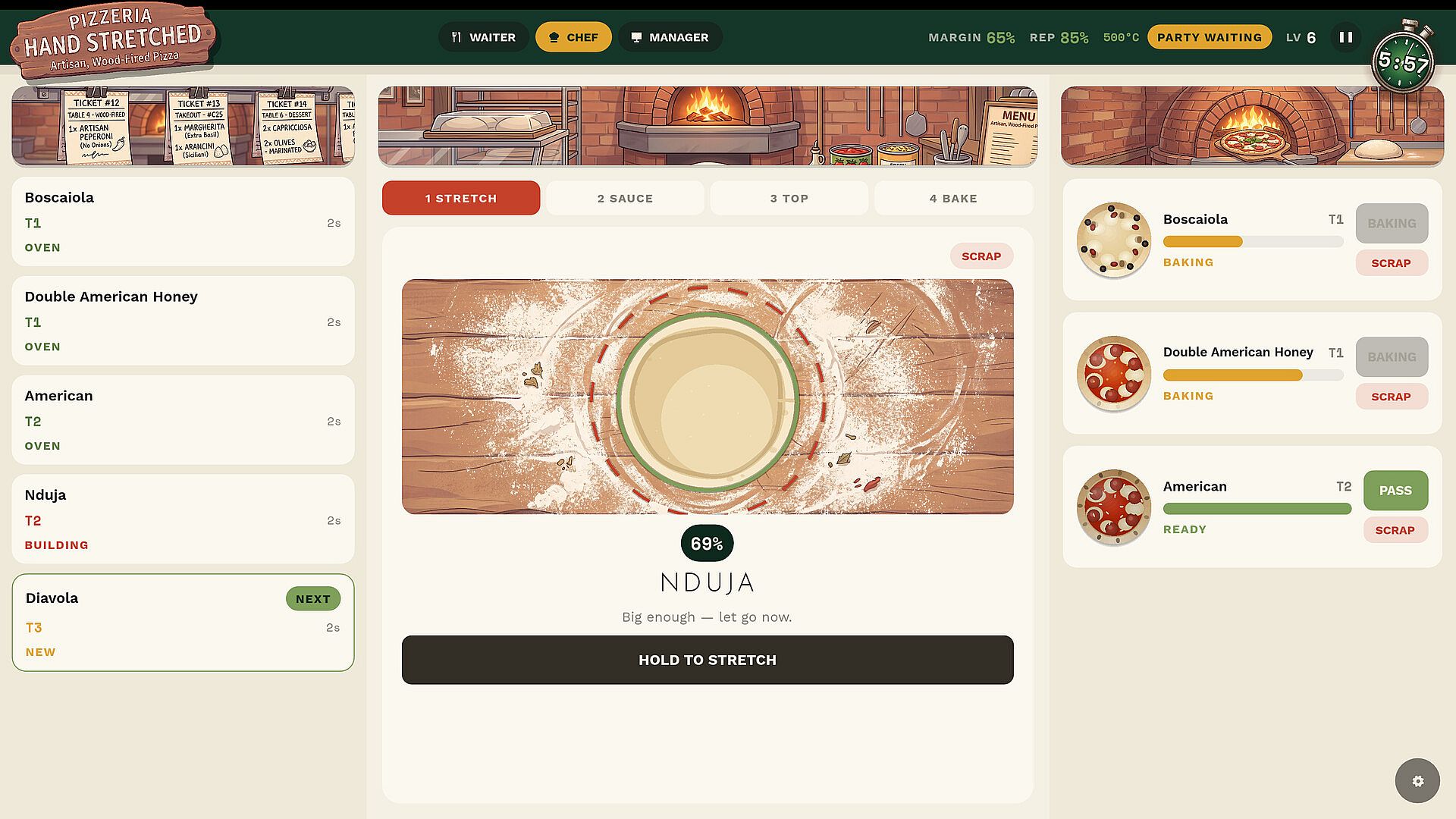
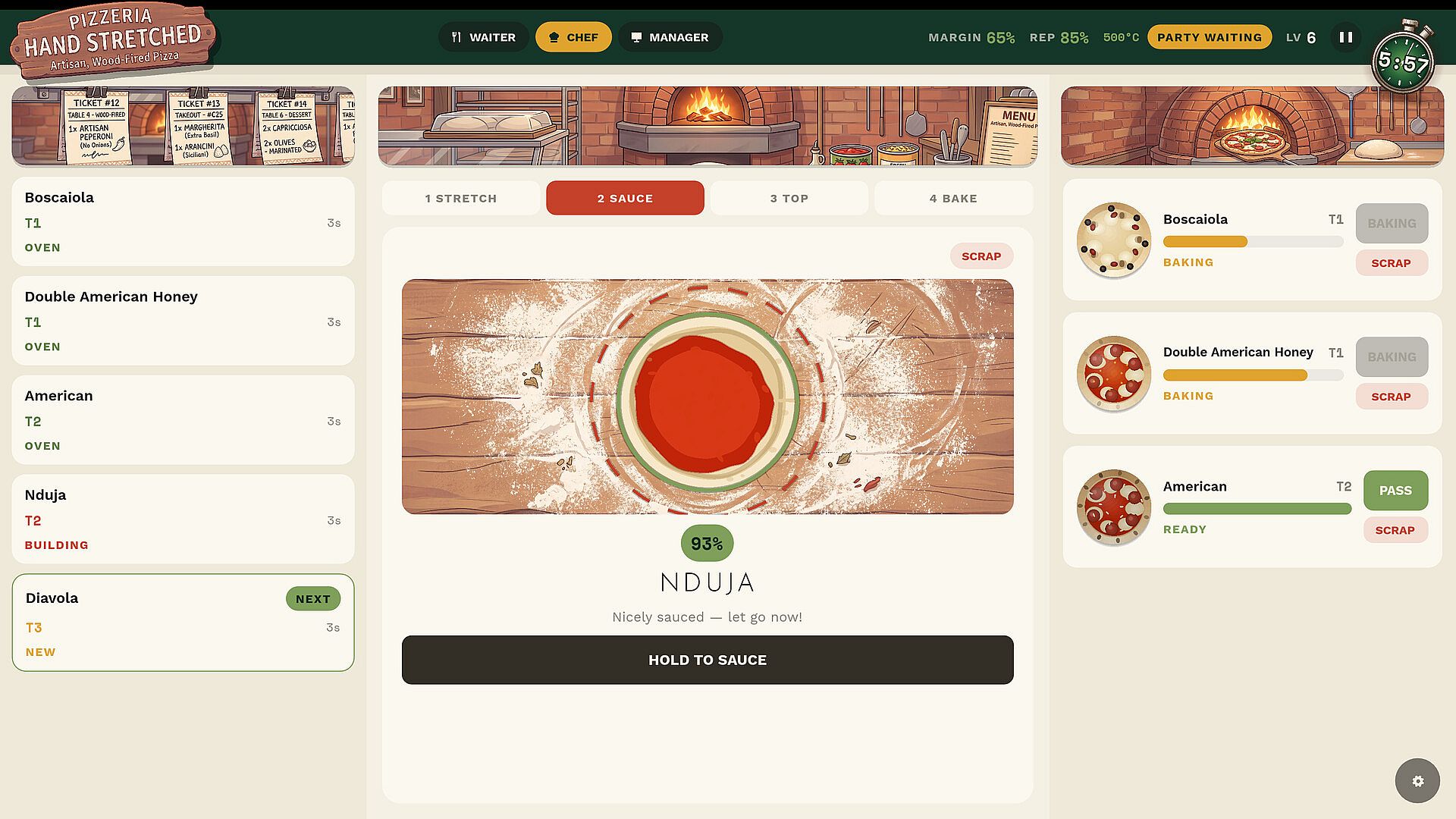
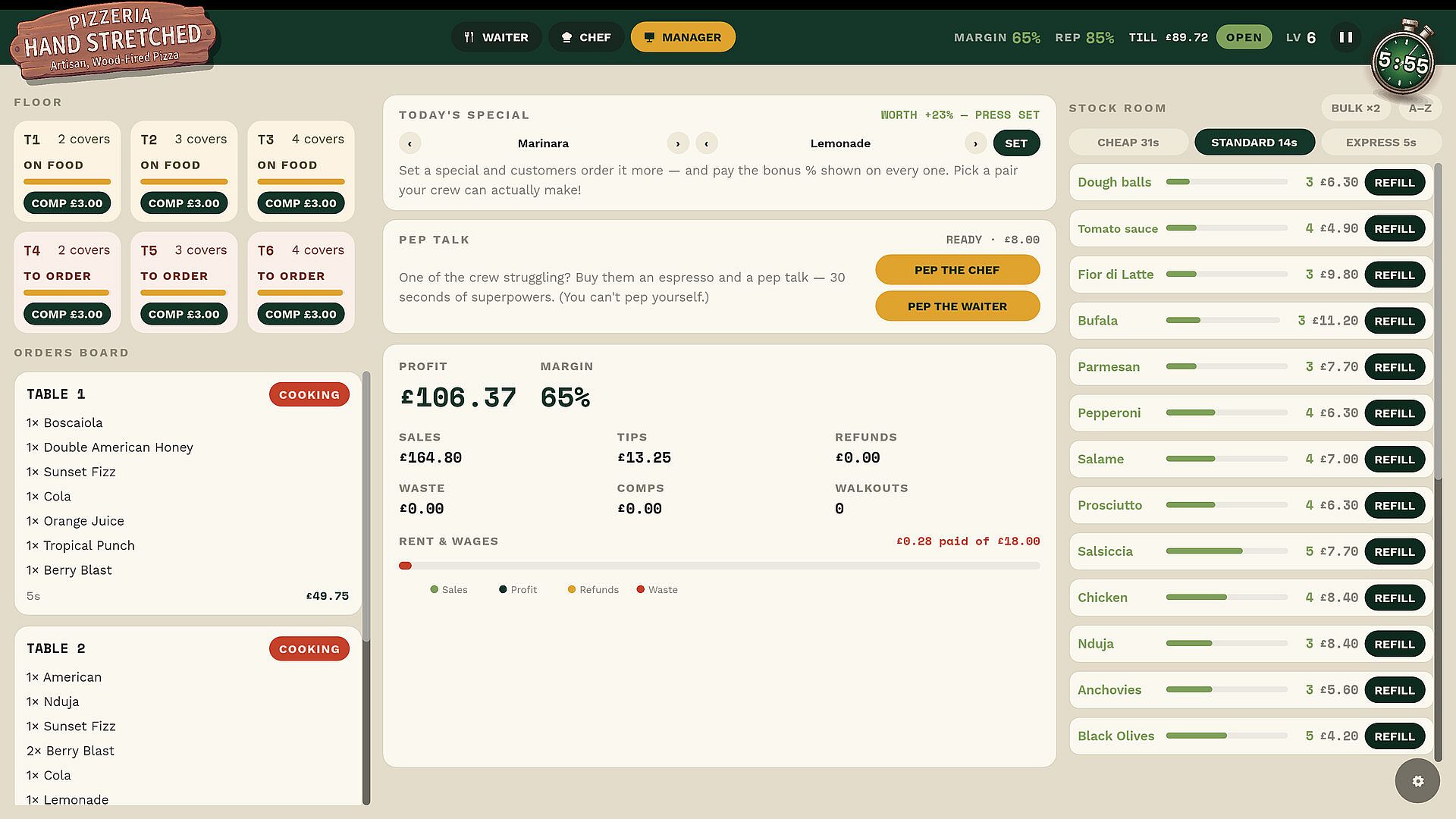
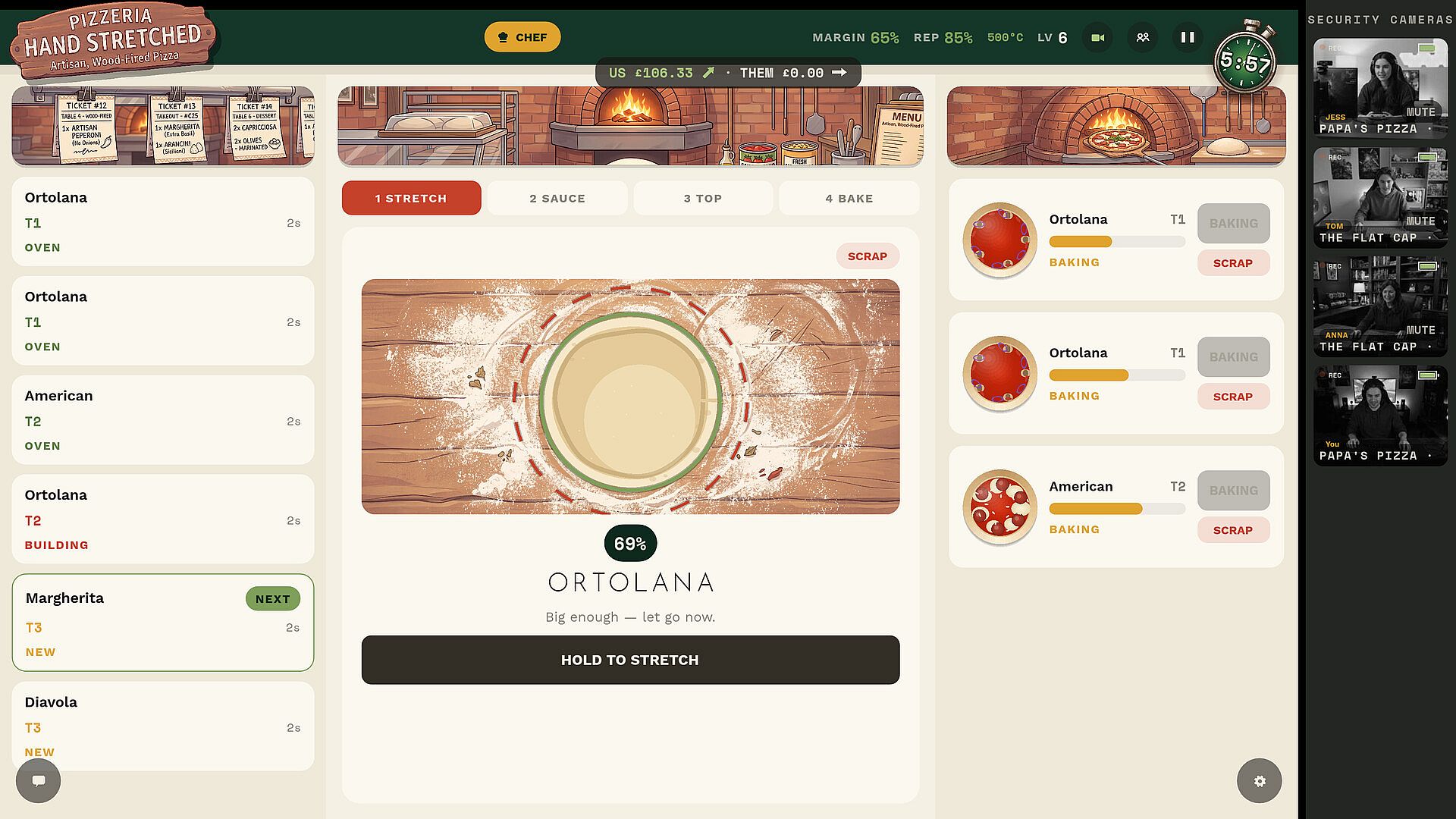
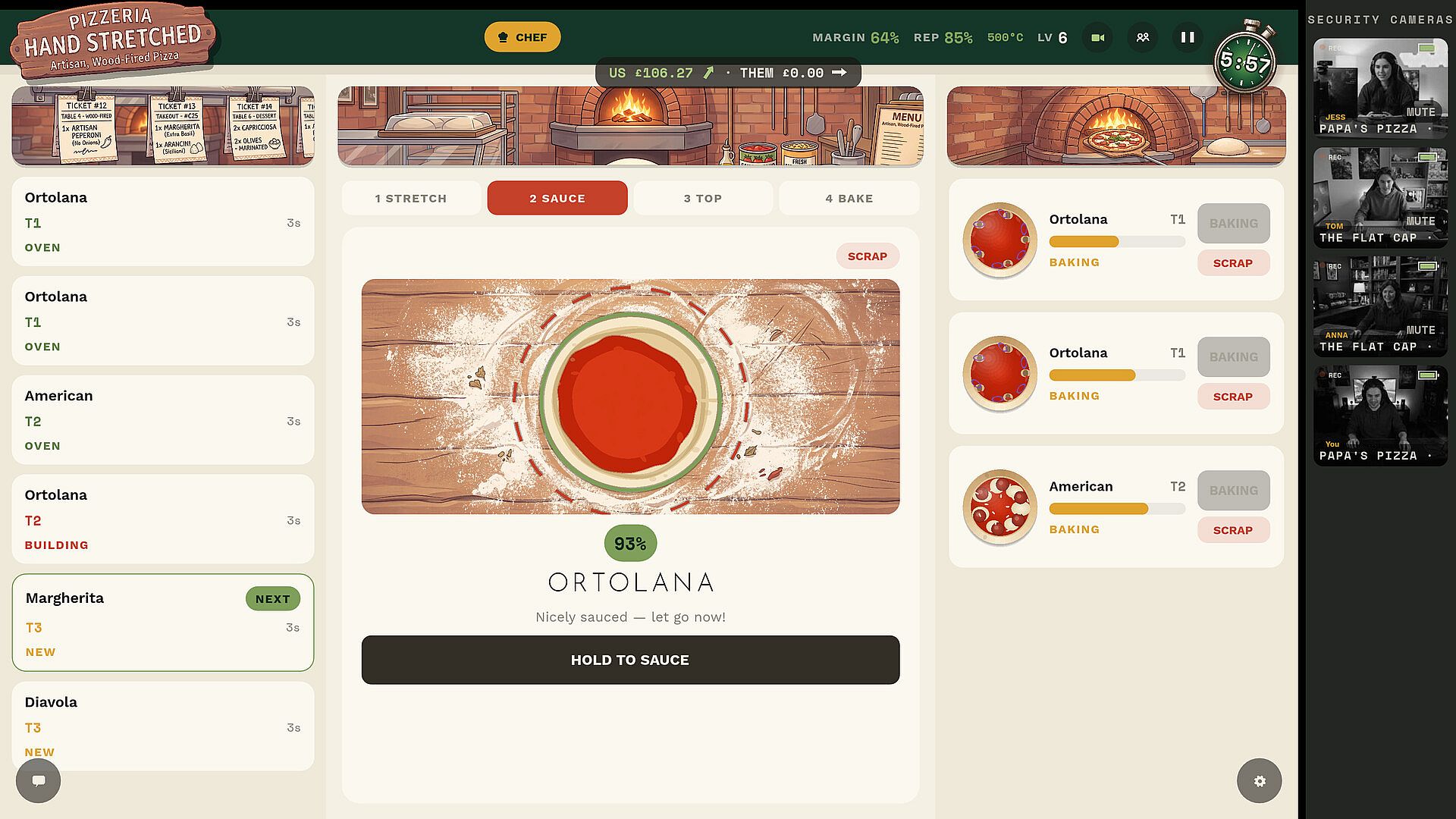
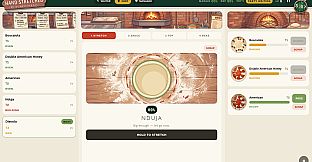
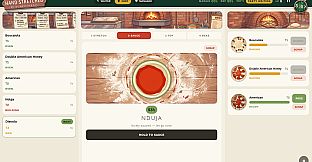
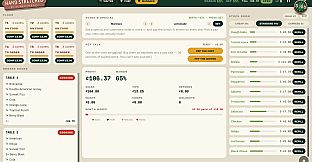
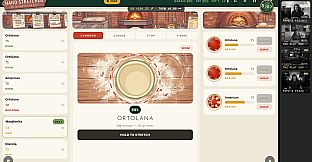
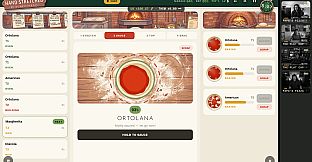
Each shift lasts six minutes and places participants in one of three roles that must coordinate closely. The Chef stretches dough, applies toppings, and pulls pizzas from the oven at the right moment to avoid burning. The Waiter seats arriving parties, takes orders, serves drinks, and delivers hot food to tables for tips. The Manager handles stock orders, monitors the till, and resolves complaints before they lead to refunds or walkouts. Success depends on precise hand-offs, such as ensuring pizzas do not cool on the pass or that ingredients remain available without excess spending.
Every action carries direct financial consequences. Incorrect toppings require remakes that consume time and ingredients. Cold deliveries forfeit tips. A single well-timed table delivery can earn extra payment. Stock purchases occur upfront, so shifts begin in the red, and ongoing costs for rent and wages erode margins regardless of customer volume. Running out of dough halts service, while over-ordering ties up cash in unused supplies. Suppliers offer speed options at varying costs, and late decisions can force an early close with the business in overdraft.
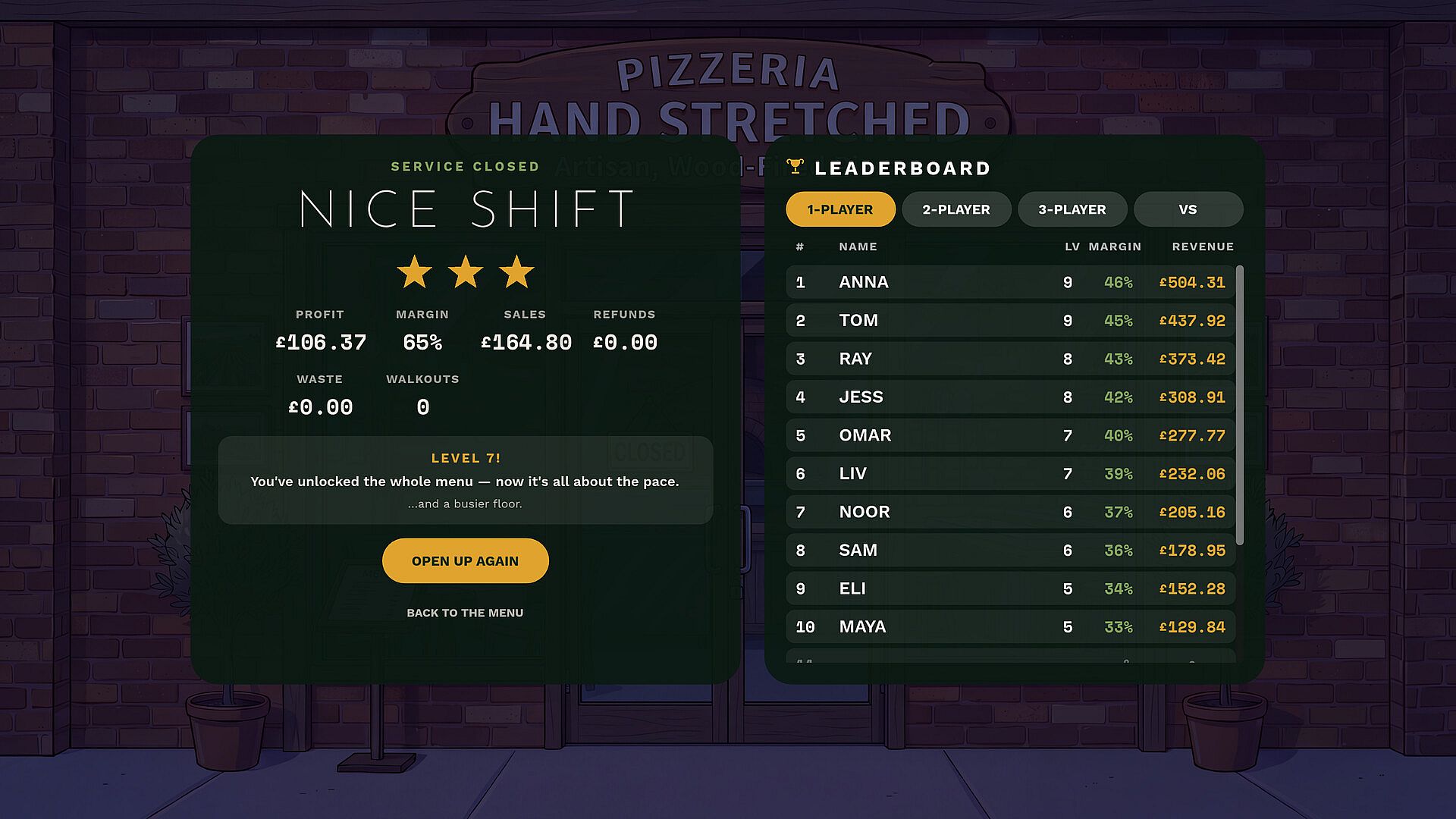
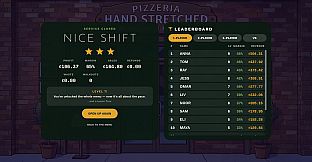
At shift end, players may purchase extra time in fifteen-, thirty-, or forty-five-second increments at overtime wages. This extension only benefits the team if existing tables can be cleared before the added time expires. Star ratings reflect clean margins and zero walkouts, rewarding consistent attention to detail over raw speed.
Game Modes
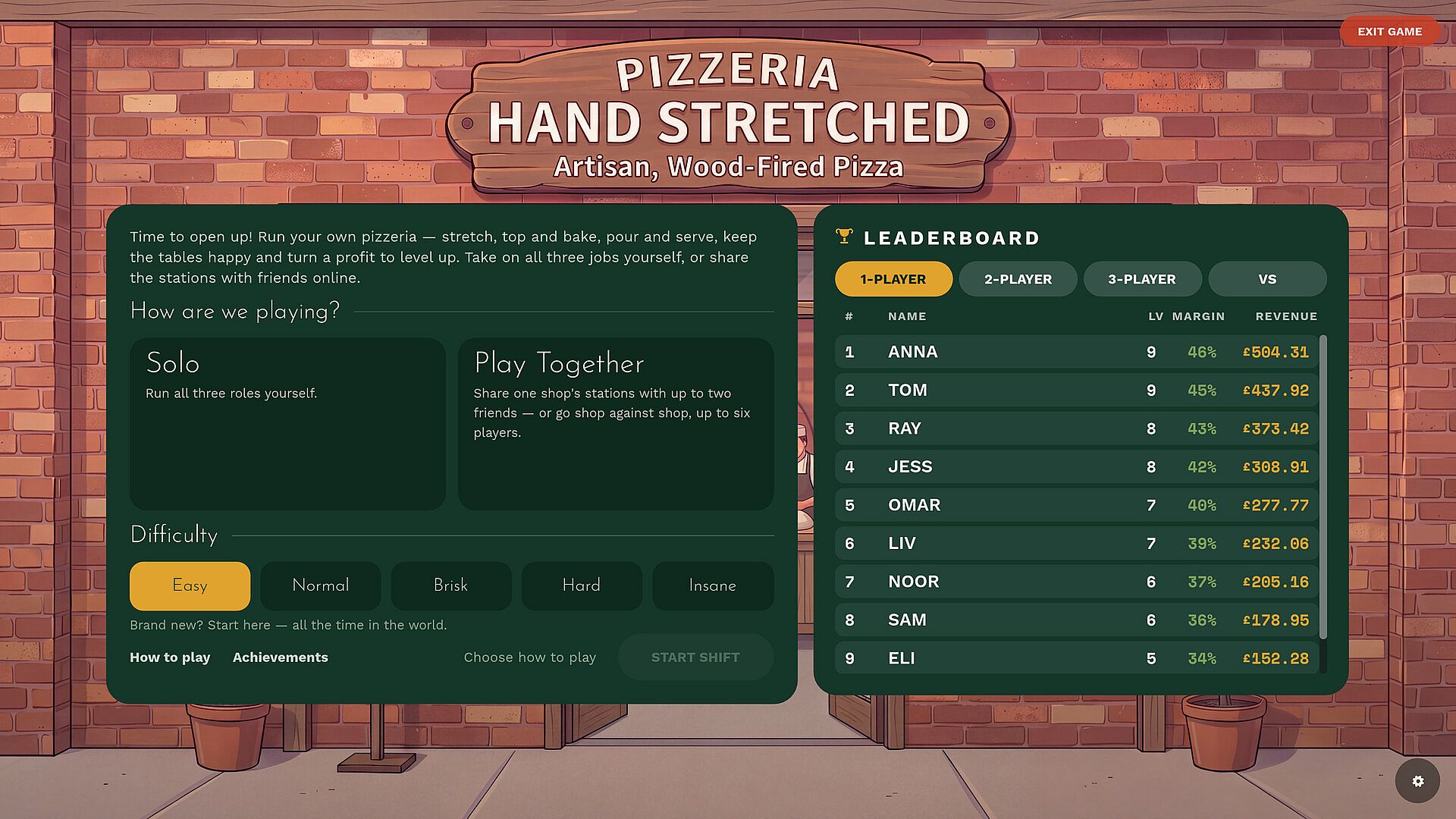
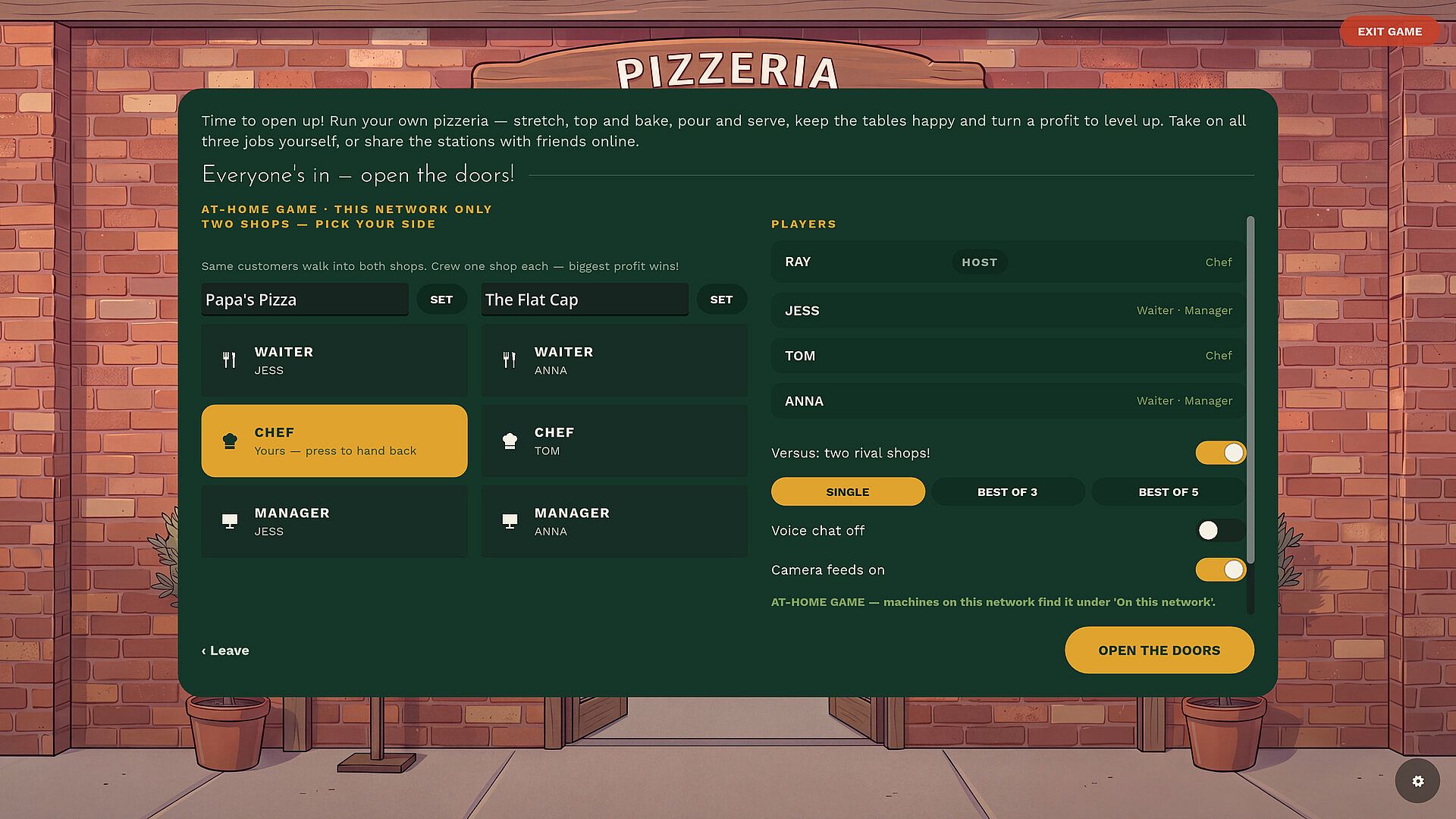
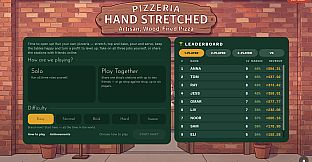
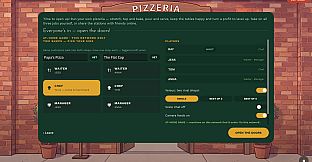
Players can handle all three roles alone in solo mode. Cooperative sessions allow up to three participants, each controlling one role on separate machines via LAN or online connections. Teams may also split into competing pizzerias for three-versus-three matches where identical customer flows visit both locations, and the higher profit determines the winner. Short shift lengths encourage repeated attempts, with performance tracked on leaderboards that highlight efficient teamwork.
Voice chat and live kitchen views appear in LAN or friends-only sessions, allowing real-time reactions and coordination that mirror a shared workspace. The structure keeps focus on execution rather than volume, making each six-minute round a test of planning and adaptability as customer arrivals increase and patience decreases in later stages.
Business Management and Details
Margins form the core challenge. Ingredients cost money upon purchase, waste from mistakes reduces available stock, and refunds cut directly into earnings. Happy tables tip, while complaints trigger discounts. The Manager must anticipate needs without excess, and the entire team shares responsibility for avoiding idle moments or overlooked issues. These systems create a loop where small improvements compound into stronger shifts and better ratings.
The game originated as a family project developed alongside a full-time career. Mechanics and concepts emerged from kitchen-table discussions, with visual and code elements assisted by tools while music and select components came from licensed external contributions. This background informs the emphasis on accessible yet demanding teamwork that suits both solo experimentation and group play.
Is It Worth Playing?
Hand Stretched suits players who enjoy precise simulation experiences with short, repeatable sessions and clear cause-and-effect mechanics. Its focus on role division and margin tracking rewards careful coordination in co-op or methodical solo control of multiple tasks. The six-minute shifts keep rounds brisk while still allowing strategic adjustments, and the absence of excessive orders prevents overload. Those drawn to casual management titles that highlight teamwork, waste reduction, and incremental profitability will find the systems engaging without requiring long commitments. Solo players can test all roles independently, while groups gain from the shared responsibility and competitive shop-versus-shop option. The game remains available on PC for those seeking this style of focused pizzeria operation.