


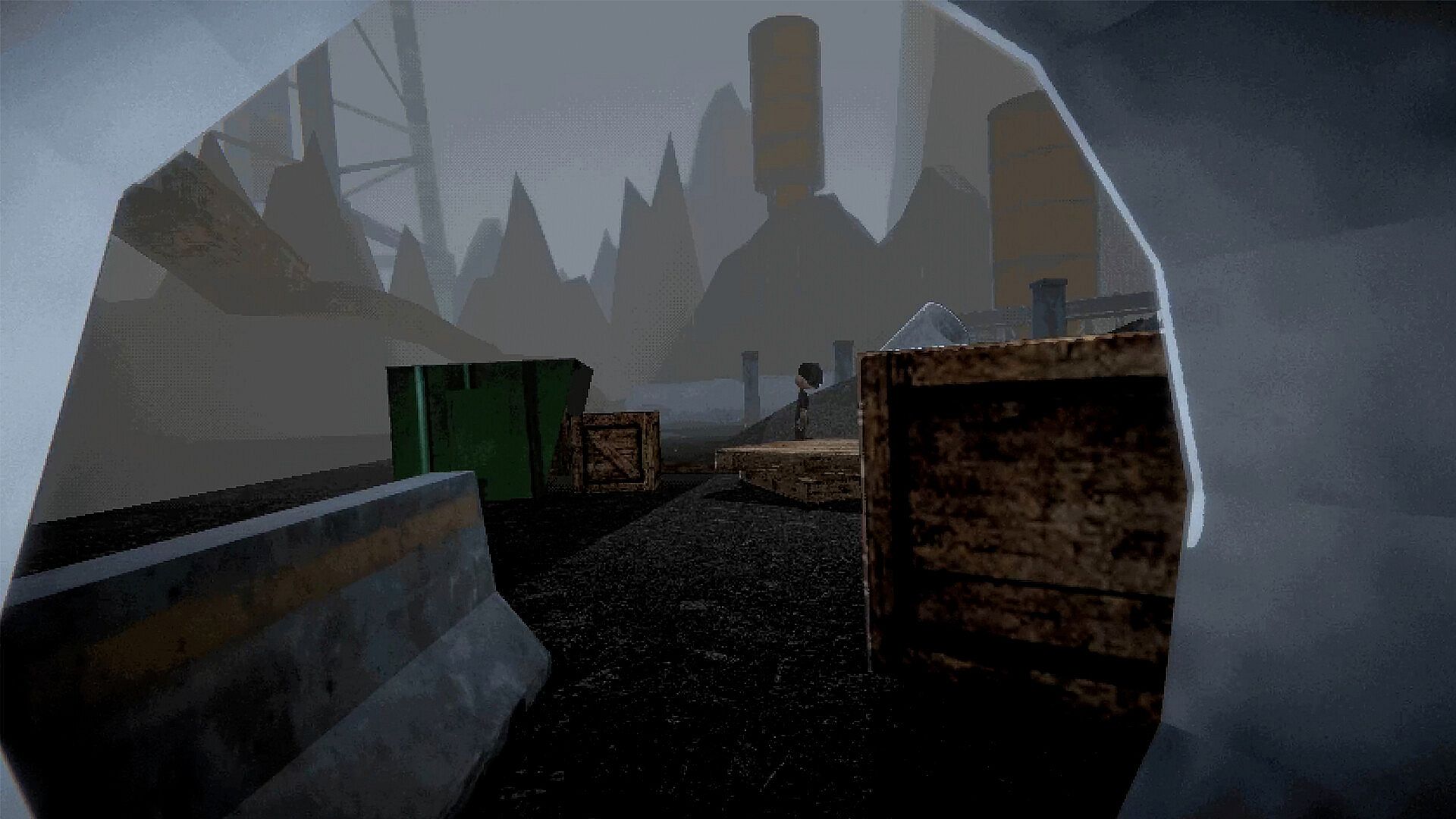
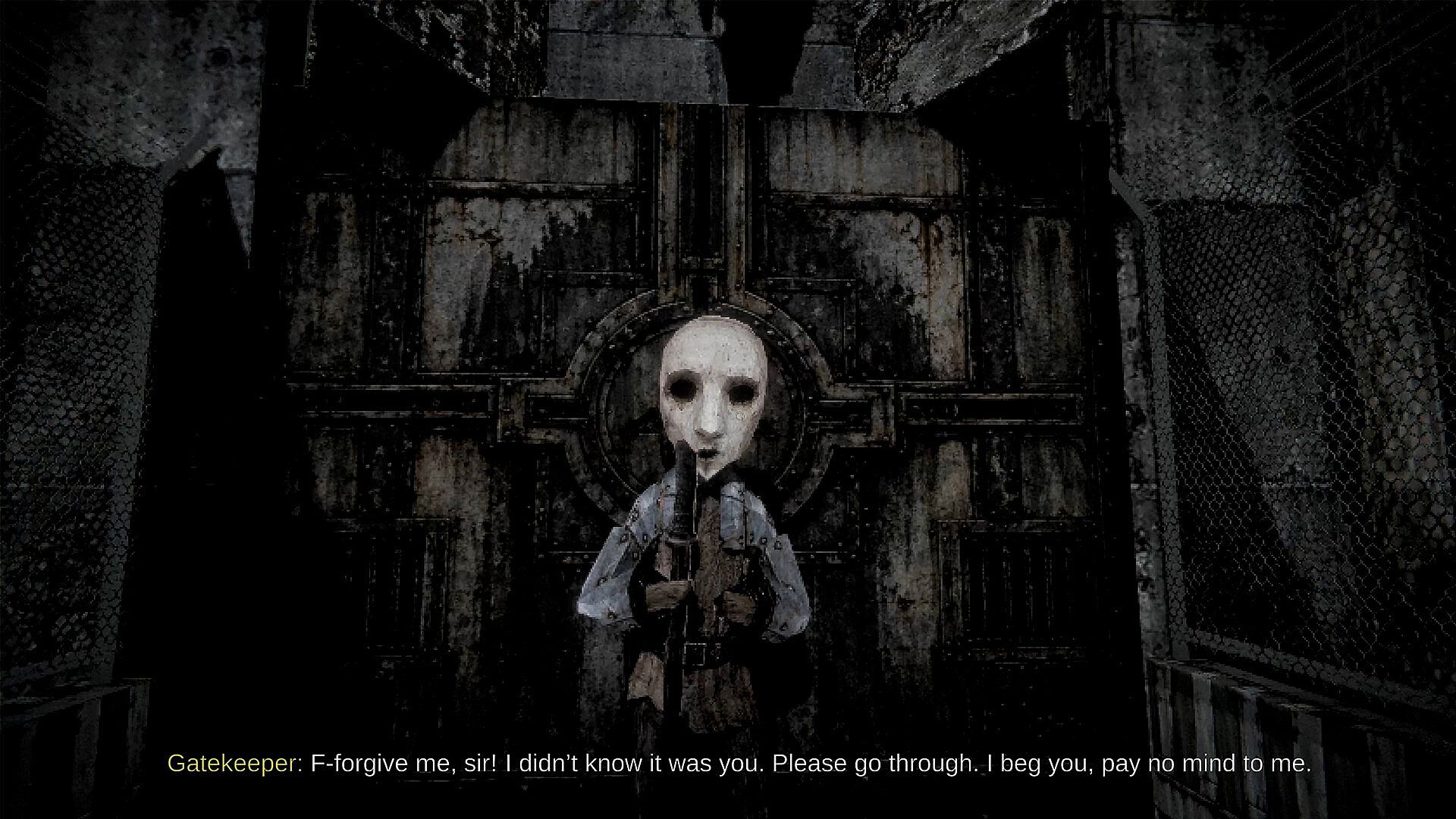
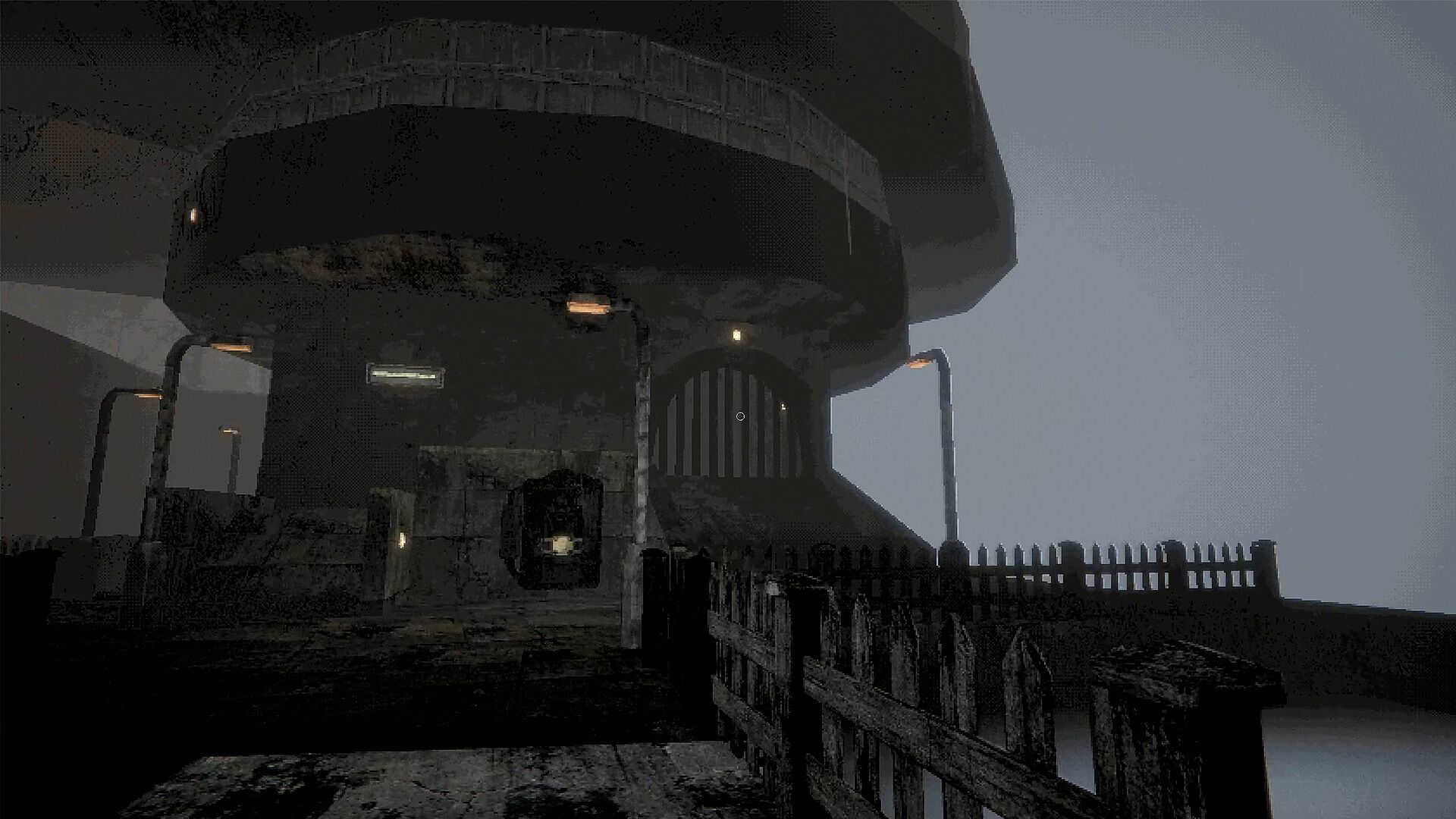

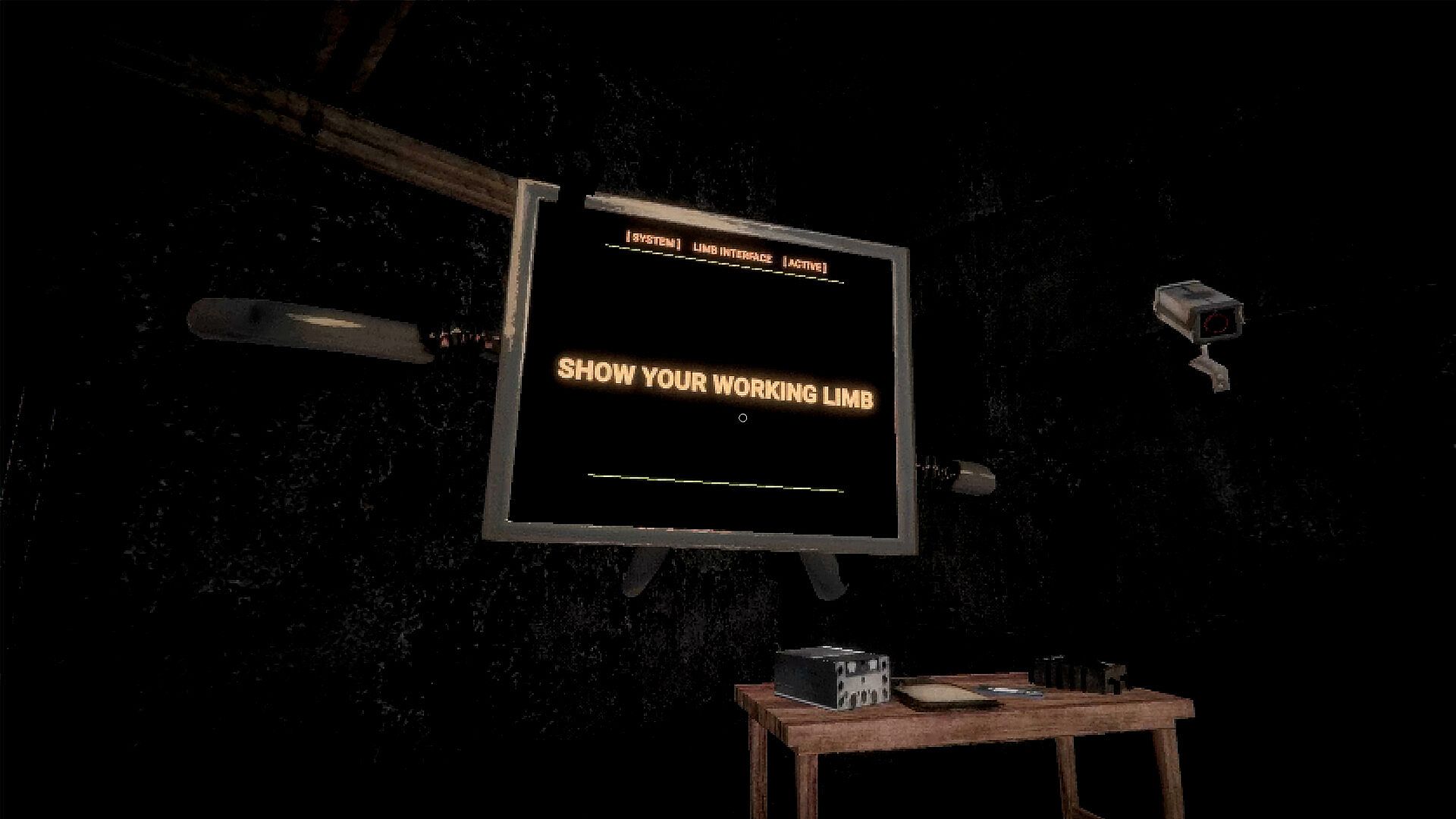


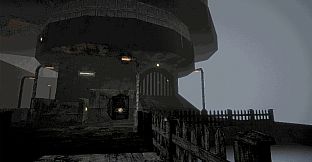


Fedanheim is a first-person psychological horror adventure game developed as an indie title for PC. Players navigate a grim industrial facility where human flesh receives treatment as replaceable machinery, and the environment itself sustains operations by consuming that same material. The experience centers on permanent physical degradation, makeshift repairs, and constant evasion of an unseen pursuer.
Gameplay
The core loop revolves around exploration through dimly lit corridors and work areas while managing irreversible losses to the body. Limbs and other parts can be removed during encounters or accidents, and once gone they stay gone. This forces adjustments to movement, interaction, and problem solving as the character adapts to reduced capabilities. Prosthetics become essential for continued function, assembled at workbenches from scavenged industrial scraps such as pipes, sheet metal, and components taken from broken machines. Each replacement alters how the player moves and handles objects, creating a shifting set of limitations that influence every subsequent decision.
Sound plays a critical role in survival. Heavier prosthetics generate noticeable noise with each step, drawing attention from the entity that stalks the facility. The creature cannot be fought directly, and no conventional weapons exist. Instead, players must listen carefully, choose routes that minimize sound, and locate hiding spots when detection seems imminent. The setting reinforces the horror through its clinical yet grotesque treatment of the body as a resource that the plant processes and replenishes on its own terms.
Game Modes
Fedanheim presents its content as a continuous single-player narrative experience without separate named modes or multiplayer components. Progression follows the story of working within the plant while coping with accumulating physical changes and the persistent threat of pursuit. The structure emphasizes tension built from resource scarcity and the need to improvise solutions under pressure rather than offering distinct gameplay variants.
Atmosphere and Setting
The facility functions as both workplace and prison, where routine maintenance logs treat living tissue like worn-out parts. Players encounter environments that blend industrial machinery with organic elements, highlighting the plant's role in sustaining itself through the workers it consumes. This backdrop supports the psychological pressure by making every loss feel like a step toward becoming another piece of equipment rather than a person.
Is It Worth Playing?
Fedanheim suits players who seek psychological horror built around permanent consequences and creative problem solving rather than combat or jump scares alone. The emphasis on crafting functional but imperfect prosthetics and managing noise levels during evasion creates a distinctive loop that rewards careful planning and adaptation. Those drawn to indie titles with strong thematic focus on bodily autonomy and industrial dread will find the mechanics align closely with the premise. Availability on PC makes it accessible for those interested in this specific style of survival horror, though the experience demands tolerance for tension and the frustration of working around self-inflicted limitations.