







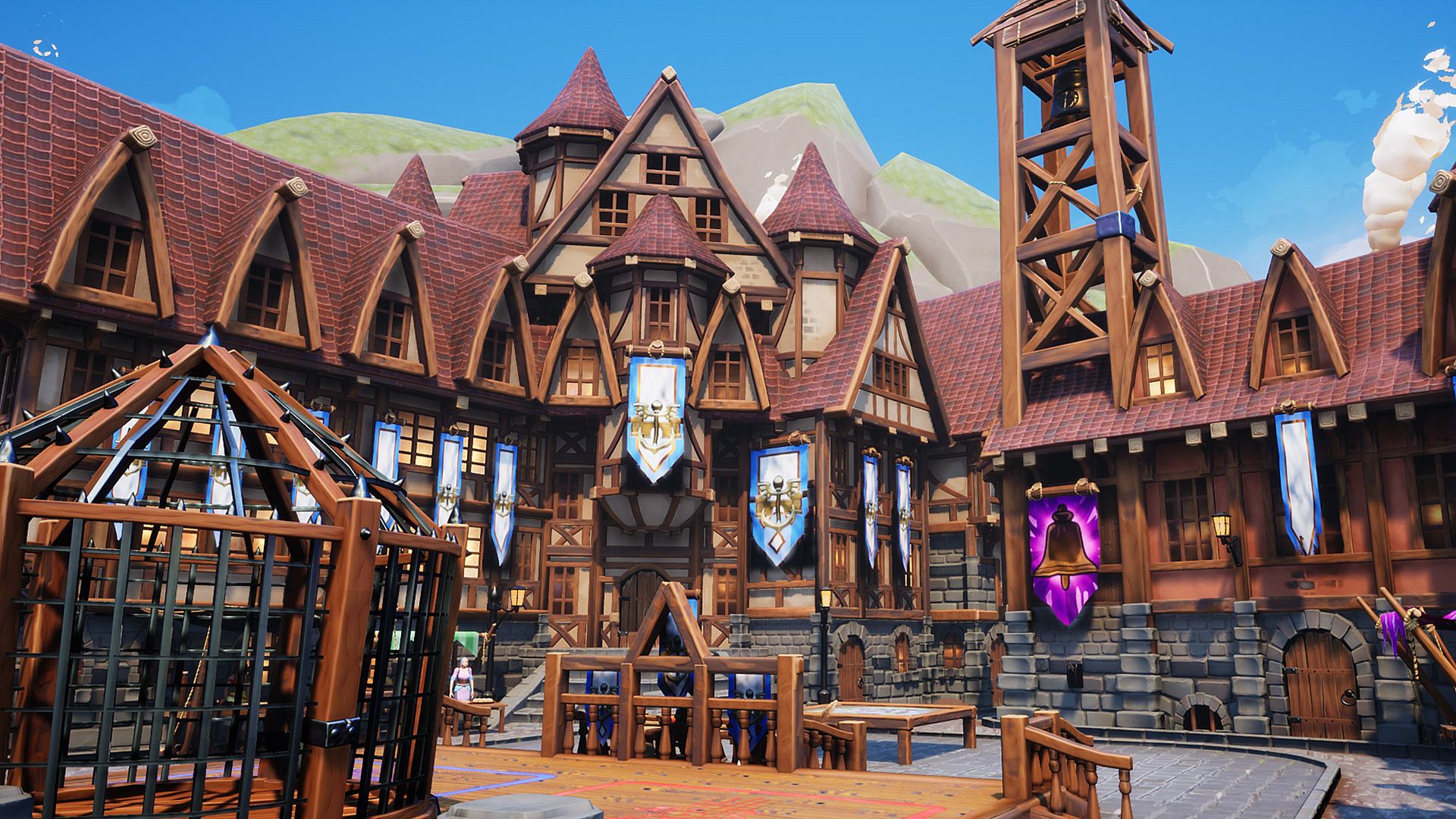



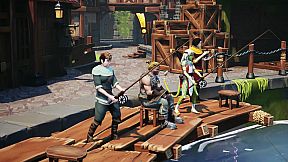



Eville é um jogo multiplayer de dedução social disponível para Xbox e PC que combina engano, exploração em tempo real e estratégia baseada em papéis em uma vila medieval. Os jogadores assumem identidades ocultas como Aldeões ou Conspiradores e precisam lidar com a desconfiança enquanto cumprem objetivos ligados à sua facção. A experiência se inspira em jogos de festa clássicos como Werewolf, mas substitui as rodadas por turnos por movimento e interação contínuos em 3D.
Gameplay
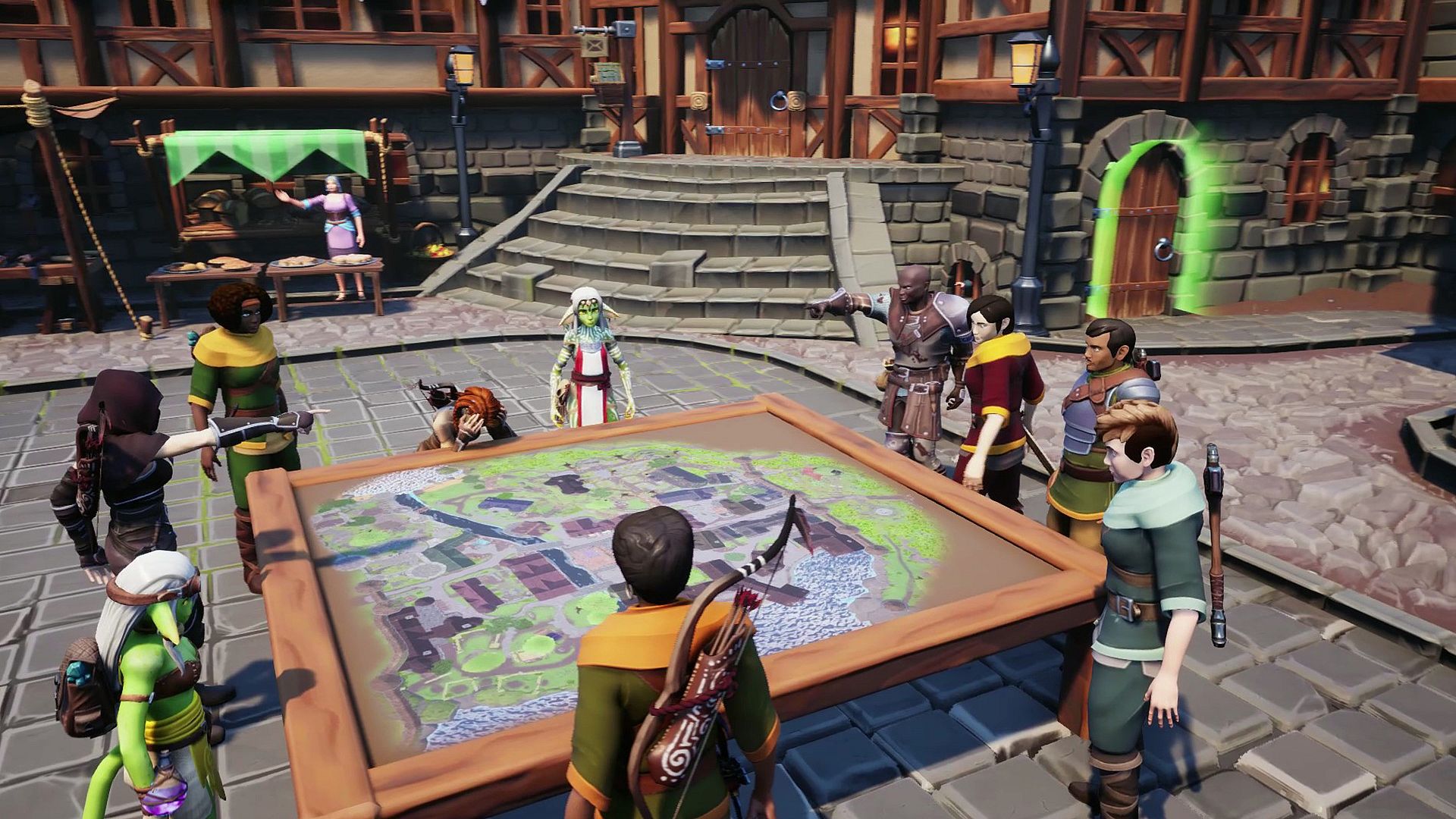
O ciclo principal alterna entre fases de dia e noite em um ambiente de vila compartilhado. Durante o dia, todos se reúnem para discutir pistas e votar em suspeitos para execução. À noite, os Conspiradores se coordenam em particular para eliminar alvos, enquanto os Aldeões tentam coletar evidências ou se proteger. Cada participante recebe um papel aleatório no início da partida e deve usar habilidades de comunicação junto com poderes únicos para alcançar os objetivos de seu lado. O chat por voz e texto baseado em proximidade favorece conversas em curta distância que podem revelar ou esconder intenções.
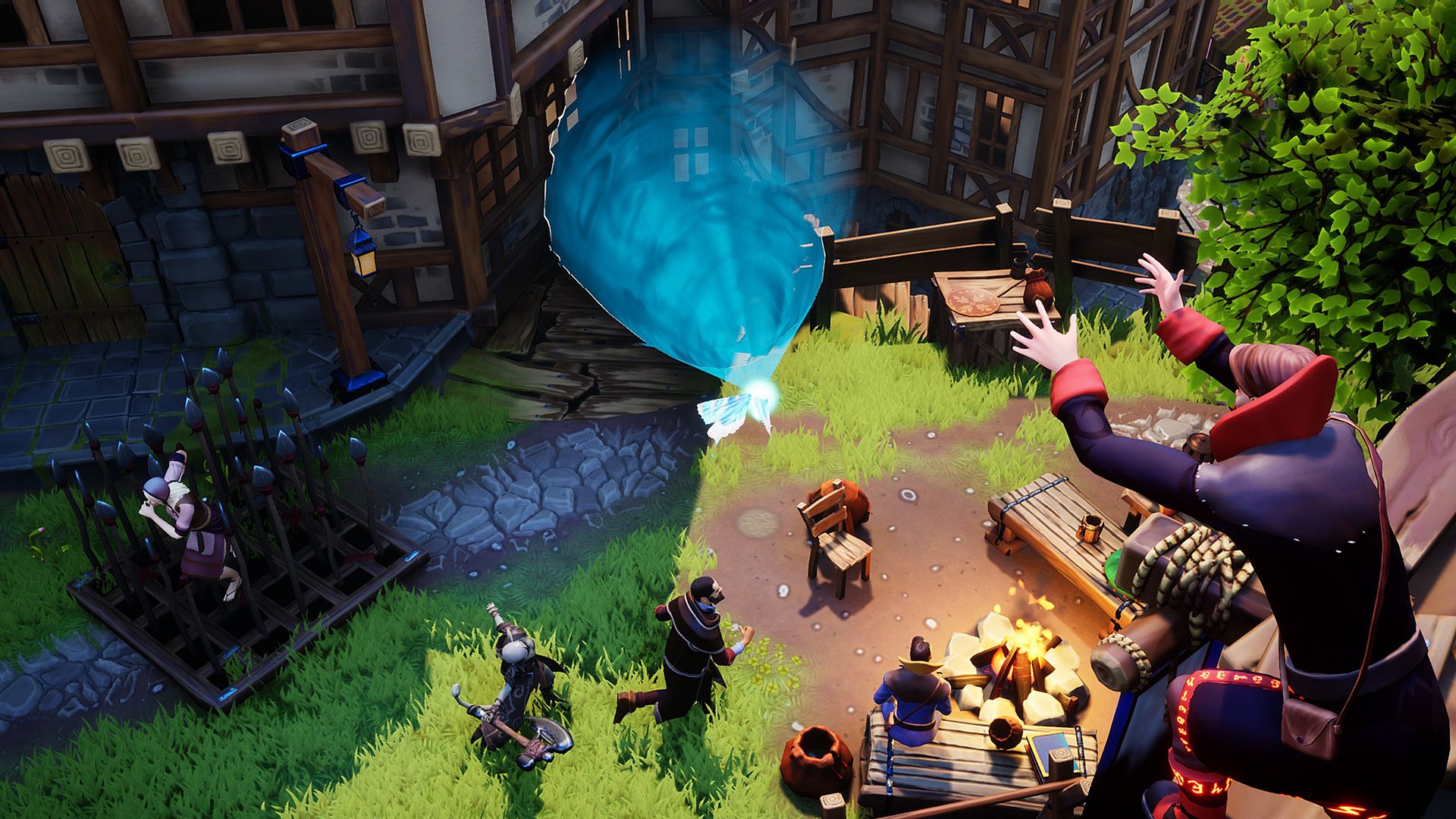
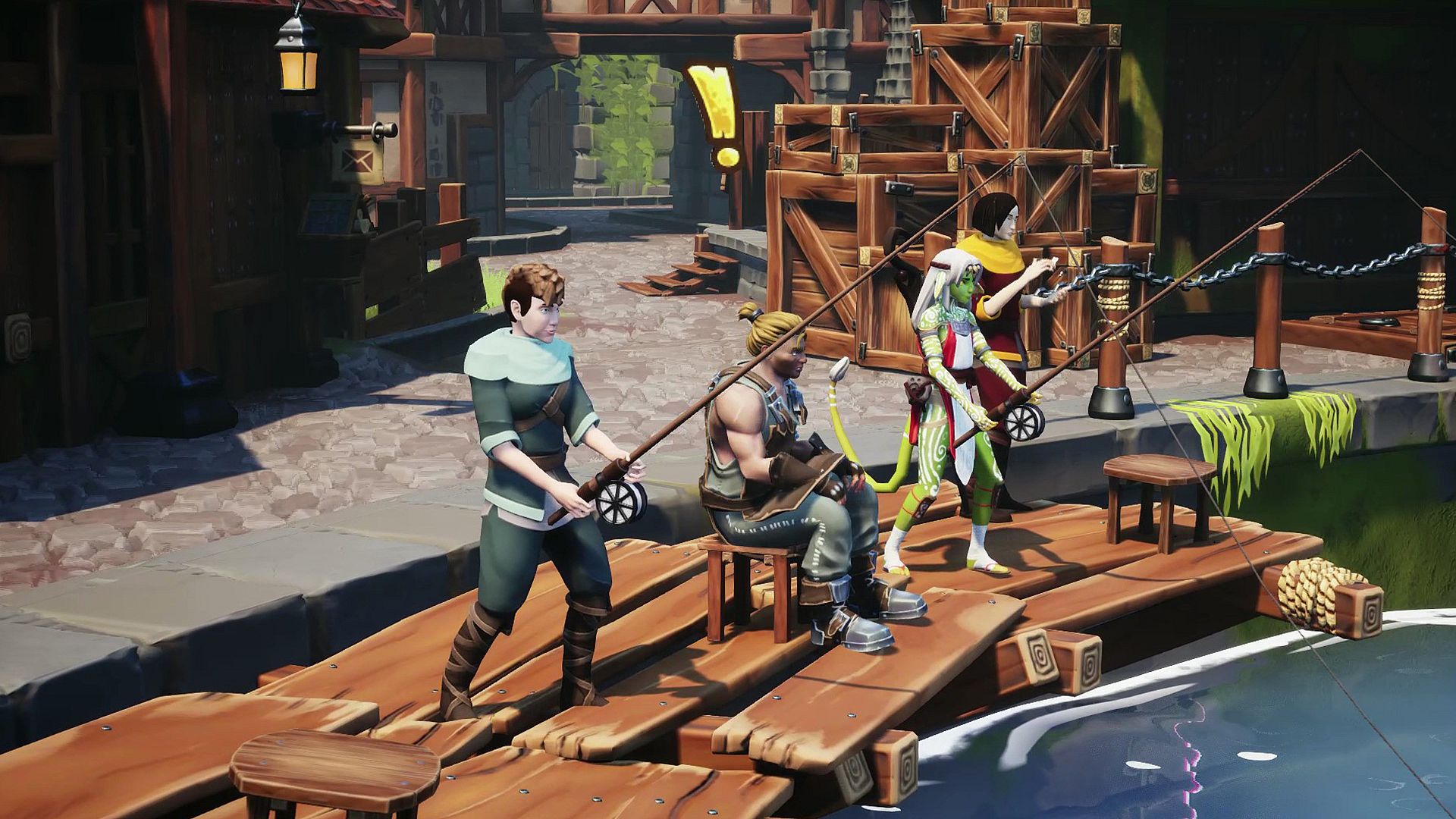
O movimento em tempo real em 3D permite que os jogadores explorem livremente, entrem em casas, interajam com comerciantes e NPCs e usem itens como wards para observação. Os poderes específicos de cada papel oferecem opções táticas diferentes entre as facções, recompensando o timing e o posicionamento. Após a morte, os jogadores entram no estado de fantasma, com influência limitada sobre os vivos por meio de novas habilidades. As opções de customização incluem skins, equipamentos, acessórios, pinturas, stickers e emotes para personalizar a aparência sem afetar o equilíbrio.
Game Modes
Eville se concentra em uma experiência principal com sessões multiplayer personalizáveis. O tamanho da sessão se ajusta automaticamente, distribuindo e equilibrando os papéis conforme o número de participantes. Os hosts podem modificar regras como duração das rodadas, disponibilidade de habilidades ou condições de vitória para atender às preferências do grupo. Não existem modos separados com nomes próprios além desse formato flexível, que suporta diferentes quantidades de jogadores mantendo a estrutura central de dedução social baseada em investigação, engano e eliminação.
Key Mechanics and Features
As mecânicas priorizam observação e desinformação por meio de ferramentas como wards, que permitem monitorar outros jogadores à distância. Os Conspiradores realizam eliminações furtivas dentro das casas durante a noite, enquanto os Aldeões dependem da dedução social e dos votos diurnos para reduzir as fileiras inimigas. O sistema distribui os papéis de forma aleatória a cada partida, garantindo que ninguém saiba quem são aliados ou adversários. O balanceamento escalável mantém as partidas justas em grupos pequenos ou grandes, e as mecânicas de fantasma prolongam a participação após a eliminação ao conceder ferramentas de influência aos mortos.
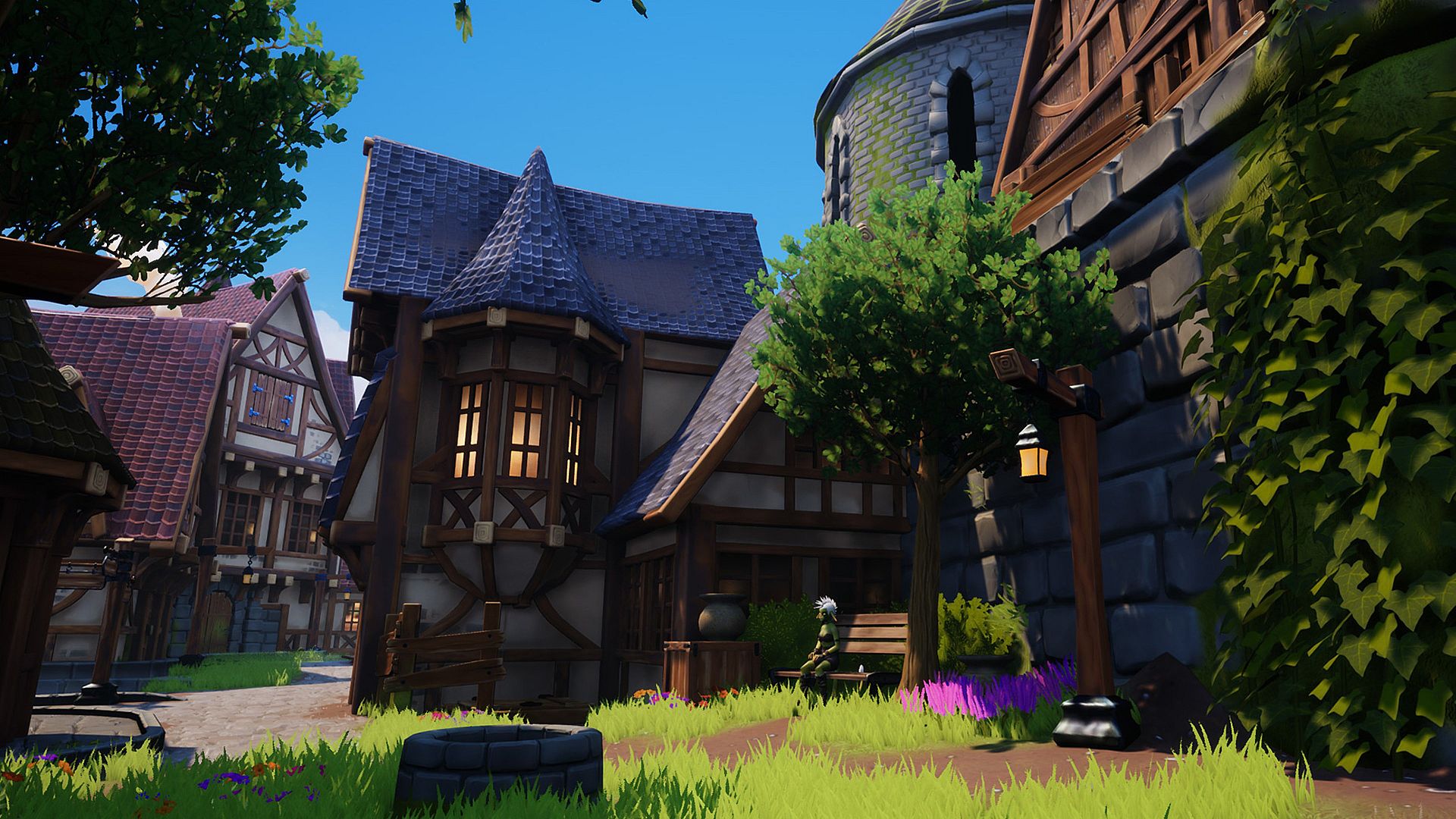
A progressão do jogador foca em desbloqueios cosméticos em vez de aumentos de poder. A vila funciona como um hub aberto para movimento e interação, permitindo tanto confrontos diretos quanto manobras sutis. Esses elementos unem ação, estratégia e jogabilidade social casual dentro dos gêneros indie de RPG e aventura indicados para o título.
Is It Worth Playing?
Eville é indicado para quem gosta de jogos de dedução social que incorporam movimento e exploração em tempo real em vez de fases estáticas de discussão. Sua recepção mista nas principais plataformas reflete tanto o apelo de sua abordagem 3D ao gênero quanto os desafios com a base consistente de jogadores desde o lançamento em 2022. As sessões permanecem acessíveis via Xbox e PC, e a personalização de regras ajuda os grupos a adaptar as partidas ao tamanho e nível de experiência dos participantes. Quem busca uma nova perspectiva nas mecânicas de engano com chat por proximidade e habilidades de fantasma pode encontrar valor, especialmente em grupos organizados que apreciam a mistura de estratégia e blefe interpessoal. O jogo continua a receber atenção ocasional da comunidade, mas opera com uma base ativa menor em comparação ao período de lançamento.