






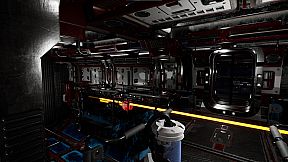
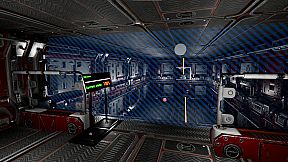
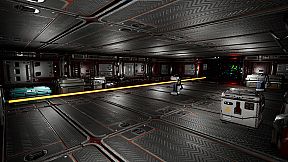
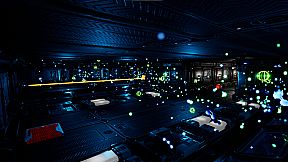
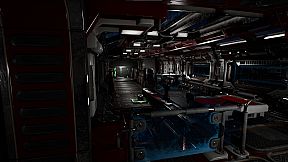
Euphoria: Supreme Mechanics é um jogo de quebra-cabeças em primeira pessoa que mistura estratégia, indie, casual, simulação e aventura no PC. O jogador assume o papel de um caçador de mistérios que investiga casos criminais sombrios por meio de exploração e dedução lógica, ao mesmo tempo que tenta reconstruir a identidade oculta do protagonista.
Gameplay
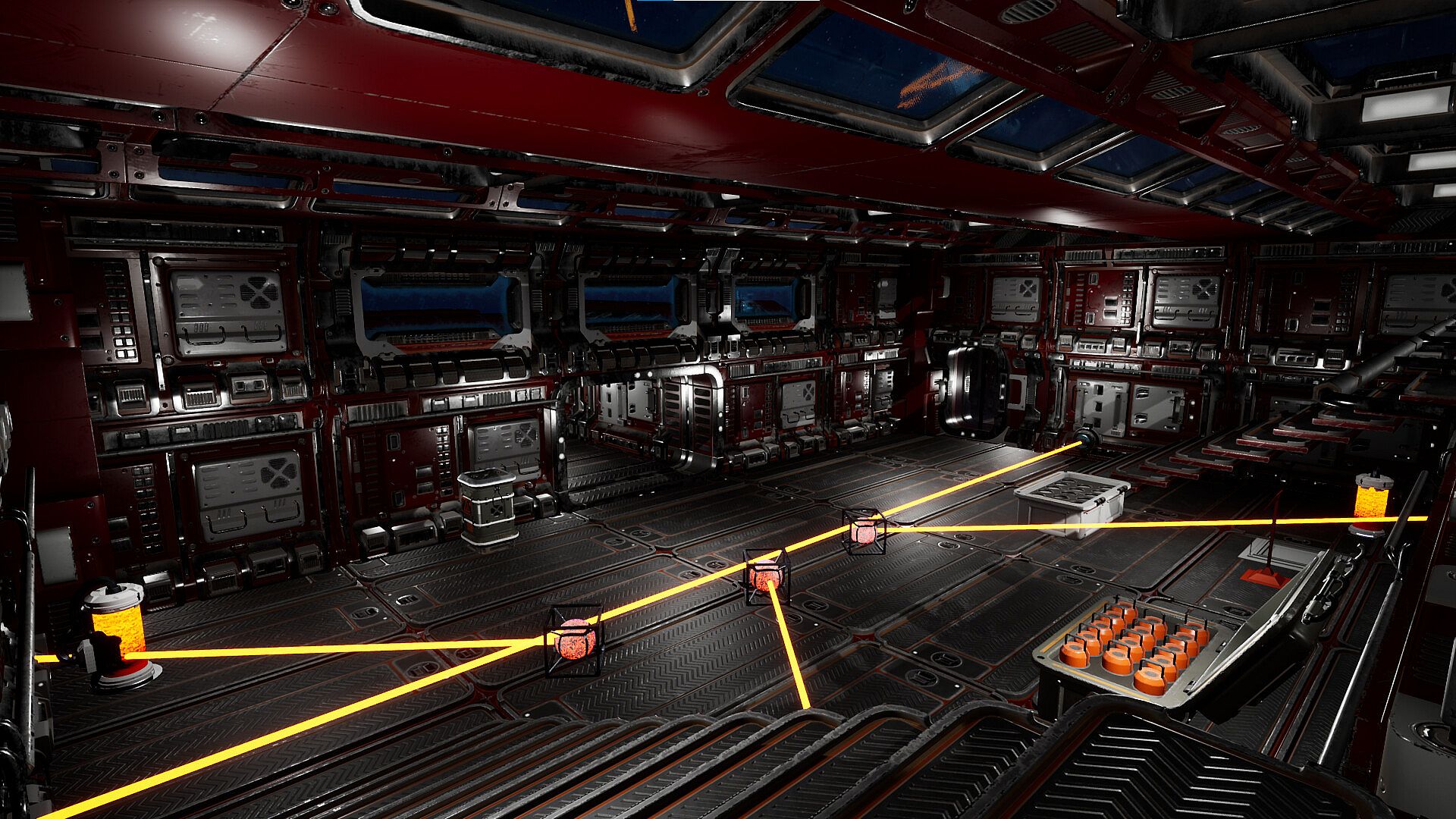
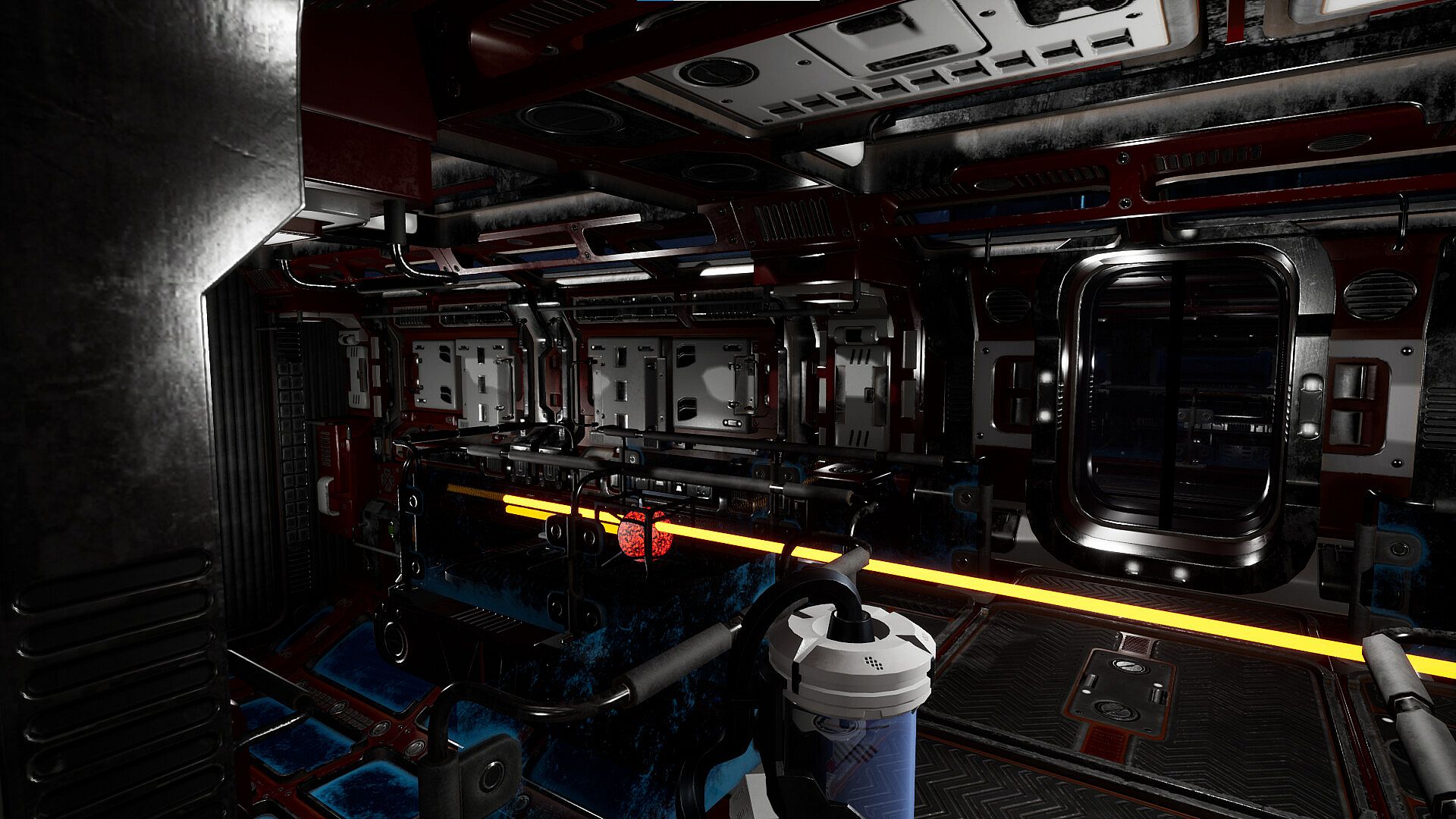
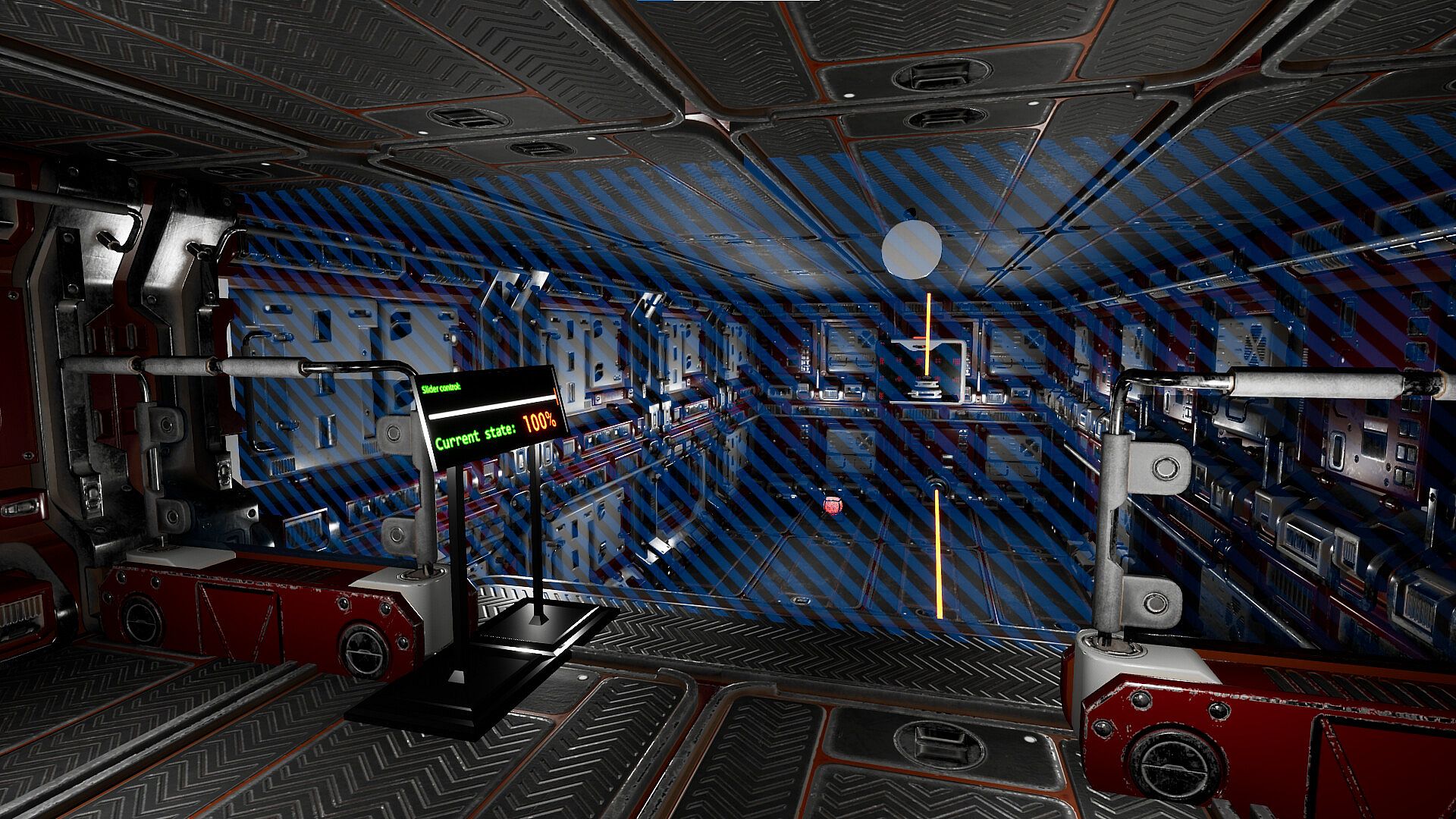
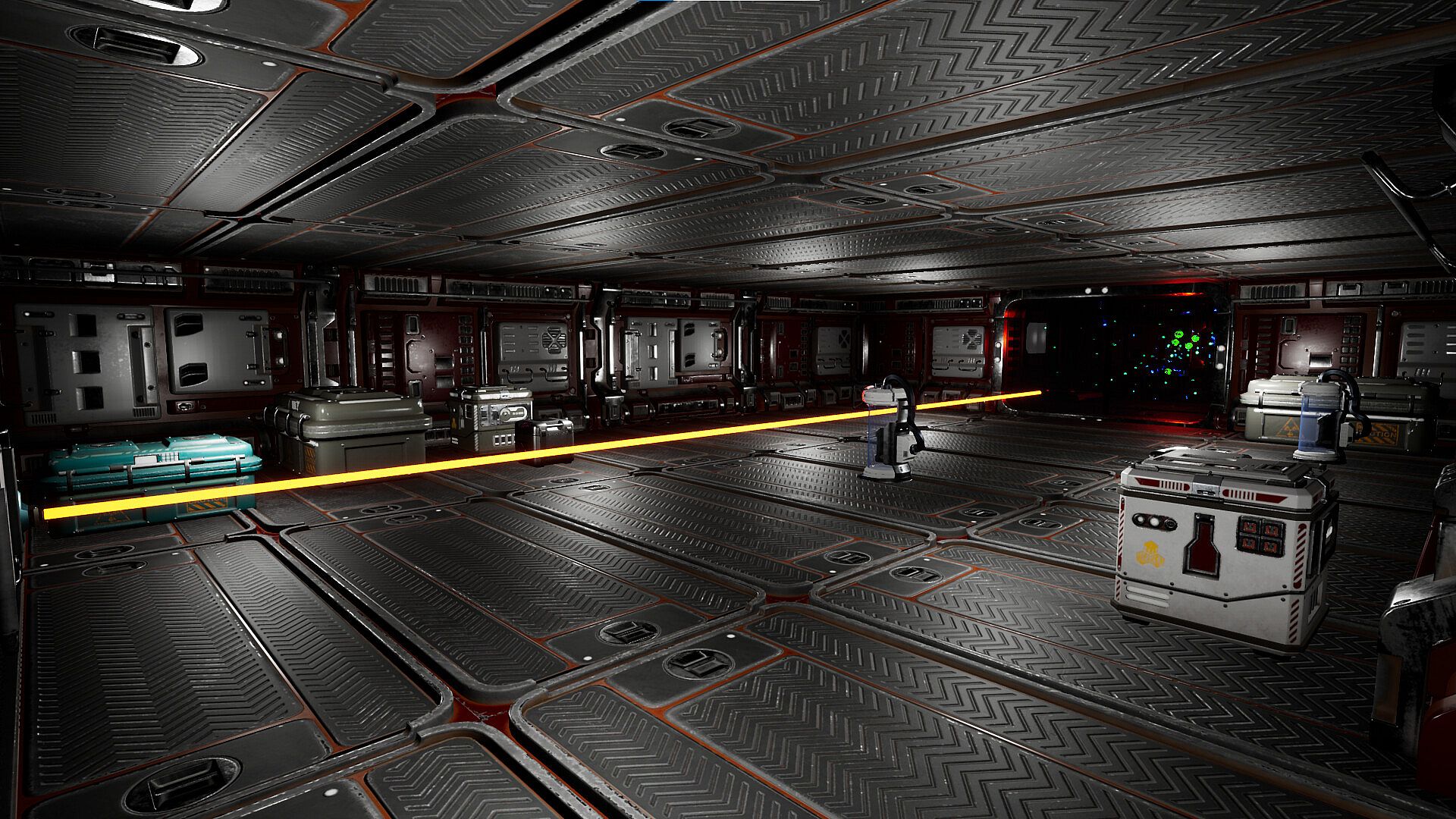
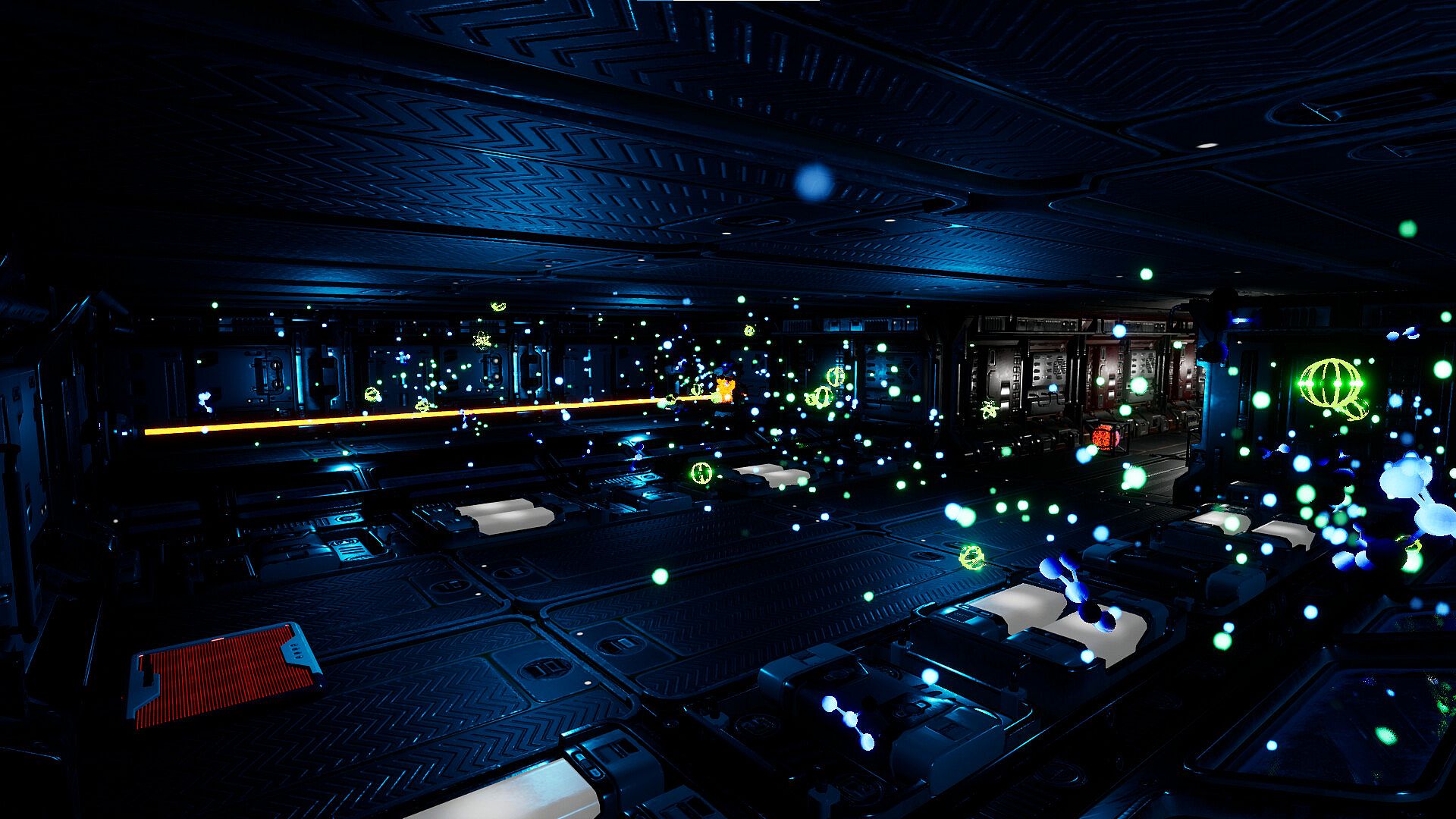
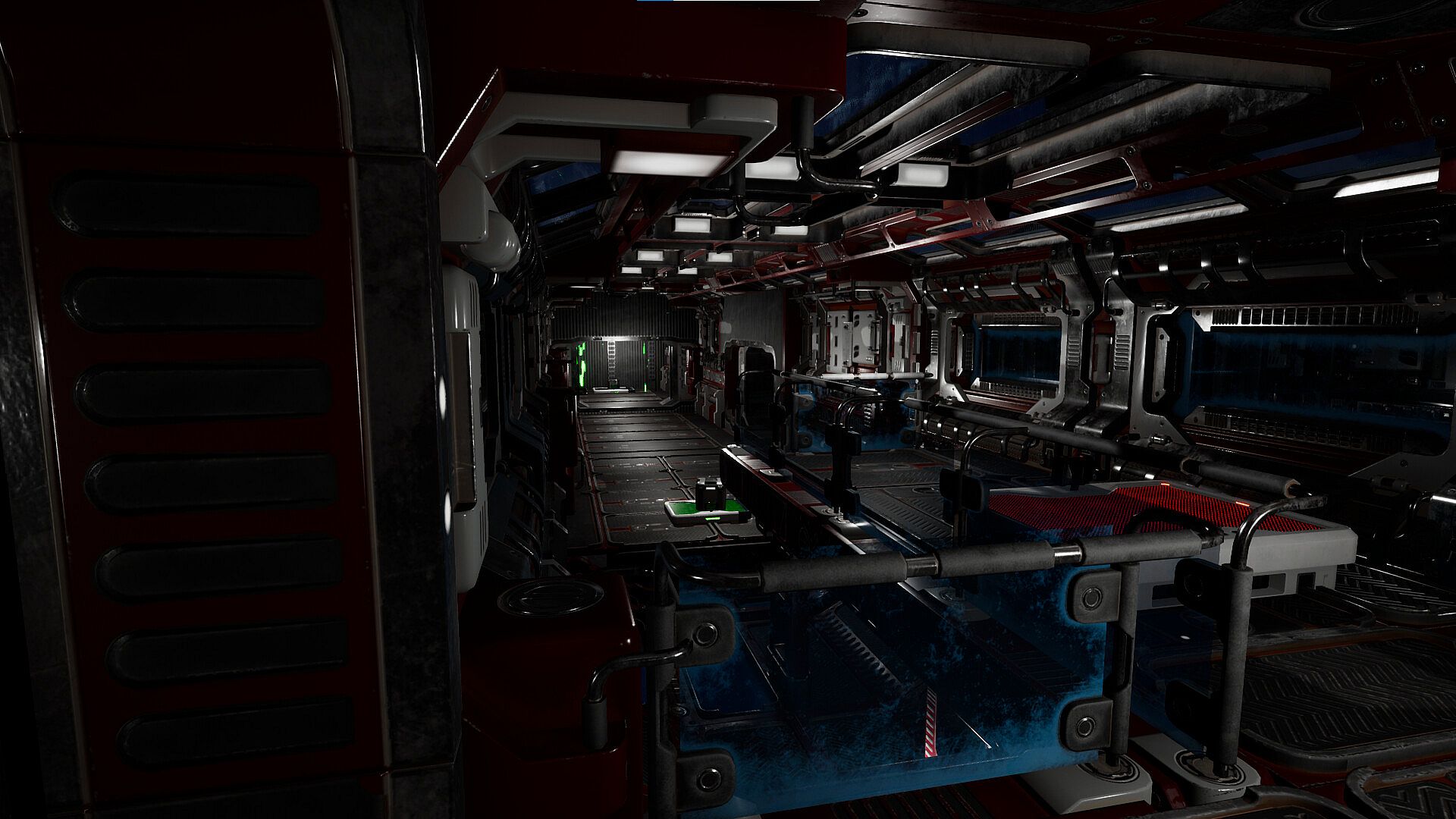
O ciclo principal consiste em percorrer salas e ambientes interligados em perspectiva de primeira pessoa. O avanço depende da resolução de quebra-cabeças ambientais que envolvem posicionar objetos, como cubos em placas de pressão, e redirecionar feixes de energia para liberar caminhos. A exploração revela relatórios e fragmentos de dados espalhados que precisam ser interpretados para desenvolver as tramas narrativas de investigação, terror e reflexão filosófica. O jogo valoriza a intuição em vez de instruções rígidas, incentivando o jogador a identificar padrões e conexões entre pistas inconsistentes. O design de som atua como suporte, criando camadas de áudio atmosférico que ajudam na concentração durante as sessões de quebra-cabeças sem interferir diretamente na mecânica.
As mecânicas seguem estruturas clássicas de quebra-cabeças, nas quais os objetos interagem com o mundo de forma consistente, como o redirecionamento de feixes e a ativação por peso. Portas e barreiras são abertas conforme as soluções são encontradas, e alguns caminhos permanecem acessíveis após a passagem inicial, permitindo o retorno. A experiência é focada na descoberta em modo single-player, sem sistemas externos ou cronômetros que influenciem as decisões.
Game Modes
Euphoria: Supreme Mechanics funciona inteiramente como uma aventura de quebra-cabeças single-player. Não existem modos de jogo separados, opções multiplayer ou formatos competitivos. Todo o título se desenvolve em uma campanha contínua, centrada na progressão sequencial de salas e na coleta de fragmentos da história. O jogador utiliza os mesmos sistemas principais durante toda a experiência, sem campanhas ramificadas ou regras alternativas.
Narrative and World Building
As informações chegam de forma fragmentada, deixadas por visitantes anteriores do cenário, formando camadas de ficção social, sci-fi, elementos de detetive e terror. Cada dado pode contradizer ou reforçar outros, exigindo que o jogador construa interpretações pessoais sobre os eventos, a história e os motivos dos personagens. O passado do protagonista permanece intencionalmente obscuro, transformando a reconstrução de sua identidade em um quebra-cabeças ativo, paralelo aos desafios físicos. Essa abordagem recompensa a leitura atenta e a comparação de informações, sem fornecer respostas definitivas por parte do jogo.
Is It Worth Playing?
As avaliações de usuários no Steam são Muito Positivas, com 83% de aprovação em 203 avaliações. O jogo é indicado para quem aprecia quebra-cabeças metódicos em primeira pessoa combinados com ambiguidade narrativa e tensão atmosférica. Quem busca ação direta ou recursos multiplayer encontrará pouco conteúdo, enquanto fãs de exploração deliberada e narrativa interpretativa podem valorizar o design focado. Lançado em 2020 sem atualizações significativas posteriores ou conteúdo sazonal, permanece uma experiência completa e autônoma, disponível no PC para quem se interessa por sua combinação específica de lógica e mistério.