


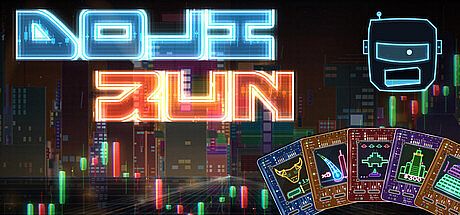


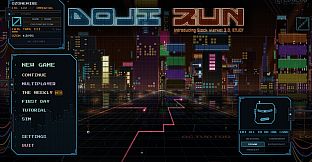
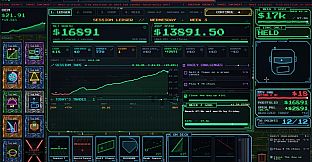
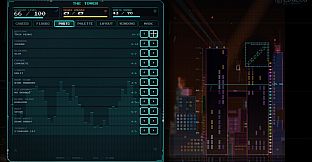
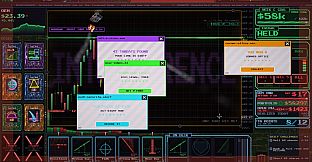
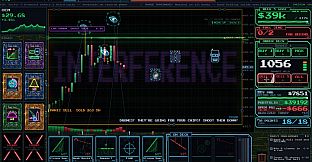
Doji Run is a cyberpunk stock market roguelite deck builder for PC that blends strategy gameplay with trading mechanics in a neon-lit future market. Players build and refine a deck of chips to influence live candlestick charts, aiming to meet escalating cash targets across multi-day runs while fending off hazards from the Exchange.
Gameplay
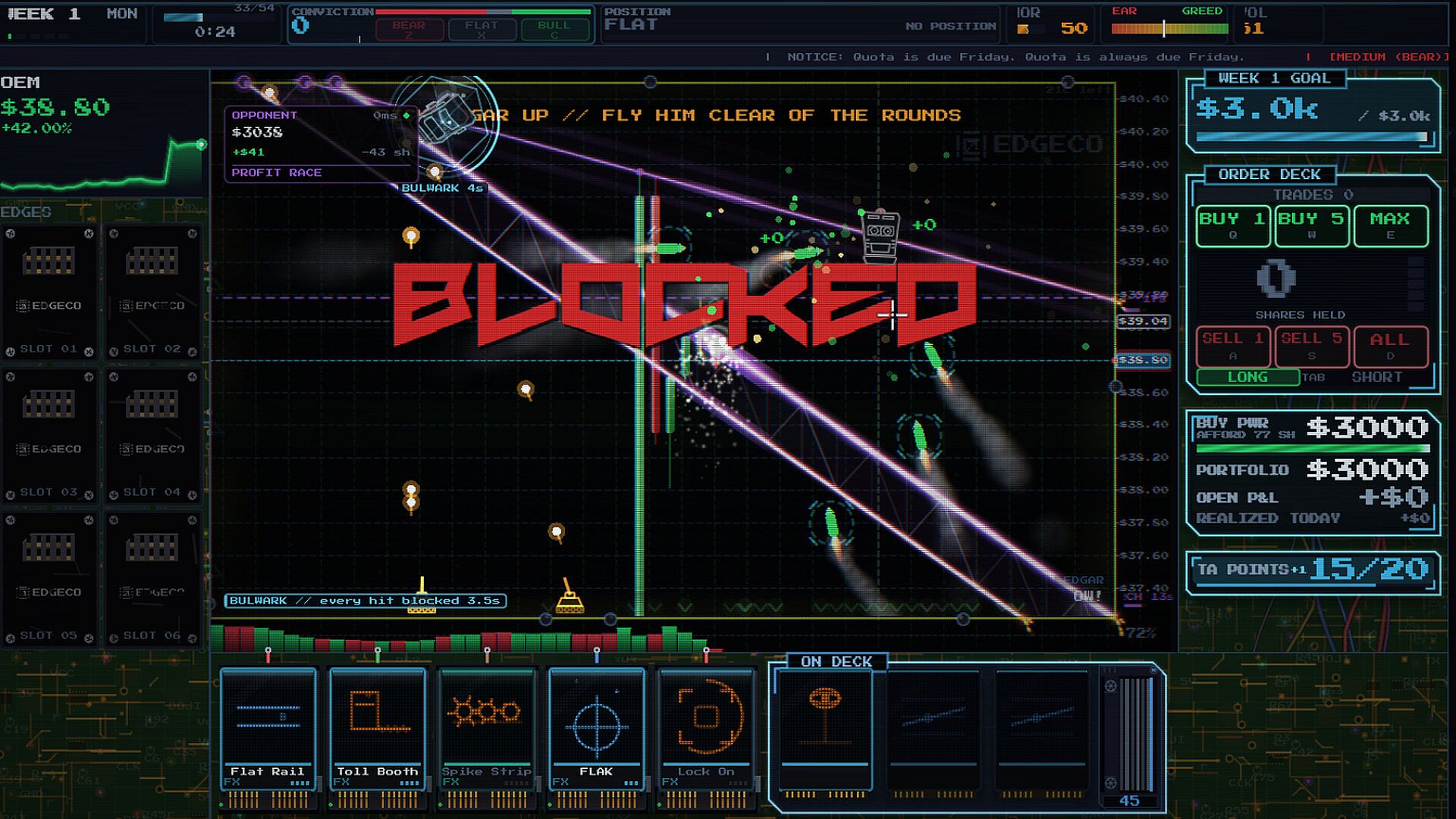
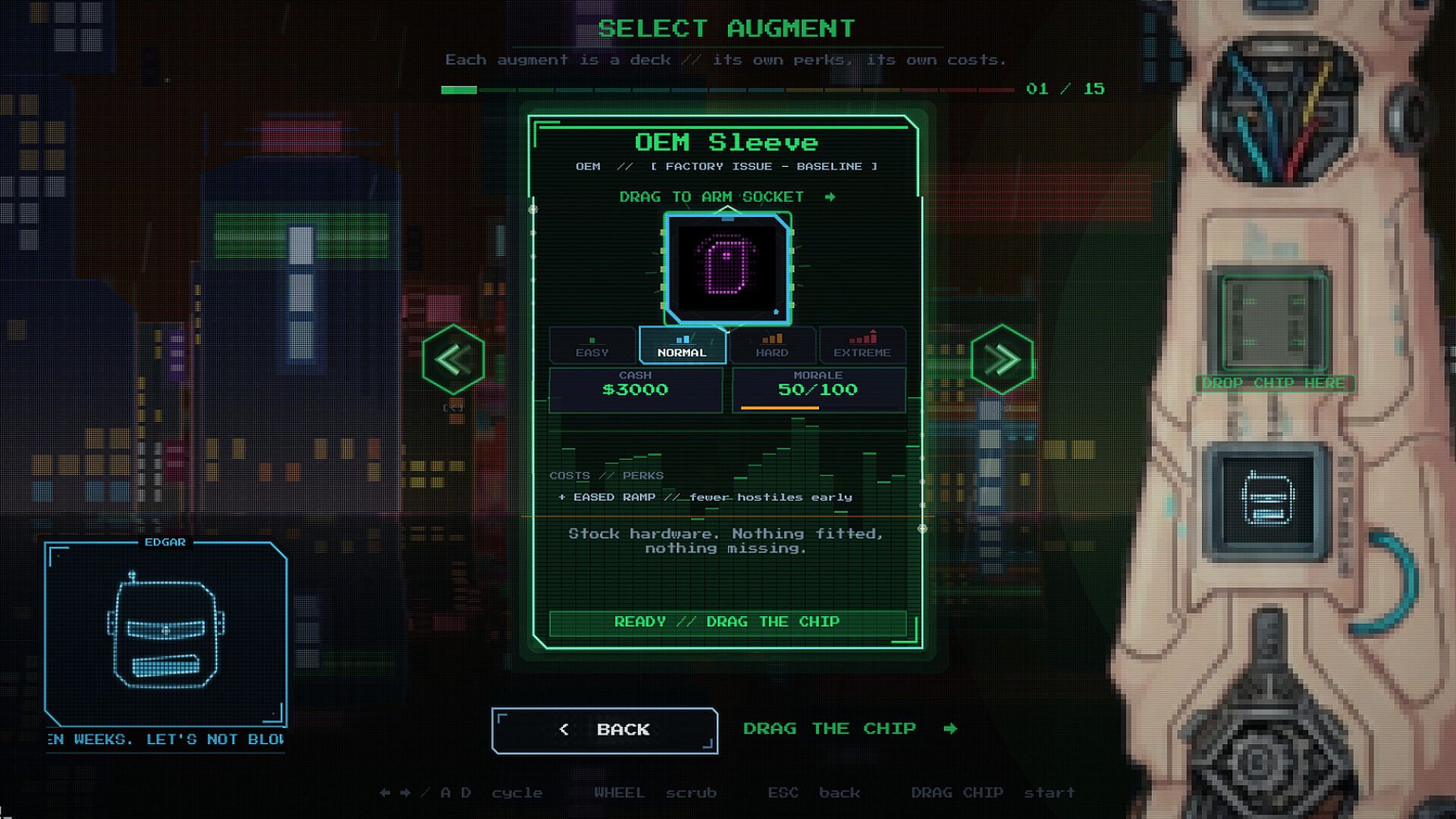
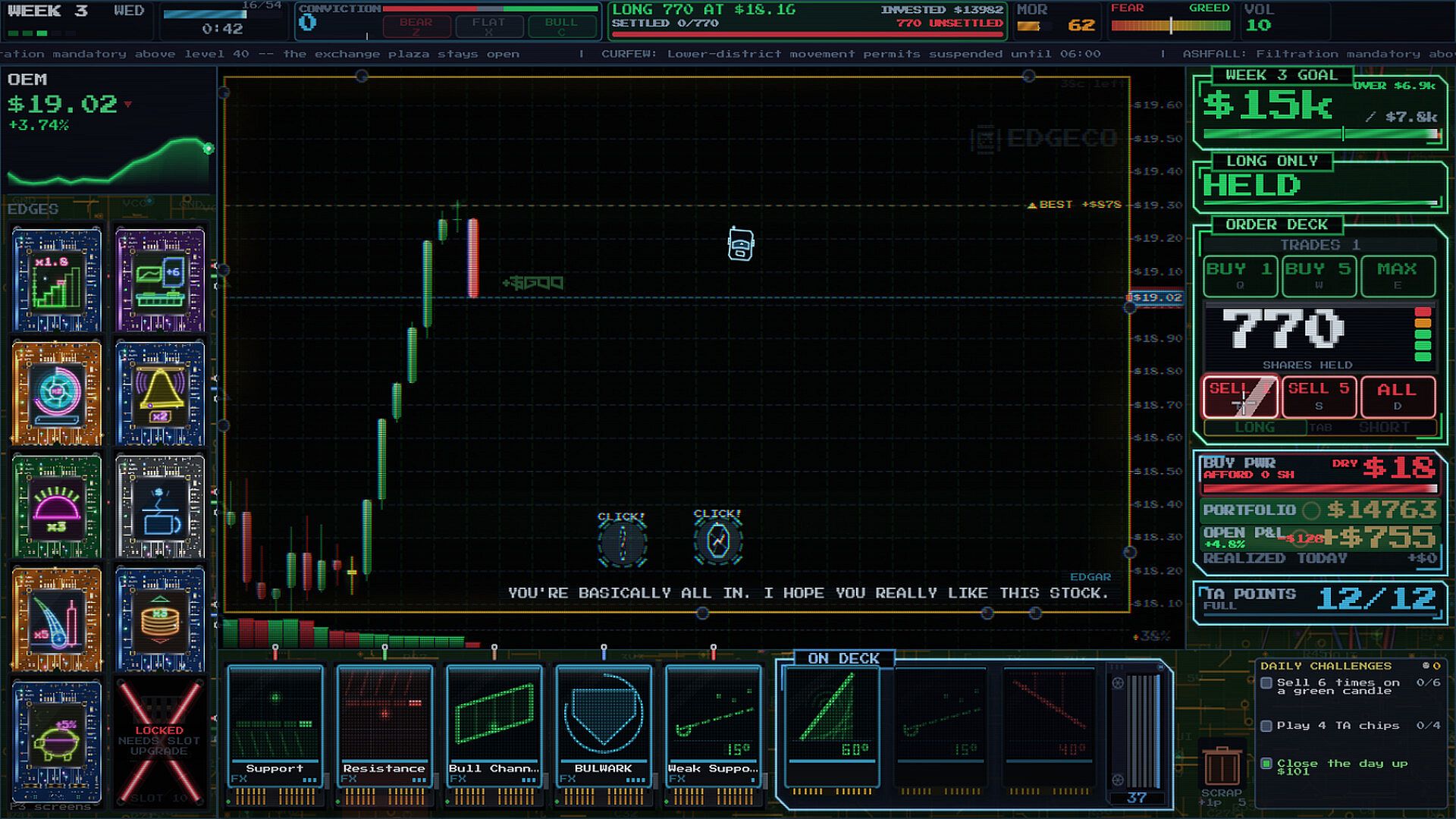
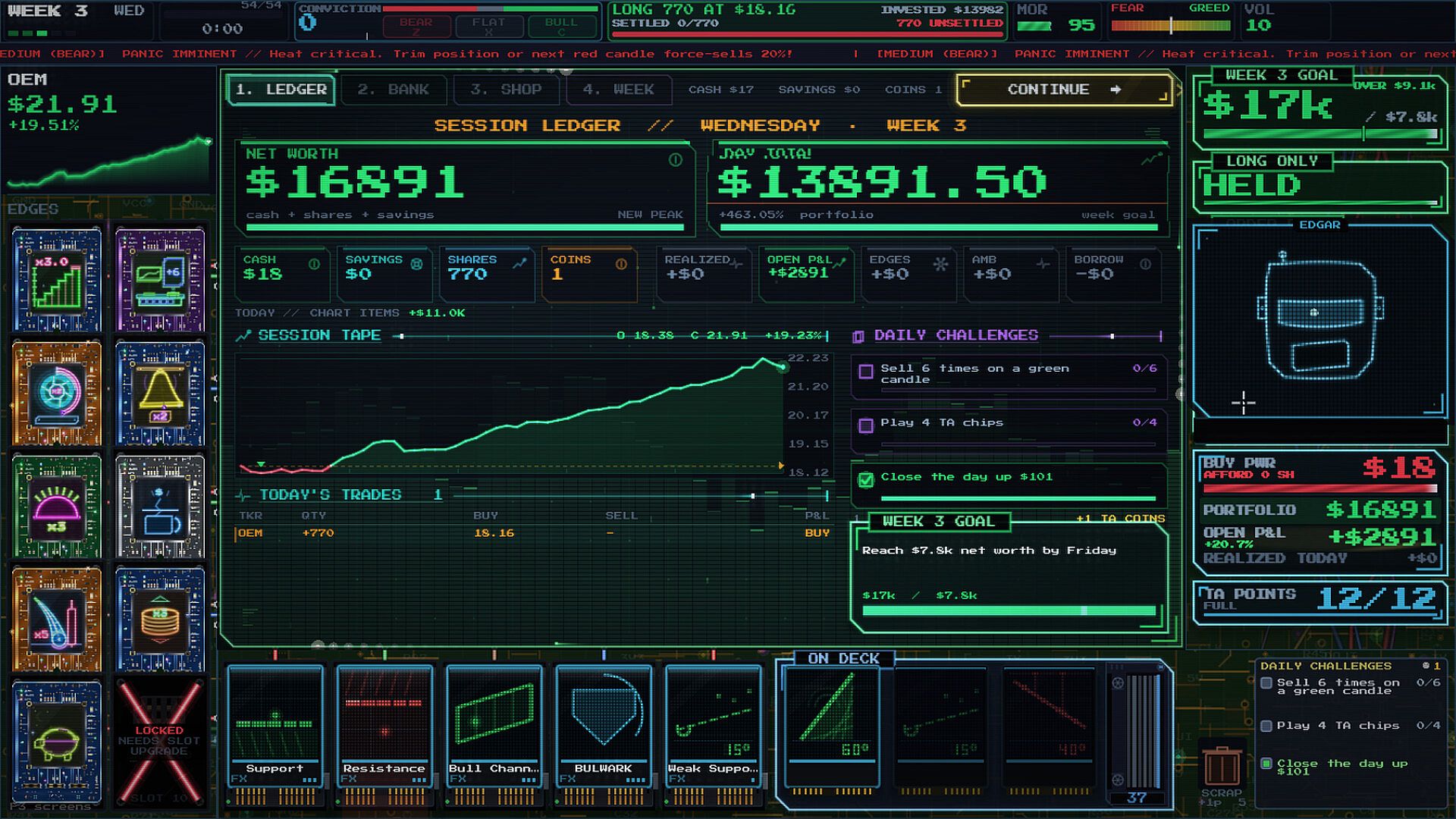
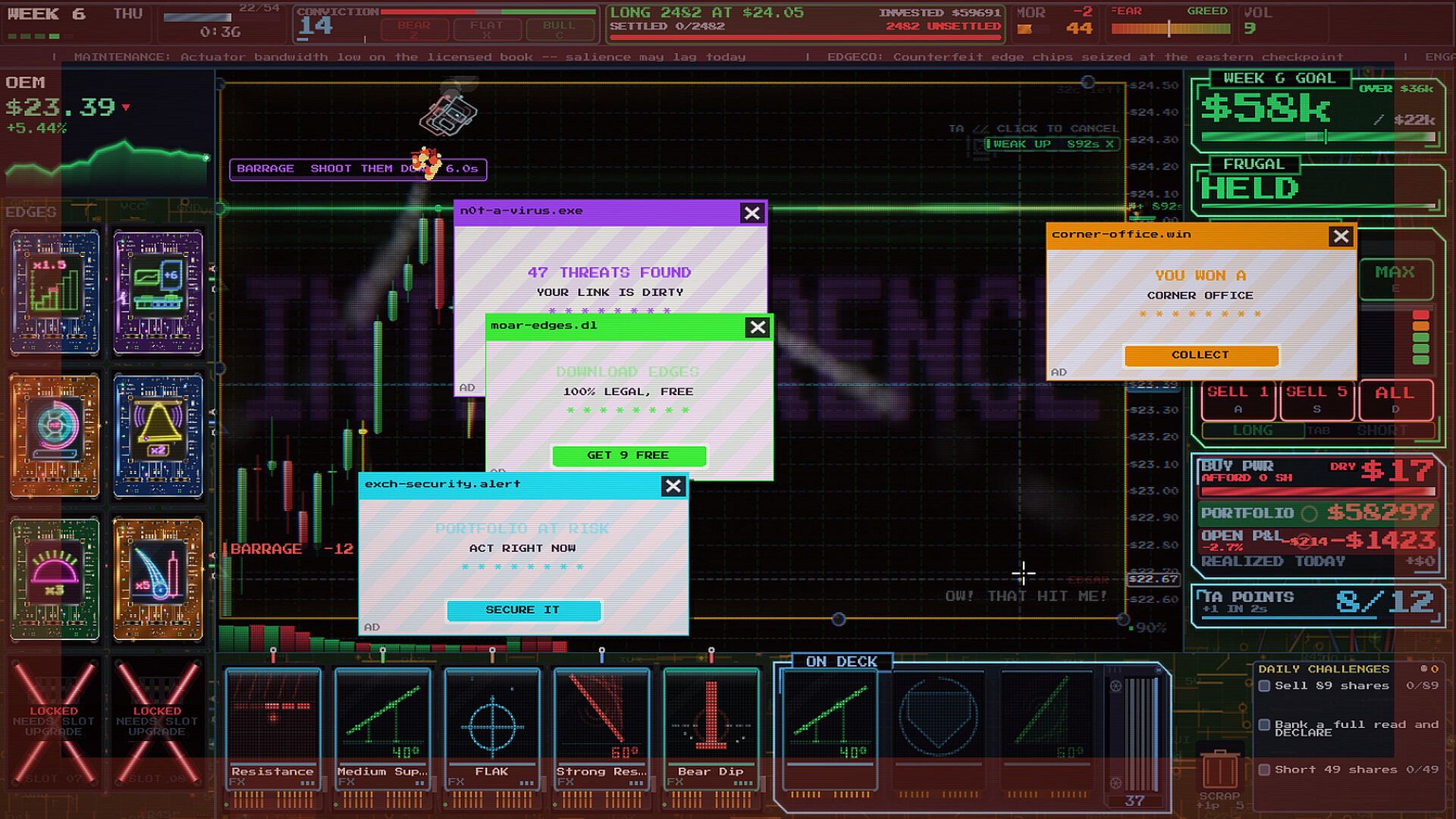
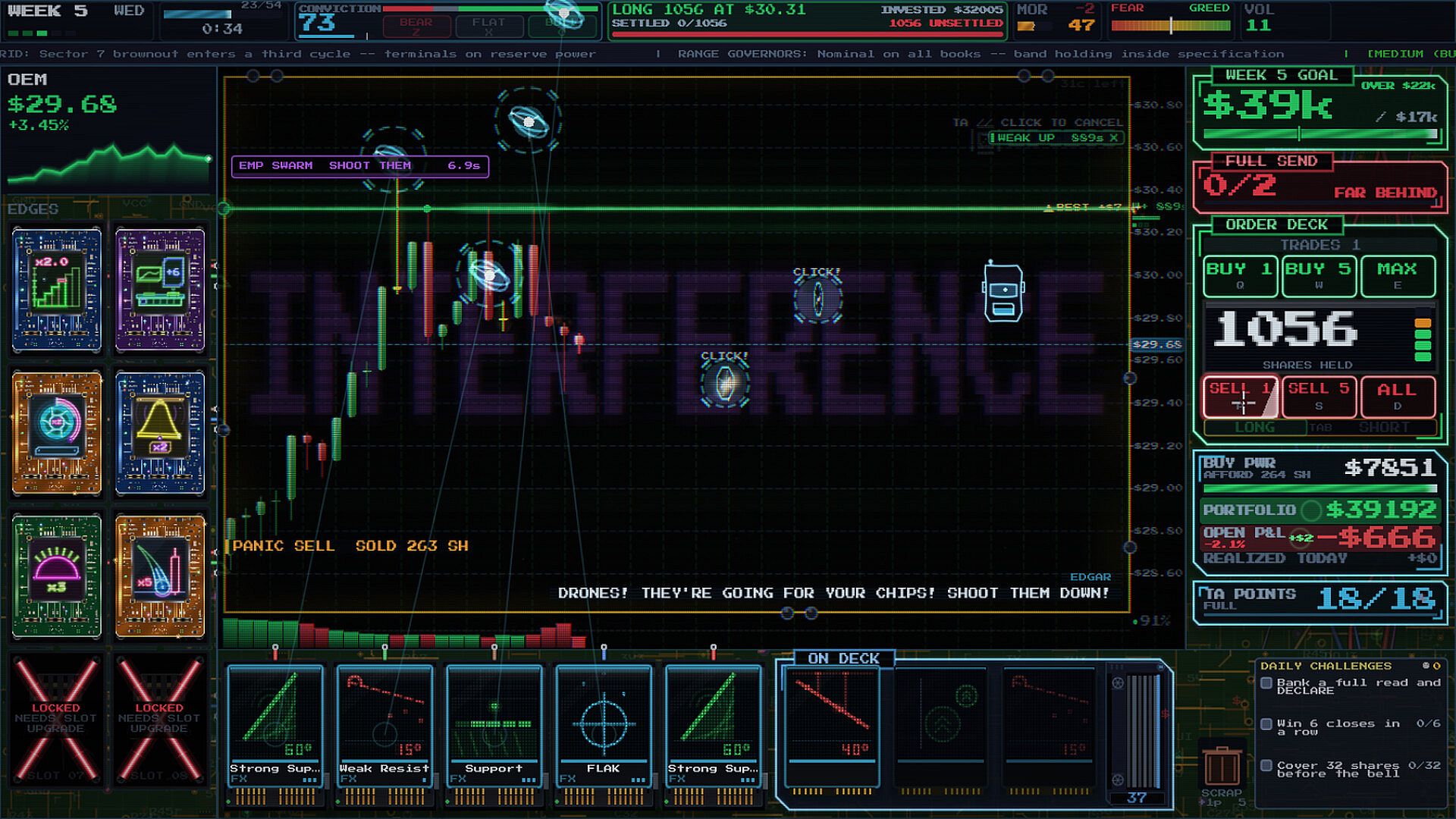
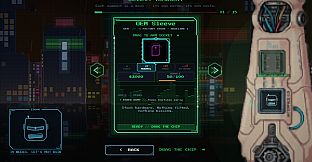
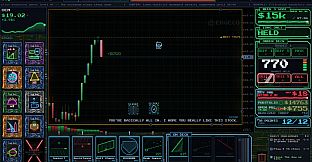
Each run begins with a 42-chip deck and a five-card hand. Players drag chips onto the chart to create trendlines, channels, or bull zones that affect price movement. Every action consumes TA energy, which regenerates over the sixty-second trading day, and new hands are dealt continuously. Chips can be leveled from one to five in the evening shop, with upgrades applying to all copies owned. Dead cards go into a scrap bin for energy refunds. Skill chips require timed inputs such as mashing to charge abilities or hitting marks for effects like pamp it or dump it. Shields including bulwark, aegis, flak, decoy, purge, insurance, and lockbox counter specific attacks. Edge chips function as passive hardware installed in terminal sockets, with multipliers stacking multiplicatively across up to eight sockets. Over 150 edge chips span six tiers, supported by packs, rerolls, and direct upgrades. Fifteen augments alter run rules and introduce unique tickers.
Game Modes
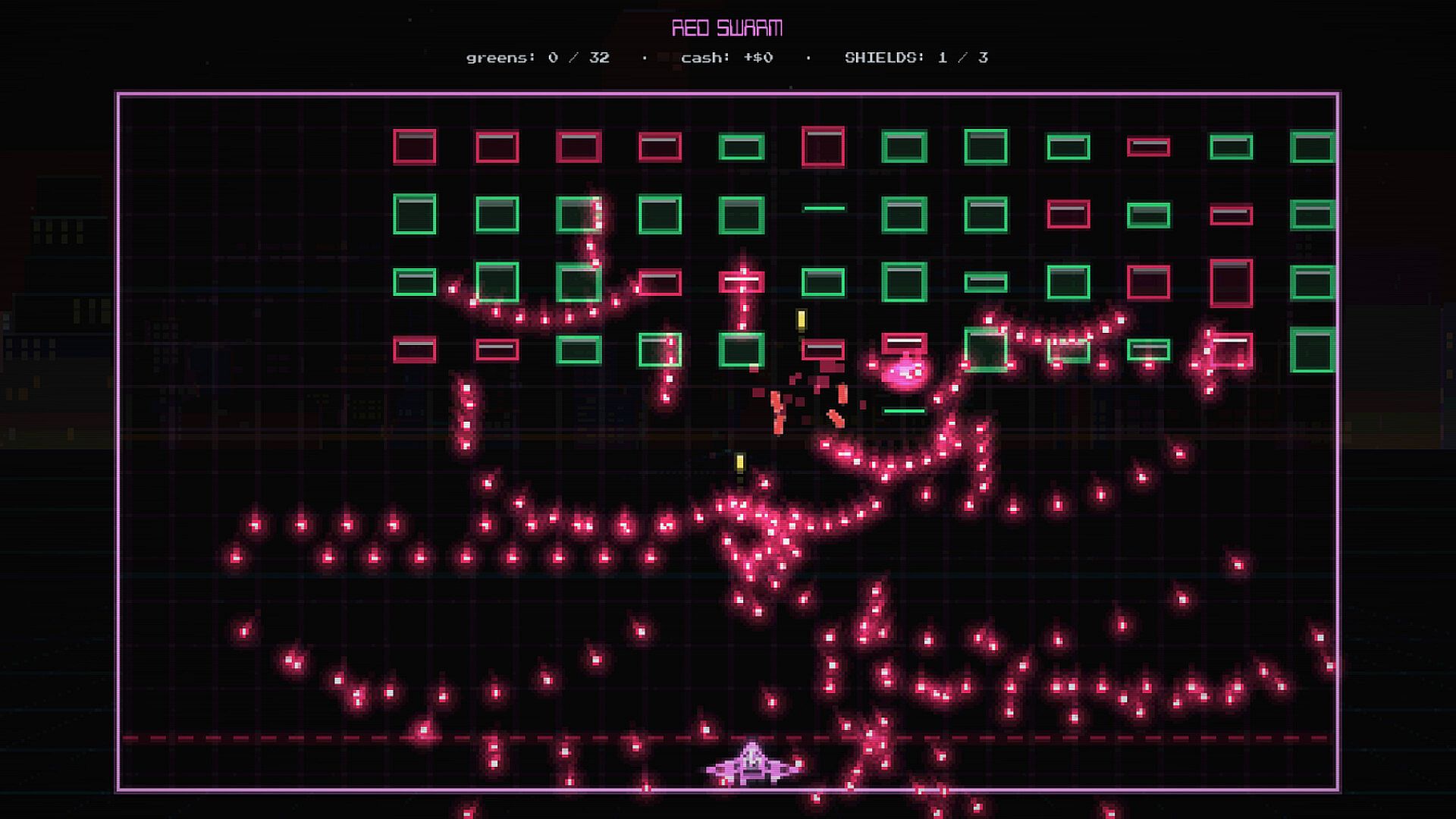
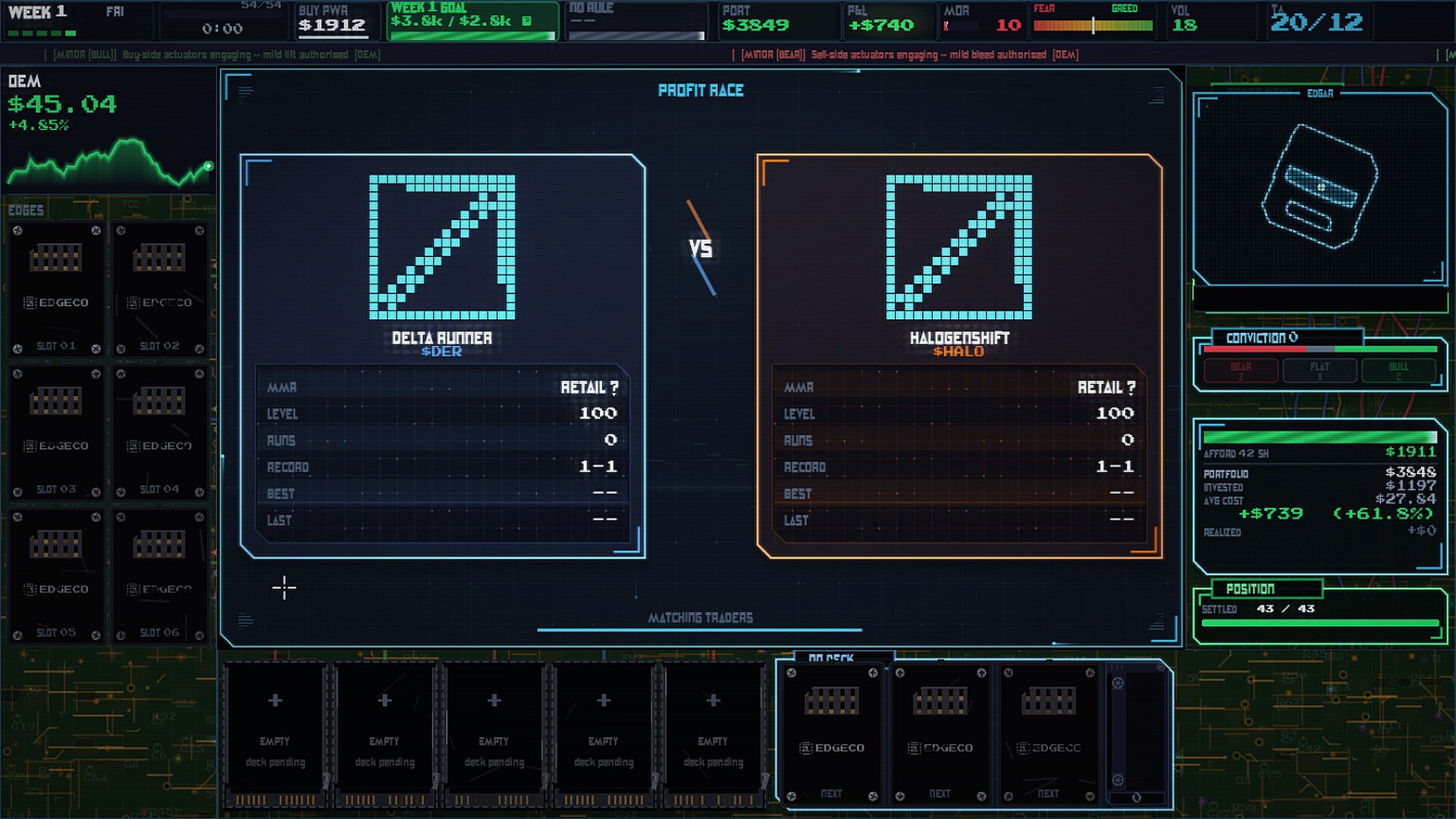
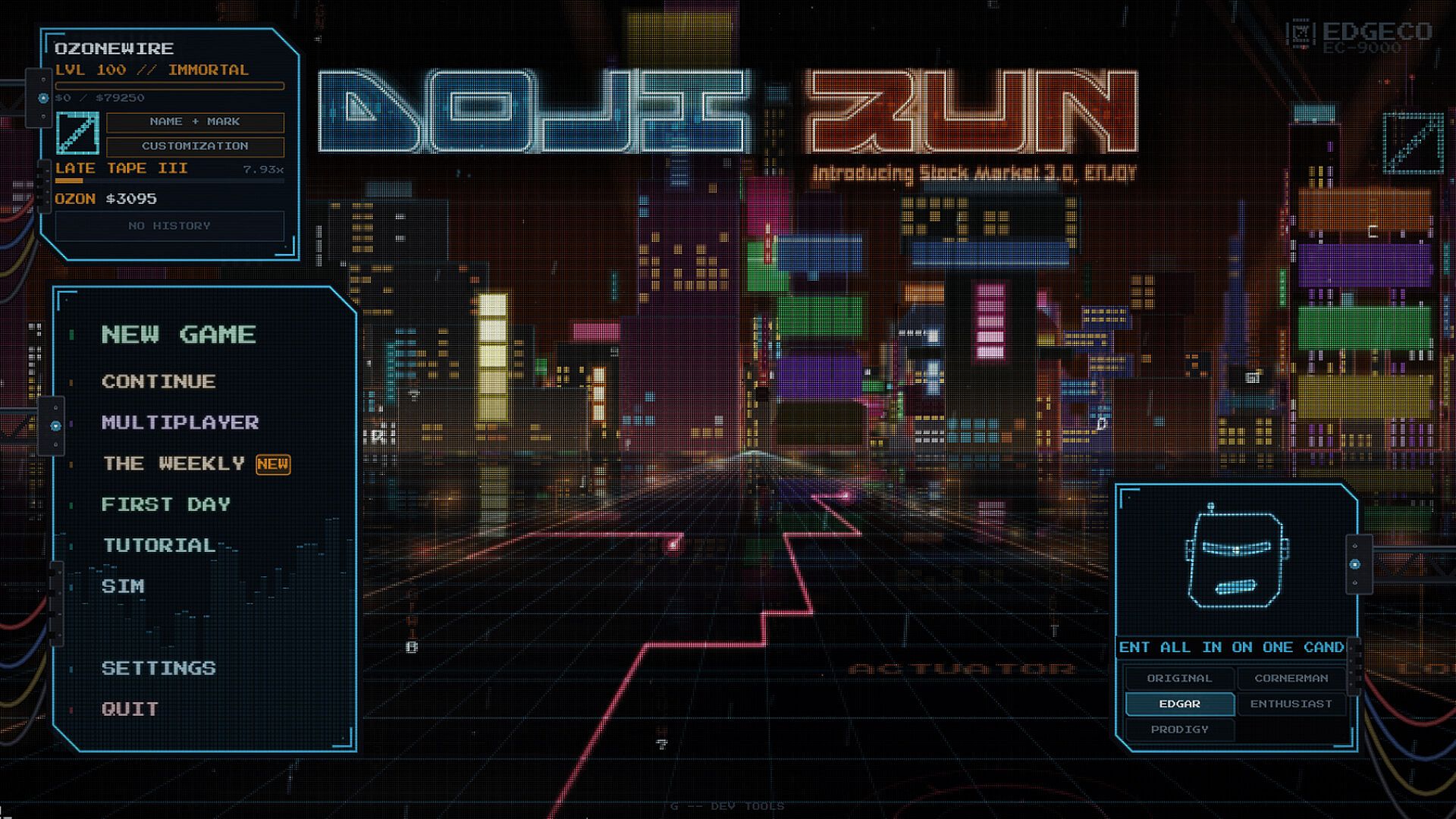
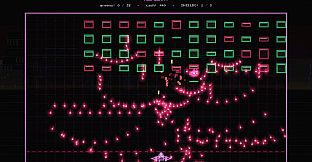
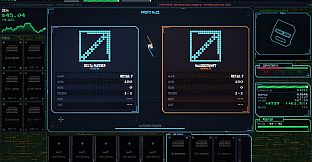
Core runs consist of five trading days forming a week and seven weeks forming a full run, with cash targets scaled from the player's recent performance and chosen difficulty. The weekly mode presents a single shared tape to all players, complete with a rotating rule modifier, scored against house par. Head-to-head pits two traders against one another on a shared tape over five days, where decks include attack chips to target a rival's Edgar while defending their own; a quick draft occurs between days. After clearing daily challenges with an after-market chip equipped, players access arcade time featuring eight cabinets: tape breaker, data worm, skyhook, freefall, red swarm, cascade, spike hunter, and hard dock. These function as standalone games that award cash upon completion.
Core Systems and Progression
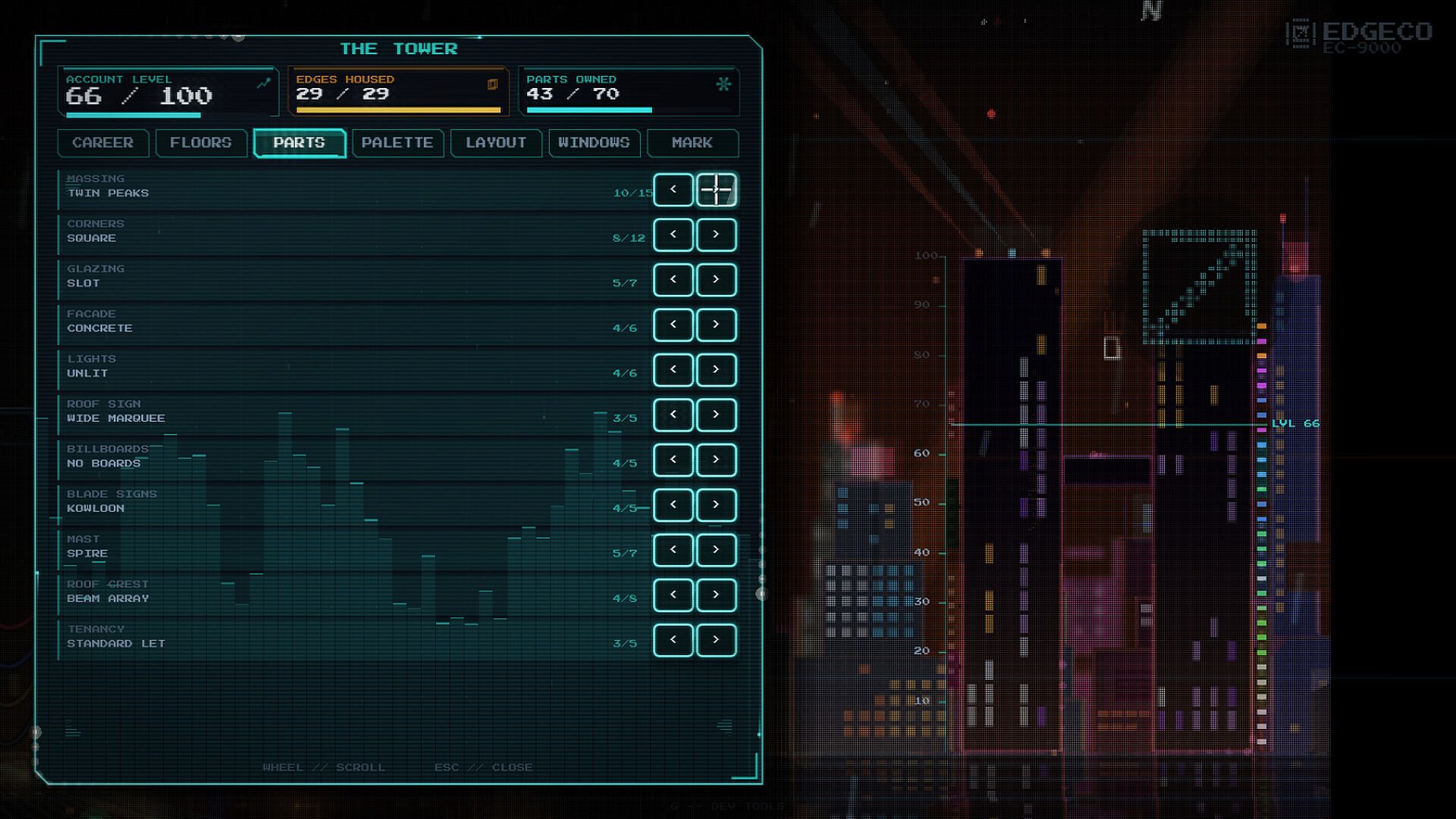
The Exchange introduces thirty chart hazards and pickups, with three active daily, alongside eighteen interference events such as barrage missiles, emp swarms, spike strips, wire taps, and adware cascades. Edgar serves as an AI companion on the chart, delivering over a thousand voice lines while facing threats like missiles, a UFO, data leeches, and tanks; players can physically move him to safety. Account leveling unlocks additional robot faces for Edgar and contributes to a 100-floor tower built behind the menu. Thirty ranks and four difficulty settings shape career progression, visualized as its own price chart. A neon city environment reacts to profit and loss, accompanied by an eight-track synthwave soundtrack. The setting places players as licensees in a 2091 entertainment-focused market reopened after the original fair system shut down in 2074.
Is It Worth Playing?
Doji Run suits players who enjoy roguelite deck building combined with precise timing and strategic resource management in a distinctive trading theme. Its systems reward careful deck construction, energy timing, and adaptation to dynamic chart hazards across singleplayer runs and competitive head-to-head sessions. The weekly shared-tape format and arcade side games add variety for those seeking ongoing challenges. Progression through ranks, augments, and edge chip collections provides clear long-term goals without relying on external updates. Those drawn to indie strategy titles with roguelite elements and unconventional mechanics will find the core loop engaging and replayable.












