










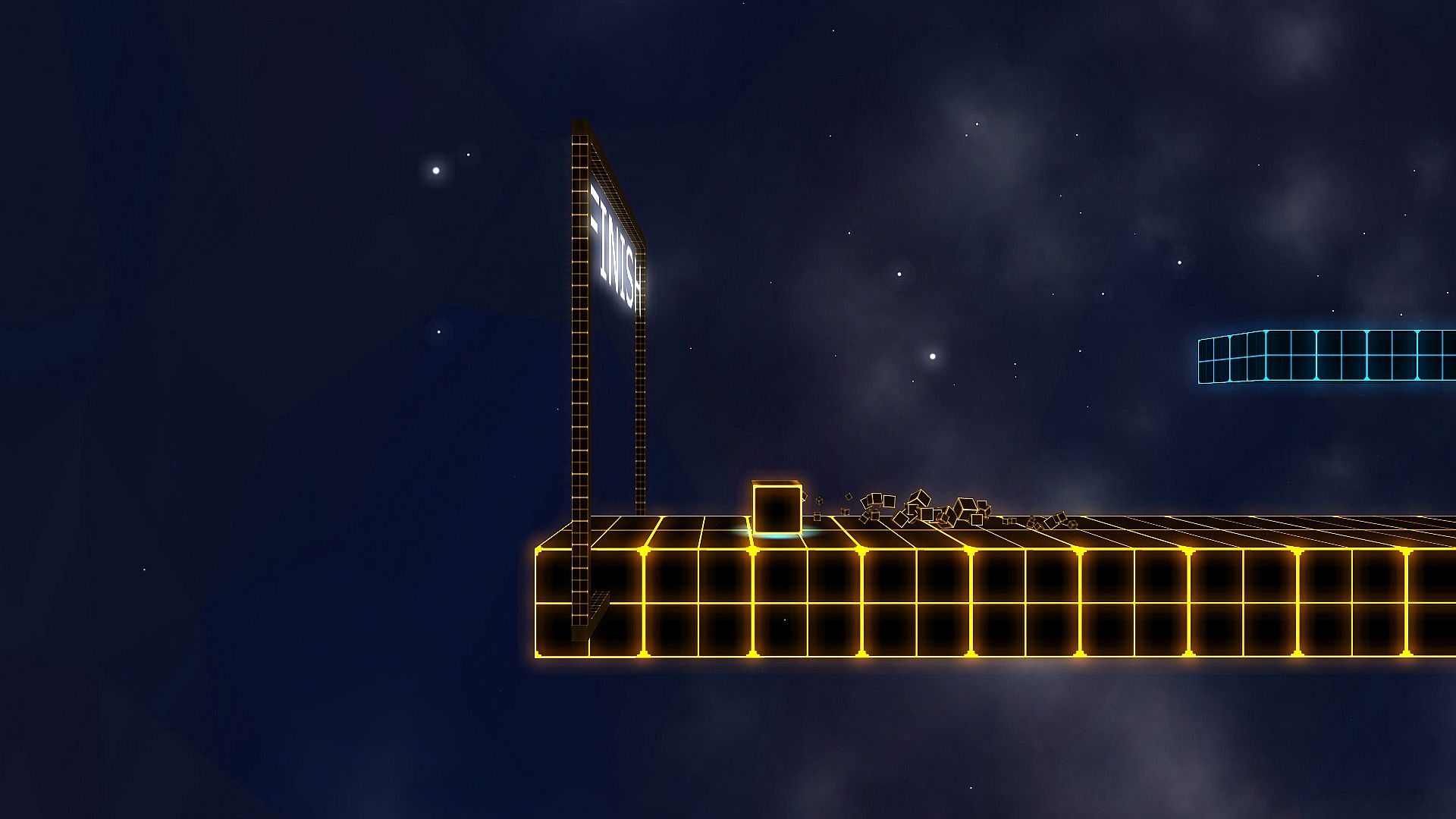
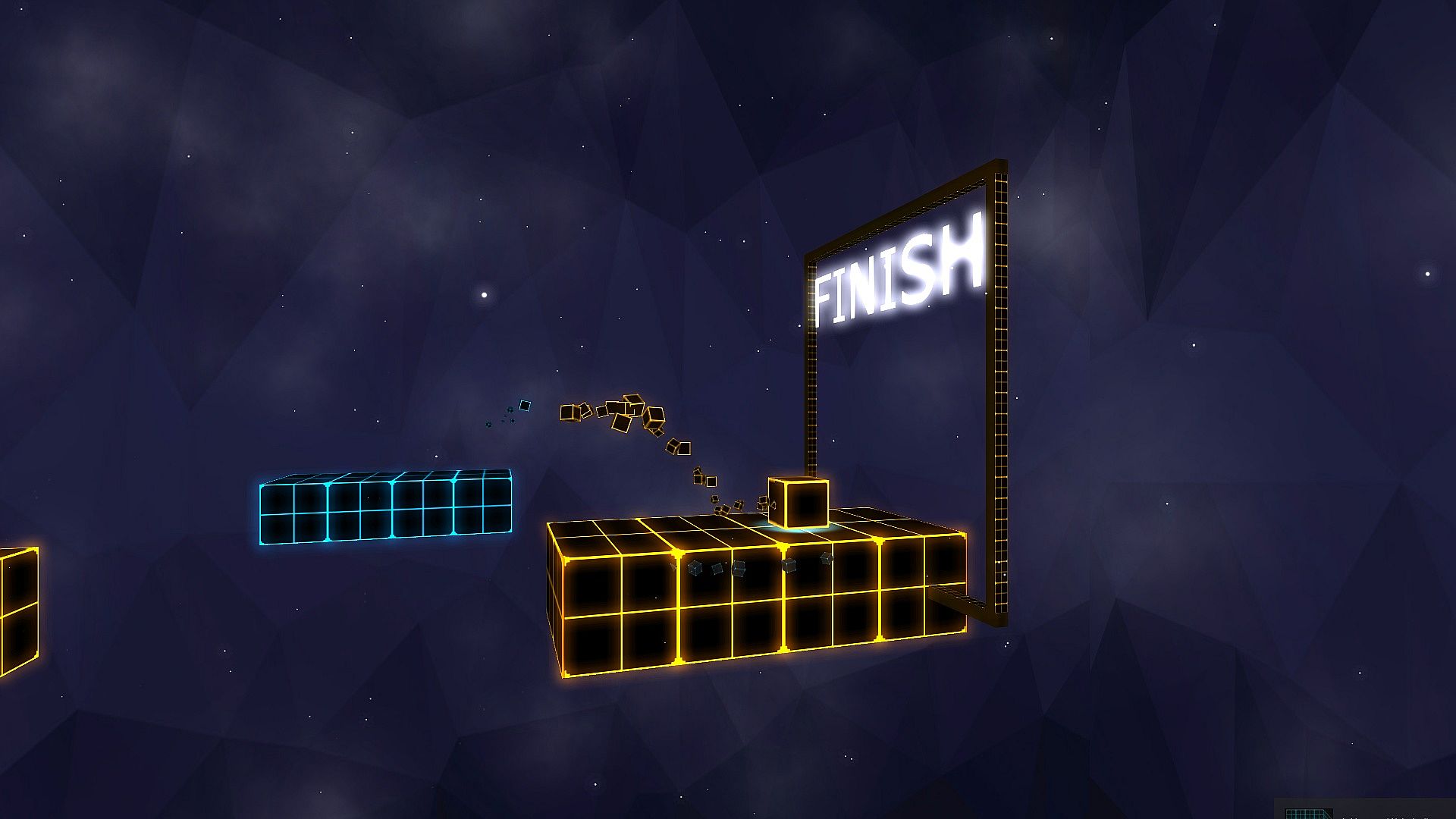
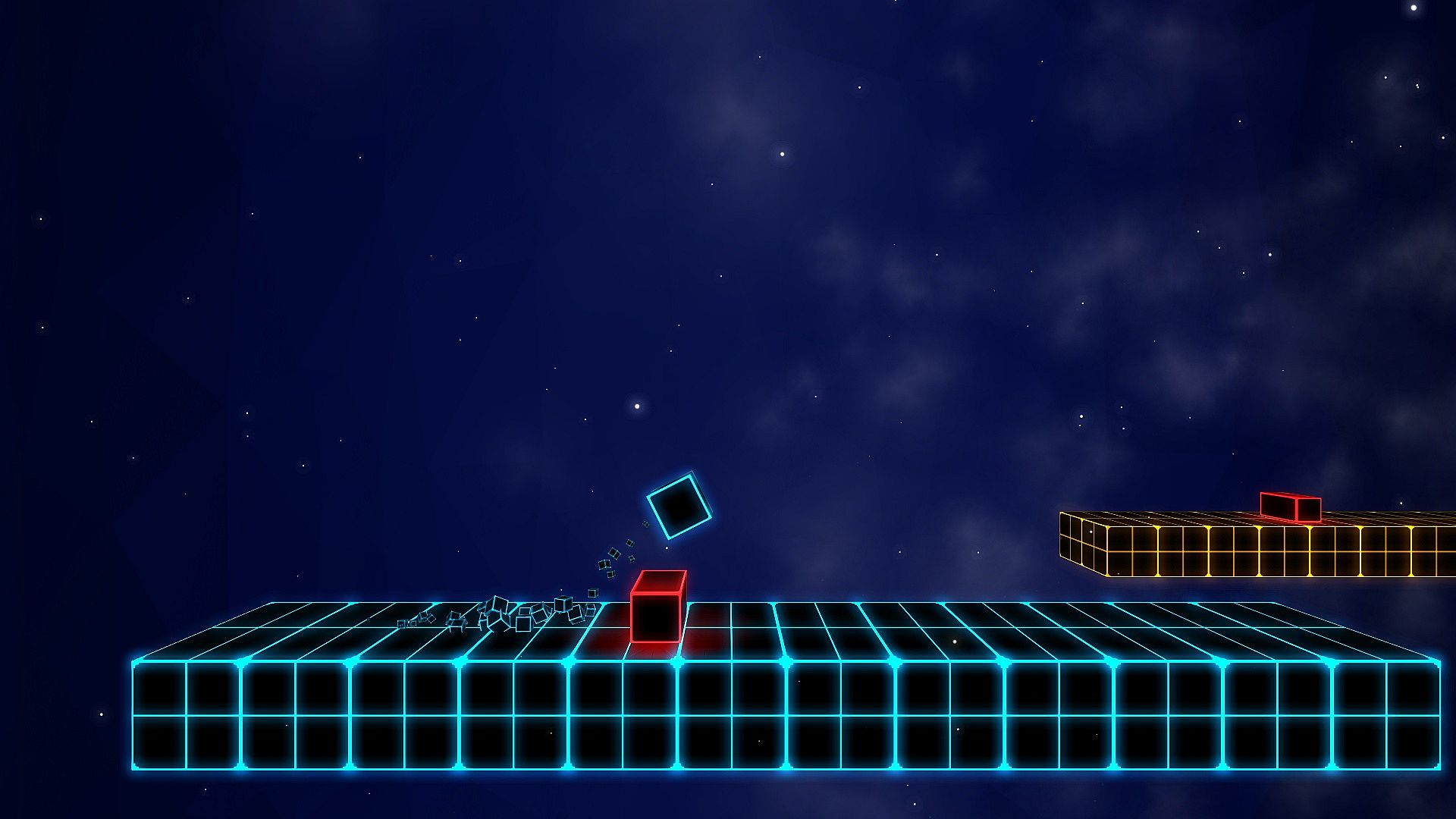
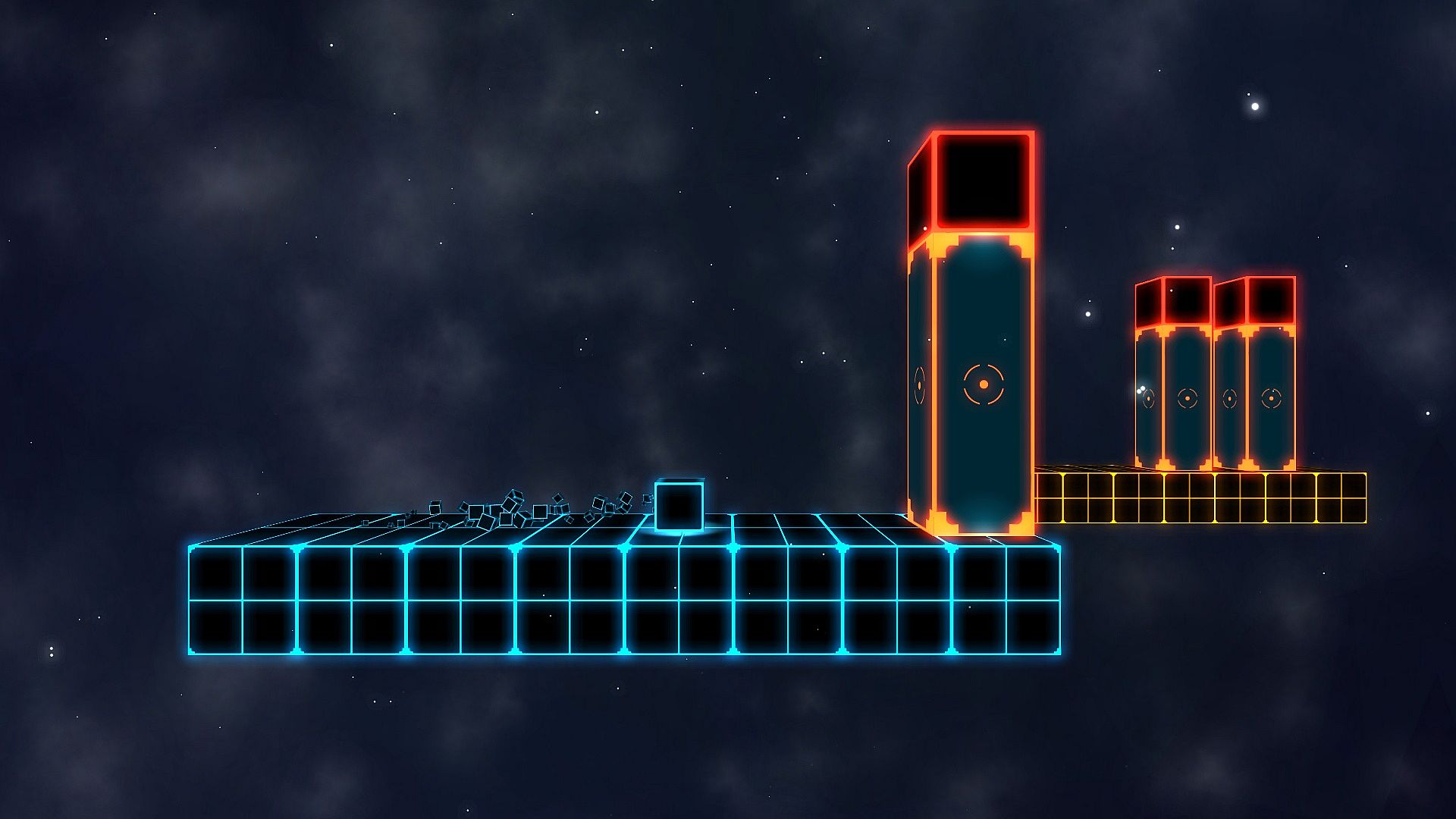
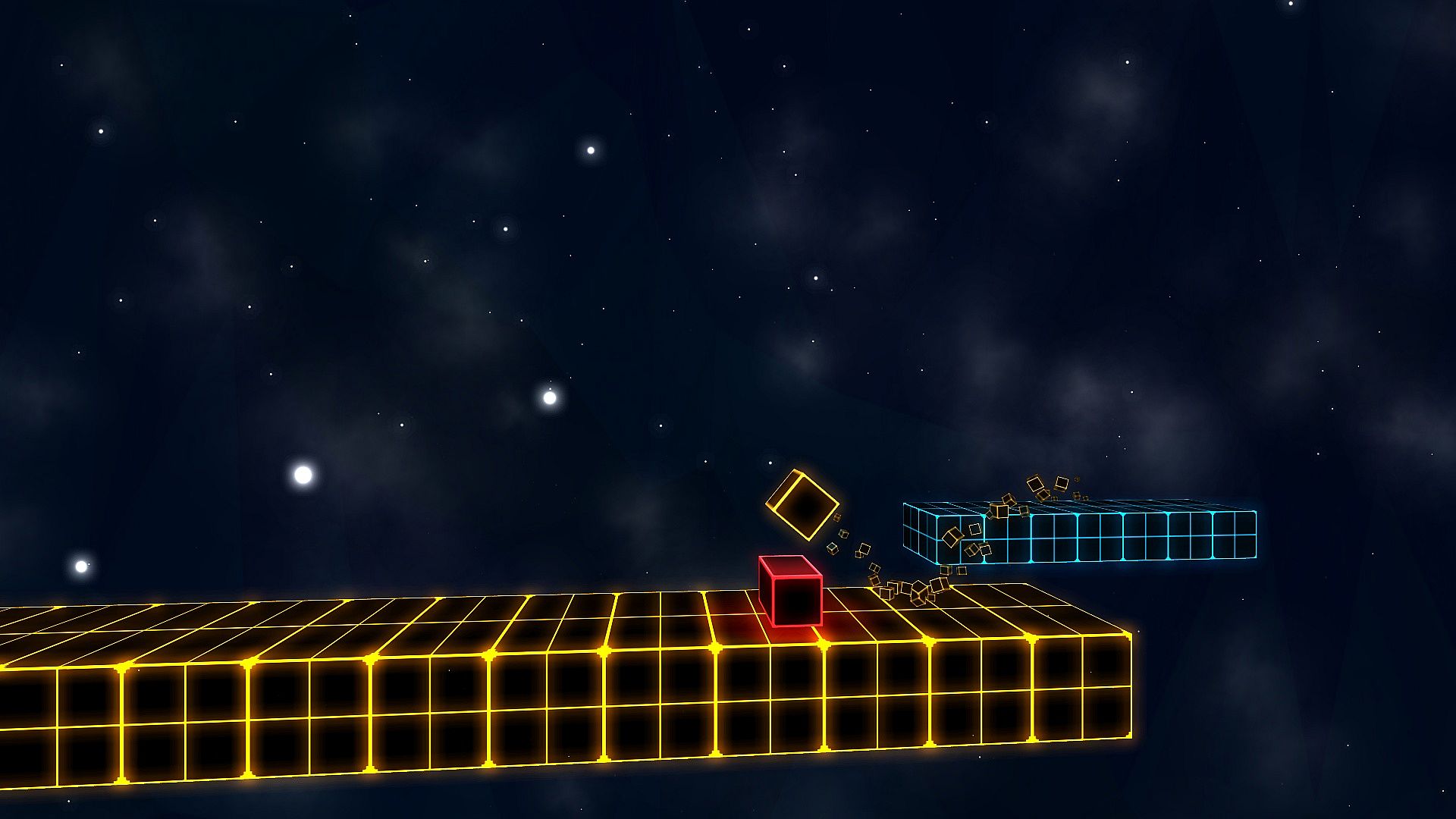
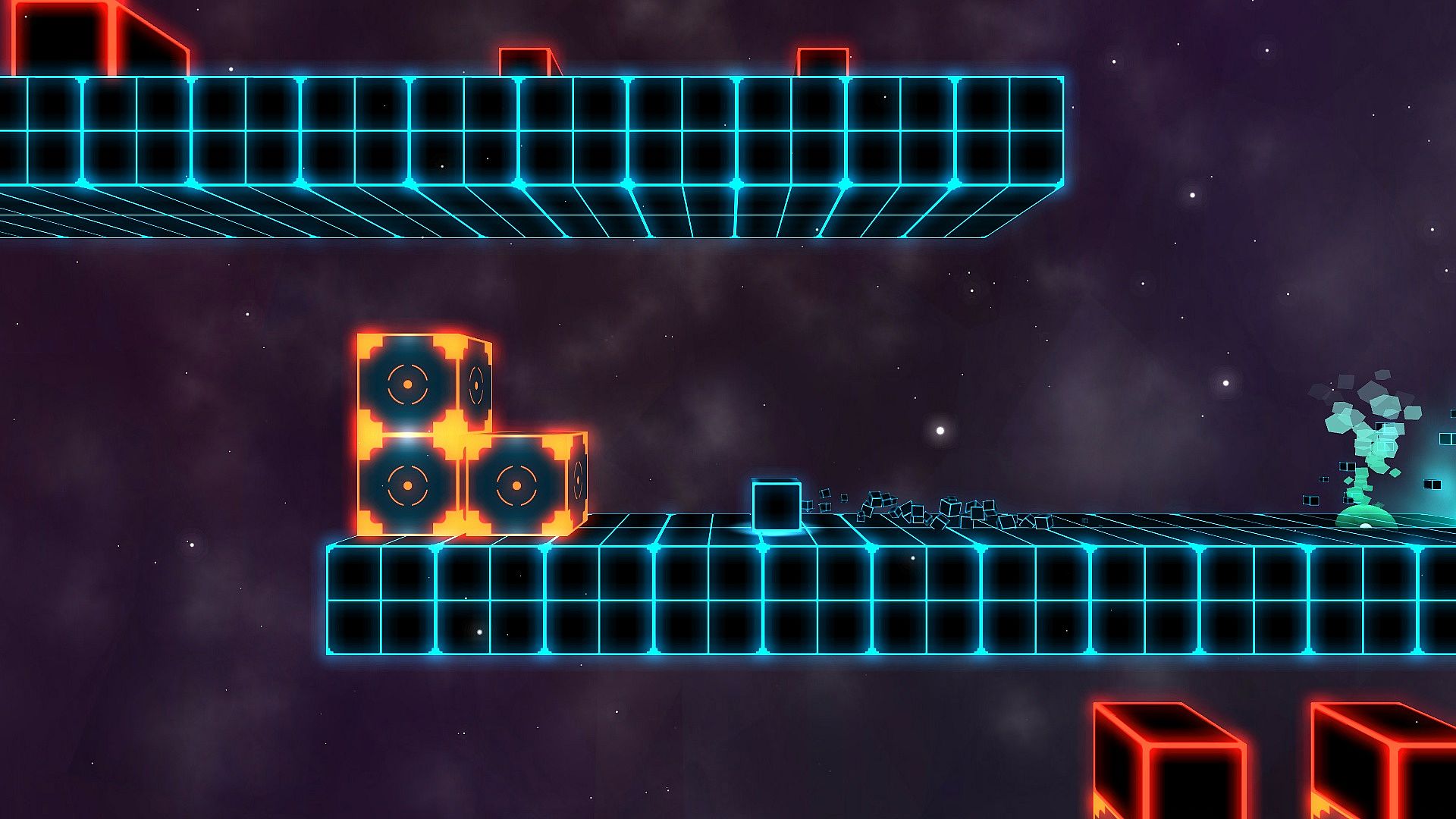
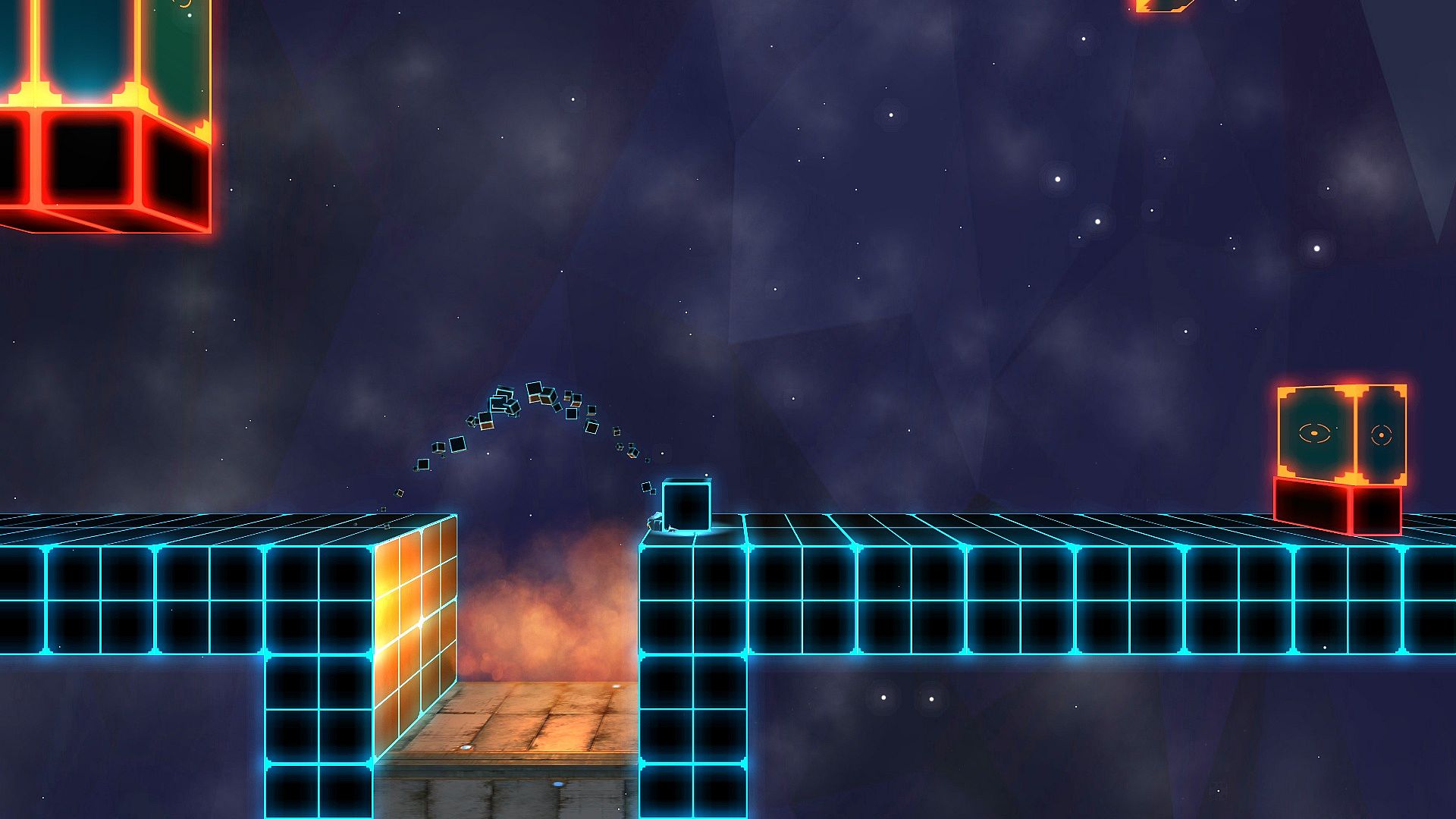
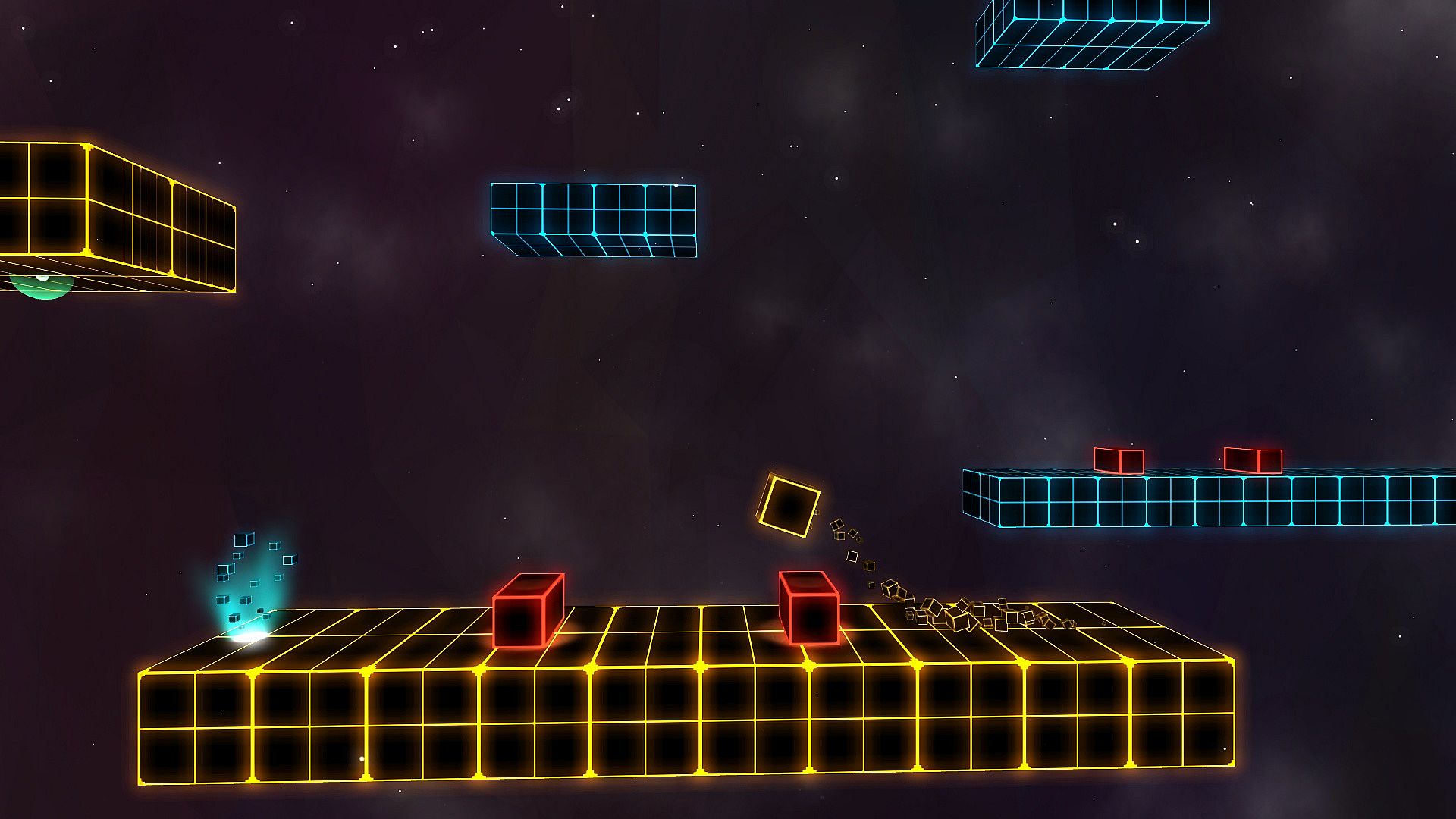
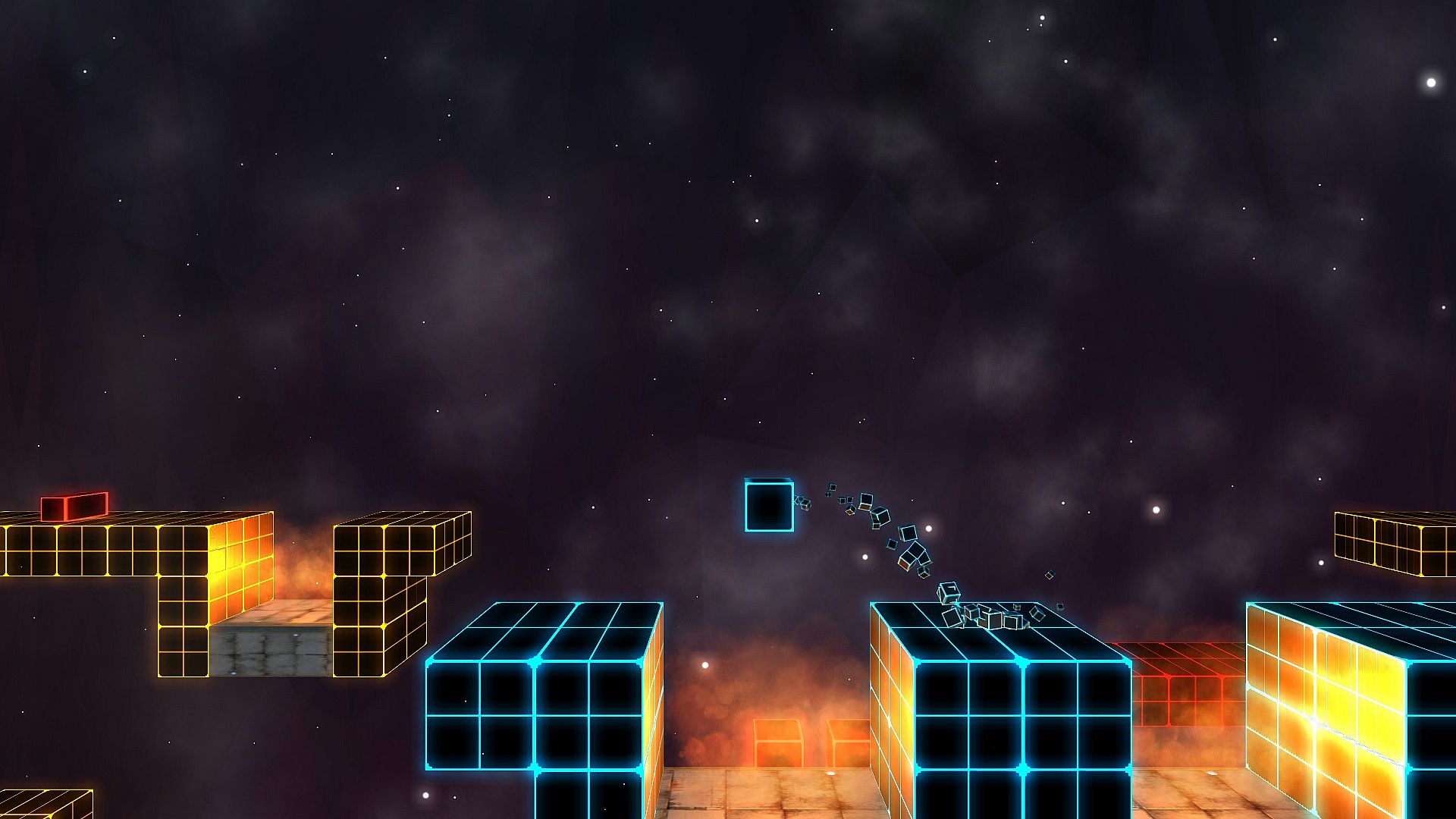
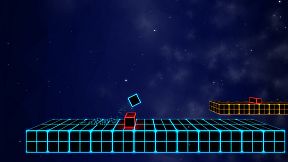
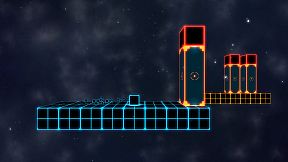
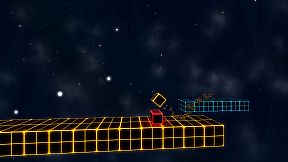
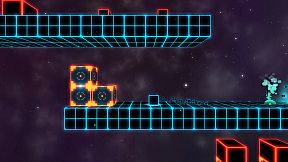
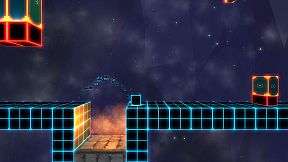
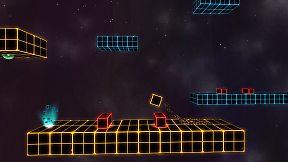
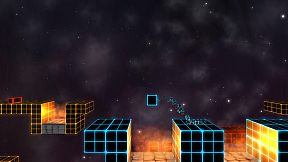
Cube Runner é um jogo de plataforma 3D em ação desenvolvido para PC que une controles simples a uma execução exigente. O jogador conduz um cubo por cenários em alta velocidade, onde reflexo, precisão e decisões rápidas definem o quanto se consegue avançar. Misturando ação, indie e casual, o título agrada quem busca desafios baseados em reflexos sem configurações complexas ou tutoriais longos.
Gameplay
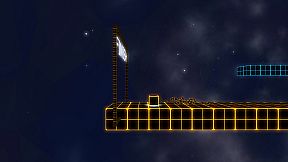
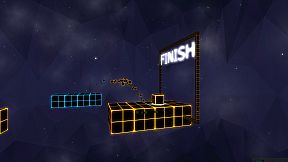
O ciclo central gira em torno do impulso constante para a frente. O cubo avança em alta velocidade, exigindo que o jogador desvie de obstáculos, destrua objetos e execute manobras no momento certo para continuar vivo. A gravidade tem papel fundamental, puxando o cubo em direções inesperadas que exigem ajustes constantes. Em momentos-chave, é possível alternar dimensões para mudar o caminho ou evitar perigos que encerrariam a tentativa.
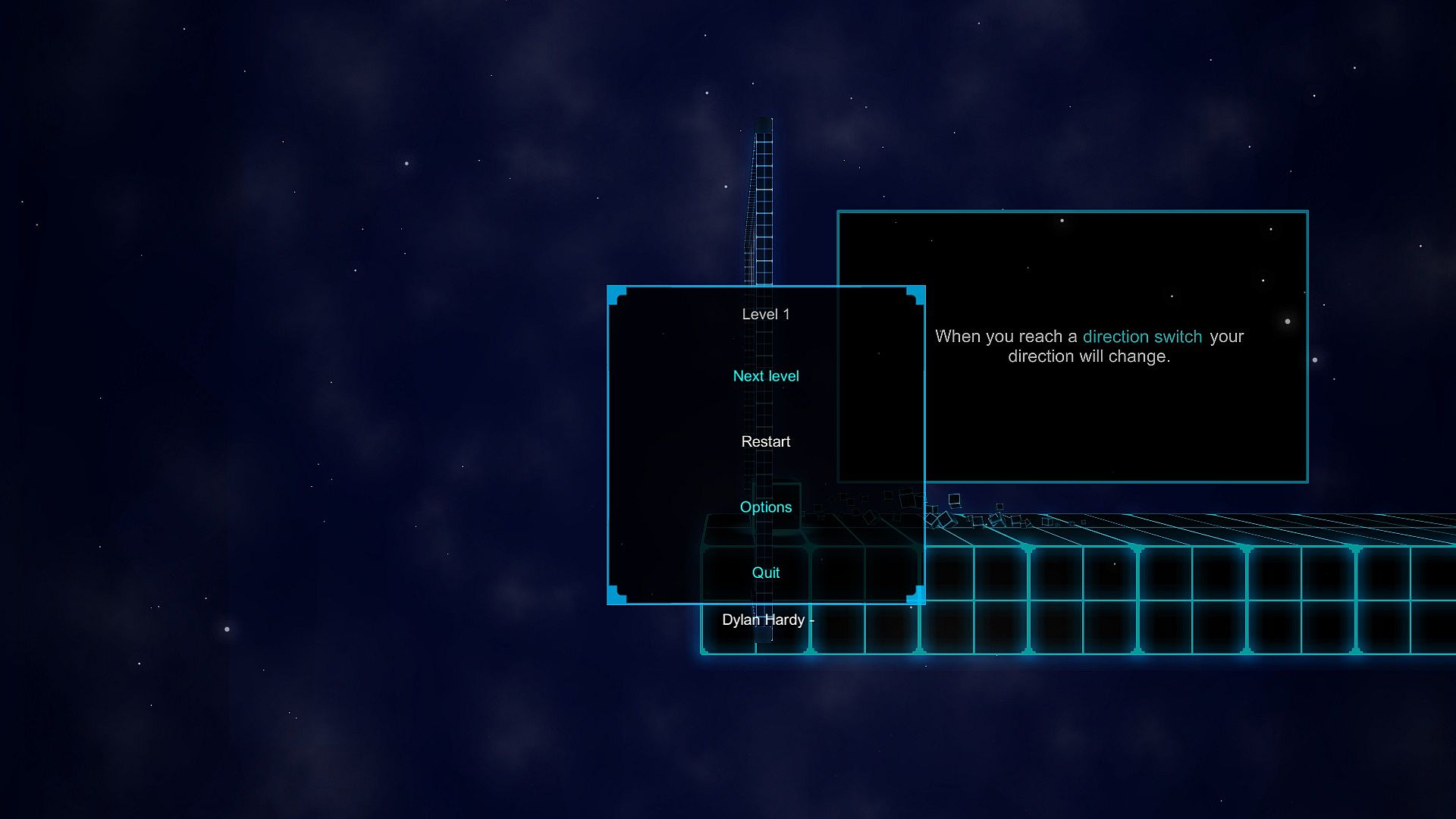
Reflexos e timing são a base do sucesso. As primeiras fases apresentam os movimentos e a mecânica de destruição de forma direta, permitindo que novos jogadores entendam os controles rapidamente. Conforme o progresso avança, os níveis trazem espaços mais apertados, obstáculos mais rápidos e mudanças de gravidade mais frequentes, testando tempo de reação e noção espacial. O peso do movimento do cubo dá mais impacto a cada ação, fazendo com que as boas corridas pareçam conquistadas.
O domínio vem da repetição e do reconhecimento de padrões. O jogador aprende a prever sequências, otimizar rotas usando oportunidades de destruição e manter o ritmo mesmo quando a gravidade inverte a perspectiva. O resultado é um ciclo que começa acessível, mas se torna punitivo, recompensando quem aprimora o timing ao longo de várias tentativas.
Modos de Jogo
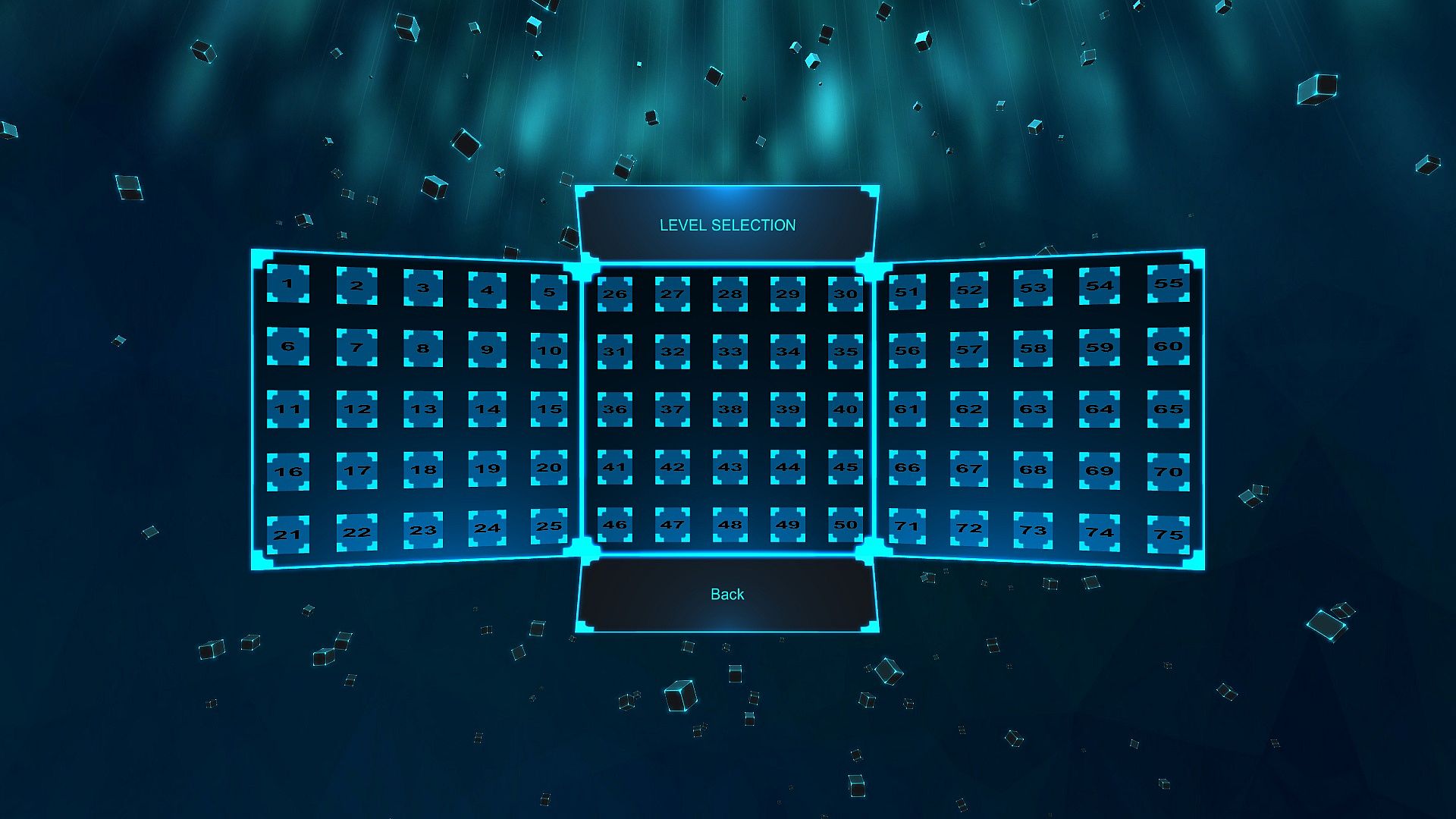
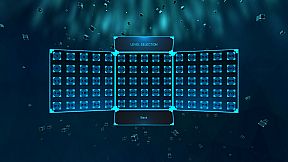
Cube Runner organiza seus desafios em uma seleção de fases distintas, em vez de uma única pista infinita. Cada nível apresenta layouts e padrões de obstáculos únicos que exploram as mecânicas centrais de desvio, destruição e troca de dimensão. A variedade incentiva repetição, já que o objetivo é atravessar seções sem erros ou avançar cada vez mais.
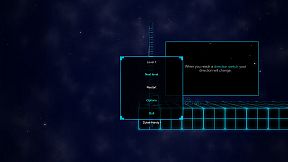
Elementos competitivos surgem pela pressão de sobrevivência e pelo potencial de pontuação. As tentativas focam em durar o máximo possível enquanto se gerencia recursos como impulso e trocas de dimensão. O modo local com amigos adiciona competição direta ou tentativas compartilhadas, em que o desempenho de um jogador pode influenciar a estratégia do grupo.
Conquistas registram feitos específicos, como completar seções determinadas, alcançar checkpoints ou executar manobras avançadas com consistência. Elas funcionam como marcos que prolongam o engajamento além da primeira conclusão e oferecem objetivos claros para jogadores dedicados.
Mecânicas e Recursos Principais
A troca de dimensão é o destaque do jogo. Ativá-la no instante certo permite que o cubo contorne paredes ou se reposicione em relação à gravidade, transformando falhas potenciais em continuidade. Combinada à mecânica de destruição, ela abre caminhos criativos por áreas que, de outra forma, estariam bloqueadas.
O equilíbrio entre acessibilidade e profundidade define a experiência. Iniciantes conseguem concluir as primeiras fases apenas desviando, enquanto jogadores experientes exploram rotas otimizadas que reduzem erros e aumentam a velocidade. A ausência de inventários ou upgrades complexos mantém o foco na habilidade pura e no conhecimento dos níveis.
O retorno físico reforça o ritmo acelerado. Colisões têm impacto, desvios bem-sucedidos mantêm o fluxo e mudanças de gravidade alteram a sensação dos controles de forma perceptível. Essa qualidade tátil torna cada sessão diferente, mesmo em níveis já conhecidos.
Vale a Pena Jogar?
Cube Runner oferece um desafio focado em reflexos, ideal para quem busca sessões curtas e intensas ou tentativas mais longas em busca de maestria. Sua premissa direta, combinada com dificuldade crescente, cria um ciclo envolvente para fãs de plataformas baseadas em timing dentro dos gêneros ação e indie.
A recepção no PC é positiva, com 85% de aprovação em centenas de avaliações que destacam o caráter viciante de seus sistemas centrais. A variedade de níveis e a opção de jogar com amigos ampliam seu apelo além das corridas solo. As conquistas adicionam estrutura para quem busca completar tudo, sem alterar a experiência principal.
O jogo é indicado para quem se sente à vontade com plataformas em alta velocidade e aceita falhas repetidas como parte do aprendizado. Seu escopo compacto e retorno imediato facilitam sessões rápidas ou prática prolongada. Para fãs de ação casual que valorizam habilidade em vez de narrativa ou sistemas de coleção, oferece engajamento constante por meio de mecânicas consolidadas e design de níveis.