

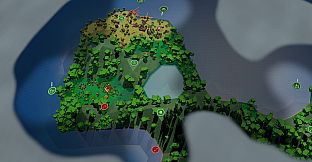
CIV Watchers is a turn-based strategy game set on PC that places players in control of world-shaping forces across a living 3D globe. The experience centers on building and guiding civilizations through detailed map systems and population dynamics rather than direct empire management in every session.
Gameplay
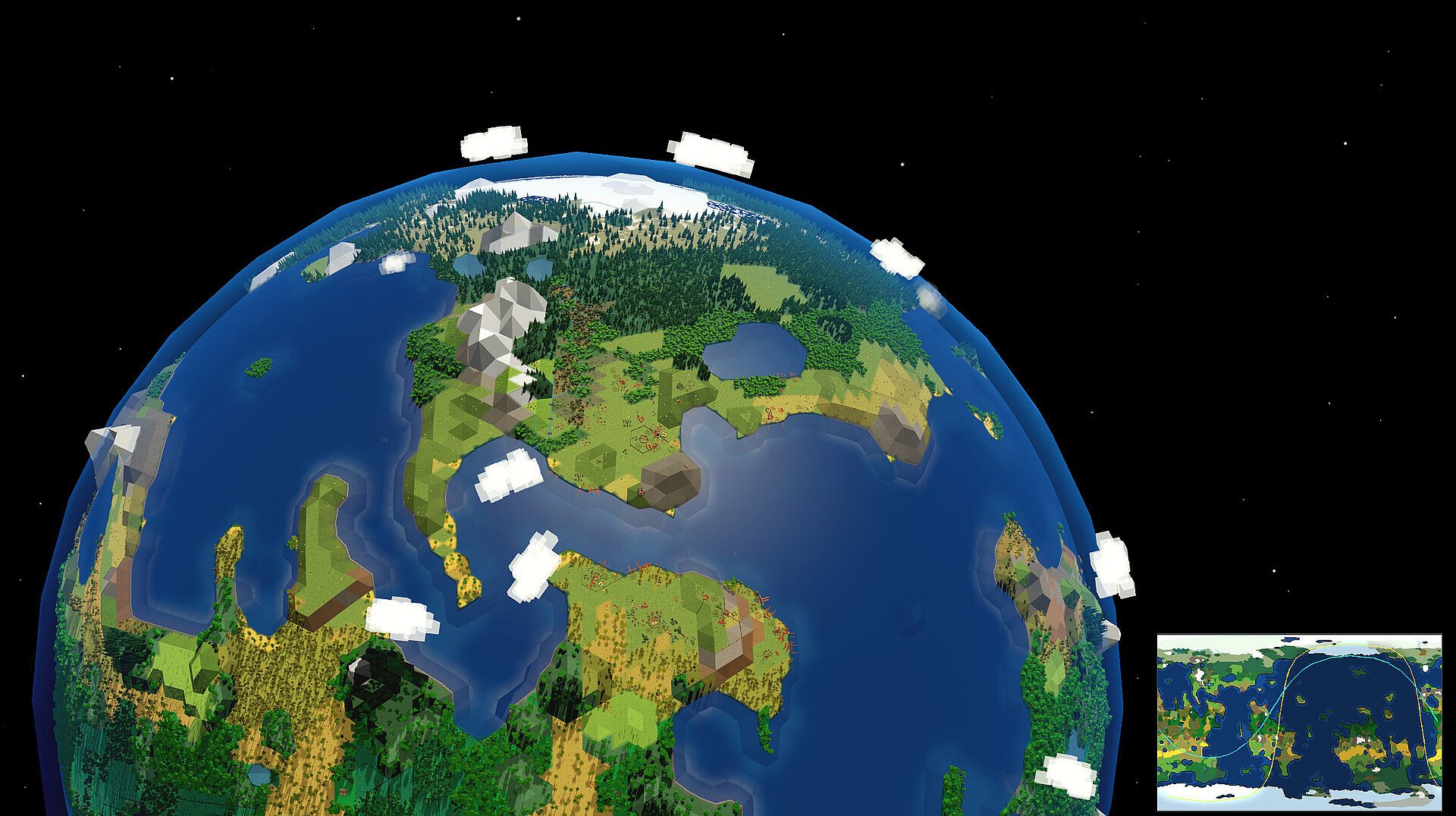
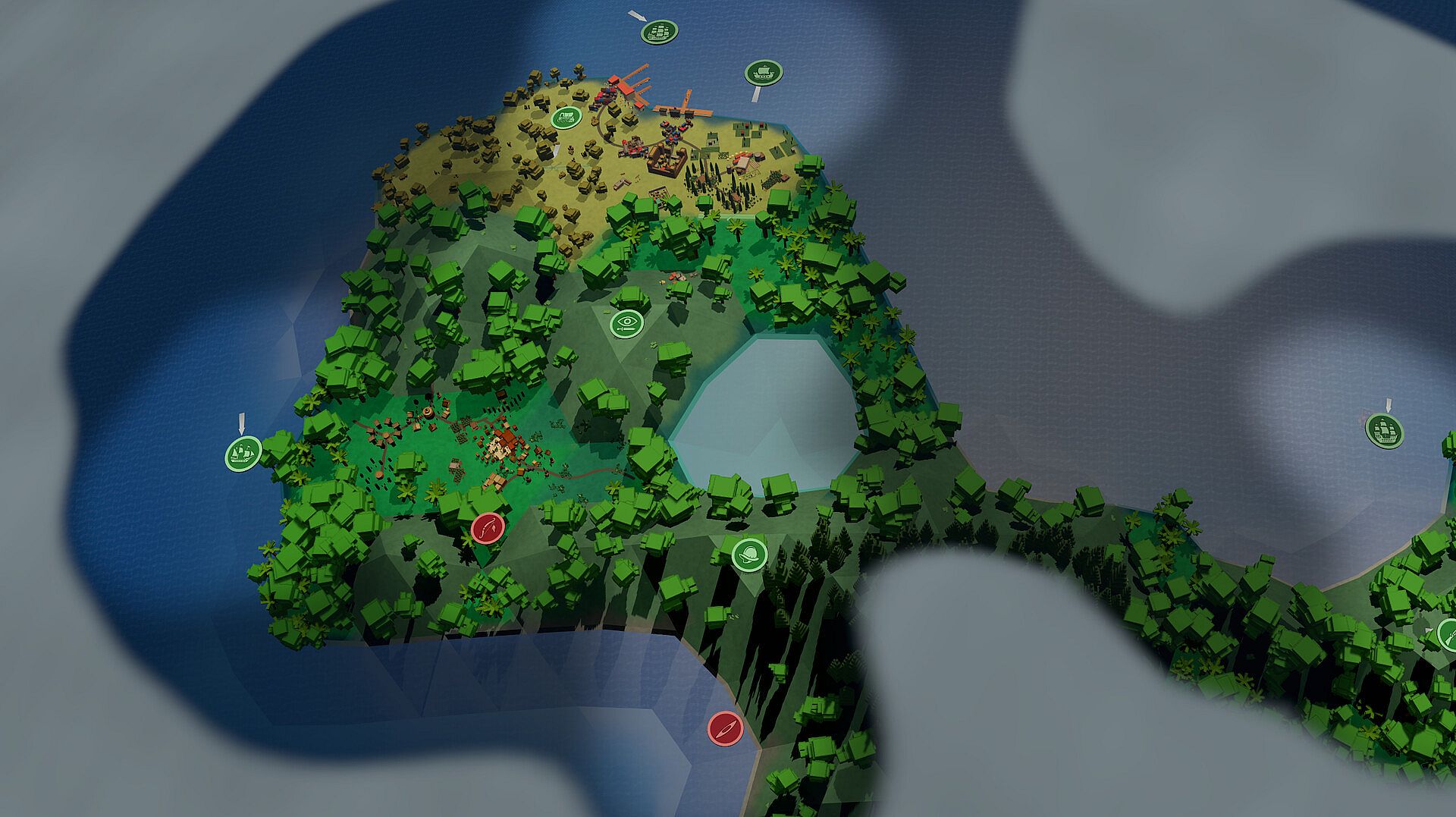
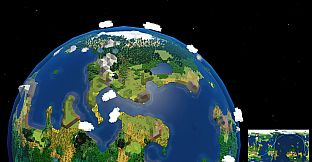
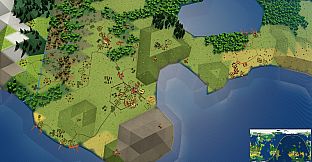
The core loop begins with world creation on a spherical map where climate, continents, terrain, and resources respond in real time to adjustments. Players refine the generated layout before any turns start, using previews to match the setup to a planned campaign. A shrouded option conceals exact coastlines and biomes while showing overall shape, preserving exploration while allowing starter location selection.
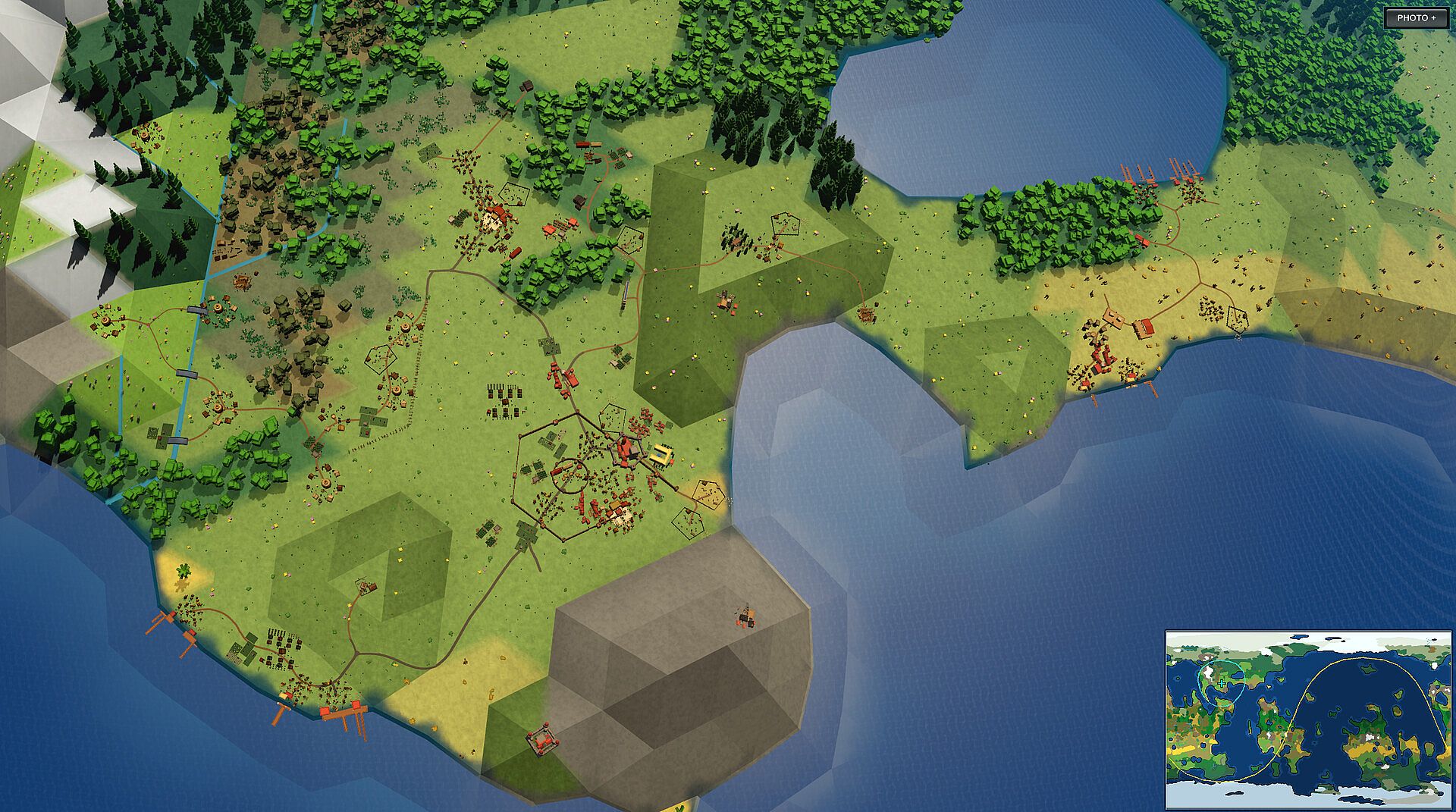
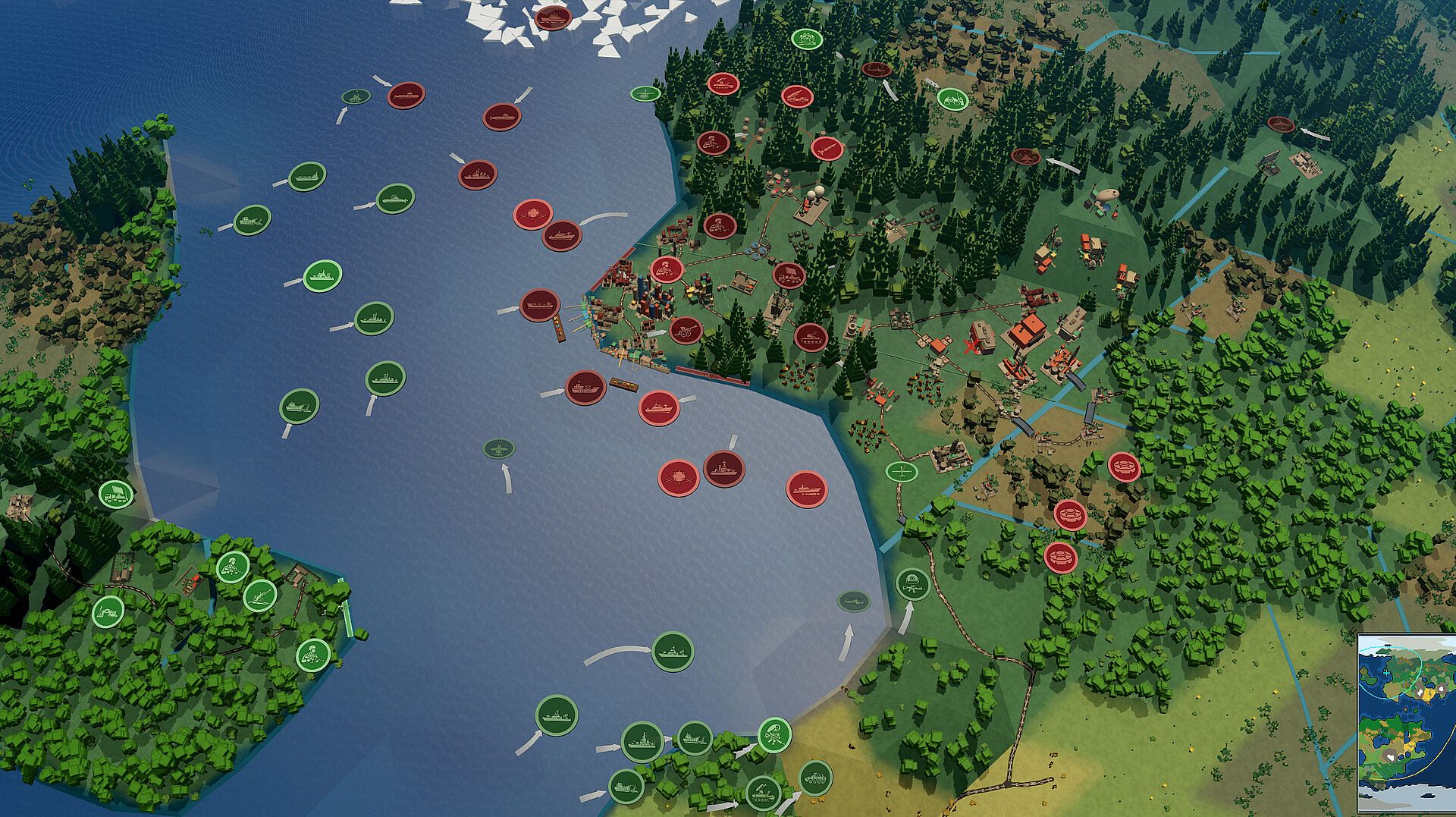
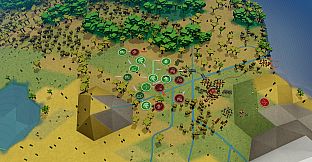
TriTile forms the foundation of every map. Each space combines triangular and hexagonal elements so that tiles, nodes, and edges all carry strategic weight. Cities rise on hubs ringed by settlements, borders gain walls along edges, and military units occupy varied positions to shape combat outcomes. This approach adds depth to movement, defense, and engagement without simply expanding map size.
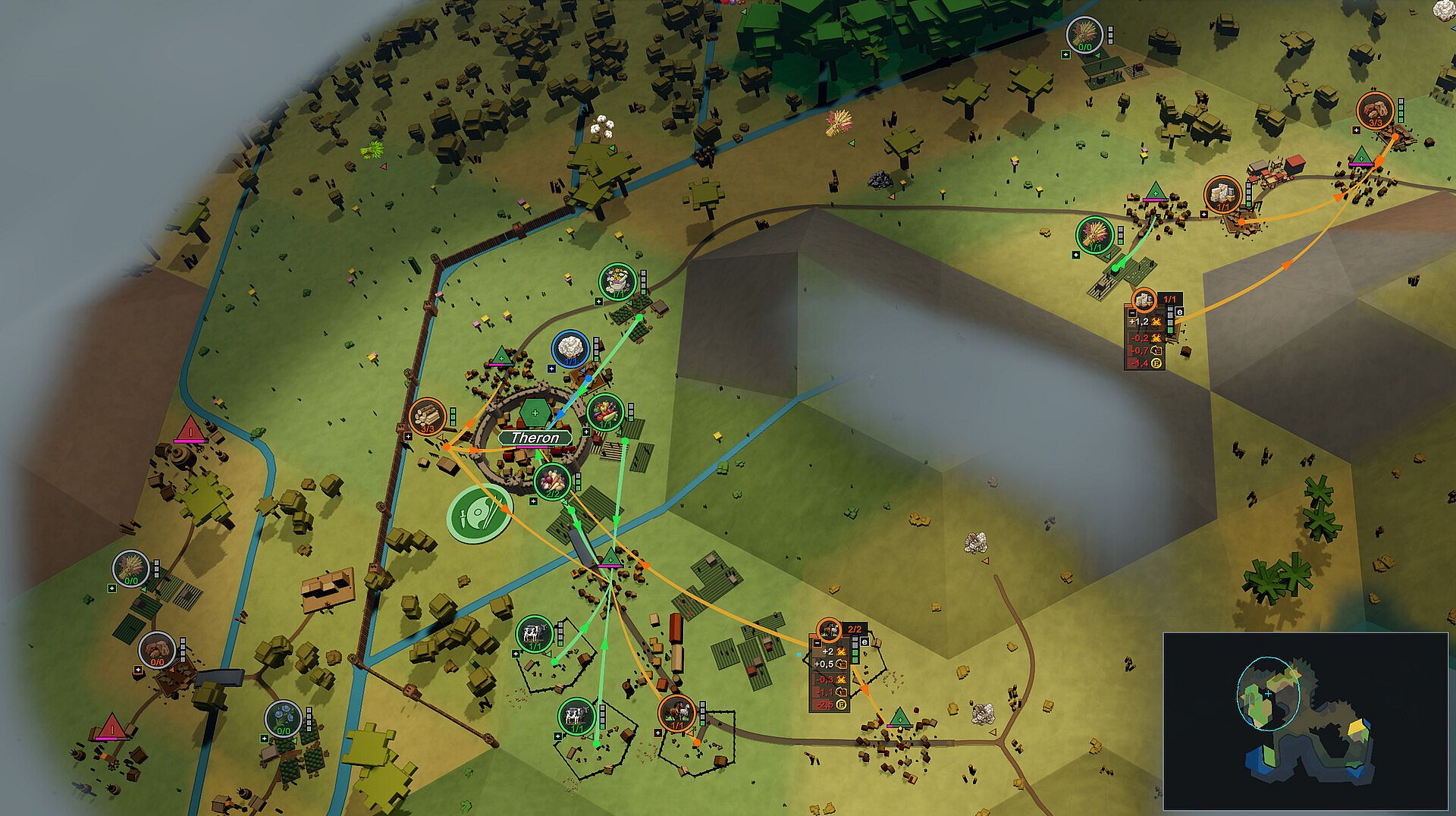
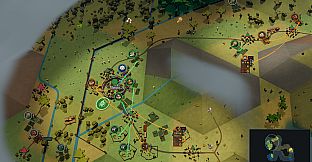
FlowLines overlays resource flows, production chains, labor allocation, and supply lines directly onto the map. Visual traces show origins, destinations, and end results, while CoreFilters switch the display to highlight only needed data. Decisions stay grounded in the world view instead of separate interfaces.
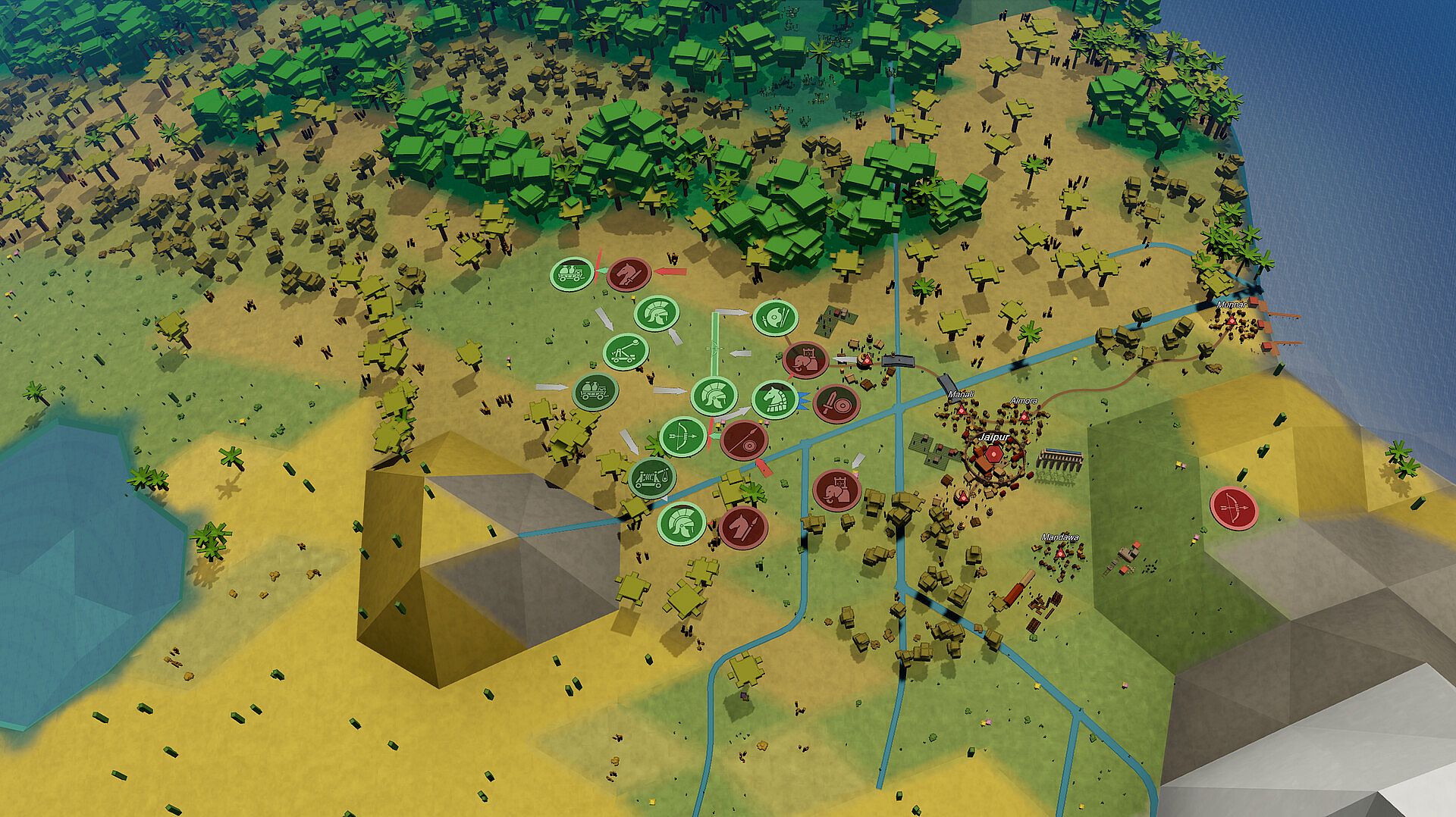
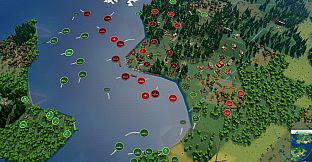
WarLog records battles after they conclude. Players review attacks, advances, retreats, and breakthroughs through live replays and Battlemarks that mark attack directions, successful holds, or collapse points. The system turns past fights into readable accounts of how fronts shifted.
Population groups carry distinct social classes, needs, and traits formed by prior events. These identities shape worldviews, policy support, and reactions to leadership choices. Political influence can build or fracture, turning one decision into future divisions that reshape entire societies.
Game Modes
Standard play lets players shape a single civilization through the systems above. The dedicated CivWatchers mode shifts perspective entirely. Participants select from supernatural entities, each with unique traits and objectives, then guide multiple civilizations indirectly. A nature spirit might trigger disasters against overexpansion, while a war-focused entity stirs conflict among leaders. A gold-obsessed serpent manipulates economies across borders. Multiple entities operate at once, creating competition among higher powers that affects the civilizations below.
World Building and Population Dynamics
Every generated globe supports ongoing adjustment of starting conditions so the map aligns with intended campaigns. Population mechanics extend beyond resource slots. Groups develop histories that influence their responses, creating feedback loops where solutions to immediate issues plant seeds for later political challenges. The result is a civilization that evolves through internal pressures as much as external events.
Strategic Depth on the Map
TriTile, FlowLines, and WarLog work together to keep information accessible during play. Resource relationships appear on the same surface where cities and armies move. Battle history remains visible on the field itself. These tools support long campaigns without requiring constant menu navigation or external notes.
Is It Worth Playing?
CIV Watchers suits players who enjoy detailed world generation, layered map strategy, and systems that treat populations as active participants rather than passive numbers. The CivWatchers mode adds a distinct layer for those interested in indirect influence over multiple societies instead of ruling one directly. Its combination of real-time previews, visual decision tools, and post-battle clarity targets strategy fans who value clarity in complex systems. The game remains in active development with its described features forming the foundation for single-player campaigns focused on long-term shaping of a living world.