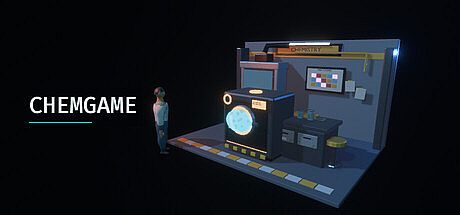


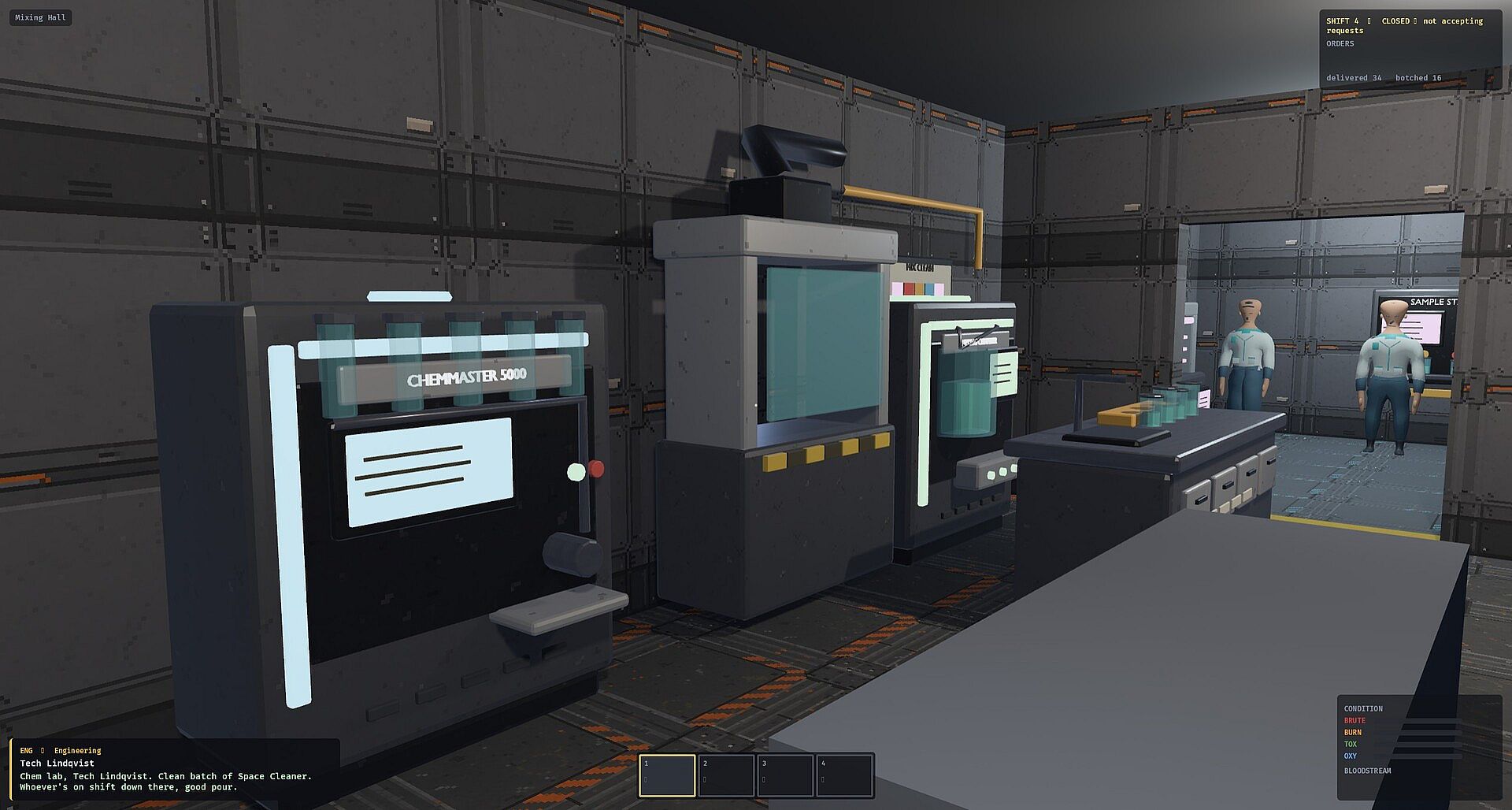
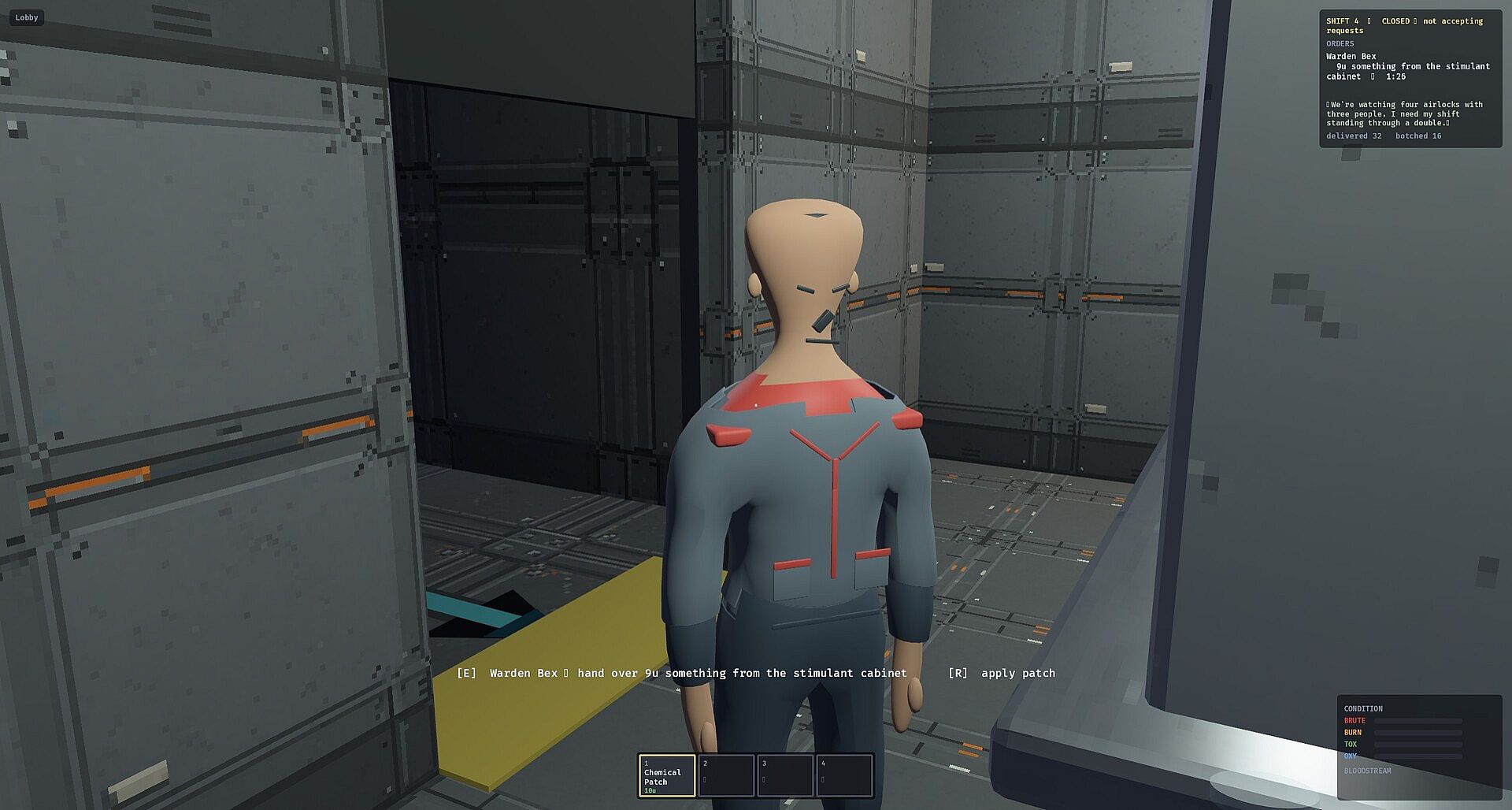
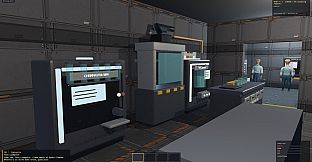
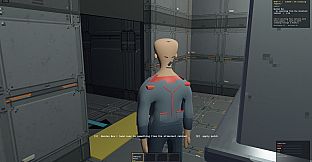
Chem Game is an indie casual title set on a working space station where players manage a chemistry lab. Crew members arrive with medical needs, supply shortages, and occasional off-the-books requests. Success depends on producing the right compound with precise dose, purity, and delivery form, while a hidden threat develops among the station population.
Gameplay
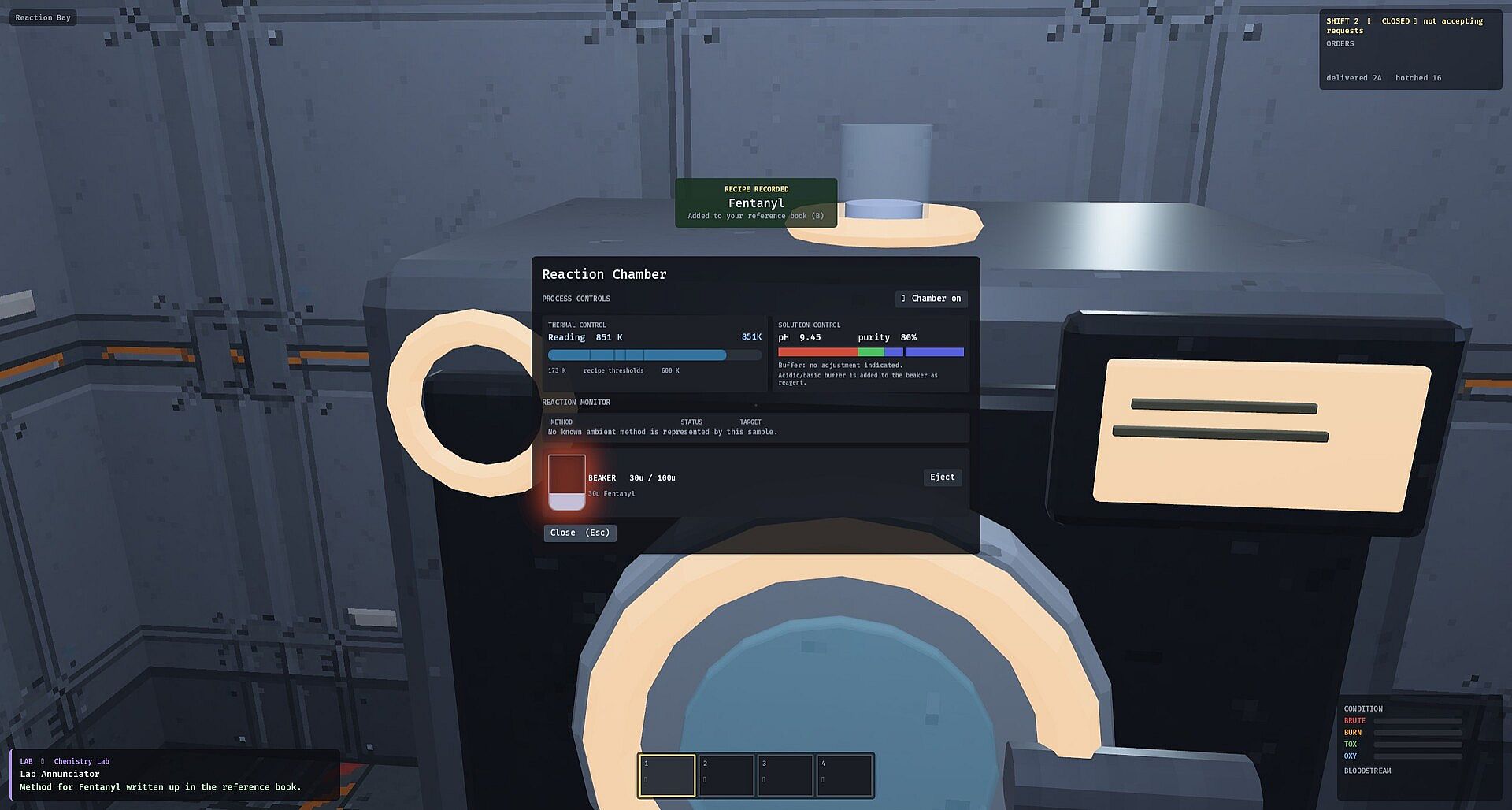
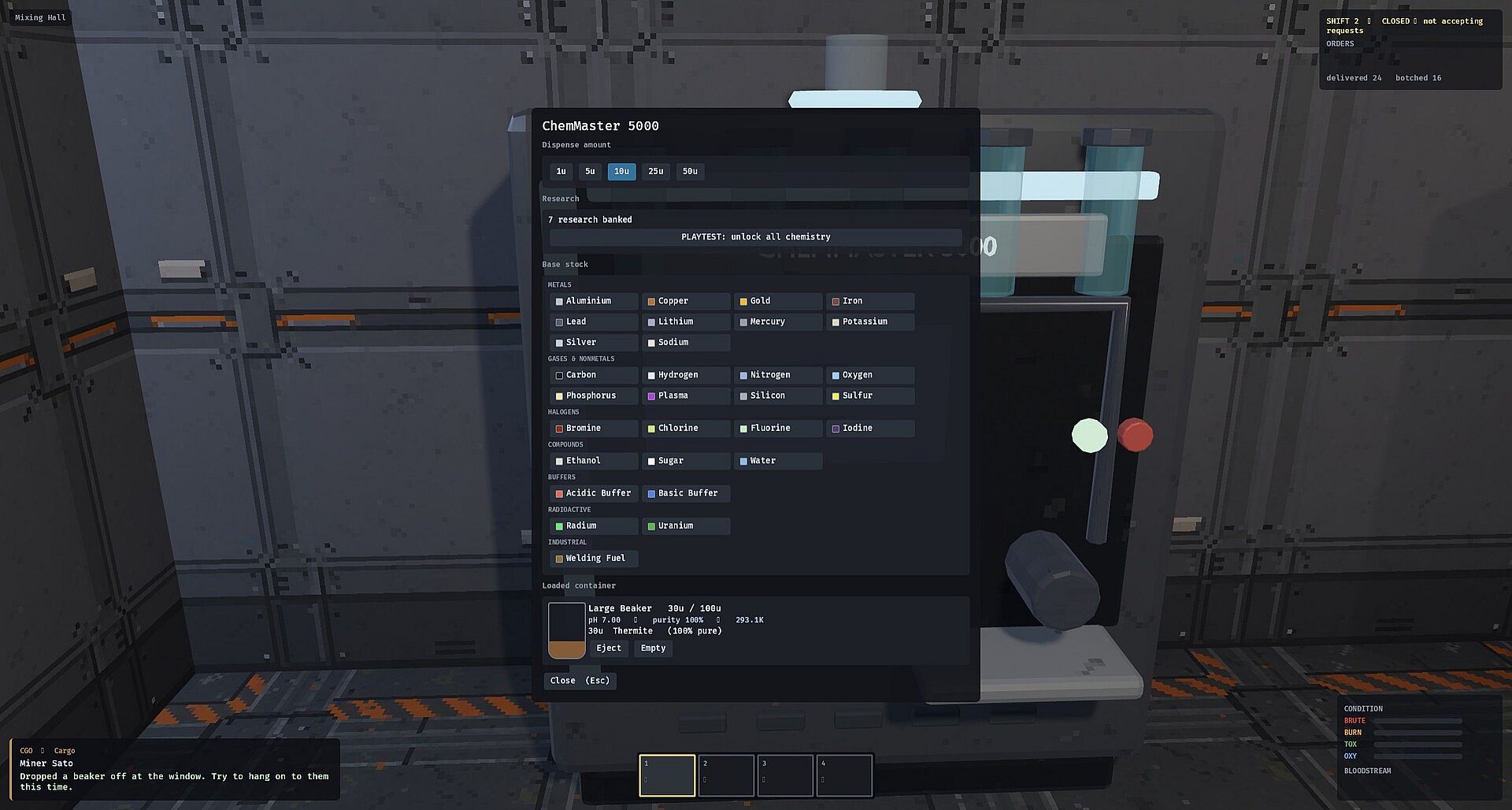
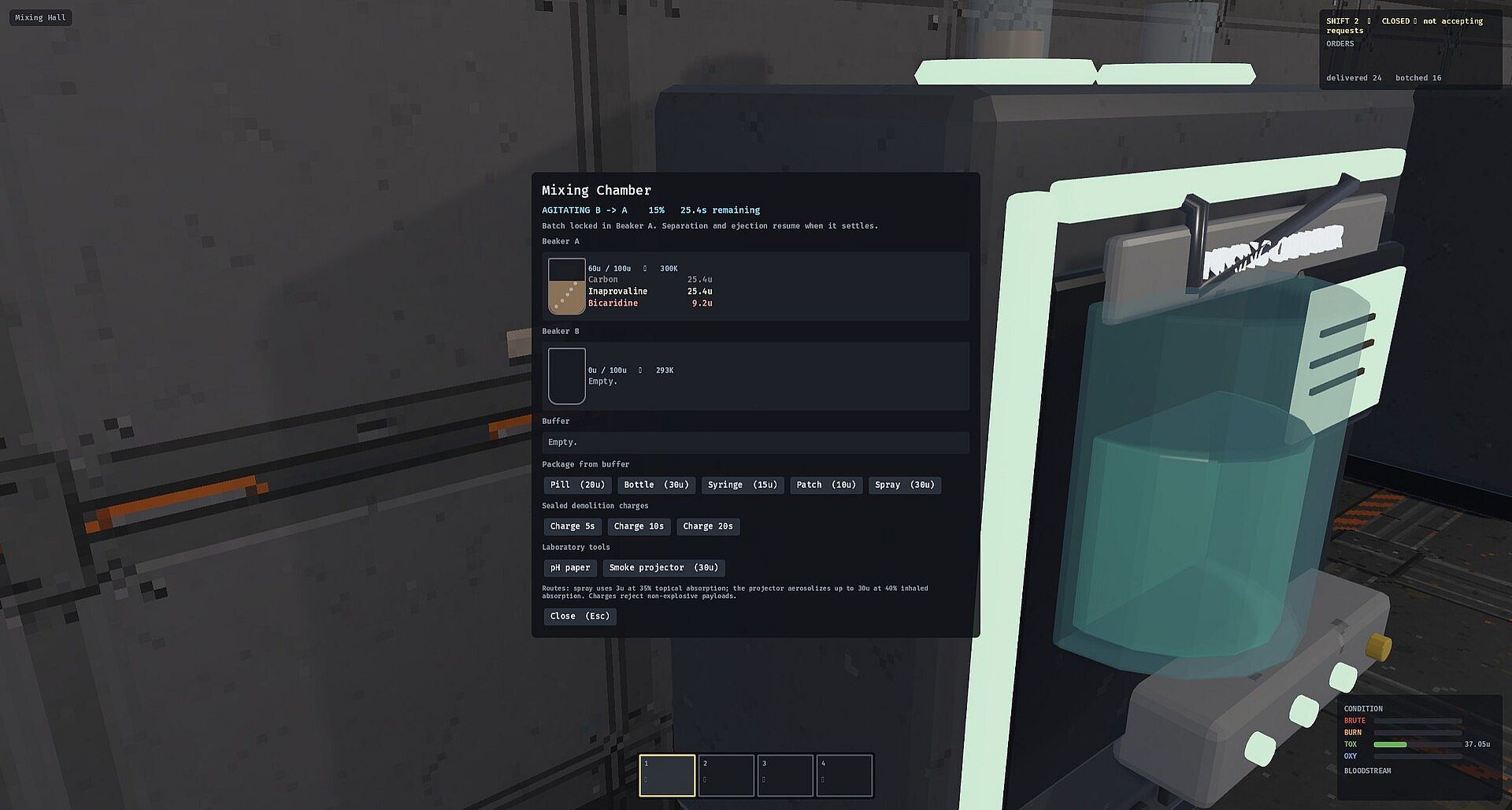
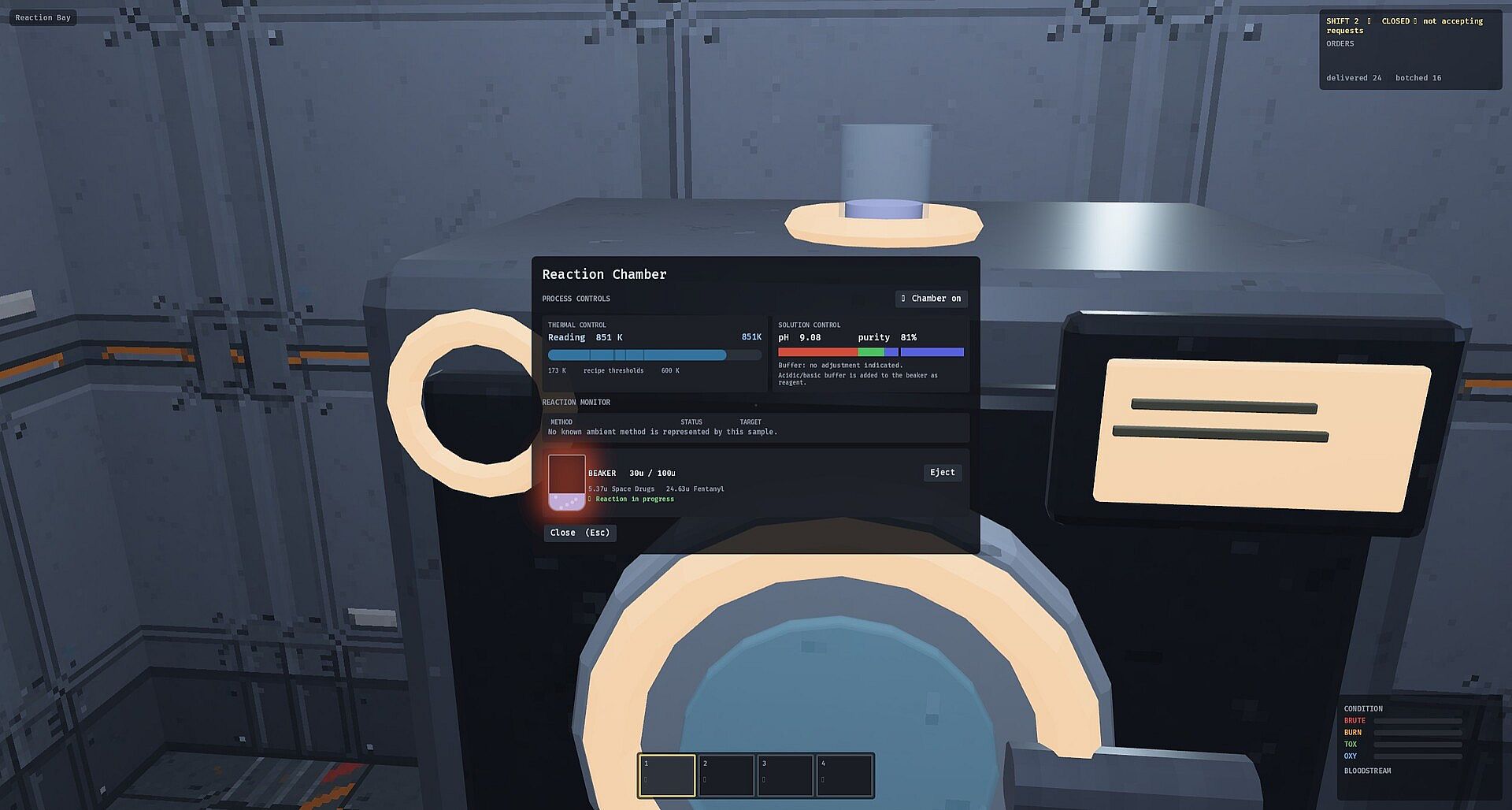
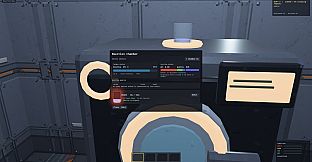
The core loop centers on operating the lab's synthesis systems. Players begin with basic medical compounds and progress into a network involving 197 reagents and 162 reactions. Variables such as temperature, pH, purity, agitation, and processing method influence the final product. Multi-stage processes, catalysts, stabilization steps, and HPLC purification become necessary for advanced orders. A batch that falls short on specifications carries direct consequences for the recipient rather than simply registering as a failed attempt.
Each playthrough incorporates one of five major antagonists operating in the background. These include a cult, a syndicate spy, a changeling, a rogue AI, or a spreading blob. Their presence escalates alongside other station issues, creating risks of sabotage, smuggling, or compromised supplies. Side activities such as illicit synthesis offer potential gains but introduce security suspicion and other complications that can affect the broader station.
Progression ties to practical application of chemistry principles. New reagents and methods unlock through demonstrated understanding rather than repeated grinding. The lab environment requires balancing incoming orders against available time and resources, with every decision affecting crew outcomes.
Game Modes
Chem Game supports both solo play and online co-op for up to four participants. In single-player sessions, one person handles the full range of lab duties including synthesis, purification, requisitions, and deliveries. Co-op allows players to divide these responsibilities across the shift, coordinating on complex orders or responding to simultaneous emergencies at the delivery window.
No separate named modes exist beyond the distinction between solo and shared sessions. The underlying structure remains consistent across both, with the hidden antagonist element active in every save file regardless of player count.
Station Life and Hidden Threats
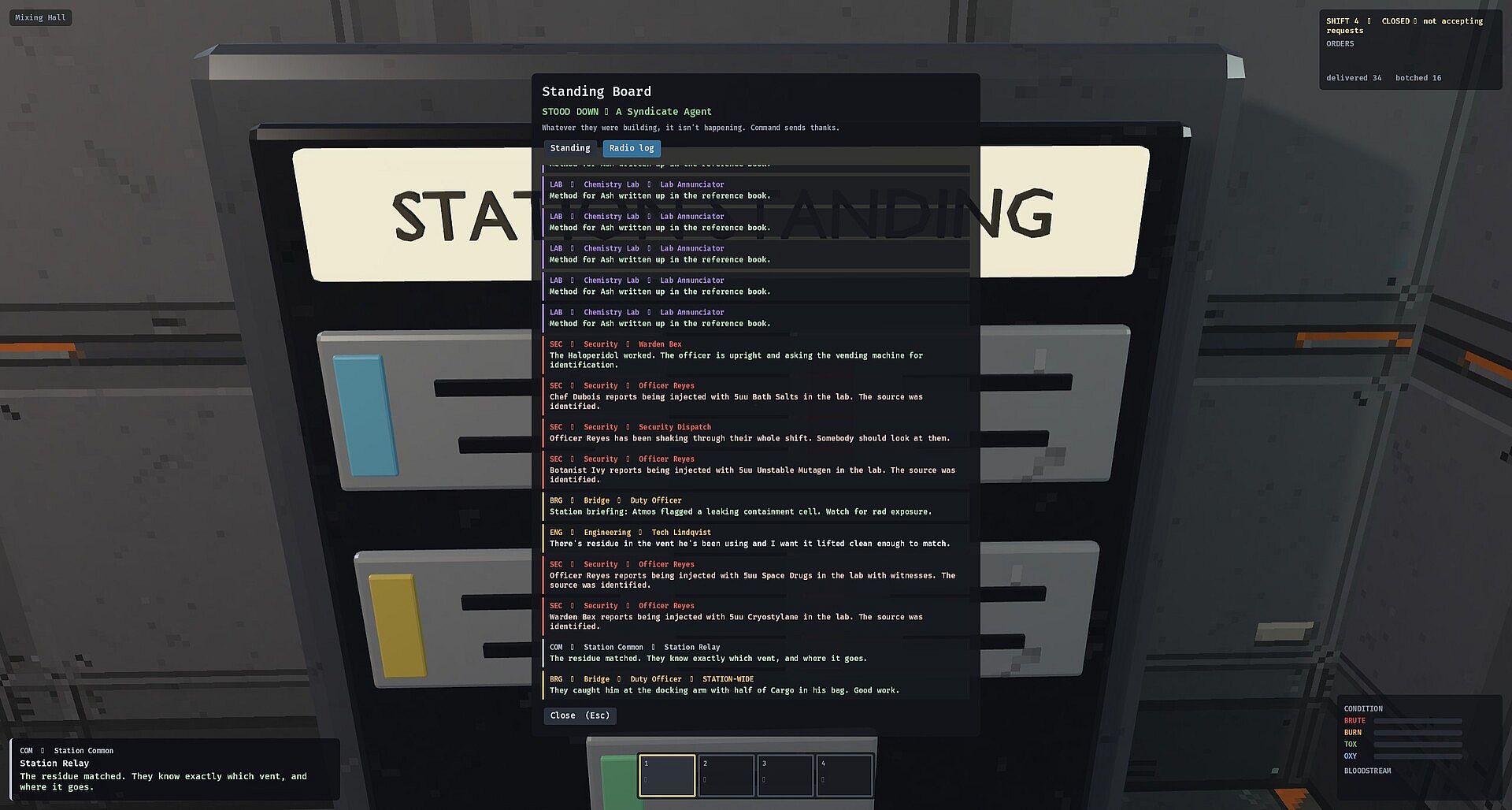
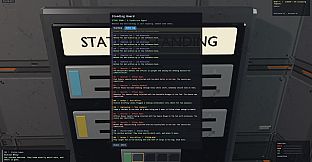
Beyond the chemistry workbench, the station operates as a living environment with parallel departmental problems. Players observe and react to developing issues while managing their own workload. Opportunities for unofficial work appear, yet these carry measurable risks that can escalate into station-wide complications. The five possible antagonists each pursue their own goals, leading toward a confrontation that can resolve in one of three ways depending on player actions.
Departmental threats unfold alongside the main antagonist arc. Sabotage attempts, smuggling operations, and instances of bad medicine require attention without pulling focus entirely from core lab tasks. This layered structure keeps each shift distinct even when repeating similar order types.
Is It Worth Playing?
Chem Game targets players who enjoy detailed simulation mechanics combined with narrative tension. The systemic chemistry model rewards careful attention to variables and process knowledge, while the antagonist system adds replay variety without requiring separate campaigns. Co-op support makes it suitable for small groups looking to share the workload of running the lab.
As a work in progress with a coming-soon release date and no user reviews available yet, the experience remains subject to further changes. Those interested in chemistry-themed management with consequences for errors and background intrigue will find the described systems align closely with that preference. Availability on PC through standard digital storefronts will determine final access once the title launches.