







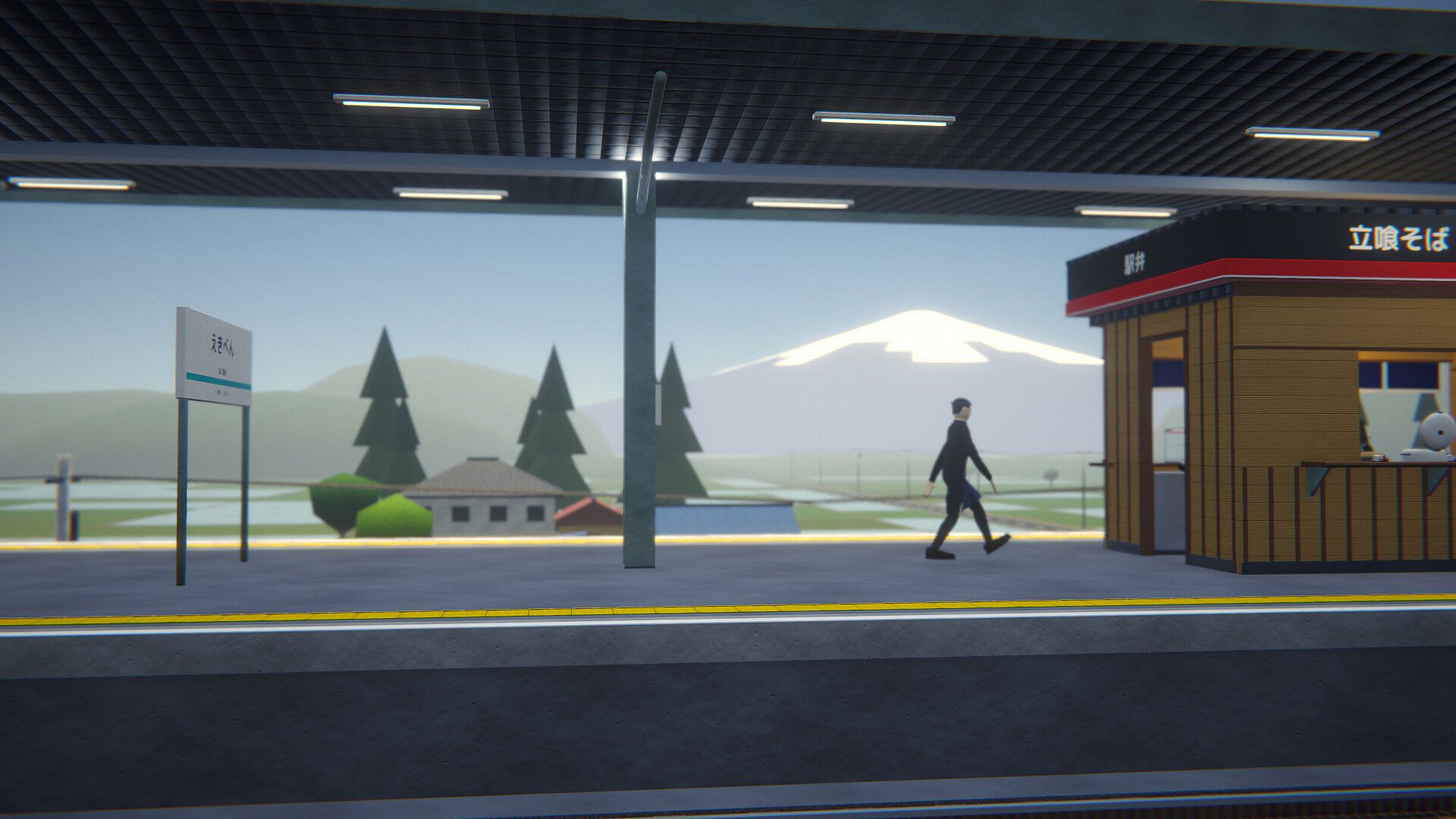
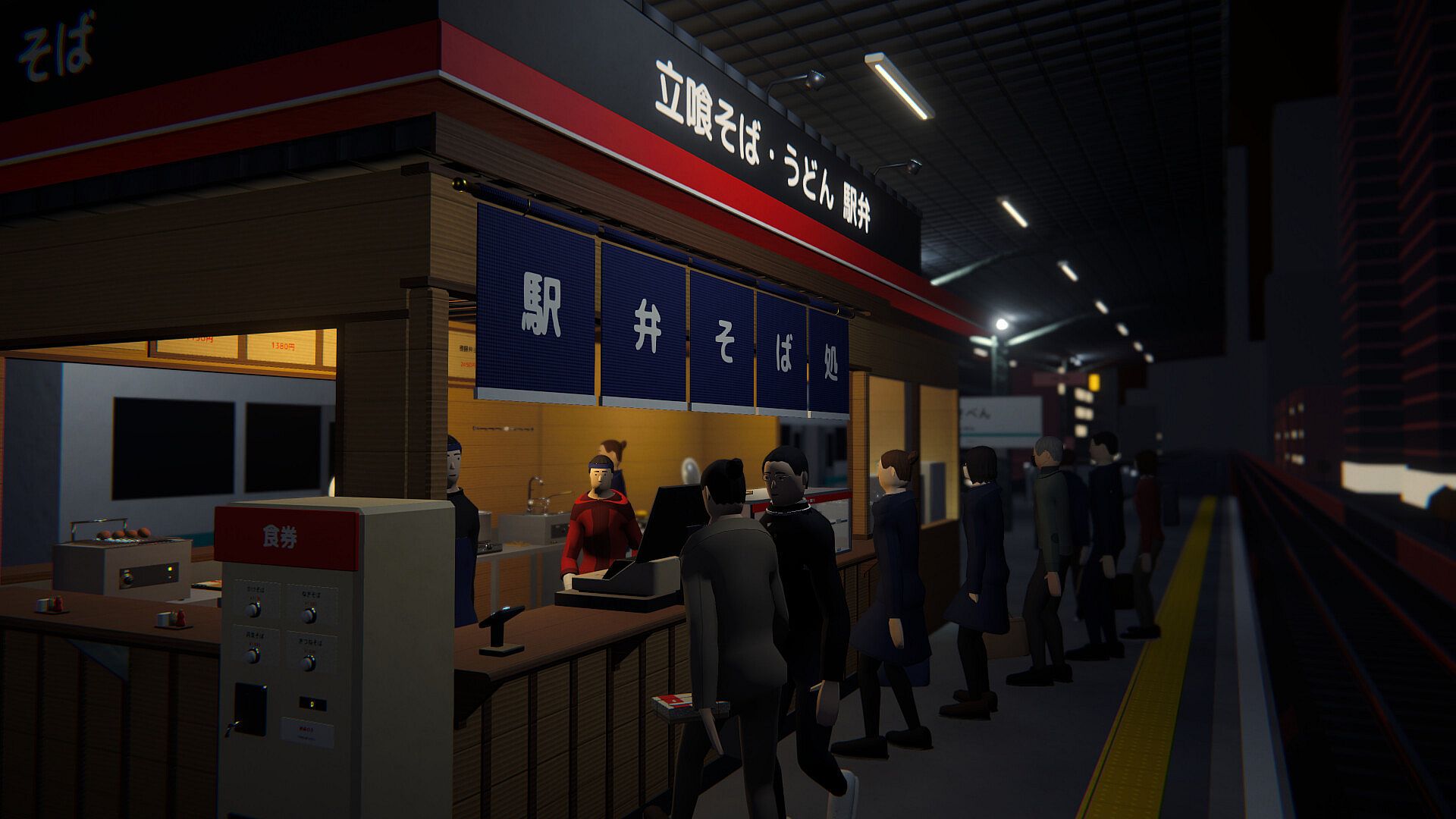
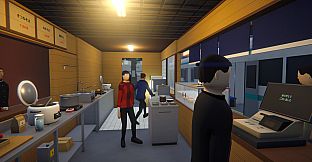
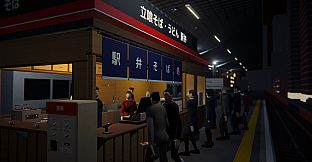
Bento Express places players behind the counter of a single wooden stall on a rural Japanese island platform. This action and simulation game on PC requires hands-on preparation of meals for passengers whose trains arrive on a strict timetable. Every hour brings a new rush of customers seeking breakfast, lunch, or dinner, and the player must manage cooking steps, service windows, and closing procedures without shortcuts or automated recipes.
Gameplay
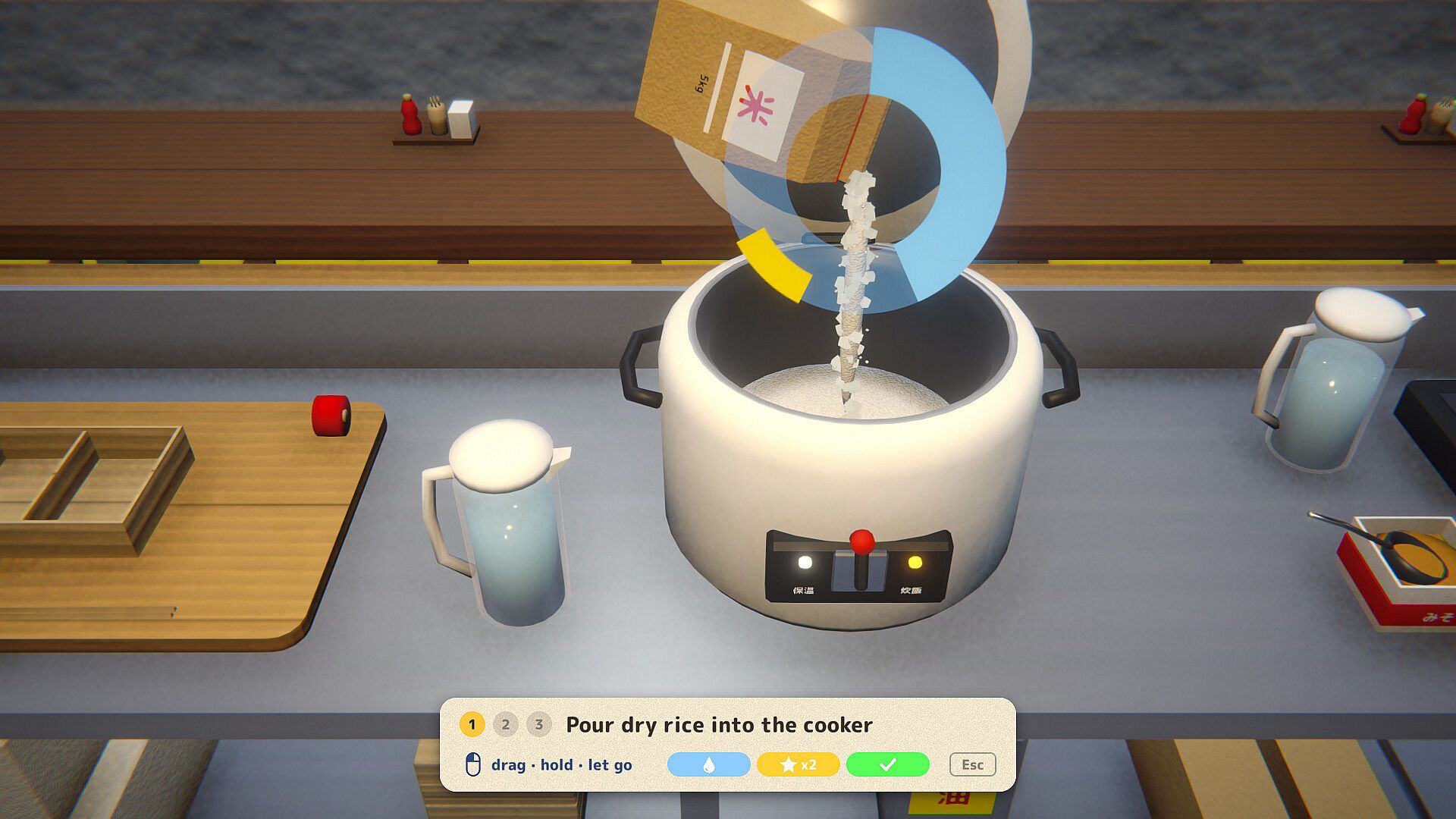
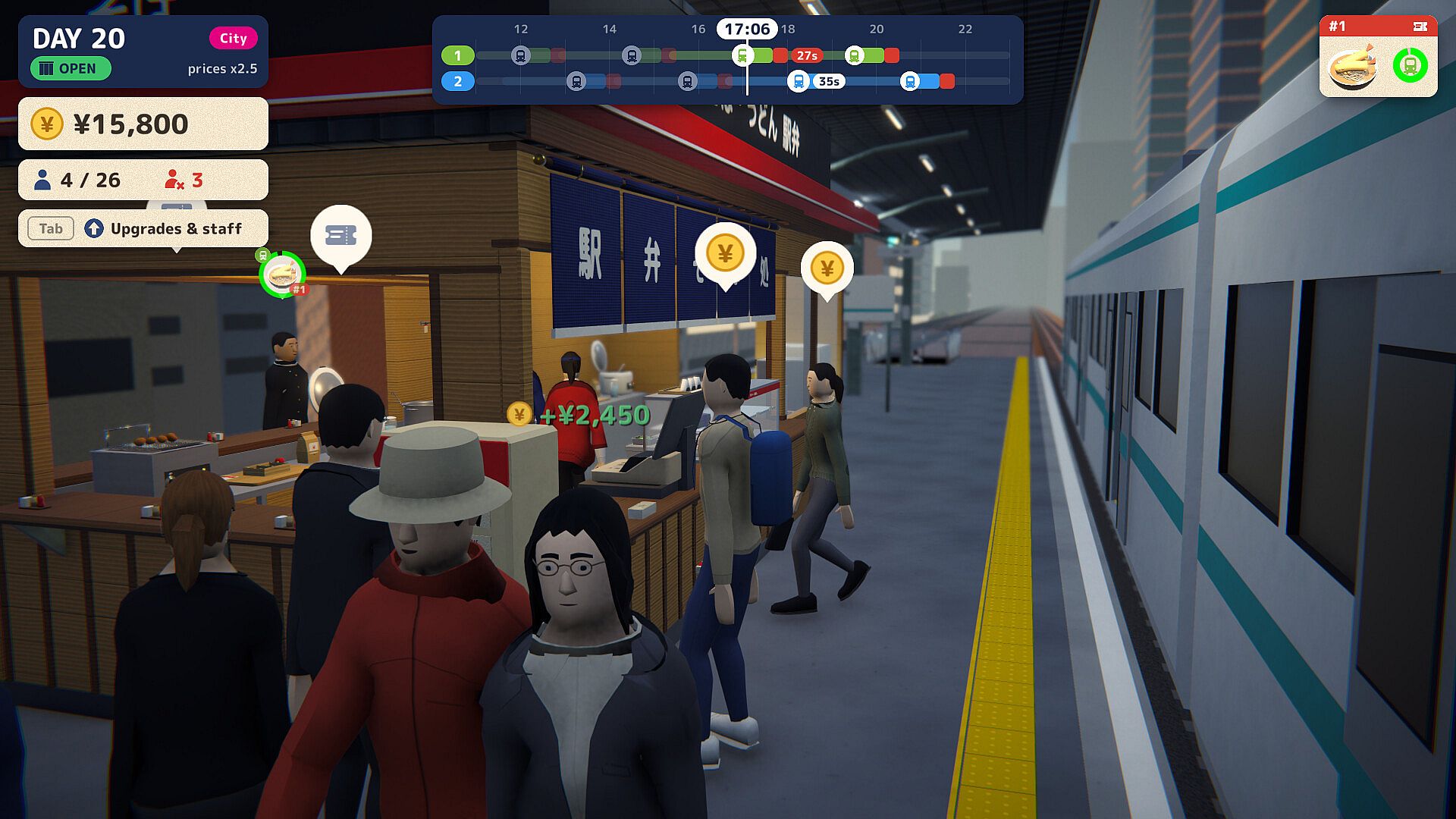
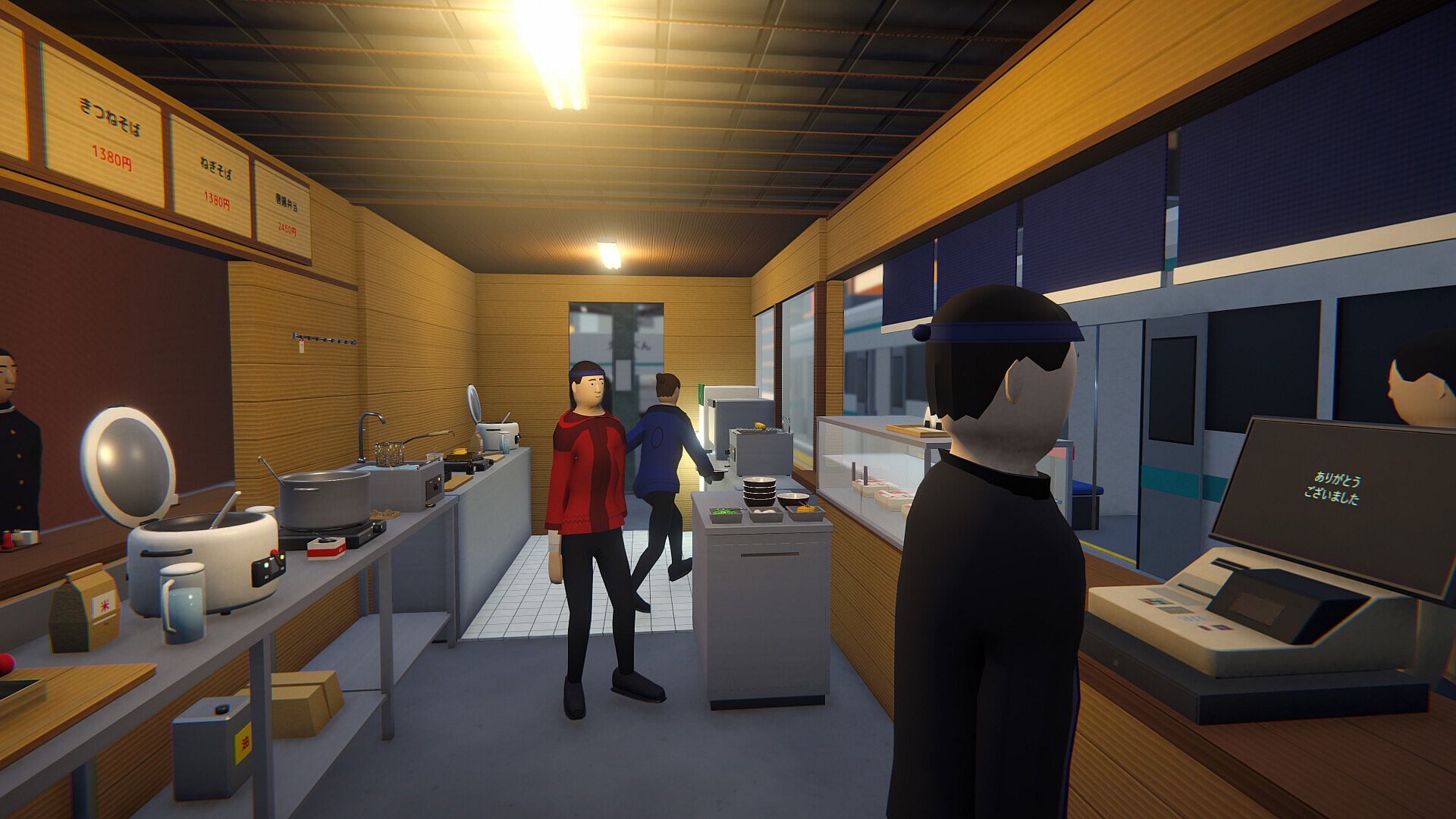
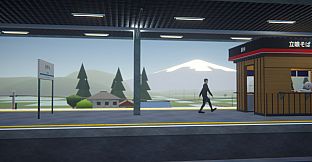
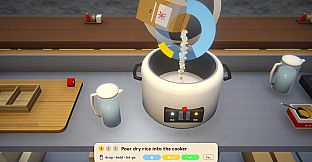
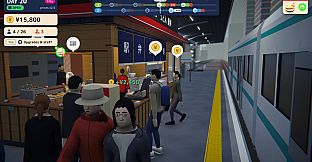
The core loop centers on precise, multi-step cooking actions performed in first person. Players tip rice sacks, pour water, activate cookers, season miso, boil noodles, flour and fry karaage, and time pours to hit the gold band for optimal batches. These steps determine how quickly dishes finish and how well they satisfy customers. Service splits between two counters: one handles soba orders placed via a ticket machine where customers wait for bowls with correct toppings, while the other manages bento sales at a till that requires counting change and closing the drawer. Dirty bowls accumulate and must be washed between rushes. Trains follow an exact schedule, so any customer who has not reached the counter or committed to an order will board and leave when the bell rings. The day cycles through morning, midday, and evening with shifting light across rice paddies and distant Mt. Fuji views, accompanied by a soundtrack that evolves with the hours. At closing, unsold food is discarded and a summary tallies served meals, missed orders, waste, and earnings. Profits fund upgrades such as replacing the coin-slot ticket machine with a touch panel that supports IC cards to speed soba queues.
Game Modes
Bento Express operates as a single continuous simulation experience built around repeated daily cycles on the same platform. There are no separate named modes or variations; the challenge comes from managing the fixed timetable, ingredient costs, rent, and waste while deciding how to allocate earnings toward upgrades that affect queue speed and overall efficiency. Each day presents the same core demands but with accumulating financial pressure that forces choices about what to prepare in volume and when to invest in improvements.
Atmosphere and Setting
The platform feels lived-in through dynamic time-of-day lighting that moves the sun across the sky and changes the backdrop of countryside hamlets and paddies. Sound design reinforces the quiet rural location with layered tracks that shift between opening, active service, and closing periods. The stall itself includes practical details such as hanging the noren curtain to signal opening and managing physical space around the two service points and cooking stations. These elements combine to create a focused, grounded environment where the player remains the sole operator handling every task.
Is It Worth Playing?
Bento Express suits players who enjoy simulation games that emphasize manual control, time pressure, and resource management without abstraction. The detailed cooking sequences and dual sales systems reward careful attention to timing and accuracy, while the daily profit summary provides clear feedback on performance. Those who appreciate methodical, hands-on tasks in a calm setting with a strong sense of place will find the experience engaging. The game remains a single-player title with no additional content layers confirmed, making it a straightforward choice for fans of precise kiosk or stall management simulations on PC.











