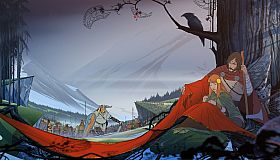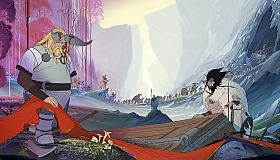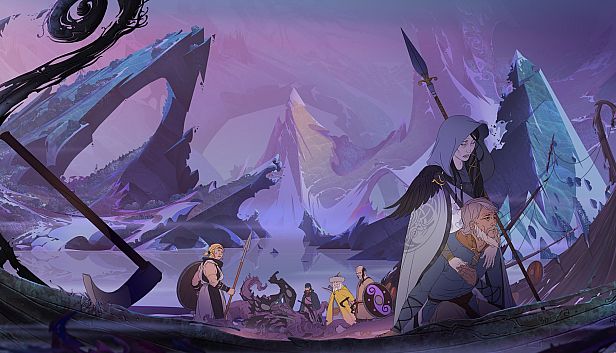



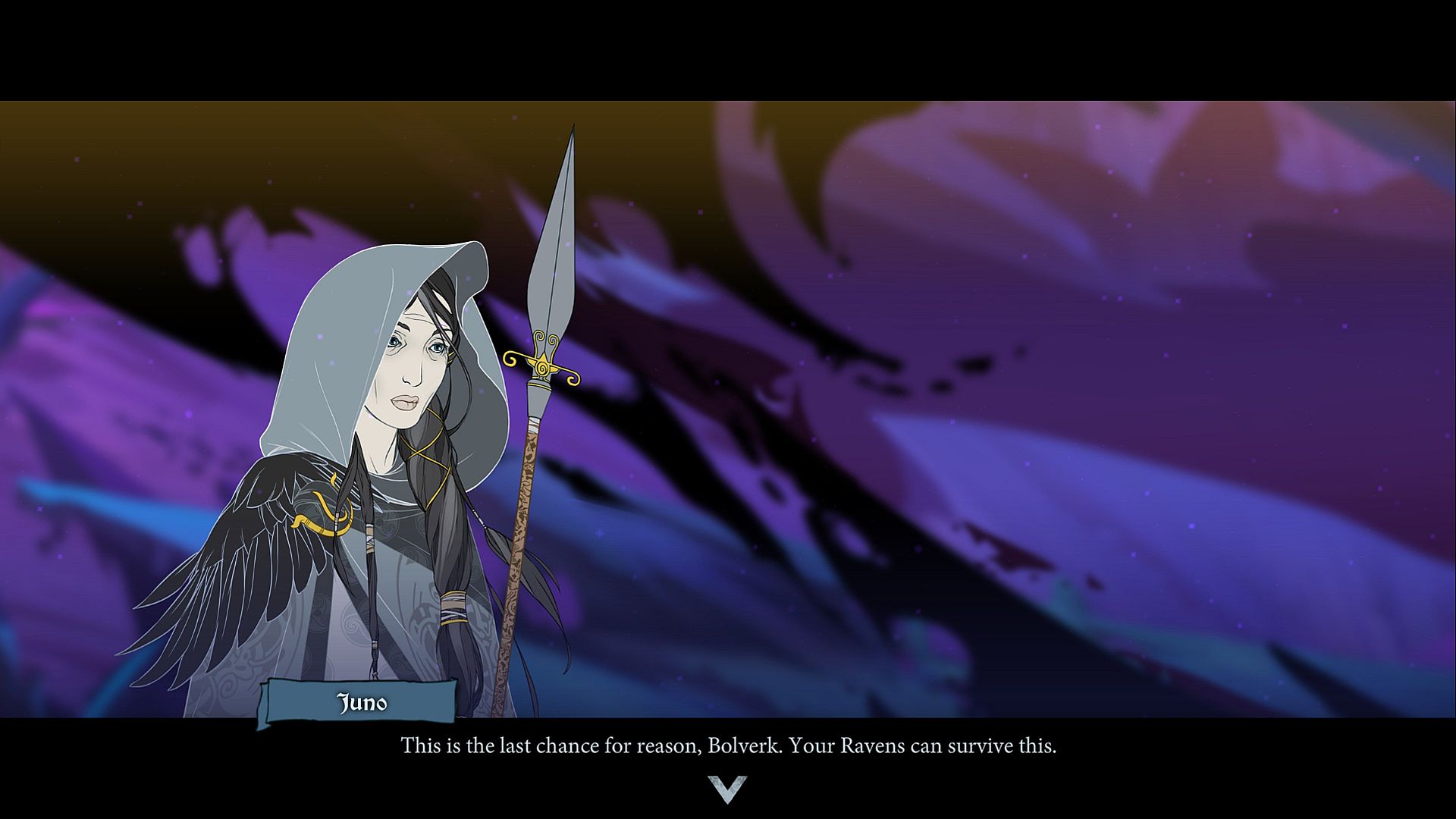
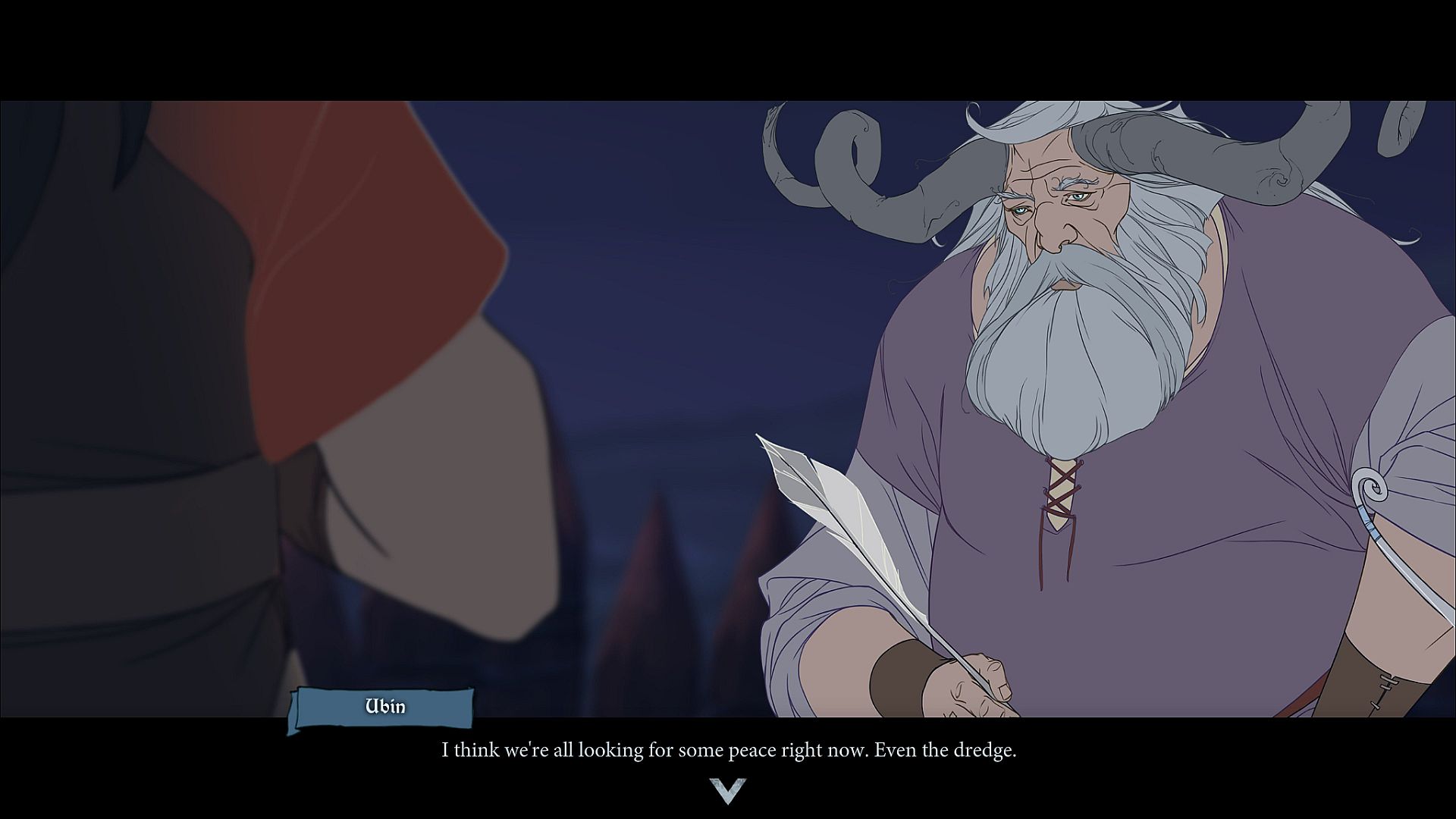
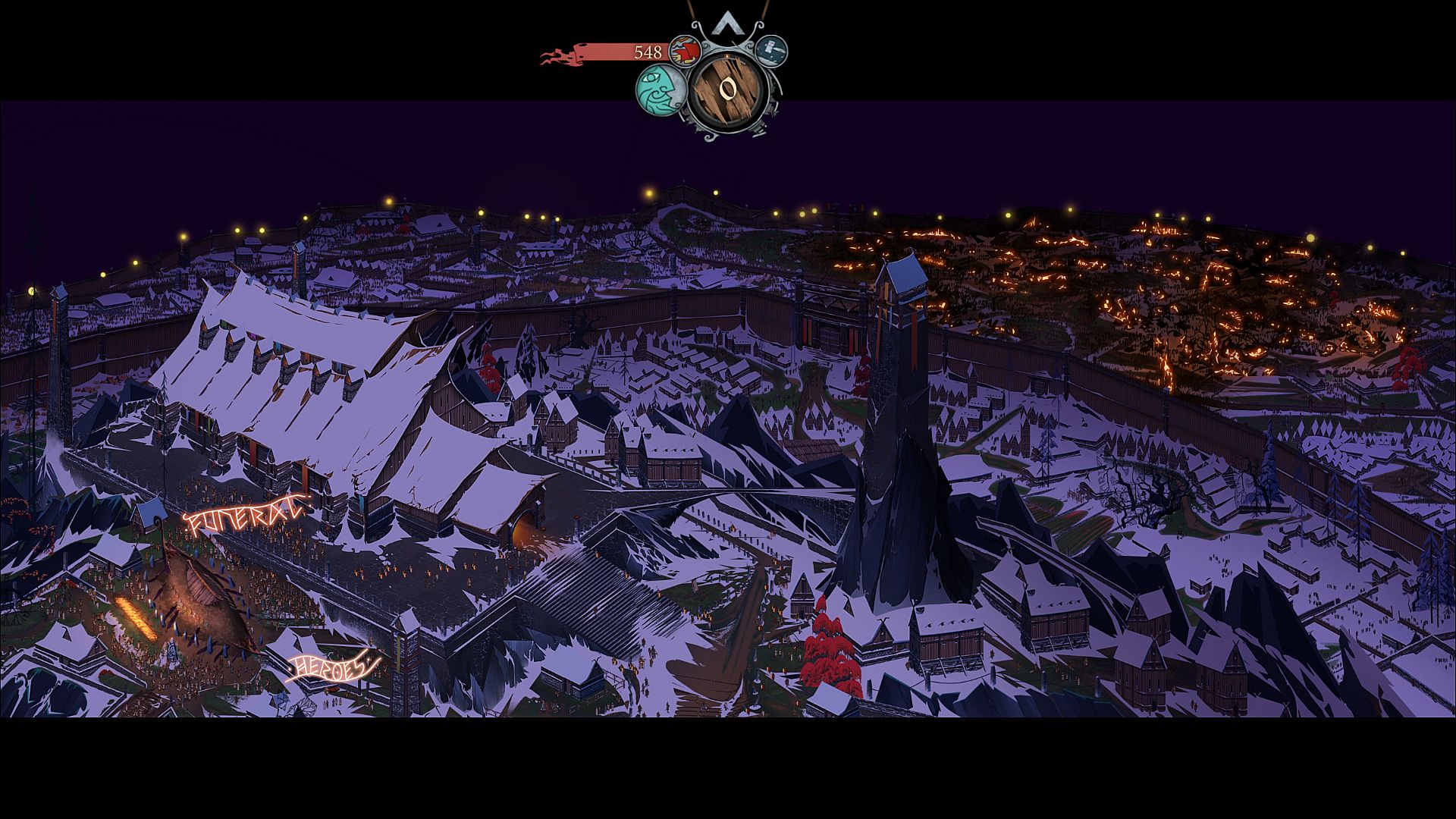
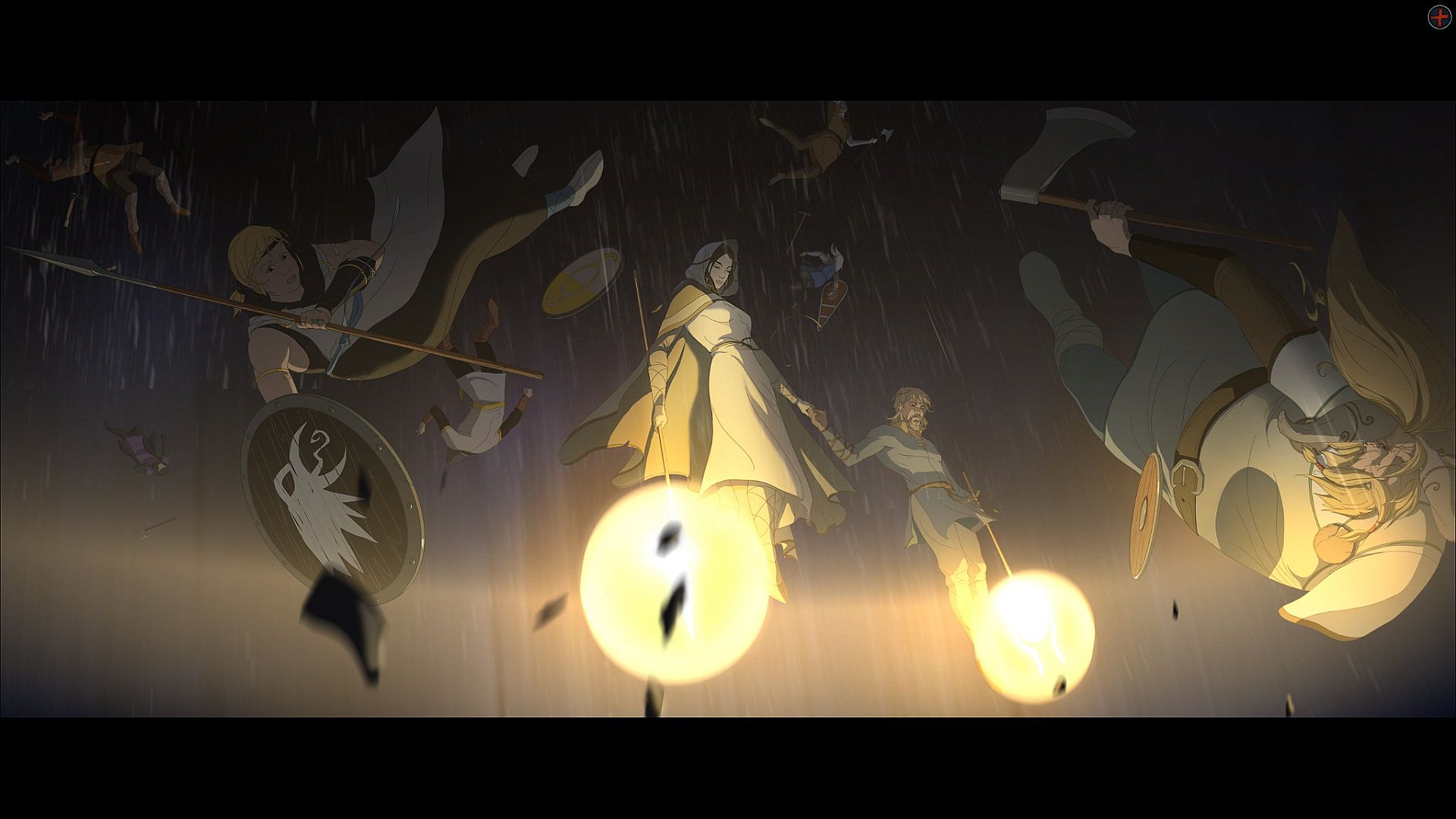
The Banner Saga 3 serves as the concluding chapter in a trilogy of tactical RPGs that blend strategy, simulation, and narrative decision-making. Set in a Viking-inspired world facing apocalyptic darkness, the game places players in command of caravans and defenders as they navigate moral dilemmas, resource shortages, and relentless threats. Its hand-painted visuals and orchestral score support a mature story where every choice carries weight across the series.
Gameplay
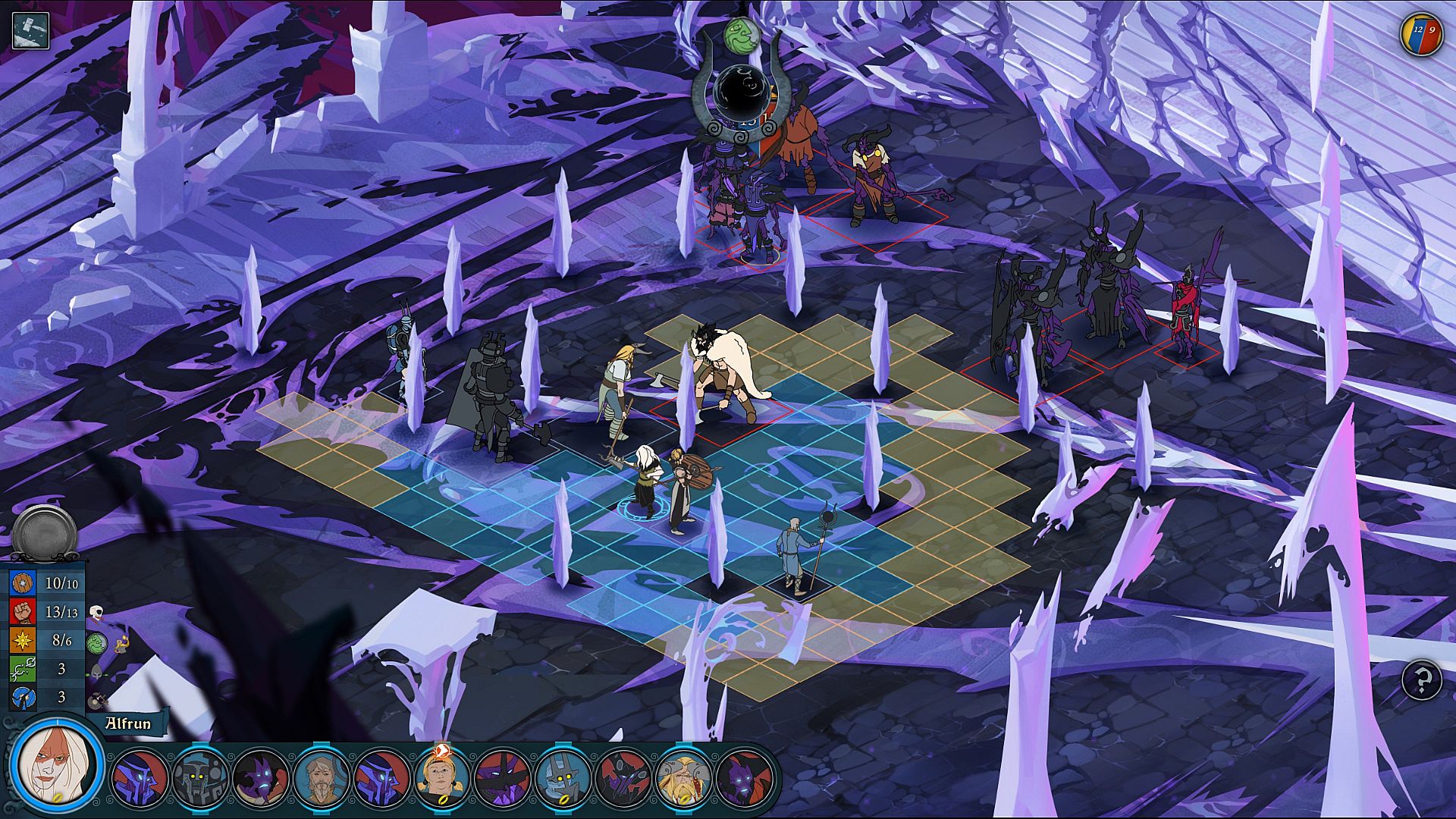
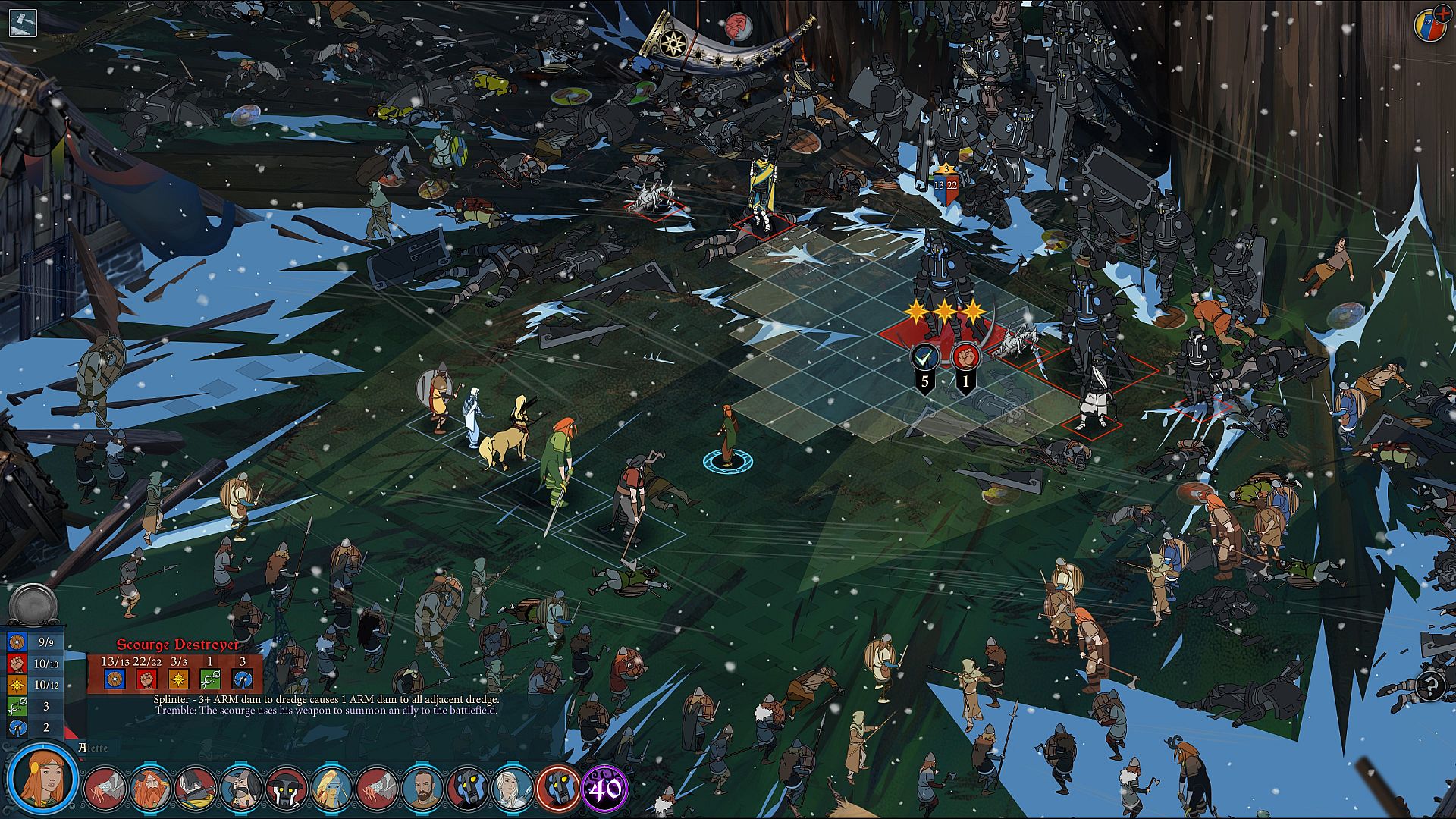
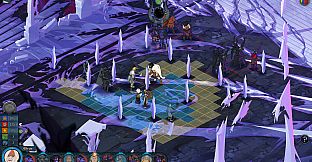
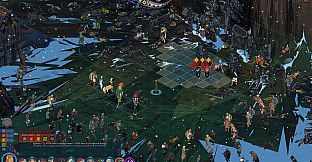
Core gameplay revolves around turn-based combat on grid-based battlefields combined with caravan management between fights. Players control up to eight units at a time, each defined by Strength that doubles as both health and attack power, Armor that absorbs damage, and Willpower that enables extended movement, stronger strikes, or special abilities. Turn order appears in a visible queue, and environmental factors plus unit positioning influence outcomes.
Outside combat, decisions affect caravan supplies, morale, and endurance during travel sequences. Low morale reduces starting Willpower in battles, while resource shortages force tough calls on who receives aid or equipment. Character progression involves earning kills for rank increases up to level 15, spending renown to unlock abilities, and assigning Heroic Titles after rank 11. These titles provide unique bonuses such as damage over time or critical chance improvements, with each title limited to one hero.
New elements deepen tactics. The Valka Spear replaces the traditional horn for one caravan group, allowing charges to be spent on area lightning strikes rather than Willpower restoration. Playable dredge heroes join the roster alongside familiar faces, and wave-based encounters introduce reinforcements that arrive after a set number of turns. Players can defeat a wave early to swap in fresh units or retreat, but lingering risks overwhelming enemy numbers. Warped variants of standard foes add spatial challenges with altered behaviors.
Game Modes
The Banner Saga 3 centers on a single-player campaign that integrates story progression with tactical encounters. Wave battles form a key combat system within this structure, presenting multi-stage fights where timing and preparation determine success. These scenarios emphasize roster management, as injured or exhausted heroes can be rotated between waves when the option arises.
Caravan travel and event resolution serve as the connective tissue between battles. Choices made here and in prior games influence available allies, narrative branches, and final outcomes. No separate multiplayer or competitive modes exist in the base experience, keeping focus on the personal stakes of leadership and survival.
Narrative and Choices
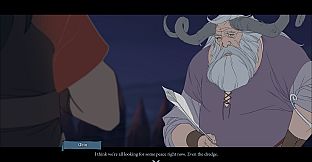
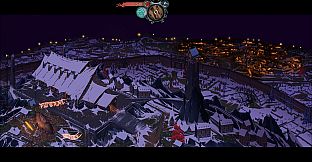
Player decisions drive the experience across two parallel storylines, one defending a besieged city and the other pushing toward the encroaching darkness. Imported saves from earlier entries alter available characters, relationships, and climactic events, while a default start provides summarized options for newcomers. Permanent consequences mean no hero remains guaranteed safe, heightening tension in both dialogue trees and battlefield risks.
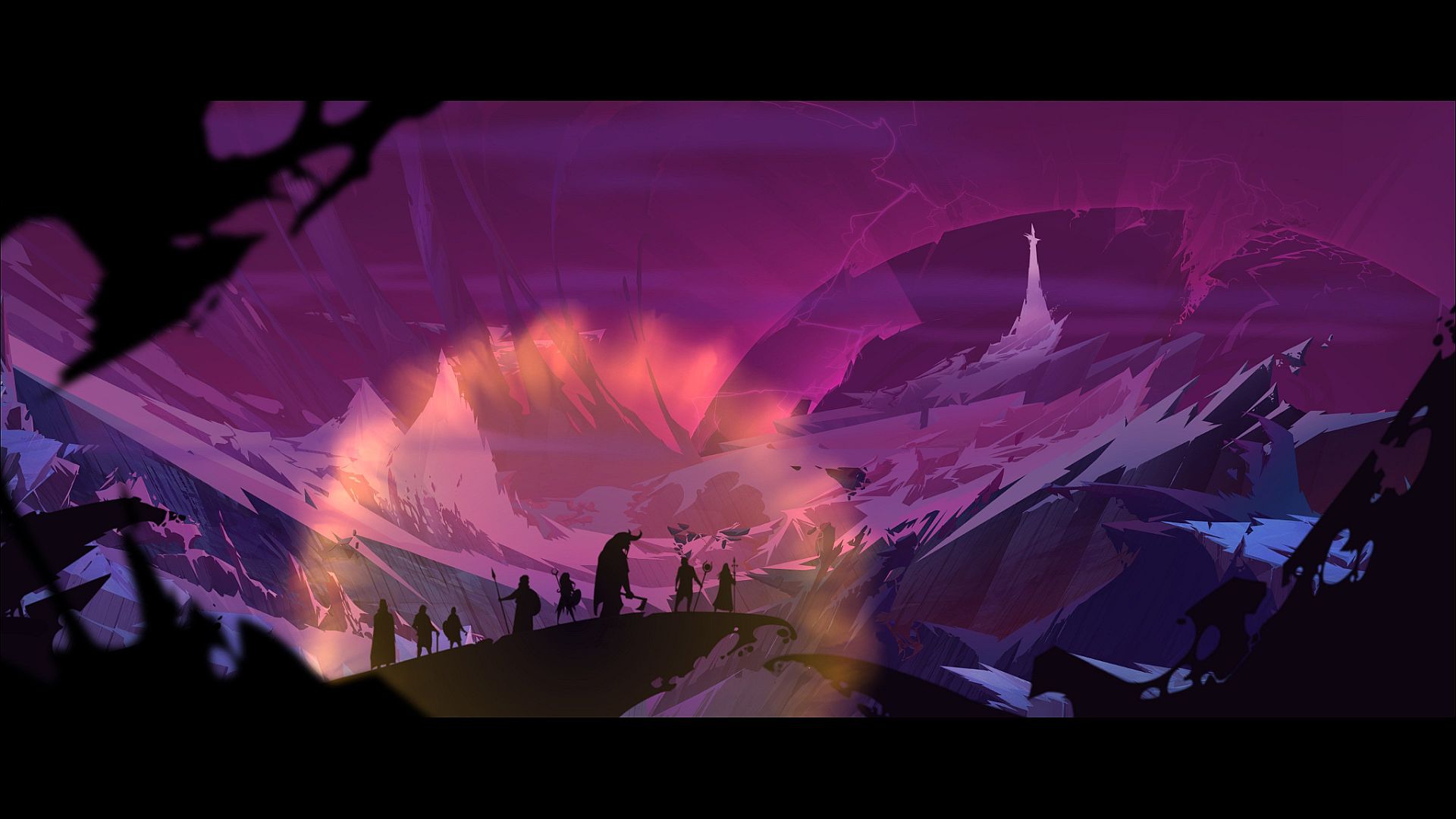
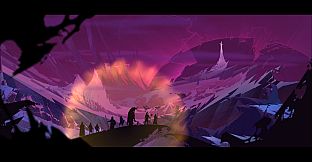
The hand-painted art style renders the deteriorating world with consistent detail, and the score underscores moments of desperation and resolve. New allies, including dredge, expand party options without altering the fundamental emphasis on thoughtful resource allocation and positioning.
Is It Worth Playing?
The Banner Saga 3 delivers a focused tactical RPG experience suited to players who value story consequences and deliberate combat over fast action. Its wave system and Heroic Titles reward careful party building and adaptation, while the carried-over choices create personalized endings that reflect prior investments in the trilogy.
Reception highlights the strength of its narrative payoff and visual presentation, with critic scores averaging in the mid-80s and player feedback on major platforms describing it as mostly positive. The game runs on Xbox One and Xbox Series consoles with no reported ongoing seasonal content or major updates years after release.
Those who enjoy managing limited resources, navigating moral trade-offs, and engaging in grid-based strategy will find the campaign satisfying. Completion typically spans 15 to 20 hours depending on exploration and difficulty, and the title stands as a complete finale for those who have followed the series or are willing to start with context provided in-game.