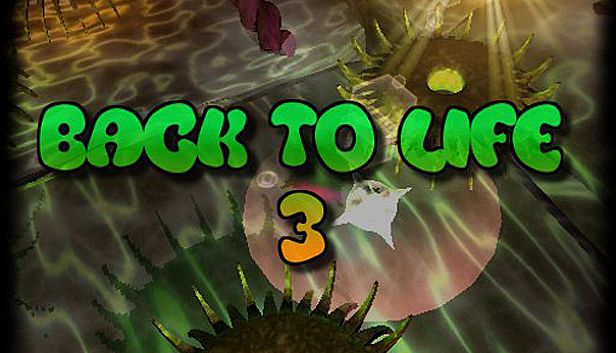












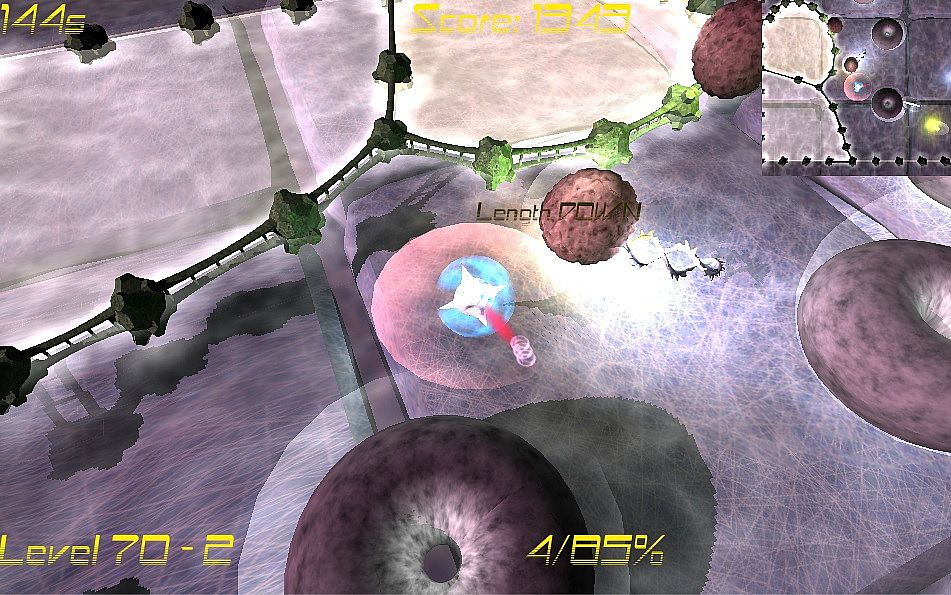
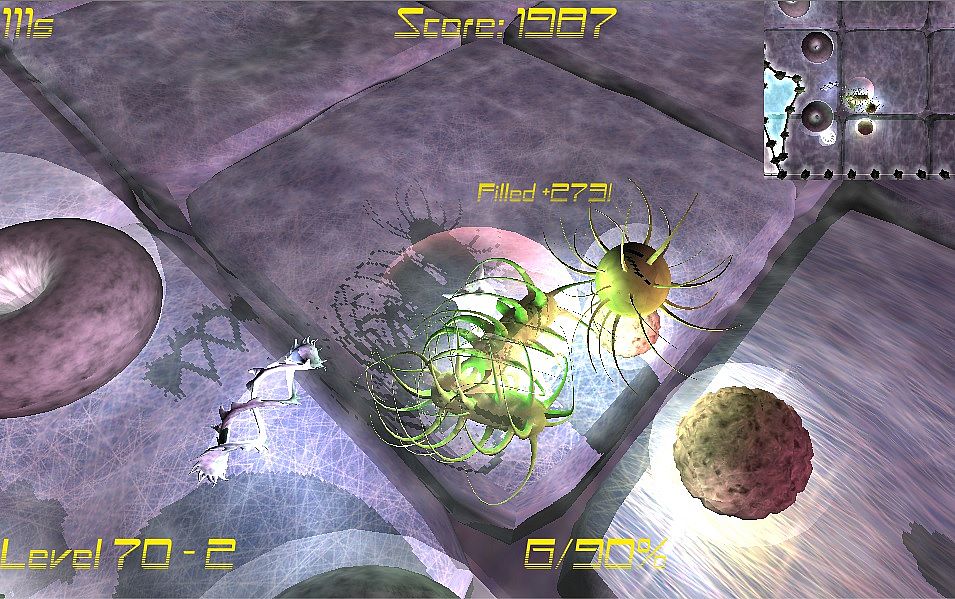
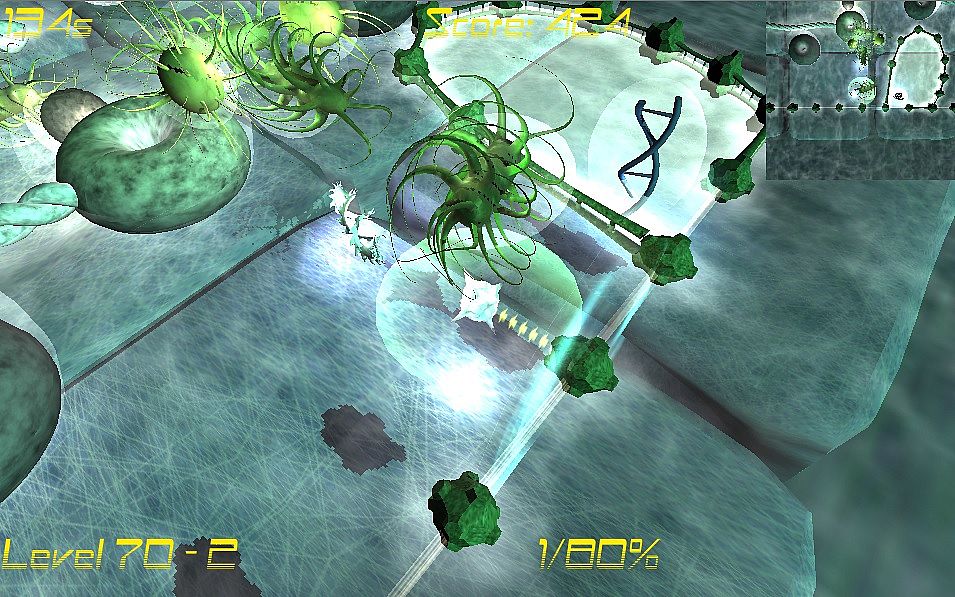
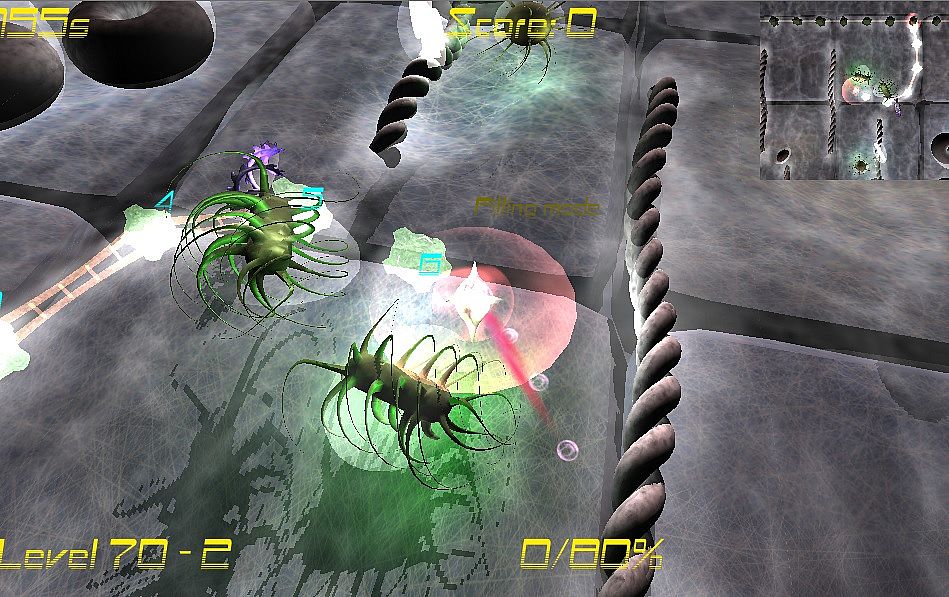
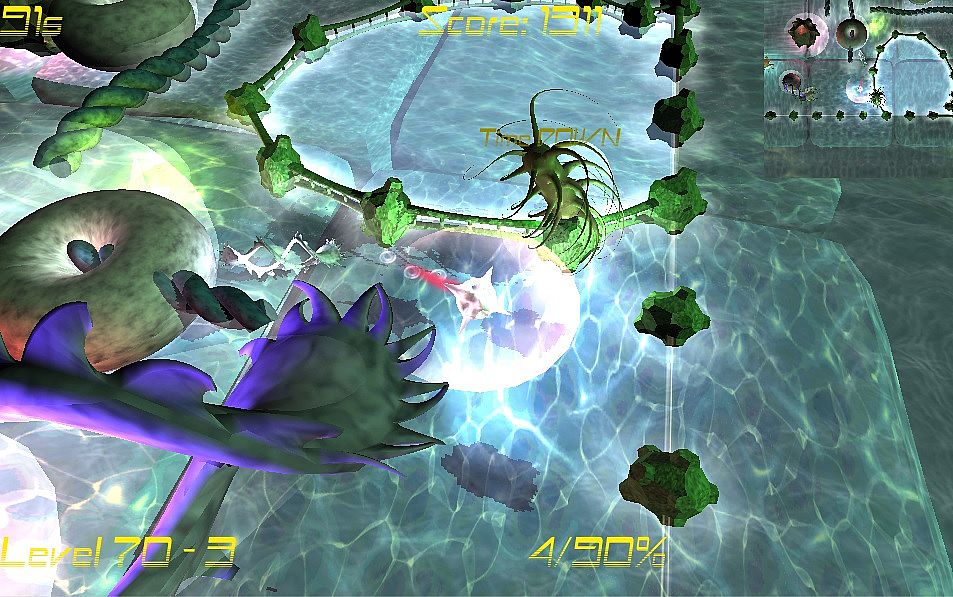
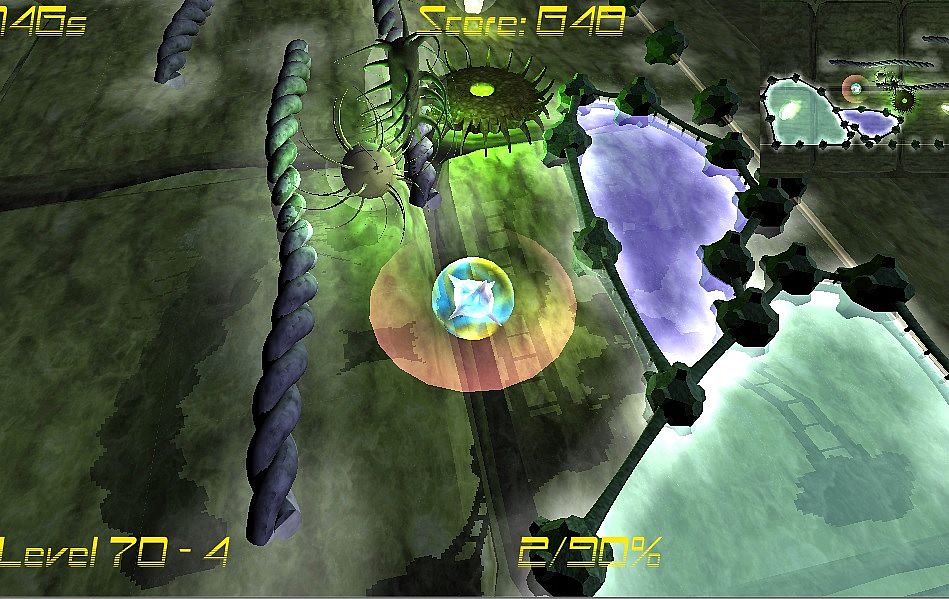
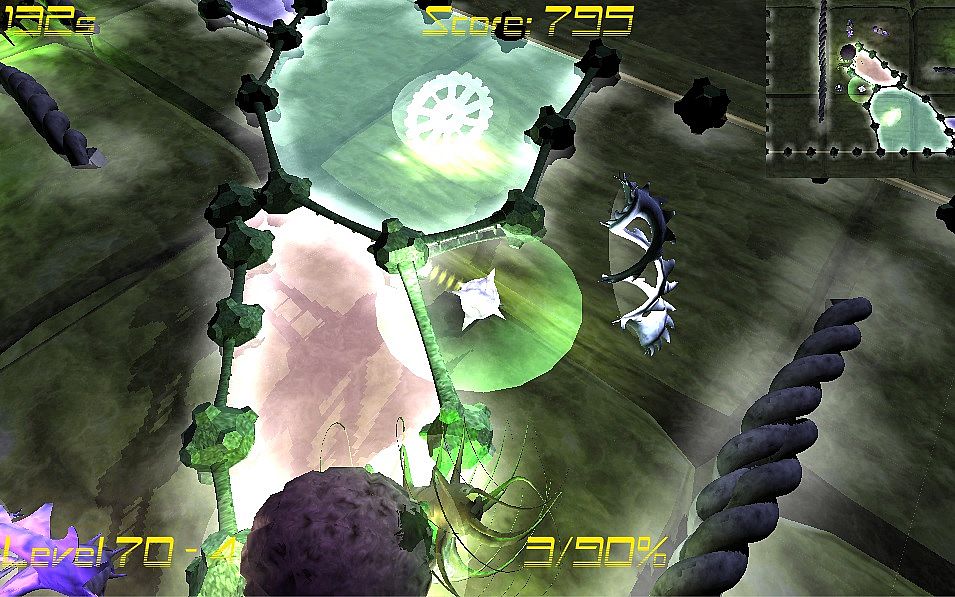
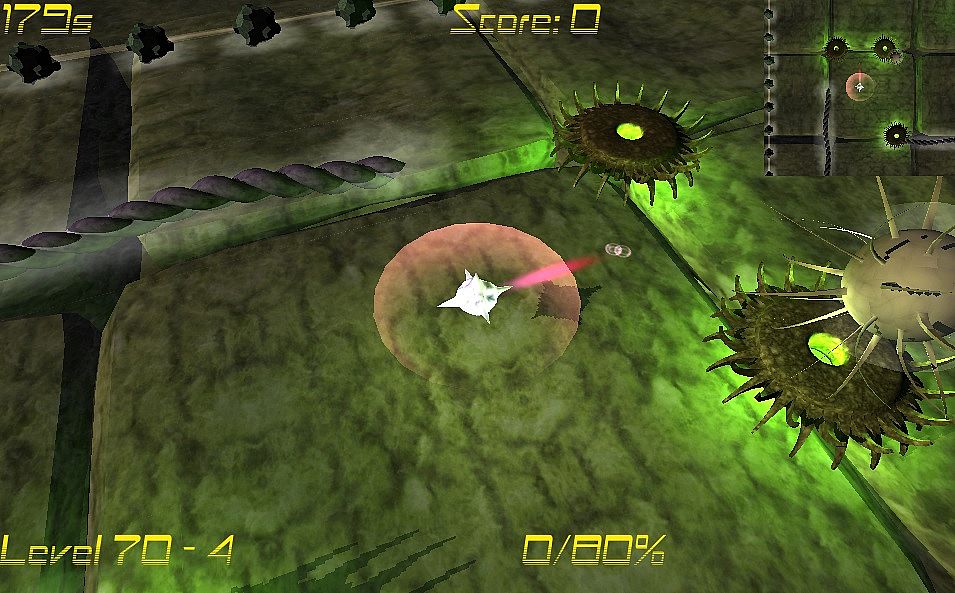
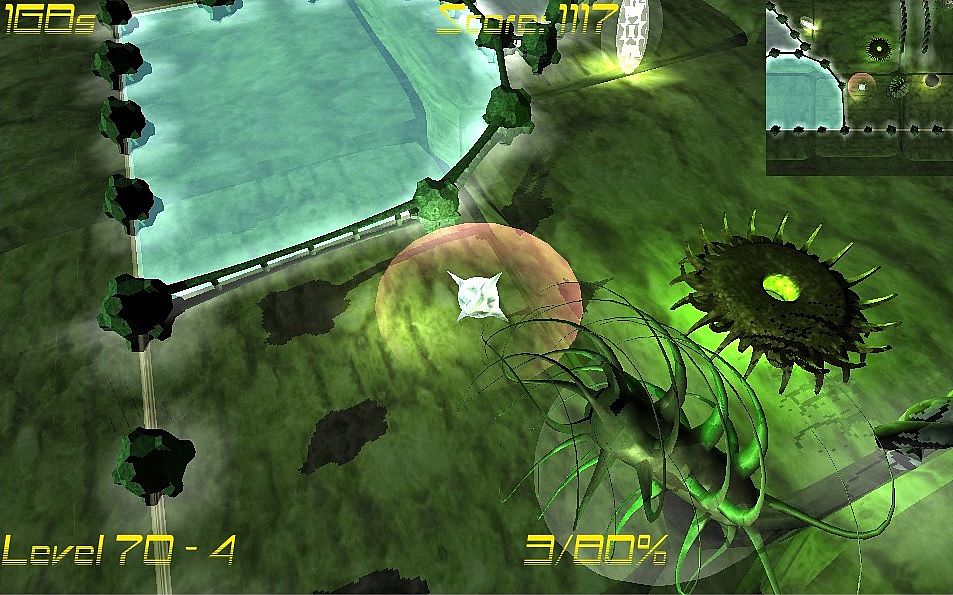
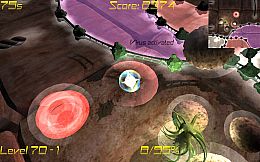
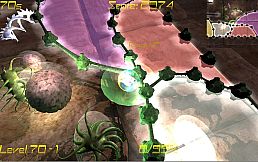
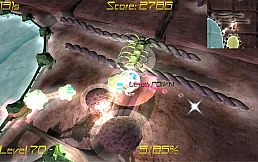
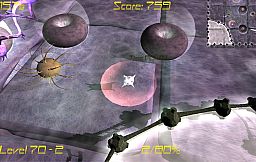
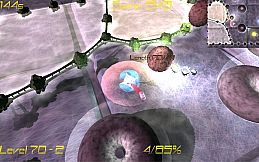
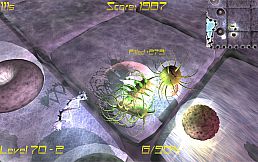
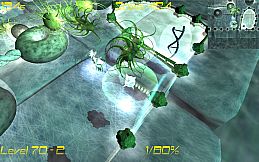
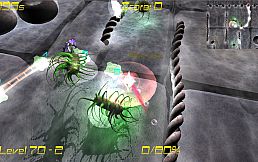
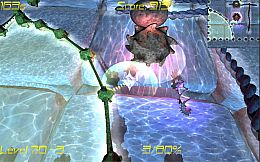
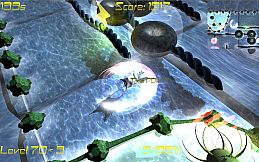
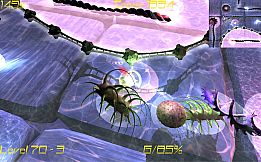
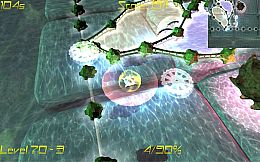
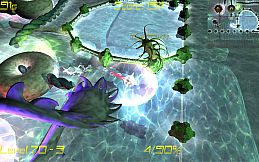
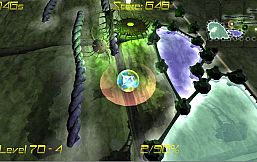
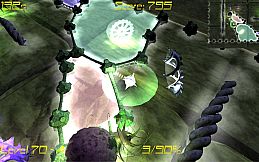
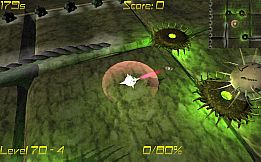
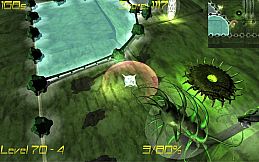
Back To Life 3 é um jogo indie de quebra-cabeça para PC no qual o jogador controla uma pequena célula benéfica em ambientes microscópicos. A mecânica central consiste em construir estruturas orgânicas desenhando e conectando filamentos para formar bolhas que preenchem uma porcentagem exigida de cada fase.
Gameplay
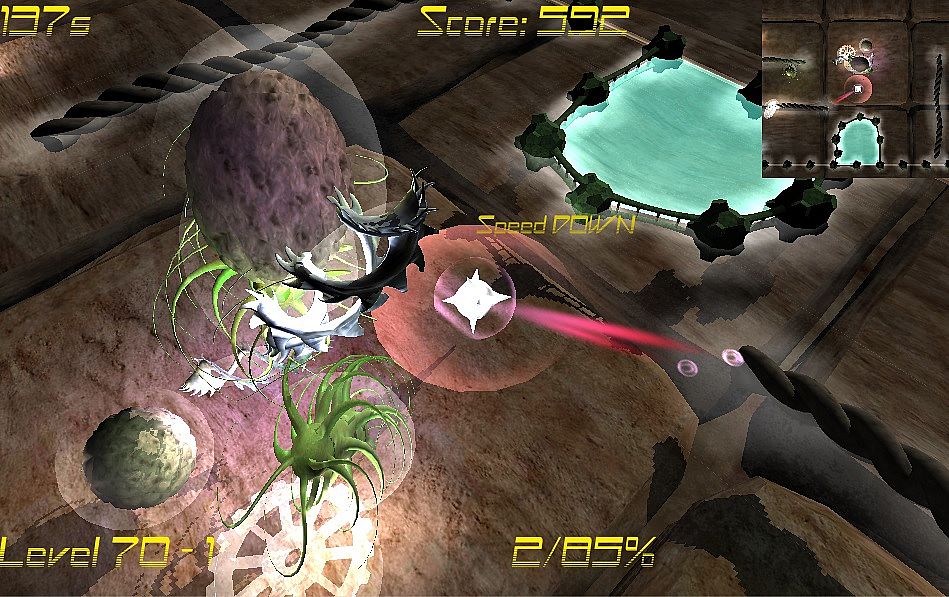
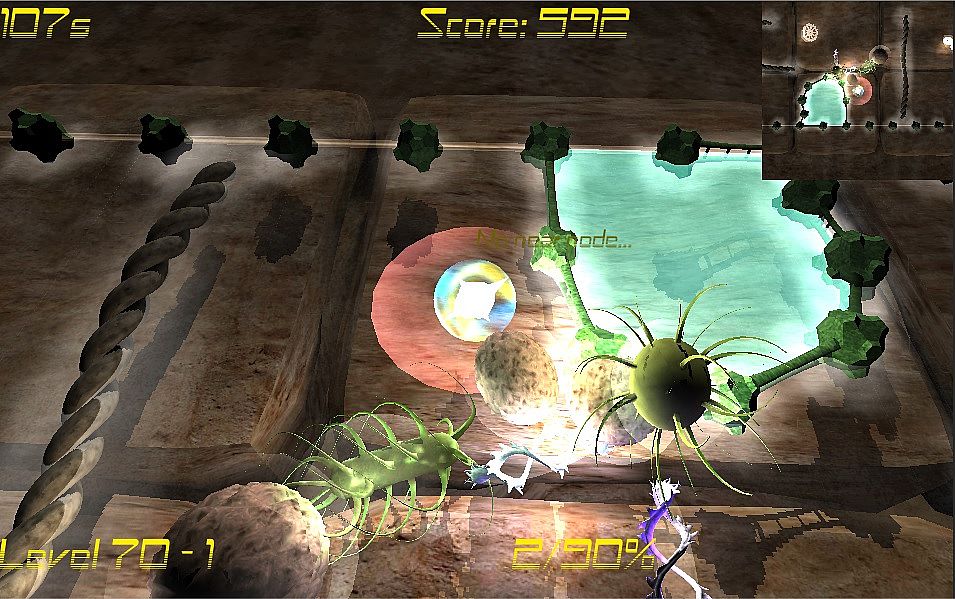
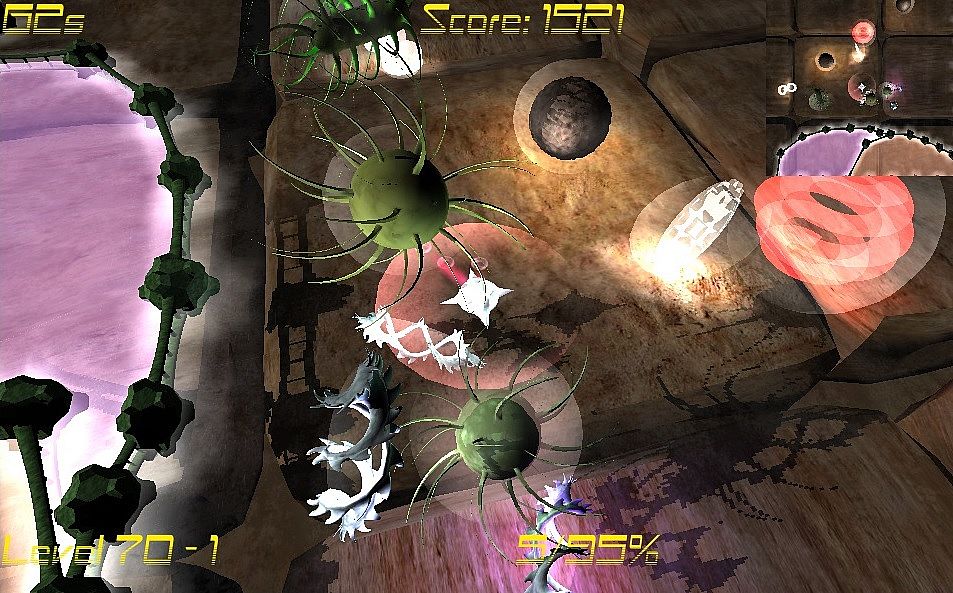
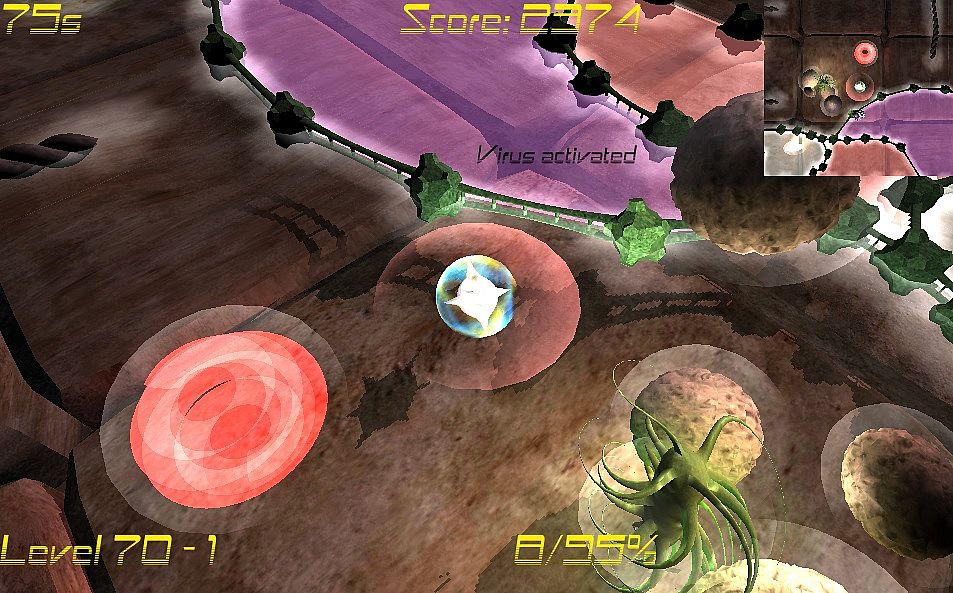
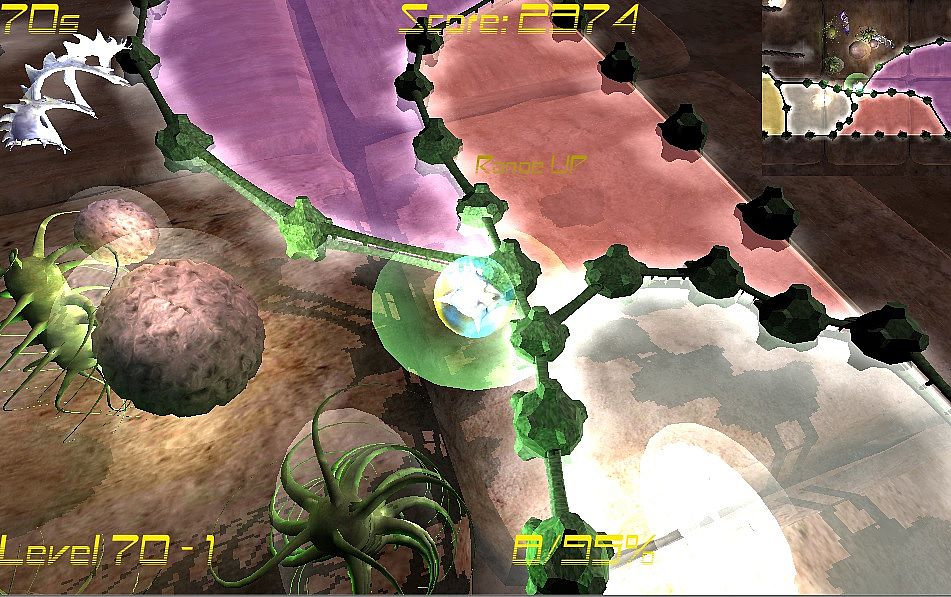
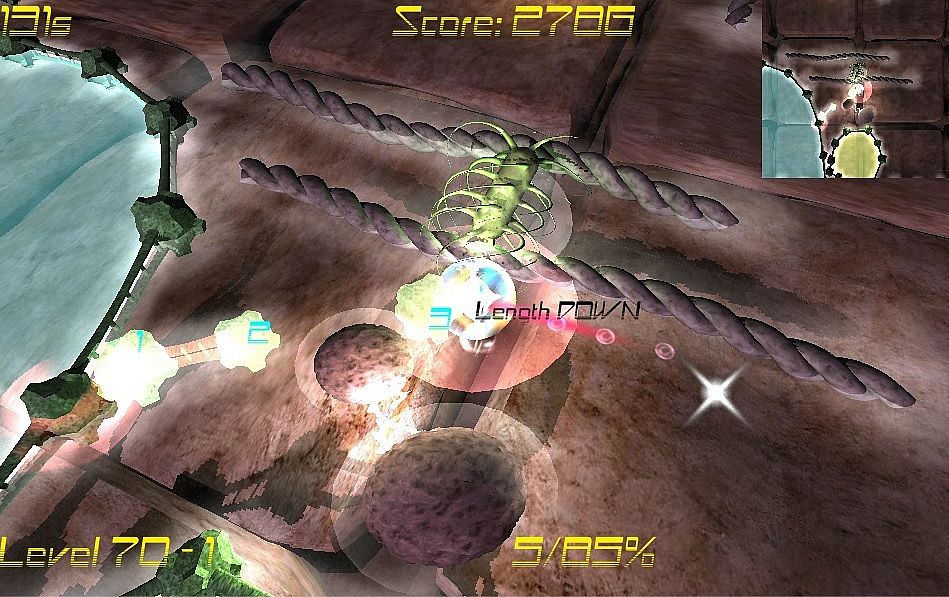
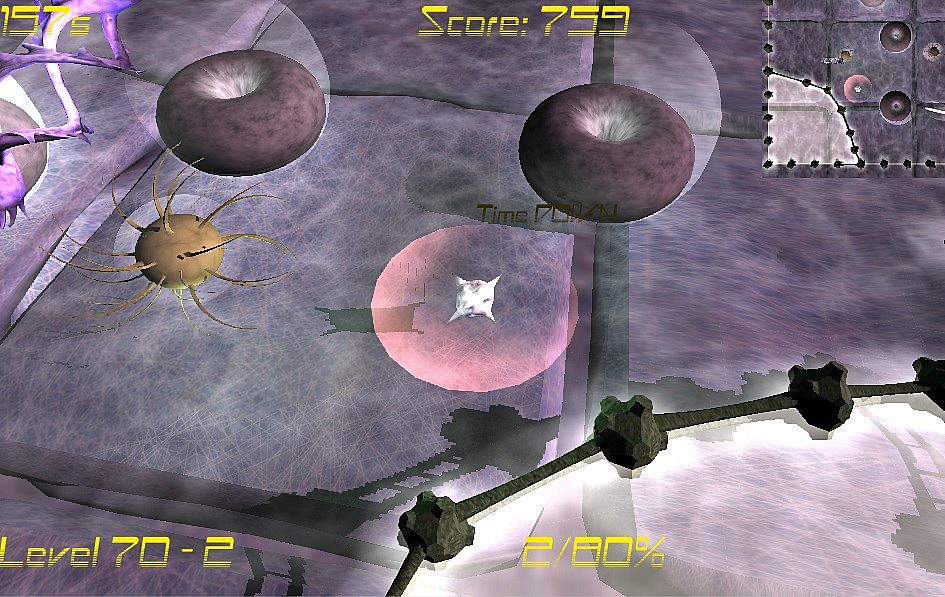
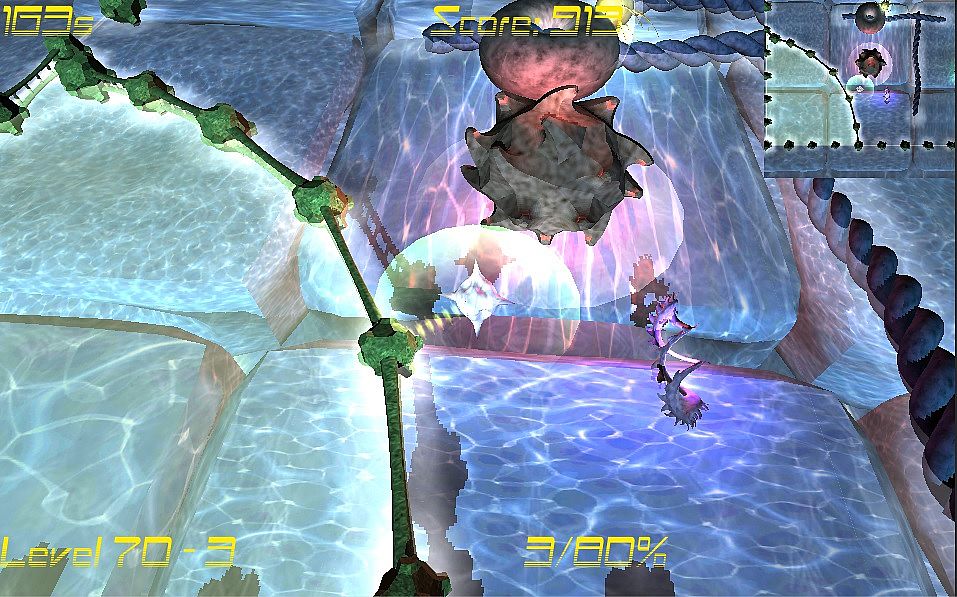
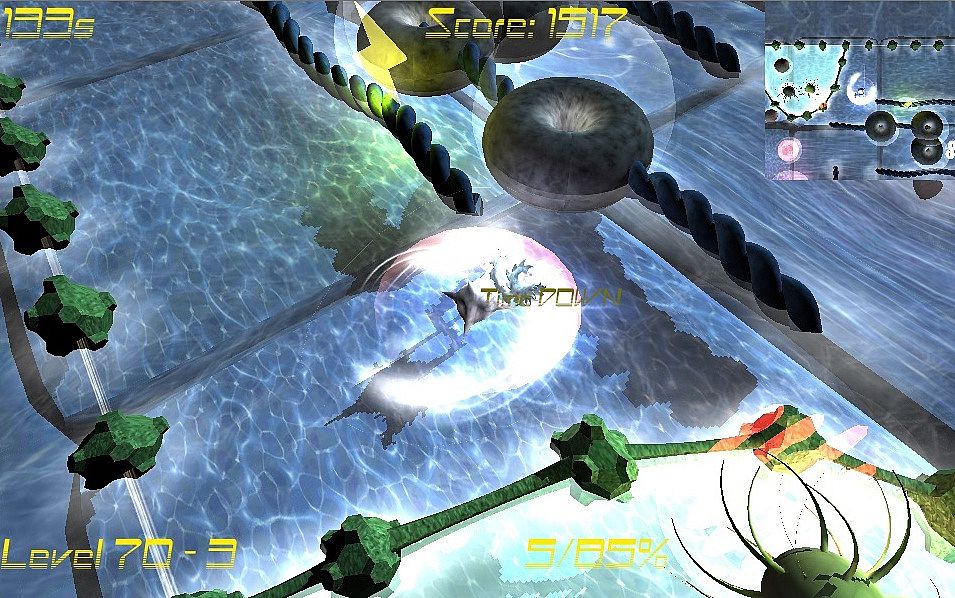
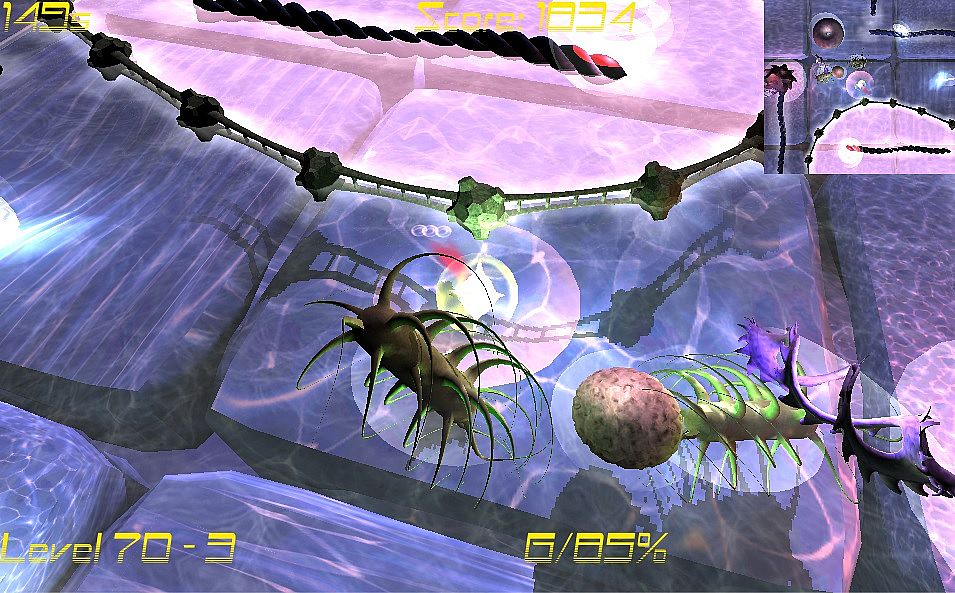
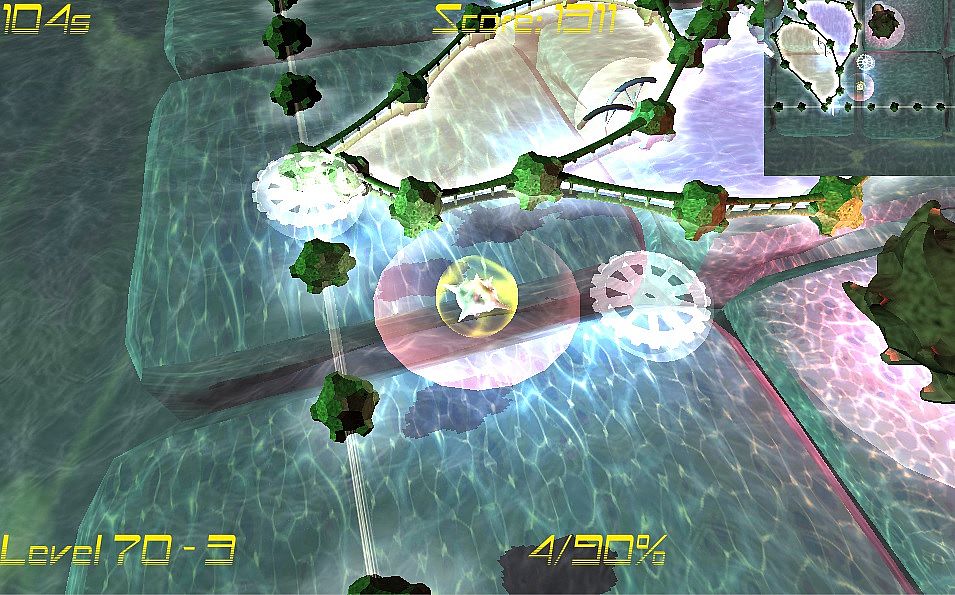
O jogador guia a célula por cinco mundos biológicos distintos, cada um representando um estado da matéria: o ambiente rochoso do primeiro, o gelo do segundo, a água líquida do terceiro, o gás do quarto e o plasma do quinto. Cada mundo traz fases geradas proceduralmente, com barreiras, obstáculos e inimigos aleatórios. A célula desenha filamentos microscópicos para fechar e unir vértices, criando bolhas benéficas coloridas que se conectam pelos pontos. Completar uma fase exige preencher uma porcentagem definida da área dentro de um limite de tempo. O motor de bolhas combináveis permite construir estruturas maiores a partir dos vértices já existentes. Bônus surgem durante a partida para aumentar o tempo, reduzir a porcentagem necessária, acelerar a célula, ampliar o comprimento do traço ou ampliar o alcance das conexões. Os inimigos incluem células genéricas que bloqueiam a criação de bolhas, bactérias que reduzem o tempo restante, vírus que elevam o alvo de preenchimento, vírus de velocidade que desaceleram a célula e parasitas que encurtam o traço ou reduzem o alcance das conexões. Cinco modos de câmera oferecem diferentes ângulos de visão, enquanto velocidades e dificuldades ajustáveis permitem variar o ritmo e o desafio.
Modos de Jogo
Back To Life 3 é uma experiência single-player composta por 500 fases geradas proceduralmente distribuídas pelos cinco mundos. A progressão segue um caminho linear, com o objetivo de alcançar a porcentagem exigida antes que o tempo acabe, evitando ou mitigando os efeitos de inimigos e obstáculos. Funções de salvar e carregar preservam o progresso da fase atual e as estatísticas gerais. Um mapa em tela auxilia a navegação, e rankings registram as melhores pontuações. Duas configurações de dificuldade e duas opções de velocidade modificam o desafio sem adicionar multiplayer ou regras alternativas.
Mundos e Progressão
A progressão avança pelos cinco mundos temáticos, cada um ligado a um estado da matéria que influencia o estilo visual e os perigos do ambiente. O mundo rochoso destaca barreiras resistentes, o gelo introduz elementos escorregadios ou frágeis, os níveis de água apresentam padrões de movimento fluido, os ambientes gasosos adicionam obstáculos flutuantes ou dispersos e o plasma traz elementos energéticos ou instáveis. A geração procedural garante que nenhuma partida repita layouts idênticos, embora a mecânica central de construção de bolhas permaneça a mesma. O jogador coleta bônus e lida com inimigos para manter o ritmo ao longo de todas as fases.
Vale a Pena Jogar?
Back To Life 3 oferece um ciclo de quebra-cabeça single-player focado em desenhar e conectar bolhas em cenários microscópicos gerados proceduralmente. Seu apelo nichado está no sistema único de filamentos e bolhas, combinado com cinco mundos distintos e opções de dificuldade ajustáveis. Com poucas avaliações de usuários na plataforma principal de distribuição, o jogo é um título especializado, indicado para quem aprecia quebra-cabeças de construção metódica e repetição de conteúdo procedural. Quem busca uma campanha curta ou média com objetivos claros e sem elementos multiplayer pode encontrar a experiência satisfatória, especialmente se valoriza jogos indie com temas biológicos e variedade de fases. Desde o lançamento em 2014 não houve atualizações ou conteúdo adicional, portanto as expectativas devem se alinhar ao escopo original de 500 fases e mecânicas centrais.