






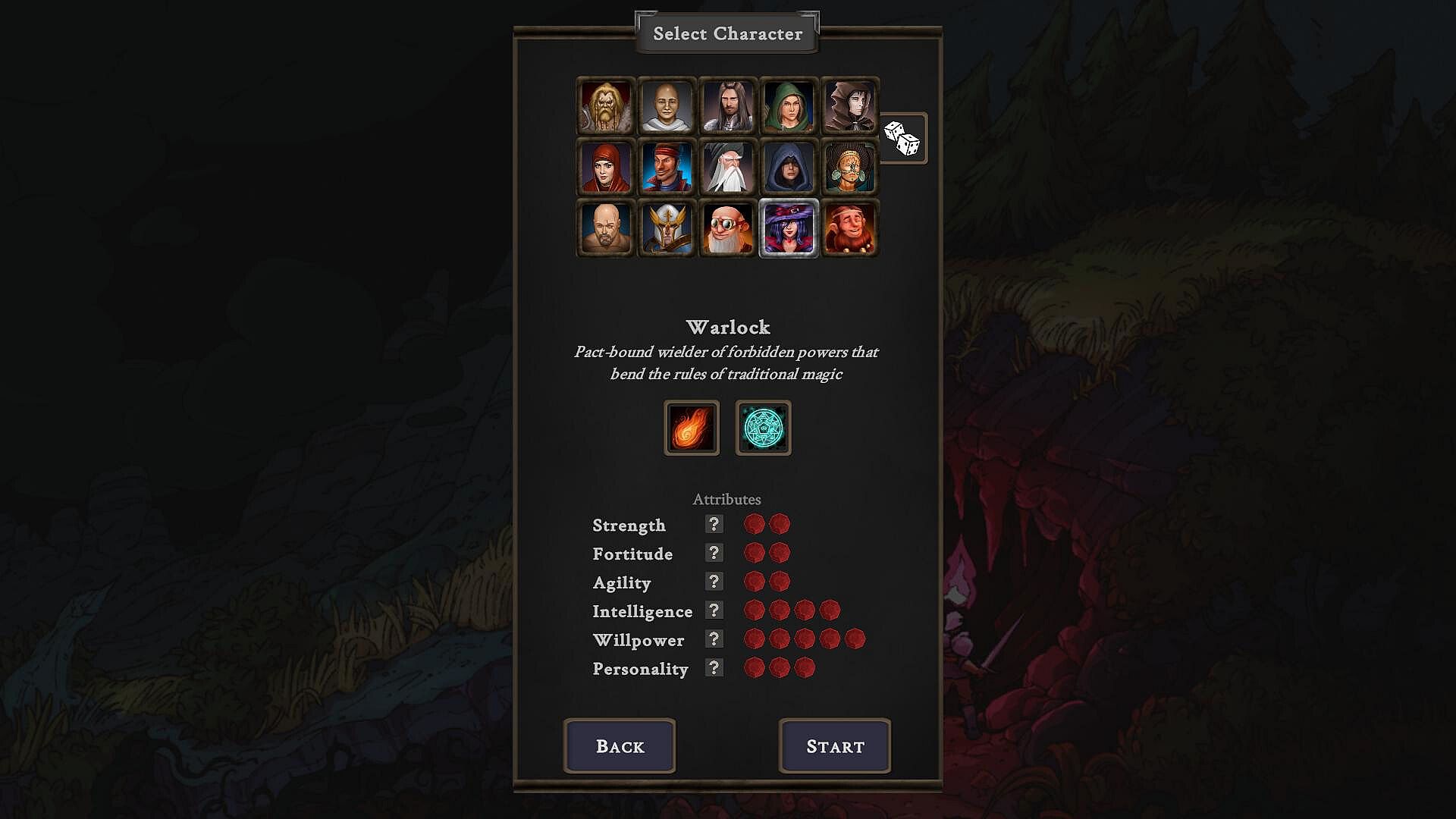
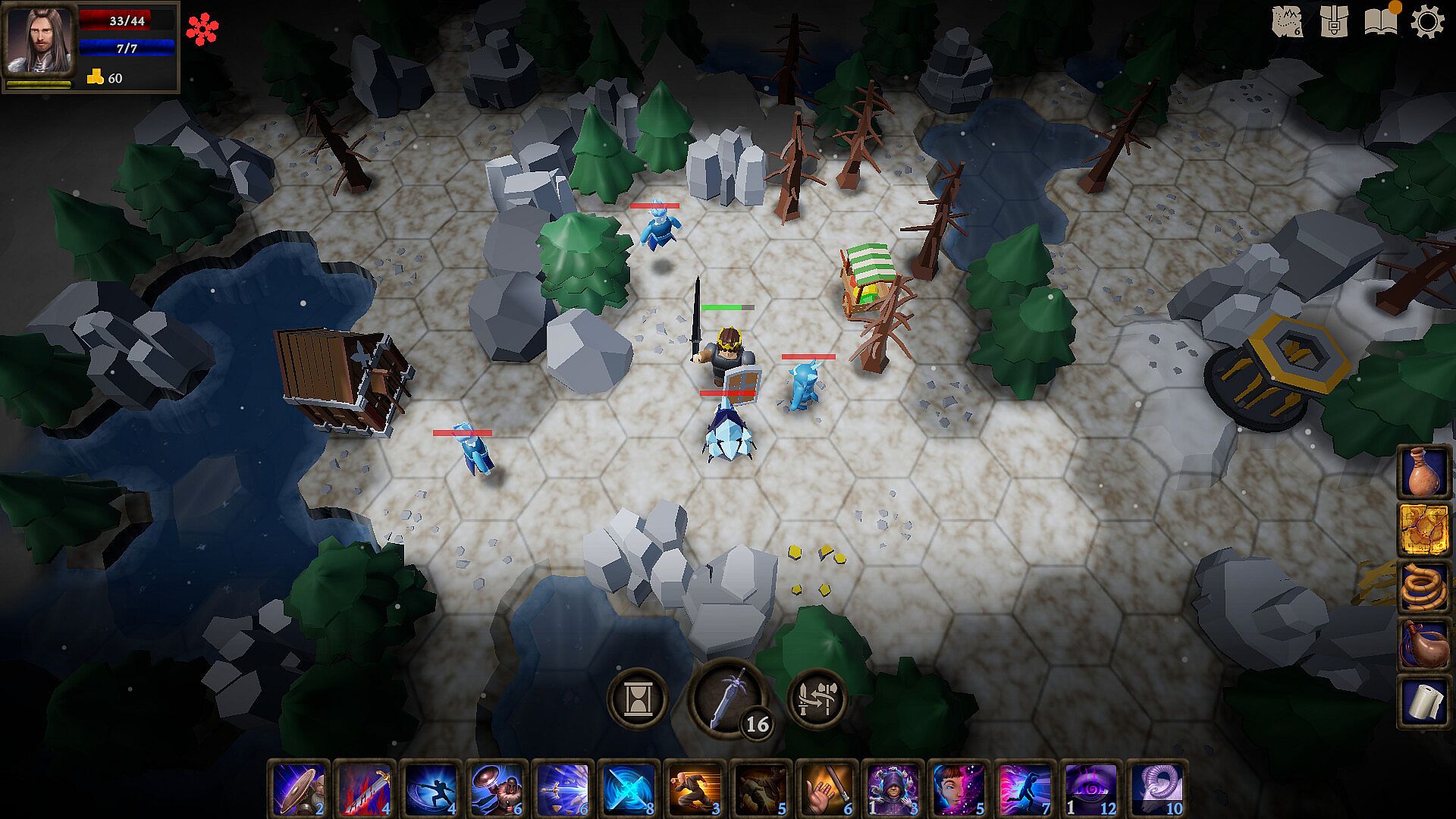
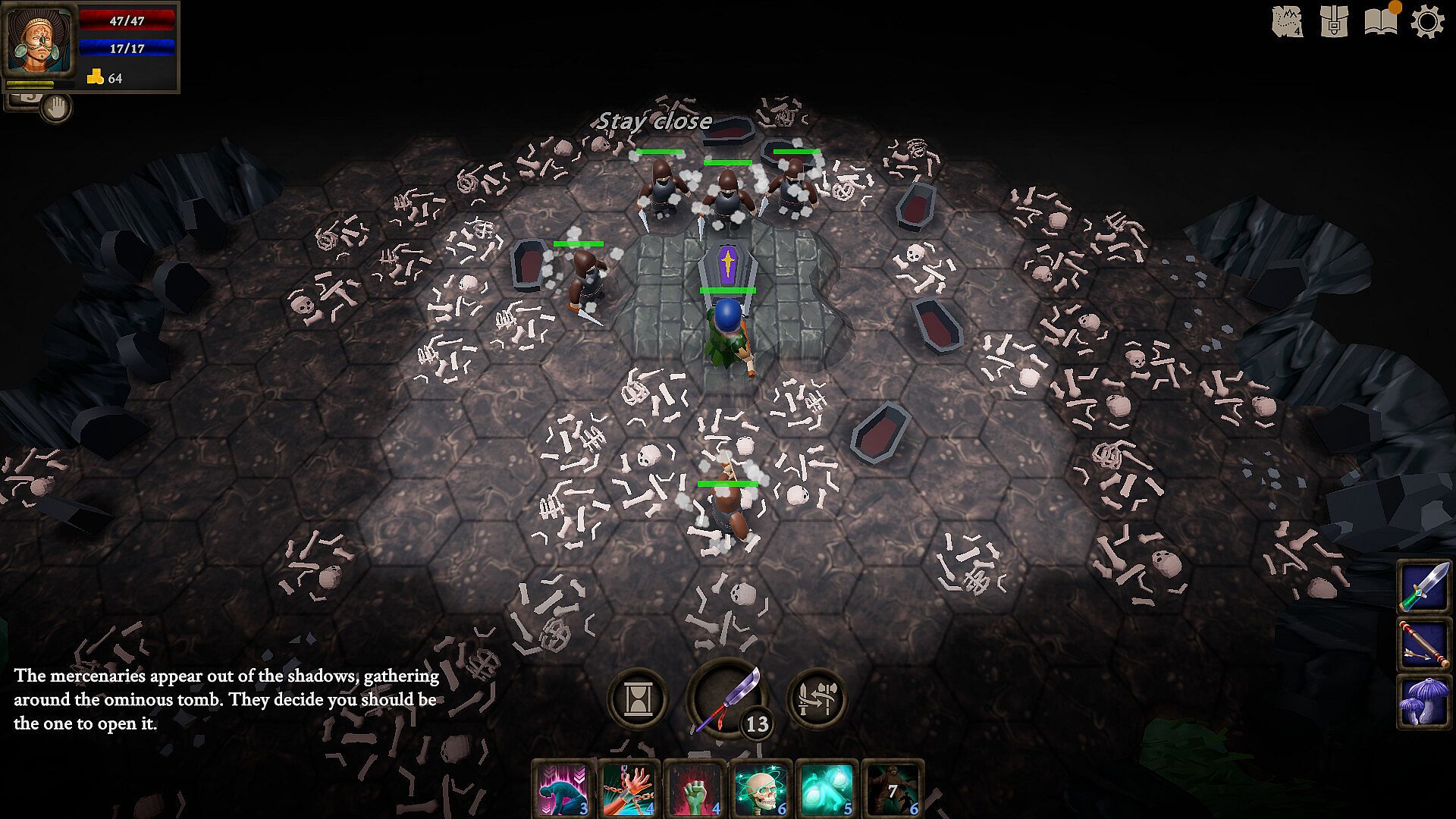
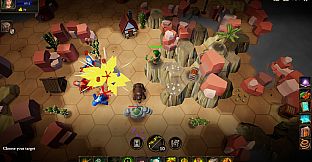
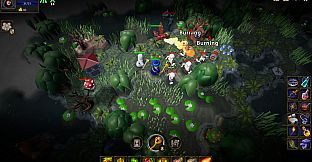
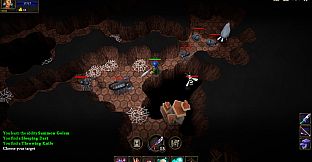
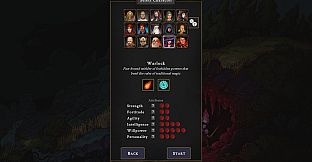
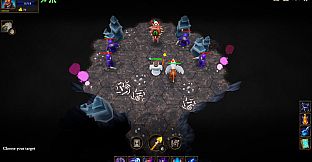
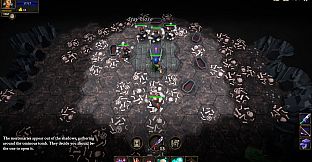
All Who Wander is a turn-based roguelike RPG developed for PC that emphasizes procedural worlds, tactical decision-making, and permanent consequences. Players select from 15 character classes and navigate a 30-day journey across randomly generated terrain, where positioning, resource management, and environmental awareness determine survival. The game features no meta-progression, ensuring each attempt begins from scratch with fresh opportunities for experimentation.
Gameplay
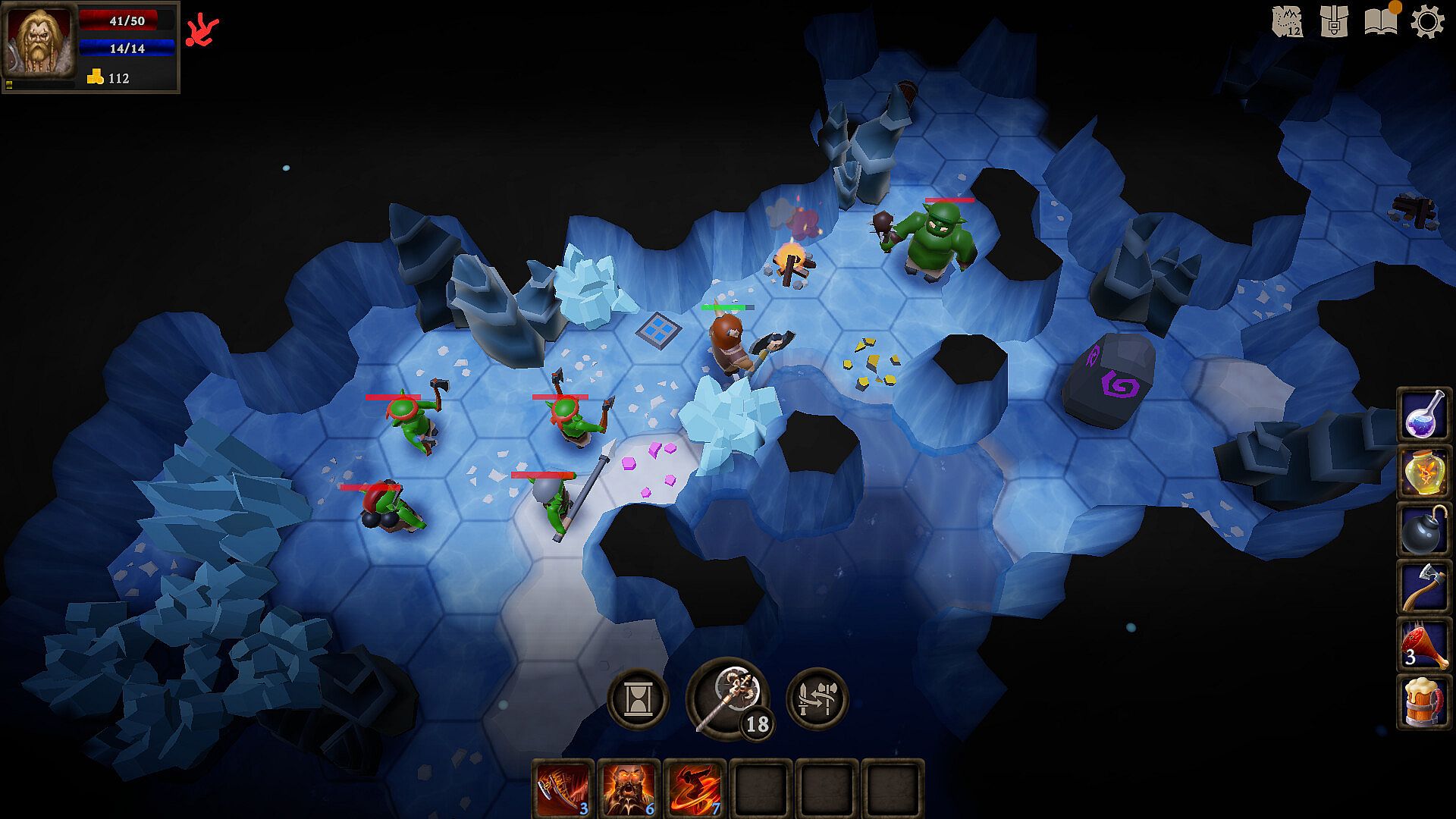
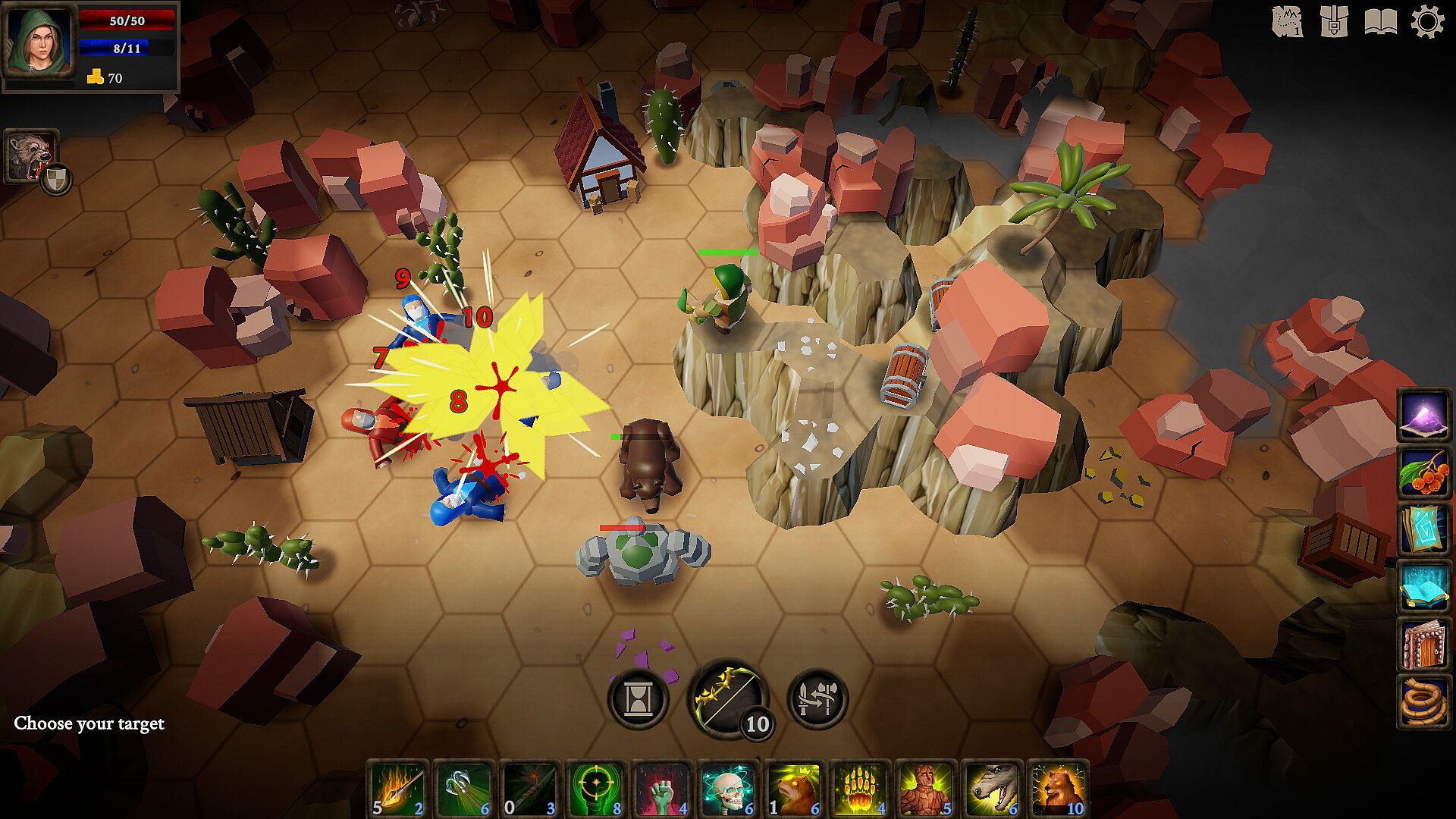
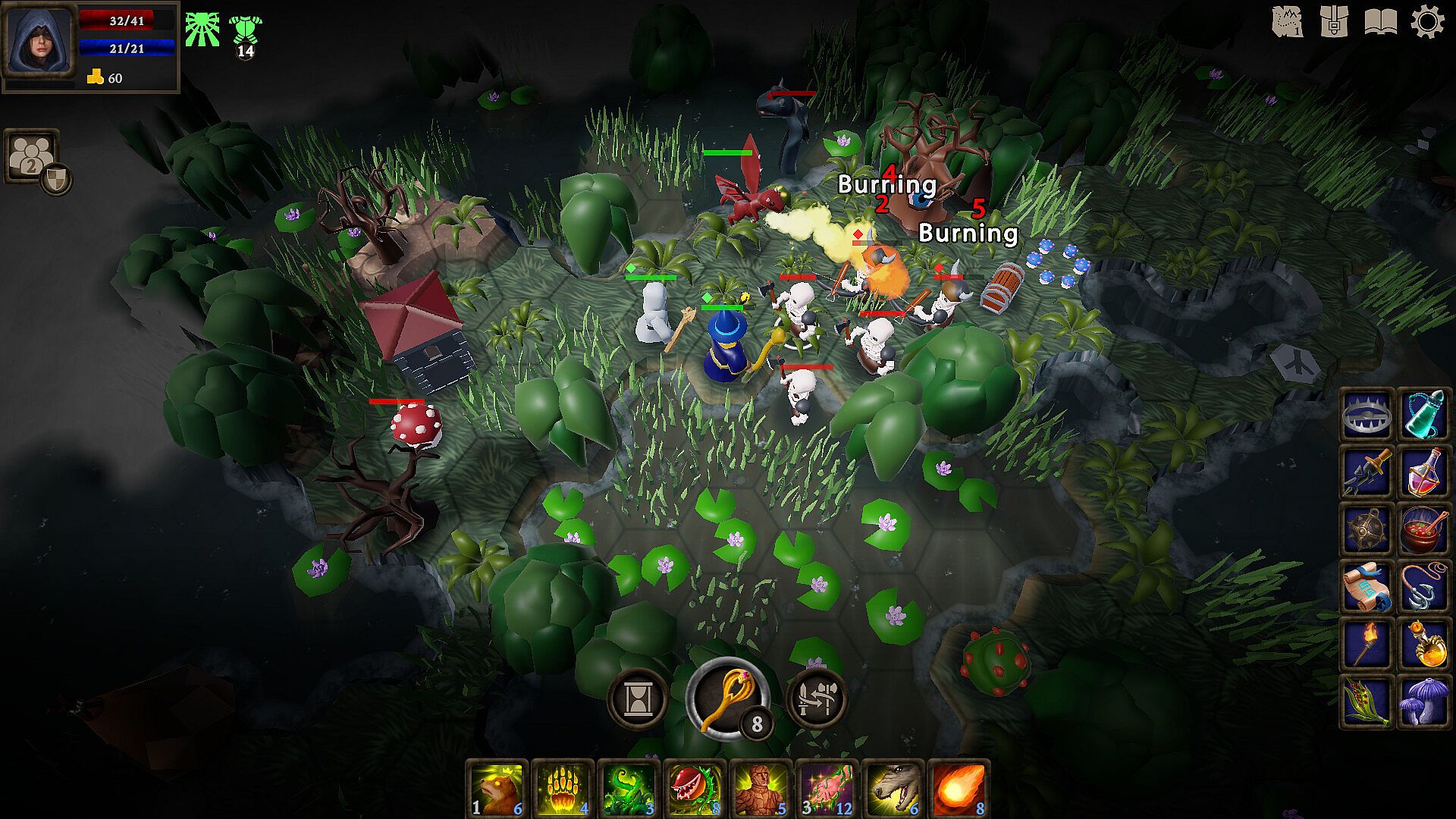
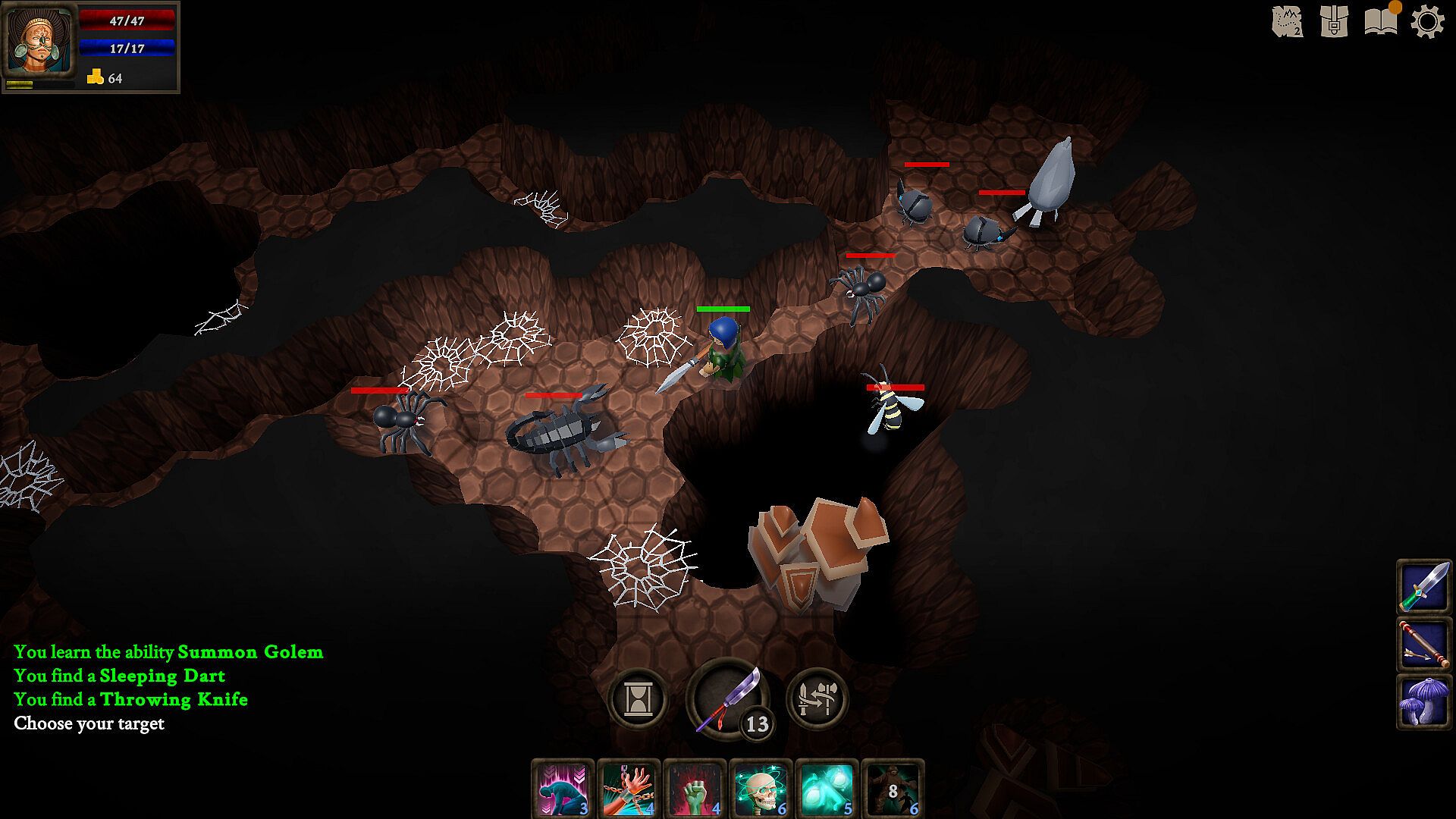
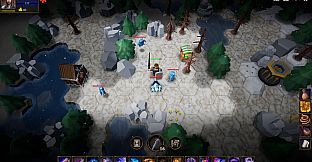
The core loop revolves around exploration and combat on a 3D hex-based map that regenerates with every run. Twelve distinct biomes present varied challenges, including deserts that slow movement, tall grass for concealment, and hazardous zones that impose status effects. Players interact with over 100 map features such as traps, treasures, and buildings while facing more than 70 monsters, six mini-bosses, and six bosses.
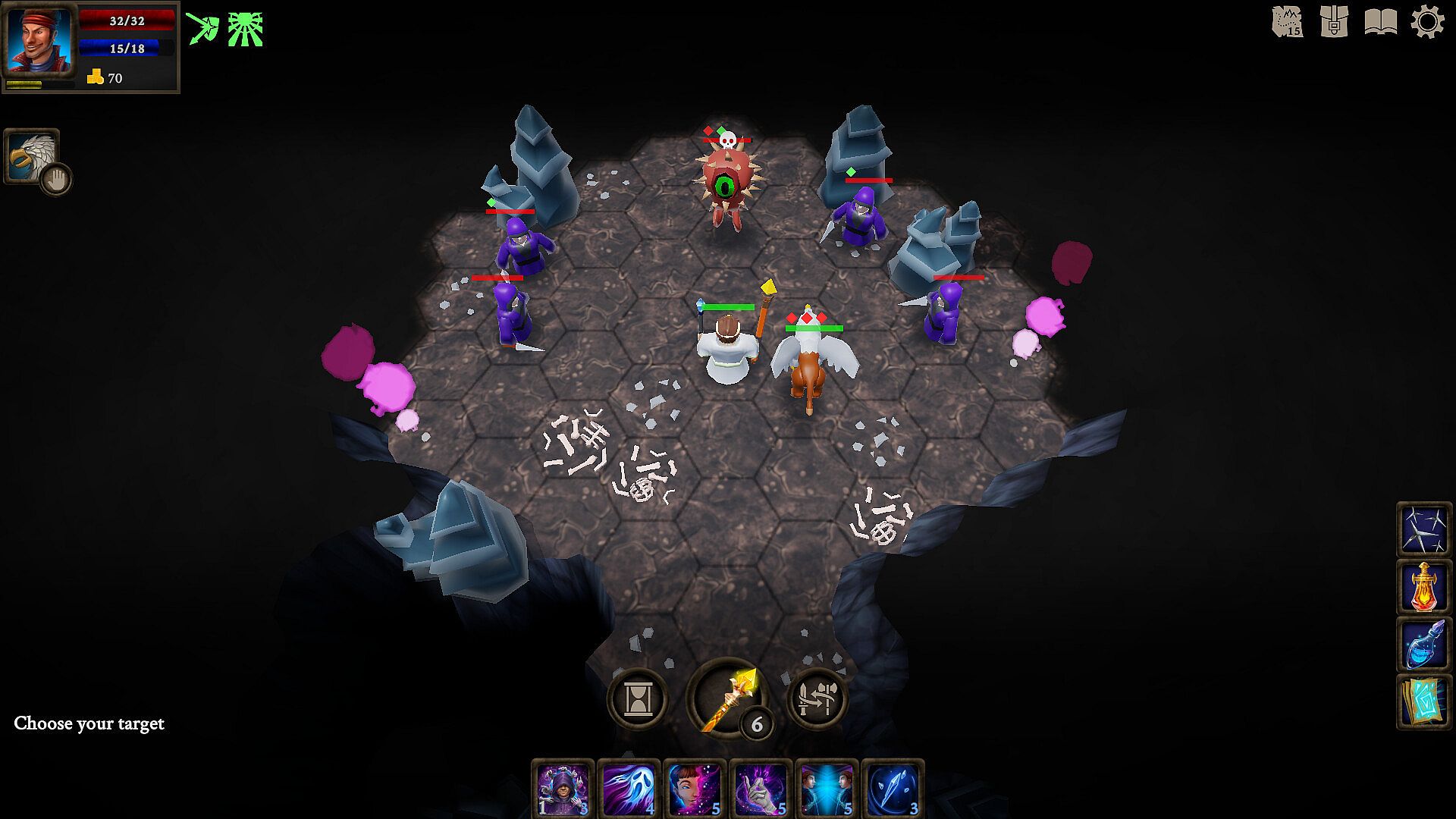
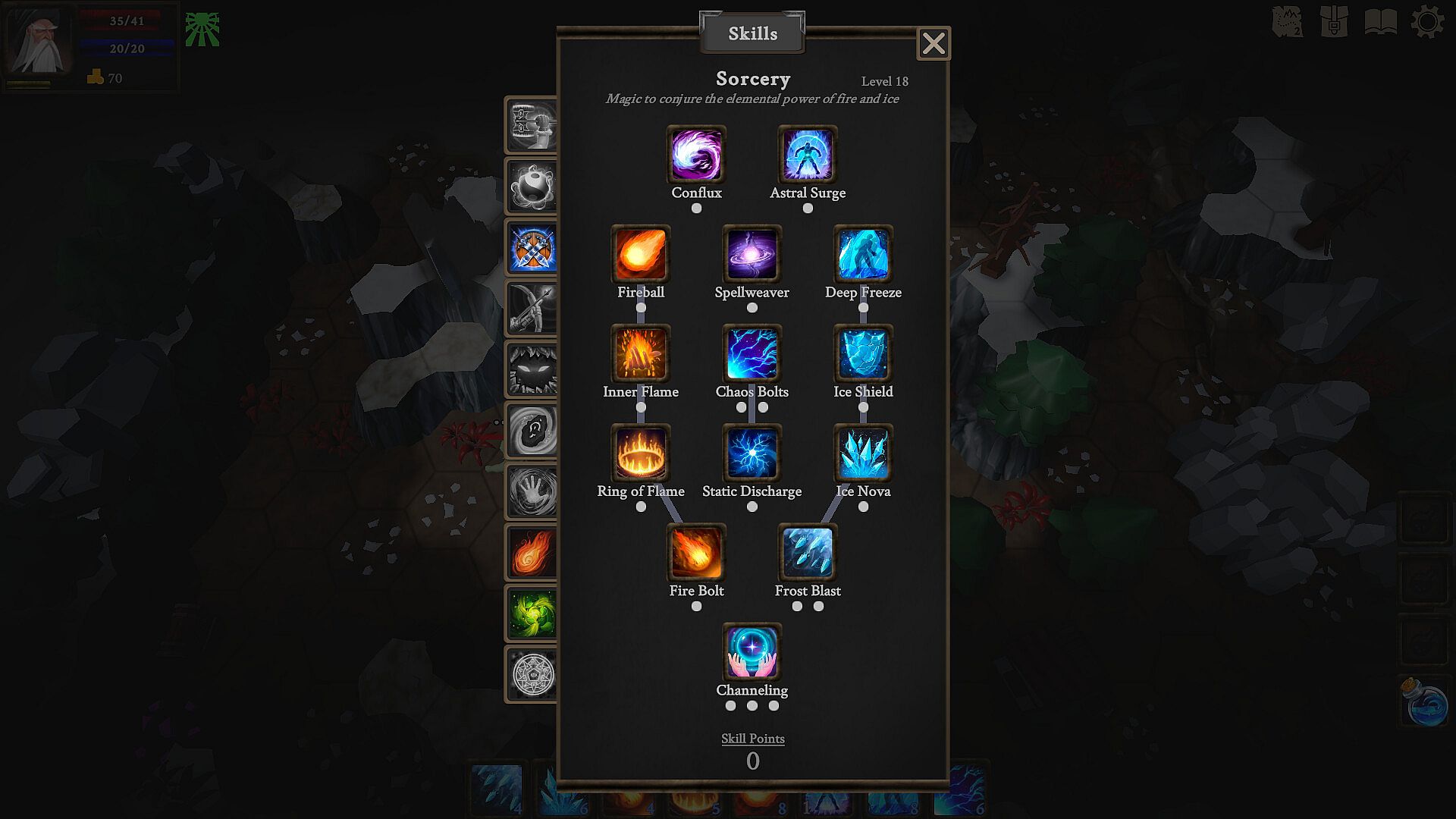
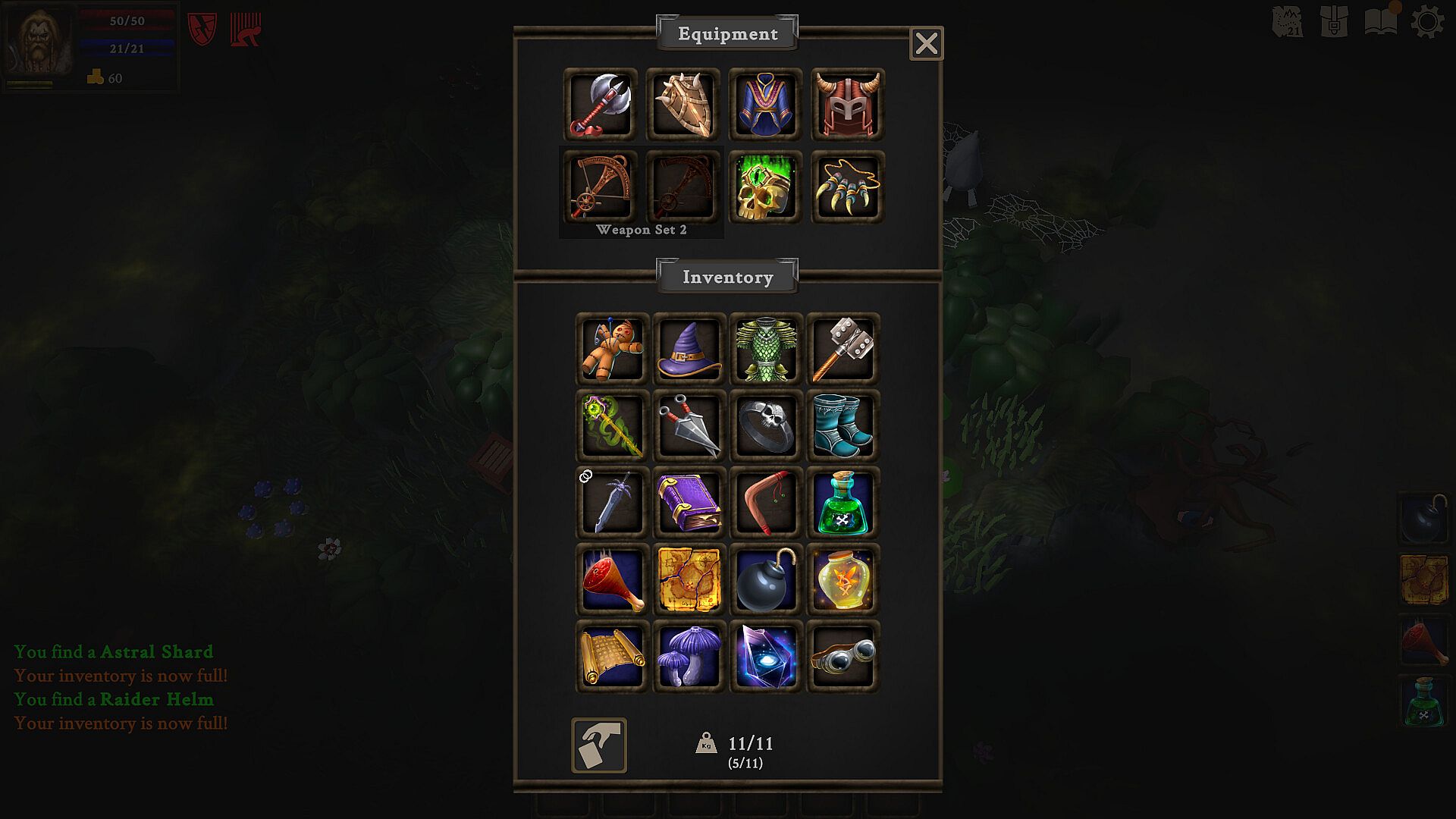
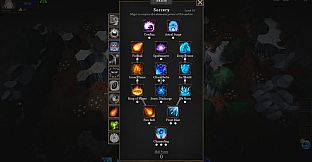
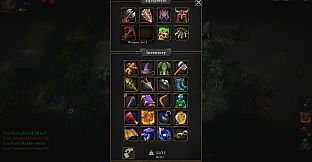
Character progression relies on 170 or more abilities spread across skill trees and over 200 items that support 80 or more modifications and enchantments. Any class can access any ability or item, enabling hybrid builds that combine strengths like warrior illusionists or shaman rangers. Companions can be recruited to expand tactical options during turn-based encounters, where positioning and preparation outweigh raw power.
Environmental hazards and weather events force constant adaptation. Storms or cursed lands alter strategies mid-run, while careful pathing around slow terrain or use of cover improves odds against enemies. True permadeath reinforces the need to learn from each failed journey without carrying progress forward.
Game Modes
Several difficulty and progression options accommodate different playstyles. Casual mode reduces incoming damage and provides full healing at the start of each level. Adventure mode removes permadeath entirely for a less punishing experience. Nightmare mode increases damage taken and prevents enemy spawns from stopping, heightening pressure throughout the run.
Endless mode, introduced in a recent update, allows continuation past the standard 30-day limit for players who reach that point with strong gear. These modes integrate with the core roguelike structure while offering flexibility for newcomers or those seeking extended challenges.
Character Development and Builds
Each of the 15 classes starts with distinct strengths, yet the open system removes restrictions on skill acquisition. Players experiment across 10 skill trees to discover synergies, such as blending ranged capabilities with illusion effects or nature-based support. Item sets introduced in updates provide additional bonuses when multiple pieces are equipped, encouraging targeted collection during runs.
Companions add another layer, each contributing unique abilities that complement the player's build. Tactical commands during combat allow parties to control the battlefield more effectively than solo play. Regular updates have refined ability balance and added new options, expanding viable strategies over time.
World and Procedural Systems
The procedurally generated world spans 12 biomes with 20 or more modifiers that alter conditions each run. Biome effects create dynamic status interactions, while terrain features like sand dunes or dense vegetation influence movement and visibility. This setup ensures no two journeys follow the same path, with hazards, secrets, and encounters varying widely.
Over 100 interactive elements populate the maps, from traps that punish careless steps to buildings offering respite or opportunities. The emphasis on using surroundings to advantage distinguishes the experience from purely combat-focused roguelikes.
Is It Worth Playing?
All Who Wander appeals to fans of classic roguelikes who value strategic depth, build variety, and replayability through procedural generation. Player feedback highlights the freedom in character customization and the satisfaction of adapting to new environments, though some note occasional balance adjustments in abilities and items. The solo developer continues to release updates that add content, refine mechanics, and improve quality of life, including the recent addition of Endless mode and new classes.
The PC version features an interface and controls tailored for desktop play, distinguishing it from the original mobile release. Those who enjoy turn-based tactics, permadeath tension, and experimentation without hand-holding will find substantial value in repeated runs. The absence of meta-progression keeps focus on skill and adaptation, making it a strong choice for players seeking authentic roguelike challenges on PC.











