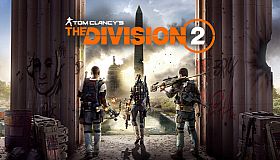



Tom Clancy's The Division 2 is a third-person looter shooter RPG set in a post-apocalyptic Washington, D.C., where players take on the role of Division agents restoring order amid faction conflicts and environmental hazards. The experience blends tactical cover-based shooting with deep gear customization and progression systems that reward experimentation across solo and group play.
Gameplay
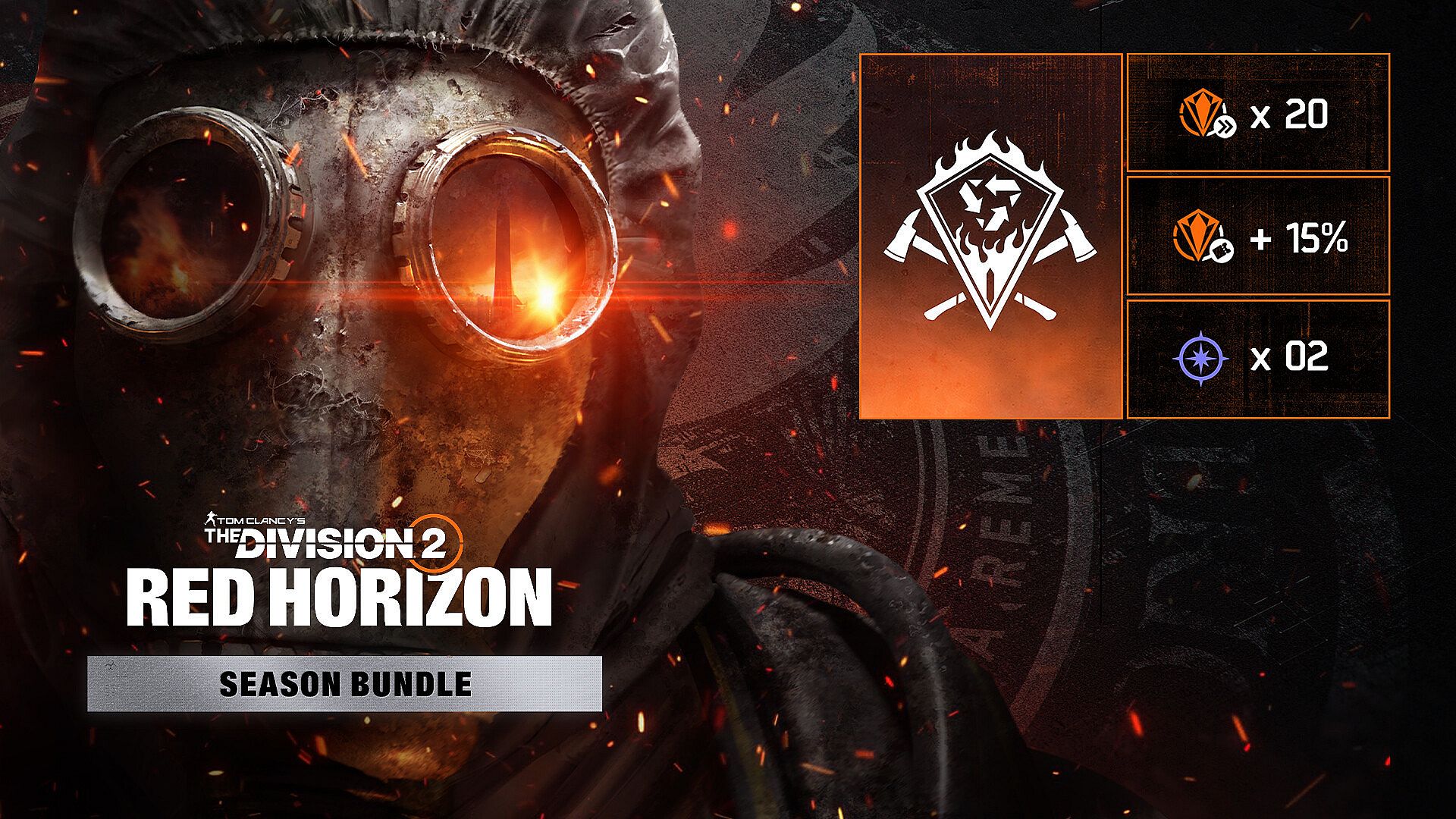
Core combat revolves around precise positioning behind cover, skill deployment, and weapon handling in third-person perspective. Agents build loadouts from looted weapons, armor, and gear sets that provide specialized bonuses and talents. Progression includes leveling to unlock specializations, advancing through world tiers for higher difficulty and better rewards, and optimizing items via crafting and recalibration. The Red Horizon season introduces a Pressure Gauge mechanic that builds during combat through kills, headshots, and skill usage, allowing players to activate modifiers that alter gameplay with active and passive effects focused on healing, weapon handling, or skill efficiency.
Open-world exploration features dynamic events, landmarks, and faction activities that scale with player level and world tier. Gear acquisition emphasizes variety in cores, attributes, and talents, with recent updates reworking several sets to encourage diverse builds beyond dominant options. Status effects like burn play a prominent role in the current season due to the featured enemy faction.
Game Modes
The campaign consists of story missions and strongholds playable in co-op with up to three other agents or solo. These missions guide players through the narrative while introducing new threats and objectives. Open-world activities include control points, convoys, and public executions that contribute to overall progression and loot.
Dark Zones serve as high-stakes extraction zones with rotating variants: the classic PvPvE setup, a balanced version that normalizes stats for skill-based encounters, a permanent toxic PvE mode emphasizing cooperation and survival against toxicity buildup, and the new blackout variant that enables full build power including prototype gear in uncapped PvP. Conflict offers structured PvP on dedicated maps with modes such as skirmish team deathmatch and domination for capturing objectives. Additional endgame options include incursions, escalations, and classified assignments that deliver focused challenges with unique rewards.
Seasons and Ongoing Content
The game receives regular seasonal updates that introduce new global modifiers, enemy faction expansions, gear adjustments, and quality-of-life improvements. Red Horizon, the current season, centers the Cleaners faction in Washington, D.C., with escalating activities, elite squads, and burn-focused encounters. It also adds new classified assignments and refines Dark Zone rotations based on community input. Year 8 continues with further seasons planned, including endgame system changes like prototype gear customization and escalation adjustments, while Year 9 development has been confirmed alongside an upcoming expansion set in Central Park.
These updates maintain variety through limited-time events, new weapons, talents, and balance passes that address PvP and loot distribution. The structure supports long-term engagement for players who return for fresh challenges without requiring constant play.
Is It Worth Playing?
Tom Clancy's The Division 2 maintains an active development cycle with seasonal content that keeps the experience current years after launch. Steam reviews reflect a Mostly Positive rating based on tens of thousands of submissions, indicating broad satisfaction with the core loop of looting, building, and tackling varied activities. The mix of co-op campaign elements, open-world freedom, and competitive Dark Zone and Conflict modes appeals to players who enjoy tactical shooters with RPG depth and social features.
Those seeking a looter shooter with persistent progression, regular updates, and options for both cooperative and player-versus-player combat will find substantial value in the current state. The presence of permanent PvE Dark Zone variants and ongoing faction-focused seasons provides accessible entry points alongside high-end challenges for dedicated agents.