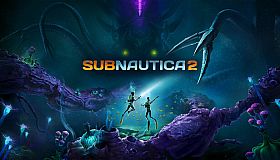
Subnautica: Below Zero is a single-player survival game set on the frozen regions of Planet 4546B. Players take on the role of Robin Ayou, who arrives to investigate a research station and becomes stranded in an arctic environment filled with new biomes both above and below the ice.
Gameplay
The core loop centers on resource gathering, crafting equipment, and constructing habitats while managing oxygen, hunger, thirst, and temperature. Exploration drives progress as players scan flora and fauna to unlock blueprints, then use those to build tools, vehicles, and bases suited to the cold waters and snowy terrain. New vehicles like the Sea Truck allow modular customization for different tasks, while land traversal involves the Snowfox hoverbike across icy surfaces. Base building emphasizes placement in varied locations to support extended expeditions, with systems for power generation and storage that tie directly into survival needs.
Encounters with wildlife require careful observation and evasion rather than direct combat, as many creatures react to player presence or noise. Temperature management adds a layer to surface activities, forcing players to balance time on land with returns to warmer underwater areas or heated shelters. The game maintains a focus on discovery through scanning and data collection, gradually revealing more about the planet's history and hazards.
Game Modes
Four primary modes shape the experience. Survival serves as the standard option with full resource and environmental management. Freedom removes hunger and thirst to emphasize exploration and building. Hardcore introduces permadeath, deleting the save upon failure. Creative disables all survival constraints, provides instant access to blueprints and resources, and equips players with key items like the habitat builder and scanner from the start.
These options allow different approaches depending on whether the priority lies in tension, freedom, or pure creative expression. Custom settings further adjust specific parameters for tailored sessions.
Exploration and Story
The map features distinct aquatic and terrestrial zones, including twisty bridges, crystal caverns, thermal vents, and glacial basins. Players navigate these areas to locate alien artifacts, abandoned facilities, and narrative logs that advance the central investigation. Story elements unfold through voice-acted transmissions and environmental clues, providing context for the cover-up and personal stakes involved.
Progression involves deeper dives and surface treks that unlock new crafting options and vehicle upgrades. The smaller scale compared to prior entries concentrates activity in a more directed region, yet still supports dozens of hours of scanning, building, and uncovering details across multiple playthroughs.
Audio Experience
The 54-track original soundtrack composed by Ben Prunty enhances the sense of isolation and mystery throughout the journey. The album runs over two hours and incorporates vintage synths, kalimba, granular synthesis, extensive reverb, and waterphone elements to reflect the frozen planet's atmosphere. Many tracks received expansions and specialized mastering for the release, creating a cohesive backdrop that shifts with different biomes and situations.
Sound design complements the music with environmental audio cues that signal changes in depth, wildlife activity, or structural integrity, reinforcing the need for constant awareness during expeditions.
Is It Worth Playing?
Subnautica: Below Zero maintains a Very Positive rating on its primary platform from over 108,000 reviews, reflecting consistent appreciation for its refined mechanics and atmospheric world. Recent player counts remain in the hundreds concurrent, with ongoing availability across PC and additional ports to newer consoles and mobile devices. The experience suits those who value deliberate pacing, systematic crafting, and narrative discovery in a contained single-player setting.
Players seeking a focused follow-up to underwater survival themes will find strong execution in vehicle handling, base systems, and environmental storytelling. Those preferring larger open worlds or multiplayer elements may note the more contained scope as a distinction rather than a drawback. The soundtrack integration further supports repeated visits for its evocative qualities during long sessions.