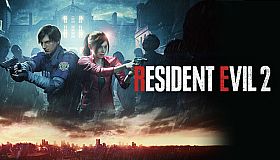




Resident Evil 2 é um jogo de survival horror em que os jogadores controlam o policial novato Leon Kennedy ou a estudante Claire Redfield enquanto tentam sobreviver nas ruas e prédios de Raccoon City, tomada por zumbis. A jornada passa por uma delegacia, esgotos e um laboratório, onde é preciso enfrentar ameaças constantes dos mortos-vivos e criaturas ainda mais perigosas. O foco está na gestão de recursos, exploração e combates precisos em perspectiva em terceira pessoa.
Gameplay
O ciclo principal envolve coletar suprimentos limitados, resolver quebra-cabeças ambientais e enfrentar inimigos com armas de fogo ou corpo a corpo. O inventário começa com apenas oito espaços, que podem ser ampliados com pochetes, obrigando o jogador a decidir o que carregar e o que guardar nos baús dos safe rooms. Itens podem ser combinados para criar curativos mais eficazes a partir de ervas ou munição a partir de pólvora. O combate valoriza tiros na cabeça e bom posicionamento, já que ataques comuns raramente param os zumbis com rapidez.
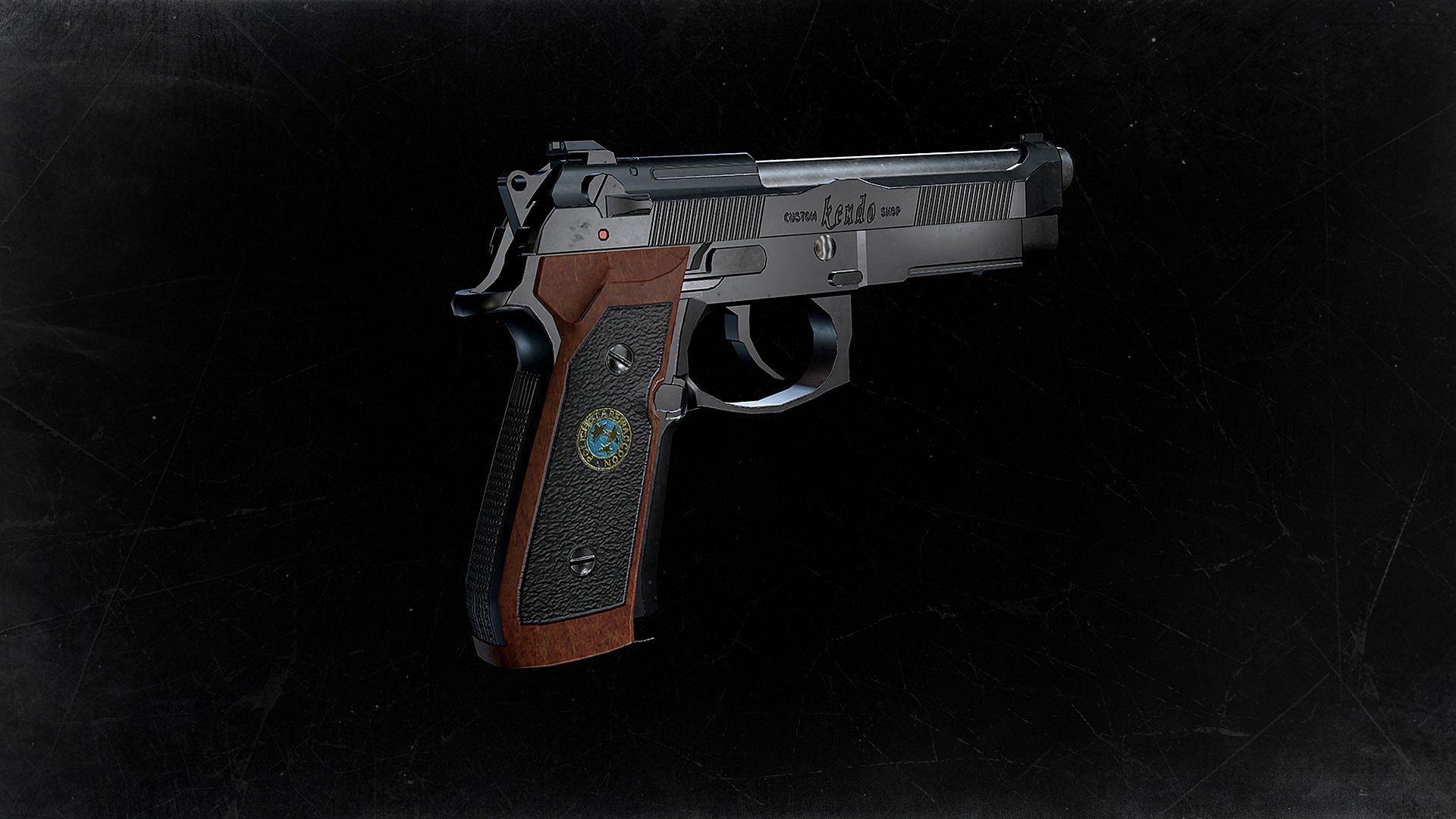
Um perseguidor constante, o Tyrant, força o jogador a alternar entre confrontos diretos e estratégias de fuga fora dos safe rooms. Personagens secundários se tornam jogáveis em algumas seções, trazendo mecânicas como rastejar em modo furtivo ou hackear dispositivos. A Samurai Edge Jill Model é adicionada ao item box durante a campanha principal: uma pistola 9mm com capacidade para quinze tiros e slide personalizado, oferecendo uma arma alternativa para fãs de Jill Valentine.
As configurações de dificuldade modificam a agressividade dos inimigos, a escassez de itens e as regras de salvamento. O modo Assisted alivia a pressão para iniciantes, o Standard mantém um equilíbrio e o Hardcore exige fitas de tinta para salvar no typewriter, além de aumentar a resistência dos inimigos e reduzir os recursos disponíveis.
Game Modes
A campanha principal é dividida em dois cenários por protagonista. Concluir um desbloqueia a segunda jornada do outro personagem, que altera a localização dos itens, muda as soluções dos quebra-cabeças e leva a um final diferente. Essa estrutura incentiva múltiplas partidas para conhecer as duas perspectivas e a história completa.
Após a campanha, modos extras ampliam as opções de replay. O 4th Survivor coloca o jogador no controle de Hunk em uma corrida dos esgotos até o ponto de extração. O Tofu Survivor oferece uma versão mais leve e humorística com a mesma estrutura. O Ghost Survivors apresenta cenários alternativos para personagens secundários que morrem na campanha principal, com inimigos exclusivos e pontos de reabastecimento.
Exploration and Atmosphere
A delegacia de polícia de Raccoon City funciona como hub central, com salas interconectadas que recompensam o retorno quando novas chaves ou ferramentas são obtidas. Corredores escuros, luzes piscando e encontros repentinos com inimigos criam tensão constante na delegacia, nos túneis subterrâneos e na instalação laboratorial. A narrativa ambiental, transmitida por documentos e detalhes visuais, revela as origens do surto sem interromper o ritmo do jogo.
O design de som destaca passos, gemidos distantes e o retorno das armas para aumentar a sensação de alerta. A munição limitada estimula a conservação e o uso criativo do ambiente, como atrair grupos de inimigos para corredores estreitos e eliminá-los com mais eficiência.
Is It Worth Playing?
Resident Evil 2 oferece uma campanha autônoma com alto valor de replay graças às variações de cenário e aos modos extras. Armas adicionais como a Samurai Edge Jill Model são integradas diretamente ao item box e podem ser usadas desde o início da história principal. Quem aprecia survival horror metódico, com quebra-cabeças e ameaças crescentes, encontra sistemas que permanecem recompensadores em várias partidas.
O jogo está disponível no PC sem necessidade de conteúdo sazonal, permitindo acesso imediato a todos os modos e dificuldades verificados. Quem busca ação tensa em single-player, centrada na escassez de recursos e na atmosfera, em vez de multiplayer competitivo, encontra um pacote completo.