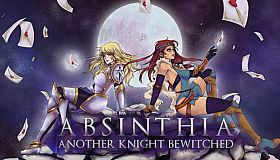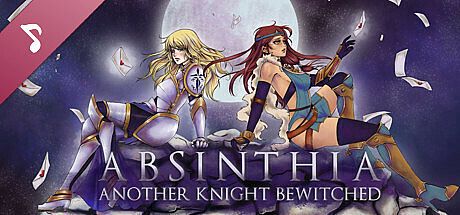




Absinthia is a singleplayer turn-based RPG developed for PC. It centers on a compact narrative experience with classic JRPG combat mechanics and a focus on character-driven storytelling.
Gameplay
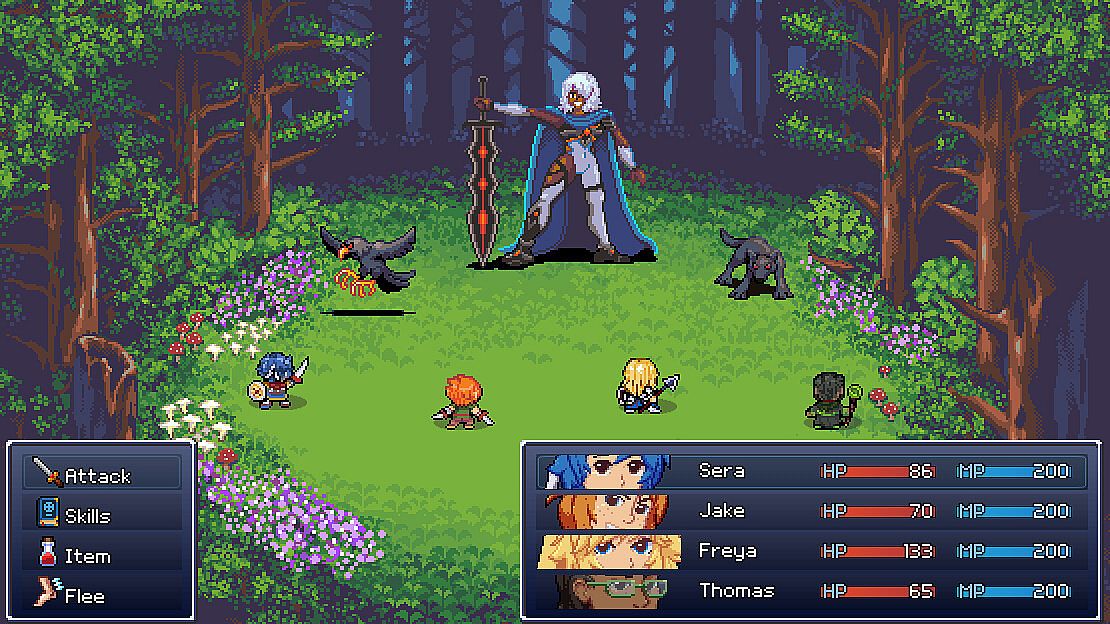
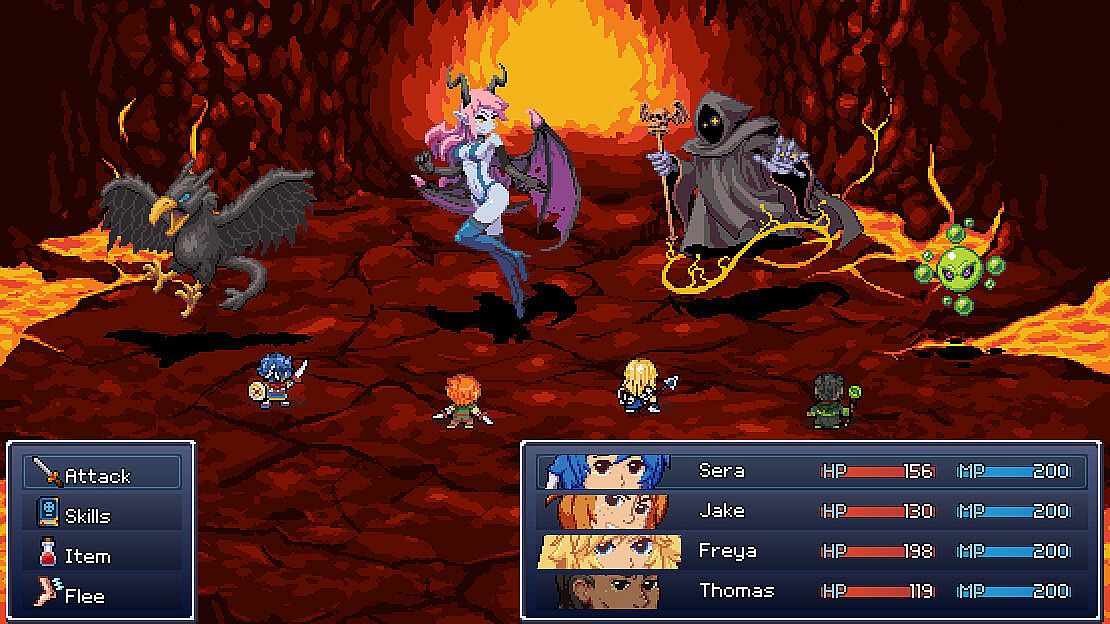
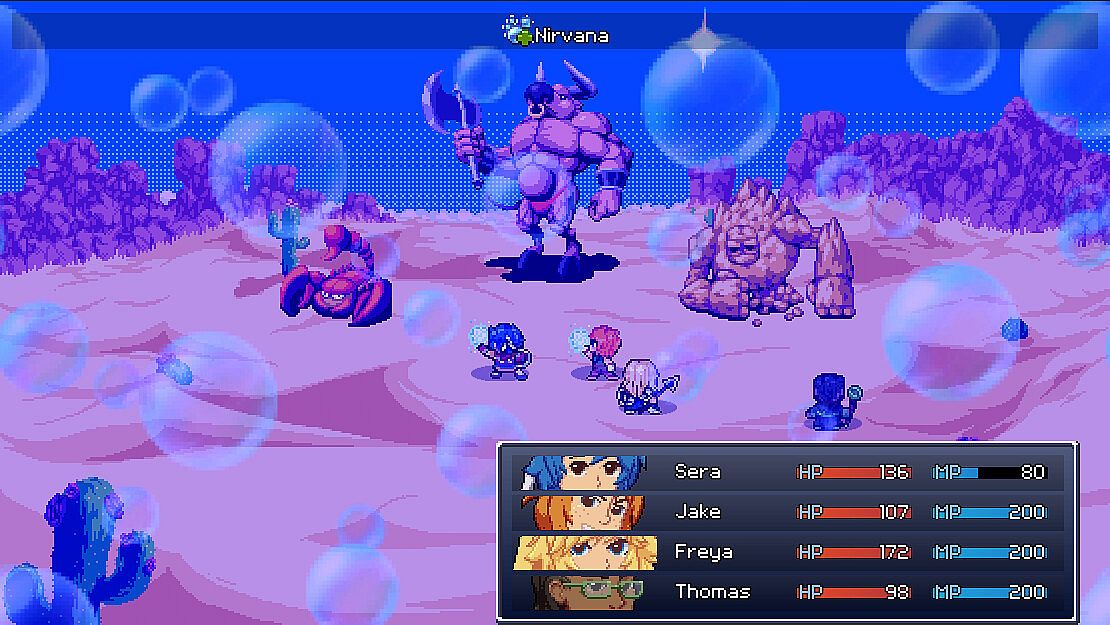
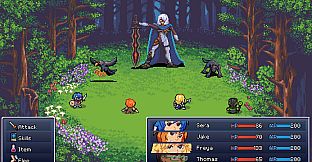
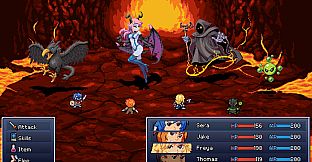
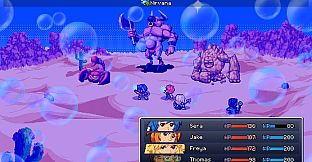
The core loop revolves around exploration across a small world map and deliberate encounters that trigger when players approach visible enemies. Combat follows a traditional turn-based JRPG structure where party members take actions in sequence. A regenerating MP system keeps battles moving at a steady pace without long waits for resource recovery. Team-based attacks allow coordinated strikes that deal significant damage when timed correctly. Players manage a small cast of characters, each with distinct abilities that complement one another during fights. The absence of random encounters means every battle is intentional and tied to visible threats on the field.
Progression emphasizes story advancement over grinding. Battles reward experience and items that support the next sequence of events rather than endless leveling. Puzzle elements appear in certain areas, requiring players to interact with the environment to open paths or reveal secrets. The overall pace suits shorter play sessions, with most players completing the full experience in around fifteen hours.
Game Modes
Absinthia offers a single continuous campaign that blends exploration, dialogue choices, and combat encounters. There are no separate multiplayer options or competitive modes. The entire game functions as a linear story experience with optional side content that expands on character backstories. Combat encounters serve as the primary interactive element, while narrative sequences drive the progression forward. Players advance through chapters that gradually introduce new party members and escalate the central conflict.
Story and Setting
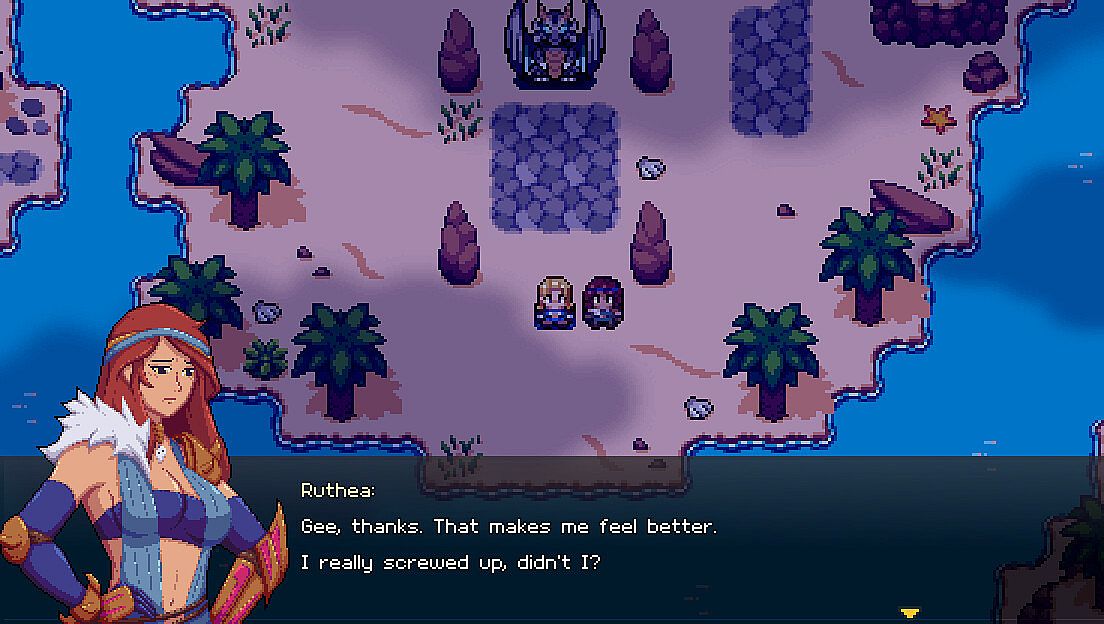
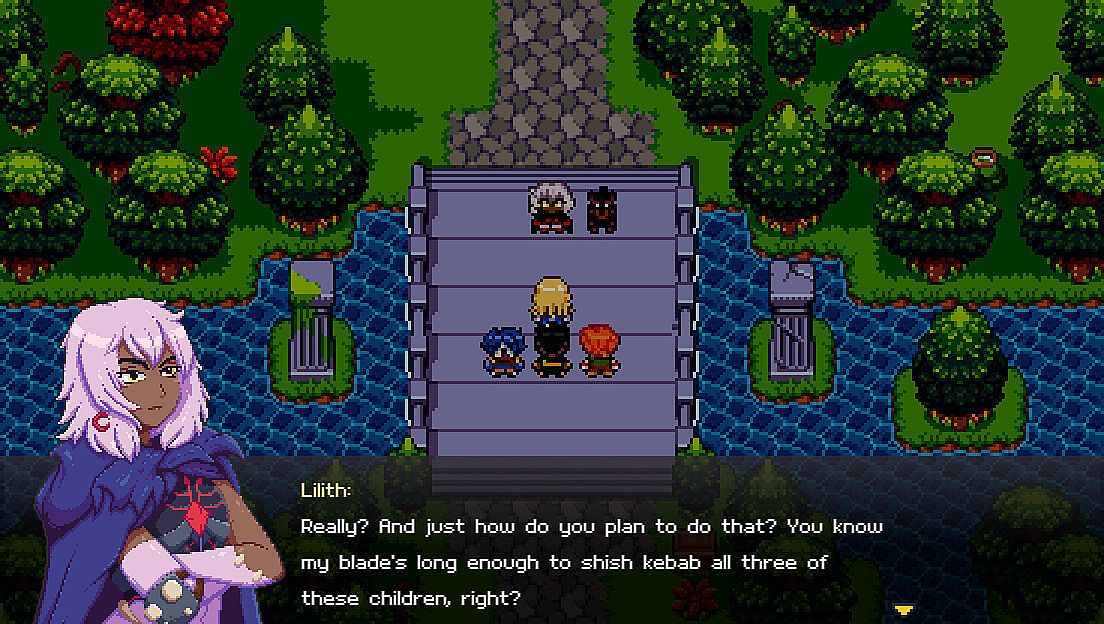
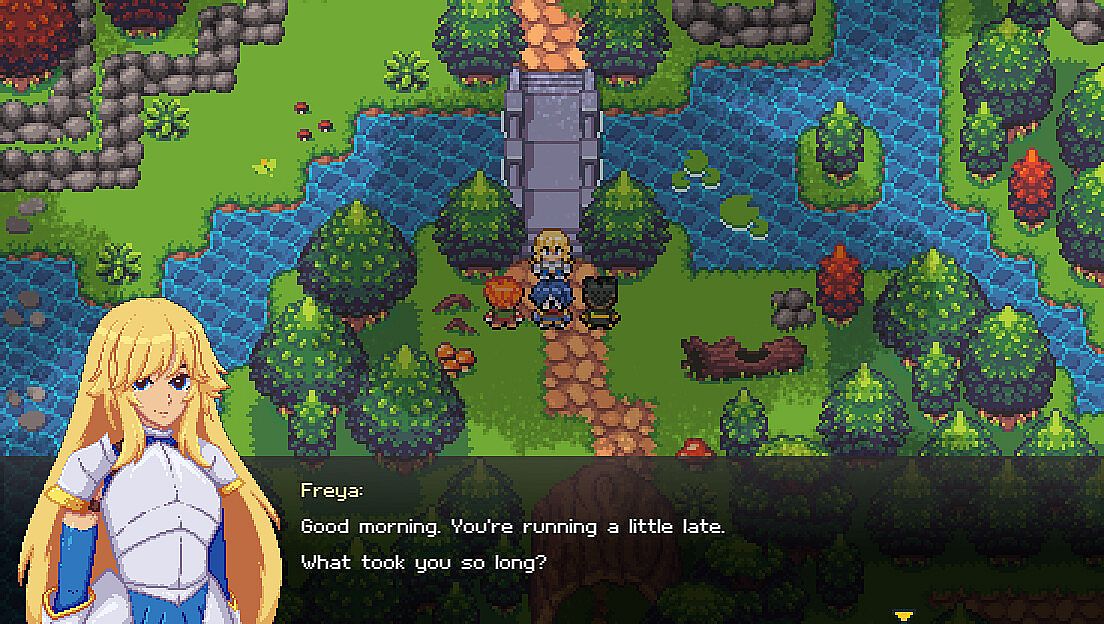
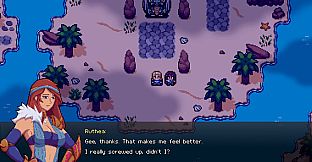
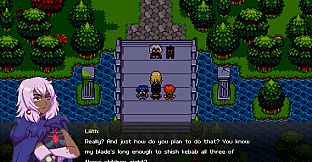
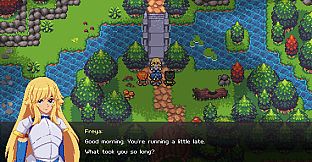
The narrative follows scorned knight Freya and her young apprentice Sera as they navigate personal struggles with loss, betrayal, and acceptance. Their journey takes place in the Ambrose Isles, a setting that supports themes of friendship and protection of home. The cast includes an LGBTQ+ ensemble whose relationships and identities receive thoughtful attention throughout the plot. Dialogue and cutscenes reveal individual motivations without relying on lengthy exposition dumps. The story remains focused and self-contained, avoiding unnecessary subplots that could dilute the main thread.
Presentation and Audio
Visuals adopt a bright 16-bit aesthetic reminiscent of Game Boy Advance titles, with clean sprites and colorful environments that stand out during both exploration and battles. The accompanying soundtrack features 32 original tracks plus four additional pieces for a total of 36. Jazz Stewart composed the majority of the music, delivering a buoyant and memorable score that enhances emotional beats. Two tracks come from other contributors: Dionté George with A Life Of Harmony and Gabriel Pulcinelli with Another Love Bewitched. The audio design integrates seamlessly with the combat rhythm and story moments.
Is It Worth Playing?
Player reception has been strongly positive, with 95 percent approval from reviews on the primary distribution platform. The game appeals to those seeking a concise JRPG that prioritizes narrative and character moments over expansive open-world systems. Its short length makes it accessible for players who prefer complete experiences without long-term commitments. The regenerating MP mechanic and visible encounters create a combat flow that feels responsive and fair. Those who enjoy classic turn-based battles paired with modern representation themes will find the package cohesive. Current support focuses on the released content, with no ongoing seasonal updates required for the core story. The soundtrack stands as a highlight that can be enjoyed independently or alongside the game itself.